
What does UPF 40+ or 50+ mean on work clothing, and how is it different from SPF?
UPF is the ultraviolet protection factor of a fabric: the fraction of the sun’s UV radiation it lets through to the skin. A UPF 50 fabric transmits 1/50th, about 2 percent, and blocks about 98 percent; UPF 40 transmits 1/40th, 2.5 percent, and blocks 97.5 percent. It is measured on the fabric with a spectrophotometer (AATCC 183 in the US, with the labeling rules in ASTM D6603; AS/NZS 4399 in Australia and New Zealand, which also rates garment coverage), not on skin, which is the difference from SPF: SPF is a sunscreen’s factor for UVB delay of reddening on people, UPF is a fabric’s factor across UVA and UVB. ASTM D6603 labels 15 to 24 as good, 25 to 39 very good and 40 to 50+ excellent, and caps the label at 50+, so a 40+ and a 50+ garment both sit in the top band and the plus means the measured value was at or above the figure. A UPF figure covers only the fabric where it is: a UPF 50+ T-shirt protects the torso and upper arms, not the face, neck and hands. Portwest states UPF 40+ on 205 garments on this site and 50+ on 13, printed in the Standards line.
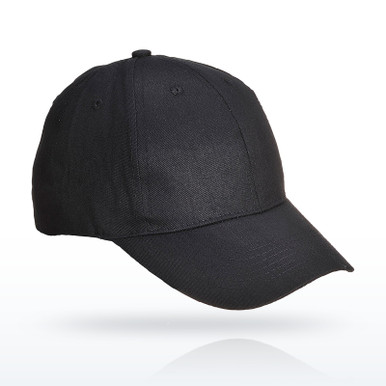 Portwest B010 Baseball Caps, Cotton, BlackUPF 50+ as Portwest states it (Portwest data)
Why the number is on a work shirt at all. Outdoor crews spend the day in the sun that the heat-illness rules are written for, and a tightly woven or knitted fabric in a dark or bright color blocks far more UV than a thin, light, loose one: a plain white cotton T-shirt can test around UPF 5 to 7, and lower when wet or stretched, while a polyester knit of the weight used in hi-vis shirts tests at 40 and above. Fluorescent dyes absorb UV (that is how they glow), which is part of why hi-vis fabrics rate well. The UPF figure lets a buyer compare fabrics on one scale instead of guessing from the hand. What it does not do is stand in for shade, water and rest: Cal/OSHA 3395 and the OSHA heat guidance treat clothing as one piece of the program, and a UPF 50+ shirt in the sun is still a shirt in the sun. Wetting, stretching and wear lower a fabric’s UPF; Portwest publishes the figure for the fabric as sold.
The figures
What each one means on the label.
What changes a fabric’s UPF
- Weave and knit density: the tighter the construction, the less UV gets through; hold the fabric to a light and the holes you see are the UV path.
- Fiber: polyester and nylon absorb more UV than cotton, rayon or linen of the same construction; wool is in between.
- Colour and dye: darker and fluorescent colors absorb more UV; bleached white absorbs the least unless treated with a UV absorber.
- Weight: a 6 oz polycotton tests higher than a 4 oz; Portwest prints the fabric weight on each garment page beside the UPF.
- Wet, stretched and worn: water in the fibers and stretch between the yarns both raise transmission; the labeled figure is for the dry, unstretched fabric as sold.
- Where the figure sits: Portwest prints UPF in the Standards line with the garment’s other listings (ANSI/ISEA 107 class, EN ISO 20471, arc rating), so a hi-vis shirt reads its class and its UPF together.
Questions people ask
What does UPF 50+ mean?
The fabric lets through 1/50th or less of the sun’s UV, blocking about 98 percent or more; ASTM D6603 caps the label at 50+, so it is the top band. Measured on the fabric by AATCC 183.
Is UPF 40 good?
It is in the “excellent” band of ASTM D6603 (40 to 50+): 97.5 percent of UV blocked. The difference between 40 and 50 is 2.5 percent versus 2 percent transmitted.
What is the difference between UPF and SPF?
UPF is a fabric’s factor across UVA and UVB, measured with an instrument; SPF is a sunscreen’s UVB factor measured on people. A UPF 50 shirt and an SPF 50 sunscreen are not the same measurement.
Does a UPF shirt replace shade and water?
No. Cal/OSHA 3395 and the OSHA heat guidance put shade, water, rest and acclimatization first; the shirt protects the skin it covers from UV and does nothing for body heat. The heat guides linked below cover the rules.
Does the UPF drop when the shirt is wet or old?
Yes: water in the fibers, stretch and wear raise transmission. The labeled figure is for the fabric as sold, dry and unstretched; Portwest prints that figure.
Is hi-vis clothing with a UPF figure still considered PPE?
The hi-vis class is the PPE rating (ANSI/ISEA 107, for the struck-by hazard) and the UPF is a fabric figure printed beside it; OSHA has no UPF rule, and sun protection falls under the heat and sun guidance rather than a standard. Portwest lists both in the Standards line of its UPF 40+ and 50+ hi-vis shirts.
What UPF clothing do you wear in the heat, and does FR clothing carry a UPF?
A UPF 40+ or 50+ long-sleeve shirt in a light, tightly knit polyester or polycotton covers the arms with 97.5 to 98 percent of UV blocked; Portwest prints UPF 40+ on several Bizflame FR shirts and 50+ on its hi-vis and cooling shirts, so an FR or hi-vis garment can carry the figure too. Shade, water and rest are the heat controls; the shirt is the sun control.
How is UPF clothing washed, and does the figure survive washing?
By the care label; UPF comes from the weave, fiber and dye rather than a coating on most work shirts, so ordinary washing does not remove it, and a tighter shrink can raise it slightly. Stretching, wear and fading lower it, and a wet shirt transmits more UV than the dry labeled figure. FR shirts with a UPF follow the FR wash rules as well (no bleach, softener or starch).
The ratings, test results and standards shown here are the manufacturers' published values, reproduced as published. Nothing on this page is a recommendation by Bayshore Safety that any product is suitable for a particular task, hazard or workplace. Selecting safety products and protective equipment is the responsibility of the end user and the employer, based on their own hazard assessment and the regulations that apply to their work. Confirm every value on the manufacturer's own documentation before use.