
ANSI/ISEA 138 Impact-Resistant Hand Protection: what it requires and the equipment it names
ANSI/ISEA 138 is the back-of-hand impact standard for work gloves, published in 2019. It rates the knuckles and fingers of a glove by how much force passes through a dorsal protector when a 5 joule impactor strikes it, in three levels, with a pictogram on the glove. OSHA's hand protection rule, 1910.138, asks for selection on performance characteristics; 138 is the impact characteristic. We sell nationwide; ships in 1–2 business days; most orders arrive in 3–7 business days.
The plain answer
ANSI/ISEA 138 is the American National Standard for Performance and Classification for Impact-Resistant Hand Protection. It is a voluntary rating that manufacturers test to and mark; it becomes relevant to a rule through 29 CFR 1910.138(b), which requires gloves selected on their performance characteristics for the task, and through the oil and gas, mining and utility hand-injury programs that specify an impact level.
As PIP's and MCR Safety's published explainers state it, a glove is tested on its knuckles and fingers with a 2.5 kg flat-faced impactor dropped to deliver 5 joules; the mean transmitted force decides the level: Level 1 at 9 kN or less (no single result over 11.3 kN), Level 2 at 6.5 kN or less (no single over 8.1 kN), and Level 3 at 4 kN or less (no single over 5 kN). The glove is rated at the lowest level achieved by any tested zone, and the pictogram with the level is printed on the back of the glove. The standard replaced the informal use of the European EN 388 "P" impact mark on US gloves and is stricter in testing fingers as well as knuckles.
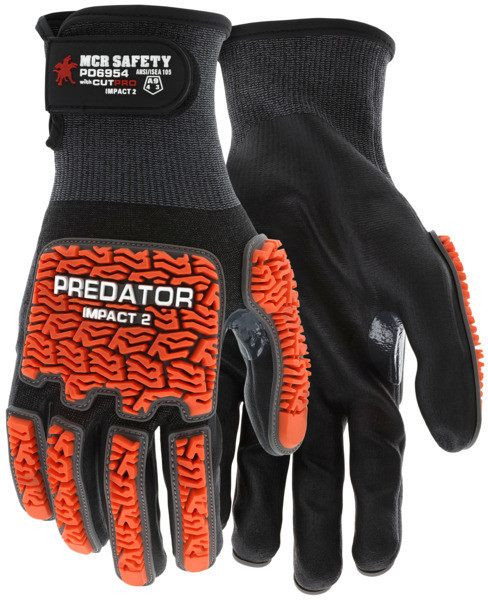
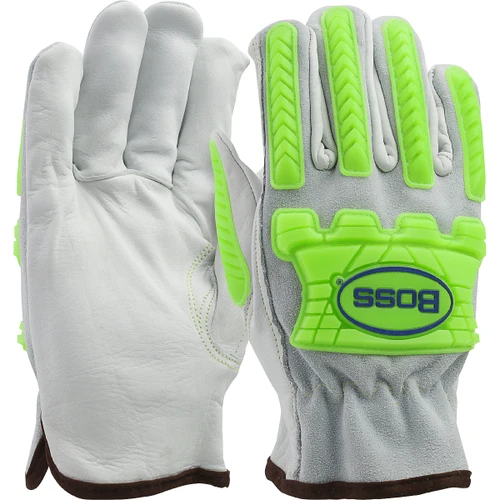
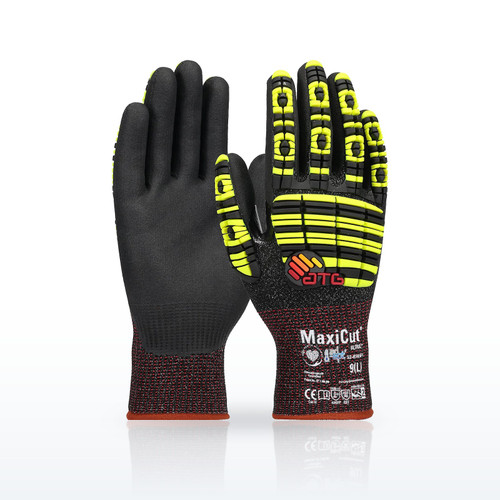
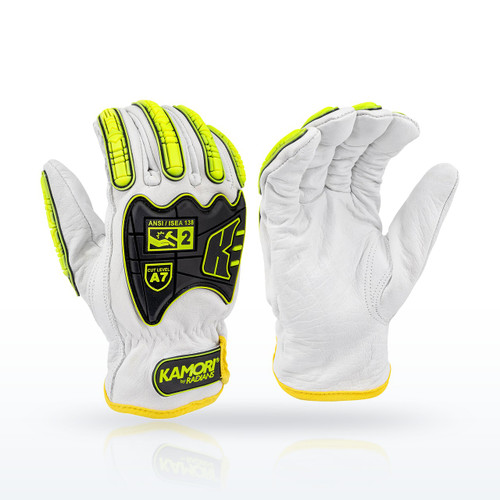
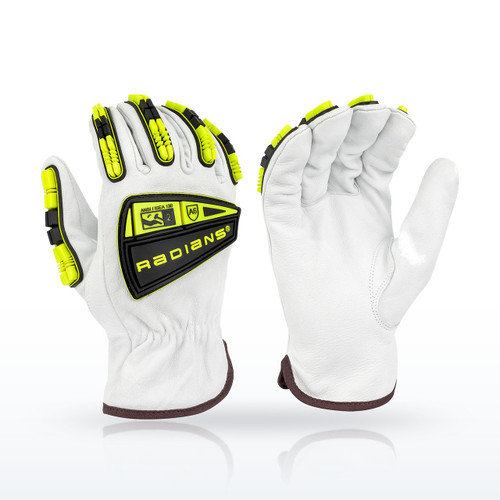
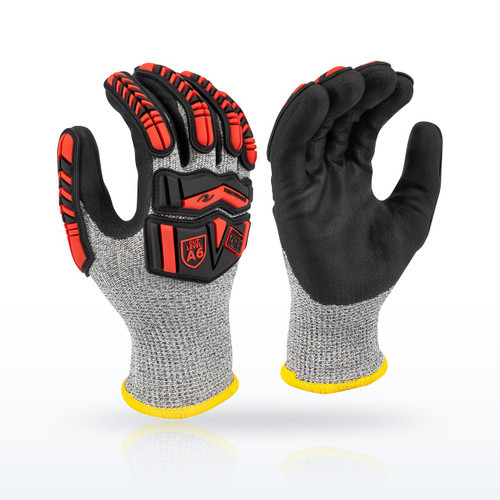
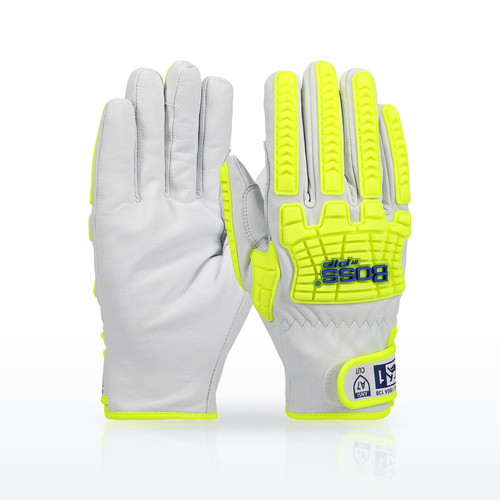
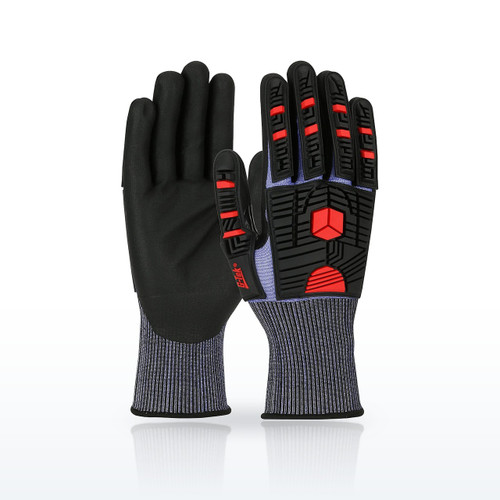
The equipment it names is impact-resistant gloves: thermoplastic rubber (TPR) back-of-hand protectors over knit, leather or synthetic gloves, mechanics-style impact gloves, and impact gloves that also carry an ANSI/ISEA 105 cut level, each marked with the 138 pictogram and level by its manufacturer.
What the rule says
Each entry is condensed from the paragraph cited; the paragraph itself is the rule and the link opens it.
29 CFR 1910.138(a)-(b): Hand protection where hands are exposed to the listed hazards, selected on an evaluation of performance characteristics relative to the task; impact, pinch and crush hazards fall under the general duty to protect, and the 138 level is the impact characteristic manufacturers publish.
29 CFR 1910.132(d)(1): The hazard assessment that identifies impact and crush hazards (tools, valves, pipe handling, rigging) and selects the glove.
Source: 29 CFR, Occupational Safety and Health Standards, as published by OSHA (ecfr.gov), read Nov 9 2026.
What the standard rates, as the manufacturers publish it
Test: a 2.5 kg impactor with a flat face is dropped to deliver 5 joules onto the knuckle and finger protectors of the glove, with the glove mounted on an anvil fitted with a load cell; each knuckle and each finger zone is struck and the transmitted force recorded.
Levels, as PIP's and MCR Safety's explainers state them: Performance Level 1, mean transmitted force 9 kN or less with no single result over 11.3 kN; Level 2, mean 6.5 kN or less with no single result over 8.1 kN; Level 3, mean 4 kN or less with no single result over 5 kN. A lower number of kilonewtons means less force reaches the hand, so Level 3 is the highest protection. The glove is classified at the lowest level reached by any zone tested, so a glove with Level 3 knuckles and Level 1 fingers is a Level 1 glove.
Marking: the 138 pictogram (a hand with an impactor) with the level number is printed on the glove, and the manufacturer's specification sheet states the level with the test report; impact gloves commonly also carry an ANSI/ISEA 105 cut level (A4 to A9) and an abrasion level, which are separate ratings.
Relation to EN 388: the European mechanical standard added an optional impact test (marked P in the sixth position) in 2016 that tests knuckles only against a 5 joule impact at 9 kN; manufacturers that sell on both sides state both marks.
Source: PIP, "ANSI/ISEA:138-2019 Impact Resistance" (standards explainer, page 1); MCR Safety, "Impact Glove Protection Buying Guide" (2019, pages 11, 13 and 16); PIP, "EN:388-2016 Mechanical Risks" (standards explainer); manufacturers' impact levels on each product page; our guide Impact-rated gloves: what ANSI/ISEA 138 levels 1, 2 and 3 mean.
California (Cal/OSHA)
Each entry is condensed from the paragraph cited; the paragraph itself is the rule and the link opens it.
Title 8 §3384(a): Cal/OSHA requires hand protection for the listed hazards, selected under the §3380(f) assessment; impact is addressed through the same evaluation.
Source: California Code of Regulations, Title 8, as published by Cal/OSHA (dir.ca.gov), read Nov 9 2026.
Equipment the rule names
| Equipment or condition | What the rule requires | Paragraph |
|---|---|---|
| Level 1 impact glove | Mean transmitted force 9 kN or less (no single result over 11.3 kN) | ANSI/ISEA 138 as marked; PIP and MCR explainers |
| Level 2 impact glove | Mean 6.5 kN or less (no single result over 8.1 kN) | ANSI/ISEA 138 as marked |
| Level 3 impact glove | Mean 4 kN or less (no single result over 5 kN); the highest protection | ANSI/ISEA 138 as marked |
| Pictogram | Hand and impactor symbol with the level on the back of the glove | ANSI/ISEA 138 as marked |
| Cut level | Separate ANSI/ISEA 105 level on the same glove where tested | ANSI/ISEA 105 as marked |
Source: 29 CFR, Occupational Safety and Health Standards, as published by OSHA (ecfr.gov), read Nov 9 2026.
What we carry for it
Each table lists products whose manufacturer data states the rating or the standard the rule names, every brand we carry that does, with the current price. Sizes and versions are chosen on the product page. The selector linked under each table holds every item of that type.
Level 3 and Level 2 impact gloves
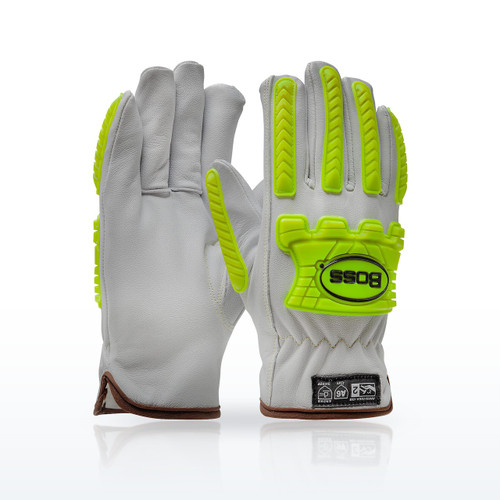
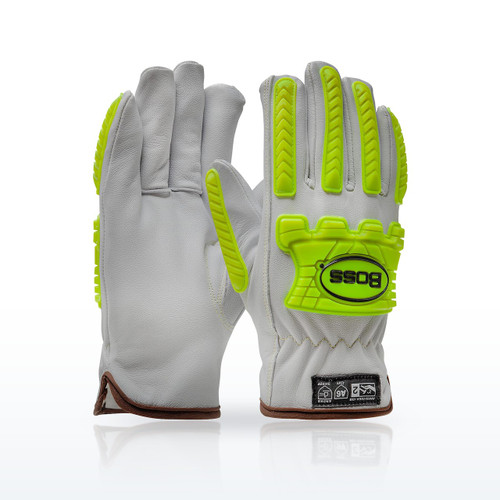
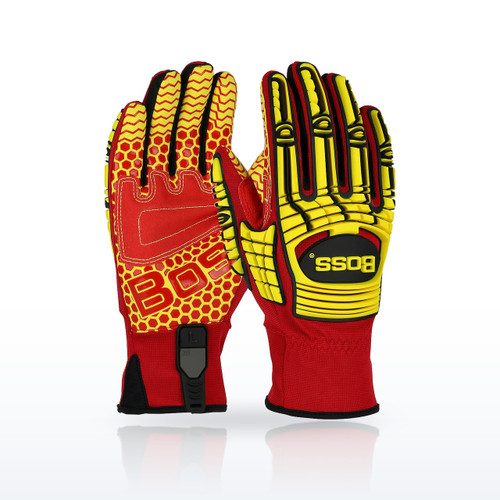

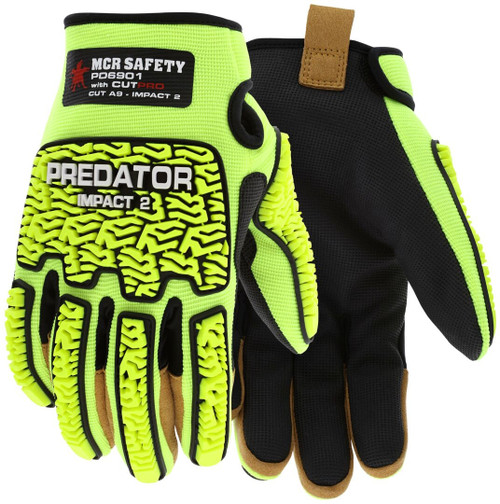


More: every impact glove.
Source: the manufacturers' product pages, specification sheets and catalogs as reproduced on each product page; the ratings and standards shown are the manufacturers' own statements, and the products listed are those whose published data names the rating or the standard, not a selection by Bayshore Safety.
Level 1 impact gloves
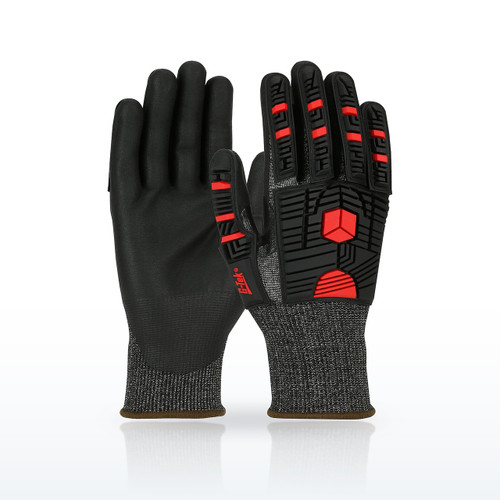
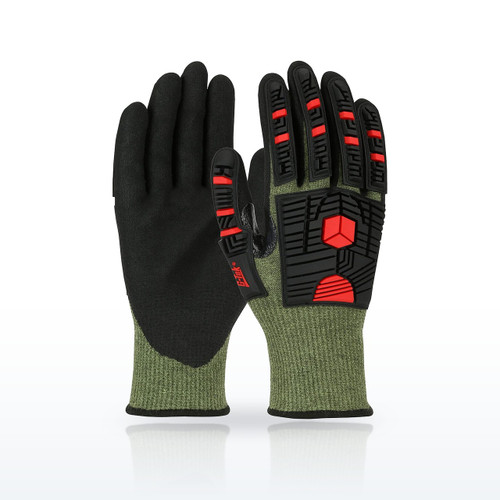
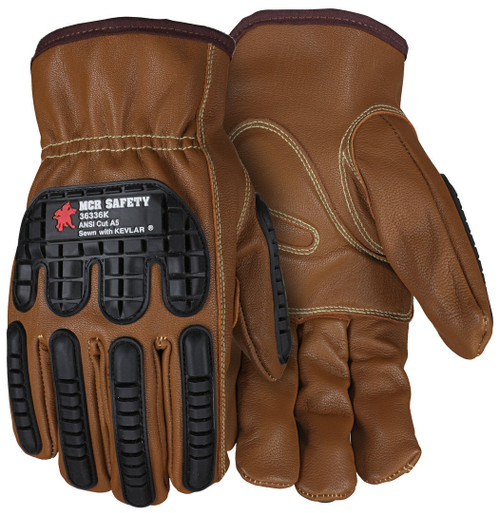
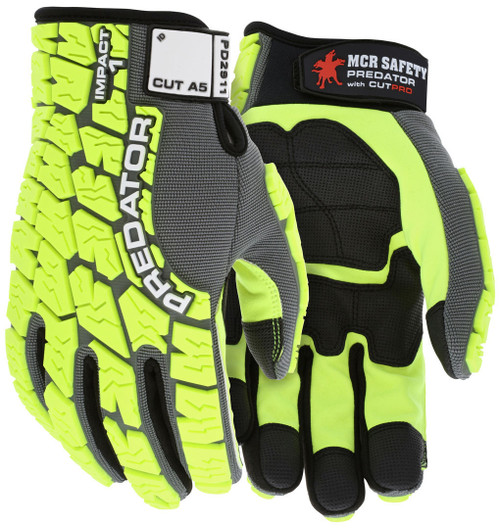
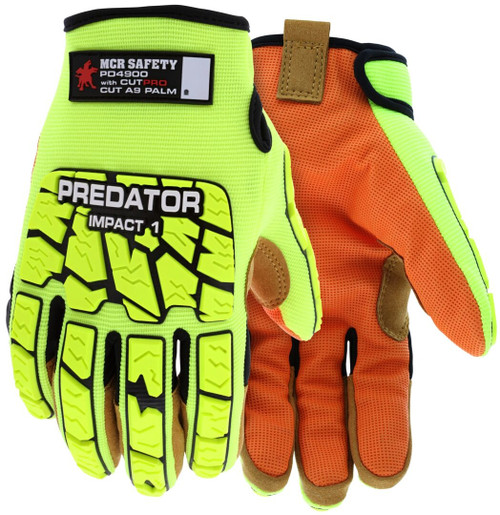
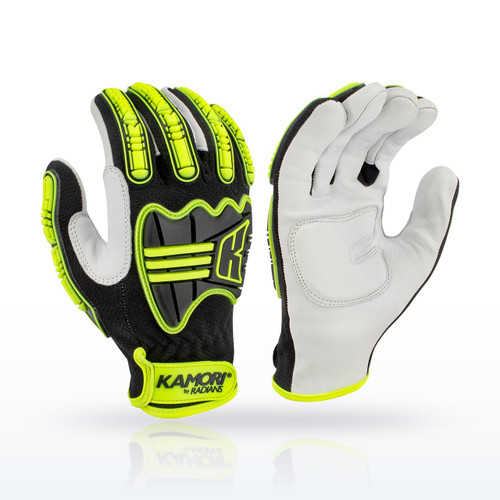
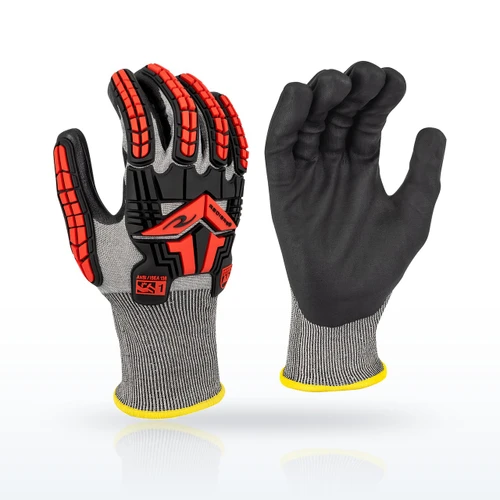
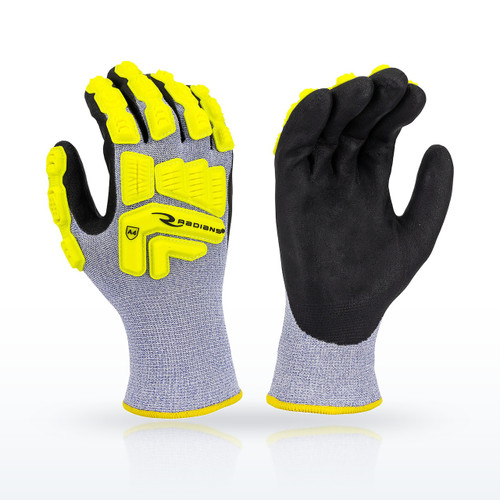
More: every glove by job, cut level and coating.
Source: the manufacturers' product pages, specification sheets and catalogs as reproduced on each product page; the ratings and standards shown are the manufacturers' own statements, and the products listed are those whose published data names the rating or the standard, not a selection by Bayshore Safety.
Impact gloves with an A4 or higher cut level

More: every cut and impact rated glove.
Source: the manufacturers' product pages, specification sheets and catalogs as reproduced on each product page; the ratings and standards shown are the manufacturers' own statements, and the products listed are those whose published data names the rating or the standard, not a selection by Bayshore Safety.
Guides that go further
Impact-rated gloves · What do ANSI cut levels A1 to A9 mean · OSHA hand protection requirements · ANSI/ISEA 105 cut levels explained.
ANSI/ISEA 138 Impact-Resistant Hand Protection questions
What are impact gloves? Work gloves with protectors over the knuckles and fingers, usually thermoplastic rubber, that absorb and spread the force of a blow; under ANSI/ISEA 138 they are tested with a 5 joule impact and rated Level 1, 2 or 3 by the force that reaches the hand, with the level printed on the back of the glove.
What are impact gloves used for? The manufacturers list them for hands exposed to pinch, crush and strike hazards: pipe and tubular handling on rigs, valve and wrench work, rigging and material handling, demolition and mining, mechanics and heavy equipment, where 1910.138(a) and (b) require hand protection selected for the hazard.
Are impact gloves worth it, and do they work? The standard answers the second part with a number: a Level 3 glove lets through a mean of 4 kN or less of a 5 joule impact, a Level 1 glove 9 kN or less, against an unprotected hand that takes the full force; the manufacturer's test report on the product page states the result. Whether the hazard justifies the glove is the employer's assessment under 1910.132(d).
What is the difference between Level 1, 2 and 3 impact gloves? The transmitted force: Level 1 is 9 kN or less (no single hit over 11.3 kN), Level 2 is 6.5 kN or less (no hit over 8.1), Level 3 is 4 kN or less (no hit over 5). Fewer kilonewtons means more protection, so Level 3 is the highest, and the glove takes the lowest level of any knuckle or finger zone tested.
Does an impact glove also have a cut rating? Only if the manufacturer tested and marked it under ANSI/ISEA 105 as well; the two ratings are separate. Many impact gloves carry both, for example A4 to A9 cut with Level 2 impact, and both appear on the glove back and the specification sheet.
Is the EN 388 P mark the same as ANSI/ISEA 138? No. EN 388:2016 adds an optional knuckle-only impact test marked P (pass) at 9 kN; ANSI/ISEA 138 tests knuckles and fingers and reports three levels down to 4 kN, so a 138 Level 2 or 3 glove states more than a P mark does. Gloves sold in both markets carry both.
The ratings, test results and standards shown here are the manufacturers' published values, reproduced as published. Nothing on this page is a recommendation by Bayshore Safety that any product is suitable for a particular task, hazard or workplace. Selecting safety products and protective equipment is the responsibility of the end user and the employer, based on their own hazard assessment and the regulations that apply to their work. Confirm every value on the manufacturer's own documentation before use.