
ANSI/ISEA 105 Hand Protection Classification: what it requires and the equipment it names
ANSI/ISEA 105 is the glove rating standard behind the A1 to A9 cut levels printed on work gloves. OSHA's hand protection rule, 29 CFR 1910.138, names no standard but requires selection on performance characteristics, and 105 is how manufacturers publish those: cut, abrasion, puncture, needle puncture, chemical permeation and degradation, heat and cold, and vibration. We sell nationwide; ships in 1–2 business days; most orders arrive in 3–7 business days.
The plain answer
ANSI/ISEA 105 is the American National Standard for Hand Protection Classification. It is a voluntary rating system, not a rule: 29 CFR 1910.138(b) requires the employer to select gloves on an evaluation of their performance characteristics relative to the task, and the 105 levels on the glove are the performance characteristics manufacturers publish for that evaluation.
As PIP's and MCR Safety's published explainers of the 2016 and 2024 editions state it, cut resistance is tested on the TDM-100 machine under ASTM F2992 and reported in grams of load to cut through the material: A1 is 200 to 499 grams, A2 500 to 999, A3 1,000 to 1,499, A4 1,500 to 2,199, A5 2,200 to 2,999, A6 3,000 to 3,999, A7 4,000 to 4,999, A8 5,000 to 5,999 and A9 6,000 or more. Abrasion is rated 0 to 6 by cycles on a Taber abraser, puncture 0 to 5 by force on a standard probe, hypodermic needle puncture 1 to 5, chemical permeation by breakthrough time and degradation by material loss, conductive heat 1 to 5 by the temperature at which the glove still protects, and contact heat and flame on their own scales.
The equipment it names is gloves and sleeves of every construction that a manufacturer chooses to test and mark: cut-resistant knit gloves and sleeves, coated gloves, leather and leather-palm gloves, impact gloves (whose dorsal impact is rated separately under ANSI/ISEA 138), chemical-resistant gloves and heat-resistant gloves. The level is printed on the glove back or cuff with the pictogram, and on the specification sheet with the test result.
What the rule says
Each entry is condensed from the paragraph cited; the paragraph itself is the rule and the link opens it.
29 CFR 1910.138(a): Hand protection is required where hands are exposed to skin absorption, severe cuts or lacerations, severe abrasions, punctures, chemical burns, thermal burns and harmful temperature extremes, the hazards the 105 scales rate.
29 CFR 1910.138(b): Selection is based on an evaluation of the performance characteristics of the hand protection relative to the tasks, conditions, duration of use and hazards identified; the 105 levels are those performance characteristics as published.
29 CFR 1910.132(d)(1): The hazard assessment that decides which level each task needs.
Source: 29 CFR, Occupational Safety and Health Standards, as published by OSHA (ecfr.gov), read Nov 9 2026.
What the standard rates, as the manufacturers publish it
Cut resistance (ASTM F2992-15, TDM-100 machine): the load in grams needed to cut through the material over a 20 mm stroke, reported as A1 (200 to 499 g), A2 (500 to 999 g), A3 (1,000 to 1,499 g), A4 (1,500 to 2,199 g), A5 (2,200 to 2,999 g), A6 (3,000 to 3,999 g), A7 (4,000 to 4,999 g), A8 (5,000 to 5,999 g) and A9 (6,000 g and above). The 2016 edition introduced the nine A levels in place of the earlier five numeric levels; PIP and MCR Safety print the test result in grams beside the level on their specification sheets.
Abrasion (ASTM D3389 and D3884): levels 0 to 6 by the number of Taber abraser cycles to wear through, with a 500 g load for levels 0 to 3 and 1,000 g for 4 to 6. Puncture (EN 388 probe): levels 0 to 5 by the force in newtons to push a standard probe through. Hypodermic needle puncture (ASTM F2878, 25 gauge needle): levels 1 to 5.
Chemical protection: permeation breakthrough time (ASTM F739) in minutes for the chemical tested, reported as a level 0 to 6 (over 10 minutes up to over 480 minutes), and degradation (ASTM D471) as the percentage loss of puncture resistance after exposure. Heat and cold: conductive heat resistance levels 1 to 5 (ASTM F1060) by the highest temperature at which the glove limits heat transfer, contact heat, flame resistance (ASTM F1358), and cold (ASTM F1060 and EN 511 for the European mark).
Vibration (ANSI S2.73 / ISO 10819): a pass mark for anti-vibration gloves that meet the transmissibility limits. Dexterity (EN 420 pin test) is reported as a level 1 to 5. Impact is not in 105; back-of-hand impact is rated under ANSI/ISEA 138.
Source: PIP, "ANSI/ISEA: Cut Resistance - 105-2024" (standards explainer, pages 1–2); MCR Safety, "ANSI/ISEA Standard 105-2024 Update" (A Quick Guide to Hand Protection Standards); PIP, "EN:388-2016 Mechanical Risks" (standards explainer); manufacturers' specification sheets with the test results; our guide What do ANSI cut levels A1 to A9 mean.
California (Cal/OSHA)
Each entry is condensed from the paragraph cited; the paragraph itself is the rule and the link opens it.
Title 8 §3384(a): Cal/OSHA's hand protection section lists the same hazards and adds an exception where the hazard assessment finds the cut risk infrequent and superficial; the 105 level is how the glove's protection is matched to the risk found.
Source: California Code of Regulations, Title 8, as published by Cal/OSHA (dir.ca.gov), read Nov 9 2026.
Equipment the rule names
| Equipment or condition | What the rule requires | Paragraph |
|---|---|---|
| A1 to A3 gloves | 200 to 1,499 g cut load; light cut hazards (general assembly, material handling) | ANSI/ISEA 105 as marked; PIP and MCR explainers |
| A4 to A6 gloves | 1,500 to 3,999 g; medium to heavy cut hazards (sheet metal, glass, HVAC) | ANSI/ISEA 105 as marked |
| A7 to A9 gloves | 4,000 g and above; the highest cut hazards (blade changes, stamping, recycling) | ANSI/ISEA 105 as marked |
| Abrasion level 0 to 6 | Taber cycles to wear through | ANSI/ISEA 105 as marked |
| Puncture level 0 to 5; needle 1 to 5 | Probe force; hypodermic needle force | ANSI/ISEA 105 as marked |
| Chemical permeation level 0 to 6 | Breakthrough time for the chemical tested | ANSI/ISEA 105 as marked; ASTM F739 |
| Heat level 1 to 5 | Conductive heat resistance; contact and flame separately | ANSI/ISEA 105 as marked |
| Cut-resistant sleeves | Rated on the same cut scale | MCR Safety, "Sleeve Cut Protection" guide |
Source: 29 CFR, Occupational Safety and Health Standards, as published by OSHA (ecfr.gov), read Nov 9 2026.
What we carry for it
Each table lists products whose manufacturer data states the rating or the standard the rule names, every brand we carry that does, with the current price. Sizes and versions are chosen on the product page. The selector linked under each table holds every item of that type.
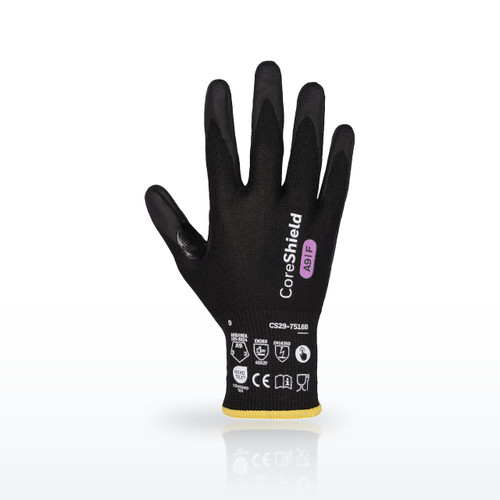
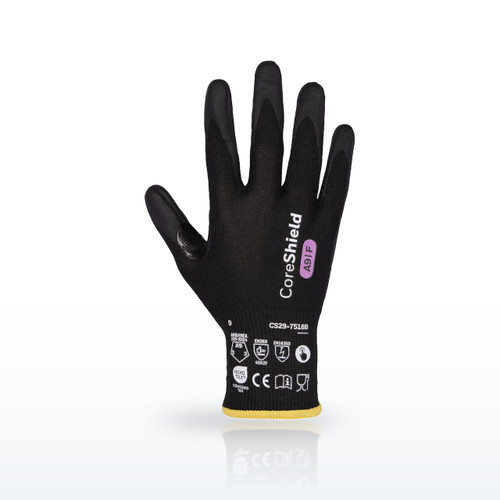
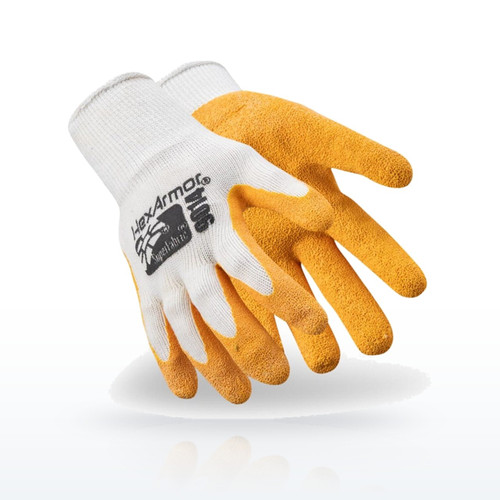
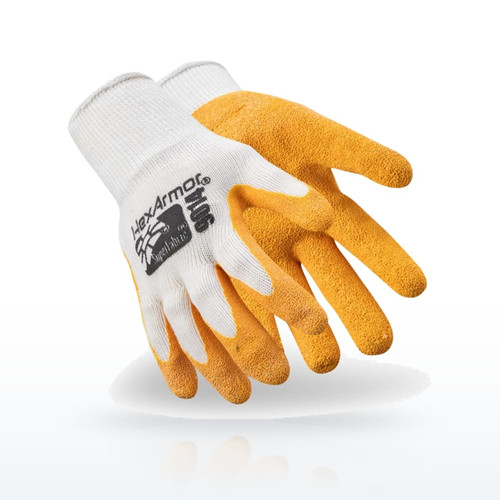
A9, A8 and A7 cut-resistant gloves
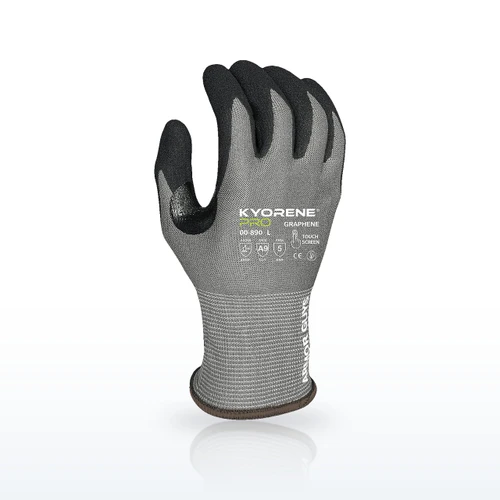
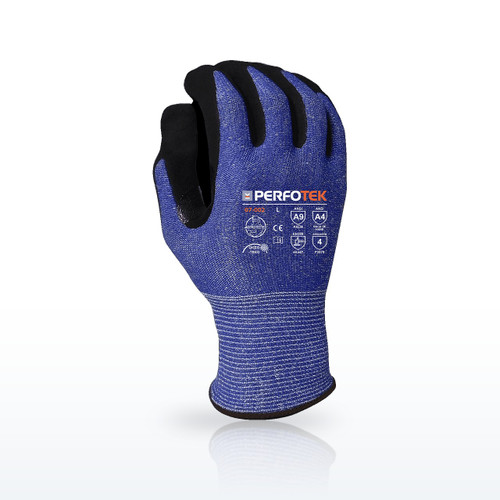
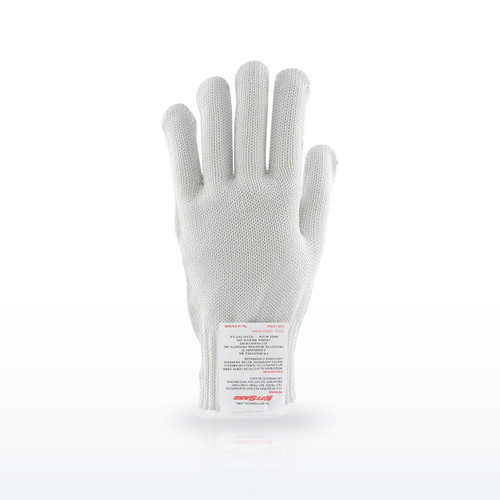
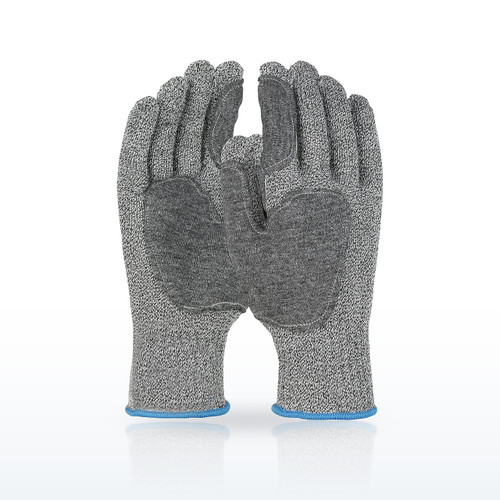

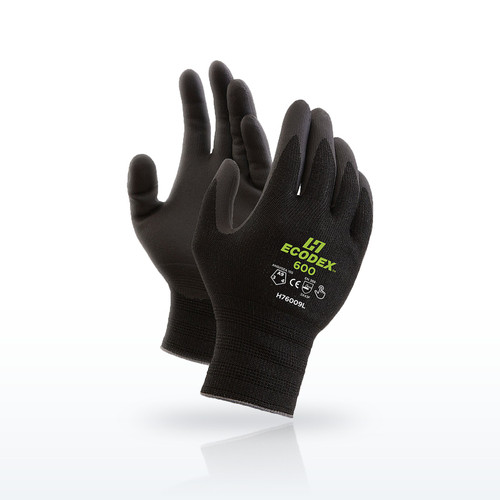


More: every A7 to A9 glove.
Source: the manufacturers' product pages, specification sheets and catalogs as reproduced on each product page; the ratings and standards shown are the manufacturers' own statements, and the products listed are those whose published data names the rating or the standard, not a selection by Bayshore Safety.
A6 cut-resistant gloves
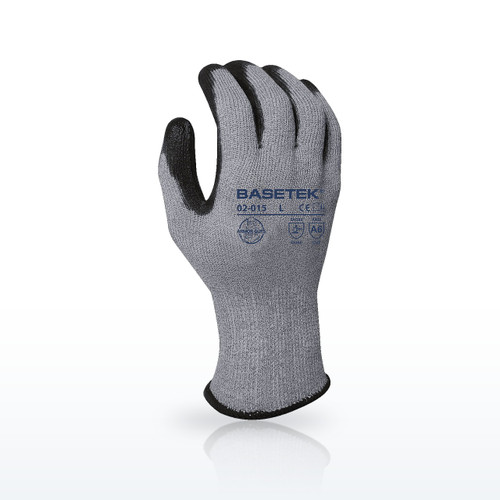
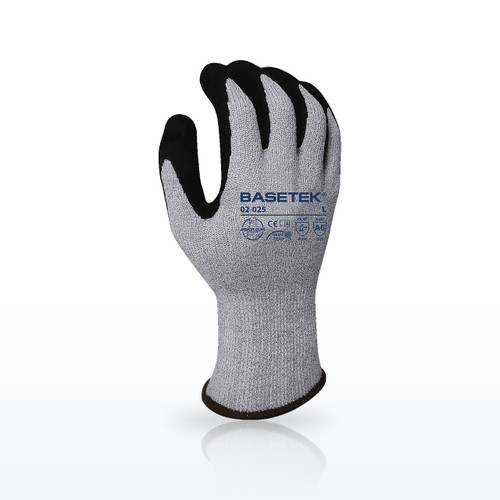
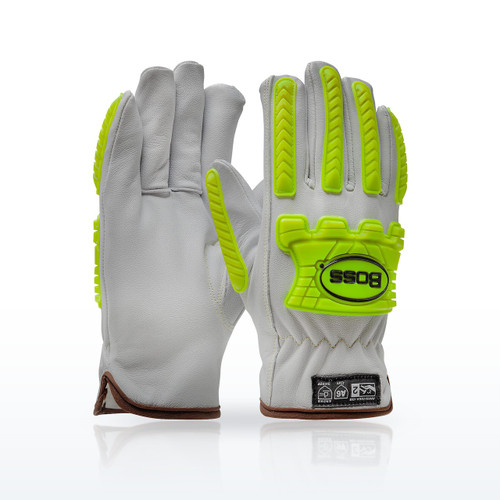
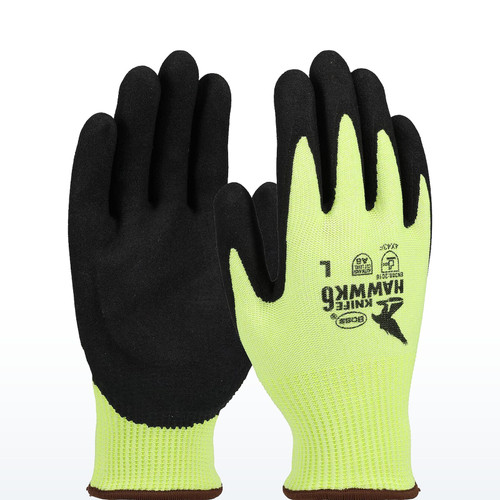
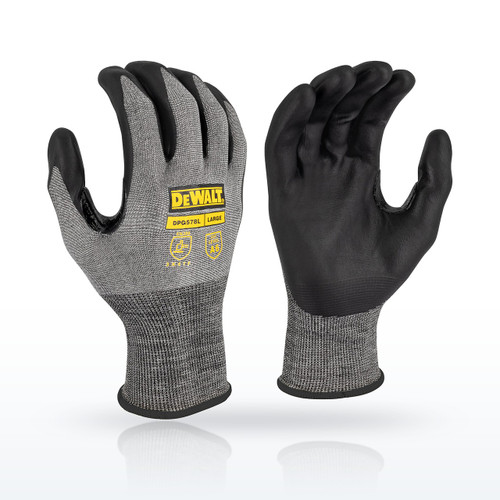
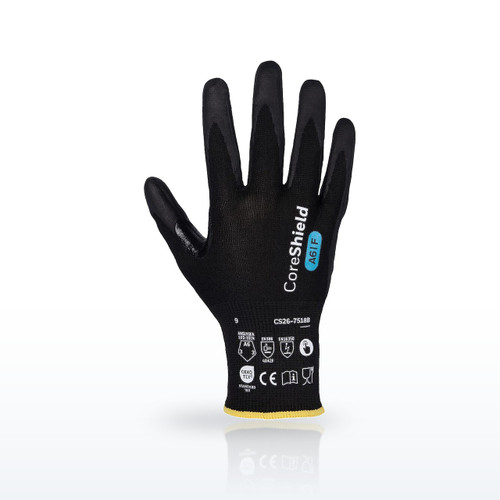
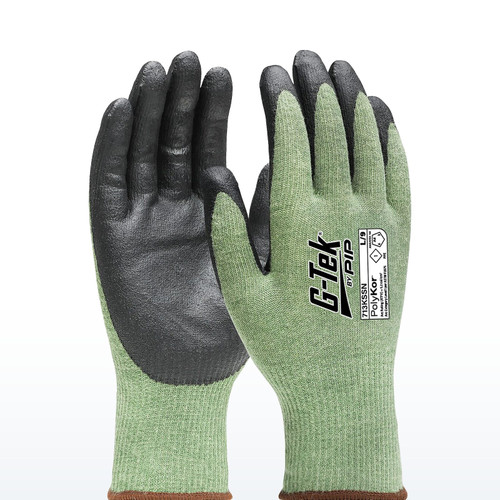
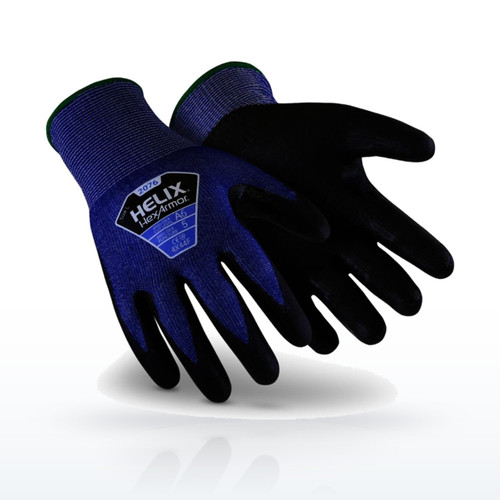
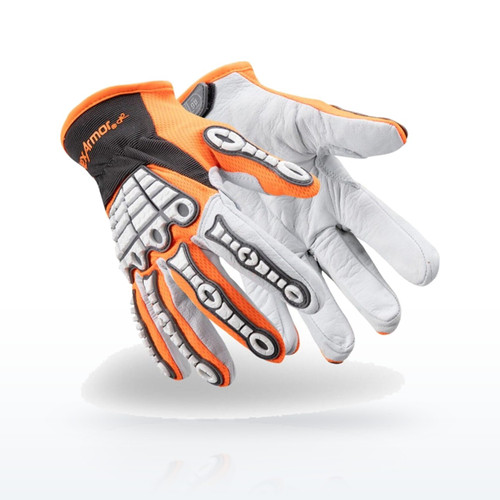

More: every A6 glove.
Source: the manufacturers' product pages, specification sheets and catalogs as reproduced on each product page; the ratings and standards shown are the manufacturers' own statements, and the products listed are those whose published data names the rating or the standard, not a selection by Bayshore Safety.
A5 cut-resistant gloves
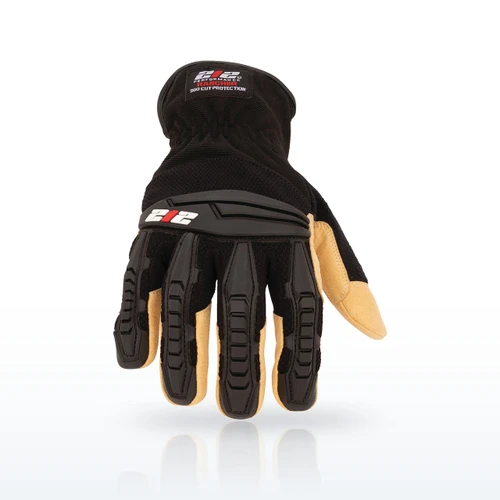

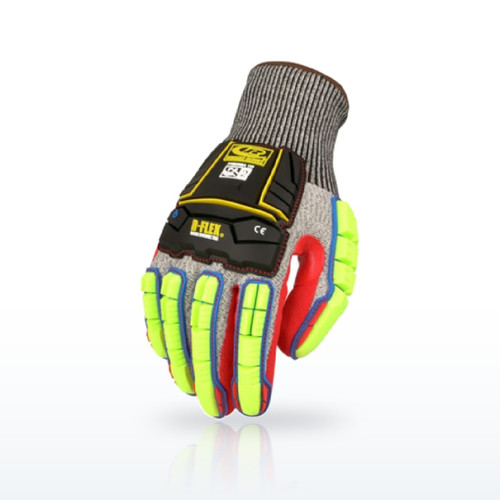
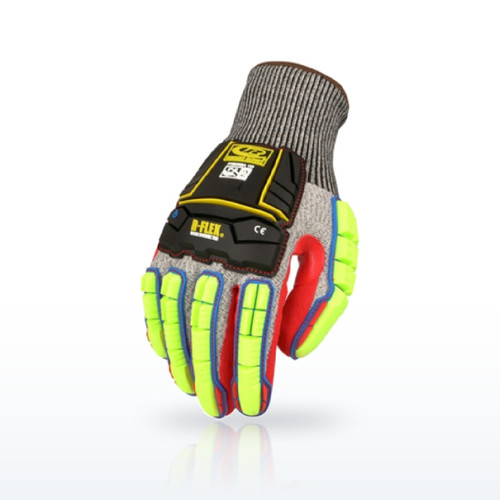
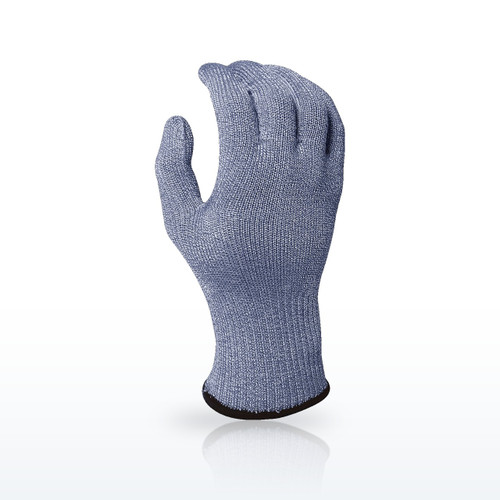
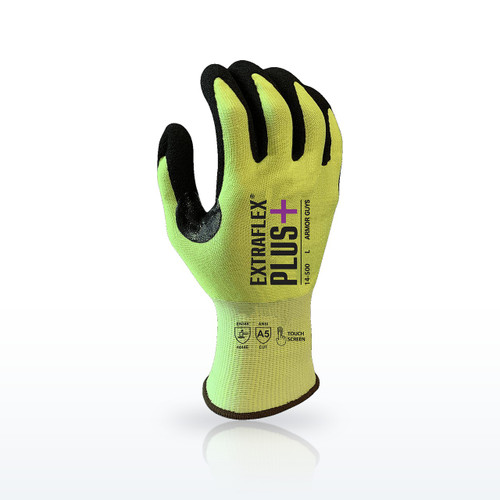
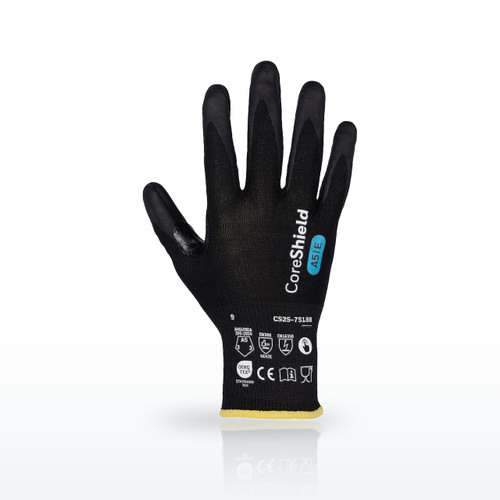
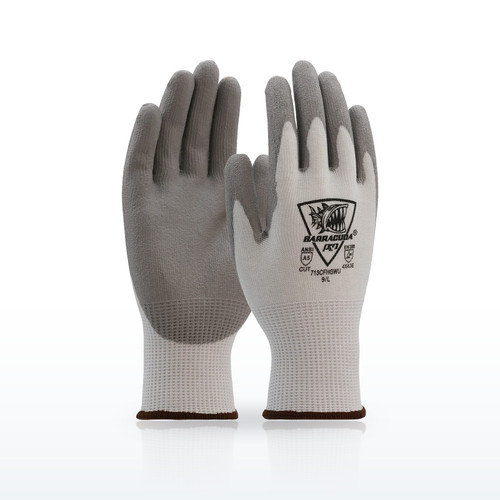

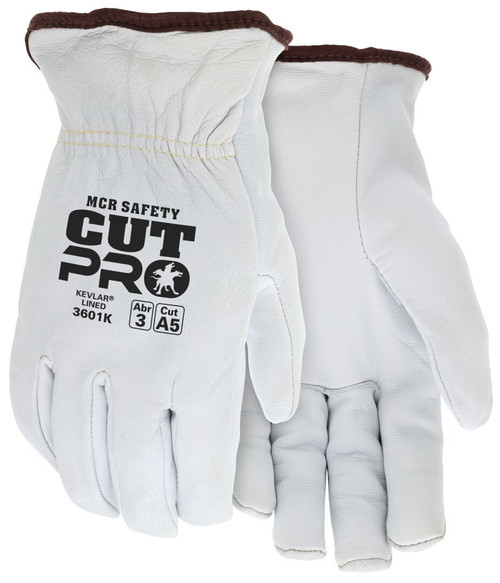
More: every A5 glove.
Source: the manufacturers' product pages, specification sheets and catalogs as reproduced on each product page; the ratings and standards shown are the manufacturers' own statements, and the products listed are those whose published data names the rating or the standard, not a selection by Bayshore Safety.
A4 cut-resistant gloves
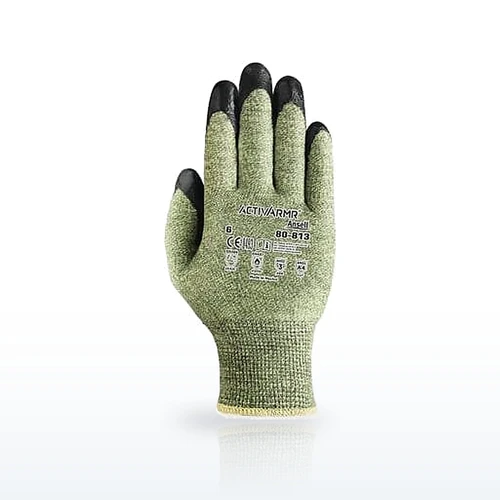
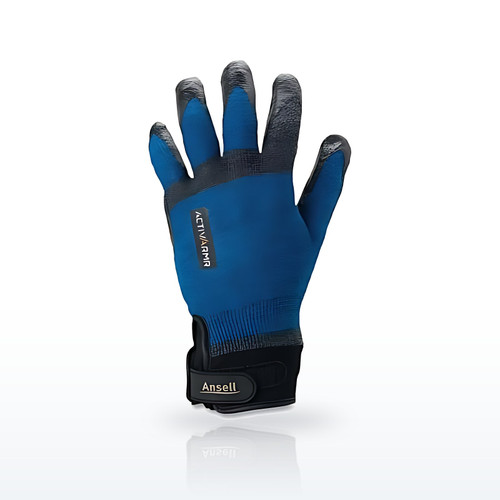
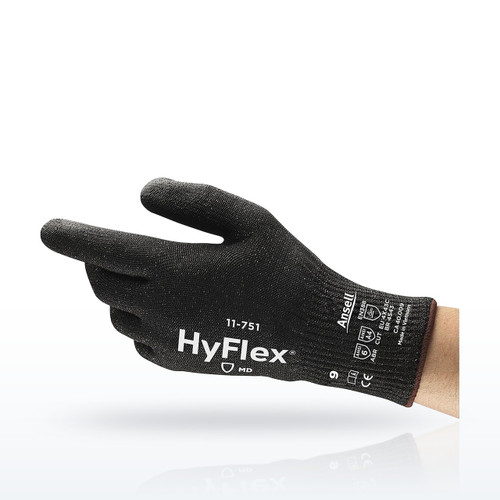
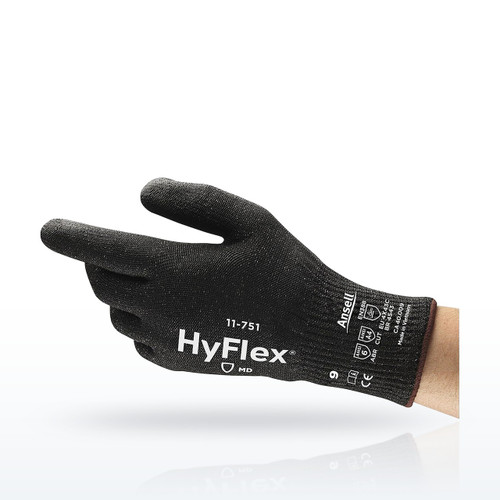
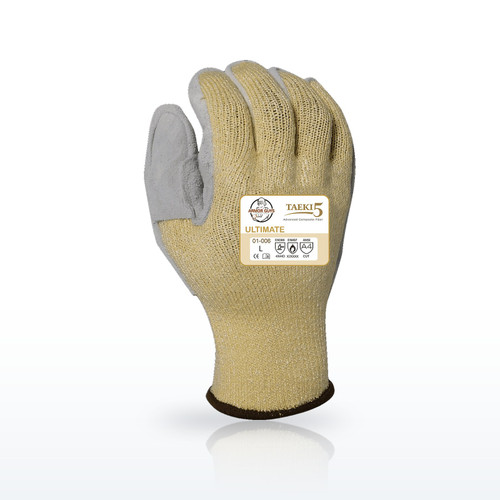

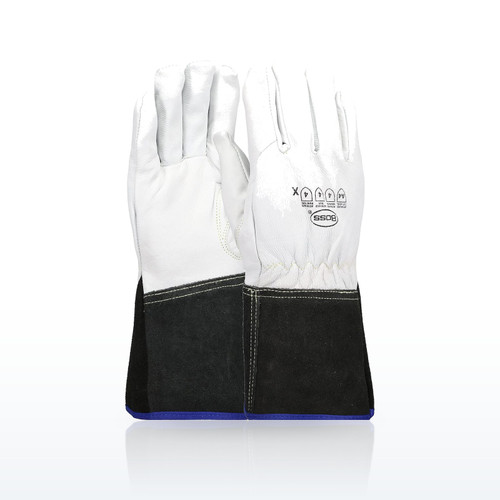
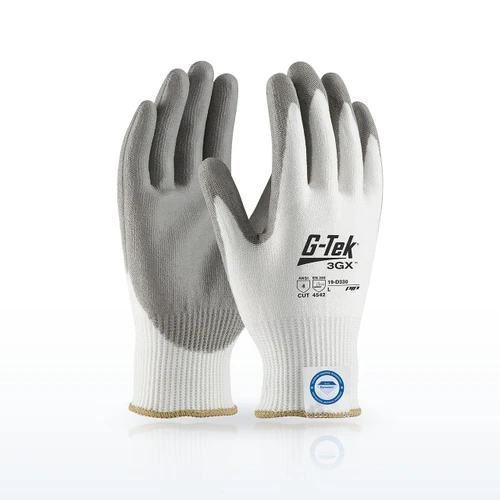
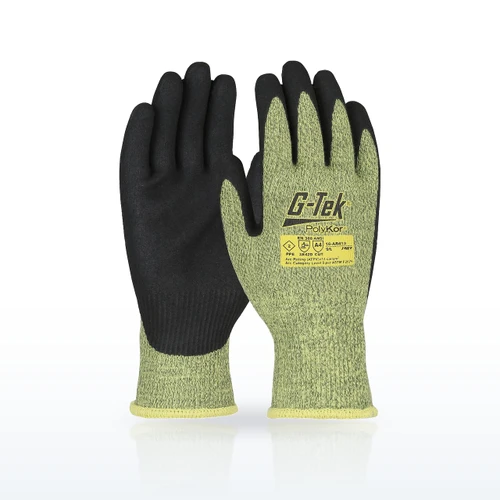
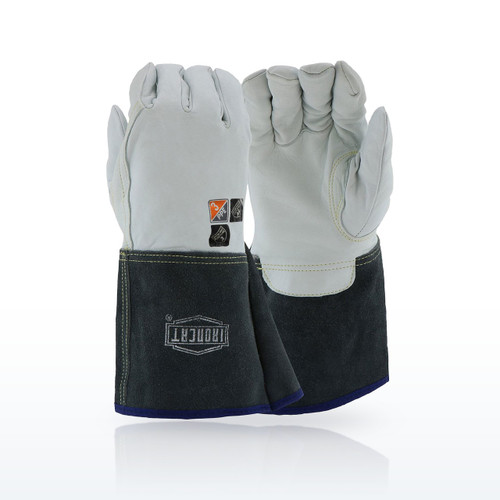
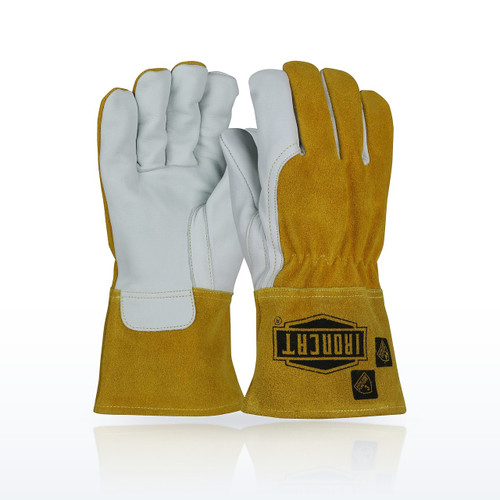
More: every A4 glove.
Source: the manufacturers' product pages, specification sheets and catalogs as reproduced on each product page; the ratings and standards shown are the manufacturers' own statements, and the products listed are those whose published data names the rating or the standard, not a selection by Bayshore Safety.
A2 and A3 cut-resistant gloves
| Part number | Item | Rating stated | Price | ||
|---|---|---|---|---|---|
 | 104725 | ActivArmr 104725 Coated Gloves, ANSI A2, PVC-Coated Gloves | ANSI A2 | $174.29 | |
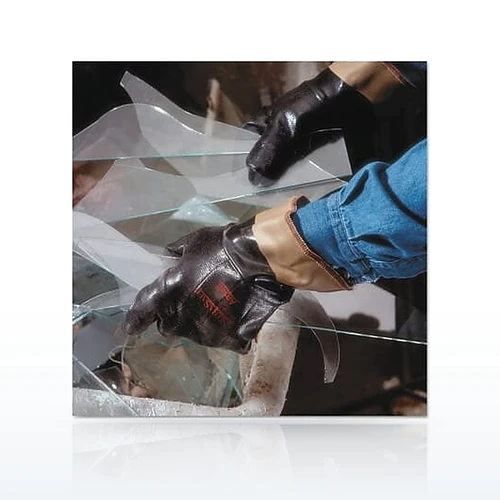 | 2835910 | ActivArmr 2835910 Nitrile Coated Gloves, Size 10, Black | ANSI A3 | $245.70 | |
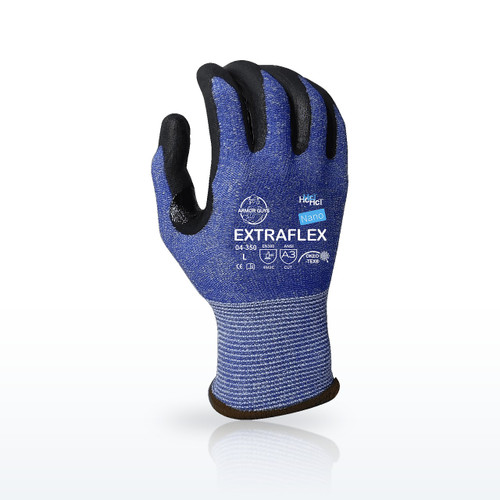 | 04-350 | Armor Guys 04-350 13g ExtraFlex Cut Resistant Dark Blue Glove Liner, ANSI A3 | ANSI A3 | $97.48 | Choose on the page |
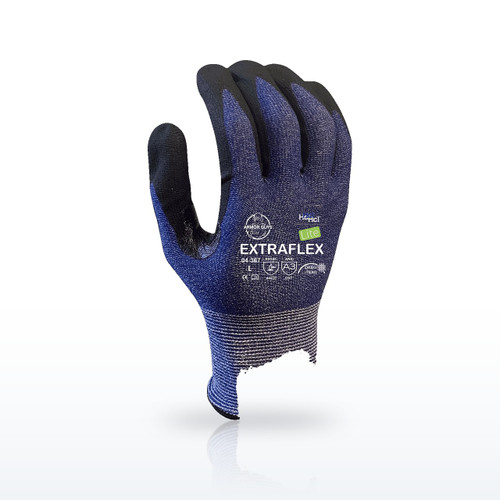 | 04-367 | Armor Guys 04-367 13g ExtraFlex Cut Resistant Dark Blue Glove Liner, ANSI A3 | ANSI A3 | $101.72 | Choose on the page |
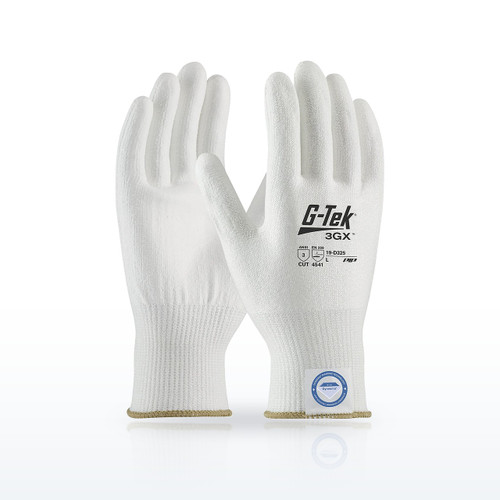 | 19-D325 | G-Tek 3GX 19-D325 Cut Resistant Gloves, ANSI A3, Polyurethane Coated | ANSI A3, EN 388 4541CX | $178.00 | Choose on the page |
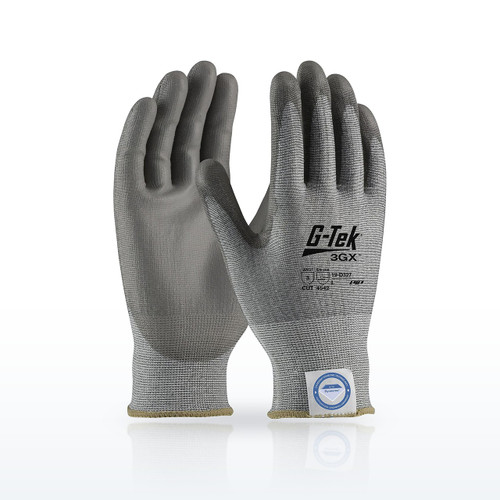 | 19-D327 | G-Tek 3GX 19-D327 Cut Resistant Gloves, ANSI A3, Polyurethane Coated | ANSI A3, EN 388 4X43C | $152.00 | Choose on the page |
 | 103774 | HyFlex 103774 Cut Resistant Gloves, ANSI A3, Uncoated | ANSI A3 | $2,651.52 | |
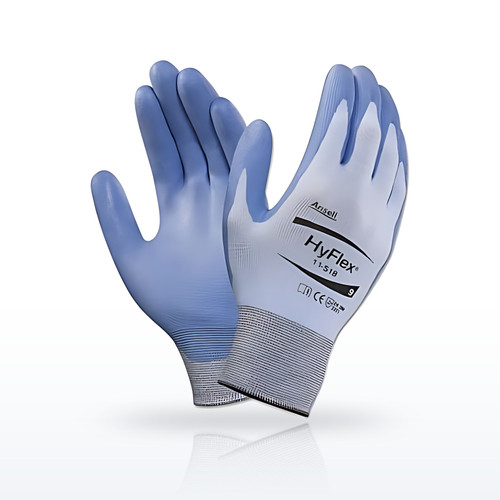 | 1117 | HyFlex 1117 Cut Resistant Gloves, ANSI A2, Polyurethane Coated | ANSI A2 | $189.73 | Choose on the page |
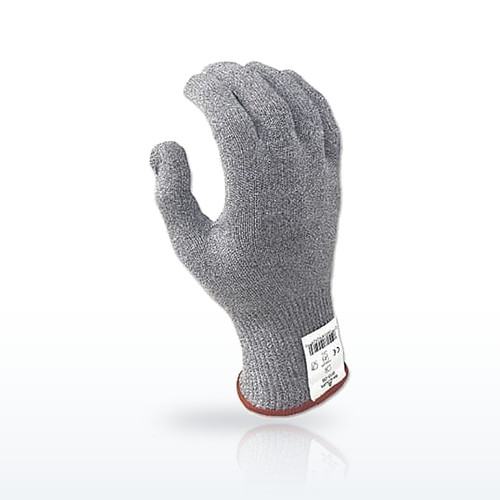 | 8113C09 | SHOWA 8113C09 Cut Resistant Gloves, ANSI A3, Uncoated | ANSI A3 | $14.88 | |
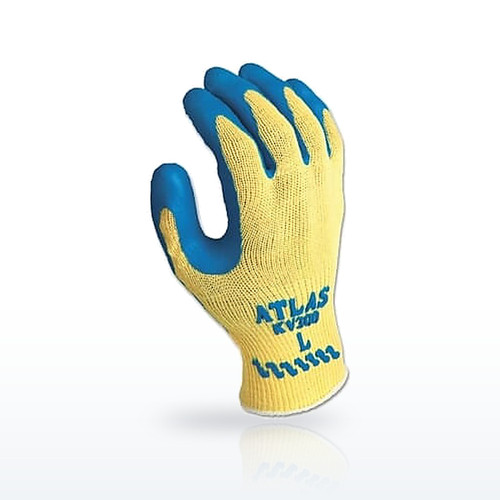 | KV300L09 | SHOWA Atlas KV300L09 Coated Gloves, ANSI A3, Rubber Palm-Coated Glove | ANSI A3 | $125.90 |
More: every A2 and A3 glove.
Source: the manufacturers' product pages, specification sheets and catalogs as reproduced on each product page; the ratings and standards shown are the manufacturers' own statements, and the products listed are those whose published data names the rating or the standard, not a selection by Bayshore Safety.
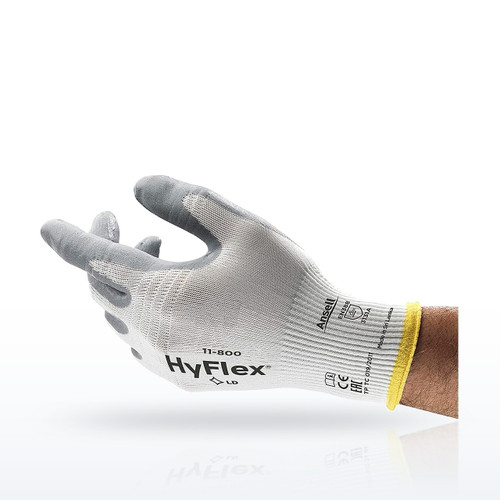
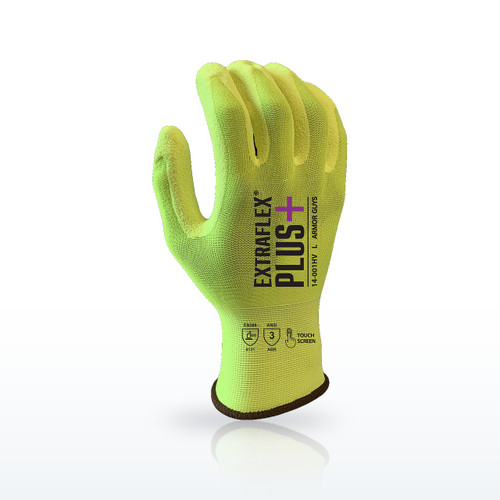
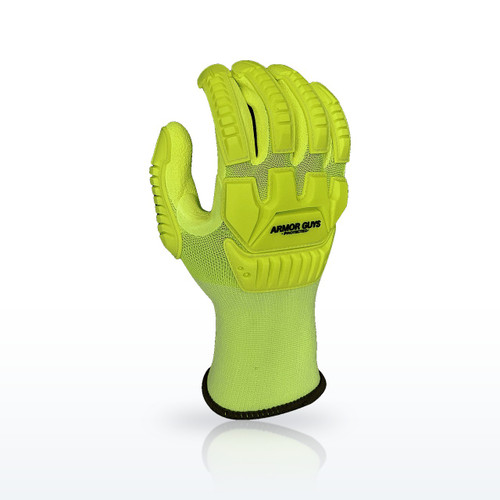
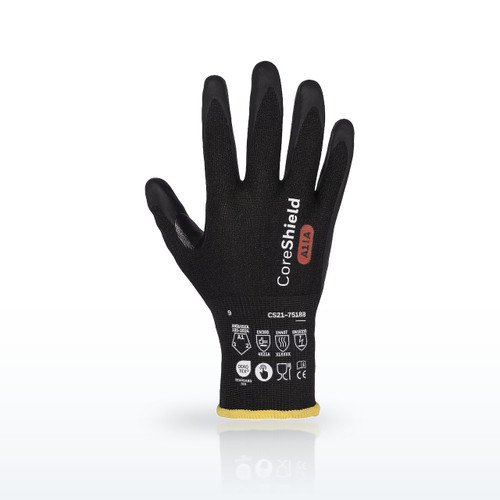
A1 cut-resistant gloves




More: every A1 glove.
Source: the manufacturers' product pages, specification sheets and catalogs as reproduced on each product page; the ratings and standards shown are the manufacturers' own statements, and the products listed are those whose published data names the rating or the standard, not a selection by Bayshore Safety.
Heat-resistant gloves with a 105 heat level
| Part number | Item | Rating stated | Price | ||
|---|---|---|---|---|---|
 | 1JC3016W | Boss 1JC3016W High Heat Gloves, 18oz, Cotton | $35.49 | ||
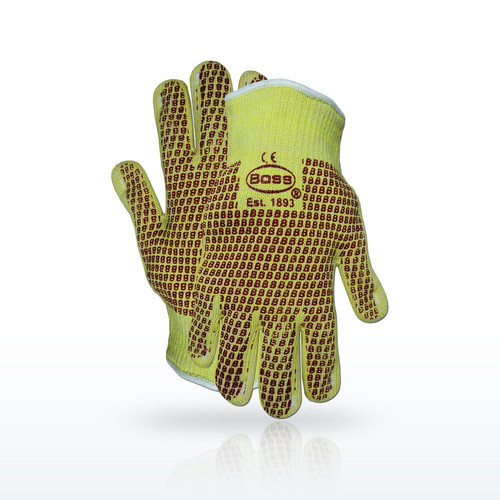 | 1TN4100KB | Boss 1TN4100KB High Heat Gloves, Aramid/Cotton | ANSI A4, EN 388 1232X | $136.00 | Choose on the page |
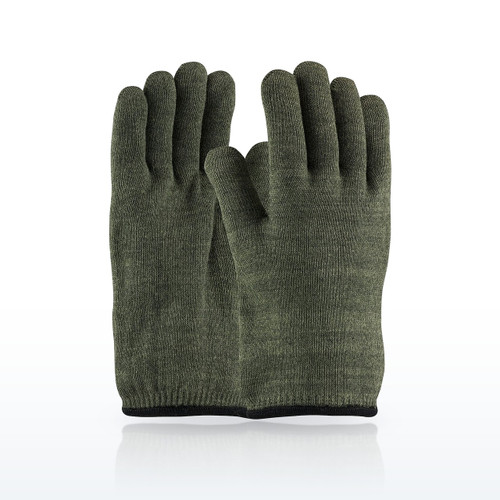 | 43-850L | Kut Gard 43-850 High Heat Gloves, ASTM F1060 Level 3, 32oz | ANSI A4 | $281.00 | |
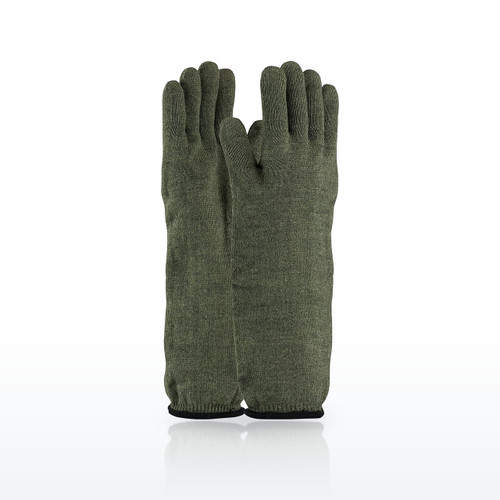 | 43-858 | Kut Gard 43-858 High Heat Gloves, ASTM F1060 Level 3, 32oz | ANSI A4 | $134.00 | Choose on the page |
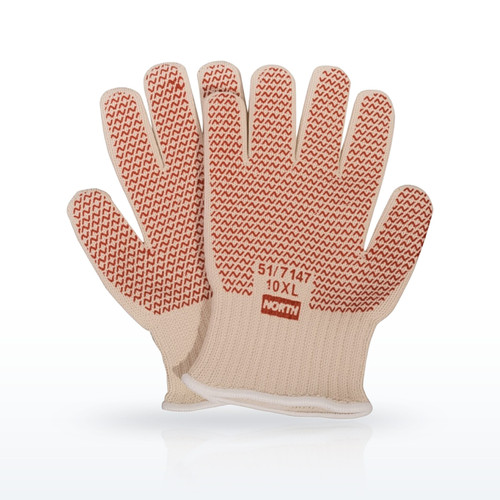 | 51/7147V | North Grip N 51/7147V High Heat Gloves, 24oz, Cotton/Polyester | EN 388 124X | $48.49 | |
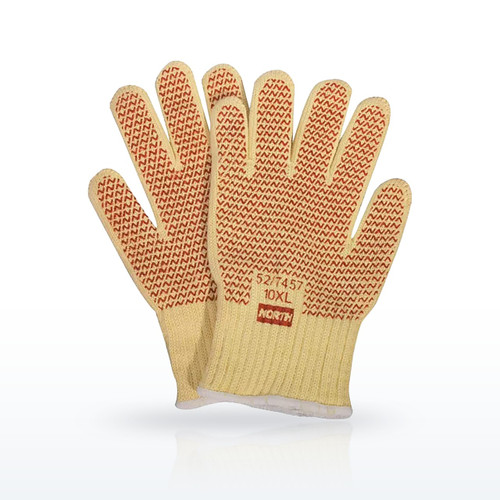 | 52/7457 | North Grip N 52/7457 High Heat Gloves, 24oz, Cotton/Kevlar | ANSI A4, EN 388 1X41C | $215.00 | |
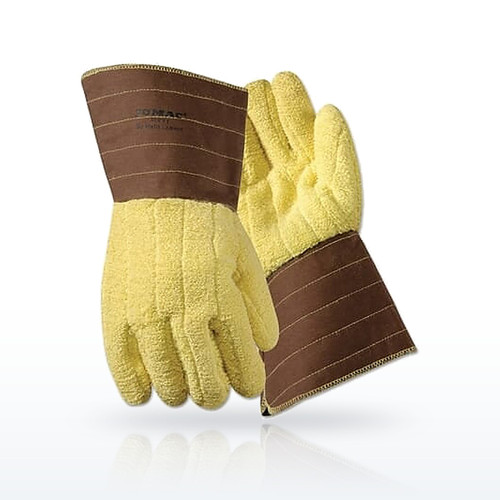 | 625 | Wells Lamont 625 High Heat Gloves, ANSI A7, Jomac Kevlar Duck Gauntlet Gloves | ANSI A7 | $384.78 | |
 | 644HRL | Wells Lamont 644HRL High Heat Gloves, Jomac Brown and White Safety Cuff Gloves | $22.81 |
More: every heat-rated glove.
Source: the manufacturers' product pages, specification sheets and catalogs as reproduced on each product page; the ratings and standards shown are the manufacturers' own statements, and the products listed are those whose published data names the rating or the standard, not a selection by Bayshore Safety.
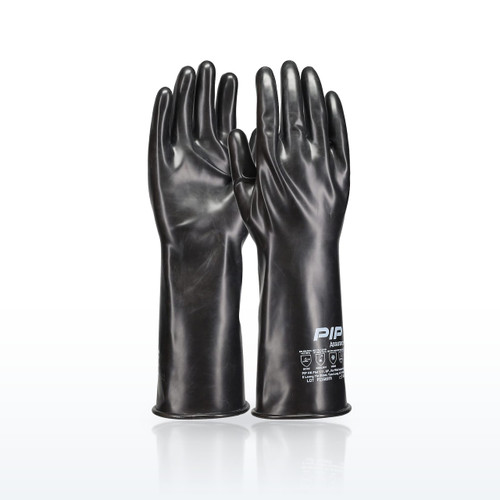
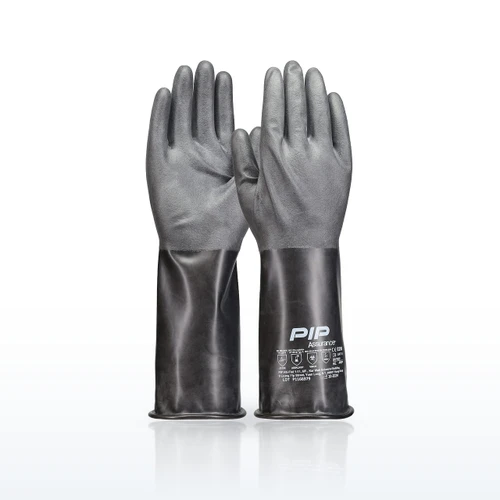
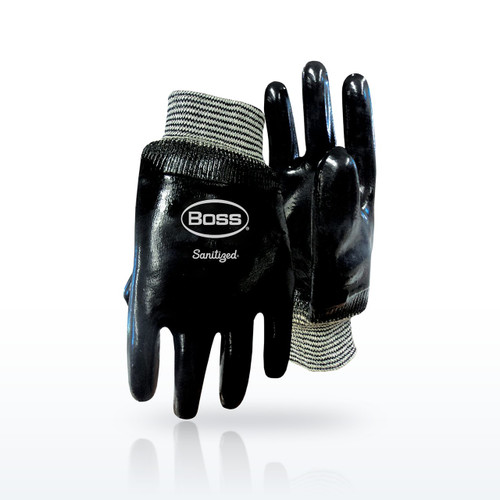
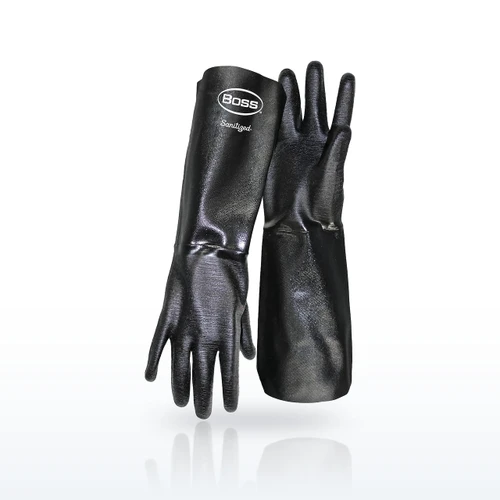
Chemical-resistant gloves with permeation data
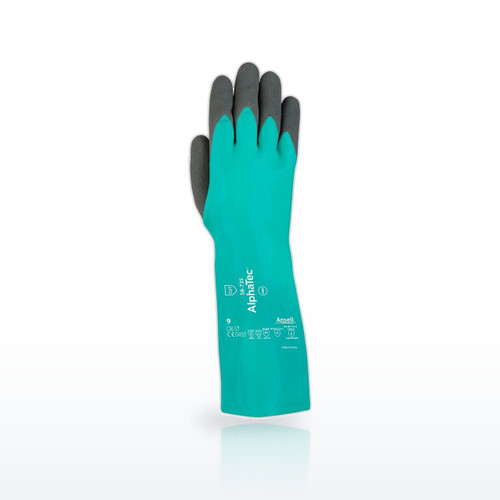
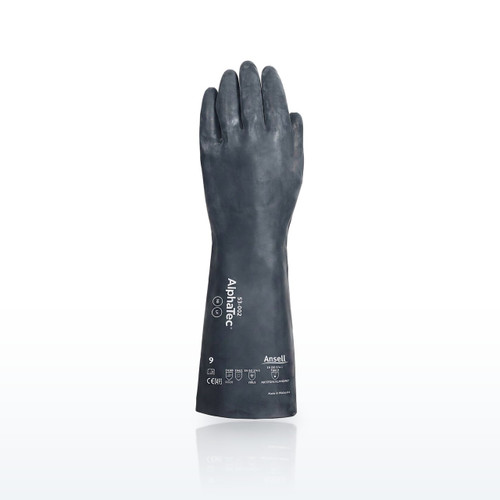
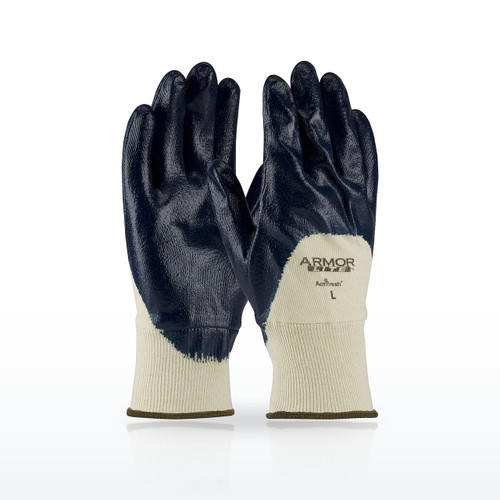
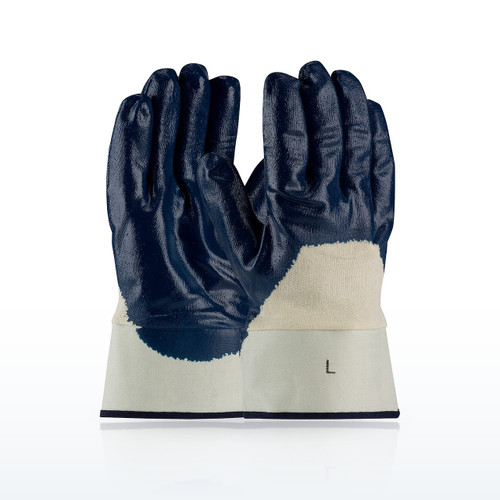
More: every chemical glove by material.
Source: the manufacturers' product pages, specification sheets and catalogs as reproduced on each product page; the ratings and standards shown are the manufacturers' own statements, and the products listed are those whose published data names the rating or the standard, not a selection by Bayshore Safety.
Guides that go further
What do ANSI cut levels A1 to A9 mean · Cut-resistant sleeves · Heat-resistant gloves · Impact-rated gloves · OSHA hand protection requirements · OSHA 1910.138, the hand protection rule.
ANSI/ISEA 105 Hand Protection Classification questions
What is a cut rating on gloves? The ANSI/ISEA 105 cut level, A1 to A9, printed on the glove: the grams of load it took to cut through the material on the TDM-100 test (ASTM F2992), from A1 at 200 to 499 grams to A9 at 6,000 grams and above. Manufacturers publish the actual test result in grams on the specification sheet beside the level.
What is the highest ANSI cut level for gloves? A9, which requires 6,000 grams or more of load on the TDM-100 test; A8 is 5,000 to 5,999 and A7 4,000 to 4,999. Gloves at those levels are built from steel, glass or high-performance fiber yarns, and the heaviest cut hazards (blade handling, stamping, glass) are where manufacturers list them.
What is the difference between A1 and A2 cut-resistant gloves? The cut load: A1 is 200 to 499 grams and A2 is 500 to 999 grams on the TDM-100 test, so an A2 glove withstood at least twice the force before the blade cut through. Both are light cut levels manufacturers list for general handling.
Is cut level 5 better than 4? Under the 2016 and later editions the levels are A4 (1,500 to 2,199 g) and A5 (2,200 to 2,999 g), so A5 withstood more load. If the glove carries a plain "5" it is either the pre-2016 ANSI level 5 (3,500 g or more, closer to today's A6) or the EN 388 blade level 5 from the European rotating-blade test, which is a different scale; the letter and the test method tell them apart.
Are Cut Level C gloves the same as Cut Level 5 gloves? No. Letters A to F are EN 388:2016 ISO 13997 cut levels in newtons (C is 10 N), used in Europe and shown in the fifth position of the EN 388 pictogram; the digits 1 to 5 in the second position are the older EN 388 coup test; and A1 to A9 are ANSI/ISEA 105 levels in grams. Manufacturers that sell on both sides print both, and PIP's EN 388 explainer maps them side by side.
What are cut level E gloves? EN 388:2016 ISO 13997 cut level E, meaning the glove withstood at least 22 newtons on the straight-blade TDM test; manufacturers that also test to ANSI/ISEA 105 commonly list the same glove around A5 to A6, since both methods use the TDM-100 machine with different reporting.
The ratings, test results and standards shown here are the manufacturers' published values, reproduced as published. Nothing on this page is a recommendation by Bayshore Safety that any product is suitable for a particular task, hazard or workplace. Selecting safety products and protective equipment is the responsibility of the end user and the employer, based on their own hazard assessment and the regulations that apply to their work. Confirm every value on the manufacturer's own documentation before use.