
Work Gloves for Warehouse, Packaging and Shipping
1,536 gloves from 41 brands that a manufacturer names for this work or whose published rating falls in the band the ISEA Key or the manufacturer's own chart names for it, with current prices. Ratings as published by each manufacturer. We sell nationwide; ships in 1–2 business days.

What the rule says
Each entry is condensed from the paragraph cited; the paragraph itself is the rule and the link opens it.
29 CFR 1910.138(b): Selection: employers base the selection of hand protection on an evaluation of its performance characteristics relative to the tasks to be performed, the conditions present, the duration of use, and the hazards and potential hazards identified.
29 CFR 1910.138(a): General requirements: employers select and require the use of appropriate hand protection when hands are exposed to hazards such as skin absorption of harmful substances, severe cuts or lacerations, severe abrasions, punctures, chemical burns, thermal burns, and harmful temperature extremes.
29 CFR 1910.132(d)(1): Hazard assessment: the employer assesses the workplace to determine whether hazards are present, or likely to be present, that necessitate the use of personal protective equipment, and selects PPE that will protect the affected employee from the hazards identified.
Cal/OSHA Title 8 §3384(a): Hand protection: employers select, provide and require employees to use appropriate hand protection when hands are exposed to hazards such as skin absorption of harmful substances, cuts or lacerations, abrasions, punctures, chemical burns, thermal burns, radioactive materials, and harmful temperature extremes; §3384(b): hand protection is not worn where it could be caught in moving machinery or materials.
Cal/OSHA Title 8 §3380(f): The employer's personal protective equipment hazard assessment, which §3384(a) refers to for cuts, lacerations and abrasions.
Source: 29 CFR, Occupational Safety and Health Standards, as published by OSHA (ecfr.gov), and California Code of Regulations, Title 8, as published by Cal/OSHA (dir.ca.gov), read Nov 6 2026.
What the standards body and the manufacturers publish for this work
A1: material handling, small parts assembly, packaging, warehouse, general purpose; A4: packaging, warehouse (with the other A4 applications).
Puncture levels 1 and 2: light construction, material handling, parts assembly, packaging.
On this page: 243 gloves that a manufacturer names for this work in its own documents and 1,236 whose published rating falls in the band the standards body or the manufacturer names. Each row says which document or which published band put it here.
Documents read: PIP Product Information workbook, October 2026 (APPLICATIONS column, written onto the product pages Nov 6 2026 as "Manufacturer Stated Applications") (read Nov 6 2026); Liberty Safety 2022 Full Products Catalog (APPLICATIONS line per style), read Nov 6 2026 (read Nov 6 2026); The "Manufacturer Stated Applications" field on each product page (the manufacturer's own application words; the value names the document when it is not the product page) (read Nov 6 2026); ISEA, Key to Hand Protection Classifications (ANSI/ISEA 105-2024), November 2024 (read Oct 26 2026).
Source: PIP Product Information workbook, October 2026; Liberty Safety 2022 Full Products Catalog; ISEA, Key to Hand Protection Classifications (ANSI/ISEA 105-2024), November 2024. The products listed are the styles the manufacturer names for the task or whose published rating falls in the band the standards body or the manufacturer names, not a selection by Bayshore Safety.
Narrow the list by what the job is like, cut level, coating, glove type, brand or size. Prices shown are current.
1,536 gloves
Ratings, coatings, gauges and sizes are as published by each manufacturer. The first group is the gloves a manufacturer names for this work; each row says why it is listed. Tap a group to open it.
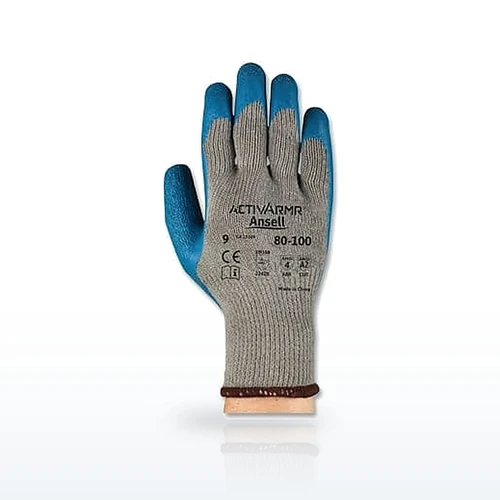 Named by the manufacturer for this work243 gloves
- ActivArmr Coated Gloves, Multi-Purpose Gloves — ActivArmr · Natural Rubber · Dozen
- Ansell 10362 AlphaTec Neoprene Coated Gloves — Ansell · Neoprene · Dozen
- Ansell 103629 Coated Gloves, AlphaTec Neoprene Dipped Gloves, Rough Finish — Ansell · Neoprene · Dozen
- Assurance 52-3665 Chemical Resistant Gloves, Neoprene, 28 mil, 12 in — Assurance · EN 388 3121X · Neoprene · Dozen
- Boss 120-4400 High Dexterity Gloves, ANSI A1, PVC Coated — Boss · ANSI A1 (200 g) · puncture 2 · EN 388 3121 · PVC · Dozen
- Boss 1BC0313 Cotton Canvas Gloves, 18oz, Single Palm — Boss · Dozen
- Boss 1BC0341 Cotton Canvas Gloves, 14oz, Single Palm — Boss · Dozen
- Boss 1BC0666 Cotton Canvas Gloves, Double Palm, Gauntlet Cuff — Boss · Dozen
- Boss 1BC21701J Cotton Canvas Gloves, Double Palm, Gauntlet Cuff — Boss · Dozen
- Boss 1BC28372 Cotton Canvas Gloves, Double Palm, Safety Cuff — Boss · Dozen
- Boss 1BC28571 Cotton Canvas Gloves, Double Palm, Gauntlet Cuff — Boss · Dozen
- Boss 1BC5510 Cotton Canvas Gloves, Double Palm, Safety Cuff — Boss · Dozen
- Boss 30SI Cotton Canvas Gloves, 20oz, Double Palm — Boss · Dozen
- Boss 91-910PD Cotton Canvas Gloves, 10oz, Plastic Dotted Palm — Boss · PVC · Dozen
- Boss 91-910PDO Cotton Canvas Gloves, 10oz, Plastic Dotted Palm — Boss · PVC · Dozen
- Boss Chemguard+ 1CN0034 Chemical Resistant Gloves, Neoprene, 53 mil, 11 in — Boss · Neoprene · Dozen
- Caiman 1353 Cold Weather Gloves, Heatrac Lined — Caiman · Pack
- Caiman 1354 Cold Weather Gloves, Heatrac Lined — Caiman · Pack
- Caiman 1398 Cold Weather Gloves, Polapile Lined — Caiman · Pack
- Caiman 2390 Cold Weather Gloves, Heatrac Lined — Caiman · Pack
- Caiman 2396 Cold Weather Gloves, Uncoated, Heatrac Lined — Caiman · Uncoated · Pack
- Caiman 2911 Cold Weather Gloves, Silicone Coated, Heatrac Lined — Caiman · Silicone · Pack
- Caiman MAG 2915 Cold Weather Gloves, Heatrac Lined — Caiman · Pack
- Caiman MAG 2919 Cold Weather Gloves, Heatrac Lined — Caiman · Pack
- Caiman MAG 2960 Cold Weather Gloves, Heatrac Lined — Caiman · Pack
- Chemguard+ 1SN2510 Chemical Resistant Gloves, Neoprene, Interlock Lined — Chemguard+ · Neoprene · Pack
- Chemguard+ 1SN2539 Chemical Resistant Gloves, Neoprene, 18 in, Cotton Lined — Chemguard+ · Neoprene · Pack
- G-Tek 3GX 19-D327 Cut Resistant Gloves, ANSI A3, Polyurethane Coated — G-Tek · ANSI A3 (1028 g) · abrasion 6 · puncture 4 · EN 388 4X43C · Polyurethane · 15-gauge · Dozen
- G-Tek 3GX 19-D330 Cut Resistant Gloves, ANSI A4, Polyurethane Coated — G-Tek · ANSI A4 (1891 g) · abrasion 4 · puncture 3 · EN 388 4542DX · Polyurethane · 13-gauge · Dozen
- G-Tek 41-1420 Cold Weather Gloves, Latex Coated — G-Tek · EN 388 2221XX · Latex · 7-gauge · Dozen
- G-Tek Barracuda 713HGWUB High Dexterity Gloves, ANSI A2, Polyurethane Coated — G-Tek · ANSI A2 (889 g) · abrasion 4 · puncture 3 · EN 388 4X42BX · Polyurethane · 13-gauge · Dozen
- G-Tek ECO Series 19-D320 Cut Resistant Gloves, ANSI A4, Polyurethane Coated — G-Tek · ANSI A4 (2150 g) · abrasion 6 · puncture 3 · EN 388 4X42DX · Polyurethane · 13-gauge · Dozen
- G-Tek ECO Series 19-D324 Cut Resistant Gloves, ANSI A2, Polyurethane Coated — G-Tek · ANSI A2 (872 g) · abrasion 3 · puncture 3 · EN 388 4X42BX · Polyurethane · 13-gauge · Dozen
- G-Tek ECO Series 19-D326 Cut Resistant Gloves, ANSI A3, Polyurethane Coated — G-Tek · ANSI A3 (1383 g) · abrasion 5 · puncture 3 · EN 388 4X42CX · Polyurethane · 13-gauge · Dozen
- G-Tek KEV 09-K1250 Cut Resistant Gloves, ANSI A2, Polyurethane Coated — G-Tek · ANSI A2 (516 g) · abrasion 3 · puncture 2 · EN 388 4231B · Polyurethane · 13-gauge · Dozen
- G-Tek KEV 09-K1250V Cut Resistant Gloves, ANSI A2, Polyurethane Coated — G-Tek · ANSI A2 (516 g) · abrasion 3 · puncture 2 · EN 388 4231B · Polyurethane · 13-gauge · Pack
- G-Tek PolyKor 16-150V Cut Resistant Gloves, ANSI A2, Polyurethane Coated — G-Tek · ANSI A2 (916 g) · abrasion 6 · puncture 3 · EN 388 4X42BX · Polyurethane · 13-gauge · Pack
- G-Tek PolyKor 16-322 Cut Resistant Gloves, ANSI A2, Polyurethane Coated — G-Tek · ANSI A2 (618 g) · abrasion 4 · puncture 3 · EN 388 4X42B · Polyurethane · 18-gauge · Dozen
- G-Tek PolyKor 16-530V Cut Resistant Gloves, ANSI A3, Polyurethane Coated — G-Tek · ANSI A3 (1465 g) · abrasion 6 · puncture 4 · EN 388 4X43C · Polyurethane · 13-gauge · Pack
- G-Tek PolyKor 16-D622V Cut Resistant Gloves, ANSI A2, Polyurethane Coated — G-Tek · ANSI A2 (737 g) · abrasion 6 · puncture 3 · EN 388 4342 · Polyurethane · 13-gauge · Pack
- G-Tek PolyKor 1PU7001 Cut Resistant Gloves, ANSI A4, Polyurethane Coated — G-Tek · ANSI A4 (1500 g) · abrasion 3 · puncture 4 · EN 388 4X43DX · Polyurethane · 13-gauge · Dozen
- G-Tek PolyKor 41-7322 Cold Weather Gloves, PVC Coated, Acrylic Lined — G-Tek · ANSI A2 (752 g) · EN 388 4X41BX · PVC · 13-gauge · Dozen
- G-Tek PolyKor 713DGU Cut Resistant Gloves, ANSI A4, Polyurethane Coated — G-Tek · ANSI A4 (2304 g) · abrasion 6 · puncture 4 · EN 388 4X43D · Polyurethane · 13-gauge · Dozen
- G-Tek PosiGrip 713SPA PVC Coated Gloves, Nylon — G-Tek · abrasion 3 · puncture 2 · EN 388 3131X · PVC · 15-gauge · Dozen
- HyFlex 103350 Coated Gloves, NBR Gloves, 9 — HyFlex · Nitrile · Dozen
- HyFlex 103351 Nitrile (NBR) Coated Gloves, Size 10, Blue/White — HyFlex · Nitrile · Dozen
- HyFlex 104460 Coated Gloves, Oil Repellent Gloves, Blue — HyFlex · Nitrile · Dozen
- HyFlex 11167 Polyurethane Palm Coated Gloves, ANSI A2 — HyFlex · ANSI A2 · Polyurethane · Dozen
- HyFlex 1117 Cut Resistant Gloves, ANSI A2, Polyurethane Coated — HyFlex · ANSI A2 · Polyurethane · Dozen
- HyFlex 1130 Nitrile Foam Palm Coated Gloves, Dipped Nitrile Foam — HyFlex · Foam Nitrile · Dozen
- HyFlex Cut Resistant Gloves, ANSI A4, Nitrile Foam Coated — HyFlex · ANSI A4 · Foam Nitrile · Dozen
- Liberty Safety — Liberty Safety · Dozen
- Liberty Safety — Liberty Safety · Dozen
- Liberty Safety 2231 Black PVC, knit wrist, smooth finish — Liberty Safety · PVC · Dozen
- Liberty Safety 2232 Black PVC, 10" gauntlet, smooth finish — Liberty Safety · PVC · Dozen
- Liberty Safety 2233 Black PVC, 12" gauntlet, smooth finish — Liberty Safety · PVC · Dozen
- Liberty Safety 2234 Black PVC, 14" gauntlet, smooth finish — Liberty Safety · PVC · Dozen
- Liberty Safety 2451 PVC Gloves, PVC Coated, Red PVC — Liberty Safety · PVC · Dozen
- Liberty Safety 2453 PVC Gloves, PVC Coated, Red PVC — Liberty Safety · PVC · Dozen
- Liberty Safety 2520L Cold Weather Gloves, PVC Coated, Fluorescent orange PVC — Liberty Safety · PVC · Dozen
And 183 more in this group; use the selector or the group's own page.
 ANSI A1 — 200 to 499 grams (0.4 to 1.1 lb)142 gloves
- ActivArmr 103478 Coated Gloves, ANSI A1, Nitrile-Coated Gloves — ActivArmr · ANSI A1 · Nitrile · Dozen
- ActivArmr 103820 String Knit Gloves, ANSI A1, Uncoated — ActivArmr · ANSI A1 · Uncoated · 13-gauge · Dozen
- ActivArmr 104723 Coated Gloves, ANSI A1, PVC-Coated Gloves — ActivArmr · ANSI A1 · PVC · Dozen
- Ansell 2055 HyFlex Foam Nitrile Palm Coated Gloves, 15 Gauge, ANSI A1 — Ansell · ANSI A1 · Foam Nitrile · 15-gauge · Dozen
- Armor Guys 00-810 Cut Resistant Gloves, ANSI A1, Foam Nitrile Coated — Armor Guys · ANSI A1 · Foam Nitrile · 18-gauge · Dozen
- Armor Guys 14-001HV Cut Resistant Gloves, ANSI A1, Foam Nitrile Coated — Armor Guys · ANSI A1 · Foam Nitrile · 15-gauge · Dozen
- Armor Guys 14-007HV Cut Resistant Gloves, ANSI A1, Foam Nitrile Coated — Armor Guys · ANSI A1 · Foam Nitrile · 15-gauge · Dozen
- Assurance Flextril 33-3150E Chemical Resistant Gloves, Nitrile, 53 mil, 13 in — Assurance · ANSI A1 · abrasion 5 · EN 388 4X21AF · Nitrile · Dozen
- Caiman MAG 2980 High Dexterity Gloves, ANSI A1, Top Grain Goatskin — Caiman · ANSI A1 (309 g) · abrasion 4 · puncture 2 · Pack
- DEWALT DPG74 Cut Resistant Gloves, ANSI A1, Micro Foam Nitrile Coated — DEWALT · ANSI A1 · EN 388 4131A · Micro-Foam Nitrile · 15-gauge · Pack
- G-Tek 1UH7830 Nitrile Coated Gloves, ANSI A1 — G-Tek · ANSI A1 (233 g) · abrasion 5 · puncture 2 · EN 388 4131X · Nitrile · 15-gauge · Dozen
- G-Tek 33-425LY Polyurethane Coated Gloves, ANSI A1 — G-Tek · ANSI A1 (200 g) · abrasion 4 · puncture 2 · EN 388 3131AX · Polyurethane · 13-gauge · Dozen
- G-Tek 34-500V Nitrile Coated Gloves, ANSI A1 — G-Tek · ANSI A1 (298 g) · abrasion 5 · puncture 2 · EN 388 4121XX · Nitrile · 13-gauge · Pack
- G-Tek 34-840 Nitrile Coated Gloves, ANSI A1 — G-Tek · ANSI A1 (209 g) · abrasion 4 · puncture 2 · EN 388 4X31A · Nitrile · 15-gauge · Dozen
- G-Tek 34-840D Nitrile Coated Gloves, ANSI A1 — G-Tek · ANSI A1 (376 g) · abrasion 6 · puncture 2 · EN 388 4X31A · Nitrile · 15-gauge · Dozen
- G-Tek 34-840NC Nitrile Coated Gloves, ANSI A1 — G-Tek · ANSI A1 · abrasion 4 · puncture 2 · EN 388 4X31A · Nitrile · 15-gauge · Dozen
- G-Tek 39-1310 Latex Coated Gloves, ANSI A1 — G-Tek · ANSI A1 (672 g) · abrasion 3 · puncture 3 · EN 388 2142X · Latex · 10-gauge · Dozen
- G-Tek 39-C1300 Latex Coated Gloves, ANSI A1 — G-Tek · ANSI A1 (721 g) · abrasion 3 · puncture 3 · EN 388 2142X · Latex · 10-gauge · Dozen
- G-Tek 39-C1305 Latex Coated Gloves, ANSI A1 — G-Tek · ANSI A1 (333 g) · abrasion 3 · puncture 3 · EN 388 2142X · Latex · 10-gauge · Dozen
- G-Tek 701CRPB Polyurethane Coated Gloves, ANSI A1 — G-Tek · ANSI A1 (267 g) · abrasion 3 · puncture 2 · EN 388 4131XX · Polyurethane · 15-gauge · Dozen
- G-Tek 715SNFTKD Nitrile Coated Gloves, ANSI A1 — G-Tek · ANSI A1 (266 g) · abrasion 4 · puncture 2 · EN 388 4131X · Nitrile · 15-gauge · Dozen
- G-Tek 715SNFTP Nitrile Coated Gloves, ANSI A1 — G-Tek · ANSI A1 (266 g) · abrasion 4 · puncture 2 · EN 388 4131X · Nitrile · 15-gauge · Dozen
- G-Tek CoreShield 21-1515B Nitrile Coated Gloves, ANSI A1 — G-Tek · ANSI A1 · abrasion 6 · EN 388 4X31AF · Nitrile · 15-gauge · Pack
- G-Tek CoreShield 21-1518B Nitrile Coated Gloves, ANSI A1 — G-Tek · ANSI A1 (200 g) · abrasion 6 · EN 388 4X31AF · Nitrile · 18-gauge · Pack
- G-Tek CoreShield 21-1818B Nitrile Coated Gloves, ANSI A1 — G-Tek · ANSI A1 · abrasion 5 · EN 388 4X21AF · Nitrile · 18-gauge · Pack
- G-Tek CoreShield 21-1D13B Nitrile Coated Gloves, ANSI A1 — G-Tek · ANSI A1 · EN 388 4X21F · Nitrile · 13-gauge · Pack
- G-Tek CoreShield 21-1D23B Nitrile Coated Gloves, ANSI A1 — G-Tek · ANSI A1 · EN 388 4X21F · Nitrile · 13-gauge · Pack
- G-Tek CoreShield 21-1D28B Nitrile Coated Gloves, ANSI A1 — G-Tek · ANSI A1 · EN 388 4X21F · Nitrile · 18-gauge · Pack
- G-Tek CoreShield CS21-7518B Nitrile Coated Gloves, ANSI A1 — G-Tek · ANSI A1 (499 g) · abrasion 3 · puncture 2 · EN 388 421A · Nitrile · 18-gauge · Pack
- G-Tek CoreShield CS21-7518B-V Nitrile Coated Gloves, ANSI A1 — G-Tek · ANSI A1 (499 g) · abrasion 3 · puncture 2 · EN 388 421A · Nitrile · 18-gauge · Pack
- G-Tek GP 34-500 Nitrile Coated Gloves, ANSI A1 — G-Tek · ANSI A1 (298 g) · abrasion 5 · puncture 2 · EN 388 4121XX · Nitrile · 13-gauge · Dozen
- G-Tek Perfect Fit NPF21-0118N Polyurethane Coated Gloves, ANSI A1 — G-Tek · ANSI A1 (209 g) · abrasion 3 · puncture 2 · EN 388 2X21A · Polyurethane · 18-gauge · Pack
- G-Tek Perfect Fit NPF21-0118N-V Polyurethane Coated Gloves, ANSI A1 — G-Tek · ANSI A1 (209 g) · abrasion 3 · puncture 2 · EN 388 221A · Polyurethane · 18-gauge · Pack
- G-Tek Perfect Fit NPF21-0118NW Polyurethane Coated Gloves, ANSI A1 — G-Tek · ANSI A1 · abrasion 3 · puncture 2 · Polyurethane · 18-gauge · Pack
- G-Tek Perfect Fit NPF21-0118NW-V Coated Gloves, ANSI A1 — G-Tek · ANSI A1 · Pack
- G-Tek Polytril 2232270N Nitrile Coated Gloves, ANSI A1 — G-Tek · ANSI A1 · abrasion 3 · puncture 1 · EN 388 4132X · Nitrile · 15-gauge · Pack
- G-Tek Polytril 2232272N Nitrile Coated Gloves, ANSI A1 — G-Tek · ANSI A1 · abrasion 3 · puncture 2 · EN 388 4121XP · Nitrile · 15-gauge · Pack
- G-Tek PosiGrip HVG700SLC Latex Coated Gloves, ANSI A1 — G-Tek · ANSI A1 (333 g) · abrasion 4 · puncture 3 · EN 388 2142X · Latex · 10-gauge · Dozen
- G-Tek PosiGrip MAX 34-188 PosiGrip Max Coated Gloves, ANSI A1 — G-Tek · ANSI A1 (216 g) · abrasion 4 · puncture 2 · EN 388 4131X · PosiGrip Max · 18-gauge · Dozen
- HyFlex 1033 Foam Nitrile Coated Gloves, ANSI A1 — HyFlex · ANSI A1 · Foam Nitrile · Dozen
- HyFlex 10338 Nitrile Foam Palm Coated Gloves, ANSI A1 — HyFlex · ANSI A1 · Foam Nitrile · Dozen
- HyFlex 103385 Nitrile Foam Palm Coated Gloves, Size 10, Black/Dark Grey — HyFlex · ANSI A1 · Foam Nitrile · Dozen
- HyFlex 104661 Coated Gloves, ANSI A1, Fingertip-Coated Gloves — HyFlex · ANSI A1 · Polyurethane · Dozen
- HyFlex 10476 Coated Multi-Purpose Gloves, ANSI A1 — HyFlex · ANSI A1 · Polyurethane · Dozen
- Ironclad IEX-WHO-05-XL Workhorse Leather Driver Gloves, Brown, Extra — Ironclad · ANSI A1
- MCR Safety 6632 Chemical Resistant Gloves, PVC, 12 in, EN 374 Type A — MCR Safety · ANSI A1 · abrasion 6 · puncture 2 · PVC · Dozen
- MCR Safety Blue Beast 4730 Welding Gloves, Cowhide, ANSI A1, Foam Lined — MCR Safety · ANSI A1 · puncture 5 · Dozen
- MCR Safety HyperFit 950 Mechanics Gloves, ANSI A1, Synthetic Leather Palm — MCR Safety · ANSI A1 · abrasion 3 · puncture 2 · Pair
- MCR Safety HyperFit 951 Mechanics Gloves, ANSI A1, Synthetic Leather Palm — MCR Safety · ANSI A1 · abrasion 3 · puncture 2 · Pair
- MCR Safety HyperFit 953 Mechanics Gloves, ANSI A1, Synthetic Leather Palm — MCR Safety · ANSI A1 · abrasion 3 · puncture 2 · Pair
- MCR Safety NXG 9669 Polyurethane Coated Work Gloves — MCR Safety · ANSI A1 · abrasion 3 · puncture 2 · Polyurethane · 13-gauge · Dozen
- MCR Safety NXG 96699 Polyurethane Coated Work Gloves, ANSI A1 — MCR Safety · ANSI A1 · abrasion 3 · puncture 2 · Polyurethane · 13-gauge · Dozen
- MCR Safety NXG 9673 Nitrile Coated Work Gloves, ANSI A1 — MCR Safety · ANSI A1 · abrasion 3 · puncture 2 · Nitrile · 13-gauge · Dozen
- MCR Safety NXG 96781 Nitrile Coated Work Gloves, ANSI A1 — MCR Safety · ANSI A1 · abrasion 3 · puncture 2 · Nitrile · 13-gauge · Dozen
- MCR Safety NXG 9679 Nitrile Coated Work Gloves, ANSI A1 — MCR Safety · ANSI A1 · abrasion 4 · puncture 2 · Nitrile · 13-gauge · Dozen
- MCR Safety NXG 9680 Cut Resistant Gloves, ANSI A1, Latex Coated — MCR Safety · ANSI A1 · abrasion 4 · puncture 3 · Latex · 10-gauge · Dozen
- MCR Safety NXG 9683 Nitrile Coated Work Gloves, ANSI A1 — MCR Safety · ANSI A1 · abrasion 3 · puncture 2 · Nitrile · 15-gauge · Dozen
- MCR Safety NXG 9688 Cut Resistant Gloves, ANSI A1, Latex Coated — MCR Safety · ANSI A1 · abrasion 3 · puncture 3 · Latex · 10-gauge · Dozen
- MCR Safety NXG 9696 Polyurethane Coated Work Gloves, ANSI A1 — MCR Safety · ANSI A1 · abrasion 3 · puncture 2 · Polyurethane · 13-gauge · Dozen
- MCR Safety NXG FG305 Latex Coated Work Gloves, ANSI A1 — MCR Safety · ANSI A1 · abrasion 4 · puncture 3 · Latex · 10-gauge · Dozen
And 82 more in this group; use the selector or the group's own page.
 ANSI A2 — 500 to 999 grams (1.1 to 2.2 lb)220 gloves
- ActivArmr 104725 Coated Gloves, ANSI A2, PVC-Coated Gloves — ActivArmr · ANSI A2 · PVC · Dozen
- ActivArmr 104740 High Heat Gloves, Size 9, Light Gray — ActivArmr · ANSI A2 · Nitrile · Dozen
- Ansell 11531110 HyFlex Foam Nitrile Cut Resistant Gloves, ANSI A2 — Ansell · ANSI A2 · Foam Nitrile · Dozen
- Ansell 11724100 HyFlex PU Coated Cut Resistant Gloves, ANSI A2 — Ansell · ANSI A2 · Polyurethane · 13-gauge · Case
- Ansell 11937100 HyFlex Oil Repellent Cut Resistant Gloves, ANSI A2 — Ansell · ANSI A2 · Foam Nitrile · 18-gauge · Bag
- Ansell HyFlex Foam Nitrile Palm Cut Resistant Gloves, ANSI A2 — Ansell · ANSI A2 · Foam Nitrile · Dozen
- Armor Guys 00-200 Cut Resistant Gloves, ANSI A2, Foam Nitrile Coated — Armor Guys · ANSI A2 · Foam Nitrile · 15-gauge · Dozen
- Armor Guys 00-207 Cut Resistant Gloves, ANSI A2, Uncoated — Armor Guys · ANSI A2 · Uncoated · 15-gauge · Dozen
- Armor Guys 01-017 Cut Resistant Gloves, ANSI A2, Uncoated — Armor Guys · ANSI A2 · Uncoated · 13-gauge · Dozen
- Armor Guys 02-008 Cut Resistant Gloves, ANSI A2, Polyurethane Coated — Armor Guys · ANSI A2 · Polyurethane · 13-gauge · Dozen
- Armor Guys 04-250 18g ExtraFlex Cut Resistant Dark Green Glove Liner, ANSI A2 — Armor Guys · ANSI A2 · Foam Nitrile · 18-gauge · Dozen
- Assurance 54-5730 Chemical Resistant Gloves, Polyurethane, 11 in, ANSI A2 — Assurance · ANSI A2 · abrasion 3 · EN 388 4231X · Polyurethane · Dozen
- Boss 120-MP2050 High Dexterity Gloves, ANSI A2, ANSI 138 Level 2 — Boss · ANSI A2 (670 g) · abrasion 3 · puncture 2 · Pack
- Boss 120-MP2100 High Dexterity Gloves, ANSI A2, ANSI 138 Level 2 — Boss · ANSI A2 (631 g) · puncture 2 · EN 388 1X21BP · Pack
- Boss 120-MP2120 High Dexterity Gloves, ANSI A2, ANSI 138 Level 2 — Boss · ANSI A2 (750 g) · abrasion 4 · puncture 4 · EN 388 4X43BP · PVC · Pack
- Boss 120-MP3120 High Dexterity Gloves, ANSI A2, ANSI 138 Level 3 — Boss · ANSI A2 (750 g) · abrasion 4 · puncture 4 · EN 388 4X43BP · PVC · Pack
- Boss 87810 High Dexterity Gloves, ANSI A2, ANSI 138 Level 1 — Boss · ANSI A2 (736 g) · puncture 3 · EN 388 3X32BP · Dozen
- Caiman 1448 Welding Gloves, Premium Grade Split Cowhide, ANSI A2, Stick Welding — Caiman · ANSI A2 (516 g) · Pack
- Caiman 1449 Welding Gloves, Premium Grade Top Grain Cowhide, ANSI A2 — Caiman · ANSI A2 (516 g) · Pack
- Claw Cover 17-DL200 Cut Resistant Gloves, ANSI A2, Uncoated — Claw Cover · ANSI A2 (650 g) · Uncoated · 13-gauge · Dozen
- DEWALT DPG833 Cut Resistant Gloves, ANSI A2, Micro Foam Nitrile Coated — DEWALT · ANSI A2 · abrasion 3 · puncture 2 · EN 388 4X41B · Micro-Foam Nitrile · 18-gauge · Pack
- DEWALT DPG833T Cut Resistant Gloves, ANSI A2, Micro Foam Nitrile Coated — DEWALT · ANSI A2 · abrasion 3 · puncture 2 · EN 388 4X41B · Micro-Foam Nitrile · 18-gauge · Pack
- G-Tek 120-5130 High Dexterity Gloves, ANSI A2, ANSI 138 Level 2 — G-Tek · ANSI A2 (594 g) · abrasion 6 · puncture 5 · EN 388 4X43BP · Nitrile · 13-gauge · Dozen
- G-Tek CoreShield CS22-7518B Cut Resistant Gloves, ANSI A2, Nitrile Coated — G-Tek · ANSI A2 (918 g) · abrasion 3 · puncture 3 · EN 388 4X42B · Nitrile · 18-gauge · Pack
- G-Tek CoreShield CS22-7518B-V Cut Resistant Gloves, ANSI A2, Nitrile Coated — G-Tek · ANSI A2 (918 g) · abrasion 3 · puncture 3 · EN 388 4X42B · Nitrile · 18-gauge · Pack
- G-Tek ECO Series 41-8150R Cold Weather Gloves, Latex Coated, ANSI A2 — G-Tek · ANSI A2 (688 g) · abrasion 4 · EN 388 2X42BX · Latex · 10-gauge · Dozen
- G-Tek KEV 09-K1450 Cut Resistant Gloves, ANSI A2, Nitrile Coated — G-Tek · ANSI A2 (623 g) · abrasion 4 · puncture 3 · EN 388 4X32B · Nitrile · 15-gauge · Dozen
- G-Tek KEV 09-K1660 Cut Resistant Gloves, ANSI A2, Nitrile Coated — G-Tek · ANSI A2 (717 g) · abrasion 4 · puncture 4 · EN 388 4X43B · Nitrile · 13-gauge · Dozen
- G-Tek KEV 09-K1660V Cut Resistant Gloves, ANSI A2, Nitrile Coated — G-Tek · ANSI A2 (717 g) · abrasion 4 · puncture 4 · EN 388 4X43B · Nitrile · 13-gauge · Pack
- G-Tek Perfect Fit NPF22-0118N Cut Resistant Gloves, ANSI A2, Polyurethane Coated — G-Tek · ANSI A2 (630 g) · abrasion 3 · puncture 3 · EN 388 3X42B · Polyurethane · 18-gauge · Pack
- G-Tek Perfect Fit NPF22-0118N-V Cut Resistant Gloves, ANSI A2 — G-Tek · ANSI A2 (630 g) · abrasion 3 · puncture 3 · EN 388 3X42B · Polyurethane · 18-gauge · Dozen
- G-Tek PolyKor 16-150 Cut Resistant Gloves, ANSI A2, Polyurethane Coated — G-Tek · ANSI A2 (916 g) · abrasion 6 · puncture 3 · EN 388 4X42B · Polyurethane · 13-gauge · Dozen
- G-Tek PolyKor 16-320 Cut Resistant Gloves, ANSI A2, NeoFoam Coated — G-Tek · ANSI A2 (956 g) · abrasion 3 · puncture 2 · EN 388 4X41B · NeoFoam · 18-gauge · Dozen
- G-Tek PolyKor 16-323 Cut Resistant Gloves, ANSI A2, Nitrile Coated — G-Tek · ANSI A2 (944 g) · abrasion 6 · puncture 2 · EN 388 4X31B · Nitrile · 15-gauge · Dozen
- G-Tek PolyKor 16-328 Cut Resistant Gloves, ANSI A2, Nitrile Coated — G-Tek · ANSI A2 (981 g) · abrasion 6 · puncture 3 · EN 388 4X42B · Nitrile · 18-gauge · Dozen
- G-Tek PolyKor 16-330 Cut Resistant Gloves, ANSI A2, Nitrile Coated — G-Tek · ANSI A2 (767 g) · abrasion 4 · puncture 3 · EN 388 4342BX · Nitrile · 13-gauge · Dozen
- G-Tek PolyKor 16-343LG Cut Resistant Gloves, ANSI A2, Nitrile Coated — G-Tek · ANSI A2 (753 g) · abrasion 5 · puncture 5 · EN 388 4344BX · Nitrile · 13-gauge · Dozen
- G-Tek PolyKor 16-813 Cut Resistant Gloves, ANSI A2, Latex Coated — G-Tek · ANSI A2 (688 g) · abrasion 4 · puncture 4 · EN 388 3343B · Latex · 13-gauge · Dozen
- G-Tek PolyKor 16-D622 Cut Resistant Gloves, ANSI A2, Polyurethane Coated — G-Tek · ANSI A2 (737 g) · abrasion 6 · puncture 3 · EN 388 4X42B · Polyurethane · 13-gauge · Dozen
- G-Tek PolyKor 16-MP230HV High Dexterity Gloves, ANSI A2, ANSI 138 Level 1 — G-Tek · ANSI A2 (794 g) · abrasion 5 · puncture 2 · EN 388 4X41BP · Nitrile · 13-gauge · Pack
- G-Tek PolyKor 718HNFR Cut Resistant Gloves, ANSI A2, Nitrile Coated — G-Tek · ANSI A2 (713 g) · abrasion 5 · puncture 2 · EN 388 4X41B · Nitrile · 18-gauge · Dozen
- G-Tek PolyKor 720DGU Cut Resistant Gloves, ANSI A2, Polyurethane Coated — G-Tek · ANSI A2 (602 g) · abrasion 6 · puncture 3 · EN 388 4X42B · Polyurethane · 13-gauge · Dozen
- G-Tek PolyKor 720DGUV Cut Resistant Gloves, ANSI A2, Polyurethane Coated — G-Tek · ANSI A2 (602 g) · abrasion 6 · puncture 3 · EN 388 4X42B · Polyurethane · 13-gauge · Pack
- G-Tek PolyKor Barracuda 713HGWFN Cut Resistant Gloves, ANSI A2, Nitrile Coated — G-Tek · ANSI A2 (999 g) · abrasion 6 · puncture 3 · EN 388 4X42B · Nitrile · 13-gauge · Dozen
- G-Tek PolyKor Barracuda 713HGWU Cut Resistant Gloves, ANSI A2 — G-Tek · ANSI A2 (629 g) · abrasion 6 · puncture 3 · EN 388 4X42B · Polyurethane · 13-gauge · Dozen
- G-Tek PolyKor Barracuda 719DGU Cut Resistant Gloves, ANSI A2 — G-Tek · ANSI A2 (1035 g) · abrasion 6 · puncture 3 · EN 388 4X42B · Polyurethane · 13-gauge · Dozen
- G-Tek PosiGrip MAX 16-828 Cut Resistant Gloves, ANSI A2, PosiGrip Max Coated — G-Tek · ANSI A2 (843 g) · abrasion 3 · puncture 3 · EN 388 4X42B · PosiGrip Max · 18-gauge · Dozen
- G-Tek 16-322V Cut Resistant Gloves, ANSI A2, Polyurethane Coated — G-Tek PolyKor · ANSI A2 (618 g) · abrasion 4 · puncture 3 · EN 388 4X42B · Polyurethane · 18-gauge · Pack
- Kut Gard 07-K200 Cut Resistant Gloves, ANSI A2, Uncoated — Kut Gard · ANSI A2 (600 g) · Uncoated · 13-gauge · Dozen
- Kut Gard 17-D200 Cut Resistant Gloves, ANSI A2, Uncoated — Kut Gard · ANSI A2 (650 g) · abrasion 2 · EN 388 B · Uncoated · 13-gauge · Dozen
- Kut Gard MATW55PL Cut Resistant Gloves, ANSI A2, Uncoated — Kut Gard · ANSI A2 (613 g) · abrasion 2 · Uncoated · 7-gauge · Dozen
- Kut Gard MATW55PL-RT Cut Resistant Gloves, ANSI A2, Uncoated — Kut Gard · ANSI A2 (660 g) · abrasion 2 · Uncoated · 7-gauge · Dozen
- Liberty Safety ARCTIC-TUFF 4789LG Cold Weather Gloves, ANSI A2, Latex Coated — Liberty Safety · ANSI A2 · EN 388 2241 · Latex · 7-gauge · Dozen
- Liberty Safety DayBreaker 0920 High Dexterity Gloves, ANSI A2 — Liberty Safety · ANSI A2 · EN 388 4221 · Pair
- Liberty Safety DayBreaker 0928 Cut Resistant Gloves, ANSI A2, Cotton Cord Coated — Liberty Safety · ANSI A2 · Cotton Cord · Pair
- Liberty Safety DayBreaker 0950 Cut Resistant Gloves, Striker X ANSI A2 Impact — Liberty Safety · ANSI A2 · Pair
- Liberty Safety KEVLAR GLOVES 4817L Cut Resistant Gloves, ANSI A2, seamless — Liberty Safety · ANSI A2 · 7-gauge · Dozen
- Liberty Safety KEVLAR GLOVES 4817Q Cut Resistant Gloves, ANSI A2, seamless — Liberty Safety · ANSI A2 · 7-gauge · Dozen
- Liberty Safety X-GRIP KV4729 Cut Resistant Gloves, ANSI A2, Latex Coated — Liberty Safety · ANSI A2 · EN 388 3343 · Latex · 10-gauge · Dozen
- Liberty Safety X-Grip PRO A4938 Cut Resistant Gloves, ANSI A2 — Liberty Safety · ANSI A2 · EN 388 4342 · Polyurethane · 13-gauge · Dozen
And 160 more in this group; use the selector or the group's own page.
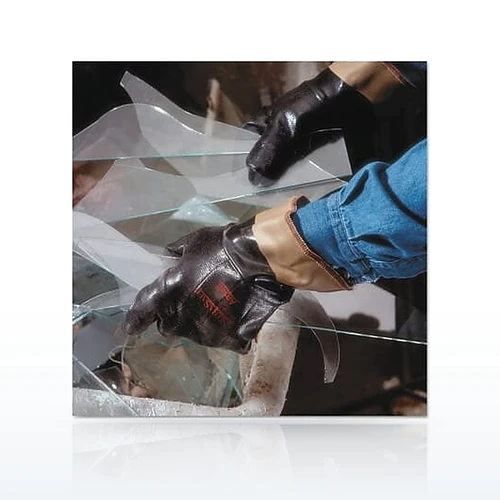 ANSI A3 — 1,000 to 1,499 grams (2.2 to 3.3 lb)150 gloves
- ActivArmr 2835910 Nitrile Coated Gloves, Size 10, Black — ActivArmr · ANSI A3 · Nitrile · Dozen
- Ansell 58-735 AlphaTec Cut Resistant Chemical Gloves, Cut A3, ANSI A3 — Ansell · ANSI A3 · Nitrile
- Armor Guys 00-300 Cut Resistant Gloves, ANSI A3, Foam Nitrile Coated — Armor Guys · ANSI A3 · Foam Nitrile · 13-gauge · Dozen
- Armor Guys 00-320 Cut Resistant Gloves, ANSI A3, Polyurethane Coated — Armor Guys · ANSI A3 · Polyurethane · 13-gauge · Dozen
- Armor Guys 00-830 Cut Resistant Gloves, ANSI A3, Foam Nitrile Coated — Armor Guys · ANSI A3 · Foam Nitrile · 18-gauge · Dozen
- Armor Guys 00-836 Cut Resistant Gloves, ANSI A3, Foam Nitrile Coated — Armor Guys · ANSI A3 · Foam Nitrile · 18-gauge · Dozen
- Armor Guys 02-013 Cut Resistant Gloves, ANSI A3, Polyurethane Coated — Armor Guys · ANSI A3 · Polyurethane · 13-gauge · Dozen
- Armor Guys 02-023 Cut Resistant Gloves, ANSI A3, Foam Nitrile Coated — Armor Guys · ANSI A3 · Foam Nitrile · 13-gauge · Dozen
- Armor Guys 02-030 Cut Resistant Gloves, ANSI A3, Foam Nitrile Coated — Armor Guys · ANSI A3 · Foam Nitrile · 13-gauge · Dozen
- Armor Guys 04-200 18g ExtraFlex Cut Resistant Hi-Vis Yellow Glove Liner, ANSI A3 — Armor Guys · ANSI A3 · Foam Nitrile · 18-gauge · Dozen
- Armor Guys 04-300HV 13g ExtraFlex Cut Resistant Hi-Vis Yellow Glove Liner — Armor Guys · ANSI A3 · Foam Nitrile · 13-gauge · Dozen
- Armor Guys 04-350 13g ExtraFlex Cut Resistant Dark Blue Glove Liner, ANSI A3 — Armor Guys · ANSI A3 · Foam Nitrile · 13-gauge · Dozen
- Armor Guys 04-367 13g ExtraFlex Cut Resistant Dark Blue Glove Liner, ANSI A3 — Armor Guys · ANSI A3 · Nitrile · 13-gauge · Dozen
- Armor Guys 14-300 Cut Resistant Gloves, ANSI A3, Foam Nitrile Coated — Armor Guys · ANSI A3 · Foam Nitrile · 18-gauge · Dozen
- Assurance Flextril 33-3765E Chemical Resistant Gloves, Nitrile, 13 in, ANSI A3 — Assurance · ANSI A3 · abrasion 5 · puncture 2 · EN 388 4X32CF · Nitrile · Dozen
- Boss 120-MP2101W High Dexterity Gloves, ANSI A3, ANSI 138 Level 2 — Boss · ANSI A3 (1172 g) · puncture 3 · EN 388 1X32CP · Pack
- DEWALT DPG572 Cut Resistant Gloves, ANSI A3, Polyurethane Coated — DEWALT · ANSI A3 · abrasion 4 · puncture 3 · EN 388 3X31C · Polyurethane · 13-gauge · Pack
- DEWALT DPG575 Cut Resistant Gloves, ANSI A3, Foam Nitrile Coated — DEWALT · ANSI A3 · abrasion 3 · puncture 3 · EN 388 3X32C · Foam Nitrile · 13-gauge · Pack
- G-Tek 3GX 19-D325 Cut Resistant Gloves, ANSI A3, Polyurethane Coated — G-Tek · ANSI A3 (1066 g) · abrasion 4 · puncture 2 · EN 388 4541CX · Polyurethane · 13-gauge · Dozen
- G-Tek CoreShield CS23-7518B Cut Resistant Gloves, ANSI A3, Nitrile Coated — G-Tek · ANSI A3 (1499 g) · abrasion 3 · puncture 3 · EN 388 4X42C · Nitrile · 18-gauge · Pack
- G-Tek CoreShield CS23-7518B-V Cut Resistant Gloves, ANSI A3, Nitrile Coated — G-Tek · ANSI A3 (1499 g) · abrasion 3 · puncture 3 · EN 388 4X42C · Nitrile · 18-gauge · Pack
- G-Tek ECO Series 19-D318 Cut Resistant Gloves, ANSI A3, Polyurethane Coated — G-Tek · ANSI A3 (1134 g) · abrasion 4 · puncture 3 · EN 388 3X42C · Polyurethane · 18-gauge · Dozen
- G-Tek KEV 09-K1310 Cut Resistant Gloves, ANSI A3, Latex Coated — G-Tek · ANSI A3 (1262 g) · abrasion 3 · puncture 5 · EN 388 2444C · Latex · 10-gauge · Dozen
- G-Tek Perfect Fit NPF23-0118N Cut Resistant Gloves, ANSI A3, Polyurethane Coated — G-Tek · ANSI A3 (1106 g) · abrasion 3 · puncture 3 · EN 388 3X42C · Polyurethane · 18-gauge · Pack
- G-Tek Perfect Fit NPF23-0118N-V Cut Resistant Gloves, ANSI A3 — G-Tek · ANSI A3 (1106 g) · abrasion 3 · puncture 3 · EN 388 3X42C · Polyurethane · 18-gauge · Dozen
- G-Tek PolyKor 09-K1320 Cut Resistant Gloves, ANSI A3, Latex Coated — G-Tek · ANSI A3 (1211 g) · abrasion 3 · puncture 4 · EN 388 3X43C · Latex · 10-gauge · Dozen
- G-Tek PolyKor 16-333 Cut Resistant Gloves, ANSI A3, Nitrile Coated — G-Tek · ANSI A3 (1250 g) · abrasion 4 · puncture 3 · EN 388 4X42CX · Nitrile · 13-gauge · Dozen
- G-Tek PolyKor 16-334 Cut Resistant Gloves, ANSI A3, Nitrile Coated — G-Tek · ANSI A3 (1037 g) · abrasion 6 · puncture 3 · EN 388 4X42C · Nitrile · 13-gauge · Dozen
- G-Tek PolyKor 16-340LG Cut Resistant Gloves, ANSI A3, Nitrile Coated — G-Tek · ANSI A3 (1208 g) · abrasion 4 · puncture 5 · EN 388 4544CX · Nitrile · 13-gauge · Dozen
- G-Tek PolyKor 16-355 Cut Resistant Gloves, ANSI A3, Nitrile Coated — G-Tek · ANSI A3 (1326 g) · abrasion 6 · puncture 3 · EN 388 4X42C · Nitrile · 13-gauge · Dozen
- G-Tek PolyKor 16-368 Cut Resistant Gloves, ANSI A3, NeoFoam Coated — G-Tek · ANSI A3 (1024 g) · abrasion 4 · puncture 2 · EN 388 4X31C · NeoFoam · 18-gauge · Dozen
- G-Tek PolyKor 16-520HY Cut Resistant Gloves, ANSI A3, Polyurethane Coated — G-Tek · ANSI A3 (1153 g) · abrasion 3 · puncture 3 · EN 388 4X42C · Polyurethane · 13-gauge · Dozen
- G-Tek PolyKor 16-530 Cut Resistant Gloves, ANSI A3, Polyurethane Coated — G-Tek · ANSI A3 (1465 g) · abrasion 6 · puncture 4 · EN 388 4X43C · Polyurethane · 13-gauge · Dozen
- G-Tek PolyKor 16-531 Cut Resistant Gloves, ANSI A3, Polyurethane Coated — G-Tek · ANSI A3 (1270 g) · abrasion 6 · puncture 4 · EN 388 4X43C · Polyurethane · 13-gauge · Dozen
- G-Tek PolyKor 16-533 Cut Resistant Gloves, ANSI A3, Polyurethane Coated — G-Tek · ANSI A3 (1100 g) · abrasion 5 · puncture 3 · EN 388 4X42C · Polyurethane · 13-gauge · Dozen
- G-Tek PolyKor 41-1415 Cold Weather Gloves, Nitrile Coated, Acrylic Lined — G-Tek · ANSI A3 (1319 g) · EN 388 4X32C · Nitrile · 15-gauge · Dozen
- G-Tek PolyKor 505 Cut Resistant Gloves, ANSI A3, Nitrile Coated — G-Tek · ANSI A3 (1334 g) · abrasion 3 · puncture 3 · EN 388 4X42C · Nitrile · 13-gauge · Dozen
- G-Tek PolyKor 705CGNF Cut Resistant Gloves, ANSI A3, Nitrile Coated — G-Tek · ANSI A3 (1243 g) · abrasion 4 · puncture 4 · EN 388 4X43CX · Nitrile · 13-gauge · Dozen
- G-Tek PolyKor 715HNFR Cut Resistant Gloves, ANSI A3, Nitrile Coated — G-Tek · ANSI A3 (1195 g) · abrasion 4 · puncture 3 · EN 388 4X42CX · Nitrile · 15-gauge · Dozen
- G-Tek PolyKor 960 Cut Resistant Gloves, ANSI A3, Polyurethane Coated — G-Tek · ANSI A3 (1100 g) · abrasion 6 · puncture 3 · EN 388 4X42C · Polyurethane · 13-gauge · Dozen
- G-Tek PolyKor Barracuda HVY710HSNF Cut Resistant Gloves, ANSI A3, Nitrile Coated — G-Tek · ANSI A3 (1250 g) · abrasion 6 · puncture 3 · EN 388 4542CX · Nitrile · 13-gauge · Dozen
- G-Tek PolyKor HVY710HSNFB High Dexterity Gloves, ANSI A3, ANSI 138 Level 2 — G-Tek · ANSI A3 (1264 g) · abrasion 4 · puncture 3 · EN 388 4X42CP · Nitrile · 13-gauge · Pack
- G-Tek Rig Dog Light 2332275N High Dexterity Gloves, ANSI A3, ANSI 138 Level 1 — G-Tek · ANSI A3 (1154 g) · abrasion 3 · puncture 3 · EN 388 4342 · Nitrile · 15-gauge · Dozen
- HexArmor 2021X Rig Lizard Hi-Vis Impact Cut Resistant Gloves, ANSI A3 — HexArmor · ANSI A3 · Pair
- HyFlex 103774 Cut Resistant Gloves, ANSI A3, Uncoated — HyFlex · ANSI A3 · Uncoated · 7-gauge · Case
- Ironcat 86552 Welding Gloves, Premium Grade Top Grain Goatskin, ANSI A3 — Ironcat · ANSI A3 (1245 g) · puncture 4 · EN 388 2443C · Pack
- KleenGuard 97431 G60 Purple Nitrile Cut Resistant Gloves, Size 8 (M), ANSI A3 — KleenGuard · ANSI A3 · Nitrile · Case
- Kut Gard 07-K300 Cut Resistant Gloves, ANSI A3, Uncoated — Kut Gard · ANSI A3 (1072 g) · abrasion 1 · Uncoated · 7-gauge · Dozen
- Kut Gard 07-K350 Cut Resistant Gloves, ANSI A3, Uncoated — Kut Gard · ANSI A3 (1211 g) · Uncoated · 7-gauge · Dozen
- Kut Gard 07-KA744 Cut Resistant Gloves, ANSI A3, Uncoated — Kut Gard · ANSI A3 (1256 g) · abrasion 1 · Uncoated · 7-gauge · Dozen
- Liberty Safety X-Grip LTE 4968 Cut Resistant Gloves, ANSI A3 — Liberty Safety · ANSI A3 · abrasion 4 · puncture 3 · EN 388 4X31C · Polyurethane · 13-gauge · Dozen
- Liberty Safety X-Grip PRO 4965 Cut Resistant Gloves, ANSI A3 — Liberty Safety · ANSI A3 · abrasion 4 · puncture 3 · EN 388 4X31C · Polyurethane · 13-gauge · Dozen
- MCR Safety 4891 Welding Gloves, Goatskin, ANSI A3, Premium A Grade — MCR Safety · ANSI A3 · Pair
- MCR Safety 4892 Welding Gloves, Goatskin, ANSI A3, Premium A Grade — MCR Safety · ANSI A3 · puncture 2 · Pair
- MCR Safety 9132 High Heat Gloves, ANSI Heat Level 4, Hotmill — MCR Safety · ANSI A3 · abrasion 2 · Dozen
- MCR Safety 9432GFR Cut Resistant Gloves, ANSI A3 — MCR Safety · ANSI A3 · Dozen
- MCR Safety 9450K Cut Resistant Gloves, ANSI A3 — MCR Safety · ANSI A3 · abrasion 2 · Dozen
- MCR Safety 9784IKO Cut Resistant Gloves, ANSI A3, Nitrile Coated — MCR Safety · ANSI A3 · abrasion 6 · puncture 2 · Nitrile · 13-gauge · Dozen
- MCR Safety Big Jake 1702 Winter Work Gloves, ANSI A3, Cowhide, Premium A+ Grade — MCR Safety · ANSI A3 · abrasion 5 · puncture 5 · Dozen
- MCR Safety BlackJack 6944 Chemical Resistant Gloves, Neoprene, 14 in — MCR Safety · ANSI A3 · Neoprene · Dozen
And 90 more in this group; use the selector or the group's own page.
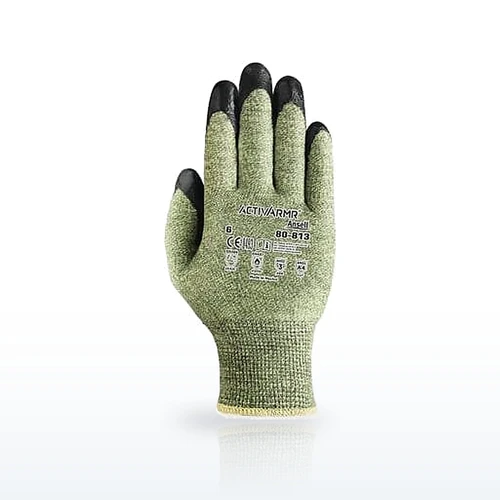 ANSI A4 — 1,500 to 2,199 grams (3.3 to 4.8 lb)219 gloves
- ActivArmr 1035 Arc Flash and Cut Resistant Gloves, ANSI A4, Neoprene Coated — ActivArmr · ANSI A4 · Neoprene · Dozen
- ActivArmr 10642 Coated Gloves, ANSI A4, Medium-Duty Cut Resistant Gloves — ActivArmr · ANSI A4 · Foam Nitrile · Dozen
- Ansell 11751110 HyFlex Black PU Palm Cut Resistant Gloves, ANSI A4 — Ansell · ANSI A4 · Polyurethane · Case
- Ansell HyFlex PU Coated Cut Resistant Gloves, ANSI A4, Polyurethane Coated — Ansell · ANSI A4 · Polyurethane · pack size
- Armor Guys 00-420 Cut Resistant Gloves, ANSI A4, Polyurethane Coated — Armor Guys · ANSI A4 · Polyurethane · 13-gauge · Dozen
- Armor Guys 00-450 Cut Resistant Gloves, ANSI A4, Foam Nitrile Coated — Armor Guys · ANSI A4 · Foam Nitrile · 13-gauge · Dozen
- Armor Guys 00-840 Cut Resistant Gloves, ANSI A4, Foam Nitrile Coated — Armor Guys · ANSI A4 · Foam Nitrile · 18-gauge · Dozen
- Armor Guys 00-840HV Cut Resistant Gloves, ANSI A4, Nitrile Coated — Armor Guys · ANSI A4 · Nitrile · 18-gauge · Dozen
- Armor Guys 00-840VC Cut Resistant Gloves, ANSI A4, Foam Nitrile Coated — Armor Guys · ANSI A4 · Foam Nitrile · 18-gauge · Dozen
- Armor Guys 00-841 Cut Resistant Gloves, ANSI A4, Foam Nitrile Coated — Armor Guys · ANSI A4 · Foam Nitrile · 18-gauge · Dozen
- Armor Guys 00-842 Cut Resistant Gloves, ANSI A4, Foam Nitrile Coated — Armor Guys · ANSI A4 · Foam Nitrile · 18-gauge · Dozen
- Armor Guys 00-843 Cut Resistant Gloves, ANSI A4, Polyurethane Coated — Armor Guys · ANSI A4 · Polyurethane · 18-gauge · Dozen
- Armor Guys 00-845 Cut Resistant Gloves, ANSI A4, Nitrile Coated — Armor Guys · ANSI A4 · Foam Nitrile · 18-gauge · Dozen
- Armor Guys 00-847 Cut Resistant Gloves, ANSI A4, Foam Nitrile Coated — Armor Guys · ANSI A4 · Foam Nitrile · 18-gauge · Dozen
- Armor Guys 00-847VC Cut Resistant Gloves, ANSI A4, Foam Nitrile Coated — Armor Guys · ANSI A4 · Foam Nitrile · 18-gauge · Dozen
- Armor Guys 00-849 Cut Resistant Gloves, ANSI A4, Foam Nitrile Coated — Armor Guys · ANSI A4 · Foam Nitrile · 18-gauge · Dozen
- Armor Guys 00-849WP Cut Resistant Gloves, ANSI A4, Foam Nitrile Coated — Armor Guys · ANSI A4 · Foam Nitrile · 18-gauge · Dozen
- Armor Guys 01-006 Cut Resistant Gloves, ANSI A4, Uncoated — Armor Guys · ANSI A4 · Uncoated · 10-gauge · Dozen
- Armor Guys 01-020 Cut Resistant Gloves, ANSI A4, Uncoated — Armor Guys · ANSI A4 · Uncoated · 10-gauge · Dozen
- Armor Guys 02-014 Cut Resistant Gloves, ANSI A4, Polyurethane Coated — Armor Guys · ANSI A4 · Polyurethane · 13-gauge · Dozen
- Armor Guys 02-024 Cut Resistant Gloves, ANSI A4, Foam Nitrile Coated — Armor Guys · ANSI A4 · Foam Nitrile · 13-gauge · Dozen
- Armor Guys 02-040 Cut Resistant Gloves, ANSI A4, Foam Nitrile Coated — Armor Guys · ANSI A4 · Foam Nitrile · 13-gauge · Dozen
- Armor Guys 04-311 Cut Resistant Gloves, ANSI A4, Foam Nitrile Coated — Armor Guys · ANSI A4 · Foam Nitrile · 13-gauge · Dozen
- Armor Guys 04-312 Cut Resistant Gloves, ANSI A4, Foam Nitrile Coated — Armor Guys · ANSI A4 · Foam Nitrile · 13-gauge · Dozen
- Armor Guys 04-314 Cut Resistant Gloves, ANSI A4, Foam Nitrile Coated — Armor Guys · ANSI A4 · Foam Nitrile · 13-gauge · Dozen
- Armor Guys 04-321 Cut Resistant Gloves, ANSI A4, Foam Nitrile Coated — Armor Guys · ANSI A4 · Foam Nitrile · 13-gauge · Dozen
- Armor Guys 04-322 Cut Resistant Gloves, ANSI A4, Foam Nitrile Coated — Armor Guys · ANSI A4 · Foam Nitrile · 13-gauge · Dozen
- Armor Guys 04-420HV Cut Resistant Gloves, ANSI A4, Polyurethane Coated — Armor Guys · ANSI A4 · Polyurethane · 15-gauge · Dozen
- Armor Guys 12-400 Cut Resistant Gloves, ANSI A4, Foam Nitrile Coated — Armor Guys · ANSI A4 · Foam Nitrile · 18-gauge · Dozen
- Armor Guys 12-420 Cut Resistant Gloves, ANSI A4, Polyurethane Coated — Armor Guys · ANSI A4 · Polyurethane · 18-gauge · Dozen
- Armor Guys 14-400 Cut Resistant Gloves, ANSI A4, Foam Nitrile Coated — Armor Guys · ANSI A4 · Foam Nitrile · 18-gauge · Dozen
- Armor Guys 14-420 Cut Resistant Gloves, ANSI A4, Polyurethane Coated — Armor Guys · ANSI A4 · Polyurethane · 18-gauge · Dozen
- Armor Guys 20-049 Cut Resistant Gloves, ANSI A4, Uncoated — Armor Guys · ANSI A4 · Uncoated · 15-gauge · Dozen
- Armor Guys 20-149 Cut Resistant Gloves, ANSI A4, Uncoated — Armor Guys · ANSI A4 · Uncoated · 15-gauge · Dozen
- Assurance 56-586CR Chemical Resistant Gloves, Nitrile, 14 in, ANSI A4 — Assurance · ANSI A4 (1500 g) · abrasion 6 · puncture 3 · EN 388 4X42D · Nitrile · Dozen
- Boss 1JL4061CG Drivers Gloves, ANSI A4, Top Grain Goatskin — Boss · ANSI A4 (2199 g) · abrasion 4 · puncture 4 · EN 388 3X23D · Dozen
- Boss 1TN4100KB High Heat Gloves, Aramid/Cotton — Boss · ANSI A4 (1828 g) · abrasion 2 · EN 388 1232X · Nitrile · Dozen
- Boss 9120 High Dexterity Gloves, ANSI A4, ANSI 138 Level 2 — Boss · ANSI A4 (1730 g) · puncture 3 · EN 388 2X22DP · Dozen
- Boss Xtreme 09-K3750 High Dexterity Gloves, ANSI A4, Top Grain Goatskin — Boss · ANSI A4 (1530 g) · abrasion 5 · puncture 3 · EN 388 3X22B · 13-gauge · Dozen
- Boss Xtreme KS9911KP High Dexterity Gloves, ANSI A4, Top Grain Goatskin — Boss · ANSI A4 (1850 g) · puncture 3 · EN 388 3X22DX · Dozen
- Boss Xtreme KS992K High Dexterity Gloves, ANSI A4, Top Grain Cowhide — Boss · ANSI A4 (1850 g) · puncture 3 · EN 388 3X32D · Dozen
- Boss Xtreme KS993KOA High Dexterity Gloves, ANSI A4, Top Grain Goatskin — Boss · ANSI A4 (1810 g) · puncture 3 · EN 388 3X22D · Dozen
- Boss Xtreme KS993KOAB High Dexterity Gloves, ANSI A4, ANSI 138 Level 2 — Boss · ANSI A4 (1810 g) · puncture 3 · EN 388 3X22DP · Dozen
- Claw Cover 17-DA700 Cut Resistant Gloves, ANSI A4, Uncoated — Claw Cover · ANSI A4 (1943 g) · EN 388 D · Uncoated · 7-gauge · Dozen
- DEWALT DPG855 Cut Resistant Gloves, ANSI A4, Foam Nitrile Coated — DEWALT · ANSI A4 · abrasion 4 · puncture 5 · EN 388 4X42D · Foam Nitrile · 13-gauge · Pack
- DEWALT DPG855T Cut Resistant Gloves, ANSI A4, Foam Nitrile Coated — DEWALT · ANSI A4 · puncture 5 · Foam Nitrile · 13-gauge · Pack
- G-Tek 120-5150 High Dexterity Gloves, ANSI A4, ANSI 138 Level 2 — G-Tek · ANSI A4 (1812 g) · abrasion 6 · puncture 5 · EN 388 4X44DP · Nitrile · 13-gauge · Dozen
- G-Tek 710HGUB High Dexterity Gloves, ANSI A4, ANSI 138 Level 2 — G-Tek · ANSI A4 (2199 g) · abrasion 6 · puncture 3 · EN 388 4X42DP · Polyurethane · 10-gauge · Dozen
- G-Tek 710HGUBHVG High Dexterity Gloves, ANSI A4, ANSI 138 Level 1 — G-Tek · ANSI A4 (1850 g) · abrasion 4 · puncture 3 · EN 388 4X42DP · Polyurethane · 10-gauge · Dozen
- G-Tek CoreShield CS24-7518B Cut Resistant Gloves, ANSI A4, Nitrile Coated — G-Tek · ANSI A4 (2199 g) · abrasion 3 · puncture 3 · EN 388 4X42D · Nitrile · 18-gauge · Pack
- G-Tek CoreShield CS24-7518B-V Cut Resistant Gloves, ANSI A4, Nitrile Coated — G-Tek · ANSI A4 (2199 g) · abrasion 3 · puncture 3 · EN 388 4X42D · Nitrile · 18-gauge · Pack
- G-Tek ECO Series 19-D313 Cut Resistant Gloves, ANSI A4, Latex Coated — G-Tek · ANSI A4 (2003 g) · abrasion 4 · puncture 3 · EN 388 4X43D · Latex · 13-gauge · Dozen
- G-Tek ECO Series 19-D322 Cut Resistant Gloves, ANSI A4, Polyurethane Coated — G-Tek · ANSI A4 (1636 g) · abrasion 4 · puncture 3 · EN 388 4X42DX · Polyurethane · 13-gauge · Dozen
- G-Tek ECO Series 19-D334 Cut Resistant Gloves, ANSI A4, Nitrile Coated — G-Tek · ANSI A4 (2150 g) · abrasion 6 · puncture 3 · EN 388 4X42DX · Nitrile · 13-gauge · Dozen
- G-Tek ECO Series 19-D340OR Cut Resistant Gloves, ANSI A4, Nitrile Coated — G-Tek · ANSI A4 (1891 g) · abrasion 6 · puncture 4 · EN 388 4X43DX · Nitrile · 13-gauge · Dozen
- G-Tek KEV 09-K1300 Cut Resistant Gloves, ANSI A4, Latex Coated — G-Tek · ANSI A4 (1550 g) · abrasion 3 · puncture 5 · EN 388 3544D · Latex · 7-gauge · Dozen
- G-Tek KEV 09-K3488 Cut Resistant Gloves, ANSI A4, Nitrile Coated — G-Tek · ANSI A4 (1660 g) · abrasion 4 · puncture 2 · EN 388 4X31D · Nitrile · 18-gauge · Dozen
- G-Tek Paradox 16-541 Cut Resistant Gloves, ANSI A4, Polyurethane Coated — G-Tek · ANSI A4 (1915 g) · abrasion 3 · puncture 2 · EN 388 3X31D · Polyurethane · 21-gauge · Dozen
- G-Tek Paradox 16-541HV Cut Resistant Gloves, ANSI A4, Polyurethane Coated — G-Tek · ANSI A4 (1915 g) · abrasion 3 · puncture 2 · EN 388 3X42DX · Polyurethane · 21-gauge · Dozen
- G-Tek Paradox+ 16-344 Cut Resistant Gloves, ANSI A4, Nitrile Coated — G-Tek · ANSI A4 (2017 g) · abrasion 6 · puncture 2 · EN 388 4X41D · Nitrile · 24-gauge · Dozen
And 159 more in this group; use the selector or the group's own page.
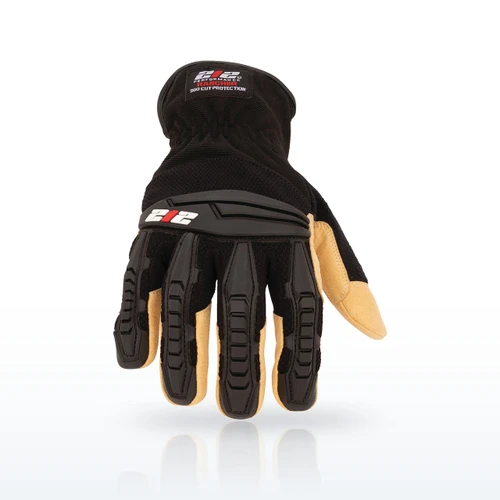 ANSI A5 — 2,200 to 2,999 grams (4.9 to 6.6 lb)108 gloves
- 212 Performance IMPC5R-05-0 Cut Resistant Gloves, ANSI A5 — 212 Performance · ANSI A5
- ActivArmr 104425 Cut Resistant Gloves, ANSI A5, Uncoated — ActivArmr · ANSI A5 · Uncoated · 10-gauge · Dozen
- Ansell 065G-09 Ringers R065 Impact Cut Resistant Nitrile Palm Gloves, ANSI A5 — Ansell · ANSI A5 · Nitrile · 13-gauge · Pair
- Ansell 065G-10 Anti-Vibration & Impact Gloves, ANSI A5, Nitrile Coated — Ansell · ANSI A5 · Nitrile · 13-gauge · Pair
- Armor Guys 00-850 Cut Resistant Gloves, ANSI A5, Foam Nitrile Coated — Armor Guys · ANSI A5 · Foam Nitrile · 15-gauge · Dozen
- Armor Guys 00-853 Cut Resistant Gloves, ANSI A5, Polyurethane Coated — Armor Guys · ANSI A5 · Polyurethane · 15-gauge · Dozen
- Armor Guys 00-857 Cut Resistant Gloves, ANSI A5, Foam Nitrile Coated — Armor Guys · ANSI A5 · Foam Nitrile · 15-gauge · Dozen
- Armor Guys 02-027 Cut Resistant Gloves, ANSI A5, Uncoated — Armor Guys · ANSI A5 · Uncoated · 13-gauge · Dozen
- Armor Guys 04-545 Cut Resistant Gloves, ANSI A5, Full dip — Armor Guys · ANSI A5 · Foam Nitrile · 15-gauge · Dozen
- Armor Guys 04-550 18g ExtraFlex Cut Resistant Black Engineered Glove Liner — Armor Guys · ANSI A5 · Foam Nitrile · 18-gauge · Dozen
- Armor Guys 14-500 Cut Resistant Gloves, ANSI A5, Foam Nitrile Coated — Armor Guys · ANSI A5 · Foam Nitrile · 15-gauge · Dozen
- Armor Guys 14-520 Cut Resistant Gloves, ANSI A5, Polyurethane Coated — Armor Guys · ANSI A5 · Polyurethane · 15-gauge · Dozen
- Armor Guys 20-059 Cut Resistant Gloves, ANSI A5, Uncoated — Armor Guys · ANSI A5 · Uncoated · 15-gauge · Dozen
- Armor Guys 20-159 Cut Resistant Gloves, ANSI A5, Uncoated — Armor Guys · ANSI A5 · Uncoated · 15-gauge · Dozen
- Boss 09-LC571MP High Dexterity Gloves, ANSI A5, ANSI 138 Level 2 — Boss · ANSI A5 (2437 g) · abrasion 3 · puncture 3 · EN 388 4X43EP · Pack
- Boss 120-MP2415 High Dexterity Gloves, ANSI A5, ANSI 138 Level 2 — Boss · ANSI A5 (2999 g) · abrasion 6 · puncture 4 · EN 388 3X43EP · Silicone · Pack
- Boss Cut 120-MC1225T High Dexterity Gloves, ANSI A5, Uncoated — Boss · ANSI A5 (2439 g) · abrasion 4 · puncture 3 · EN 388 3X22E · Uncoated · Dozen
- Boss Cut 120-MC1325T High Dexterity Gloves, ANSI A5, Uncoated — Boss · ANSI A5 (2343 g) · abrasion 6 · puncture 4 · EN 388 3X23E · Uncoated · Dozen
- Boss Xtreme 09-LC533AR High Dexterity Gloves, ANSI A5, Top Grain Goatskin — Boss · ANSI A5 (2742 g) · puncture 3 · EN 388 2X32E · 13-gauge · Dozen
- Caiman 1507 Welding Gloves, Premium Grade Split Cowhide, ANSI A5 — Caiman · ANSI A5 (2210 g) · Pack
- Caiman 1541 Welding Gloves, Premium Grade Top Grain Goatskin, ANSI A5 — Caiman · ANSI A5 (2210 g) · Pack
- Caiman 1541W Welding Gloves, Top Grain Goatskin, ANSI A5, TIG Welding — Caiman · ANSI A5 · Pack
- Caiman 1877 Welding Gloves, Premium Grade Split Deerskin, ANSI A5 — Caiman · ANSI A5 (2210 g) · Pack
- Claw Cover 14-ASP700 Cut Resistant Gloves, ANSI A5, Uncoated — Claw Cover · ANSI A5 (2519 g) · Uncoated · 7-gauge · Dozen
- Claw Cover 22-750 Cut Resistant Gloves, ANSI A5, Uncoated — Claw Cover · ANSI A5 (2850 g) · Uncoated · 13-gauge · Pack
- Claw Cover 22-750G Cut Resistant Gloves, ANSI A5, Uncoated — Claw Cover · ANSI A5 (2850 g) · Uncoated · 13-gauge · Pack
- DEWALT DPG860 Cut Resistant Gloves, ANSI A5, Polyurethane Coated, Touchscreen — DEWALT · ANSI A5 · EN 388 4X42E · Polyurethane · 13-gauge · Pack
- G-Tek CoreShield CS25-7518B Cut Resistant Gloves, ANSI A5, Nitrile Coated — G-Tek · ANSI A5 (2200 g) · abrasion 3 · puncture 3 · EN 388 4X42E · Nitrile · 18-gauge · Pack
- G-Tek CoreShield CS25-7518B-V Cut Resistant Gloves, ANSI A5, Nitrile Coated — G-Tek · ANSI A5 (2200 g) · abrasion 3 · puncture 3 · EN 388 4X42E · Nitrile · 18-gauge · Pack
- G-Tek Paradox 09-K3511 Cut Resistant Gloves, ANSI A5, Nitrile Coated — G-Tek · ANSI A5 (3290 g) · abrasion 4 · puncture 2 · EN 388 4X31E · Nitrile · 21-gauge · Dozen
- G-Tek Paradox 16-051 Cut Resistant Gloves, ANSI A5, Uncoated — G-Tek · ANSI A5 (2999 g) · abrasion 3 · EN 388 3X4XE · Uncoated · 21-gauge · Dozen
- G-Tek Paradox 16-351 Cut Resistant Gloves, ANSI A5, Nitrile Coated — G-Tek · ANSI A5 (2950 g) · abrasion 4 · puncture 3 · EN 388 3X42E · Nitrile · 21-gauge · Dozen
- G-Tek Paradox 16-351HV Cut Resistant Gloves, ANSI A5, Nitrile Coated — G-Tek · ANSI A5 (2999 g) · abrasion 4 · puncture 3 · EN 388 3X42E · Nitrile · 21-gauge · Dozen
- G-Tek Perfect Fit NPF25-0118N Cut Resistant Gloves, ANSI A5, Polyurethane Coated — G-Tek · ANSI A5 (2999 g) · abrasion 3 · puncture 3 · EN 388 3X42E · Polyurethane · 18-gauge · Pack
- G-Tek Perfect Fit NPF25-0118N-V Cut Resistant Gloves, ANSI A5 — G-Tek · ANSI A5 (2999 g) · abrasion 3 · puncture 3 · EN 388 3X42E · Polyurethane · 18-gauge · Dozen
- G-Tek PolyKor 16-354 Cut Resistant Gloves, ANSI A5, Nitrile Coated — G-Tek · ANSI A5 (2400 g) · abrasion 6 · puncture 4 · EN 388 4X43E · Nitrile · 13-gauge · Dozen
- G-Tek PolyKor 16-635 Cut Resistant Gloves, ANSI A5, Nitrile Coated — G-Tek · ANSI A5 (2344 g) · abrasion 6 · puncture 3 · EN 388 4X42EX · Nitrile · 13-gauge · Dozen
- G-Tek PolyKor 16-645LG Cut Resistant Gloves, ANSI A5, Polyurethane Coated — G-Tek · ANSI A5 (2810 g) · abrasion 4 · puncture 3 · EN 388 4X42E · Polyurethane · 13-gauge · Dozen
- G-Tek PolyKor 16-655 Cut Resistant Gloves, ANSI A5, Nitrile Coated — G-Tek · ANSI A5 (2263 g) · abrasion 3 · puncture 3 · EN 388 4X42EX · Nitrile · 13-gauge · Dozen
- G-Tek PolyKor 16-665 Cut Resistant Gloves, ANSI A5, Polyurethane Coated — G-Tek · ANSI A5 (2979 g) · abrasion 3 · puncture 3 · EN 388 4X42EX · Polyurethane · 13-gauge · Dozen
- G-Tek PolyKor 16-MP585 High Dexterity Gloves, ANSI A5, ANSI 138 Level 1 — G-Tek · ANSI A5 (2300 g) · abrasion 3 · puncture 3 · EN 388 4X42EP · NeoFoam · 18-gauge · Pack
- G-Tek PolyKor 16-X585 Cut Resistant Gloves, ANSI A5, NeoFoam Coated — G-Tek · ANSI A5 (2458 g) · abrasion 3 · puncture 3 · EN 388 4X42E · NeoFoam · 13-gauge · Dozen
- G-Tek PolyKor 41-8035 Cold Weather Gloves, Latex Coated, ANSI A5 — G-Tek · ANSI A5 (2950 g) · EN 388 3X42EX · Latex · 10-gauge · Dozen
- G-Tek PolyKor 555 Cut Resistant Gloves, ANSI A5, Nitrile Coated — G-Tek · ANSI A5 (2822 g) · abrasion 6 · puncture 3 · EN 388 4X42E · Nitrile · 18-gauge · Dozen
- G-Tek PolyKor 556 Cut Resistant Gloves, ANSI A5, Polyurethane Coated — G-Tek · ANSI A5 (3406 g) · abrasion 3 · puncture 3 · EN 388 4X42E · Polyurethane · 18-gauge · Dozen
- G-Tek PolyKor Barracuda 713CFHGWU Cut Resistant Gloves, ANSI A5 — G-Tek · ANSI A5 (2604 g) · abrasion 6 · puncture 3 · EN 388 4X42E · Polyurethane · 13-gauge · Dozen
- Kut Gard MATA110HA-OERTC2 Cut Resistant Gloves, ANSI A5, Uncoated — Kut Gard · ANSI A5 (2522 g) · abrasion 3 · Uncoated · 7-gauge · Dozen
- Kut Gard MATA50OERTH Cut Resistant Gloves, ANSI A5, Uncoated — Kut Gard · ANSI A5 (2631 g) · abrasion 2 · Uncoated · 7-gauge · Case
- Liberty Safety ECODEX H76005 Cut Resistant Gloves, ANSI A5 Cut-Resistant Gloves — Liberty Safety · ANSI A5 · Dozen
- Liberty Safety ECODEX H7700B Coated Gloves, Grinding Gloves — Liberty Safety · ANSI A5
- Liberty Safety X-GRIP LTE 4975 ANSI A5 Gray Polyurethane Cut Resistant Gloves — Liberty Safety · ANSI A5 · abrasion 3 · puncture 4 · EN 388 4X43E · Polyurethane · 13-gauge · Dozen
- MCR Safety 36336K Impact Gloves, ANSI A5, ANSI 138 Level 1 — MCR Safety · ANSI A5 · abrasion 4 · puncture 3 · Dozen
- MCR Safety 906DPHK Mechanics Gloves, ANSI A5, Goatskin Palm — MCR Safety · ANSI A5 · puncture 4 · Pair
- MCR Safety 906DPOK Mechanics Gloves, ANSI A5, Goatskin Palm — MCR Safety · ANSI A5 · abrasion 3 · puncture 4 · Pair
- MCR Safety Blue Beast 4850K Welding Gloves, Goatskin, ANSI A5, Premium A Grade — MCR Safety · ANSI A5 · abrasion 3 · puncture 3 · 13-gauge · Dozen
- MCR Safety Cut Pro 3601K Welding Gloves, Goatskin, ANSI A5, Premium A Grade — MCR Safety · ANSI A5 · abrasion 3 · puncture 3 · 13-gauge · Dozen
- MCR Safety Cut Pro 3601SKHV Drivers Gloves, ANSI A5, Goatskin, Premium A Grade — MCR Safety · ANSI A5 · abrasion 3 · puncture 3 · 13-gauge · Dozen
- MCR Safety Cut Pro 3611DT Drivers Gloves, ANSI A5, Goatskin, Premium A Grade — MCR Safety · ANSI A5 · abrasion 4 · puncture 3 · Pair
- MCR Safety Cut Pro 92738PU Cut Resistant Gloves, ANSI A5, Polyurethane Coated — MCR Safety · ANSI A5 · abrasion 4 · puncture 3 · Polyurethane · 18-gauge · Dozen
- MCR Safety Cut Pro 92754BP Cut Resistant Gloves, ANSI A5, Bi-Polymer Coated — MCR Safety · ANSI A5 · abrasion 6 · puncture 3 · Bi-Polymer · 13-gauge · Pair
And 48 more in this group; use the selector or the group's own page.
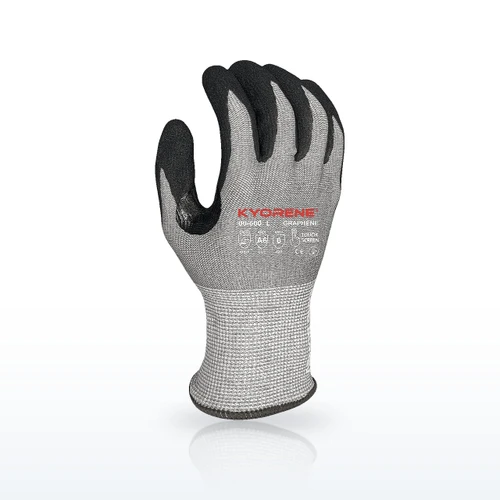 ANSI A6 — 3,000 to 3,999 grams (6.6 to 8.8 lb)97 gloves
- Armor Guys 00-600 Cut Resistant Gloves, ANSI A6, Foam Nitrile Coated — Armor Guys · ANSI A6 · Foam Nitrile · 13-gauge · Dozen
- Armor Guys 00-602 Cut Resistant Gloves, ANSI A6, Foam Nitrile Coated — Armor Guys · ANSI A6 · Foam Nitrile · 13-gauge · Dozen
- Armor Guys 00-606 Cut Resistant Gloves, ANSI A6, Crinkle Latex Coated — Armor Guys · ANSI A6 · Crinkle Latex · 13-gauge · Dozen
- Armor Guys 00-860 Cut Resistant Gloves, ANSI A6, Foam Nitrile Coated — Armor Guys · ANSI A6 · Foam Nitrile · 18-gauge · Dozen
- Armor Guys 00-863 Cut Resistant Gloves, ANSI A6, Polyurethane Coated — Armor Guys · ANSI A6 · Polyurethane · 18-gauge · Dozen
- Armor Guys 00-867 Cut Resistant Gloves, ANSI A6, Foam Nitrile Coated — Armor Guys · ANSI A6 · Foam Nitrile · 18-gauge · Dozen
- Armor Guys 00-869 Cut Resistant Gloves, ANSI A6, Foam Nitrile Coated — Armor Guys · ANSI A6 · Foam Nitrile · 18-gauge · Dozen
- Armor Guys 00-869WP Cut Resistant Gloves, ANSI A6, Foam Nitrile Coated — Armor Guys · ANSI A6 · Foam Nitrile · 18-gauge · Dozen
- Armor Guys 02-015 Cut Resistant Gloves, ANSI A6, Polyurethane Coated — Armor Guys · ANSI A6 · Polyurethane · 13-gauge · Dozen
- Armor Guys 02-025 Cut Resistant Gloves, ANSI A6, Foam Nitrile Coated — Armor Guys · ANSI A6 · Foam Nitrile · 13-gauge · Dozen
- Armor Guys 12-600 Cut Resistant Gloves, ANSI A6, Foam Nitrile Coated — Armor Guys · ANSI A6 · Foam Nitrile · 18-gauge · Dozen
- Armor Guys 12-620 Cut Resistant Gloves, ANSI A6, Polyurethane Coated — Armor Guys · ANSI A6 · Polyurethane · 18-gauge · Dozen
- Armor Guys 14-600 Cut Resistant Gloves, ANSI A6, Foam Nitrile Coated — Armor Guys · ANSI A6 · Foam Nitrile · 15-gauge · Dozen
- Armor Guys 14-620 Cut Resistant Gloves, ANSI A6, Polyurethane Coated — Armor Guys · ANSI A6 · Polyurethane · 15-gauge · Dozen
- Armor Guys 20-069 Cut Resistant Gloves, ANSI A6, Uncoated — Armor Guys · ANSI A6 · Uncoated · 15-gauge · Dozen
- Armor Guys 20-169 Cut Resistant Gloves, ANSI A6, Uncoated — Armor Guys · ANSI A6 · Uncoated · 15-gauge · Dozen
- Boss 09-LC650MP High Dexterity Gloves, ANSI A6, ANSI 138 Level 2 — Boss · ANSI A6 (3425 g) · abrasion 6 · puncture 3 · EN 388 3X22F · Pack
- Boss 09-LC650MPW High Dexterity Gloves, ANSI A6, ANSI 138 Level 2 — Boss · ANSI A6 (3425 g) · abrasion 6 · puncture 3 · EN 388 3X22F · Uncoated · Pack
- Boss Knife Hawwk 1CF7007N Cut Resistant Gloves, ANSI A6, Nitrile Coated — Boss · ANSI A6 (3387 g) · abrasion 4 · puncture 3 · EN 388 3X42F · Nitrile · 13-gauge · Dozen
- DEWALT DPG578 Cut Resistant Gloves, ANSI A6, Foam Nitrile Coated, Touchscreen — DEWALT · ANSI A6 · abrasion 4 · puncture 3 · EN 388 3X41F · Foam Nitrile · 21-gauge · Pack
- G-Tek Astral 16-MPT961 High Dexterity Gloves, ANSI A6, ANSI 138 Level 2 — G-Tek · ANSI A6 (3245 g) · abrasion 5 · puncture 2 · EN 388 4X41FP · Nitrile · 21-gauge · Dozen
- G-Tek CoreShield CS26-7518B Cut Resistant Gloves, ANSI A6, Nitrile Coated — G-Tek · ANSI A6 (3999 g) · abrasion 3 · puncture 3 · EN 388 4X42F · Nitrile · 18-gauge · Pack
- G-Tek CoreShield CS26-7518B-V Cut Resistant Gloves, ANSI A6, Nitrile Coated — G-Tek · ANSI A6 (3999 g) · abrasion 3 · puncture 3 · EN 388 4X42F · Nitrile · 18-gauge · Pack
- G-Tek Paradox 16-361 Cut Resistant Gloves, ANSI A6, Nitrile Coated — G-Tek · ANSI A6 (3660 g) · abrasion 4 · puncture 2 · EN 388 4X41F · Nitrile · 21-gauge · Dozen
- G-Tek Paradox 16-861 Cut Resistant Gloves, ANSI A6, PosiGrip Max Coated — G-Tek · ANSI A6 (3118 g) · abrasion 4 · puncture 2 · EN 388 3X41F · PosiGrip Max · 21-gauge · Dozen
- G-Tek Perfect Fit NPF26-0118N Cut Resistant Gloves, ANSI A6, Polyurethane Coated — G-Tek · ANSI A6 (3999 g) · abrasion 3 · puncture 3 · EN 388 3X42F · Polyurethane · 18-gauge · Pack
- G-Tek Perfect Fit NPF26-0118N-V Cut Resistant Gloves, ANSI A6 — G-Tek · ANSI A6 (3999 g) · abrasion 3 · puncture 3 · EN 388 3X42F · Polyurethane · 18-gauge · Dozen
- G-Tek PolyKor 16-363 Cut Resistant Gloves, ANSI A6, Nitrile Coated — G-Tek · ANSI A6 (4220 g) · abrasion 4 · puncture 5 · EN 388 4X44F · Nitrile · 13-gauge · Dozen
- G-Tek PolyKor 16-369 Cut Resistant Gloves, ANSI A6, Nitrile Coated — G-Tek · ANSI A6 · abrasion 6 · puncture 3 · EN 388 4X42F · Nitrile · 13-gauge · Dozen
- G-Tek PolyKor 16-586 Cut Resistant Gloves, ANSI A6, Polyurethane Coated — G-Tek · ANSI A6 (3817 g) · abrasion 5 · puncture 3 · EN 388 4X42F · Polyurethane · 18-gauge · Dozen
- G-Tek PolyKor 16-856 Cut Resistant Gloves, ANSI A6, Nitrile Coated — G-Tek · ANSI A6 (3648 g) · abrasion 5 · puncture 3 · EN 388 4X42F · Nitrile · 18-gauge · Dozen
- G-Tek PolyKor 16-MPT630 High Dexterity Gloves, ANSI A6, ANSI 138 Level 3 — G-Tek · ANSI A6 (3275 g) · abrasion 4 · puncture 3 · EN 388 4X42FP · Nitrile · 13-gauge · Pack
- G-Tek PolyKor 41-8156 Cold Weather Gloves, Nitrile Coated, ANSI A6 — G-Tek · ANSI A6 (3460 g) · EN 388 4X42F · Nitrile · 10-gauge · Dozen
- G-Tek PolyKor 713KSSN High Dexterity Gloves, ANSI A6, Nitrile Coated — G-Tek · ANSI A6 (3999 g) · abrasion 6 · puncture 3 · EN 388 4X42E · Nitrile · 13-gauge · Dozen
- G-Tek PosiGrip MAX 16-868 Cut Resistant Gloves, ANSI A6, PosiGrip Max Coated — G-Tek · ANSI A6 (3865 g) · abrasion 3 · puncture 3 · EN 388 4X42F · PosiGrip Max · 18-gauge · Dozen
- G-Tek PosiGrip MAX 16-8685 Cut Resistant Gloves, ANSI A6, PosiGrip Max Coated — G-Tek · ANSI A6 (3865 g) · abrasion 3 · puncture 3 · EN 388 4X42F · PosiGrip Max · 18-gauge · Dozen
- G-Tek XREY 16-738 Cut Resistant Gloves, ANSI A6, Nitrile Coated — G-Tek · ANSI A6 (3907 g) · abrasion 5 · puncture 3 · EN 388 4X42F · Nitrile · 18-gauge · Dozen
- G-Tek XREY 16-738V Cut Resistant Gloves, ANSI A6, Nitrile Coated — G-Tek · ANSI A6 (3907 g) · abrasion 5 · puncture 3 · EN 388 4X42F · Nitrile · 18-gauge · Pack
- HexArmor 2076 Helix PU Palm Coated Cut Resistant Gloves, ANSI A6 — HexArmor · ANSI A6 · Polyurethane · 13-gauge · Pair
- HexArmor 2076-L Helix PU Palm Coated Cut Resistant Gloves, ANSI A6, Size 9 (L) — HexArmor · ANSI A6 · Polyurethane · 13-gauge · Pair
- HexArmor 4073 Leather Palm Gloves, ANSI A6 — HexArmor · ANSI A6 · Pair
- Kut Gard MATA500 Cut Resistant Gloves, ANSI A6, Uncoated — Kut Gard · ANSI A6 (3589 g) · abrasion 3 · Uncoated · 7-gauge · Case
- Kut Gard MATA500HA Cut Resistant Gloves, ANSI A6, Uncoated — Kut Gard · ANSI A6 (3542 g) · abrasion 3 · Uncoated · 7-gauge · Case
- Liberty Safety DayBreaker 0943 Cut Resistant Gloves, ANSI A6 — Liberty Safety · ANSI A6 · abrasion 5 · puncture 4 · EN 388 4X43 · Sandy Foam Nitrile · 13-gauge · Pair
- Liberty Safety DayBreaker 0965 Cut Resistant Gloves, ANSI A6 — Liberty Safety · ANSI A6 · puncture 4 · Pair
- Liberty Safety DayBreaker F4953 Cut Resistant Gloves, ANSI A6 — Liberty Safety · ANSI A6 · abrasion 4 · puncture 3 · EN 388 4X42EP · Sandy Foam Nitrile · 18-gauge · Pair
- Liberty Safety DayBreaker F4970TPR Cut Resistant Gloves, ANSI A6 — Liberty Safety · ANSI A6 · abrasion 6 · puncture 3 · EN 388 4X42D · Sandy Nitrile · 18-gauge · Pair
- Liberty Safety X-GRIP F4928 Cut Resistant Gloves, ANSI A6, Sandy Nitril Coated — Liberty Safety · ANSI A6 · abrasion 4 · puncture 3 · EN 388 4X42D · Sandy Nitrile · 18-gauge · Dozen
- Liberty Safety X-GRIP F4970HG Cut Resistant Gloves, ANSI A6, Sandy Nitril Coated — Liberty Safety · ANSI A6 · abrasion 4 · puncture 3 · EN 388 4X42D · Sandy Nitrile · 18-gauge · Dozen
- Liberty Safety X-GRIP PRO F4970SD Cut Resistant Gloves, ANSI A6 — Liberty Safety · ANSI A6 · EN 388 4X42F · Sandy Foam Nitrile · 13-gauge · Dozen
- MCR Safety Cut Pro 3613H Drivers Gloves, ANSI A6, Goatskin, Select B Grade — MCR Safety · ANSI A6 · abrasion 4 · puncture 3 · Dozen
- MCR Safety Cut Pro 9178NFO Cut Resistant Gloves, ANSI A6, Nitrile Coated — MCR Safety · ANSI A6 · abrasion 4 · puncture 4 · Nitrile · 13-gauge · Dozen
- MCR Safety Cut Pro 92720HV Cut Resistant Gloves, ANSI A6, Nitrile Coated — MCR Safety · ANSI A6 · abrasion 6 · puncture 4 · Nitrile · 10-gauge · Dozen
- MCR Safety Cut Pro 92720NF Cut Resistant Gloves, ANSI A6, Nitrile Coated — MCR Safety · ANSI A6 · abrasion 5 · puncture 3 · Nitrile · 10-gauge · Dozen
- MCR Safety Cut Pro 92730HV Cut Resistant Gloves, ANSI A6, Nitrile Coated — MCR Safety · ANSI A6 · abrasion 4 · puncture 3 · Nitrile · 13-gauge · Dozen
- MCR Safety Cut Pro 92743PU Cut Resistant Gloves, ANSI A6, Polyurethane Coated — MCR Safety · ANSI A6 · abrasion 5 · puncture 3 · Polyurethane · 13-gauge · Dozen
- MCR Safety Cut Pro 92743UC Cut Resistant Gloves, ANSI A6 — MCR Safety · ANSI A6 · abrasion 3 · 13-gauge · Dozen
- MCR Safety Cut Pro 92793PU Cut Resistant Gloves, ANSI A6, Polyurethane Coated — MCR Safety · ANSI A6 · abrasion 4 · puncture 4 · Polyurethane · 13-gauge · Dozen
- MCR Safety Cut Pro 9356 Cut Resistant Gloves, ANSI A6 — MCR Safety · ANSI A6 · abrasion 2 · 10-gauge · Each
- MCR Safety Cut Pro 9388NF Cut Resistant Gloves, ANSI A6, Nitrile Coated — MCR Safety · ANSI A6 · abrasion 6 · puncture 3 · Nitrile · 18-gauge · Dozen
And 37 more in this group; use the selector or the group's own page.
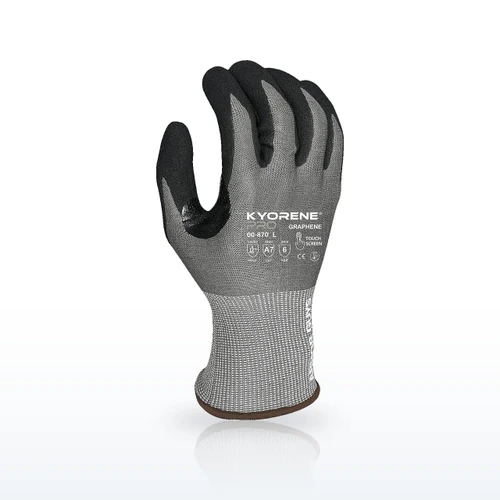 ANSI A7 — 4,000 to 4,999 grams (8.8 to 11.0 lb)55 gloves
- Armor Guys 00-870 Cut Resistant Gloves, ANSI A7, Foam Nitrile Coated — Armor Guys · ANSI A7 · Foam Nitrile · 18-gauge · Dozen
- Armor Guys 00-877 Cut Resistant Gloves, ANSI A7, Foam Nitrile Coated — Armor Guys · ANSI A7 · Foam Nitrile · 18-gauge · Dozen
- Armor Guys 14-700 Cut Resistant Gloves, ANSI A7, Foam Nitrile Coated — Armor Guys · ANSI A7 · Foam Nitrile · 15-gauge · Dozen
- Armor Guys 14-720 Cut Resistant Gloves, ANSI A7, Polyurethane Coated — Armor Guys · ANSI A7 · Polyurethane · 15-gauge · Dozen
- Boss 9916 High Dexterity Gloves, ANSI A7, ANSI 138 Level 1 — Boss · ANSI A7 (4745 g) · puncture 4 · EN 388 2X43FP · Pack
- Caiman 41-2997 Cold Weather Gloves, Heatrac Lined, ANSI A7 — Caiman · ANSI A7 (4463 g) · abrasion 4 · puncture 4 · EN 388 3X33E · Pack
- Claw Cover 10-C5GYCMX Cut Resistant Gloves, ANSI A7, Uncoated — Claw Cover · ANSI A7 (4310 g) · abrasion 3 · Uncoated · 10-gauge · Dozen
- Claw Cover 22-650 Cut Resistant Gloves, ANSI A7, Uncoated — Claw Cover · ANSI A7 (4800 g) · EN 388 F · Uncoated · 7-gauge · Pack
- Claw Cover 22-760G Cut Resistant Gloves, ANSI A7, Uncoated — Claw Cover · ANSI A7 (4000 g) · Uncoated · 10-gauge · Pack
- Claw Cover 22-900 Cut Resistant Gloves, ANSI A7, Uncoated — Claw Cover · ANSI A7 (4400 g) · Uncoated · 7-gauge · Pack
- G-Tek CoreShield CS27-7518B Cut Resistant Gloves, ANSI A7, Nitrile Coated — G-Tek · ANSI A7 (4999 g) · abrasion 3 · puncture 3 · EN 388 4X42F · Nitrile · 18-gauge · Pack
- G-Tek CoreShield CS27-7518B-V Cut Resistant Gloves, ANSI A7, Nitrile Coated — G-Tek · ANSI A7 (4999 g) · abrasion 3 · puncture 3 · EN 388 4X42F · Nitrile · 18-gauge · Pack
- G-Tek KEV 09-K1600 Cut Resistant Gloves, ANSI A7, Nitrile Coated — G-Tek · ANSI A7 (4400 g) · abrasion 4 · puncture 2 · EN 388 4X32FX · Nitrile · 13-gauge · Dozen
- G-Tek Paradox 16-371 Cut Resistant Gloves, ANSI A7, Nitrile Coated — G-Tek · ANSI A7 (5163 g) · abrasion 3 · puncture 3 · EN 388 4X42F · Nitrile · 21-gauge · Dozen
- G-Tek Paradox 16-871 Cut Resistant Gloves, ANSI A7, PosiGrip Max Coated — G-Tek · ANSI A7 (4282 g) · abrasion 3 · puncture 3 · EN 388 4X42F · PosiGrip Max · 21-gauge · Dozen
- G-Tek PolyKor 16-278 Cut Resistant Gloves, ANSI A7, Nitrile Coated — G-Tek · ANSI A7 (4726 g) · abrasion 4 · puncture 3 · EN 388 4X42FX · Nitrile · 18-gauge · Dozen
- G-Tek PolyKor 16-373 Cut Resistant Gloves, ANSI A7, Nitrile Coated — G-Tek · ANSI A7 (4400 g) · abrasion 5 · puncture 4 · EN 388 4X43F · Nitrile · 13-gauge · Dozen
- G-Tek PolyKor 16-377 Cut Resistant Gloves, ANSI A7, NeoFoam Coated — G-Tek · ANSI A7 (4292 g) · abrasion 3 · puncture 3 · EN 388 4X42F · NeoFoam · 18-gauge · Dozen
- G-Tek PolyKor 16-378 Cut Resistant Gloves, ANSI A7, Nitrile Coated — G-Tek · ANSI A7 (4616 g) · abrasion 5 · puncture 3 · EN 388 4X42F · Nitrile · 18-gauge · Dozen
- G-Tek PolyKor 16-473 Cut Resistant Gloves, ANSI A7, Silicone Coated — G-Tek · ANSI A7 (4900 g) · abrasion 6 · puncture 3 · EN 388 4X42F · Silicone · 13-gauge · Dozen
- G-Tek PolyKor 16-473V Cut Resistant Gloves, ANSI A7, Silicone Coated — G-Tek · ANSI A7 (4900 g) · abrasion 6 · puncture 3 · EN 388 4X42F · Silicone · 13-gauge · Pack
- G-Tek PolyKor 16-573 Cut Resistant Gloves, ANSI A7, Polyurethane Coated — G-Tek · ANSI A7 (4000 g) · abrasion 6 · puncture 4 · EN 388 4X43FX · Polyurethane · 13-gauge · Dozen
- G-Tek PolyKor 16-MP785 High Dexterity Gloves, ANSI A7, ANSI 138 Level 1 — G-Tek · ANSI A7 (4950 g) · abrasion 4 · puncture 3 · EN 388 4X42FP · NeoFoam · 18-gauge · Pack
- Ironcat 6147 Welding Gloves, Premium Grade Top Grain Kidskin, ANSI A7 — Ironcat · ANSI A7 (4999 g) · abrasion 4 · puncture 4 · EN 388 3X23FX · Pack
- Kut Gard MATA501HA-3-OERTH Cut Resistant Gloves, ANSI A7, Uncoated — Kut Gard · ANSI A7 (4343 g) · abrasion 3 · Uncoated · 7-gauge · Case
- Kut Gard MATA501HA-OERTH Cut Resistant Gloves, ANSI A7 — Kut Gard · ANSI A7 · Case
- Liberty Safety ECODEX H76007 Cut Resistant Gloves, ANSI A7 Cut-Resistant Gloves — Liberty Safety · ANSI A7 · Dozen
- MCR Safety Cut Pro 92743BP Cut Resistant Gloves, ANSI A7, Bi-Polymer Coated — MCR Safety · ANSI A7 · abrasion 6 · puncture 3 · Bi-Polymer · 13-gauge · Dozen
- MCR Safety Cut Pro 92743BP Cut Resistant Gloves, ANSI A7, Bi-Polymer Coated — MCR Safety · ANSI A7 · abrasion 6 · puncture 3 · Bi-Polymer · 13-gauge · pack size
- MCR Safety Cut Pro 92778NF Cut Resistant Gloves, ANSI A7, Nitrile Coated — MCR Safety · ANSI A7 · abrasion 5 · puncture 3 · Nitrile · 18-gauge · Dozen
- MCR Safety Cut Pro 92778PU Cut Resistant Gloves, ANSI A7, Polyurethane Coated — MCR Safety · ANSI A7 · abrasion 4 · puncture 3 · Polyurethane · 18-gauge · Dozen
- MCR Safety Cut Pro 9277NF Cut Resistant Gloves, ANSI A7, Nitrile Coated — MCR Safety · ANSI A7 · abrasion 6 · puncture 3 · Nitrile · 13-gauge · Dozen
- MCR Safety Cut Pro 9277PU Cut Resistant Gloves, ANSI A7, Polyurethane Coated — MCR Safety · ANSI A7 · abrasion 4 · puncture 4 · Polyurethane · 13-gauge · pack size
- MCR Safety Cut Pro 9345D Cut Resistant Gloves, ANSI A7 — MCR Safety · ANSI A7 · abrasion 3 · 7-gauge · Each
- MCR Safety Cut Pro 9346D Cut Resistant Gloves, ANSI A7 — MCR Safety · ANSI A7 · 10-gauge · Each
- MCR Safety Cut Pro 9349D Cut Resistant Gloves, ANSI A7 — MCR Safety · ANSI A7 · abrasion 3 · 7-gauge · Each
- MCR Safety Cut Pro 9399G Cut Resistant Gloves, ANSI A7, PVC Coated — MCR Safety · ANSI A7 · abrasion 2 · PVC · 7-gauge · Each
- MCR Safety Cut Pro VP92778NF Cut Resistant Gloves, ANSI A7, Nitrile Coated — MCR Safety · ANSI A7 · abrasion 5 · puncture 3 · Nitrile · 18-gauge · Dozen
- MCR Safety Cut Pro VP9277NF Cut Resistant Gloves, ANSI A7, Nitrile Coated — MCR Safety · ANSI A7 · abrasion 6 · puncture 3 · Nitrile · 13-gauge · Case
- MCR Safety Hero 93857 Cut Resistant Gloves, ANSI A7, PVC Coated — MCR Safety · ANSI A7 · abrasion 3 · PVC · 7-gauge · Dozen
- MCR Safety Hero 93859 Cut Resistant Gloves, ANSI A7, PVC Coated — MCR Safety · ANSI A7 · abrasion 3 · PVC · 7-gauge · Dozen
- MCR Safety Hero 93861 Leather Palm Work Gloves, ANSI A7, Cowhide — MCR Safety · ANSI A7 · abrasion 5 · puncture 5 · 7-gauge · Dozen
- MCR Safety Hero 93868 Cut Resistant Gloves, ANSI A7, PVC Coated — MCR Safety · ANSI A7 · abrasion 3 · PVC · 7-gauge · Dozen
- MCR Safety Predator PD4971 Impact Gloves, ANSI A7, ANSI 138 Level 2 — MCR Safety · ANSI A7 · abrasion 3 · puncture 3 · Pair
- MCR Safety Predator PD6952 Impact Gloves, ANSI A7, ANSI 138 Level 2 — MCR Safety · ANSI A7 · abrasion 6 · puncture 3 · Bi-Polymer · 13-gauge · Dozen
- MCR Safety Sidekick 16012K Leather Palm Work Gloves, ANSI A7, Cowhide — MCR Safety · ANSI A7 · abrasion 6 · puncture 5 · Dozen
- MCR Safety VP92743BP Glove Dispenser, MCR Safety CutPro — MCR Safety · ANSI A7 · abrasion 6 · puncture 3 · Bi-Polymer · 13-gauge · Dozen
- PIP 09-LC571 Drivers Gloves, ANSI A7, Top Grain Goatskin — PIP · ANSI A7 (4590 g) · abrasion 3 · puncture 4 · EN 388 4X43F · Dozen
- Portwest A674 Cut Resistant Leather Palm Gloves, ANSI A7, Cowhide Palm, 13 Gauge — Portwest · ANSI A7 · abrasion 6 · puncture 4 · EN 388 4X43F · 13-gauge
- Portwest A755 Impact Gloves, ANSI A7, ANSI 138 Level 2, Nitrile Foam Coated — Portwest · ANSI A7 · abrasion 6 · puncture 3 · EN 388 4X42FP · Nitrile · 15-gauge
- Radians AXIS RWG559 Cut Resistant Gloves, ANSI A7, Sandy Foam Nitrile Coated — Radians · ANSI A7 (4480 g) · abrasion 6 · puncture 3 · EN 388 4X43F · Sandy Foam Nitrile · 13-gauge · Dozen
- Radians KAMORI RWG47 Drivers Gloves, ANSI A7, ANSI 138 Level 2, Buffalo — Radians · ANSI A7 (4806 g) · abrasion 4 · puncture 4 · Rubber · Pack
- Seattle Glove HVNGOR5-M Cut Resistant Gloves, ANSI A7, Sandy nitrile Coated — Seattle Glove · ANSI A7 · Sandy Nitrile · 13-gauge
- Tillman 1457L Kevlar Lined Cowhide Cut Resistant Drivers Gloves, ANSI A7 — Tillman · ANSI A7 · Pair
- Wells Lamont 625 High Heat Gloves, ANSI A7, Jomac Kevlar Duck Gauntlet Gloves — Wells Lamont · ANSI A7 · Pack
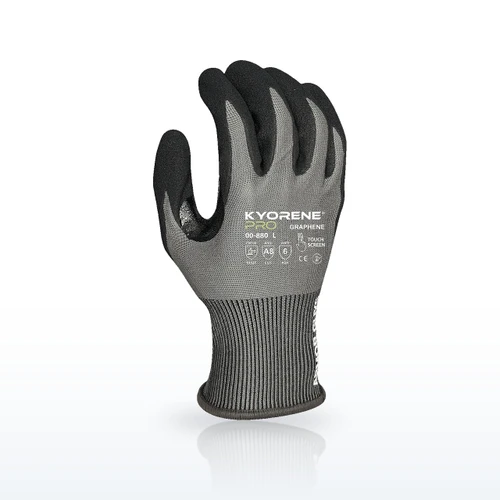 ANSI A8 — 5,000 to 5,999 grams (11.0 to 13.2 lb)17 gloves
- Armor Guys 00-880 Cut Resistant Gloves, ANSI A8, Foam Nitrile Coated — Armor Guys · ANSI A8 · Foam Nitrile · 18-gauge · Dozen
- Armor Guys 00-887 Cut Resistant Gloves, ANSI A8, Foam Nitrile Coated — Armor Guys · ANSI A8 · Foam Nitrile · 18-gauge · Dozen
- Armor Guys 20-089 Cut Resistant Gloves, ANSI A8, Uncoated — Armor Guys · ANSI A8 · Uncoated · 15-gauge · Dozen
- Armor Guys 20-189 Cut Resistant Gloves, ANSI A8, Uncoated — Armor Guys · ANSI A8 · Uncoated · 15-gauge · Dozen
- G-Tek CoreShield CS28-7518B Cut Resistant Gloves, ANSI A8, Nitrile Coated — G-Tek · ANSI A8 (5000 g) · abrasion 3 · puncture 3 · EN 388 4X42F · Nitrile · 18-gauge · Pack
- G-Tek CoreShield CS28-7518B-V Cut Resistant Gloves, ANSI A8, Nitrile Coated — G-Tek · ANSI A8 (5000 g) · abrasion 3 · puncture 3 · EN 388 4X42F · Nitrile · 18-gauge · Pack
- G-Tek Paradox 16-381 Cut Resistant Gloves, ANSI A8, Nitrile Coated — G-Tek · ANSI A8 (5299 g) · abrasion 6 · puncture 3 · EN 388 4X42F · Nitrile · 21-gauge · Dozen
- G-Tek PolyKor Barracuda HVG710SNF Cut Resistant Gloves, ANSI A8, Nitrile Coated — G-Tek · ANSI A8 (5500 g) · abrasion 5 · puncture 4 · EN 388 4543FX · Nitrile · 10-gauge · Dozen
- HexArmor 4026-XL Cut Resistant Gloves, ANSI A8 — HexArmor · ANSI A8 · Pair
- Kut Gard MATA502HA Cut Resistant Gloves, ANSI A8, Uncoated — Kut Gard · ANSI A8 (5815 g) · abrasion 3 · Uncoated · 7-gauge · Case
- MCR Safety Cut Pro 3604HP Drivers Gloves, ANSI A8, Goatskin, Premium A Grade — MCR Safety · ANSI A8 · abrasion 4 · puncture 2 · Dozen
- MCR Safety Cut Pro 92743LT Cut Resistant Gloves, ANSI A8, Latex Coated — MCR Safety · ANSI A8 · abrasion 4 · puncture 3 · Latex · 13-gauge · Pair
- MCR Safety Cut Pro 9350 Cut Resistant Gloves, ANSI A8 — MCR Safety · ANSI A8 · abrasion 3 · 7-gauge · Each
- Radians AXIS RWG558 Cut Resistant Gloves, ANSI A8, Polyurethane Coated — Radians · ANSI A8 (5045 g) · abrasion 5 · puncture 4 · EN 388 4X43F · Polyurethane · 13-gauge · Dozen
- Radians RWG581 Cut Resistant Gloves, ANSI A8, ANSI 138 Level 1 — Radians · ANSI A8 (5425 g) · abrasion 4 · puncture 3 · EN 388 3X42F · Micro-Foam Nitrile · 21-gauge · Pack
- Radians RWG588 Cut Resistant Gloves, ANSI A8, Polyurethane Coated, Touchscreen — Radians · ANSI A8 (6000 g) · abrasion 4 · puncture 4 · EN 388 3X43F · Polyurethane · 18-gauge · Pack
- SHOWA S-TEX 303 Cut Resistant Rubber Palm Coated Gloves, Yellow/Black, ANSI A8 — SHOWA · ANSI A8 · Latex · 10-gauge · Dozen
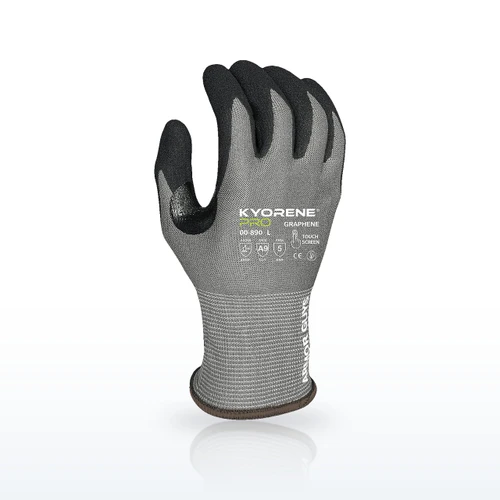 ANSI A9 — 6,000 grams and above (13.2 lb and above)36 gloves
- Armor Guys 00-890 Cut Resistant Gloves, ANSI A9, Foam Nitrile Coated — Armor Guys · ANSI A9 · Foam Nitrile · 18-gauge · Dozen
- Armor Guys 00-897 Cut Resistant Gloves, ANSI A9, Foam Nitrile Coated — Armor Guys · ANSI A9 · Foam Nitrile · 18-gauge · Dozen
- Armor Guys 07-002 Cut Resistant Gloves, ANSI A9, Foam Nitrile Coated — Armor Guys · ANSI A9 · Foam Nitrile · 13-gauge · Pair
- Armor Guys 20-099 Cut Resistant Gloves, ANSI A9, Uncoated — Armor Guys · ANSI A9 · Uncoated · 15-gauge · Dozen
- Armor Guys 20-199 Cut Resistant Gloves, ANSI A9, Uncoated — Armor Guys · ANSI A9 · Uncoated · 15-gauge · Dozen
- Claw Cover 22-600 Cut Resistant Gloves, ANSI A9, Uncoated — Claw Cover · ANSI A9 (6600 g) · Uncoated · 7-gauge · Pack
- Claw Cover CC-D3 Cut Resistant Gloves, ANSI A9, Uncoated — Claw Cover · ANSI A9 (7087 g) · abrasion 4 · puncture 5 · Uncoated · 7-gauge · Dozen
- G-Tek CoreShield CS29-7518B Cut Resistant Gloves, ANSI A9, Nitrile Coated — G-Tek · ANSI A9 (8300 g) · abrasion 3 · puncture 3 · EN 388 4X42F · Nitrile · 18-gauge · Pack
- G-Tek CoreShield CS29-7518B-V Cut Resistant Gloves, ANSI A9, Nitrile Coated — G-Tek · ANSI A9 (8300 g) · abrasion 3 · puncture 3 · EN 388 4X42F · Nitrile · 18-gauge · Pack
- G-Tek Paradox 16-391 Cut Resistant Gloves, ANSI A9, Nitrile Coated — G-Tek · ANSI A9 (6279 g) · abrasion 5 · puncture 3 · EN 388 4X42F · Nitrile · 21-gauge · Dozen
- G-Tek Paradox 16-391V Cut Resistant Gloves, ANSI A9, Nitrile Coated — G-Tek · ANSI A9 (6279 g) · abrasion 5 · puncture 3 · EN 388 4X42F · Nitrile · 21-gauge · Pack
- G-Tek PolyKor 16-399 Cut Resistant Gloves, ANSI A9, NeoFoam Coated — G-Tek · ANSI A9 (7000 g) · abrasion 3 · puncture 4 · EN 388 4X43F · NeoFoam · 13-gauge · Dozen
- G-Tek PolyKor 16-MP935 High Dexterity Gloves, ANSI A9, ANSI 138 Level 1 — G-Tek · ANSI A9 (7000 g) · abrasion 3 · puncture 4 · EN 388 4X43FP · NeoFoam · 13-gauge · Pack
- HexArmor 9014-XL Cut Resistant Gloves, ANSI A9, Latex Coated — HexArmor · ANSI A9 · Latex · 10-gauge · Pair
- HexArmor Cut Resistant Gloves, ANSI A9, Latex Coated — HexArmor · ANSI A9 · Latex · 10-gauge · Pair
- Kut Gard MATA503 Cut Resistant Gloves, ANSI A9, Uncoated — Kut Gard · ANSI A9 (6299 g) · abrasion 3 · Uncoated · 7-gauge · Case
- Liberty Safety ECODEX H76009 Cut Resistant Gloves, ANSI A9 Cut-Resistant Gloves — Liberty Safety · ANSI A9 · Dozen
- MCR Safety Cut Pro 92735N Cut Resistant Gloves, ANSI A9, Nitrile Coated — MCR Safety · ANSI A9 · abrasion 3 · puncture 4 · Nitrile · 15-gauge · Dozen
- MCR Safety Cut Pro 9273SPU Cut Resistant Gloves, ANSI A9 — MCR Safety · ANSI A9 · abrasion 4 · puncture 3 · Water Based Polyurethane · 13-gauge · Dozen
- MCR Safety Cut Pro 92798NF Cut Resistant Gloves, ANSI A9, Nitrile Coated — MCR Safety · ANSI A9 · abrasion 5 · puncture 3 · Nitrile · 18-gauge · Dozen
- MCR Safety Cut Pro 92798PU Cut Resistant Gloves, ANSI A9, Polyurethane Coated — MCR Safety · ANSI A9 · abrasion 4 · puncture 3 · Polyurethane · 18-gauge · Dozen
- MCR Safety Cut Pro 9381 Cut Resistant Gloves, ANSI A9, PVC Coated — MCR Safety · ANSI A9 · abrasion 4 · PVC · 7-gauge · Each
- MCR Safety Cut Pro 9382 Cut Resistant Gloves, ANSI A9, PVC Coated — MCR Safety · ANSI A9 · abrasion 4 · PVC · 7-gauge · Each
- MCR Safety Cut Pro MG3211A Drivers Gloves, ANSI A9, Cowhide, Premium A Grade — MCR Safety · ANSI A9 · Pair
- MCR Safety Mechanics ML300A Mechanics Gloves, ANSI A9, PVC Coated — MCR Safety · ANSI A9 · puncture 4 · PVC · Pair
- MCR Safety Predator PD2905A Impact Gloves, ANSI A9, Polyurethane Coated — MCR Safety · ANSI A9 · abrasion 4 · puncture 3 · Polyurethane · Pair
- MCR Safety Predator PD43612 Impact Gloves, ANSI A9, ANSI 138 Level 2 — MCR Safety · ANSI A9 · abrasion 6 · puncture 4 · Pair
- MCR Safety Predator PD4900 Impact Gloves, ANSI A9, ANSI 138 Level 1 — MCR Safety · ANSI A9 · abrasion 4 · puncture 5 · Polyurethane · Pair
- MCR Safety Predator PD6901 Impact Gloves, ANSI A9, ANSI 138 Level 2 — MCR Safety · ANSI A9 · abrasion 4 · puncture 3 · Polyurethane · Pair
- MCR Safety Predator PD6954 Impact Gloves, ANSI A9, ANSI 138 Level 2 — MCR Safety · ANSI A9 · abrasion 4 · puncture 3 · Nitrile · 18-gauge · Dozen
- PIP 09-H550SLPV Leather Palm Gloves, ANSI A9, Split Cowhide — PIP · ANSI A9 (7105 g) · abrasion 6 · puncture 4 · EN 388 4X43FX · Uncoated · Pack
- Portwest A680 Cut Resistant Gloves, ANSI A9, Nitrile Micro Foam Coated, 21 Gauge — Portwest · ANSI A9 · abrasion 3 · puncture 3 · EN 388 3X42F · Nitrile · 21-gauge
- Portwest A792 Needle Resistant Gloves, ANSI A9, Polyurethane Coated — Portwest · ANSI A9 · puncture 5 · EN 388 2X24F · Polyurethane
- Portwest A793 Needle Resistant Gloves, ANSI A9, Latex Crinkle Coated, 10 Gauge — Portwest · ANSI A9 · abrasion 3 · puncture 5 · EN 388 3X44F · Latex · 10-gauge
- Portwest CTP CT69 Cut Resistant Gloves, ANSI A9, Nitrile Foam Coated, 7 Gauge — Portwest · ANSI A9 · abrasion 6 · puncture 4 · EN 388 4X43F · Nitrile · 7-gauge
- Radians RWG589 Cut Resistant Gloves, ANSI A9, Sandy Foam Nitrile Coated — Radians · ANSI A9 (7000 g) · abrasion 6 · puncture 4 · EN 388 4X42F · Sandy Foam Nitrile · 18-gauge · Pack
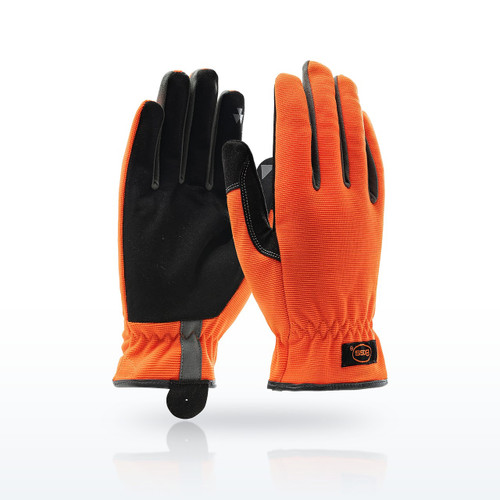 Not rated by manufacturer249 gloves
- Boss 120-4600 High Dexterity Gloves, PVC Coated, Synthetic Leather Palm — Boss · puncture 2 · EN 388 2121X · PVC · Dozen
- Boss 120-ML1350T High Dexterity Gloves, Uncoated, Leather Palm — Boss · puncture 3 · EN 388 3122X · Uncoated · Dozen
- Boss 120-ML1360T High Dexterity Gloves, Top Grain Pigskin, Leather Palm — Boss · puncture 3 · EN 388 3122X · Dozen
- Boss 1JL2393 Leather Palm Gloves, Split Cowhide, Superior Grade — Boss · puncture 5 · Dozen
- Boss 1JL2394 Leather Palm Gloves, Split Cowhide, Superior Grade — Boss · puncture 5 · Dozen
- Boss 1JL2396 Leather Palm Gloves, Split Cowhide, Superior Grade — Boss · puncture 5 · Dozen
- Boss 1JM400 High Dexterity Gloves, ANSI 138 Level 1, Synthetic Leather Palm — Boss · puncture 2 · EN 388 2121 · Dozen
- Boss 997KB High Dexterity Gloves, ANSI 138 Level 2, Top Grain Cowhide — Boss · puncture 3 · EN 388 2132XP · Dozen
- Boss Framer 120-MF1360T High Dexterity Gloves, Uncoated, Leather Palm — Boss · puncture 3 · EN 388 3122X · Uncoated · Dozen
- Boss Grip 120-MG1220T High Dexterity Gloves, Silicone Coated — Boss · puncture 2 · EN 388 4121X · Silicone · Dozen
- Boss Grip 120-MG1240T High Dexterity Gloves, Silicone Coated — Boss · puncture 2 · EN 388 4121X · Silicone · Dozen
- Boss Utility 120-MU1210T High Dexterity Gloves, Uncoated, Synthetic Leather Palm — Boss · puncture 2 · EN 388 3121X · Uncoated · Dozen
- Boss Utility 120-MU1220T High Dexterity Gloves, Uncoated, Synthetic Leather Palm — Boss · puncture 2 · EN 388 3121X · Uncoated · Dozen
- Boss Utility 120-MV1230T High Dexterity Gloves, Uncoated, Synthetic Leather Palm — Boss · puncture 2 · EN 388 3121X · Uncoated · Dozen
- G-Tek 1UH7802 Nitrile Coated Gloves, Polyester — G-Tek · abrasion 3 · puncture 2 · EN 388 3121XX · Nitrile · 13-gauge · Dozen
- G-Tek 1UH7820 Nitrile Coated Gloves, Polyester — G-Tek · abrasion 3 · puncture 2 · EN 388 4121XX · Nitrile · 13-gauge · Dozen
- G-Tek 33-125 Polyurethane Coated Gloves, Nylon/Polyester — G-Tek · abrasion 3 · puncture 2 · EN 388 4131X · Polyurethane · 13-gauge · Dozen
- G-Tek 33-325 Polyurethane Coated Gloves, Nylon — G-Tek · abrasion 3 · puncture 2 · EN 388 4131X · Polyurethane · 13-gauge · Dozen
- G-Tek 33-425OR Polyurethane Coated Gloves, Polyester — G-Tek · abrasion 4 · puncture 2 · EN 388 3131X · Polyurethane · 13-gauge · Dozen
- G-Tek 33-B125 Polyurethane Coated Gloves, Nylon/Polyester — G-Tek · abrasion 3 · puncture 2 · EN 388 4131X · Polyurethane · 13-gauge · Dozen
- G-Tek 33-B125V Polyurethane Coated Gloves, Nylon — G-Tek · abrasion 3 · puncture 2 · EN 388 4131X · Polyurethane · 13-gauge · Pack
- G-Tek 33-G125 Polyurethane Coated Gloves, Nylon — G-Tek · abrasion 3 · puncture 2 · EN 388 4131X · Polyurethane · 13-gauge · Dozen
- G-Tek 33-G125V Polyurethane Coated Gloves, Nylon/Polyester — G-Tek · abrasion 3 · puncture 2 · EN 388 4131X · Polyurethane · 13-gauge · Pack
- G-Tek 34-225 Nitrile Coated Gloves, Nylon — G-Tek · abrasion 4 · puncture 2 · EN 388 4121X · Nitrile · 13-gauge · Dozen
- G-Tek 34-305HVD Nitrile Coated Gloves, Polyester — G-Tek · abrasion 4 · puncture 2 · EN 388 4131X · Nitrile · 15-gauge · Dozen
- G-Tek 34-315 Nitrile Coated Gloves, Polyester — G-Tek · abrasion 4 · puncture 2 · EN 388 3121X · Nitrile · 15-gauge · Dozen
- G-Tek 34-400 Nitrile Coated Gloves, Nylon — G-Tek · abrasion 3 · puncture 2 · EN 388 4111X · Nitrile · 18-gauge · Dozen
- G-Tek 34-C232 Nitrile Coated Gloves, Nylon — G-Tek · abrasion 4 · puncture 2 · EN 388 4121X · Nitrile · 13-gauge · Dozen
- G-Tek 34-C234 Nitrile Coated Gloves, Nylon — G-Tek · abrasion 4 · puncture 2 · EN 388 4121X · Nitrile · 13-gauge · Dozen
- G-Tek 700SLCE Latex Coated Gloves, Polyester — G-Tek · abrasion 3 · puncture 2 · EN 388 2131X · Latex · 10-gauge · Dozen
- G-Tek 701CRNF Nitrile Coated Gloves, Nylon — G-Tek · abrasion 3 · puncture 2 · EN 388 4121X · Nitrile · 15-gauge · Dozen
- G-Tek 713BLDD Latex Coated Gloves, Polyester — G-Tek · abrasion 3 · puncture 2 · EN 388 2131 · Latex · 13-gauge · Dozen
- G-Tek 713SLC Latex Coated Gloves, Nylon — G-Tek · abrasion 3 · puncture 2 · EN 388 3121X · Latex · 13-gauge · Dozen
- G-Tek 713SNC Nitrile Coated Gloves, Polyester — G-Tek · abrasion 3 · puncture 2 · EN 388 4121X · Nitrile · 13-gauge · Dozen
- G-Tek 715SNC Nitrile Coated Gloves, Nylon — G-Tek · abrasion 3 · puncture 2 · EN 388 4121X · Nitrile · 15-gauge · Dozen
- G-Tek ECO Series 31-131R Polyurethane Coated Gloves, Recycled Plastic — G-Tek · abrasion 3 · puncture 2 · EN 388 3131XX · Polyurethane · 13-gauge · Dozen
- G-Tek ECO Series 31-330R Nitrile Coated Gloves, Recycled Plastic — G-Tek · abrasion 3 · puncture 2 · EN 388 4121XX · Nitrile · 13-gauge · Dozen
- G-Tek ECO Series 31-530R Nitrile Coated Gloves, Recycled Plastic — G-Tek · abrasion 3 · puncture 2 · EN 388 4121XX · Nitrile · 13-gauge · Dozen
- G-Tek GP 55-1600 Latex Coated Gloves, Polyester — G-Tek · abrasion 3 · puncture 2 · EN 388 2131X · Latex · 13-gauge · Dozen
- G-Tek GP 55-AG317 Latex Coated Gloves, Polyester — G-Tek · abrasion 3 · puncture 2 · EN 388 2121X · Latex · 13-gauge · Dozen
- G-Tek PosiGrip 713SNF Nitrile Coated Gloves, Polyester — G-Tek · abrasion 3 · puncture 2 · EN 388 4121X · Nitrile · 13-gauge · Dozen
- G-Tek PosiGrip 715SLC Latex Coated Gloves, Nylon — G-Tek · abrasion 3 · puncture 2 · EN 388 3131X · Latex · 15-gauge · Dozen
- G-Tek PosiGrip 715SNFB Nitrile Coated Gloves, Nylon — G-Tek · abrasion 3 · puncture 2 · EN 388 4121X · Nitrile · 15-gauge · Dozen
- G-Tek PosiGrip 715SNFLW Nitrile Coated Gloves, Nylon — G-Tek · abrasion 3 · puncture 2 · EN 388 4131X · Nitrile · 15-gauge · Dozen
- G-Tek PosiGrip 715SUGB Polyurethane Coated Gloves, Nylon — G-Tek · abrasion 4 · puncture 2 · EN 388 4131XX · Polyurethane · 15-gauge · Dozen
- G-Tek PosiGrip HVY713SUTS Polyurethane Coated Gloves, Polyester/Spandex — G-Tek · abrasion 3 · puncture 2 · EN 388 3131X · Polyurethane · 13-gauge · Dozen
- G-Tek WorkEasy WE21-3113G Polyurethane Coated Gloves, Polyester — G-Tek · abrasion 2 · puncture 2 · EN 388 3121X · Polyurethane · 13-gauge · Pack
- G-Tek Bio-XTC 34-915G Coated Gloves, Lycra — G-Tek ECO Series · abrasion 6 · puncture 2 · EN 388 4121X · 15-gauge · Dozen
- MCR Safety 1040 Leather Palm Work Gloves, Cowhide, Competitive Value D Grade — MCR Safety · abrasion 3 · puncture 4 · Dozen
- MCR Safety 1080 Leather Palm Work Gloves, Cowhide, Competitive Value D Grade — MCR Safety · abrasion 3 · puncture 4 · Dozen
- MCR Safety 1200 Leather Palm Work Gloves, Cowhide, Competitive Value C Grade — MCR Safety · abrasion 4 · puncture 4 · Dozen
- MCR Safety 1200 Leather Palm Work Gloves, Cowhide, Competitive Value C Grade — MCR Safety · abrasion 4 · puncture 4 · Dozen
- MCR Safety 12010 Leather Palm Work Gloves, Cowhide, Competitive Value D Grade — MCR Safety · abrasion 4 · puncture 4 · Dozen
- MCR Safety 12011 Leather Palm Work Gloves, Cowhide, Competitive Value D Grade — MCR Safety · abrasion 4 · puncture 4 · Dozen
- MCR Safety 1201S Leather Palm Work Gloves, Cowhide, Competitive Value D Grade — MCR Safety · abrasion 4 · puncture 4 · Dozen
- MCR Safety 1205 Winter Work Gloves, Cowhide, Competitive Value C Grade — MCR Safety · abrasion 3 · puncture 4 · Dozen
- MCR Safety 1210 Leather Palm Work Gloves, Cowhide, Competitive Value C Grade — MCR Safety · abrasion 4 · puncture 4 · Dozen
- MCR Safety 1210S Leather Palm Work Gloves, Cowhide, Competitive Value D Grade — MCR Safety · abrasion 4 · puncture 4 · Dozen
- MCR Safety 1211 Leather Palm Work Gloves, Cowhide, Competitive Value C+ Grade — MCR Safety · abrasion 4 · puncture 5 · Dozen
- MCR Safety 1220DX Winter Work Gloves, Cowhide, Competitive Value E Grade — MCR Safety · puncture 4 · Dozen
And 189 more in this group; use the selector or the group's own page.
Not listed here: gloves with no published rating and no manufacturer application for this work. Browse all gloves, open a glove type page, or call (925) 215-7337.
Questions people ask about gloves for warehouse, packaging and shipping
What gloves are best for package handling? The ISEA Key lists material handling, packaging and warehouse work at cut level A1 and at puncture levels 1 and 2, and A4 for packaging and warehouse where sharper edges are present; the manufacturers name warehouse and packaging in their application lists. This page lists both sets. Thin PU-coated gloves are what the manufacturers publish for dry handling and feel; nitrile where boxes are wet or oily.
What are the different cut resistance levels for gloves? ANSI/ISEA 105 rates cut resistance A1 to A9 by the grams of force it took a straight blade to cut through the material at 20 mm of travel in the ASTM F2992 test: A1 200 to 499 g, A2 500 to 999 g, A3 1,000 to 1,499 g, A4 1,500 to 2,199 g, A5 2,200 to 2,999 g, A6 3,000 to 3,999 g, A7 4,000 to 4,999 g, A8 5,000 to 5,999 g, A9 6,000 g and above. The level on each glove is the manufacturer's published test result; the cut-level pick-list on this page groups the gloves by it.
What do nitrile coated gloves mean? A knit glove (nylon, polyester or an HPPE cut-resistant blend) dipped on the palm or the whole hand in nitrile, a synthetic rubber the manufacturers publish for oil, grease and abrasion resistance. Foam nitrile is aerated for light oil grip; sandy or micro-foam nitrile is textured for wet and oily grip; smooth nitrile is the plain dip. The finish is on each product page.
What are pip coated gloves? PIP (Protective Industrial Products) sells coated knit gloves under its G-Tek, MaxiFlex (made by ATG for PIP) and other names: a nylon, polyester or PolyKor cut-resistant shell with a nitrile, foam nitrile, polyurethane or latex coating, each with its ANSI/ISEA 105 level published on the product page. PIP's workbook also names the applications for each style, which is what puts a PIP glove in the named group on this page.
Which is better, polyurethane or nitrile gloves? The manufacturers describe them, not rank them. Polyurethane (PU) is the thin palm coat on light-duty and precision gloves: good feel, dry grip, low lint. Nitrile is thicker and the manufacturers publish it for wet and oily grip (foam and sandy nitrile finishes) and for oil and abrasion resistance. The coating is on each row here, and the Coating pick-list narrows to either one.
Do cut-resistant gloves work? A cut-resistant glove does what its published level says and no more: the level is the grams of blade force the material resisted in the ASTM F2992 test. Cut resistance is not cut proof; a higher level resisted more force in the test, and the glove protects only the area it covers. The ISEA Key pairs each level with example applications so the employer's hazard assessment can match the level to the edge in the work.
Related: ANSI A1 Cut Resistant Gloves · ANSI A2 Cut Resistant Gloves · Polyurethane Coated Gloves · Coated Gloves · What is a glove coating? · What do ANSI cut levels A1 to A9 mean? · Fall Protection for Warehouse Work and Order Pickers · every glove by job, cut level and coating.
Other jobs: Construction, general labor · Drywall, carpentry, framing · Concrete, masonry, tile · Roofing · Demolition, heavy construction · Electrical, utility · HVAC, sheet metal · Metal fabrication, machine shops · Glass handling · Food processing, prep · Mechanics, automotive · Landscaping, farm, grounds · Oil and gas, mining · Driving, equipment · Assembly, small parts · Welding · Chemicals, cleaning · Hot work, foundry · Cold, freezer.
The ratings, test results and standards shown here are the manufacturers' published values, reproduced as published. Nothing on this page is a recommendation by Bayshore Safety that any product is suitable for a particular task, hazard or workplace. Selecting safety products and protective equipment is the responsibility of the end user and the employer, based on their own hazard assessment and the regulations that apply to their work. Confirm every value on the manufacturer's own documentation before use.