
Fall Protection for Warehouse Work and Order Pickers
Fall Protection for Warehouse Work and Order Pickers: the OSHA and Cal/OSHA rule paragraphs condensed and linked, and the Safewaze and FallTech products whose own data names warehouse work from order pickers and elevated platforms. We sell nationwide; ships in 1–2 business days; most orders arrive in 3–7 business days.
What the federal rule says
Each entry is condensed from the paragraph cited; the paragraph itself is the rule and the link opens it.
29 CFR 1910.28(b)(1): General industry, unprotected sides and edges: each employee on a walking-working surface with an unprotected side or edge 4 feet or more above a lower level must be protected by guardrail systems, safety net systems or personal fall protection systems (personal fall arrest, travel restraint or positioning); this is the rule for mezzanines, rack-supported platforms and loading docks.
29 CFR 1910.28(b)(3): Holes: each employee is protected from falling through any hole, including skylights, 4 feet or more above a lower level by covers, guardrail systems, travel restraint systems or personal fall arrest systems.
29 CFR 1910.178(l): Powered industrial trucks: operator training must cover the operating instructions, warnings and precautions for the types of truck the operator will be authorized to operate; OSHA's interpretation letters on order pickers point to the truck manufacturer's instructions and the operator restraint provisions of the ANSI/ITSDF B56.1 standard for fall protection on the elevating platform, with the system itself meeting 1910.140.
29 CFR 1910.140(c): Personal fall protection system criteria: anchorages capable of supporting 5,000 pounds per employee or designed with a safety factor of two; arresting force limited to 1,800 pounds with a body harness; free fall limited to 6 feet; body belts permitted only in travel restraint and positioning; inspection before initial use during each work shift.
29 CFR 1910.140(c)(21): The employer must provide for prompt rescue of each employee in the event of a fall or ensure that employees are able to rescue themselves.
Source: 29 CFR, Occupational Safety and Health Standards, as published by OSHA (ecfr.gov), read Nov 6 2026.
California (Cal/OSHA)
Each entry is condensed from the paragraph cited; the paragraph itself is the rule and the link opens it.
Title 8 §3656(e): Order pickers and stock pickers: where a clearance restriction or the nature of the work prohibits the use of standard guardrails and the employee is exposed to a fall of 4 feet or more, a personal fall arrest system, personal fall restraint system or positioning device system shall be used in accordance with §1670; the lanyard shall give freedom of movement in the working area but be rigged so an employee can neither free fall more than 4 feet nor contact any lower level, and arranged so the operator cannot trip on it.
Title 8 §3210(a): General Industry Safety Orders, guardrails at elevated locations: guardrails shall be provided on all open sides of unenclosed elevated work locations such as roof openings, open sides of floors and platforms 30 inches or more above the floor, ground or other working level (the section sets the height and exceptions).
Title 8 §1670(a): Approved personal fall arrest, personal fall restraint or positioning systems shall be worn by employees whose work exposes them to falling in excess of 7 1/2 feet from the perimeter of a structure, unprotected sides and edges, leading edges, through shaftways and openings, sloped roof surfaces steeper than 7:12, or other sloped surfaces steeper than 40 degrees not otherwise adequately protected. Body belts shall not be used as part of a personal fall arrest system (effective January 1, 1998).
Source: California Code of Regulations, Title 8, as published by Cal/OSHA (dir.ca.gov), read Nov 6 2026.
Safewaze and FallTech products whose own description names warehouse work from order pickers and elevated platforms
Each section lists the styles whose manufacturer title, page, category or document names the structure or the use; the ratings are the manufacturer's. Sizes and lengths are chosen on the style page. The series pages carry every part number, the standards written out and the documents. Safewaze first, then FallTech; the line above each FallTech table says which FallTech page or document put it here.
Safewaze personal SRLs (SRL-P) for order picker platforms
Short web SRL-Ps Safewaze lists as Class 1 under Z359.14-2021; the free fall and arrest distances on the series page are the figures a 4-foot free fall limit (§3656(e)) is checked against, on the manufacturer's data.
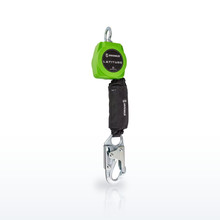
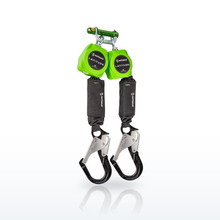

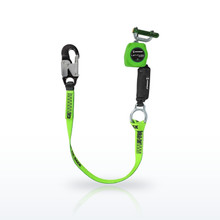

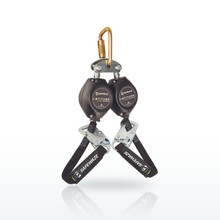
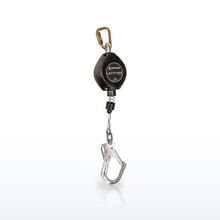
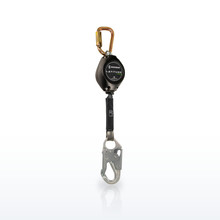
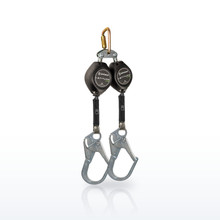
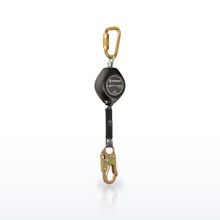
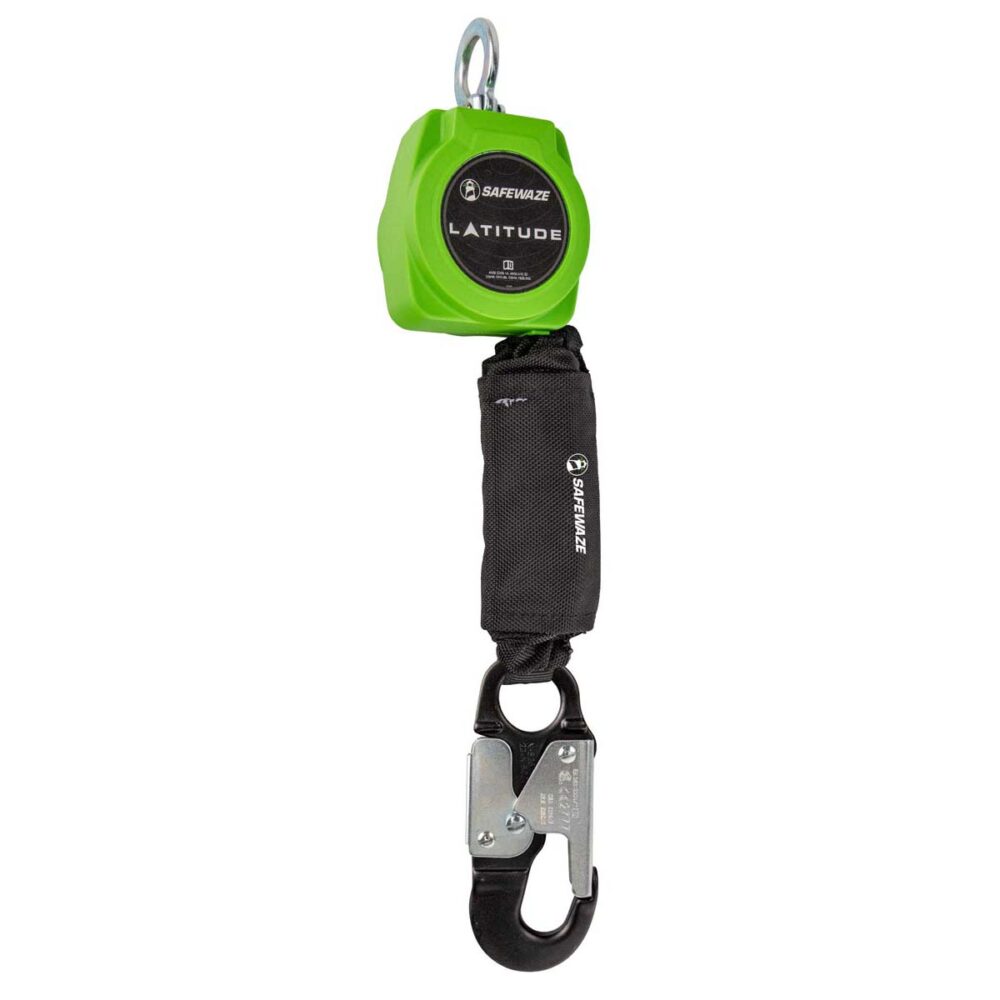
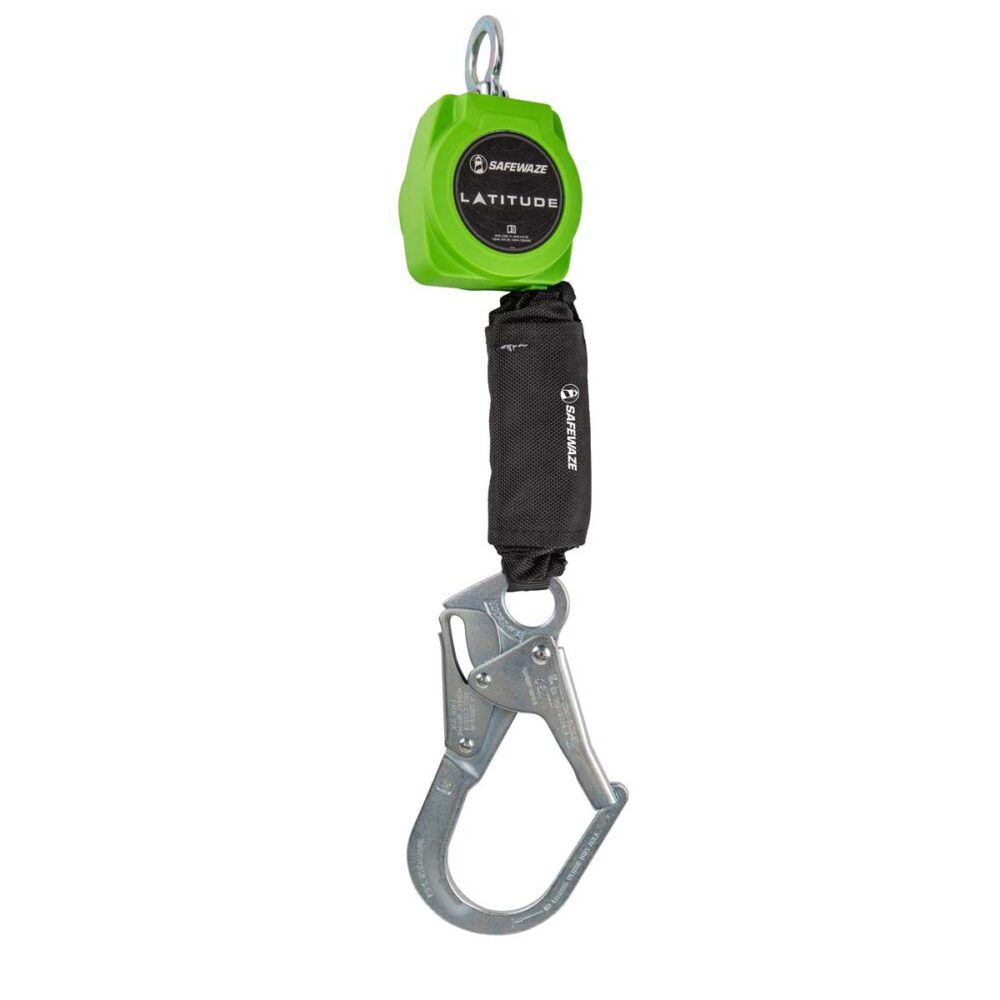
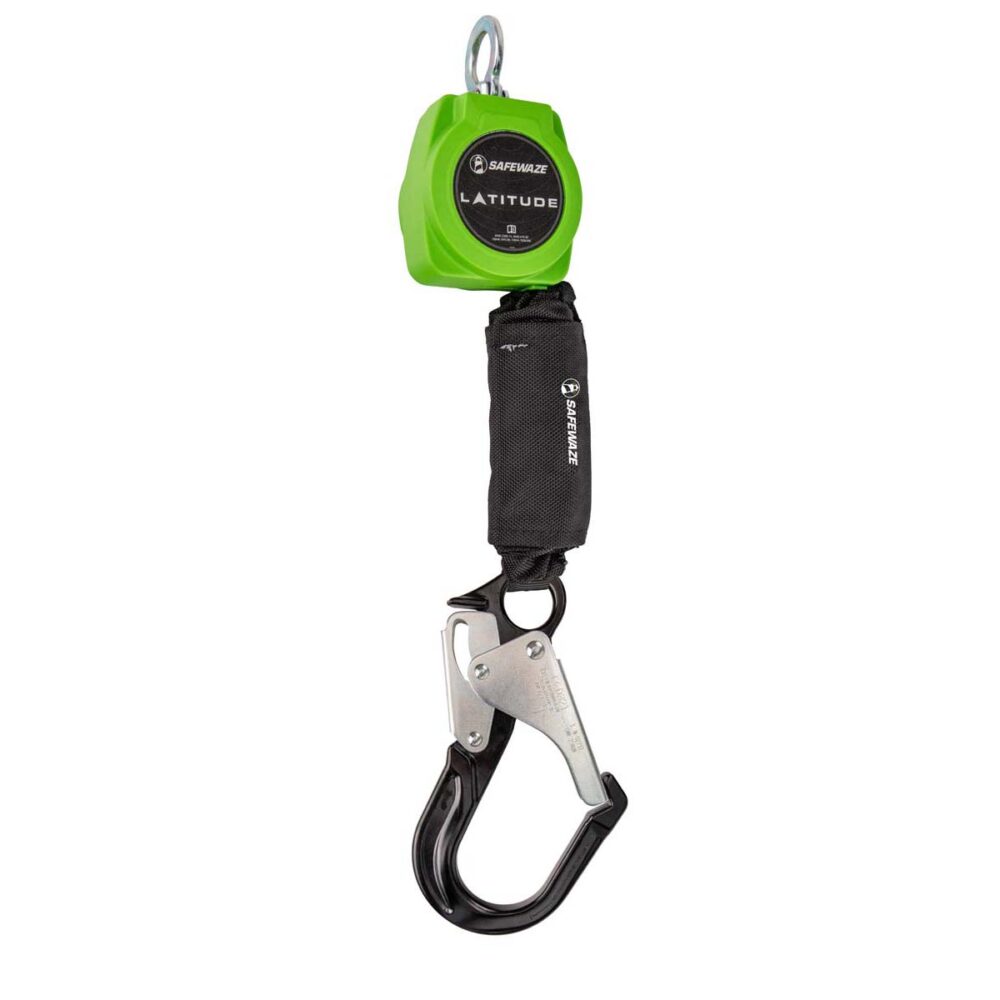

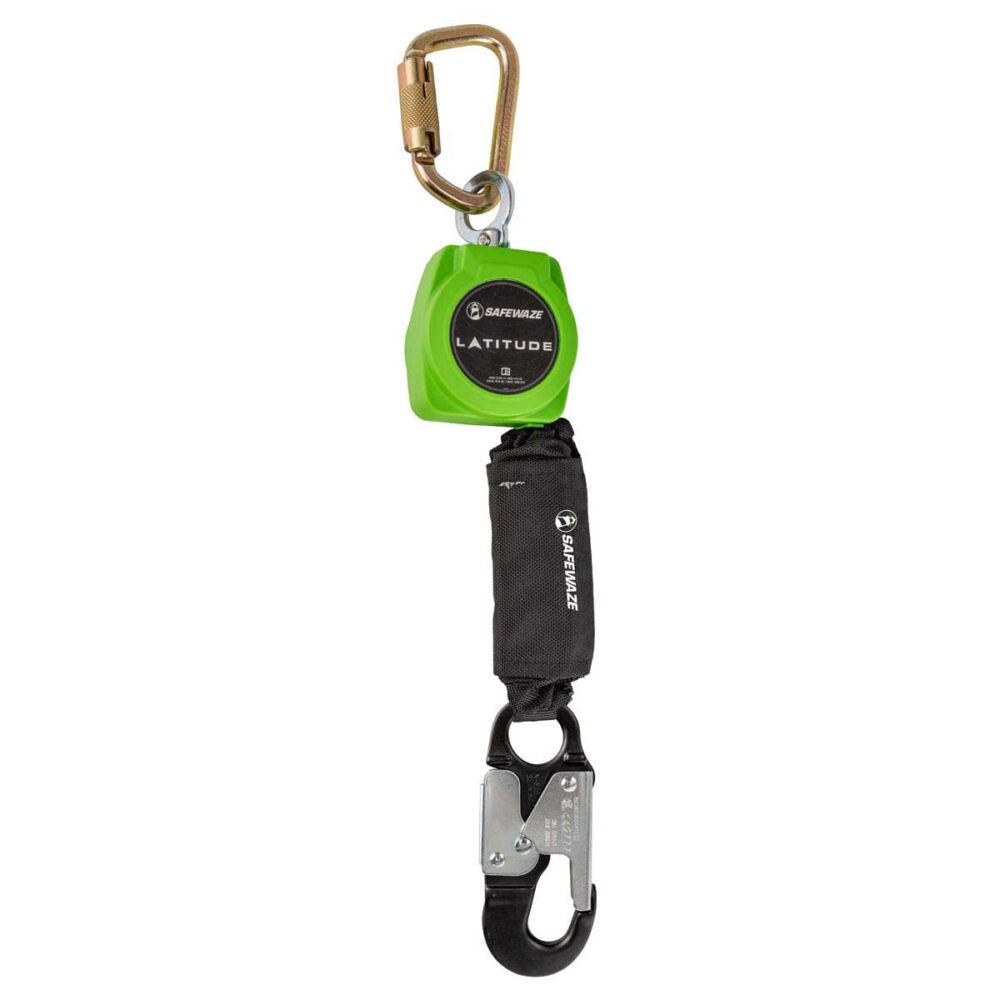
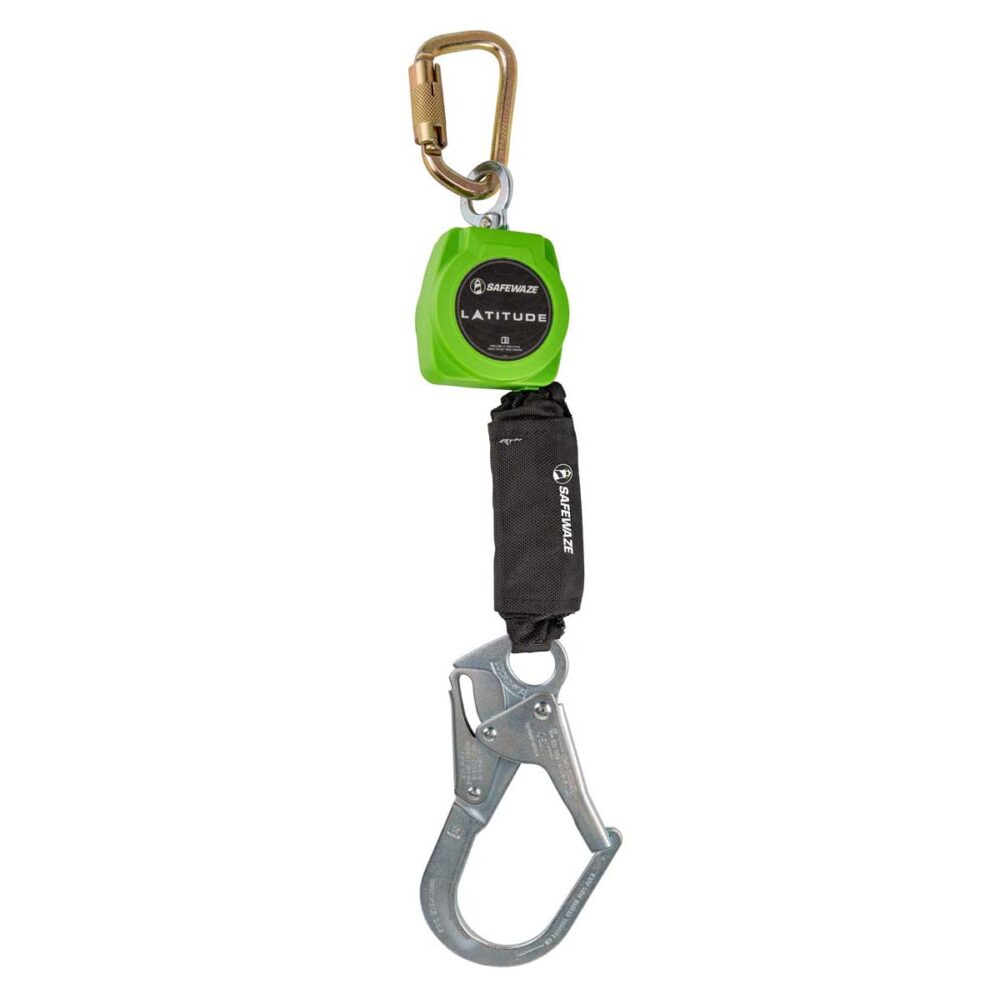
Every part number in the series, with sizes and lengths: Safewaze Latitude SRLs · Safewaze Latitude HD SRLs.
Source: Safewaze product pages and technical data sheets (safewaze.com, fetched Nov 6 2026); the 2025 Safewaze file; the products listed are the Safewaze styles whose own description names the use or the structure, not a selection by Bayshore Safety.
Safewaze restraint lanyards
Fixed-length lanyards Safewaze sells for restraint, to keep the operator on the platform rather than arrest a fall.

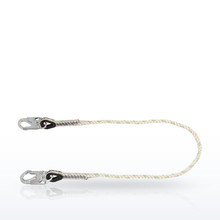
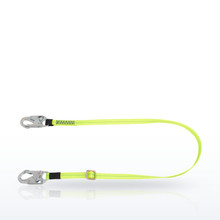
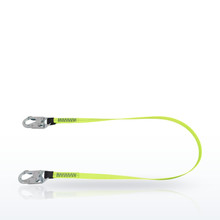
Source: Safewaze product pages and technical data sheets (safewaze.com, fetched Nov 6 2026); the 2025 Safewaze file; the products listed are the Safewaze styles whose own description names the use or the structure, not a selection by Bayshore Safety.
Safewaze harnesses
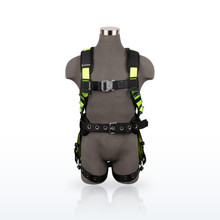
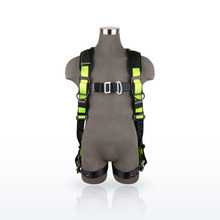

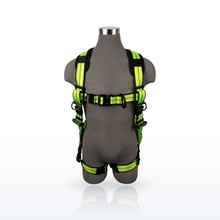
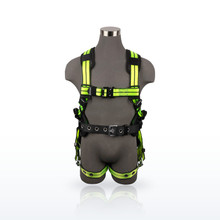
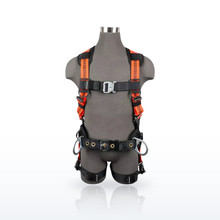
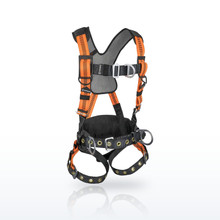
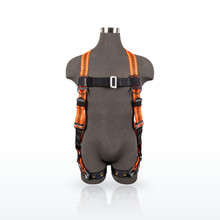


Every part number in the series, with sizes and lengths: Safewaze PRO Harnesses · Safewaze V-Line Harnesses.
Source: Safewaze product pages and technical data sheets (safewaze.com, fetched Nov 6 2026); the 2025 Safewaze file; the products listed are the Safewaze styles whose own description names the use or the structure, not a selection by Bayshore Safety.
Safewaze anchors for racking, beams and concrete
Anchorage connectors for steel members and concrete; which structure may serve as an anchorage is the qualified person's call under 1910.140(c)(13).
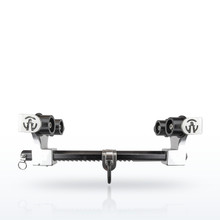
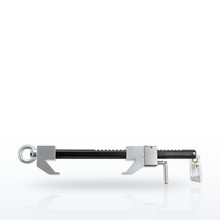
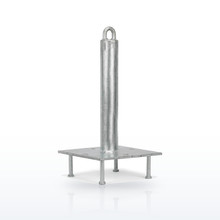
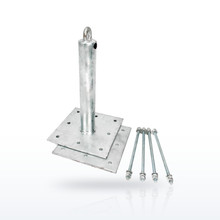
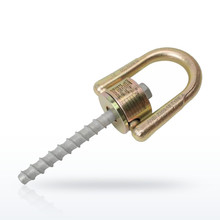
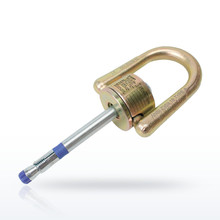
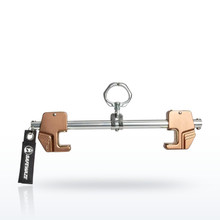
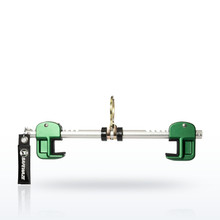
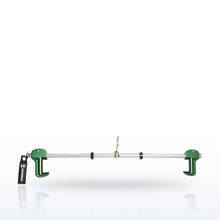

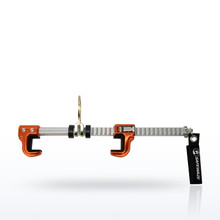
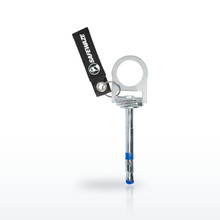
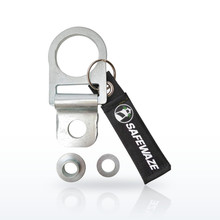
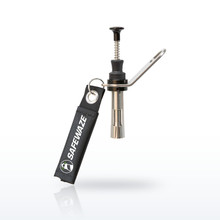
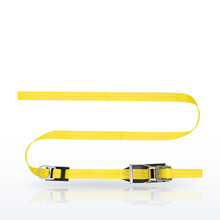
Every part number in the series, with sizes and lengths: Safewaze Steel Anchors · Safewaze Concrete Anchors.
Source: Safewaze product pages and technical data sheets (safewaze.com, fetched Nov 6 2026); the 2025 Safewaze file; the products listed are the Safewaze styles whose own description names the use or the structure, not a selection by Bayshore Safety.
FallTech products filed under its Warehousing industry
Why these are here: products FallTech files under its Warehousing industry (falltech.com/industries/warehousing-distribution-centers/).
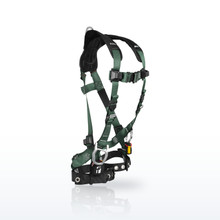
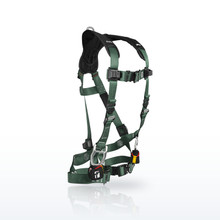
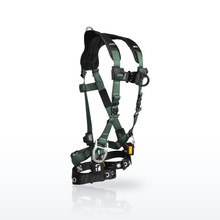
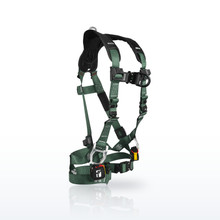
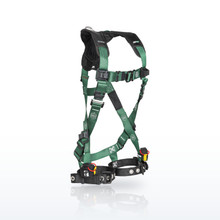
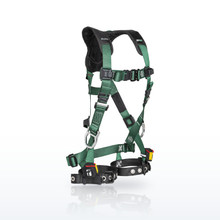
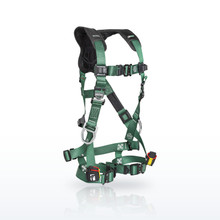
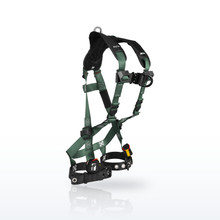
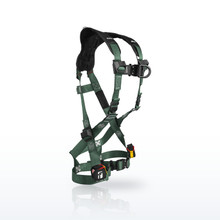
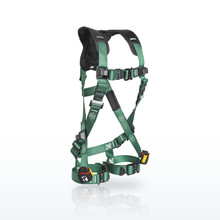
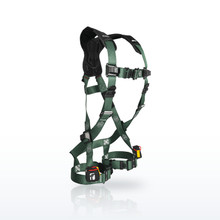
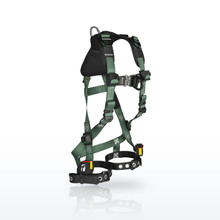
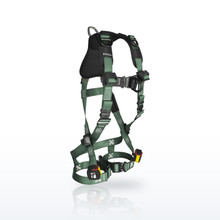
Every part number in the series: FallTech FT-1910 · FallTech FT-1910 Fit.
Source: FallTech product pages (falltech.com, fetched Nov 8 2026), FallTech category and industry pages, instruction manuals and brochures as cited above each table; the products listed are the FallTech styles that FallTech's own pages or documents place in this work, not a selection by Bayshore Safety.
FallTech DuraTech Mini personal SRLs
Why these are here: DuraTech Mini 6-foot personal web SRLs, featured on the FallTech Warehousing and Distribution Centers industry page.
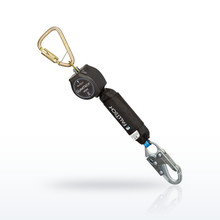
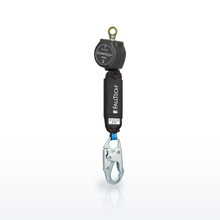
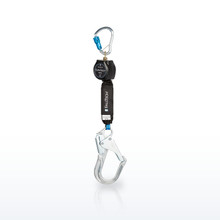
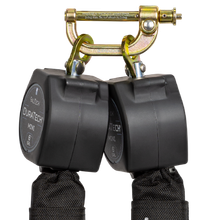
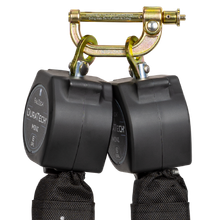
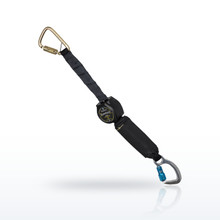
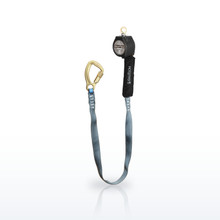
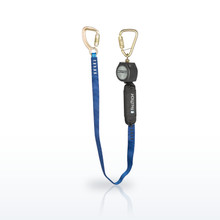
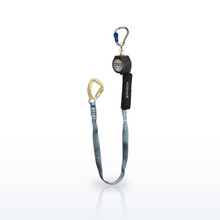
Every part number in the series: FallTech DuraTech Mini.
Source: FallTech product pages (falltech.com, fetched Nov 8 2026), FallTech category and industry pages, instruction manuals and brochures as cited above each table; the products listed are the FallTech styles that FallTech's own pages or documents place in this work, not a selection by Bayshore Safety.
FallTech FT-One harnesses
Why these are here: FT-One harnesses, featured on the FallTech Warehousing and Distribution Centers industry page.
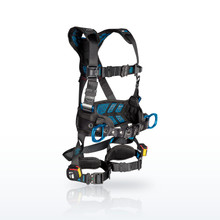
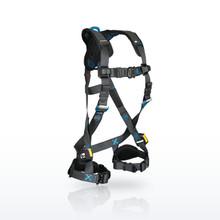
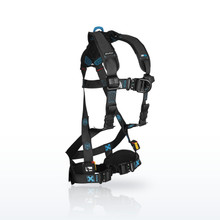
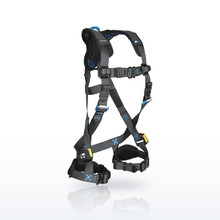
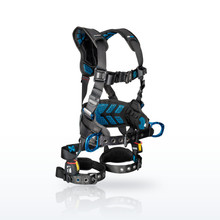
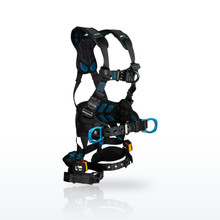
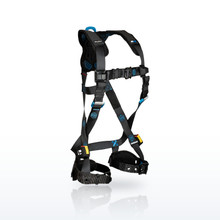
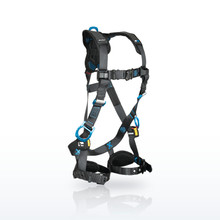
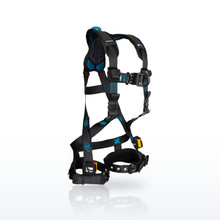
Every part number in the series: FallTech FT-One.
Source: FallTech product pages (falltech.com, fetched Nov 8 2026), FallTech category and industry pages, instruction manuals and brochures as cited above each table; the products listed are the FallTech styles that FallTech's own pages or documents place in this work, not a selection by Bayshore Safety.
FallTech FT-R leading edge SRLs
Why these are here: FT-R Class 2 leading edge SRLs, featured on the FallTech industry page cited.
| Part number | Item | Version | Price | ||
|---|---|---|---|---|---|
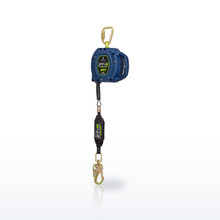 | 721520LEC | FallTech 721520LEC Self-Retracting Lifelines, 20-60 ft FT-R Class 2 Leading Edge | 6 versions: 20', 20' w/ 8447 Lrg Carabiner, 30', 30' w/ 8447 Lrg Carabiner, 60', 60' w/ 8447 | $621.00 | Choose on the page |
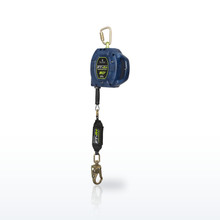 | 721730LER | FallTech 721730LER Self-Retracting Lifelines, 30 ft FT-R+ Class 2 Leading Edge | $805.05 |
Every part number in the series: FallTech FT-R.
Source: FallTech product pages (falltech.com, fetched Nov 8 2026), FallTech category and industry pages, instruction manuals and brochures as cited above each table; the products listed are the FallTech styles that FallTech's own pages or documents place in this work, not a selection by Bayshore Safety.
Manufacturer sizing and fall clearance documents
Safewaze: Harness Fitting and Sizing (PDF) · Fall Clearance Chart (PDF). FallTech: Harness Sizing Chart, men 2026 (PDF) · Harness Sizing Chart, women 2026 (PDF) · Calculating Fall Clearance poster (PDF) · SRL quick guide (PDF). Each manufacturer's document applies to its own products; the figures on a style page come from that style's data sheet.
Guides: when fall protection is required · arrest vs restraint vs positioning · what an SRL is · how to calculate fall clearance · rescue plans · every fall protection item by type and standard.
Fall Protection for Warehouse Work and Order Pickers questions
What is the OSHA 4 foot rule? In general industry, 29 CFR 1910.28(b)(1) requires fall protection on a walking-working surface with an unprotected side or edge 4 feet or more above a lower level (guardrails, nets or a personal fall protection system); construction uses 6 feet (1926.501). California's general construction trigger is 7 1/2 feet (§1670) and its order picker rule is 4 feet (§3656(e)).
What are the OSHA fall protection standards for general industry? 29 CFR 1910 Subpart D: 1910.28 (the duty to have fall protection and falling object protection, with the 4-foot trigger and the fixed ladder rule), 1910.29 (criteria for guardrails, ladder safety systems and the other systems) and 1910.23 (ladders), with the personal fall protection system criteria in 1910.140 (Subpart I) and the aerial lift rule in 1910.67. Construction has its own set in 1926 Subpart M.
Do loading docks need covers and guardrails? 1910.28(b)(1) applies at 4 feet to the open side of a dock as to any unprotected edge, and 1910.28(b)(4) requires a guardrail system or handrails on a dockboard with a 4-foot drop. 1910.28(b)(1)(iii) lets work on the working side of a platform at a loading rack, loading dock or teeming platform go on without a fall protection system only where the employer demonstrates one is not feasible there and meets the conditions in the paragraph.
Do order picker operators need a harness? Cal/OSHA says so directly: §3656(e) requires a personal fall arrest, restraint or positioning system at a fall exposure of 4 feet or more when guardrails cannot be used, rigged for no more than a 4-foot free fall. Federal OSHA applies 1910.178 and the truck manufacturer's instructions, which for order pickers specify the operator restraint the ANSI/ITSDF B56.1 standard describes; the system itself meets 1910.140.
What is the difference between fall restraint and fall protection? Fall protection is the whole family of methods (guardrails, nets, arrest, restraint, positioning); fall restraint is one of them, a system that keeps the worker from reaching the edge so no fall can start, with no energy absorber and no free fall. Safewaze's restraint lanyards are sold for that use; its SRL-Ps and shock-absorbing lanyards are arrest devices, as are the FallTech DuraTech Mini and FT-R devices FallTech features on its warehousing page.
How much weight can a harness hold? Safewaze publishes ANSI 130-310 lb and OSHA up to 420 lb for its harnesses, and FallTech publishes ANSI 130-310 lb and OSHA 130-425 lb, as each page states from its data sheet; OSHA's 1910.140 criteria are written around a 310-pound combined weight, and the higher figure is each manufacturer's statement of the capacity it tests to for the OSHA criteria.
The ratings, test results and standards shown here are the manufacturers' published values, reproduced as published. Nothing on this page is a recommendation by Bayshore Safety that any product is suitable for a particular task, hazard or workplace. Selecting safety products and protective equipment is the responsibility of the end user and the employer, based on their own hazard assessment and the regulations that apply to their work. Confirm every value on the manufacturer's own documentation before use.