
Is there a fire extinguisher for lithium-ion battery fires? What NFPA 10 (2026) says, and what the manufacturers do and do not claim
NFPA 10 (2026) classifies fires as A, B, C, D and K. There is no class for lithium-ion battery fires, and none of the portable clean agent, CO2 or dry chemical units on this site is listed for one. A lithium-ion cell in thermal runaway makes its own heat and oxygen inside the cell and reignites neighboring cells; a portable extinguisher can knock down the flames on what is burning around the battery and cool nearby surfaces, which is why the room still needs a Class C-rated unit for the energized electrical equipment (6.4.1), but it does not stop the runaway. Products marketed as lithium-ion extinguishers exist; whether one is acceptable is a question for the authority having jurisdiction and the listing on that product, not a claim we will make for a unit we sell. Battery energy storage systems are governed by NFPA 855 and tested under UL 9540A. For a UPS or battery room, size the Class C clean agent unit to the room volume (5.3.2.6.1), and plan on detection, suppression and egress per NFPA 855 and the authority having jurisdiction.
Why the honest answer sells better here. Every seller ranking for this search is overclaiming. A data-center PE who reads that a 2A:10B:C clean agent unit is the right Class C unit for the room, and that nothing on the page stops thermal runaway, trusts the rest of the site. The code says what it says.
What a battery room gets, and what it does not
Under NFPA 10 (2026) and the standards it points to.
Agents and lithium-ion batteries, as the standards and manufacturers state it
| Agent | Listed classes | Listed for lithium-ion | Note |
|---|---|---|---|
| Halotron BrX (Amerex HT Series) | A, B, C (551) or B, C | No | Class C for the room's electrical equipment |
| Halotron I | A, B, C or B, C | No | Same |
| Carbon dioxide | B, C | No | Same |
| Water mist | A, C | No | Same |
| ABC dry chemical | A, B, C | No | Not for delicate electronics (5.5.4.6.2) |
| Products marketed for lithium-ion | As listed on that product | Per that product's listing | Ask the authority having jurisdiction |
Source: NFPA 10 (2026) 5.2, 5.5.4.6, 6.4.1; manufacturer product data as linked on each product page.
Class C-listed clean agent units for battery and UPS rooms
9 items · prices liveSized to the room volume. Not listed for lithium-ion battery fires. Prices are live.
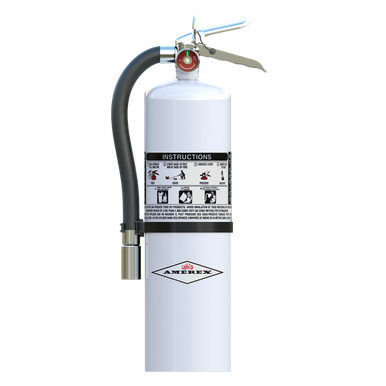
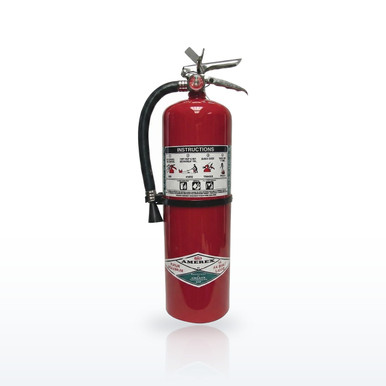
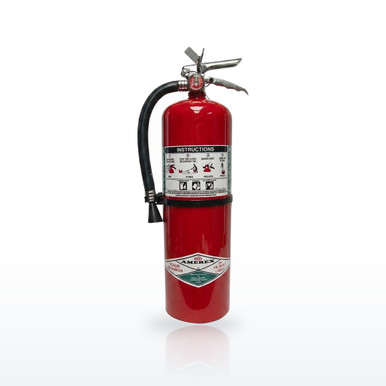
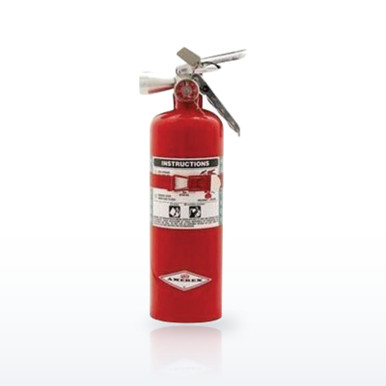
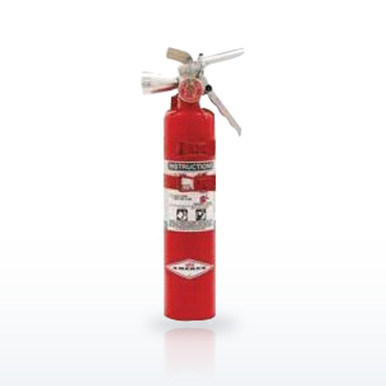
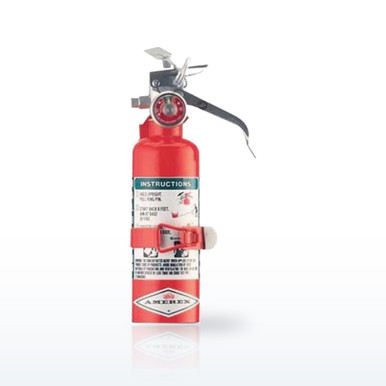
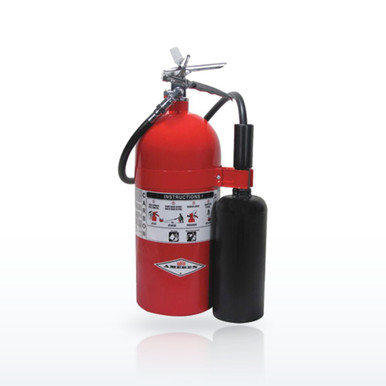

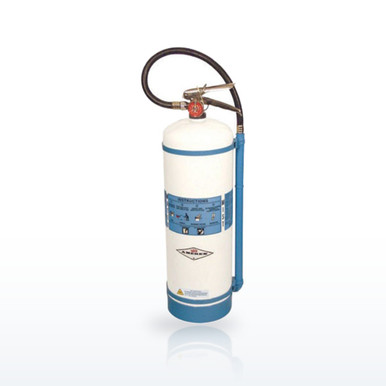
Cabinets, brackets and signs are in Fire protection accessories.
Questions people ask
Is there a lithium-ion fire extinguisher class?
No. NFPA 10 (2026) classifies fires as A, B, C, D and K only.
What fire extinguisher is used for lithium-ion batteries?
The clean agent, CO2 and dry chemical units on this site are not listed for lithium-ion battery fires. A battery room still gets a Class C-rated unit for its electrical equipment (6.4.1). Products marketed for lithium-ion carry their own listings; the authority having jurisdiction decides.
Can you use a Halotron extinguisher on a lithium battery fire?
It is listed for Class A, B and C (551) or B and C, not for lithium-ion batteries. It can address flames on surrounding material; it does not stop thermal runaway.
What standard covers battery rooms?
NFPA 855 for energy storage systems, with UL 9540A testing; NFPA 10 for the portable extinguishers in the room.
Which clean agent unit fits a small battery room?
By Amerex's minimum room volumes: 547 or 549 from 896 cu ft, A537TS from 427; the 551 from 2,988.
Related guides
Fire extinguishers for UPS and battery roomsSmall rooms, room volume, and the lithium-ion answerClean agent extinguishers for data centersWhat NFPA 10 asks for in a data hallClass C fire extinguishersWhat Class C means and which agents carry itMinimum room volume for clean agent extinguishersHow to check a room against the nameplateThe ratings, test results and standards shown here are the manufacturers' published values, reproduced as published. Nothing on this page is a recommendation by Bayshore Safety that any product is suitable for a particular task, hazard or workplace. Selecting safety products and protective equipment is the responsibility of the end user and the employer, based on their own hazard assessment and the regulations that apply to their work. Confirm every value on the manufacturer's own documentation before use.