
ASTM F1506 Flame Resistant and Arc Rated Textile Materials for Electrical Workers: what it requires and the equipment it names
ASTM F1506 is the garment standard behind every arc rating on FR clothing. OSHA's 1910.269 Appendix E says arc-rated clothing is rated by its arc thermal performance value (ATPV) or breakopen threshold energy (EBT) under ASTM F1506, and NFPA 70E requires F1506 for arc-rated apparel. The number on the label, in cal/cm², is what the employer compares to the incident energy estimate. We sell nationwide; ships in 1–2 business days; most orders arrive in 3–7 business days.
The plain answer
ASTM F1506 is the Standard Performance Specification for Flame Resistant and Electric Arc Rated Protective Clothing Worn by Workers Exposed to Flames and Electric Arcs. It is not incorporated by OSHA as a rule; 29 CFR 1910.269(l)(8) requires arc-rated protection at or above the estimated incident energy and bans meltable fabrics, and its Appendix E explains that arc ratings come from ASTM F1506 testing, while NFPA 70E requires arc-rated apparel to meet F1506.
As OSHA's Appendix E and the manufacturers' catalogs state it, F1506 requires the fabric to be flame resistant, tested by the vertical flame test ASTM D6413 (afterflame of 2 seconds or less, char length of 6 inches or less, no melting or dripping) both new and after the stated number of launderings, and to carry an arc rating determined under ASTM F1959: either the ATPV, the incident energy at which there is a 50 percent probability of a second-degree burn through the fabric, or the EBT, the energy at which the fabric has a 50 percent probability of breaking open, whichever comes first, both in calories per square centimeter. The garment label states the arc rating, the standard, the fiber content, the size and the care instructions, and the thread, closures and findings must not melt. MCR Safety's oil and gas guide pairs the F1506 rating with the NFPA 70E category minimums: 4 cal/cm² for Category 1, 8 for Category 2, 25 for Category 3 and 40 for Category 4.
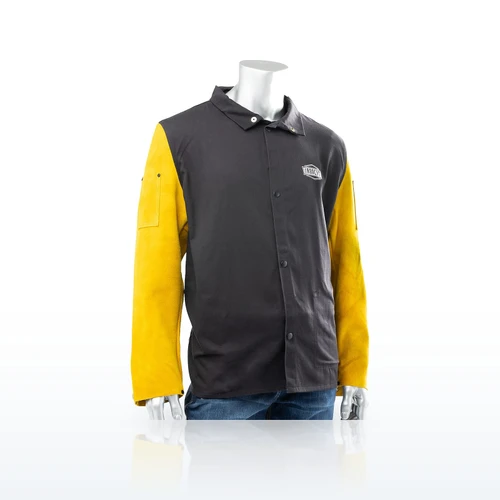
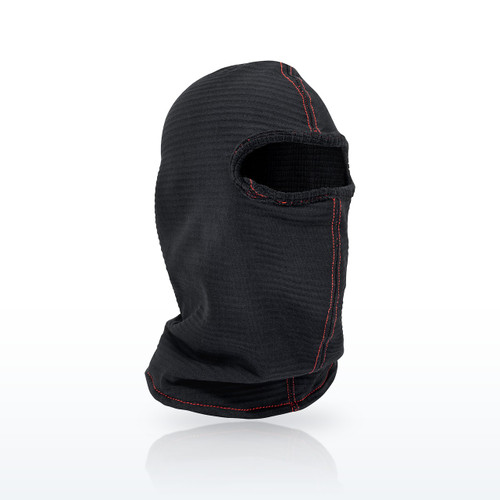
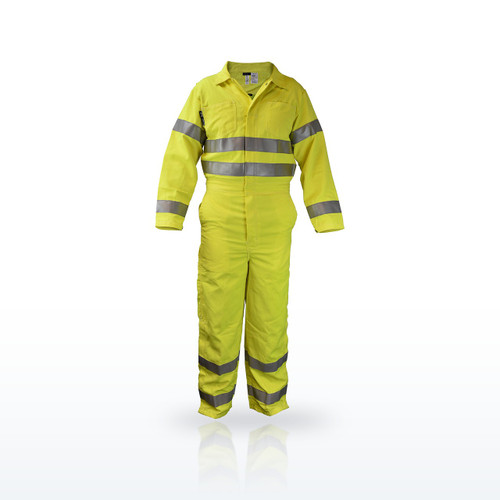
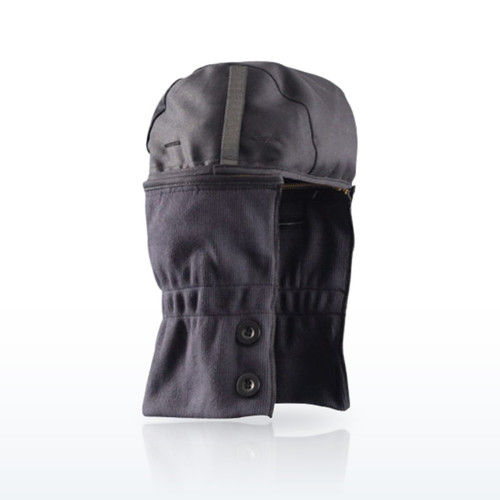
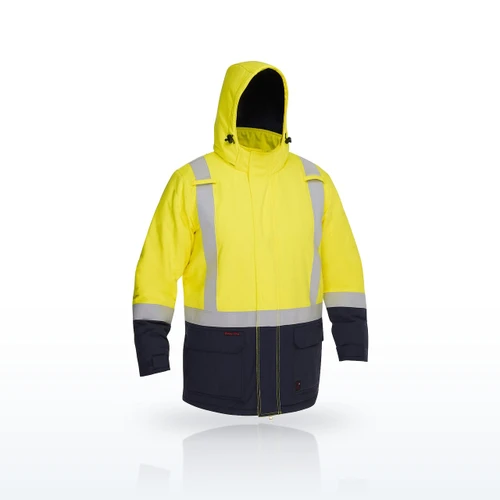
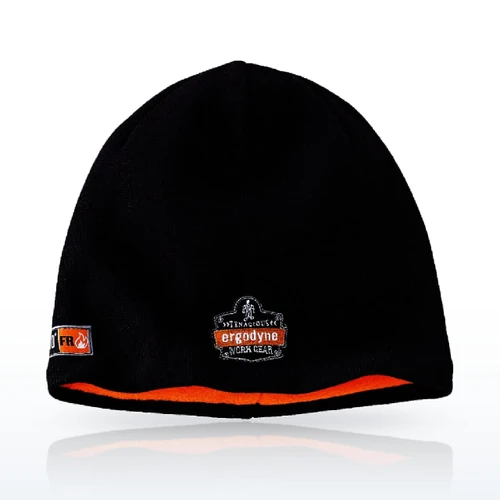
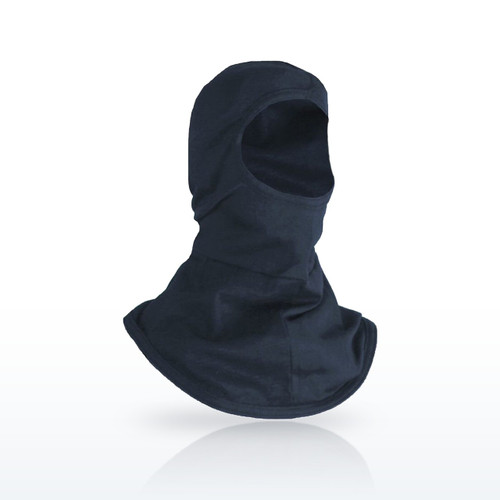
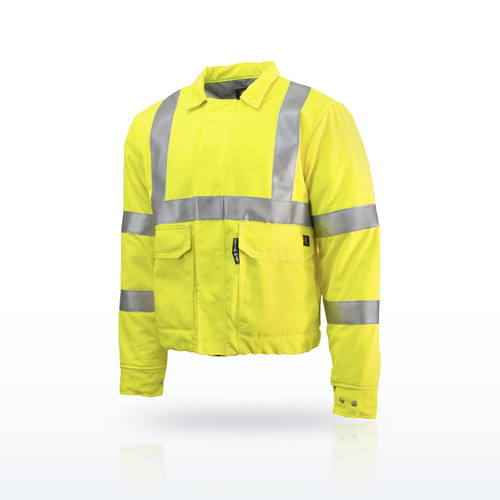
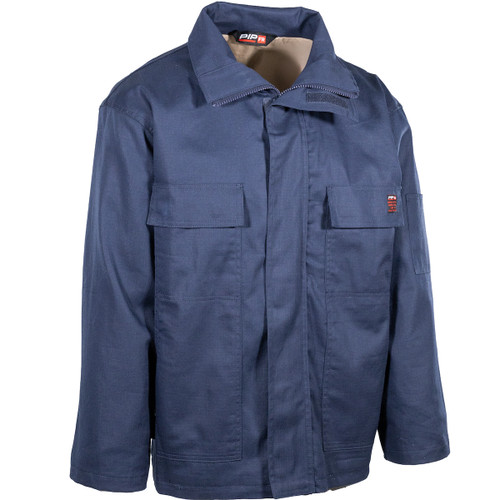
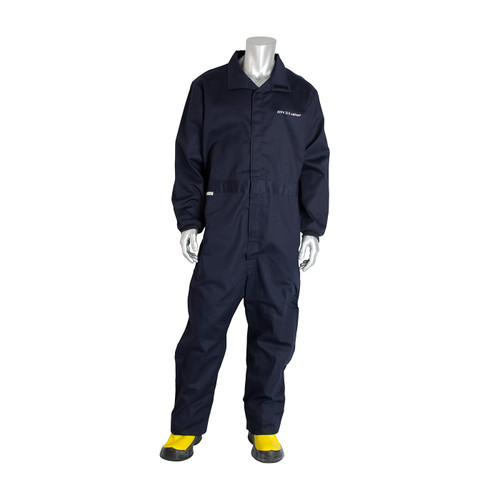
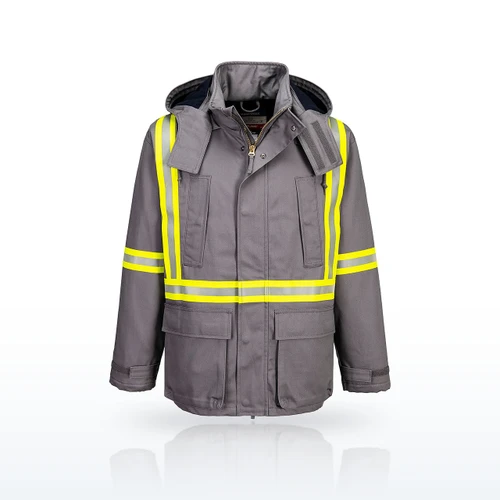
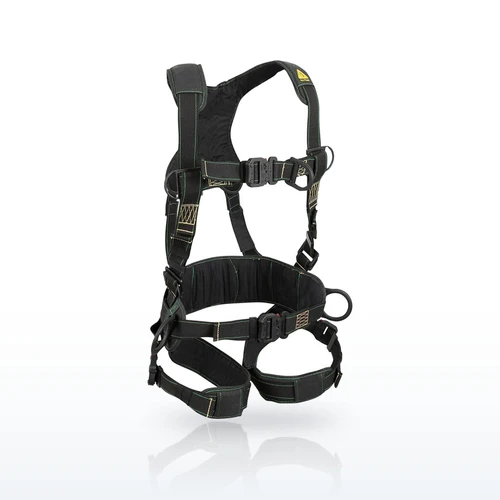
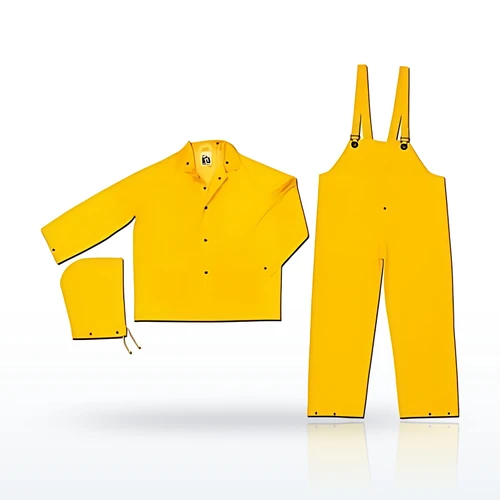
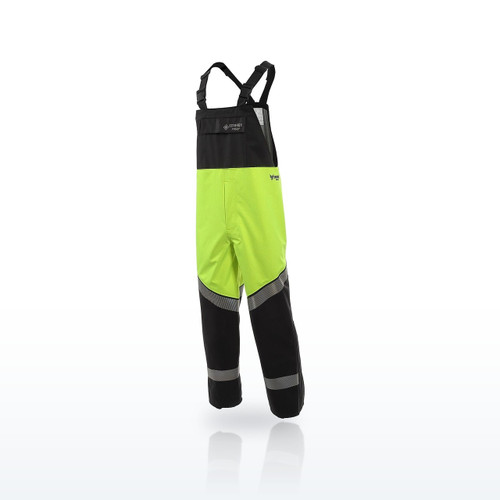
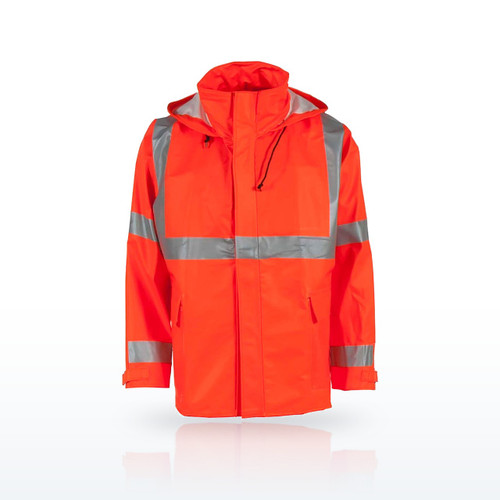
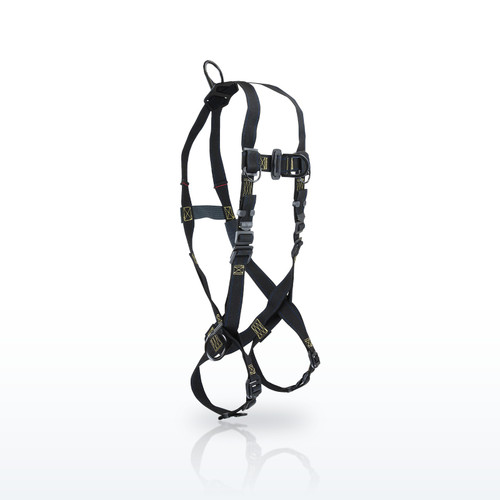
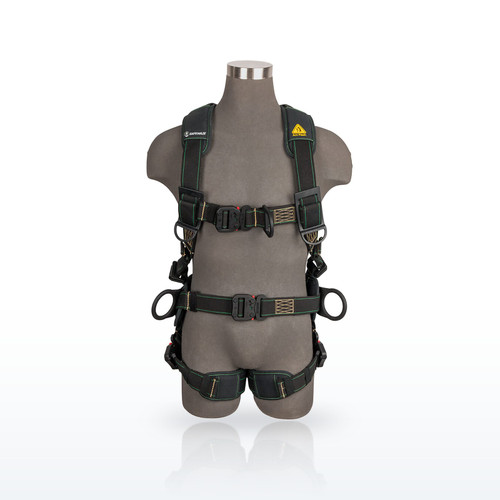
The equipment it names is arc-rated shirts, pants, coveralls, jackets, bib overalls, rainwear (through ASTM F1891, the rainwear companion), hoods and balaclavas (with face shields under ASTM F2178), and arc-rated hi-vis garments; arc-rated harnesses and gloves are tested under ASTM F887 and ASTM F2675 respectively, which the manufacturers name alongside.
What the rule says
Each entry is condensed from the paragraph cited; the paragraph itself is the rule and the link opens it.
29 CFR 1910.269(l)(8)(v): Protective clothing and other protective equipment with an arc rating greater than or equal to the estimated incident energy whenever the estimate exceeds 2.0 cal/cm².
29 CFR 1910.269(l)(8)(iii): No clothing that could melt onto the skin or ignite and continue to burn; acetate, nylon, polyester, rayon and polypropylene are named unless treated.
29 CFR 1910.269 Appendix E: Arc-rated clothing is rated by ATPV or EBT determined under ASTM F1506; the appendix gives the method for estimating incident energy and tables of typical values, and states that the arc rating is the value compared with the estimate.
29 CFR 1926.960(g): The construction twin of 1910.269(l)(8) for electric power transmission and distribution work.
29 CFR 1910.335(a)(1)(v) and 1910.132(d): Outside utility work, eye and face protection against arcs and PPE selected under the hazard assessment, with NFPA 70E as the consensus method OSHA recognizes.
Source: 29 CFR, Occupational Safety and Health Standards, as published by OSHA (ecfr.gov), read Nov 9 2026.
What the standard requires, as OSHA's Appendix E and the manufacturers publish it
Flame resistance: the fabric is tested by ASTM D6413 (vertical flame) with a maximum afterflame of 2 seconds and char length of 6 inches, with no melting or dripping, as received and after the number of launderings or dry cleanings the manufacturer states (25 is common); inherent FR fibers (aramid, modacrylic blends) and treated cotton both qualify when they pass.
Arc rating (ASTM F1959 test method): fabric panels are exposed to arcs of increasing energy with sensors behind them; the ATPV is the incident energy, in cal/cm², at which there is a 50 percent probability of enough heat passing through to cause a second-degree burn (the Stoll curve); the EBT is the energy at which there is a 50 percent probability of the fabric breaking open (a 0.5 square inch hole); the garment is labeled with whichever is reached first, and the two are used the same way in selection. The arc rating of layered systems is tested as a system and is higher than the sum of the layers' ratings.
Garment construction: sewing thread, labels, closures, zippers and hook-and-loop must not melt, drip or ignite; the label states the arc rating in cal/cm² (ATPV or EBT), the standard (ASTM F1506), the tracking code, fiber content, size and care, and manufacturers add the NFPA 70E PPE category their garment meets (a minimum arc rating of 4, 8, 25 or 40 cal/cm²).
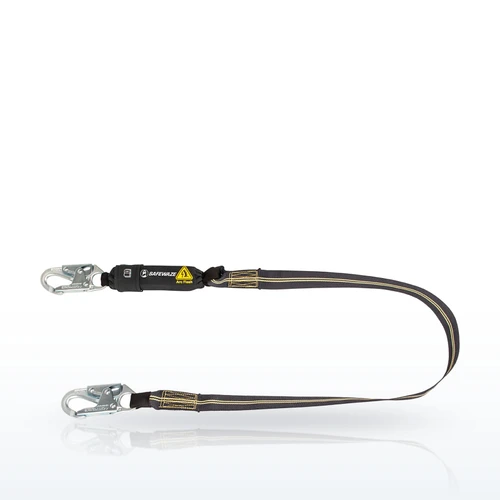
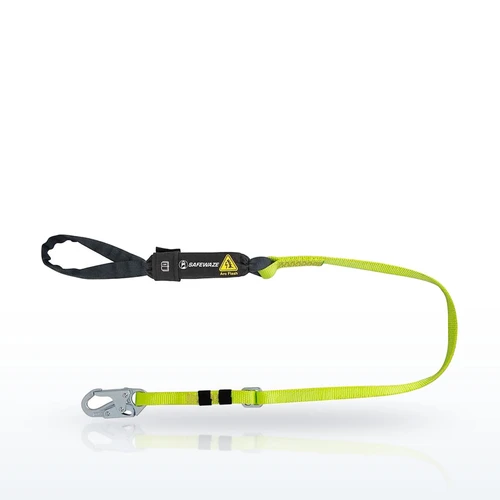
Companions: ASTM F1891 for arc-rated rainwear, ASTM F2178 for arc-rated face protection (shields and hoods), ASTM F887 for arc-rated fall protection (harnesses, lanyards), ASTM F2675 for arc-rated hand protection, and ASTM F1930 (manikin flash fire test) and NFPA 2112 for flash fire clothing; a garment may carry both F1506 and NFPA 2112 when the manufacturer has tested both.
Source: 29 CFR 1910.269 Appendix E (ecfr.gov); MCR Safety, "Safety in the Oil and Gas Industry" guide (standards table: ASTM D6413, F1506, F1891, F2733; NFPA 2112; NFPA 70E CAT 1–4) and "Flame-Resistant Clothing & PPE" product guide (ATPV and CAT by style); Portwest and PIP FR garment data sheets; our guide NFPA 2112 vs ASTM F1506.
California (Cal/OSHA)
Each entry is condensed from the paragraph cited; the paragraph itself is the rule and the link opens it.
Title 8 §2940.6 and §3380: California applies the arc-rated clothing requirement through its high-voltage electrical safety orders and the PPE hazard assessment, with NFPA 70E as the recognized practice.
Source: California Code of Regulations, Title 8, as published by Cal/OSHA (dir.ca.gov), read Nov 9 2026.
Equipment the rule names
| Equipment or condition | What the rule requires | Paragraph |
|---|---|---|
| Arc-rated garment | F1506 label with arc rating in cal/cm² (ATPV or EBT); flame resistant by D6413; no meltable findings | F1506 as labeled; 1910.269 Appendix E |
| Category 1 minimum | 4 cal/cm² arc rating (shirt and pants, or coverall) | NFPA 70E Table 130.7(C)(15)(c) as MCR Safety states it |
| Category 2 minimum | 8 cal/cm² | NFPA 70E as stated |
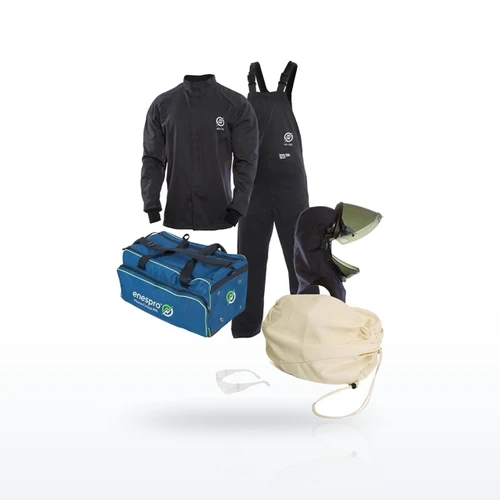
| Category 3 minimum | 25 cal/cm² (arc flash suit) | NFPA 70E as stated |
| Category 4 minimum | 40 cal/cm² (arc flash suit) | NFPA 70E as stated |
| Arc-rated rainwear | ASTM F1891 | Manufacturers' statements |
| Arc-rated face shield and hood | ASTM F2178; 8 cal/cm² minimum shield in 1910.269(l)(8)(v)(D) | 29 CFR 1910.269; manufacturers' statements |
| Arc-rated harness and gloves | ASTM F887; ASTM F2675 | Manufacturers' statements |
Source: 29 CFR, Occupational Safety and Health Standards, as published by OSHA (ecfr.gov), read Nov 9 2026.
What we carry for it
Each table lists products whose manufacturer data states the rating or the standard the rule names, every brand we carry that does, with the current price. Sizes and versions are chosen on the product page. The selector linked under each table holds every item of that type.
Arc-rated clothing 8 to 24.9 cal/cm² citing ASTM F1506 (meets Category 2)
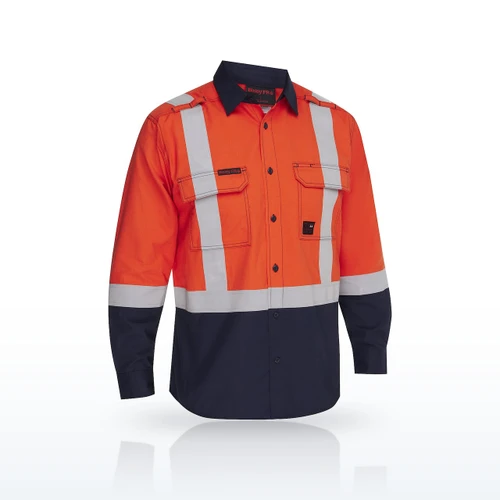
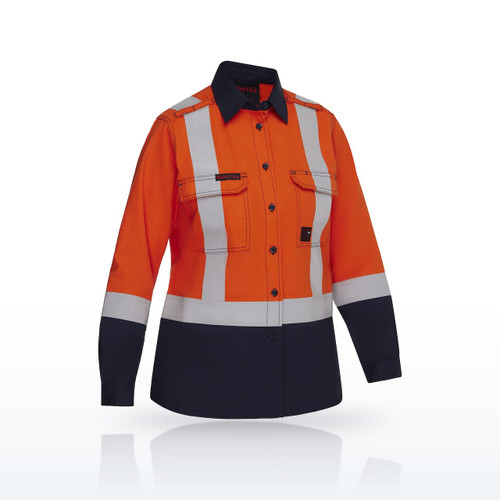
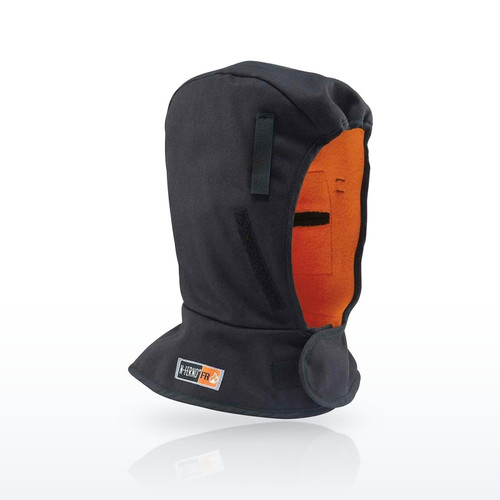
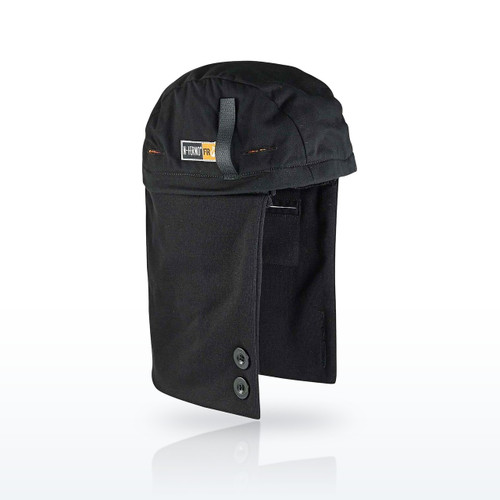

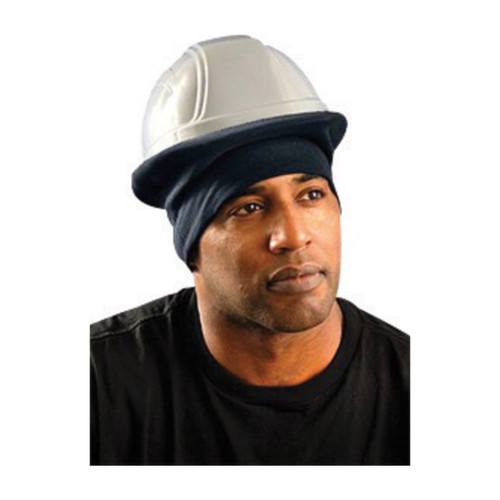

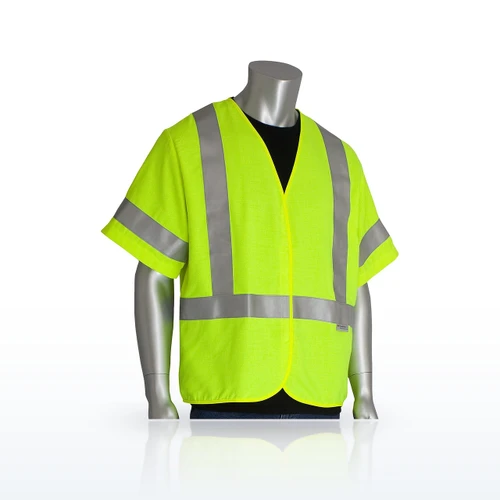


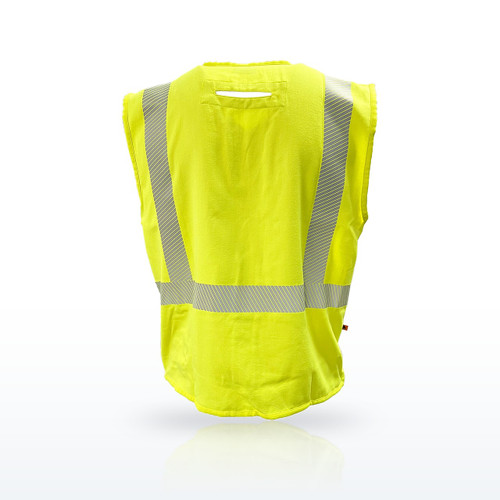
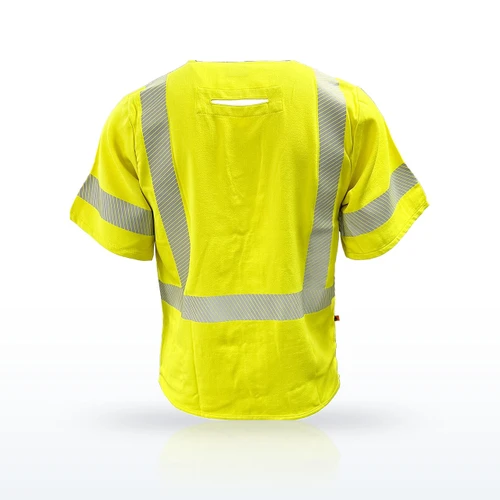
More: every garment in the 8 to 24.9 cal/cm² band.
Source: the manufacturers' product pages, specification sheets and catalogs as reproduced on each product page; the ratings and standards shown are the manufacturers' own statements, and the products listed are those whose published data names the rating or the standard, not a selection by Bayshore Safety.
Arc-rated clothing 4 to 7.9 cal/cm² (meets Category 1)
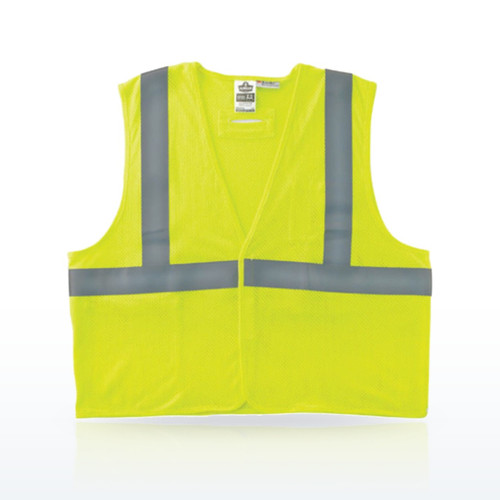
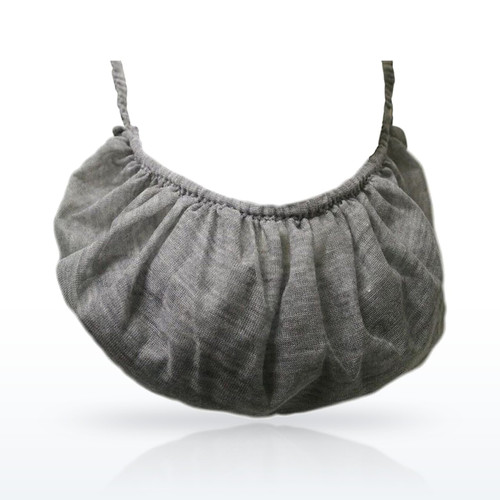
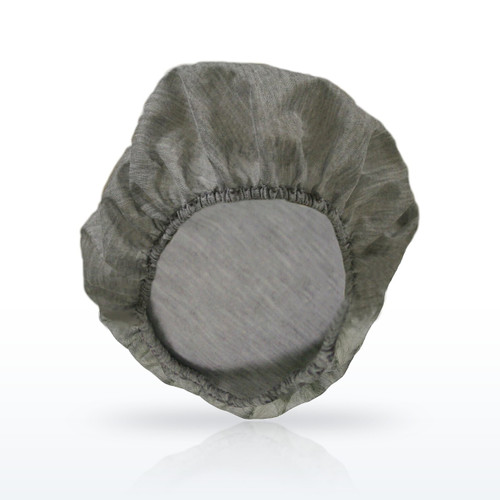
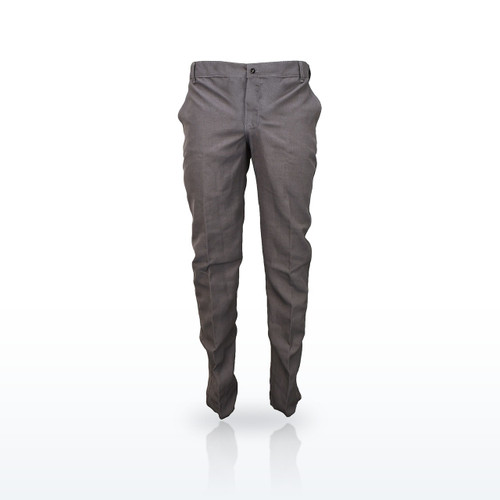
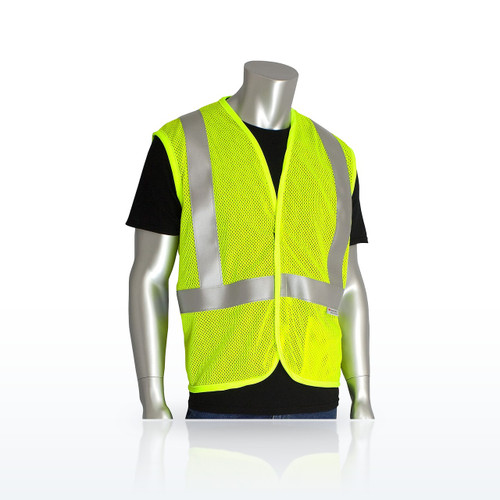
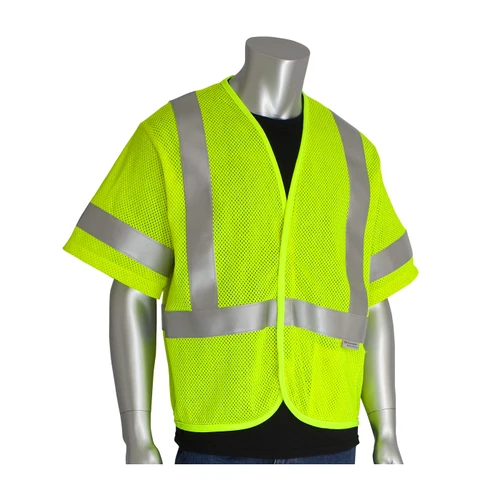
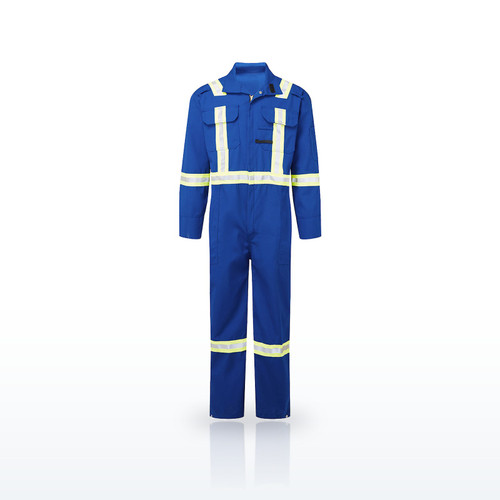
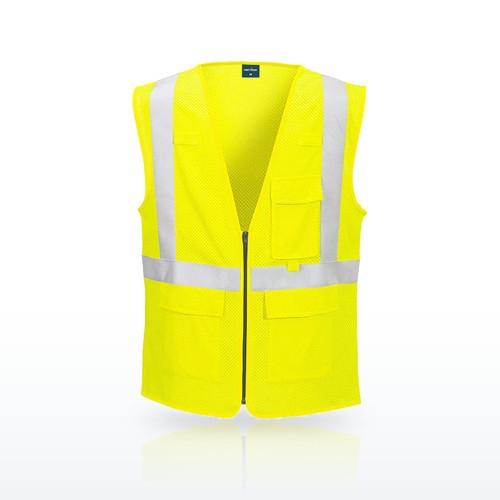
More: every garment in the 4 to 7.9 cal/cm² band.
Source: the manufacturers' product pages, specification sheets and catalogs as reproduced on each product page; the ratings and standards shown are the manufacturers' own statements, and the products listed are those whose published data names the rating or the standard, not a selection by Bayshore Safety.
Arc flash suits 25 cal/cm² and above (Categories 3 and 4)

More: every 25 and 40 cal/cm² suit.
Source: the manufacturers' product pages, specification sheets and catalogs as reproduced on each product page; the ratings and standards shown are the manufacturers' own statements, and the products listed are those whose published data names the rating or the standard, not a selection by Bayshore Safety.
Arc-rated rainwear (ASTM F1891)

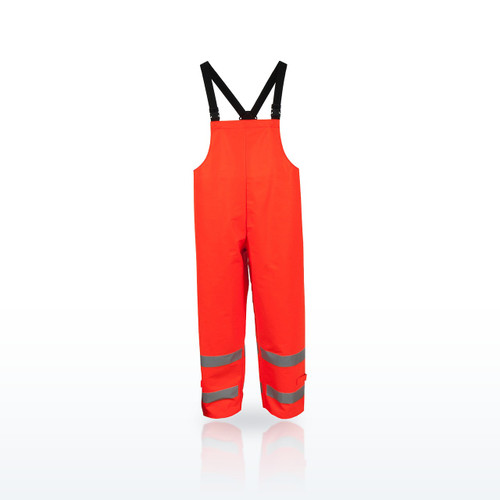
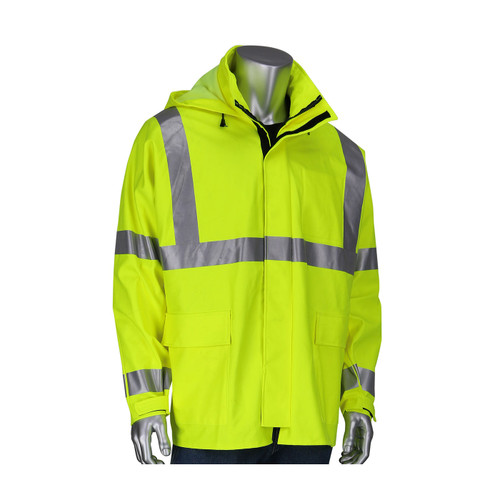
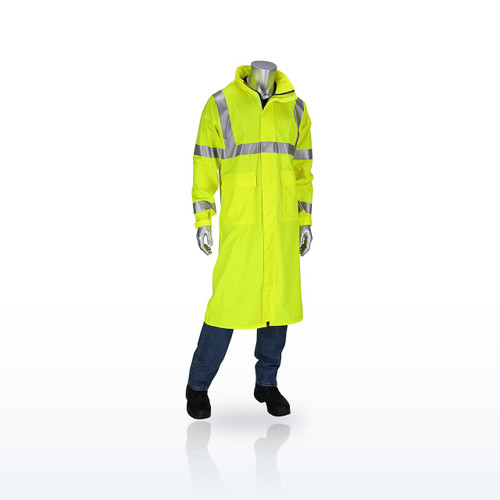

More: every arc-rated rain jacket and bib.
Source: the manufacturers' product pages, specification sheets and catalogs as reproduced on each product page; the ratings and standards shown are the manufacturers' own statements, and the products listed are those whose published data names the rating or the standard, not a selection by Bayshore Safety.
Arc-rated face shields and hoods (ASTM F2178)
| Part number | Item | Rating stated | Price | ||
|---|---|---|---|---|---|
 | 36900 | Ansell 36900 Head & Face Covers, KleenGuard A10 Komfortguard Pleated Bouffant | ANSI/ISEA 101-1996 | $0.30 | |
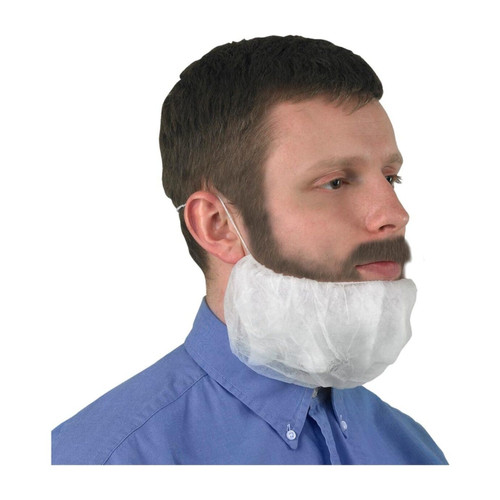 | 66815 | Ansell 66815 Head & Face Covers, KleenGuard A10 Light Duty Beard Cover, White | ANSI/ISEA 101-1996 | $0.32 | |
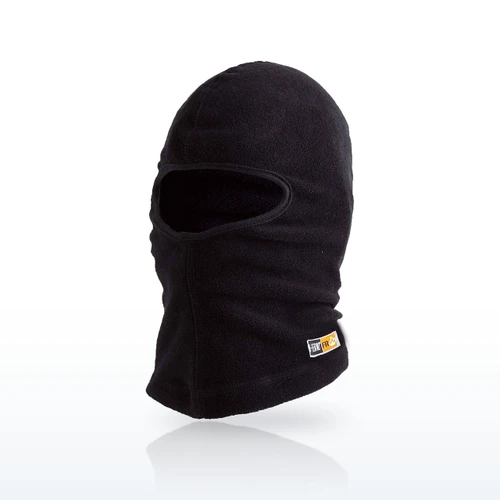 | 16828 | Ergodyne 16828 Hard Hat Winter Liners, N-Ferno FR Modacrylic Fleece Balaclava | 10.6 cal/cm2, ASTM F1506; NFPA 70E; EN 1149 | $31.17 | |
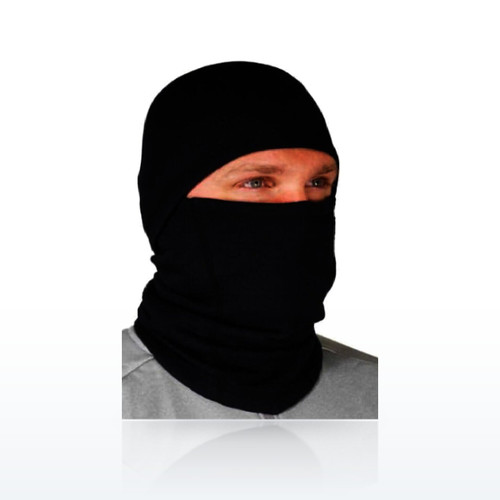 | 16847 | Ergodyne 16847 Hard Hat Winter Liners, N-Ferno Polartec FR Hinged Balaclava | 20 cal/cm2, ASTM F1506; NFPA 70E; NFPA 2112 | $50.09 | |
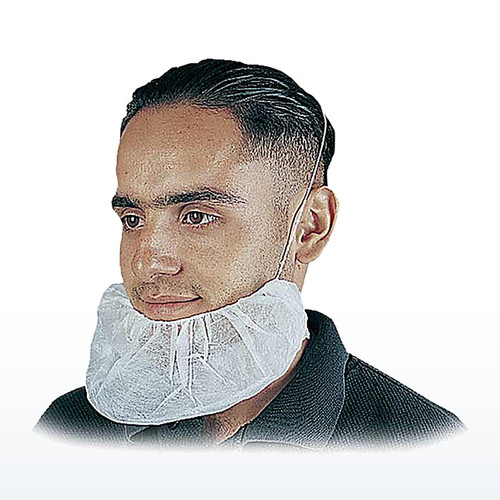 | 15803B | Liberty Safety APA 15803B Head & Face Covers, Blue polypropylene beard covers | $38.49 | ||
 | 15821B | Liberty Safety APA 15821B Head & Face Covers, Blue polypropylene 21" bouffant | $23.99 | ||
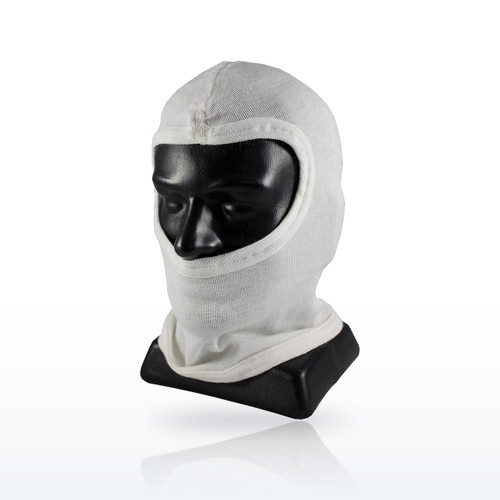 | 202-102 | PIP 202-102 Balaclavas, Nomex, 2-Layer, Full Face | $43.99 | ||
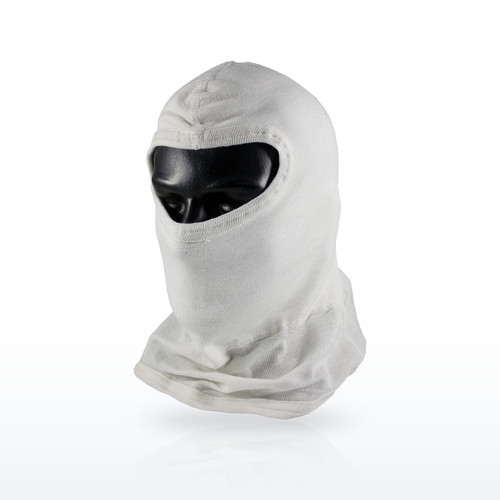 | 202-132 | PIP 202-132 Balaclavas, Nomex, 2-Layer, Slit Eye | $50.49 |
More: every arc-rated shield and hood.
Source: the manufacturers' product pages, specification sheets and catalogs as reproduced on each product page; the ratings and standards shown are the manufacturers' own statements, and the products listed are those whose published data names the rating or the standard, not a selection by Bayshore Safety.
Arc-rated harnesses (ASTM F887)
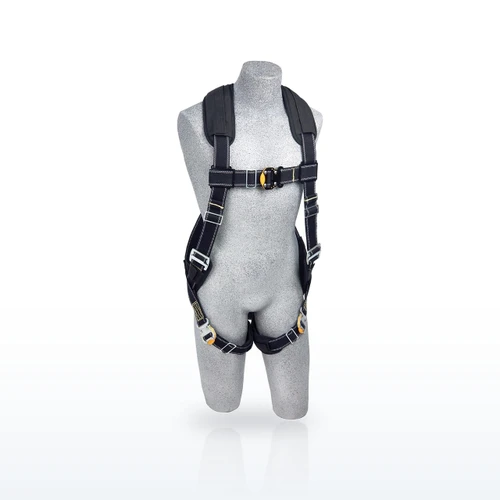
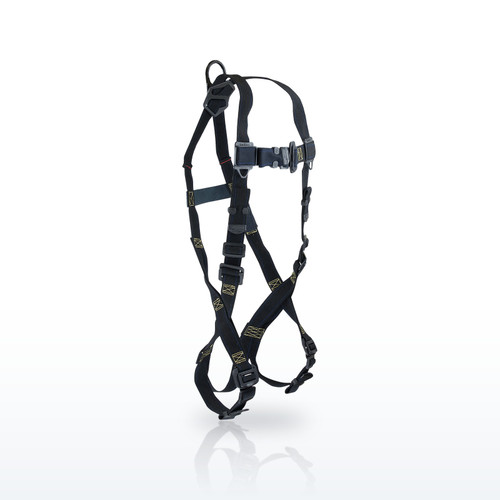
More: every arc-rated harness.
Source: the manufacturers' product pages, specification sheets and catalogs as reproduced on each product page; the ratings and standards shown are the manufacturers' own statements, and the products listed are those whose published data names the rating or the standard, not a selection by Bayshore Safety.
Guides that go further
NFPA 2112 vs ASTM F1506 · NFPA 70E PPE categories 1 to 4 · What is NFPA 70E, and how does it relate to OSHA · Arc-rated face shields and hoods · What PPE should an electrician wear · FR clothing for oil and gas · Arc flash and FR by cal rating, every garment.
ASTM F1506 Flame Resistant and Arc Rated Textile Materials for Electrical Workers questions
What does arc rating mean? The incident energy, in calories per square centimeter, that an arc-rated fabric withstands before there is a 50 percent probability of a second-degree burn through it (ATPV) or of the fabric breaking open (EBT), measured under ASTM F1959 and labeled under ASTM F1506. 1910.269(l)(8)(v) requires the rating to be at or above the estimated incident energy of the task.
Is ATPV the same as cal rating? Yes in practice: the "cal rating" on a garment is its arc rating in cal/cm², which is either the ATPV or the EBT, whichever the fabric reached first in testing. Both are used identically when matching clothing to the incident energy estimate or to an NFPA 70E category.
What is the difference between ATPV and EBT? ATPV (arc thermal performance value) is the energy at which heat through the intact fabric has a 50 percent chance of causing a second-degree burn; EBT (breakopen threshold energy) is the energy at which the fabric has a 50 percent chance of opening a hole. Thick, strong fabrics reach ATPV first; lighter knits often break open first and are labeled EBT. The label carries whichever is lower.
What is the minimum arc-rated clothing for PPE Category 2? An arc rating of at least 8 cal/cm², as NFPA 70E Table 130.7(C)(15)(c) sets it and MCR Safety's standards table repeats: arc-rated long-sleeve shirt and pants or coverall, plus an arc-rated face shield or hood, hard hat, safety glasses, hearing protection, heavy-duty leather gloves or arc-rated gloves and leather footwear.
Is all FR clothing arc rated? No. FR means the fabric passed a flame test (ASTM D6413) and does not continue to burn; arc rated means it was also tested under ASTM F1959 and labeled with a cal/cm² value under F1506. All arc-rated clothing is FR, but FR clothing tested only to NFPA 2112 for flash fire has no arc rating unless the manufacturer tested it, which 1910.269 Appendix E spells out.
Can I layer arc-rated garments to reach a higher rating? Yes, where the manufacturer has tested the layers together: F1506 and F1959 rate multi-layer systems as a system, and the system rating is higher than the sum of the individual layers because of the air gap. Manufacturers publish system ratings for their shirt-and-jacket or coverall-over-shirt combinations; an untested combination has only the rating of its outer layer.
The ratings, test results and standards shown here are the manufacturers' published values, reproduced as published. Nothing on this page is a recommendation by Bayshore Safety that any product is suitable for a particular task, hazard or workplace. Selecting safety products and protective equipment is the responsibility of the end user and the employer, based on their own hazard assessment and the regulations that apply to their work. Confirm every value on the manufacturer's own documentation before use.