
NFPA 2112 Flame-Resistant Clothing for Protection Against Short-Duration Thermal Exposures from Fire: what it requires and the equipment it names
NFPA 2112 is the flash fire clothing standard: the one behind "2112" on an FR coverall in oil and gas, refining, chemical plants and utilities. OSHA names no FR standard for flash fire but requires protective clothing under 1910.132 wherever the hazard assessment finds the exposure, and OSHA's 2010 enforcement memorandum on FR clothing in oil and gas drilling points employers to garments meeting 2112. We sell nationwide; ships in 1–2 business days; most orders arrive in 3–7 business days.
The plain answer
NFPA 2112, Standard on Flame-Resistant Clothing for Protection of Industrial Personnel Against Short-Duration Thermal Exposures from Fire, is the NFPA consensus standard for garments worn where a flash fire (a rapidly moving flame front from an ignited gas or vapor release, lasting about 3 seconds) can occur. OSHA does not incorporate it; 29 CFR 1910.132(a) and (d) require protective clothing selected by the hazard assessment, and OSHA's 2010 memorandum on flame-resistant clothing in oil and gas well drilling, servicing and production states that FR clothing is required where flash fire hazards exist and that garments meeting NFPA 2112 meet the intent. NFPA 2113 is the companion on selection, care and use.
As MCR Safety's and the other manufacturers' FR guides state it, a 2112 garment is made of fabric that passes the vertical flame test (ASTM D6413: 2 seconds or less afterflame, 4 inches or less char length, no melt or drip, after 100 launderings), thermal shrinkage of 10 percent or less at 500 °F for 5 minutes, heat transfer performance (HTP) of at least 6 cal/cm² spaced and 3 cal/cm² in contact, and a thermal protective performance test; the whole garment is then tested on an instrumented manikin under ASTM F1930 in a 3-second, 2 cal/cm² per second flash fire (6 cal/cm² total) and must show no more than 50 percent predicted second- and third-degree body burn. Garments are third-party certified (UL is the common certifier) and labeled with the standard, the edition and the certification mark, and the manufacturer publishes the manikin body burn result.
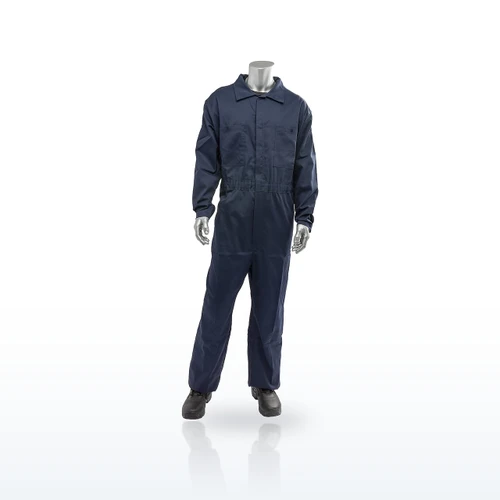
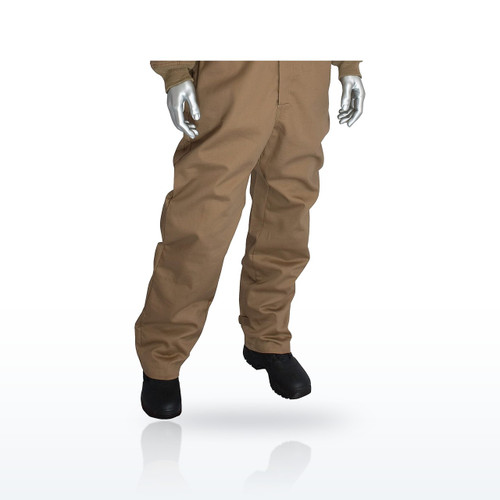
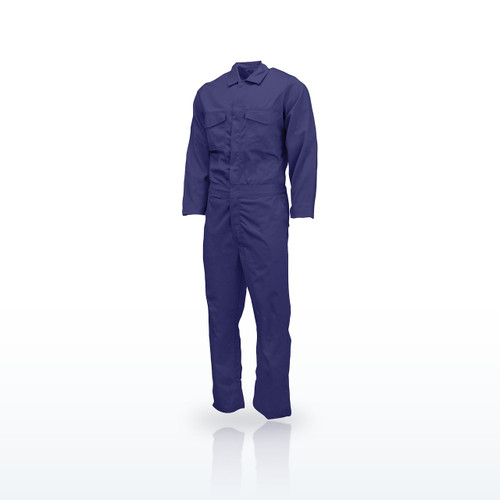
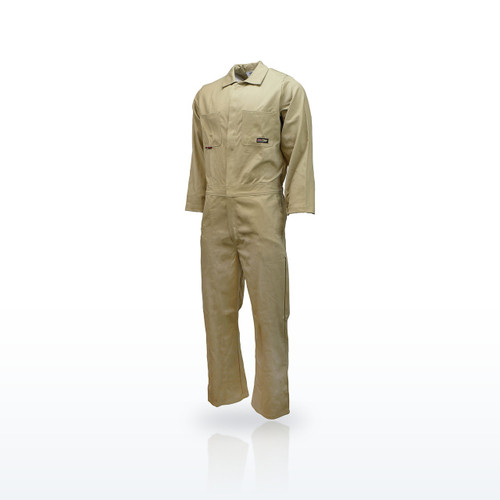
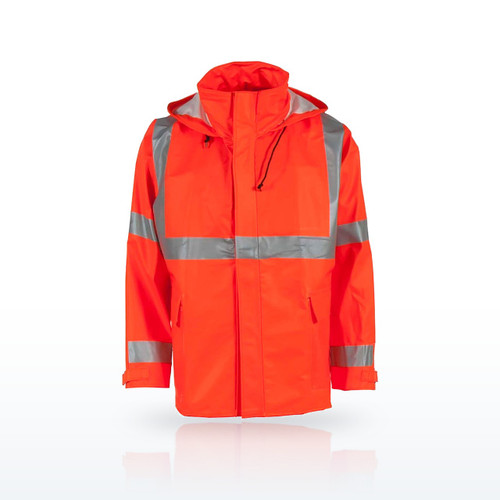
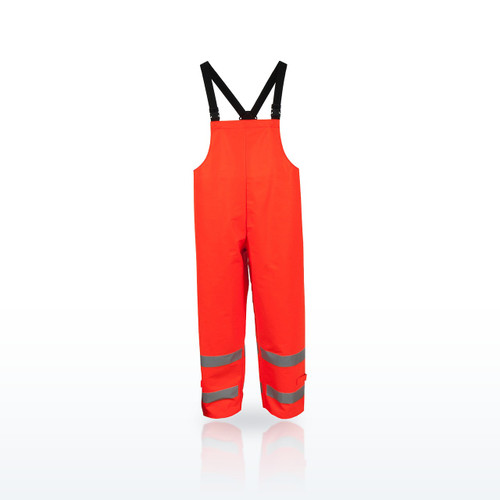
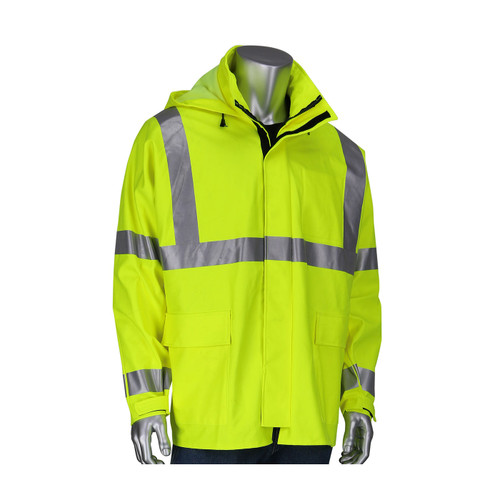
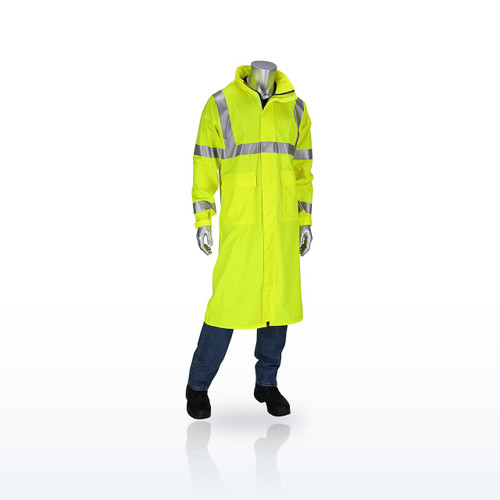
The equipment it names is FR coveralls, shirts, pants, jackets, bibs, rainwear (with ASTM F2733), hoods and balaclavas, and FR hi-vis garments, each certified and labeled NFPA 2112; a garment may also carry an ASTM F1506 arc rating when the manufacturer has tested it, which is a separate test for a different hazard.
What the rule says
Each entry is condensed from the paragraph cited; the paragraph itself is the rule and the link opens it.
29 CFR 1910.132(a): Protective clothing is provided, used and maintained wherever hazards of processes or the environment can cause injury through physical contact, which OSHA reads to include flash fire burns.
29 CFR 1910.132(d): The hazard assessment that identifies the flash fire exposure and selects the clothing.
OSHA enforcement memorandum, March 19, 2010: Flame-resistant clothing in oil and gas well drilling, servicing and production: OSHA states that FR clothing is required under 1910.132 where employees are exposed to flash fire hazards (drilling into known hydrocarbon zones, servicing wells, production facilities), and that FR clothing meeting NFPA 2112 is one way to meet the requirement.
29 CFR 1910.269(l)(8)(iii): For electrical exposures, no clothing that could melt or continue to burn; the same fabrics that pass 2112 pass this test, though 2112 does not give an arc rating.
29 CFR 1910.106 and 1910.119: Flammable liquids and process safety management: the rules that make a flash fire a recognized hazard in refineries and chemical plants, where the 1910.132 clothing duty follows.
Source: 29 CFR, Occupational Safety and Health Standards, as published by OSHA (ecfr.gov), read Nov 9 2026.
What the standard requires, as the manufacturers publish it
Fabric tests: vertical flame resistance under ASTM D6413 with an afterflame of 2 seconds or less and a char length of 4 inches or less, no melting or dripping, tested after 100 industrial launderings (or the care method on the label); thermal shrinkage of 10 percent or less after 5 minutes at 500 °F (260 °C); heat transfer performance (HTP) of at least 6 cal/cm² with a spacer and 3 cal/cm² in contact; thermal protective performance (TPP) for some components; and heat resistance of thread, labels, closures and reflective trim so nothing melts or ignites.
Garment test (ASTM F1930 manikin): a complete garment on an instrumented manikin with more than 100 heat sensors is exposed to a propane flash fire of 2 cal/cm² per second for 3 seconds (6 cal/cm² total); the predicted second- and third-degree body burn, computed from the sensor data, must not exceed 50 percent. Manufacturers publish the result (MCR Safety lists its ASTM F1930 body burn data by style), and a lower percentage is what buyers compare.
Certification and labeling: garments are certified by a third-party organization (commonly UL) that audits the manufacturer and retests, and carry a label with the standard, edition (2018 or 2023), certification mark, fiber content, size and care. NFPA 2113 sets how 2112 garments are selected (hazard assessment, coverage of the body, non-melting undergarments), worn (sleeves down, fully fastened) and maintained (laundering that does not destroy the FR treatment, retirement when worn or contaminated).
Relation to the other FR standards: ASTM F1506 rates arc flash protection in cal/cm² and is required for electrical work under NFPA 70E; NFPA 2112 rates flash fire protection by manikin body burn; a garment can carry both when the manufacturer has run both tests, and MCR Safety's oil and gas guide tabulates which of its styles do. ASTM F2733 is the flash fire rainwear companion, and NFPA 1977 (wildland) and 1971 (structural) are separate firefighter standards.
Source: MCR Safety, "Safety in the Oil and Gas Industry" guide (standards table) and "Flame-Resistant Clothing & PPE" product guide (ASTM F1930 test data); Portwest and PIP FR garment data sheets and labels; OSHA enforcement memorandum on FR clothing in oil and gas (March 19, 2010, osha.gov); our guides NFPA 2112 vs ASTM F1506 and FR clothing for oil and gas.
California (Cal/OSHA)
Each entry is condensed from the paragraph cited; the paragraph itself is the rule and the link opens it.
Title 8 §3380(f) and §3203: California requires the PPE hazard assessment and the injury and illness prevention program to identify the exposure; FR clothing follows from them, with Cal/OSHA's petroleum safety orders (Title 8 Group 2) governing the facilities where flash fire is a recognized hazard.
Source: California Code of Regulations, Title 8, as published by Cal/OSHA (dir.ca.gov), read Nov 9 2026.
Equipment the rule names
| Equipment or condition | What the rule requires | Paragraph |
|---|---|---|
| FR garment certified to NFPA 2112 | Fabric: D6413 afterflame 2 s or less, char 4 in or less, no melt or drip after 100 launderings; shrinkage 10 percent or less; HTP 6 and 3 cal/cm² | NFPA 2112 as the manufacturers state it |
| Manikin flash fire test | ASTM F1930, 3 seconds at 2 cal/cm² per second; predicted body burn 50 percent or less | NFPA 2112 as stated; MCR Safety test data |
| Certification label | Third-party certified (UL); standard, edition, mark, fiber, size, care | NFPA 2112 as labeled |
| Undergarments | Non-melting fibers (cotton, wool, FR) under the garment, per NFPA 2113 | NFPA 2113 as the manufacturers state it |
| FR rainwear | ASTM F2733 companion | Manufacturers' statements |
| Arc rating | Separate ASTM F1506 test where the garment also carries one | Manufacturers' statements |
| OSHA basis | 1910.132(a) and (d); 2010 memorandum for oil and gas | 29 CFR 1910.132; OSHA memorandum |
Source: 29 CFR, Occupational Safety and Health Standards, as published by OSHA (ecfr.gov), read Nov 9 2026.
What we carry for it
Each table lists products whose manufacturer data states the rating or the standard the rule names, every brand we carry that does, with the current price. Sizes and versions are chosen on the product page. The selector linked under each table holds every item of that type.
FR coveralls citing NFPA 2112
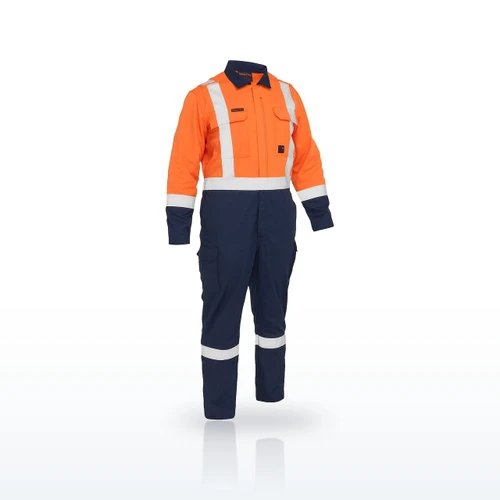
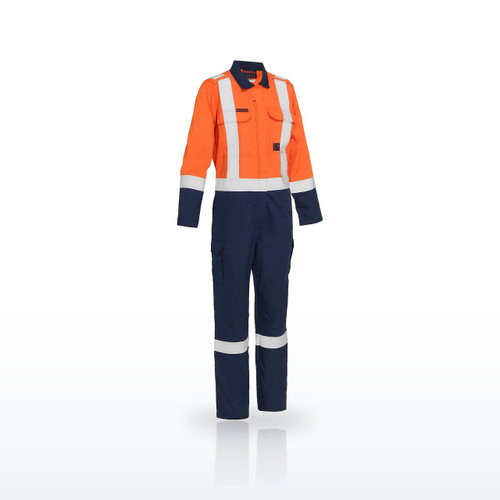
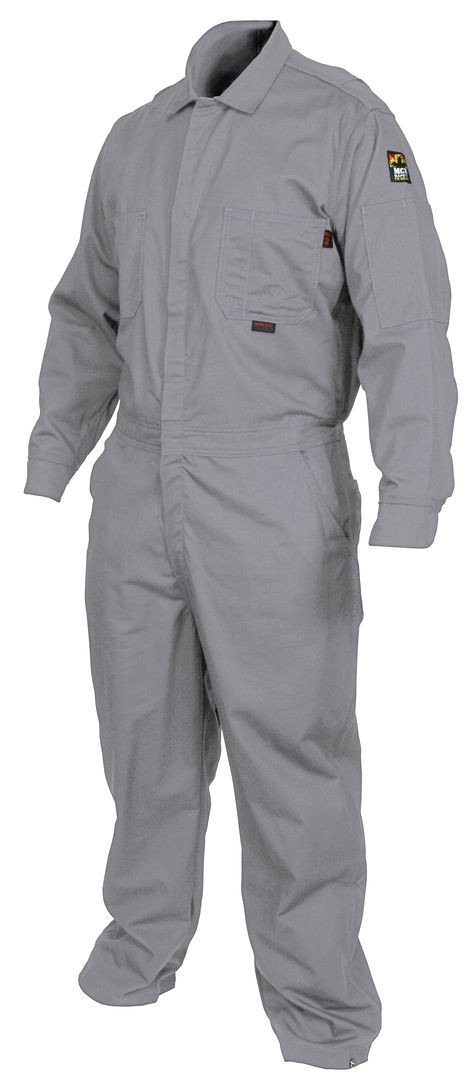

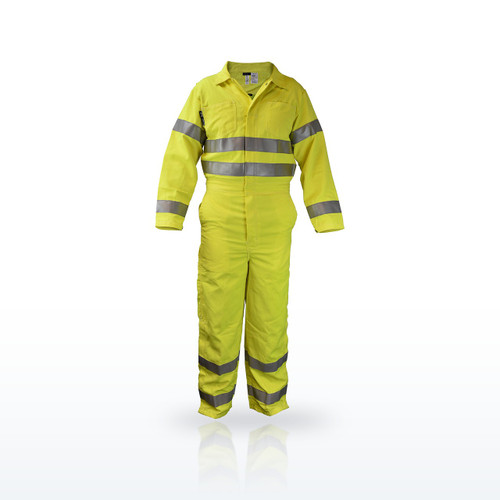


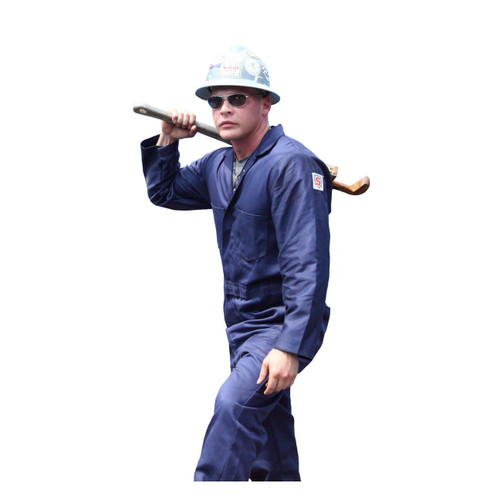
More: every FR coverall by brand.
Source: the manufacturers' product pages, specification sheets and catalogs as reproduced on each product page; the ratings and standards shown are the manufacturers' own statements, and the products listed are those whose published data names the rating or the standard, not a selection by Bayshore Safety.
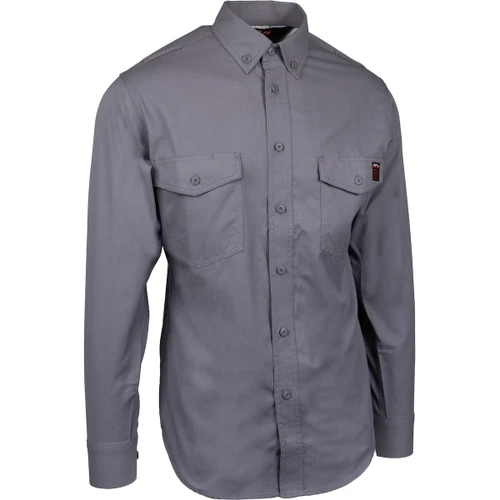
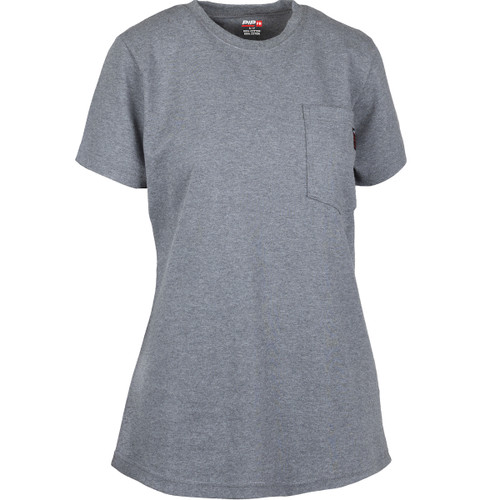
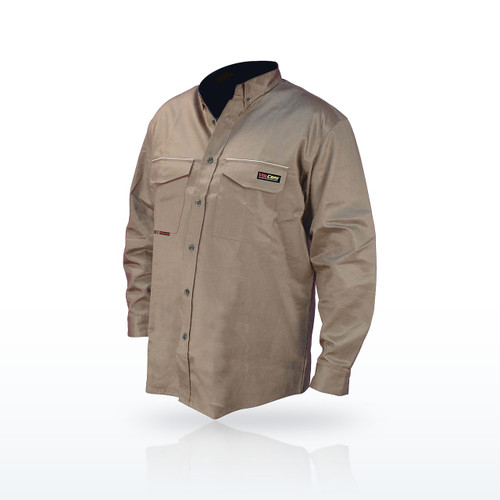
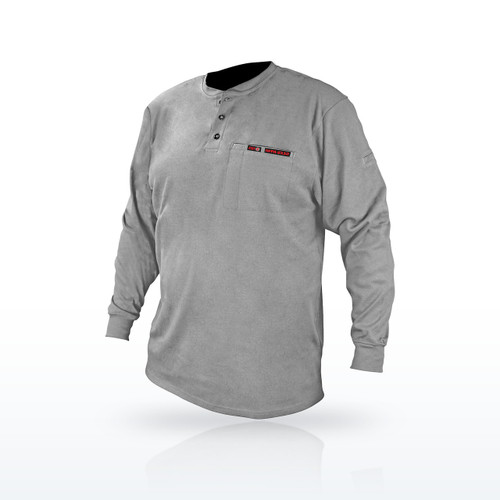
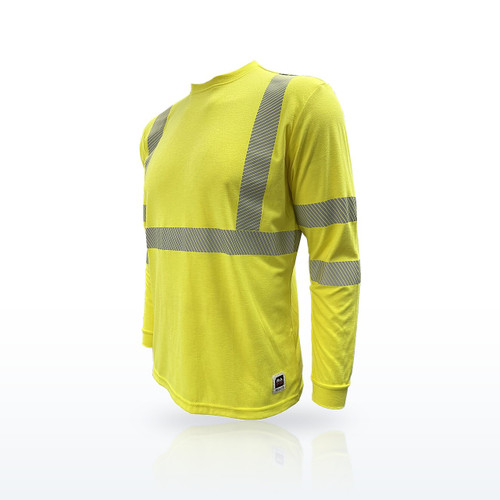
FR shirts citing NFPA 2112
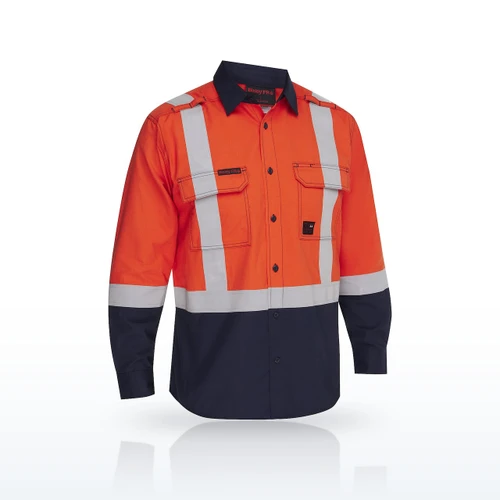
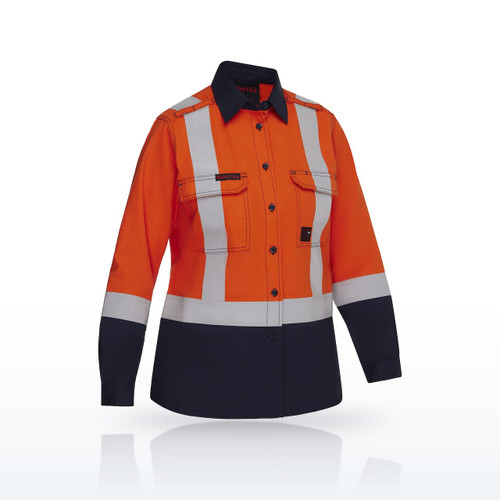
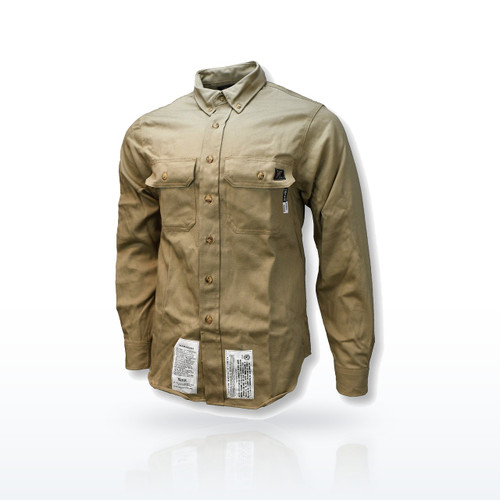


More: every FR shirt.
Source: the manufacturers' product pages, specification sheets and catalogs as reproduced on each product page; the ratings and standards shown are the manufacturers' own statements, and the products listed are those whose published data names the rating or the standard, not a selection by Bayshore Safety.
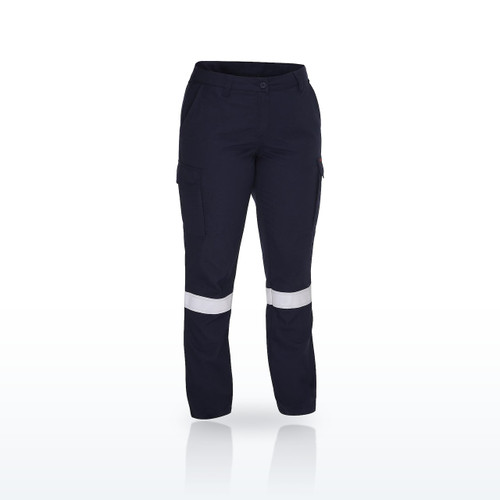
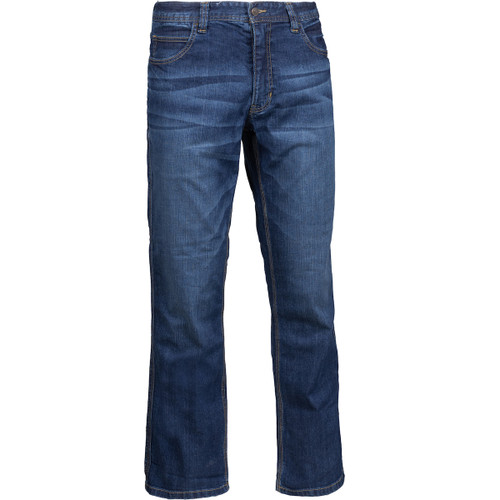
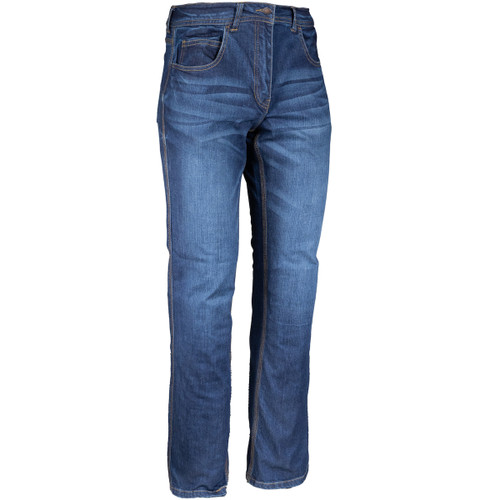
FR pants, bibs and jackets citing NFPA 2112



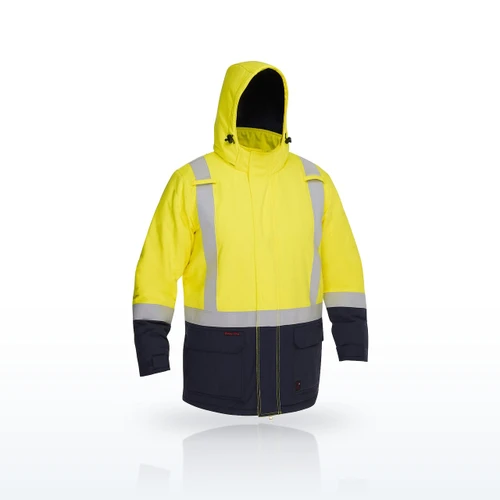
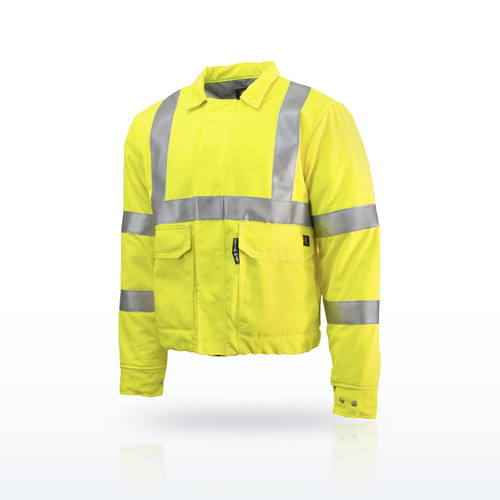
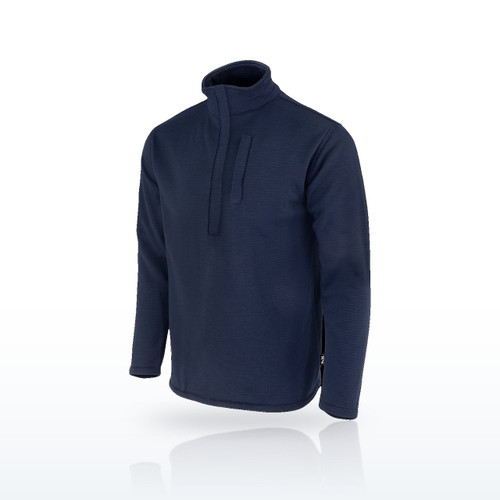
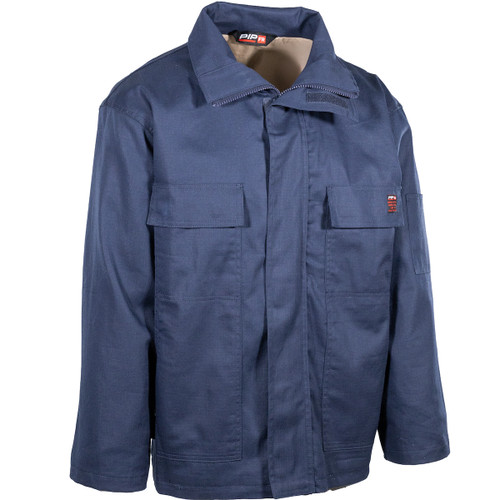
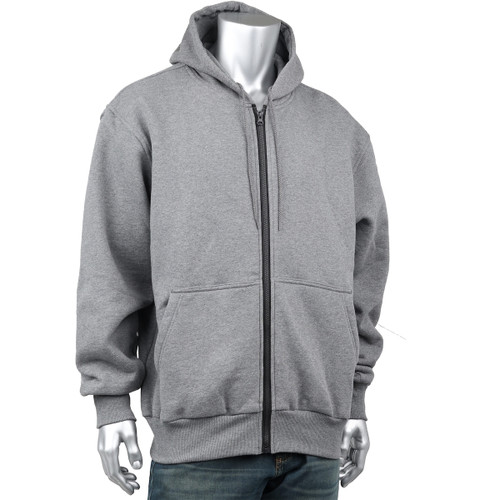
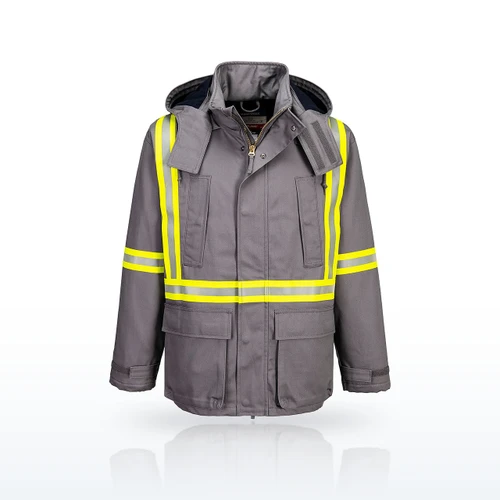
More: every FR pant, bib and jacket.
Source: the manufacturers' product pages, specification sheets and catalogs as reproduced on each product page; the ratings and standards shown are the manufacturers' own statements, and the products listed are those whose published data names the rating or the standard, not a selection by Bayshore Safety.
FR rainwear (ASTM F2733 and NFPA 2112)
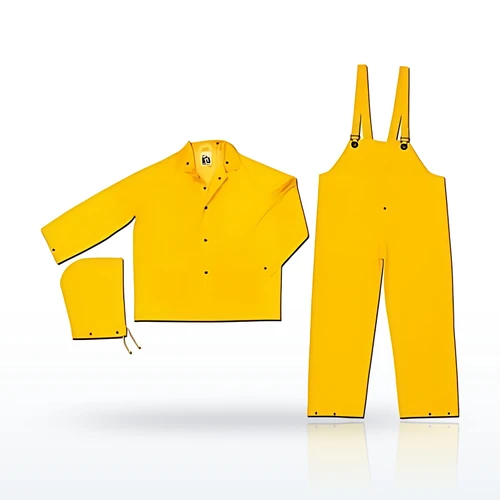

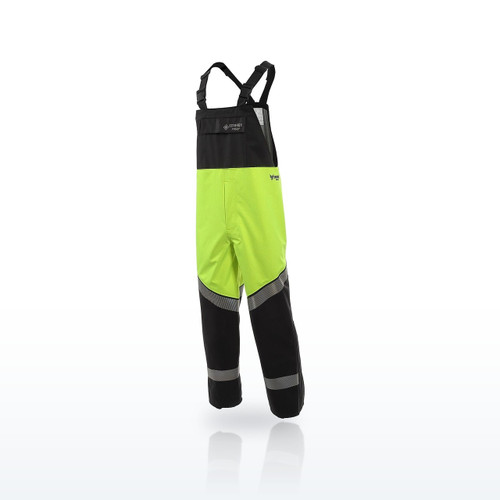

More: every FR rain jacket and bib.
Source: the manufacturers' product pages, specification sheets and catalogs as reproduced on each product page; the ratings and standards shown are the manufacturers' own statements, and the products listed are those whose published data names the rating or the standard, not a selection by Bayshore Safety.
FR hi-vis garments
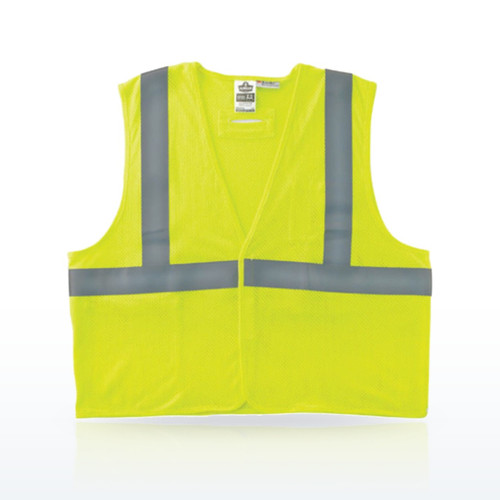
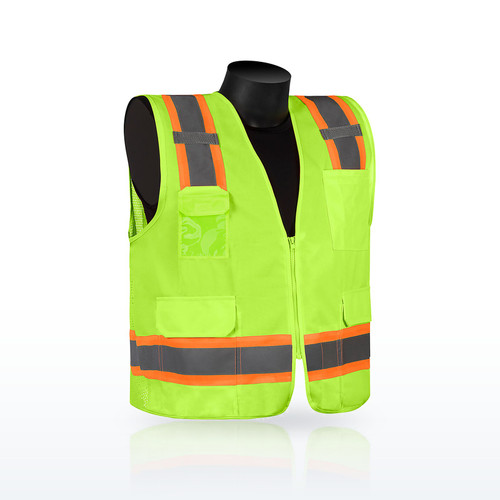

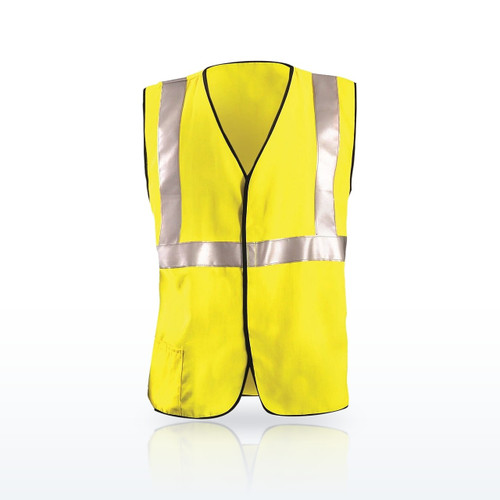
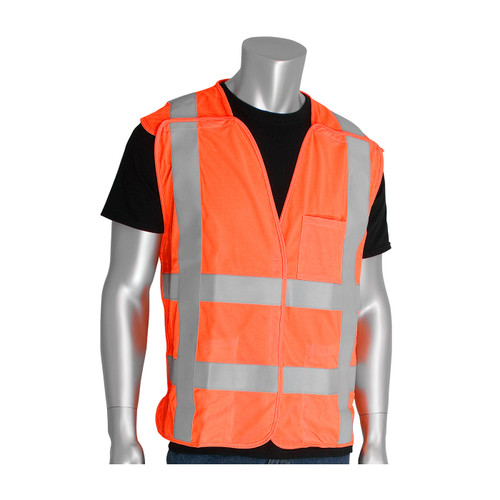
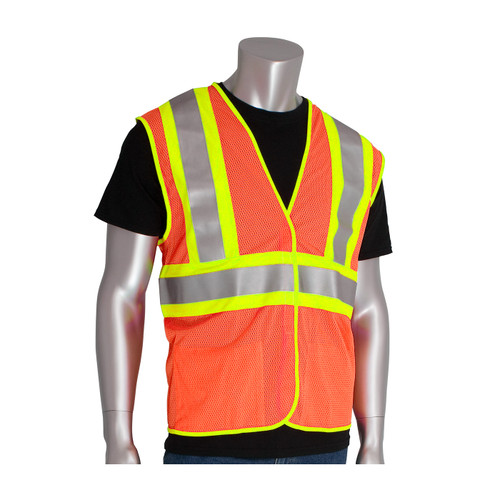
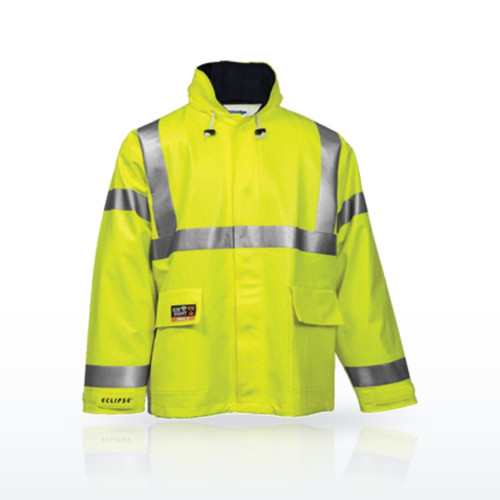
More: every FR hi-vis garment.
Source: the manufacturers' product pages, specification sheets and catalogs as reproduced on each product page; the ratings and standards shown are the manufacturers' own statements, and the products listed are those whose published data names the rating or the standard, not a selection by Bayshore Safety.
FR balaclavas, hoods and head covers
| Part number | Item | Rating stated | Price | ||
|---|---|---|---|---|---|
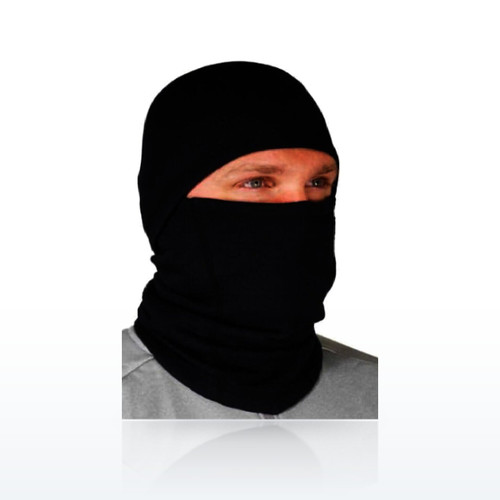 | 16847 | Ergodyne 16847 Hard Hat Winter Liners, N-Ferno Polartec FR Hinged Balaclava | 20 cal/cm2, ASTM F1506; NFPA 70E; NFPA 2112 | $50.09 | |
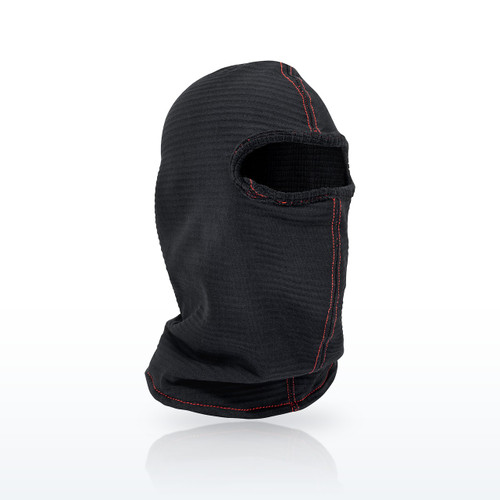 | BALACLAVA | Neese BALACLAVA FR Balaclavas, 20 cal/cm2 CAT 2 | 20 cal/cm2, ASTM F1506; NFPA 70E; NFPA 2112 | $37.99 | Choose on the page |
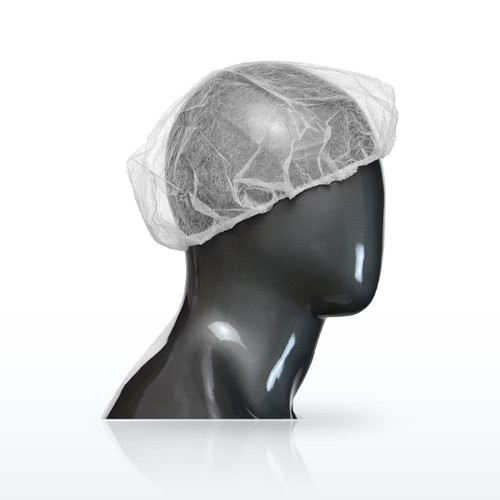 | UB-1000 | PIP UB-1000 Disposable Bouffant Caps, Spunbond Polypropylene | 21 CFR | $39.99 | Choose on the page |
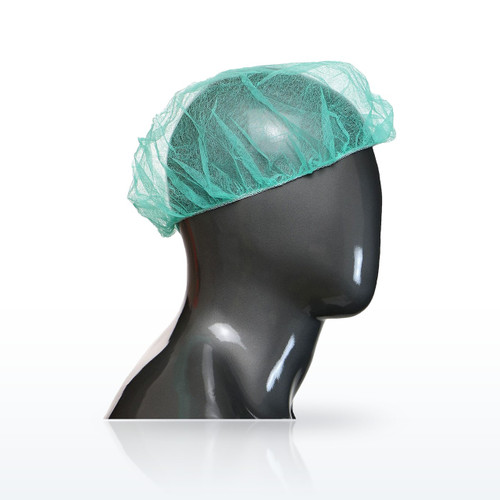 | UB-1000G | PIP UB-1000G Disposable Bouffant Caps, Spunbond Polypropylene | 21 CFR | $43.99 | Choose on the page |
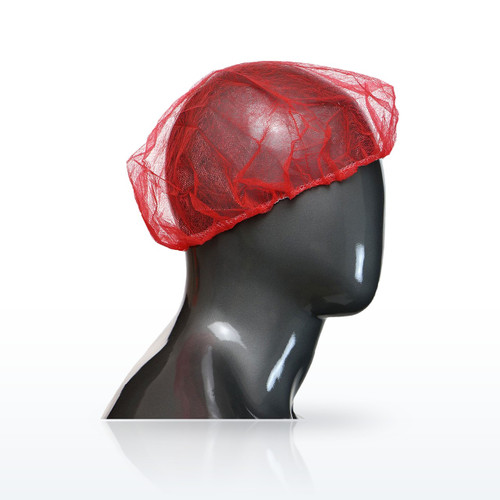 | UB-1000R | PIP UB-1000R Disposable Bouffant Caps, Spunbond Polypropylene | 21 CFR | $44.99 | Choose on the page |
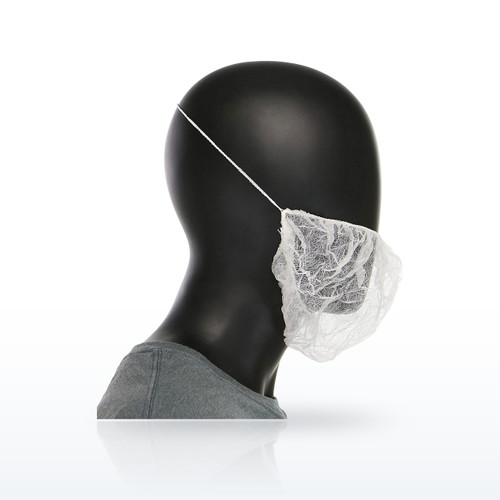 | UBC-1000 | PIP UBC-1000 Disposable Beard Covers, Spunbond Polypropylene | 21 CFR | $43.49 | |
 | IOP364NAR | Portwest IOP364 FR Hoods, ATPV 23 cal/cm², CAT 2 | 23 cal/cm2, NFPA 2112; NFPA 70E; ASTM F1959 ATPV 23 cal/cm2; C | $27.99 | |
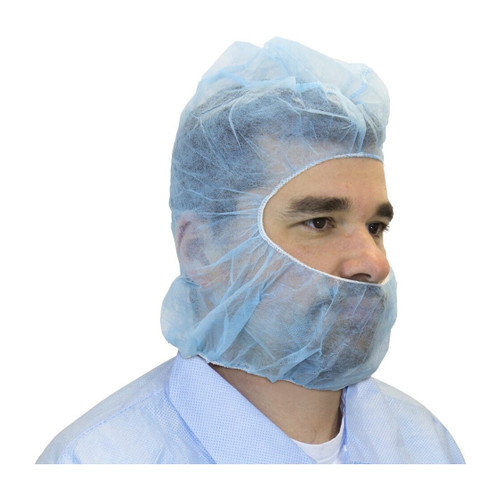 | M2302WXLSZ | Safety Zone M2302WXLSZ Head & Face Covers, Disposable Polypropylene Hood, White | FDA 21 CFR 110.10; FDA 21 CFR 177.1950 | $18.98 |
More: every FR head cover.
Source: the manufacturers' product pages, specification sheets and catalogs as reproduced on each product page; the ratings and standards shown are the manufacturers' own statements, and the products listed are those whose published data names the rating or the standard, not a selection by Bayshore Safety.
Guides that go further
NFPA 2112 vs ASTM F1506 · FR clothing for oil and gas · What is NFPA 70E, and how does it relate to OSHA · NFPA 70E PPE categories 1 to 4 · Is welding dangerous · Arc flash and FR by cal rating, every garment.
NFPA 2112 Flame-Resistant Clothing for Protection Against Short-Duration Thermal Exposures from Fire questions
What does NFPA 2112 mean on FR clothing? That the garment was certified to NFPA 2112, the flash fire standard: its fabric passed the vertical flame, shrinkage and heat transfer tests, and the whole garment was exposed to a 3-second flash fire on an instrumented manikin (ASTM F1930) with no more than 50 percent predicted body burn, with a third-party certifier's mark on the label.
What does FR rated clothing mean? Flame resistant: the fabric self-extinguishes when the flame source is removed, measured by the vertical flame test ASTM D6413 (afterflame 2 seconds or less, limited char length, no melting or dripping), either because the fiber is inherently FR or because the cotton or blend is treated. FR by itself is a fabric property; NFPA 2112 certifies the garment for flash fire and ASTM F1506 adds an arc rating for electrical work.
What are the differences between NFPA 2112 and NFPA 70E? Different hazards and different kinds of document. NFPA 2112 is a garment standard for flash fire (a 3-second hydrocarbon fire), tested by manikin body burn; NFPA 70E is a work-practice standard for electrical safety that requires arc-rated clothing (tested and labeled in cal/cm² under ASTM F1506) by incident energy or category. A garment can meet 2112 and carry an F1506 arc rating, and manufacturers label both when they have tested both.
Is FR clothing required by OSHA? OSHA has no rule that says "FR clothing" for flash fire; it requires protective clothing under 1910.132(a) wherever the hazard assessment finds the exposure, and its March 2010 memorandum says FR clothing is required in oil and gas drilling, servicing and production where flash fire hazards exist, naming NFPA 2112 garments as meeting the intent. For electrical arcs, 1910.269(l)(8) requires arc-rated clothing directly.
What does cat 2 2112 mean? A garment that carries both labels: certified to NFPA 2112 for flash fire and rated at 8 cal/cm² or more under ASTM F1506, which meets NFPA 70E PPE Category 2. The two tests are separate; manufacturers list both on the label when the garment has passed both, as MCR Safety's dual-rated styles do.
What is the difference between NFPA 2112 and 2113? 2112 is the garment standard (what the fabric and garment must pass to be certified); 2113 is the companion on selection, care, use and maintenance: the hazard assessment that chooses the garment, how it is worn (fully fastened, sleeves down, over non-melting underlayers), how it is laundered so the FR performance lasts, and when it is retired.
The ratings, test results and standards shown here are the manufacturers' published values, reproduced as published. Nothing on this page is a recommendation by Bayshore Safety that any product is suitable for a particular task, hazard or workplace. Selecting safety products and protective equipment is the responsibility of the end user and the employer, based on their own hazard assessment and the regulations that apply to their work. Confirm every value on the manufacturer's own documentation before use.