
OSHA 1910.132 Personal Protective Equipment, General Requirements: what it requires and the equipment it names
29 CFR 1910.132 is the rule behind every other PPE rule in general industry: the hazard assessment, the selection and fit of PPE, who pays for it and the training. The paragraphs are condensed and linked below, with the protective equipment we carry by type. We sell nationwide; ships in 1–2 business days; most orders arrive in 3–7 business days.
The plain answer
29 CFR 1910.132 requires an employer to assess the workplace for hazards, select PPE that protects against the hazards found, have each affected employee use it, fit it properly, pay for it with listed exceptions, and train each employee before use.
It applies to every general industry employer whose employees face hazards from processes, the environment, chemicals, radiation or mechanical irritants that PPE for the eyes, face, head, extremities, protective clothing, respirators and shields can address.
The rule names no product. The specific rules that follow it (1910.133 eye and face, 1910.135 head, 1910.136 foot, 1910.138 hand) name the consensus standards, and the hazard assessment under paragraph (d) decides which equipment each job gets.
What the rule says
Each entry is condensed from the paragraph cited; the paragraph itself is the rule and the link opens it.
29 CFR 1910.132(a): Protective equipment, including PPE for the eyes, face, head and extremities, protective clothing, respiratory devices and protective shields and barriers, must be provided, used and maintained in a sanitary and reliable condition wherever hazards of processes or the environment, chemical or radiological hazards, or mechanical irritants can cause injury or impairment through absorption, inhalation or physical contact.
29 CFR 1910.132(b): Where employees provide their own protective equipment, the employer is responsible for assuring its adequacy, including maintenance and sanitation.
29 CFR 1910.132(c): All PPE must be of safe design and construction for the work to be performed.
29 CFR 1910.132(d)(1): The employer must assess the workplace to determine whether hazards are present or likely to be present that require PPE; if so, the employer must select the types of PPE that will protect against the hazards identified, communicate the selection decisions to each affected employee, and select PPE that properly fits each affected employee.
29 CFR 1910.132(d)(2): The employer must verify that the hazard assessment was performed through a written certification identifying the workplace evaluated, the person certifying the evaluation, the date, and the document as a certification of hazard assessment.
29 CFR 1910.132(e): Defective or damaged PPE must not be used.
29 CFR 1910.132(f)(1): The employer must train each employee required to use PPE to know at least: when PPE is necessary; what PPE is necessary; how to don, doff, adjust and wear it; its limitations; and its proper care, maintenance, useful life and disposal.
29 CFR 1910.132(f)(2)-(4): Each affected employee must demonstrate understanding and the ability to use the PPE properly before being allowed to perform work requiring it; retraining is required when workplace changes or changes in PPE make earlier training obsolete, or when the employee shows inadequate knowledge or use; the employer certifies the training in writing with the employee name, dates and subject.
29 CFR 1910.132(h): The protective equipment used to comply with Part 1910 must be provided by the employer at no cost to employees, with exceptions for non-specialty safety-toe footwear and non-specialty prescription safety eyewear that may be worn off the job, everyday clothing and weather gear, items an employee loses or intentionally damages, and employee-owned equipment the employer did not require.
Source: 29 CFR, Occupational Safety and Health Standards, as published by OSHA (ecfr.gov), read Nov 9 2026.
California (Cal/OSHA)
Each entry is condensed from the paragraph cited; the paragraph itself is the rule and the link opens it.
Title 8 §3380(f): Cal/OSHA carries the same hazard assessment and selection duty: the employer assesses the workplace, selects PPE that protects against the hazards identified and properly fits each employee, communicates the selections, and documents the assessment in a written certification.
Title 8 §3380(c)-(e): The employer must assure that the employee is instructed in and uses protective equipment according to the manufacturer's instructions; all required PPE for the eyes, face, head, hand, foot and extremities, protective clothing and respiratory protection must meet the applicable Title 8 standards and be maintained in a safe, sanitary condition; protectors must be of such design, fit and durability as to provide adequate protection and be reasonably comfortable.
Source: California Code of Regulations, Title 8, as published by Cal/OSHA (dir.ca.gov), read Nov 9 2026.
Equipment the rule names
| Equipment or condition | What the rule requires | Paragraph |
|---|---|---|
| Eye and face protection | Selected under the hazard assessment; must meet 1910.133 (ANSI/ISEA Z87.1) | 29 CFR 1910.132(d) |
| Head protection | Must meet 1910.135 (ANSI Z89.1) | 29 CFR 1910.132(d) |
| Foot protection | Must meet 1910.136 (ASTM F2412 and F2413, or ANSI Z41) | 29 CFR 1910.132(d) |
| Hand protection | Selected under 1910.138 on the performance characteristics relative to the task | 29 CFR 1910.132(d) |
| Fit | PPE must properly fit each affected employee | 29 CFR 1910.132(d)(1)(iii) |
| Payment | Employer pays, except non-specialty safety-toe footwear and non-specialty prescription safety eyewear worn off the job | 29 CFR 1910.132(h) |
| Training | Before use, with demonstrated understanding and written certification | 29 CFR 1910.132(f) |
Source: 29 CFR, Occupational Safety and Health Standards, as published by OSHA (ecfr.gov), read Nov 9 2026.
What we carry for it
The rule itself names no product, so the tables below show one view of each PPE type the hazard assessment commonly assigns, with the rating the manufacturer states. Each type has its own rule page and selector.
Safety glasses rated to ANSI/ISEA Z87.1 by their manufacturers
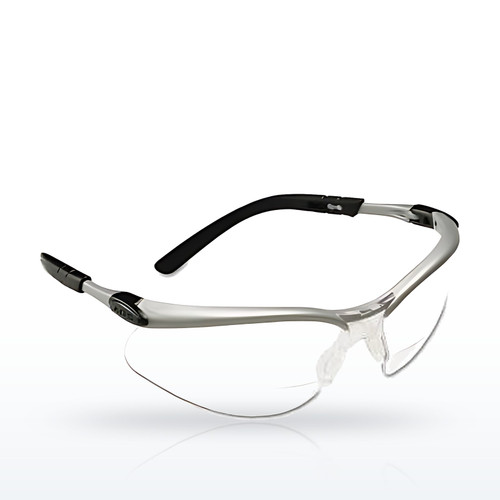
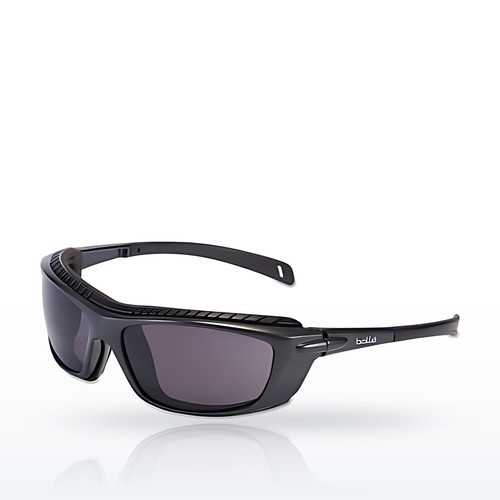
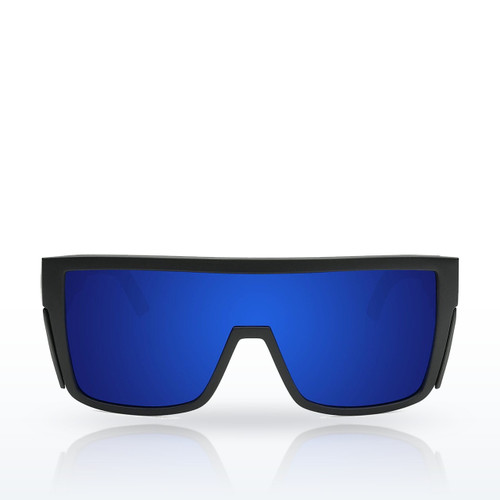
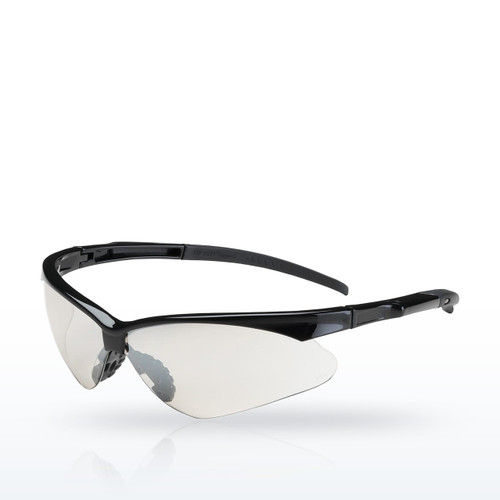

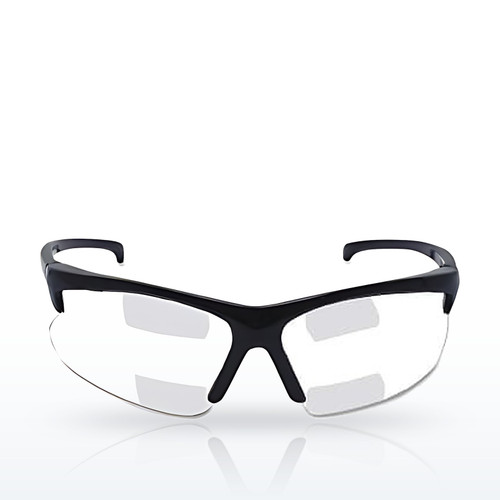

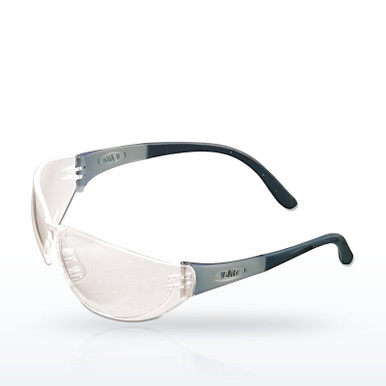
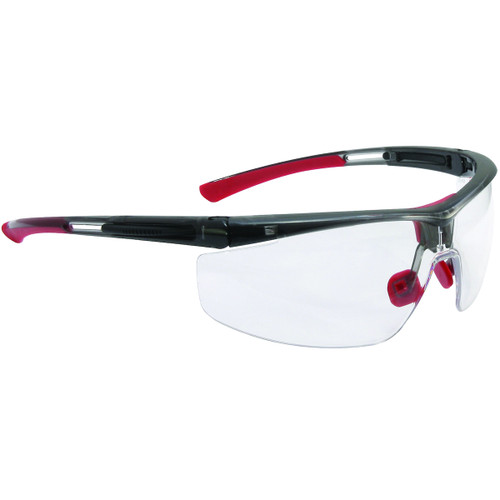
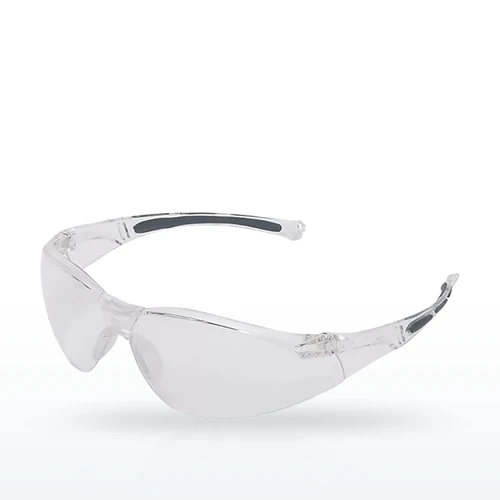
More: every safety glass, goggle and face shield by Z87 mark, tint and brand.
Source: the manufacturers' product pages, specification sheets and catalogs as reproduced on each product page; the ratings and standards shown are the manufacturers' own statements, and the products listed are those whose published data names the rating or the standard, not a selection by Bayshore Safety.
Hard hats and safety helmets rated to ANSI/ISEA Z89.1
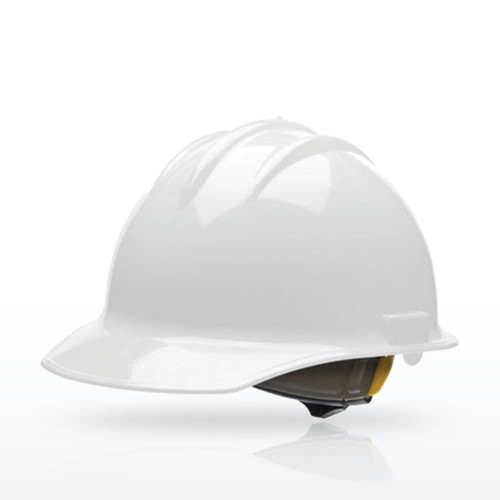
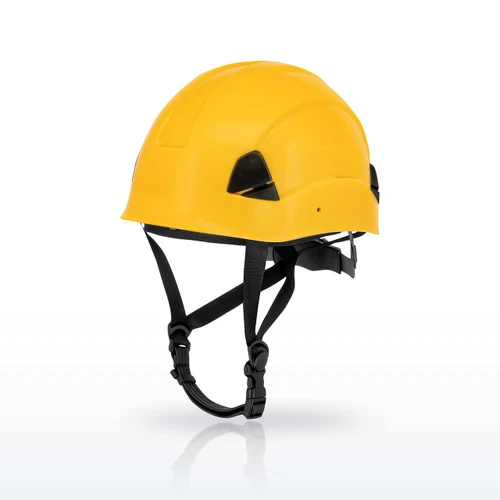

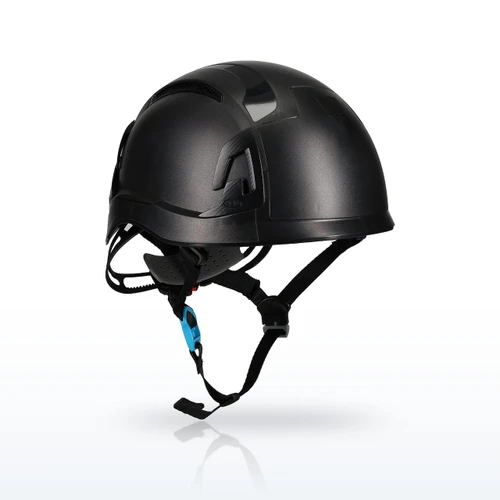
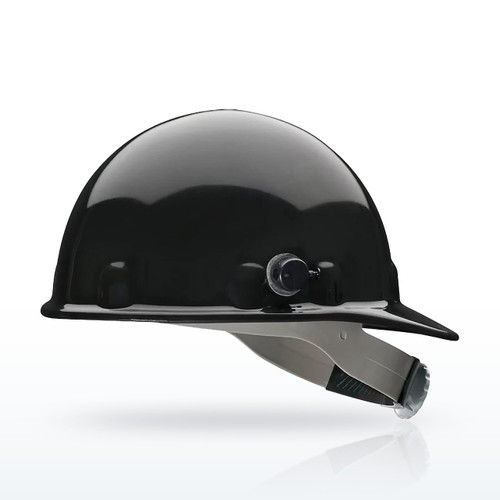
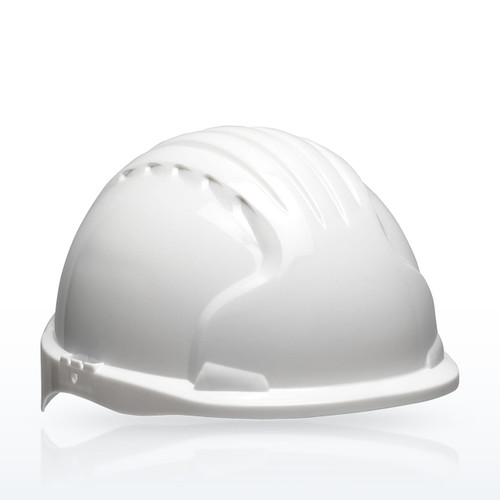
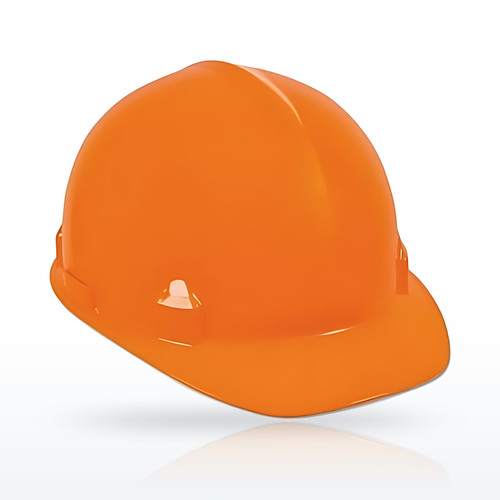
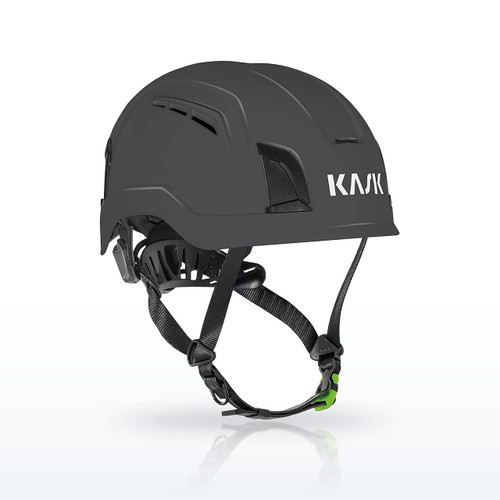
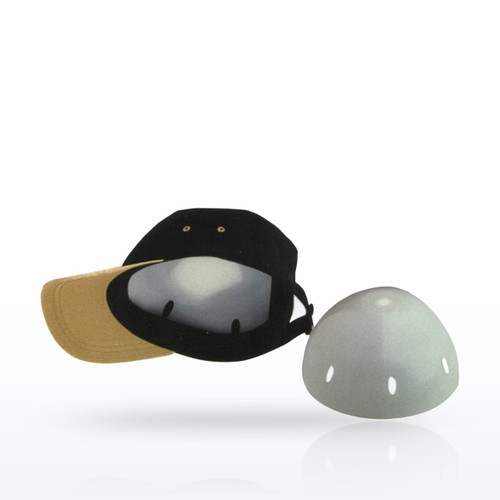
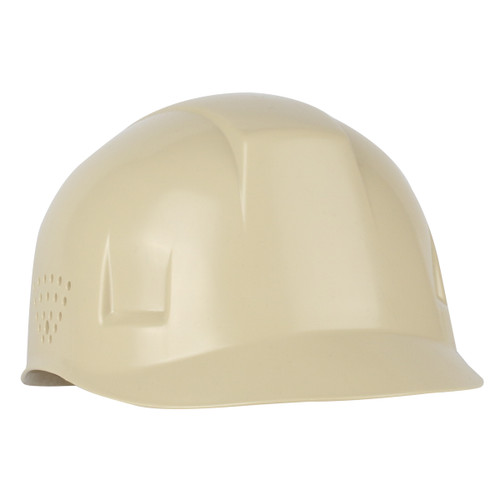
More: every hard hat and helmet by Type and Class.
Source: the manufacturers' product pages, specification sheets and catalogs as reproduced on each product page; the ratings and standards shown are the manufacturers' own statements, and the products listed are those whose published data names the rating or the standard, not a selection by Bayshore Safety.
Cut-resistant gloves with an ANSI/ISEA 105 cut level
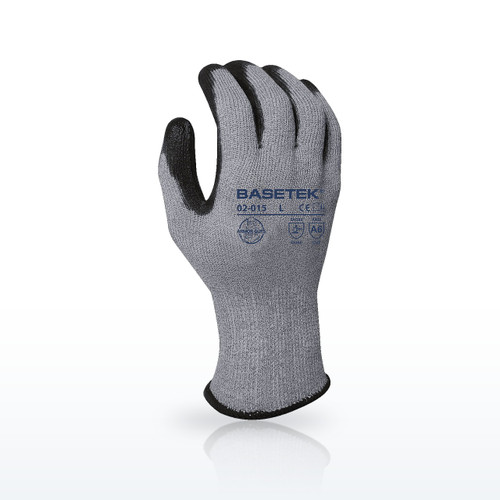
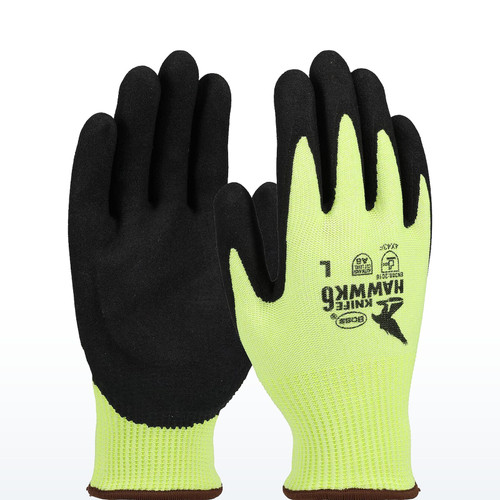
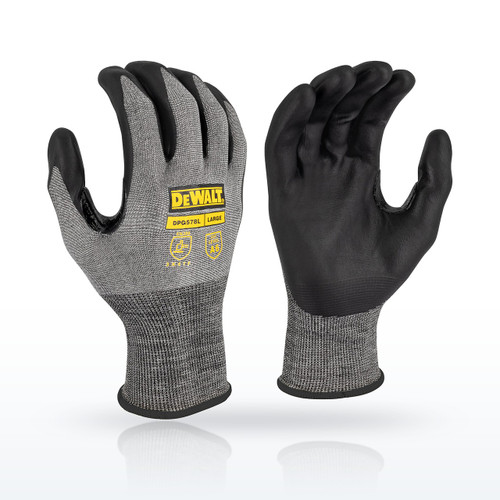
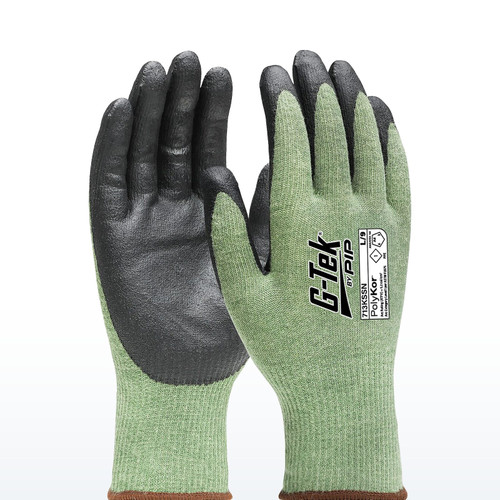
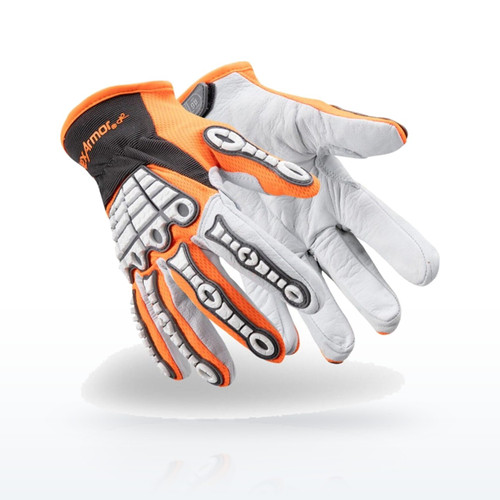

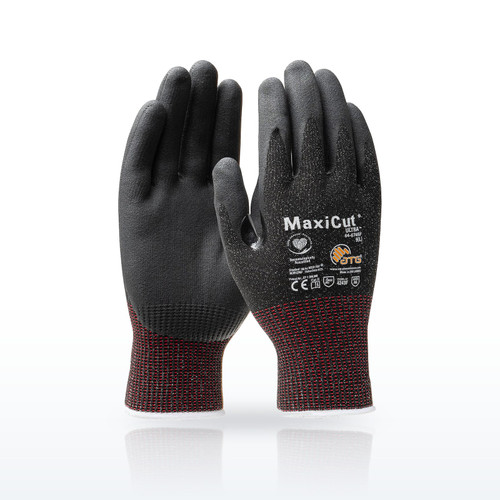

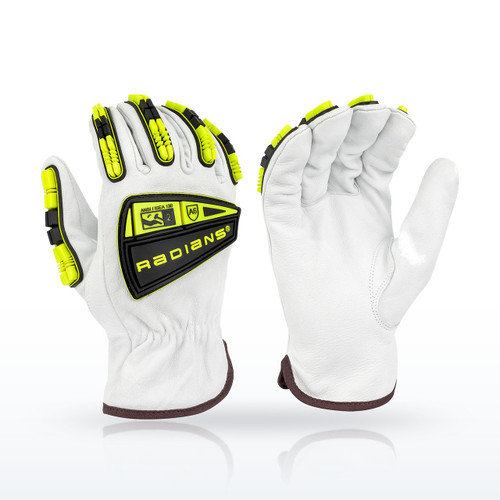
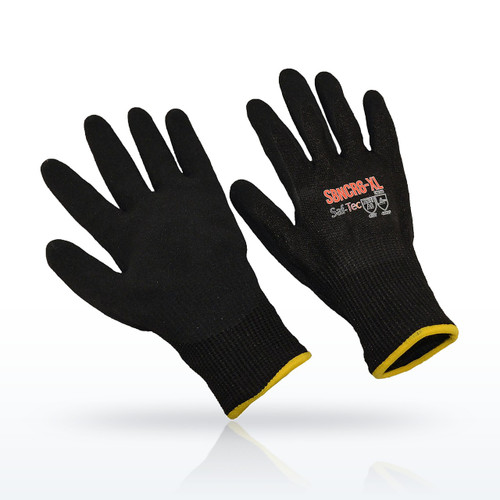
More: every glove by job, cut level and coating.
Source: the manufacturers' product pages, specification sheets and catalogs as reproduced on each product page; the ratings and standards shown are the manufacturers' own statements, and the products listed are those whose published data names the rating or the standard, not a selection by Bayshore Safety.
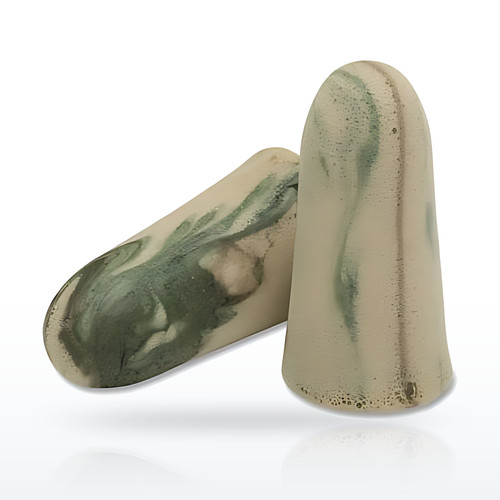
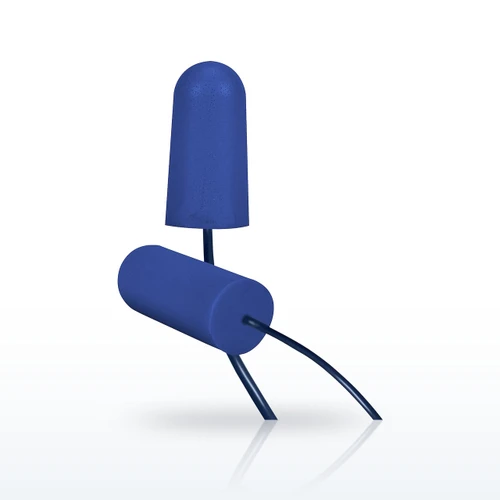
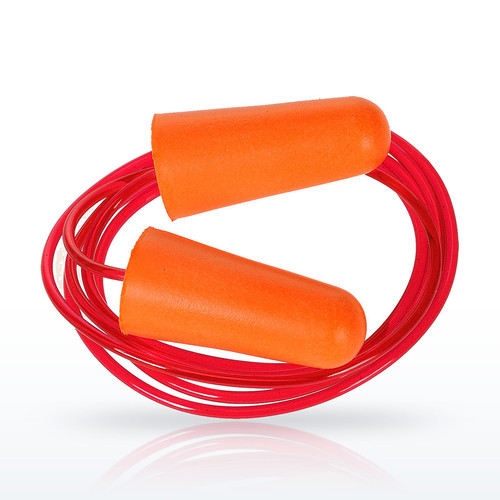
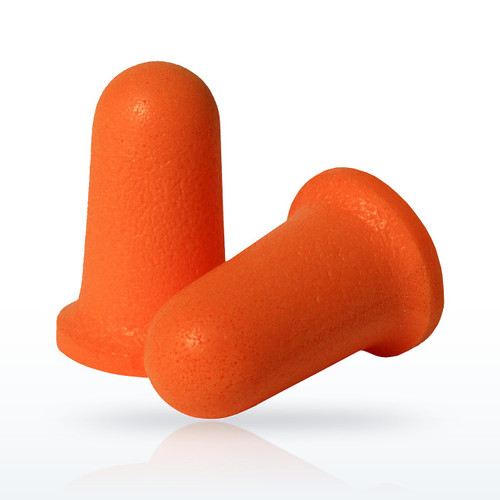
Hearing protectors with an EPA-labeled NRR
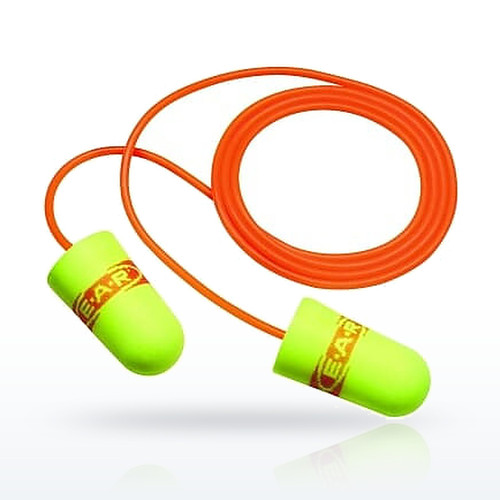

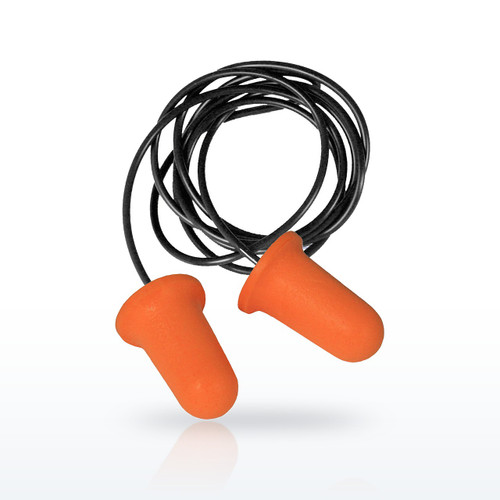
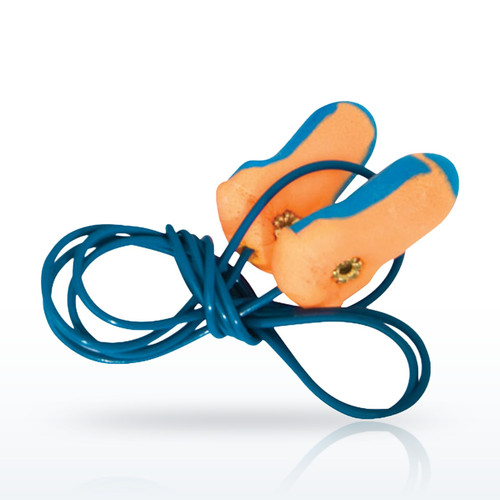
More: every earplug and earmuff by NRR.
Source: the manufacturers' product pages, specification sheets and catalogs as reproduced on each product page; the ratings and standards shown are the manufacturers' own statements, and the products listed are those whose published data names the rating or the standard, not a selection by Bayshore Safety.
Hi-vis garments rated to ANSI/ISEA 107
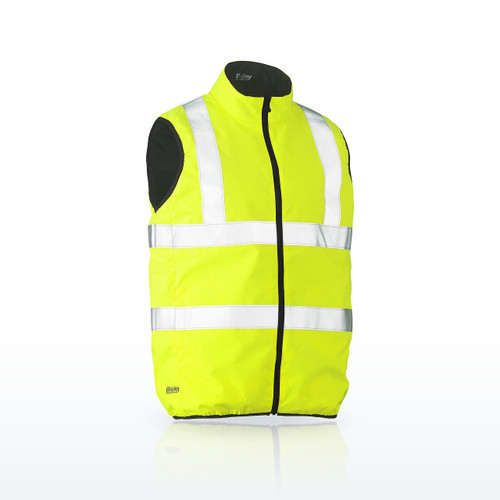
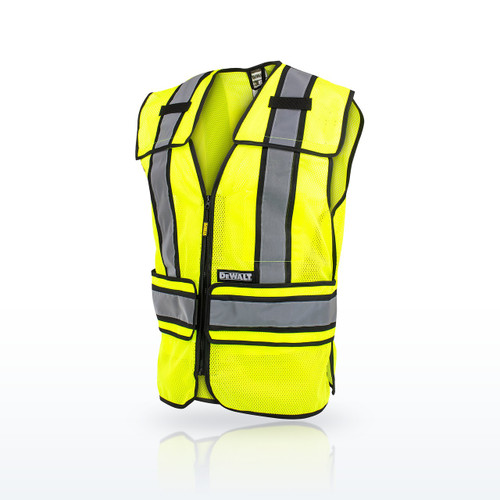
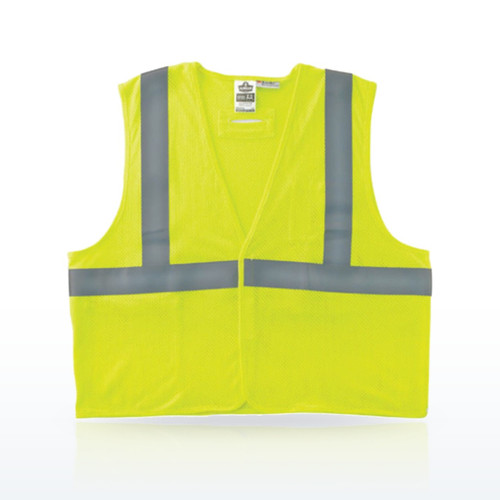
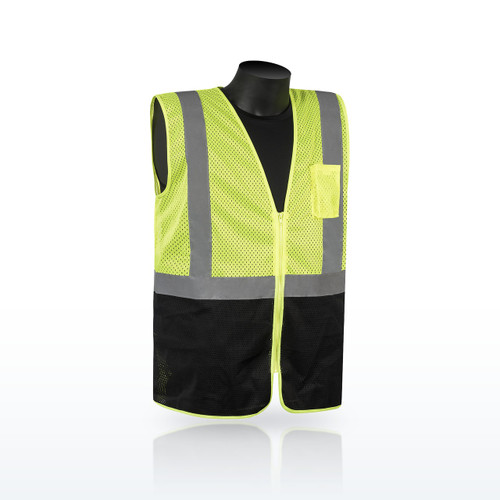
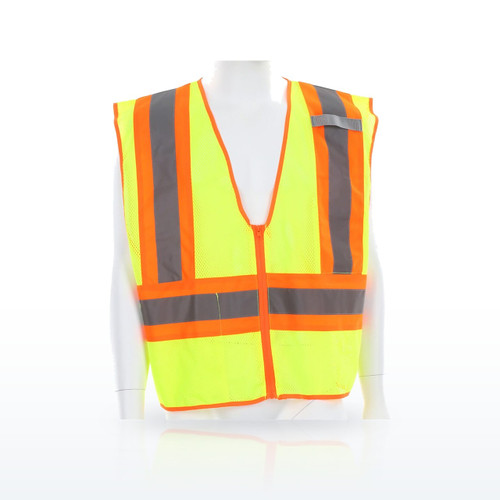

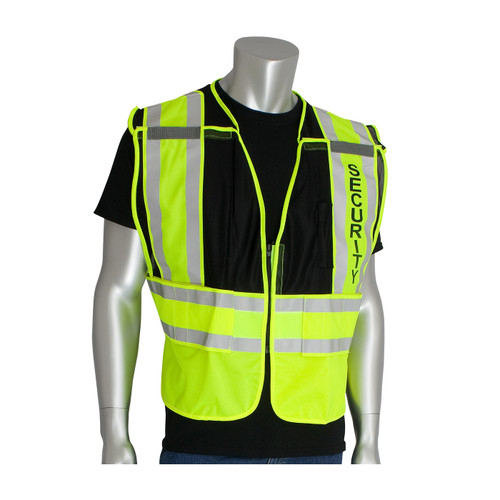
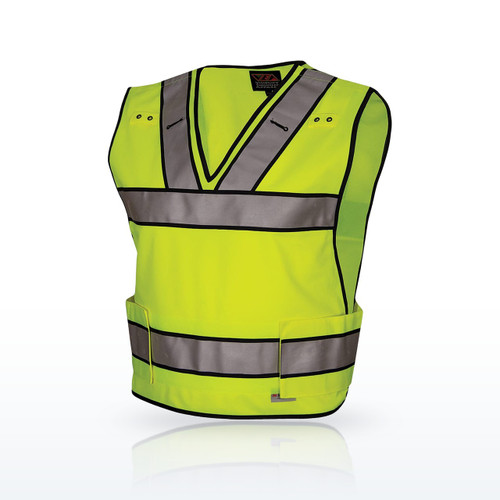
More: every hi-vis garment by Type and Class.
Source: the manufacturers' product pages, specification sheets and catalogs as reproduced on each product page; the ratings and standards shown are the manufacturers' own statements, and the products listed are those whose published data names the rating or the standard, not a selection by Bayshore Safety.
Guides that go further
What is a PPE hazard assessment, and what does 1910.132(d) require · Who pays for PPE · PPE training · What does PPE stand for, and what are the types of personal protective equipment · When should PPE be worn, and does it protect employees from all exposure · OSHA 1910.132 hazard assessment for protective clothing.
OSHA 1910.132 Personal Protective Equipment, General Requirements questions
In what situations would personal protective equipment be used? Under 29 CFR 1910.132(a), wherever hazards of processes or the environment, chemical or radiological hazards, or mechanical irritants are encountered in a way capable of causing injury or impairment through absorption, inhalation or physical contact. Paragraph (d) has the employer find those situations through a written hazard assessment, and 1910.132 sits below engineering and work-practice controls, which OSHA expects first.
Is it true or false that PPE will protect employees from all exposure incidents? False, and the rule says so indirectly: 1910.132(f)(1)(iv) requires employees to be trained in the limitations of the PPE, and OSHA's PPE booklet (OSHA 3151) places PPE after engineering and administrative controls because it protects only the wearer and only when selected, fitted, worn and maintained correctly.
Who pays for PPE under OSHA? The employer, under 29 CFR 1910.132(h)(1), at no cost to employees. The exceptions in (h)(2) through (h)(6) are non-specialty safety-toe footwear and non-specialty prescription safety eyewear the employer lets the worker wear off the job, everyday clothing and ordinary weather gear, equipment the employee lost or intentionally damaged, and employee-owned equipment the employer did not require.
What are the six personal protective equipment? OSHA's own PPE booklet groups PPE into eye and face, head, foot and leg, hand and arm, body, and hearing protection, with personal fall protection systems covered separately; 1910.132(a) itself lists PPE for the eyes, face, head and extremities, protective clothing, respiratory devices, and protective shields and barriers.
What is a PPE hazard assessment? The workplace survey 1910.132(d)(1) requires: the employer determines whether hazards that necessitate PPE are present or likely to be present, selects PPE that protects against each hazard identified and fits each employee, and tells the affected employees what was selected. Paragraph (d)(2) requires a written certification naming the workplace, the person who did it and the date.
Does OSHA require PPE training? Yes. 29 CFR 1910.132(f) requires training on when and what PPE is necessary, how to put it on, take it off, adjust and wear it, its limitations, and its care and useful life, with each employee demonstrating understanding before doing work that requires the PPE, retraining when conditions change, and a written certification of the training.
The ratings, test results and standards shown here are the manufacturers' published values, reproduced as published. Nothing on this page is a recommendation by Bayshore Safety that any product is suitable for a particular task, hazard or workplace. Selecting safety products and protective equipment is the responsibility of the end user and the employer, based on their own hazard assessment and the regulations that apply to their work. Confirm every value on the manufacturer's own documentation before use.