
OSHA 1910.137 Electrical Protective Equipment: what it requires and the equipment it names
29 CFR 1910.137 is the rule for rubber insulating gloves, sleeves, blankets, matting, covers and line hose: how they are made and marked (Class 00 to Class 4, Type I or II), the maximum use voltage of each class, inspection and an air test before each day's use, the electrical retest intervals, and the leather protectors worn over gloves. We sell nationwide; ships in 1–2 business days; most orders arrive in 3–7 business days.
The plain answer
29 CFR 1910.137 requires rubber insulating equipment to be manufactured and marked by class (00, 0, 1, 2, 3, 4) and type (I non-ozone-resistant, II ozone-resistant), to withstand the proof-test voltages of Tables I-1 and I-2, to be used only up to the maximum use voltage of Table I-4 (Class 00 at 500 volts AC through Class 4 at 36,000 volts), to be inspected for damage before each day's use with an air test on gloves, and to be electrically retested at the Table I-5 intervals (gloves every 6 months in service, sleeves every 12, blankets every 12, and anything issued after 12 months untested).
It applies to every general industry employer whose employees use electrical protective equipment, and 1910.269 and 1926 Subpart V apply it to power generation, transmission and distribution. 1910.335 requires the equipment itself wherever employees work near potential electrical hazards.
The equipment it names is rubber insulating gloves, sleeves, blankets, matting, covers and line hose, plus the protector gloves (leather) worn over insulating gloves except in the narrow cases paragraph (c)(2)(vii) allows, and the insulated tools, nonconductive head protection and arc-rated face protection that 1910.335 adds.
What the rule says
Each entry is condensed from the paragraph cited; the paragraph itself is the rule and the link opens it.
29 CFR 1910.137(a)(1): Blankets, matting, covers, line hose, gloves and sleeves are made of rubber or equivalent; each item is clearly marked with its class (00, 0, 1, 2, 3 or 4) and type (Type I non-ozone-resistant, Type II ozone-resistant); markings are nonconducting, do not impair insulation, and on gloves are confined to the cuff.
29 CFR 1910.137(a)(2): Equipment withstands the AC proof-test voltage of Table I-1 or the DC proof-test voltage of Table I-2 (Class 00: 2,500 V AC; Class 0: 5,000; Class 1: 10,000; Class 2: 20,000; Class 3: 30,000; Class 4: 40,000), applied for 3 minutes (1 minute for gloves), with the maximum leakage current of Table I-1 for gloves; equipment also meets the ozone and other physical requirements of the paragraph.
29 CFR 1910.137(c)(1): Electrical protective equipment is maintained in a safe, reliable condition.
29 CFR 1910.137(c)(2)(i): Maximum use voltages conform to Table I-4: Class 00, 500 volts AC rms; Class 0, 1,000; Class 1, 7,500; Class 2, 17,000; Class 3, 26,500; Class 4, 36,000.
29 CFR 1910.137(c)(2)(ii)-(iii): Insulating equipment is inspected for damage before each day's use and after any incident that could have caused damage; insulating gloves are given an air test along with the inspection; equipment with a hole, tear, puncture or cut, ozone cutting or checking, an embedded foreign object, swelling, softening, hardening, stickiness or any other defect that damages insulation may not be used.
29 CFR 1910.137(c)(2)(iv)-(vi): Equipment found to have other defects is removed until tested; equipment is cleaned as needed to remove foreign substances, stored to protect it from light, temperature extremes, humidity, ozone and damage.
29 CFR 1910.137(c)(2)(vii): Protector gloves are worn over insulating gloves, except that Class 0 and 00 gloves may be used without protectors under limited-use conditions where small equipment and parts manipulation requires unusually high finger dexterity and the employer can demonstrate no damage will occur, and any other class may be used without protectors only if the voltage is held to the next lower class and the employer demonstrates the possibility of physical damage is small.
29 CFR 1910.137(c)(2)(viii)-(ix): Periodic electrical tests at the voltages and intervals of Tables I-4 and I-5: line hose and covers when the insulating value is suspect; blankets before first issue and every 12 months; gloves before first issue and every 6 months; sleeves before first issue and every 12 months; and any item electrically tested but not issued may not be placed in service unless tested within the previous 12 months. Test methods in ASTM D120, D178, D1048 to D1051, F478, F479 and F496 are accepted.
29 CFR 1910.137(c)(2)(x)-(xii): Equipment that fails inspection or test is removed from service and not returned unless repaired and retested; repairs are made only by the manufacturer or a qualified person; the employer certifies that equipment has been tested, by marking the equipment or keeping a log.
29 CFR 1910.335(a)(1): Employees working where there are potential electrical hazards are provided with and use electrical protective equipment appropriate to the body part and the work; it is maintained and inspected or tested under 1910.137; insulating material subject to damage is protected (for example by an outer leather glove); nonconductive head protection is worn where there is danger of head injury from electric shock or burns; eye or face protection is worn where arcs, flashes or flying objects from electrical explosion could injure.
Source: 29 CFR, Occupational Safety and Health Standards, as published by OSHA (ecfr.gov), read Nov 9 2026.
California (Cal/OSHA)
Each entry is condensed from the paragraph cited; the paragraph itself is the rule and the link opens it.
Title 8 §2940.6(a): Insulating equipment designed for the voltage is provided and used; rubber insulating gloves are protected by outer canvas or leather gloves; the employer periodically retests gloves, sleeves and blankets at the maximum intervals in the section (gloves every 6 months), marks the test date or due date on the equipment, and stores gloves and sleeves in bags away from sunlight, heat and ozone.
Source: California Code of Regulations, Title 8, as published by Cal/OSHA (dir.ca.gov), read Nov 9 2026.
Equipment the rule names
| Equipment or condition | What the rule requires | Paragraph |
|---|---|---|
| Class 00 gloves | Maximum use 500 V AC; proof test 2,500 V AC | 29 CFR 1910.137(c)(2)(i), Table I-4 |
| Class 0 gloves | Maximum use 1,000 V AC; proof test 5,000 V AC | 29 CFR 1910.137 Table I-4 |
| Class 1 gloves | Maximum use 7,500 V AC; proof test 10,000 V AC | 29 CFR 1910.137 Table I-4 |
| Class 2 gloves | Maximum use 17,000 V AC; proof test 20,000 V AC | 29 CFR 1910.137 Table I-4 |
| Class 3 gloves | Maximum use 26,500 V AC; proof test 30,000 V AC | 29 CFR 1910.137 Table I-4 |
| Class 4 gloves | Maximum use 36,000 V AC; proof test 40,000 V AC | 29 CFR 1910.137 Table I-4 |
| Protector gloves | Leather protectors over insulating gloves, with the narrow exceptions in (c)(2)(vii) | 29 CFR 1910.137(c)(2)(vii) |
| Inspection and air test | Before each day's use and after any suspect incident | 29 CFR 1910.137(c)(2)(ii) |
| Retest interval, gloves | Before first issue and every 6 months in service; 12 months if stored untested | 29 CFR 1910.137 Table I-5 |
| Retest interval, sleeves and blankets | Before first issue and every 12 months | 29 CFR 1910.137 Table I-5 |
| Nonconductive head protection, arc-rated face protection, insulated tools | Where electric shock, burns, arcs or flashes could injure | 29 CFR 1910.335(a) |
Source: 29 CFR, Occupational Safety and Health Standards, as published by OSHA (ecfr.gov), read Nov 9 2026.
What we carry for it
Each table lists products whose manufacturer data states the rating or the standard the rule names, every brand we carry that does, with the current price. Sizes and versions are chosen on the product page. The selector linked under each table holds every item of that type.
Rubber insulating gloves by class, as marked by their manufacturers

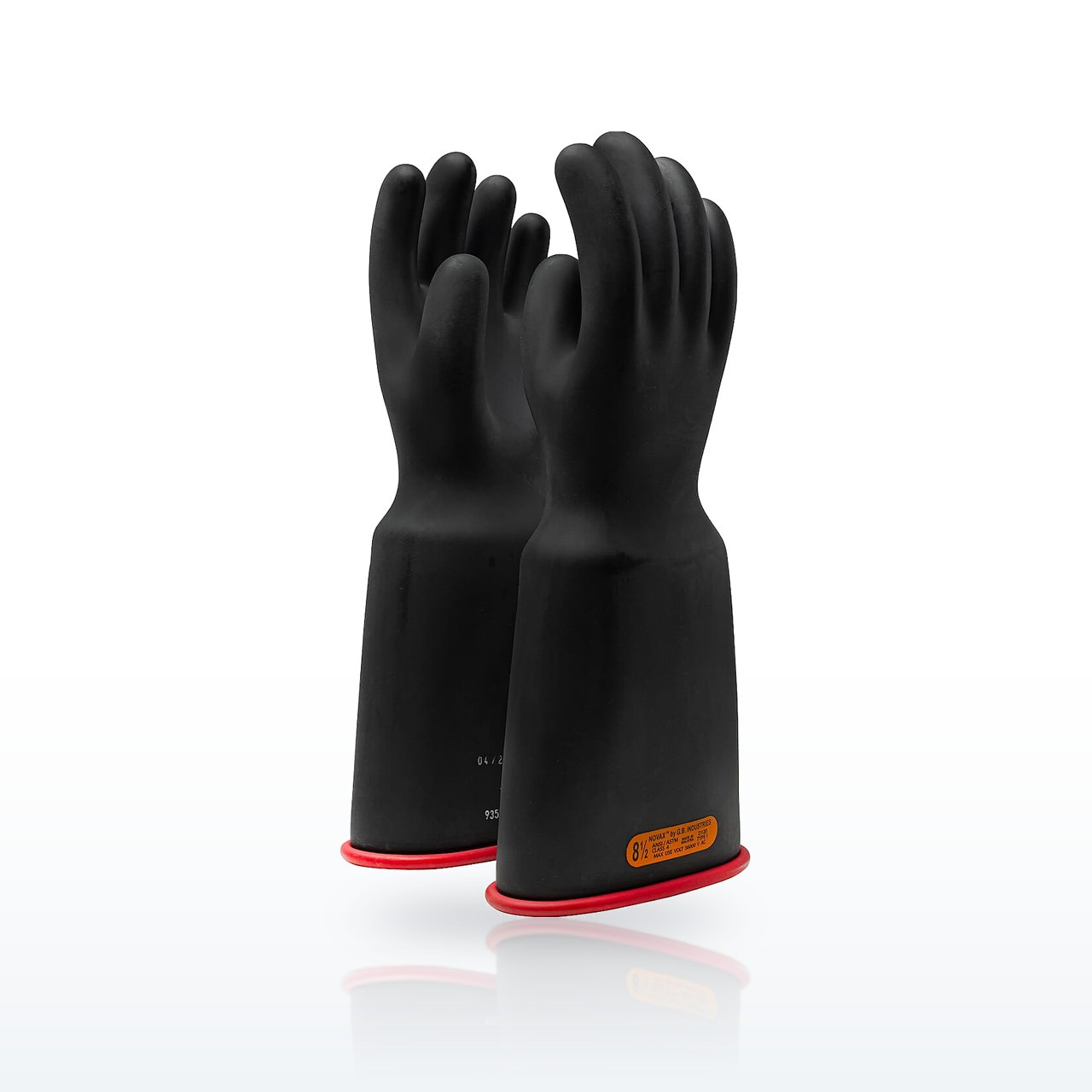


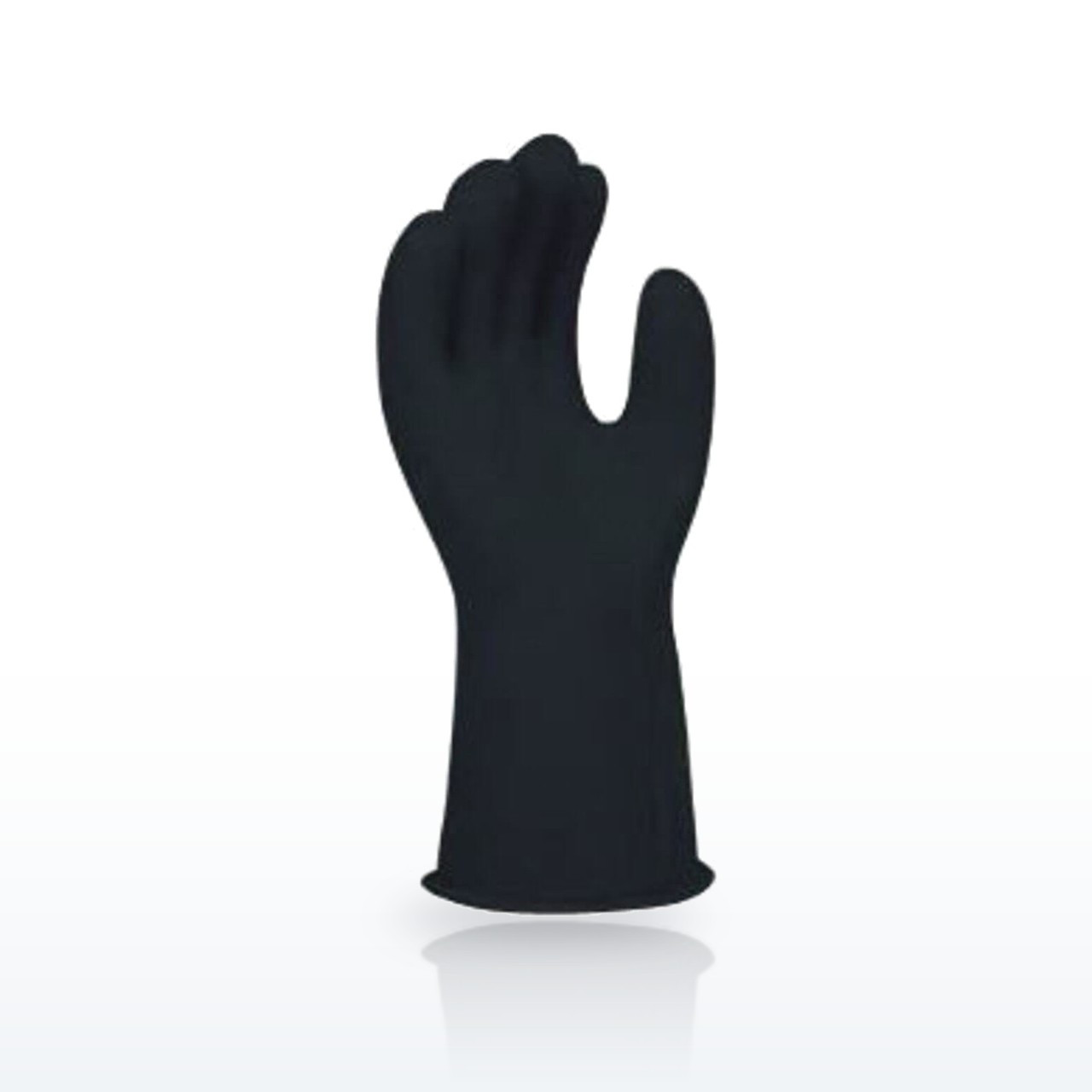
More: every insulating glove by class.
Source: the manufacturers' product pages, specification sheets and catalogs as reproduced on each product page; the ratings and standards shown are the manufacturers' own statements, and the products listed are those whose published data names the rating or the standard, not a selection by Bayshore Safety.
Leather protector gloves

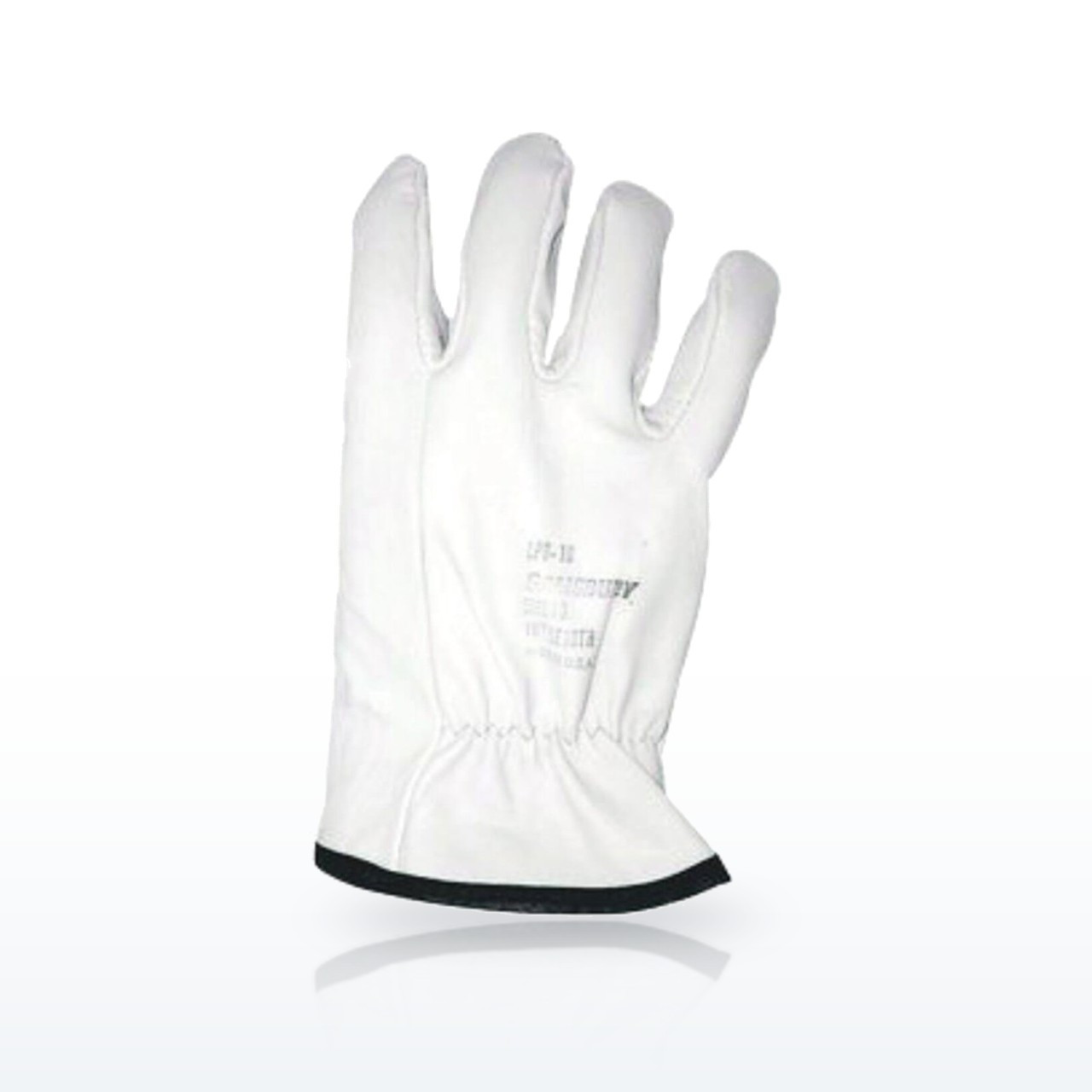
More: every protector and glove bag.
Source: the manufacturers' product pages, specification sheets and catalogs as reproduced on each product page; the ratings and standards shown are the manufacturers' own statements, and the products listed are those whose published data names the rating or the standard, not a selection by Bayshore Safety.
Class E hard hats (nonconductive head protection, 1910.335)


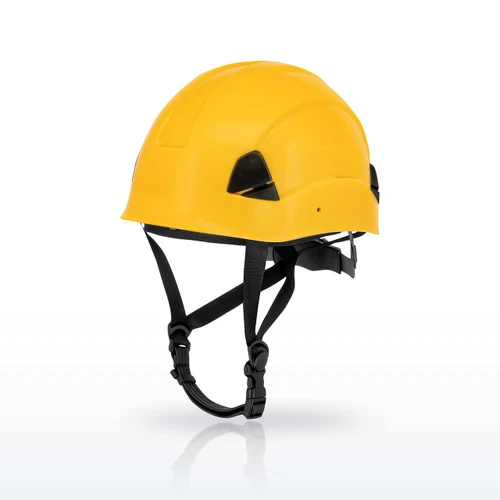
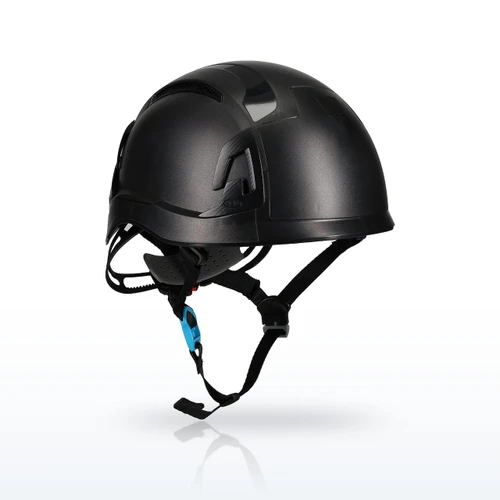
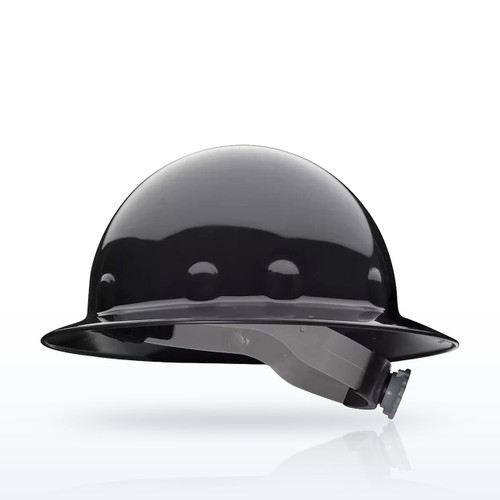

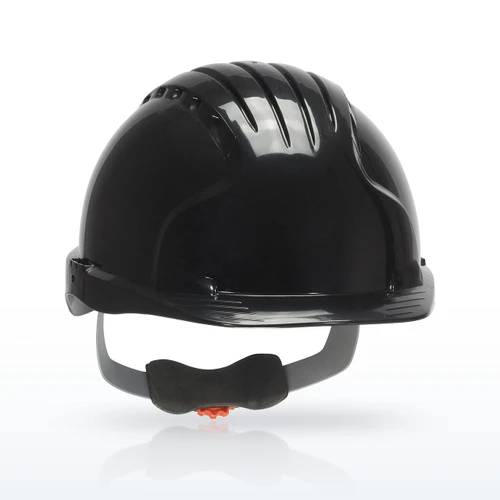

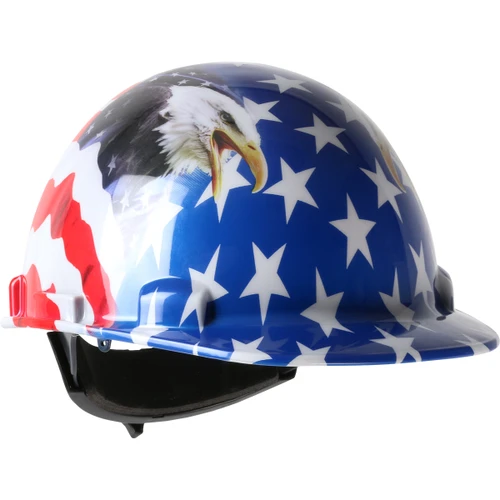
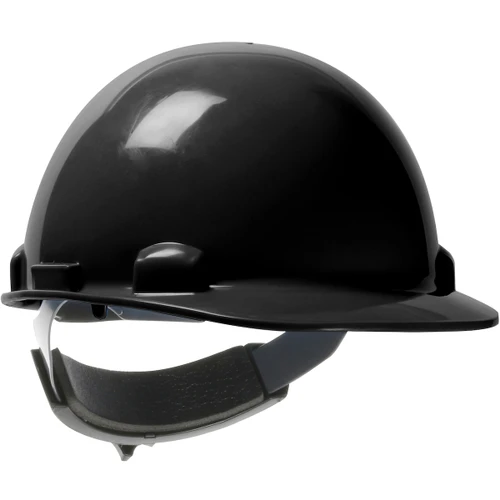
More: every Class E hard hat.
Source: the manufacturers' product pages, specification sheets and catalogs as reproduced on each product page; the ratings and standards shown are the manufacturers' own statements, and the products listed are those whose published data names the rating or the standard, not a selection by Bayshore Safety.
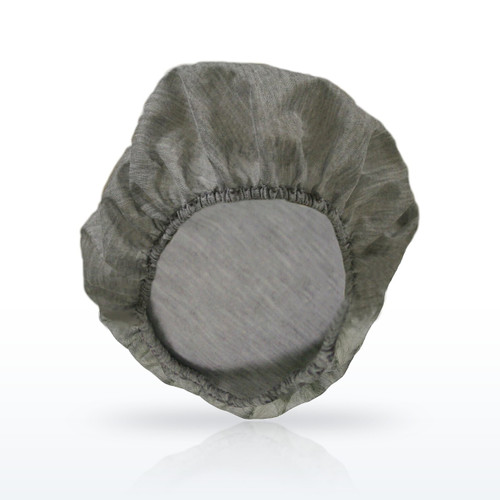
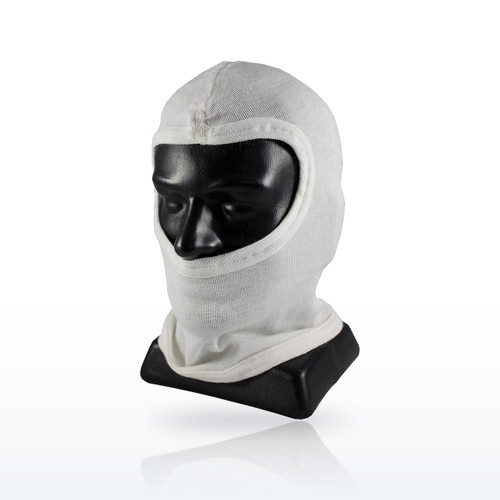
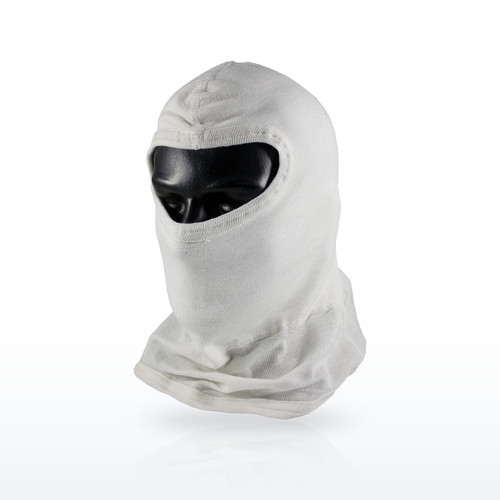
Arc-rated face shields and hoods (1910.335(a)(1)(v))

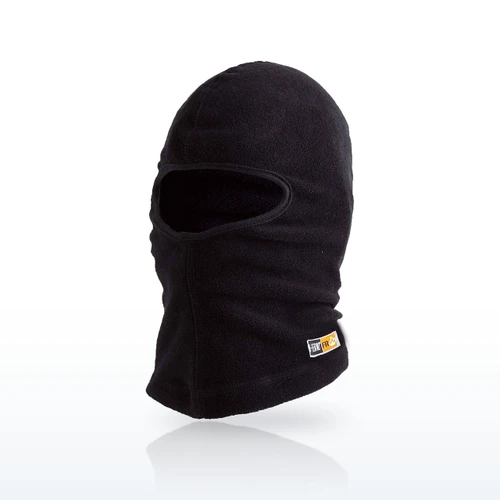



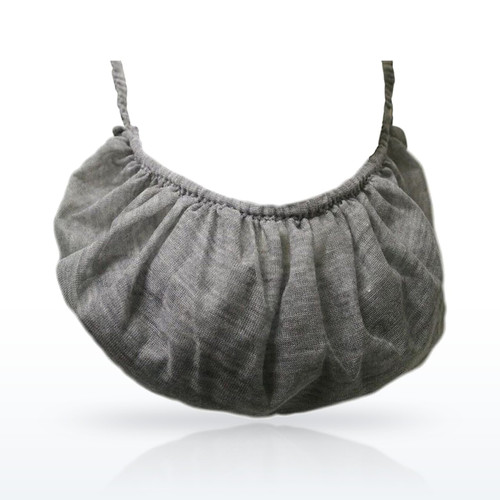
More: every arc-rated face shield and hood.
Source: the manufacturers' product pages, specification sheets and catalogs as reproduced on each product page; the ratings and standards shown are the manufacturers' own statements, and the products listed are those whose published data names the rating or the standard, not a selection by Bayshore Safety.
Guides that go further
Electrical insulating rubber gloves · Rubber insulating gloves and leather protectors · What PPE should an electrician wear · Class G, Class E and Class C hard hats · Arc-rated face shields and hoods · NFPA 70E and the arc flash PPE categories.
OSHA 1910.137 Electrical Protective Equipment questions
What are class 0 electrical gloves? Rubber insulating gloves marked Class 0 under 1910.137(a)(1), with a maximum use voltage of 1,000 volts AC (1,500 DC) from Table I-4 and a proof test at 5,000 volts AC. Class 00 is the step below at 500 volts AC; both are the low-voltage classes electricians use on 480 volt and lower systems.
Do rubber insulating gloves need to be tested? Yes, three ways under 1910.137(c)(2): a visual inspection and an air test before each day's use and after any incident that could have damaged them, an electrical proof test before first issue, and an electrical retest every 6 months in service (every 12 months if the gloves sit in storage after testing). Failed gloves are removed from service.
How often do class 0 gloves need to be tested? The same as every class: before first issue and every 6 months thereafter under Table I-5, with gloves tested but not issued allowed into service only if tested within the previous 12 months. Cal/OSHA §2940.6(a)(4) sets the same 6-month interval and requires the test date or due date marked on the glove.
What are the differences between Class 0 and Class 2 electrical gloves? Voltage and thickness. Table I-4 gives Class 0 a maximum use voltage of 1,000 volts AC and Class 2 17,000 volts AC; the Table I-1 proof tests are 5,000 and 20,000 volts. A Class 2 glove is thicker rubber, so manufacturers list it for distribution voltages and Class 0 for low-voltage work.
Are leather protectors required over rubber gloves? Yes under 1910.137(c)(2)(vii), with two exceptions: Class 00 and Class 0 gloves may be used without protectors for limited work needing unusual finger dexterity where the employer can show no damage will occur, and other classes only if the voltage is held to the next lower class and physical damage is unlikely. Cal/OSHA §2940.6(a)(2) requires canvas or leather outer gloves whenever rubber insulating gloves are used.
What type of gloves are required when working on high voltage systems? Rubber insulating gloves of a class whose Table I-4 maximum use voltage covers the system voltage (Class 2 to 17,000 volts, Class 3 to 26,500, Class 4 to 36,000), marked by the manufacturer, worn with leather protectors, air tested daily and electrically retested every 6 months, under 1910.137 and, for utility work, 1910.269(l).
The ratings, test results and standards shown here are the manufacturers' published values, reproduced as published. Nothing on this page is a recommendation by Bayshore Safety that any product is suitable for a particular task, hazard or workplace. Selecting safety products and protective equipment is the responsibility of the end user and the employer, based on their own hazard assessment and the regulations that apply to their work. Confirm every value on the manufacturer's own documentation before use.