
NFPA 70E Standard for Electrical Safety in the Workplace: what it requires and the equipment it names
NFPA 70E is the consensus standard for electrical safety at work and the source of the arc flash PPE categories. OSHA does not incorporate it, but enforces arc flash protection through 1910.132(d), 1910.335 and 1910.269(l)(8) and cites 70E as the recognized method; the garments, face shields, gloves and hoods we carry are labeled with the arc rating and the category the manufacturer states. We sell nationwide; ships in 1–2 business days; most orders arrive in 3–7 business days.
The plain answer
NFPA 70E, Standard for Electrical Safety in the Workplace, is the National Fire Protection Association's consensus standard for protecting employees from shock and arc flash; the current edition is 2024. OSHA has not incorporated it by reference; its rules are 29 CFR 1910.332 to 1910.335 (Subpart S work practices), 1910.132(d) (hazard assessment) and 1910.269(l)(8) (arc-rated clothing for utility work), and OSHA's letters of interpretation and citations treat 70E as the recognized means of meeting them. It is NFPA 70, the National Electrical Code, that covers installation; 70E covers the worker.
As our guides and the manufacturers' standards tables state it, 70E requires an electrically safe work condition (de-energize, lock out, test) as the first choice, a shock risk assessment with limited and restricted approach boundaries, and an arc flash risk assessment that gives the arc flash boundary (where incident energy falls to 1.2 cal/cm²) and the PPE by one of two methods: the incident energy analysis method, where the arc rating of the clothing is at or above the calculated energy at the working distance, or the PPE category method, where tables assign equipment to Category 1 (minimum arc rating 4 cal/cm²), Category 2 (8 cal/cm²), Category 3 (25 cal/cm²) or Category 4 (40 cal/cm²). Equipment is labeled with the nominal voltage, arc flash boundary and either the incident energy or the category; rubber insulating gloves with leather protectors and insulated tools are required within the restricted approach boundary.
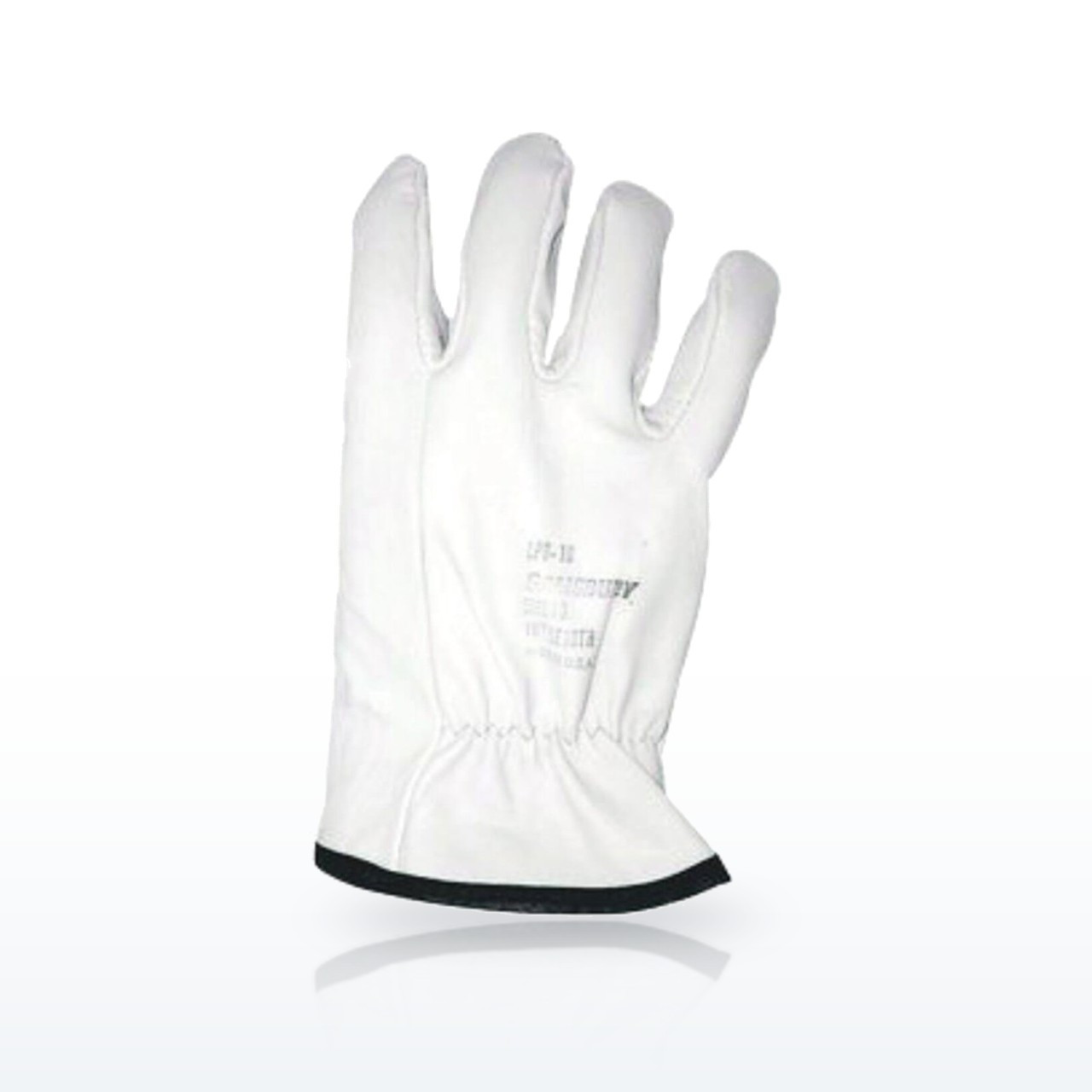
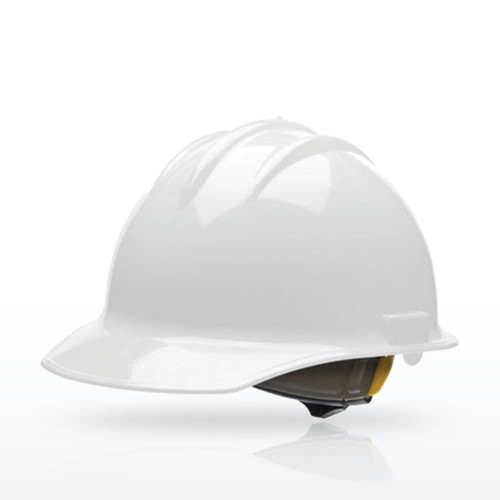
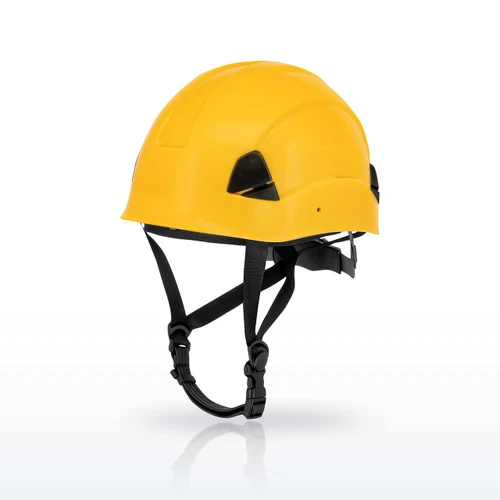
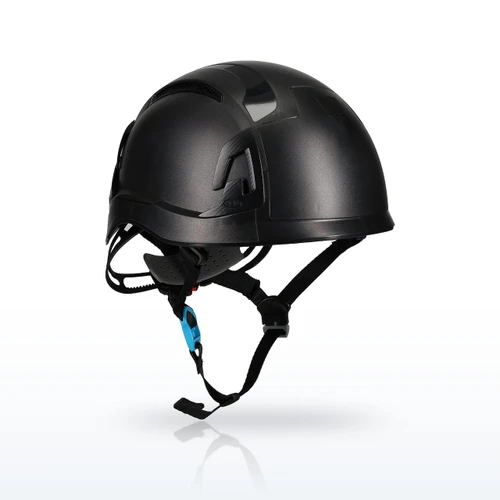
The equipment it names is arc-rated long-sleeve shirts, pants, coveralls and arc flash suits (hood, jacket, bib) rated under ASTM F1506, arc-rated face shields with wrap-around protection and balaclavas or hoods (ASTM F2178), hard hats (Class E), safety glasses, hearing protection (ear canal inserts), rubber insulating gloves with leather protectors under ASTM D120 and 1910.137 or arc-rated gloves, leather footwear, and insulated tools and voltage testers.
What the rule says
Each entry is condensed from the paragraph cited; the paragraph itself is the rule and the link opens it.
29 CFR 1910.335(a)(1): Employees working where there are potential electrical hazards are provided with and use electrical protective equipment appropriate to the body part and the work; insulating equipment is protected (leather over rubber); nonconductive head protection where shock or burns to the head are possible; eye or face protection where arcs, flashes or flying objects from electrical explosion could injure.
29 CFR 1910.333(a): Live parts are de-energized before work unless the employer demonstrates that de-energizing introduces additional hazards or is infeasible, the first principle 70E builds on.
29 CFR 1910.132(d): The hazard assessment that, for arc flash exposures outside utility work, OSHA expects to use NFPA 70E's incident energy analysis or category tables.
29 CFR 1910.269(l)(8): Utility work: incident energy estimate, no meltable clothing, FR outer layer, arc-rated clothing at or above the estimate when it exceeds 2.0 cal/cm², with the hand, foot, head and face provisions.
29 CFR 1910.137: Rubber insulating gloves, sleeves and blankets by class and voltage, inspected and air tested before each use, retested every 6 months.
Source: 29 CFR, Occupational Safety and Health Standards, as published by OSHA (ecfr.gov), read Nov 9 2026.
What the standard requires, as our guides and the manufacturers' standards tables state it
Order of work: establish an electrically safe work condition (de-energize, lock out and tag, test for absence of voltage, ground where needed) unless energized work is justified by an energized electrical work permit; where work is energized, perform a shock risk assessment (nominal voltage, limited and restricted approach boundaries, the insulating gloves and tools required inside the restricted boundary) and an arc flash risk assessment (likelihood of an arc, the arc flash boundary, and the PPE).
Arc flash boundary: the distance from the exposed energized parts at which the incident energy equals 1.2 cal/cm², the onset of a second-degree burn; anyone inside it wears arc-rated PPE. Incident energy analysis method: the incident energy is calculated (IEEE 1584) at the working distance and the clothing's arc rating must equal or exceed it, the same logic as 1910.269(l)(8)(v).
PPE category method (Tables 130.7(C)(15)(a) and (b) and 130.7(C)(15)(c)): the equipment type and task are matched to a category, and Table 130.7(C)(15)(c) lists the equipment: Category 1, arc-rated clothing with a minimum arc rating of 4 cal/cm² (long-sleeve shirt and pants or coverall), arc-rated face shield or hood, hard hat, safety glasses or goggles, hearing protection, heavy-duty leather gloves or arc-rated gloves, leather footwear; Category 2, the same with a minimum arc rating of 8 cal/cm² and an arc-rated face shield with balaclava or an arc-rated hood; Category 3, an arc flash suit (hood, jacket, pants or coverall) with a minimum rating of 25 cal/cm², arc-rated gloves or rubber insulating gloves with protectors; Category 4, the same at 40 cal/cm². MCR Safety's standards table and our NFPA 70E PPE categories guide carry these figures.
Labels and other requirements: equipment likely to be worked on while energized carries an arc flash label with the nominal voltage, the arc flash boundary and either the available incident energy and working distance, the minimum arc rating of clothing, or the PPE category (not both); rubber insulating gloves are tested per ASTM D120 and 1910.137 and worn with leather protectors inside the restricted approach boundary; employees are qualified by training, with retraining every 3 years; the 2024 edition reorganized the risk assessment articles and kept the categories.
Source: Our guides What is NFPA 70E and NFPA 70E PPE categories 1 to 4 (live, from the NFPA 70E free-access text); MCR Safety, "Safety in the Oil and Gas Industry" guide (NFPA 70E CAT 1–4 minimum arc ratings); NFPA 70E Table 130.7(C)(15)(c) as stated in the manufacturers' FR catalogs (PIP, Portwest, MCR Safety); 29 CFR 1910.333, 1910.335, 1910.269(l)(8) (ecfr.gov).
California (Cal/OSHA)
Each entry is condensed from the paragraph cited; the paragraph itself is the rule and the link opens it.
Title 8 §2940.6 and §2320.2: California's electrical safety orders require insulating equipment for the voltage and set work-practice rules for energized work; the arc flash PPE categories enter through the §3380 hazard assessment with NFPA 70E as the recognized practice.
Source: California Code of Regulations, Title 8, as published by Cal/OSHA (dir.ca.gov), read Nov 9 2026.
Equipment the rule names
| Equipment or condition | What the rule requires | Paragraph |
|---|---|---|
| Category 1 | Arc-rated shirt and pants or coverall, 4 cal/cm² minimum; arc-rated face shield; hard hat; safety glasses; hearing protection; leather gloves and footwear | NFPA 70E Table 130.7(C)(15)(c) as the manufacturers state it |
| Category 2 | Same with 8 cal/cm² minimum; arc-rated face shield with balaclava or arc-rated hood | NFPA 70E as stated |
| Category 3 | Arc flash suit 25 cal/cm² minimum (hood, jacket, pants or coverall); arc-rated or rubber insulating gloves | NFPA 70E as stated |
| Category 4 | Arc flash suit 40 cal/cm² minimum | NFPA 70E as stated |
| Arc flash boundary | Where incident energy equals 1.2 cal/cm²; arc-rated PPE inside it | NFPA 70E as stated |
| Rubber insulating gloves with protectors | Inside the restricted approach boundary; class by voltage; tested under 1910.137 | NFPA 70E; 29 CFR 1910.137 |
| Insulated tools | Inside the restricted approach boundary | NFPA 70E; 29 CFR 1910.335(a)(2) |
| Arc flash label | Nominal voltage, arc flash boundary, incident energy or category | NFPA 70E as stated |
Source: 29 CFR, Occupational Safety and Health Standards, as published by OSHA (ecfr.gov), read Nov 9 2026.
What we carry for it
Each table lists products whose manufacturer data states the rating or the standard the rule names, every brand we carry that does, with the current price. Sizes and versions are chosen on the product page. The selector linked under each table holds every item of that type.
Arc-rated clothing meeting Category 2 (8 to 24.9 cal/cm²)
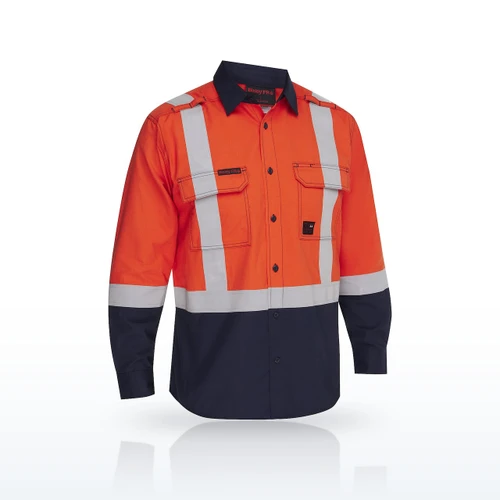
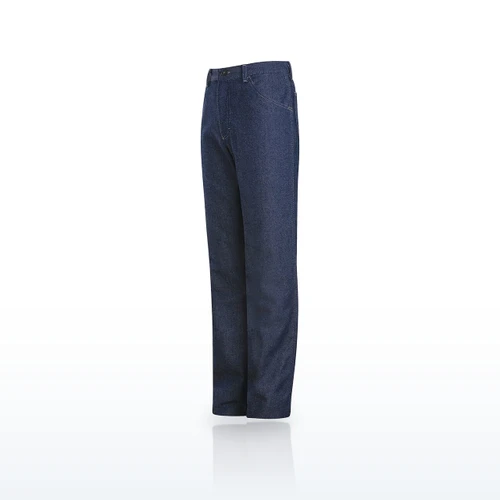
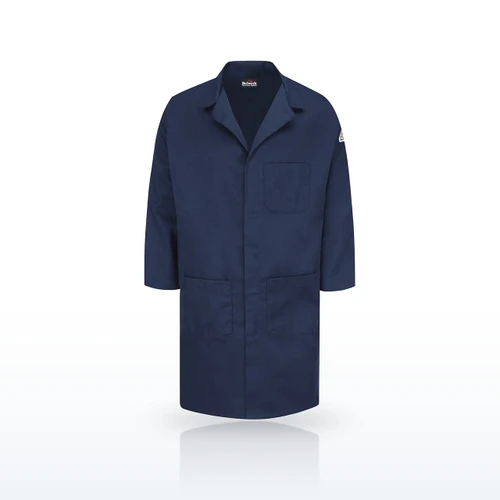
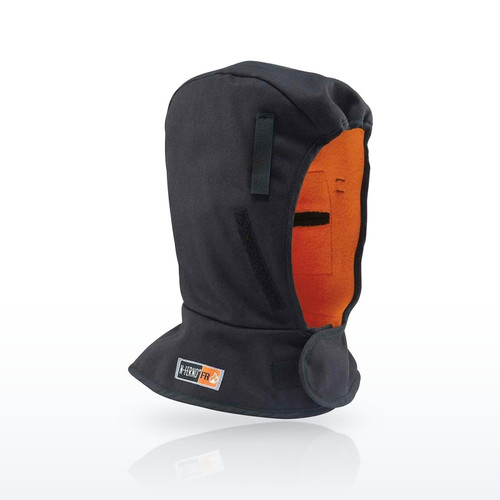
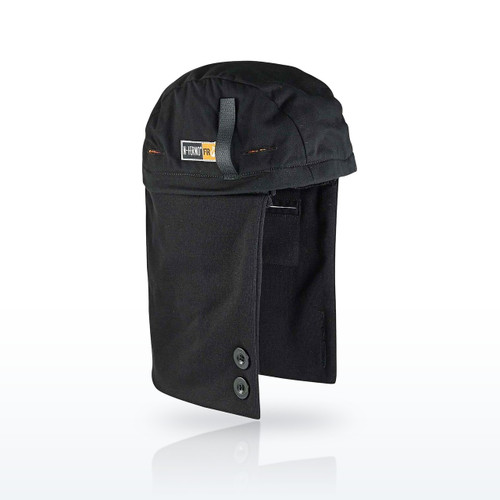
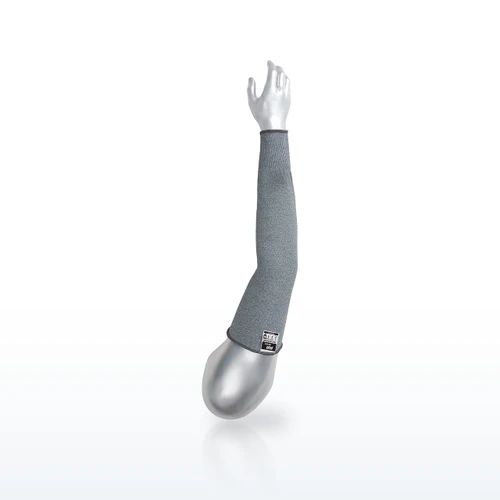
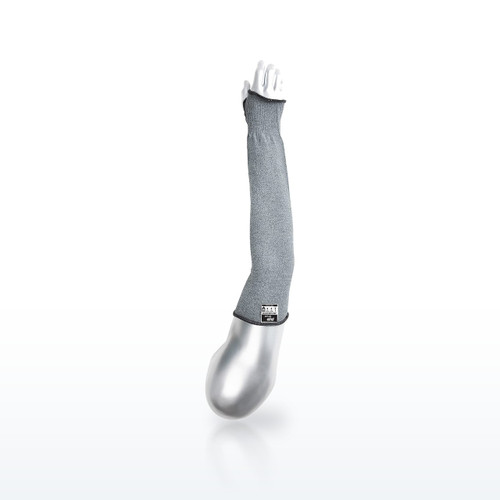
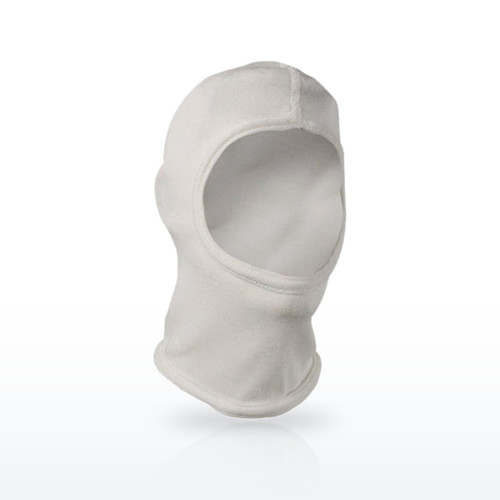
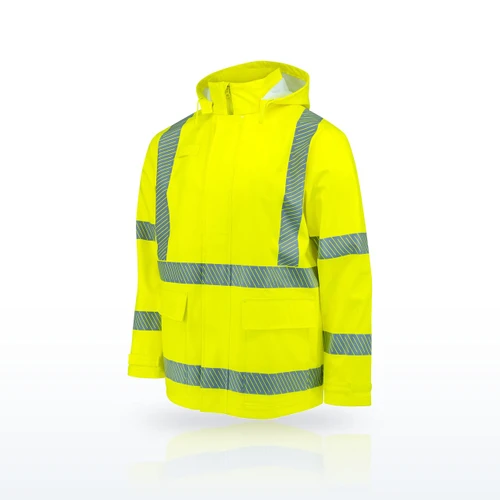
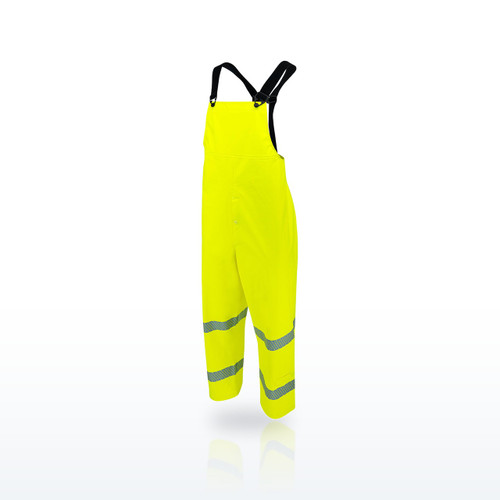
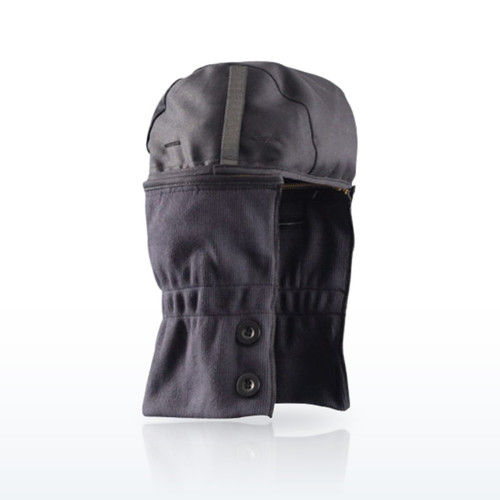
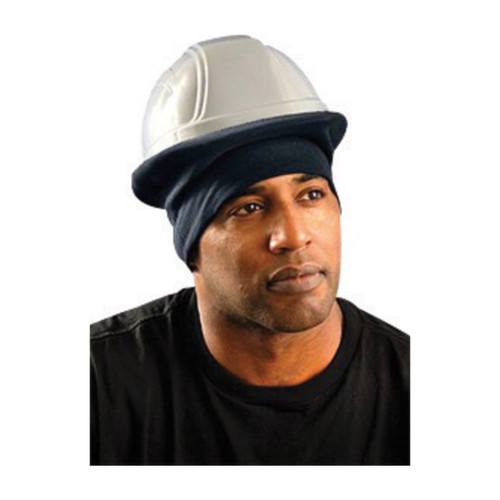

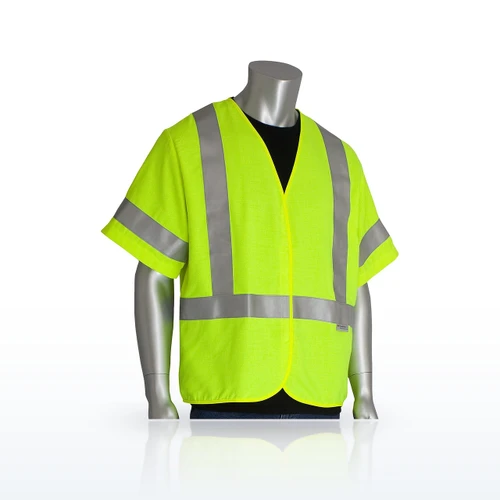
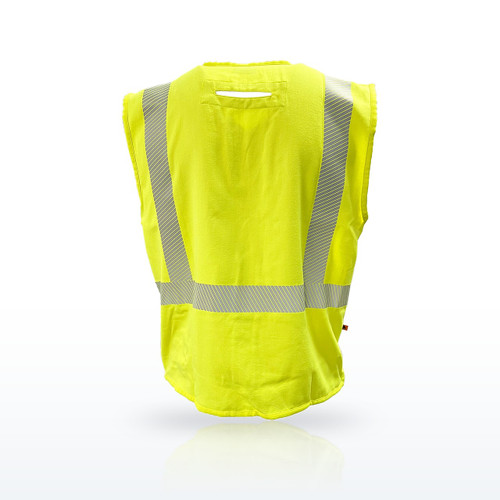
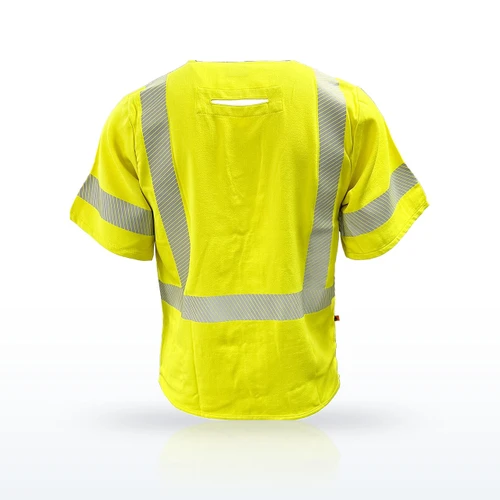
More: every garment in the Category 2 band.
Source: the manufacturers' product pages, specification sheets and catalogs as reproduced on each product page; the ratings and standards shown are the manufacturers' own statements, and the products listed are those whose published data names the rating or the standard, not a selection by Bayshore Safety.
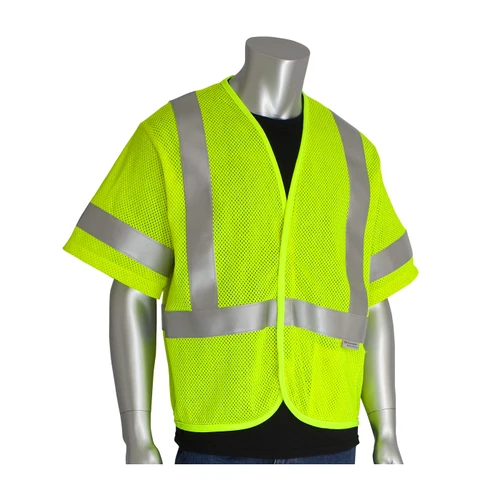
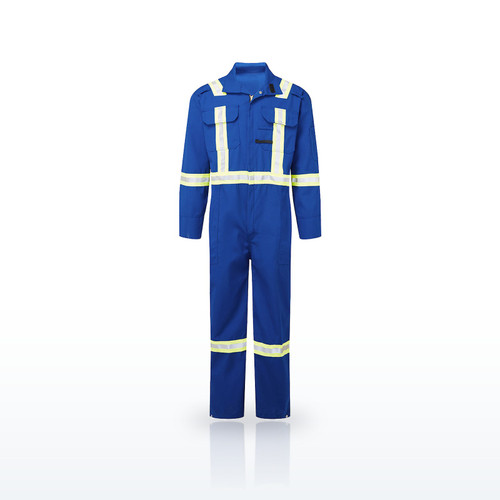
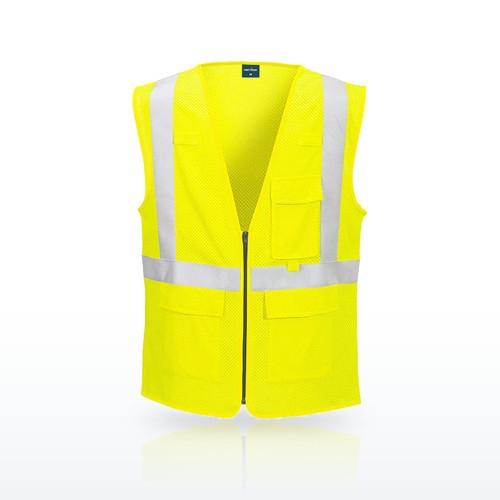
Arc-rated clothing meeting Category 1 (4 to 7.9 cal/cm²)
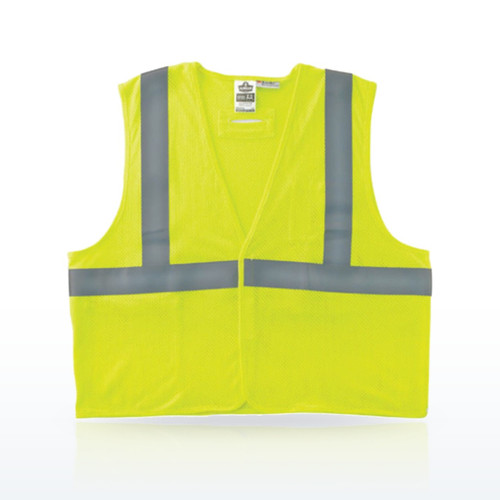
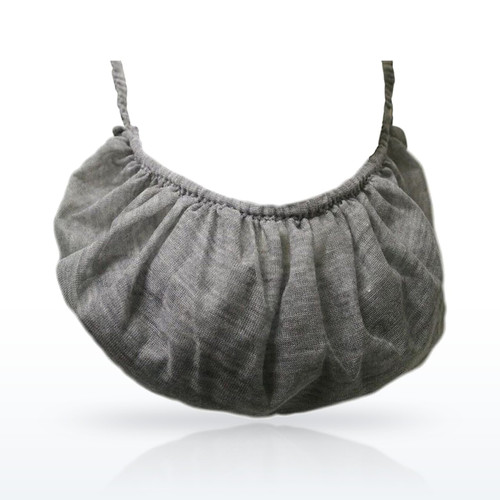
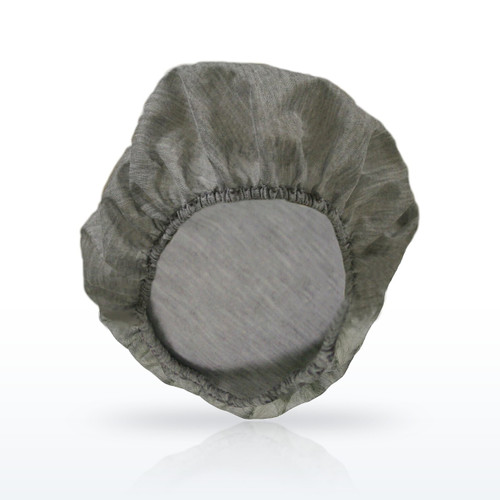
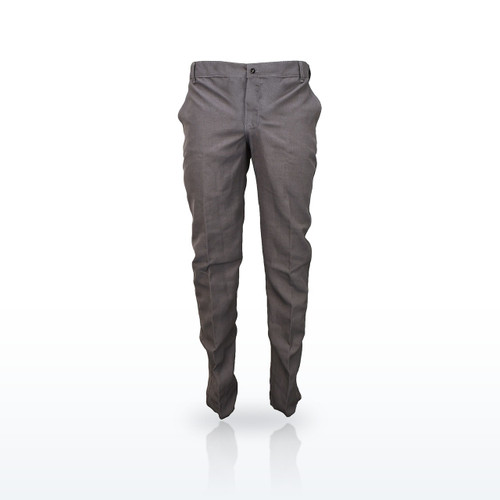
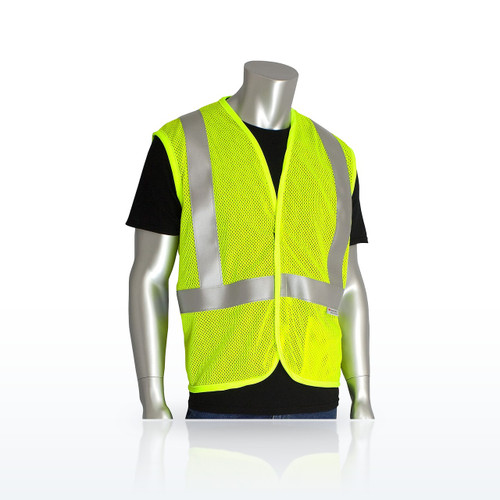
More: every garment in the Category 1 band.
Source: the manufacturers' product pages, specification sheets and catalogs as reproduced on each product page; the ratings and standards shown are the manufacturers' own statements, and the products listed are those whose published data names the rating or the standard, not a selection by Bayshore Safety.
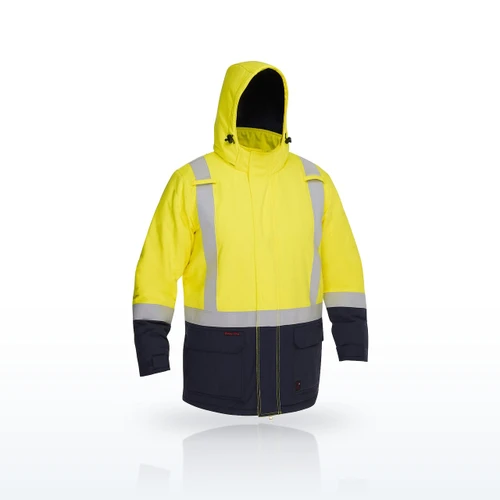
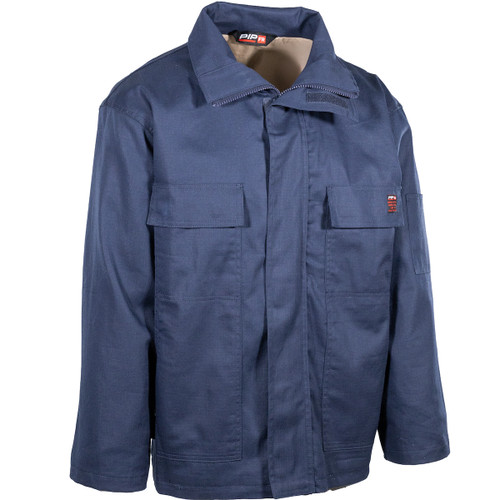
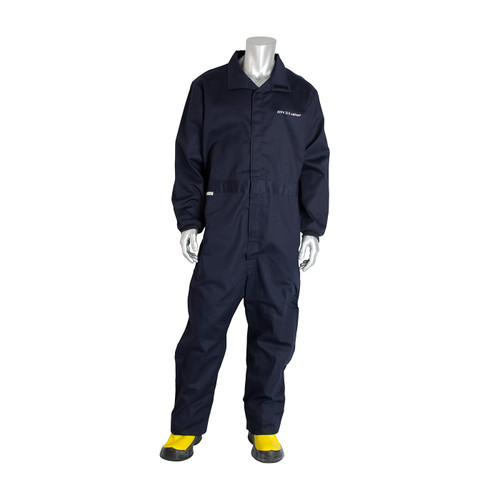
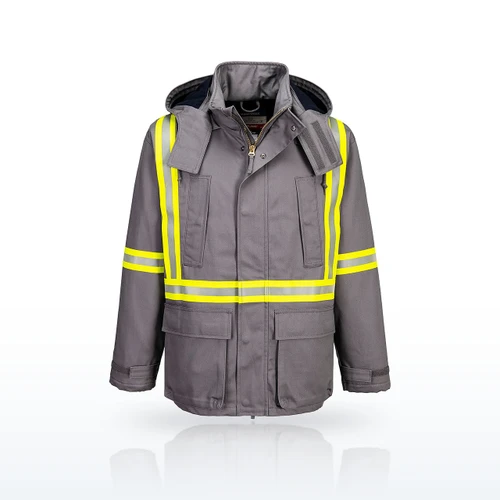
Arc flash suits and kits for Categories 3 and 4 (25 and 40 cal/cm²)
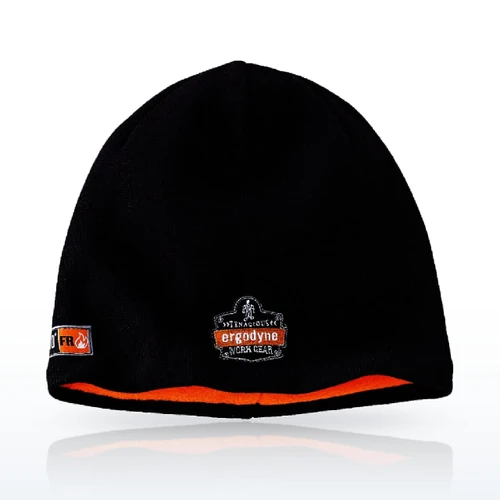
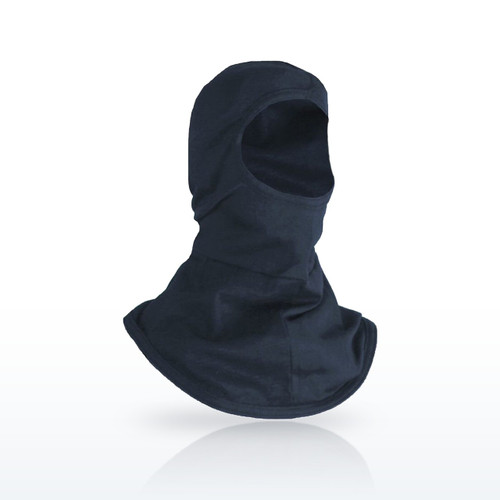
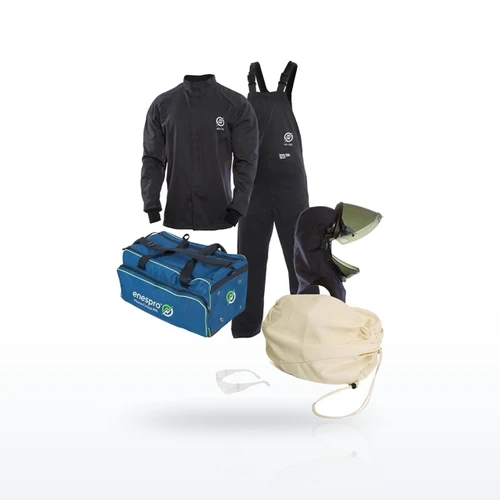
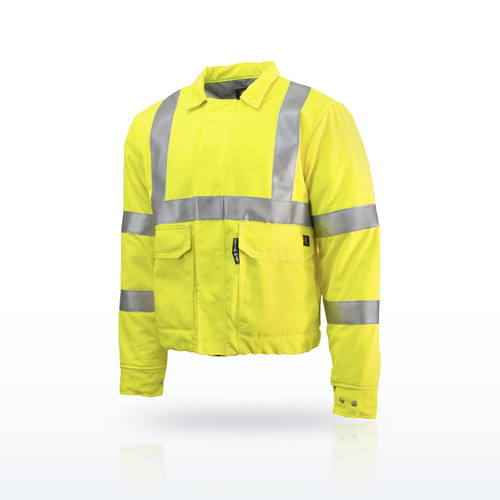

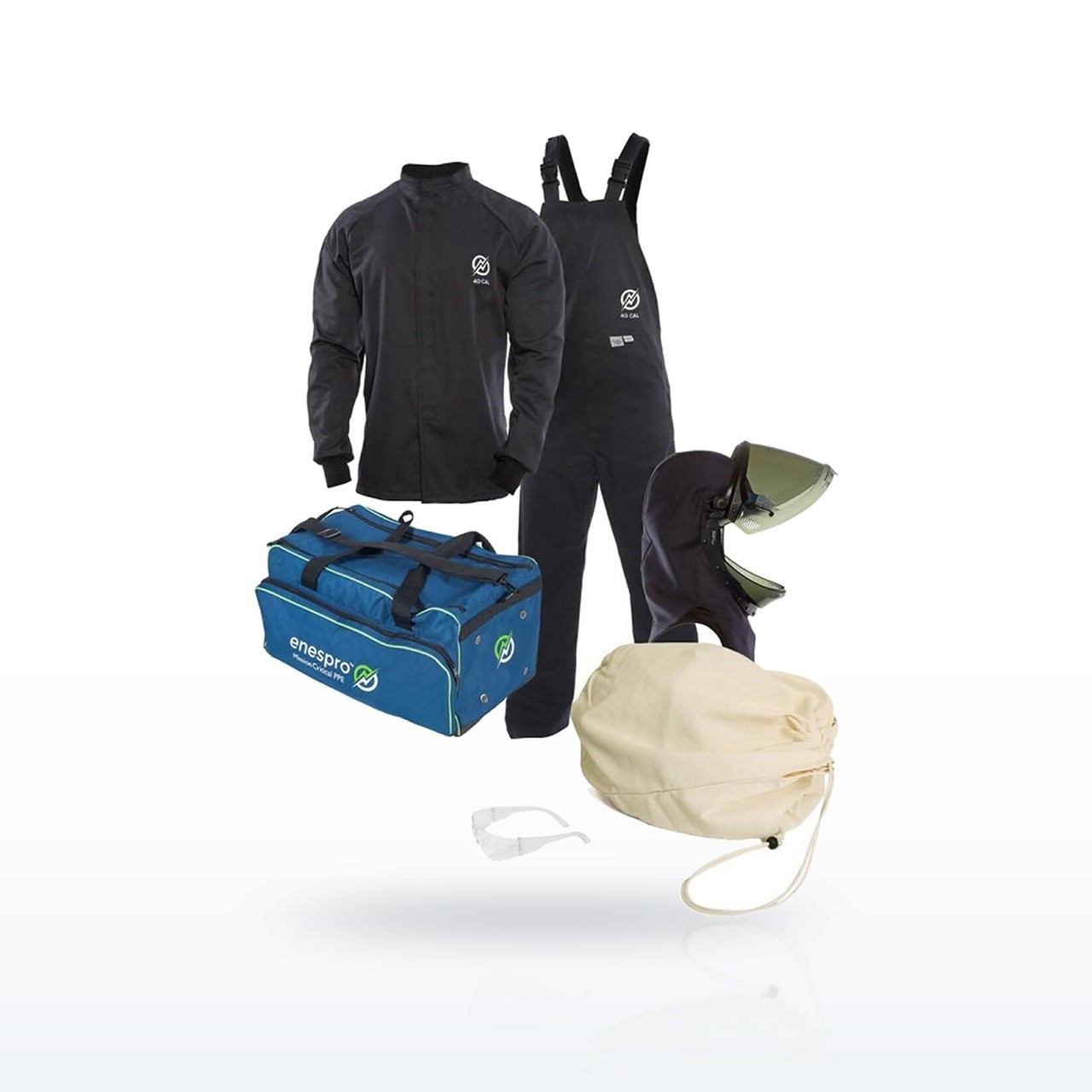
More: every Category 3 and 4 suit and kit.
Source: the manufacturers' product pages, specification sheets and catalogs as reproduced on each product page; the ratings and standards shown are the manufacturers' own statements, and the products listed are those whose published data names the rating or the standard, not a selection by Bayshore Safety.
Arc-rated face shields, balaclavas and hoods
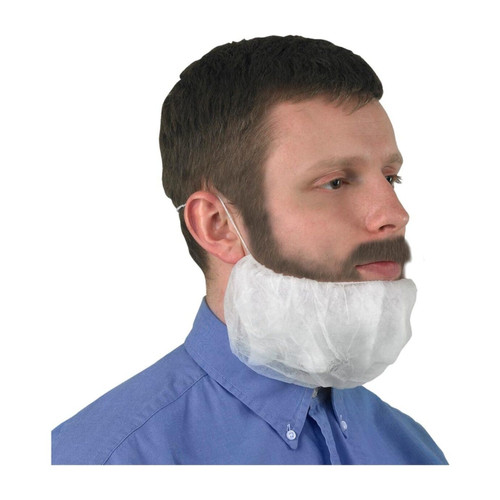
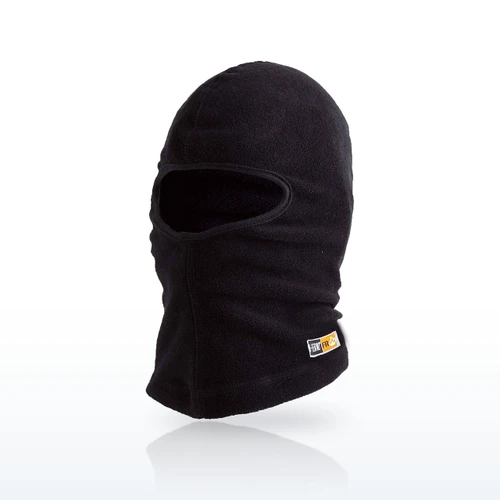
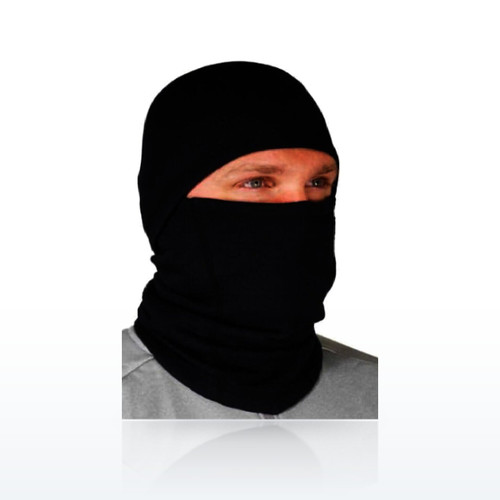


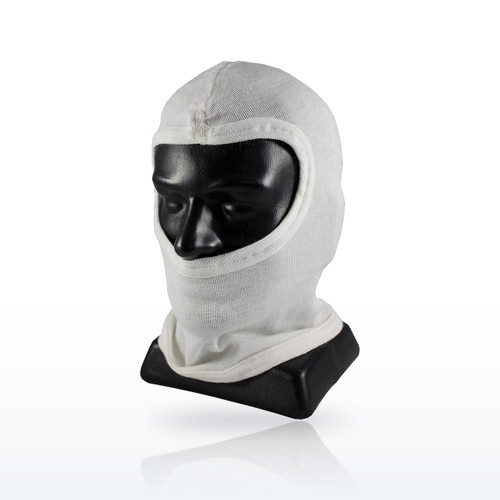
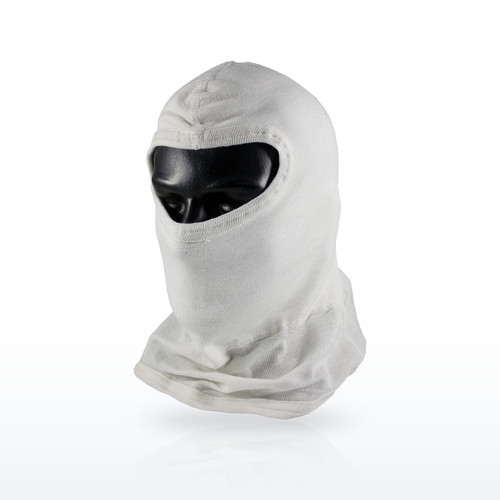
More: every arc-rated shield, balaclava and hood.
Source: the manufacturers' product pages, specification sheets and catalogs as reproduced on each product page; the ratings and standards shown are the manufacturers' own statements, and the products listed are those whose published data names the rating or the standard, not a selection by Bayshore Safety.
Rubber insulating gloves and leather protectors

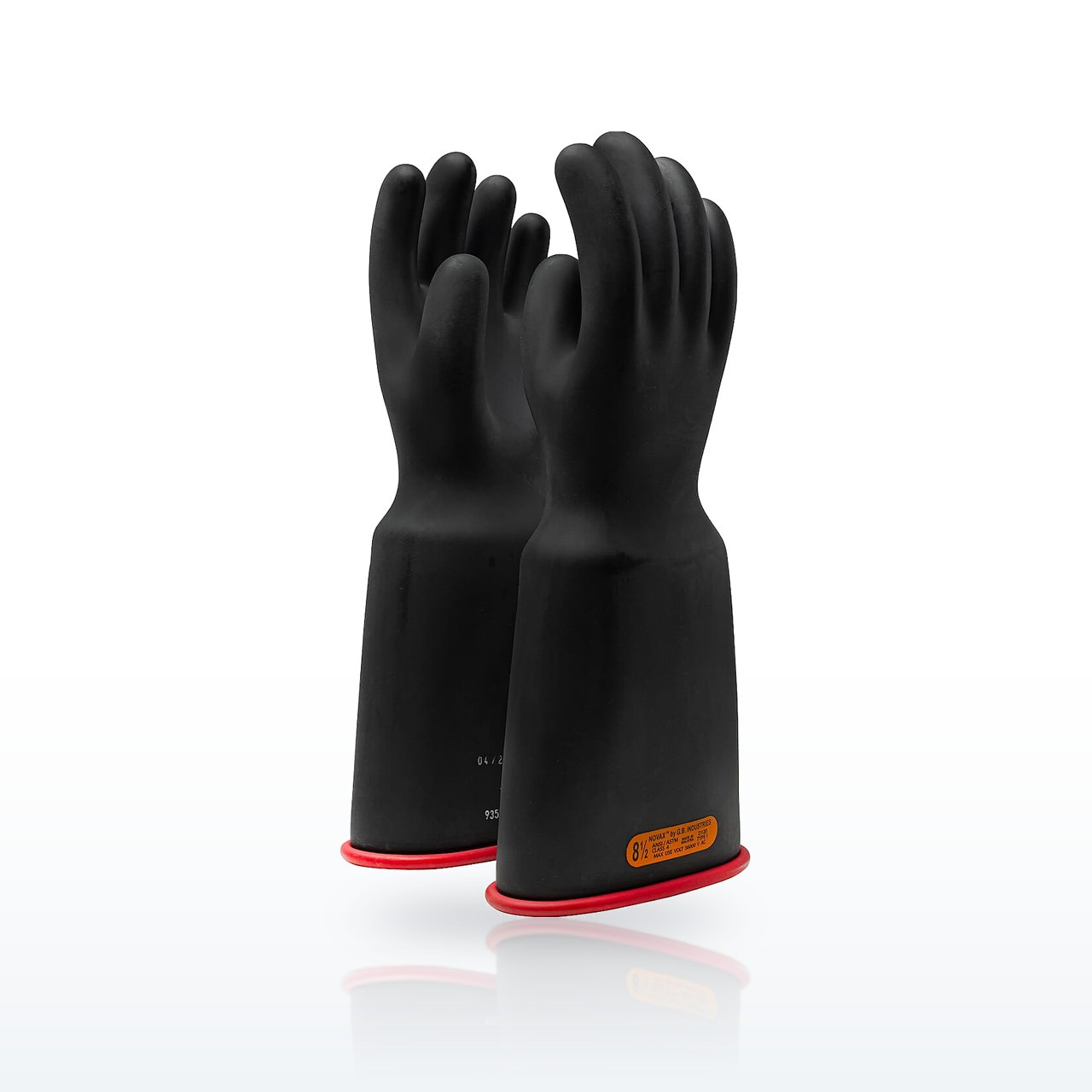
More: every insulating glove and protector.
Source: the manufacturers' product pages, specification sheets and catalogs as reproduced on each product page; the ratings and standards shown are the manufacturers' own statements, and the products listed are those whose published data names the rating or the standard, not a selection by Bayshore Safety.
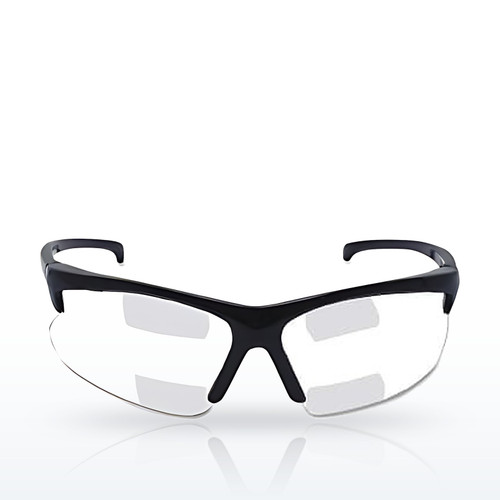
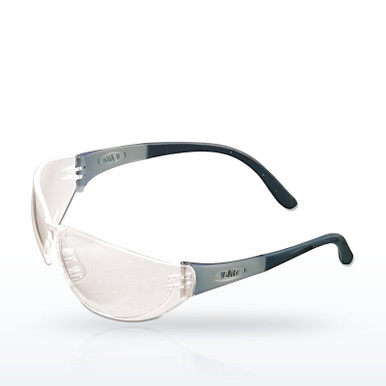
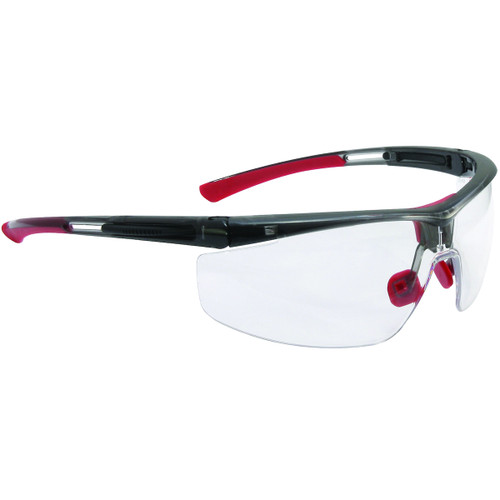
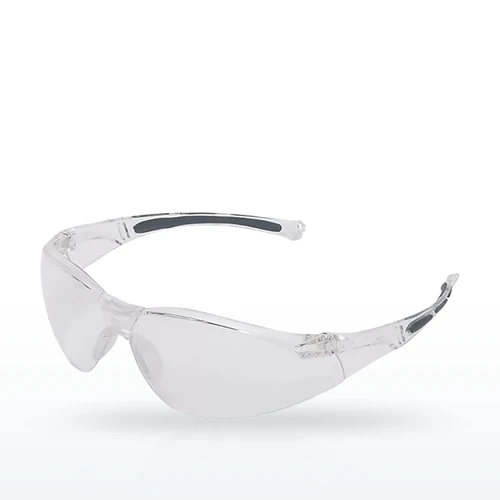
Class E hard hats and safety glasses for the category ensembles
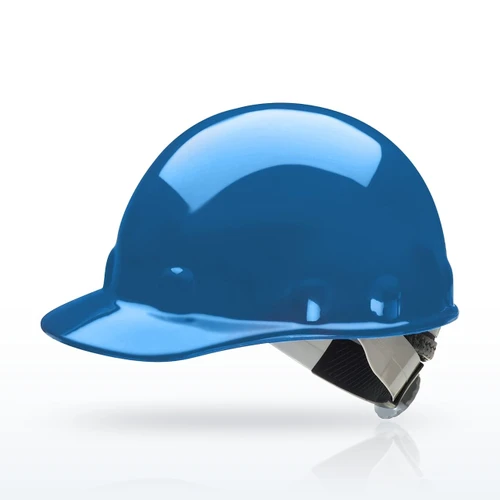
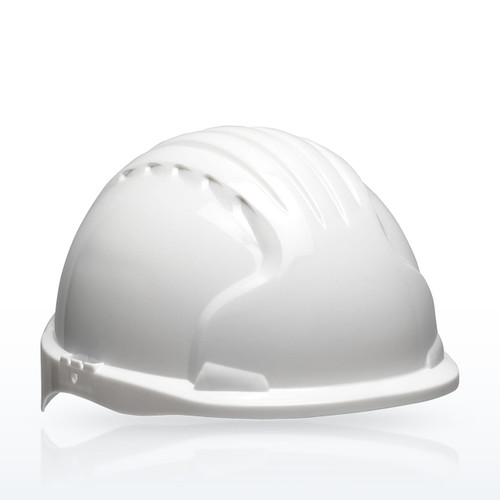
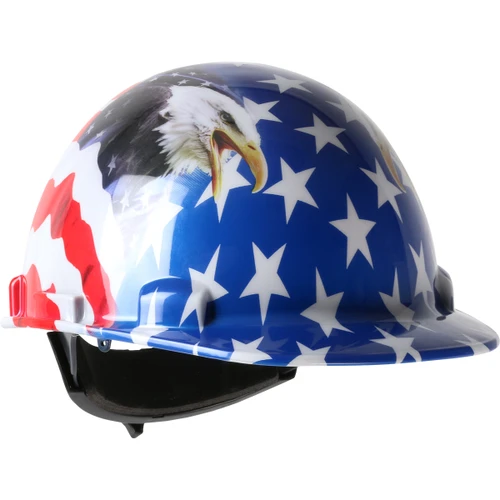
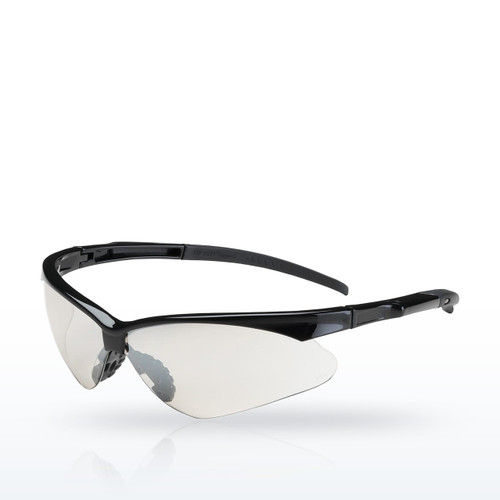

More: every Class E hard hat.
Source: the manufacturers' product pages, specification sheets and catalogs as reproduced on each product page; the ratings and standards shown are the manufacturers' own statements, and the products listed are those whose published data names the rating or the standard, not a selection by Bayshore Safety.
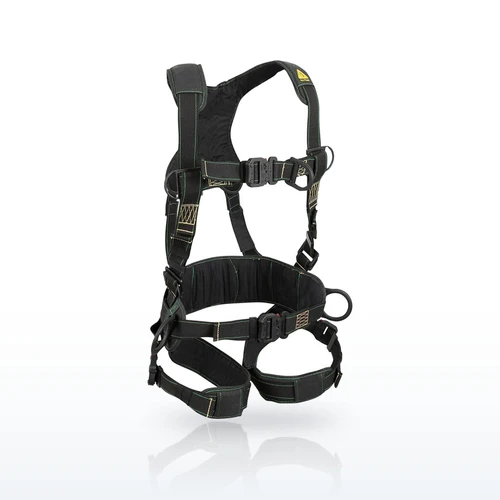
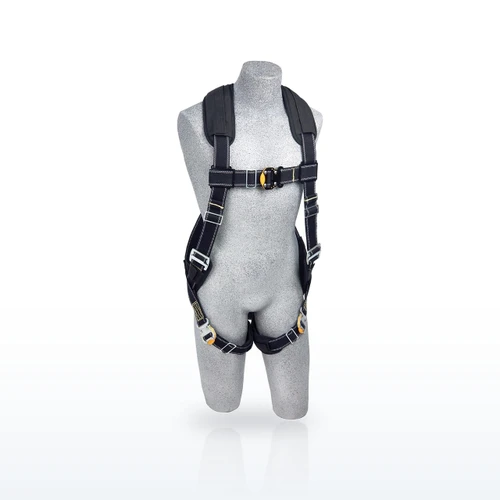
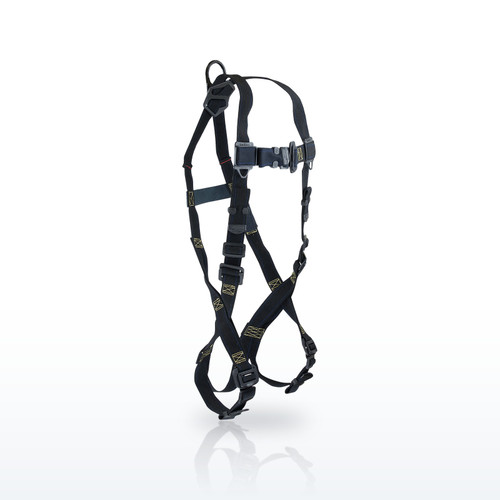
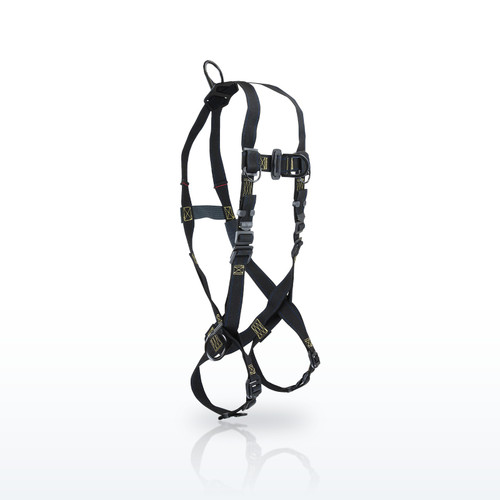
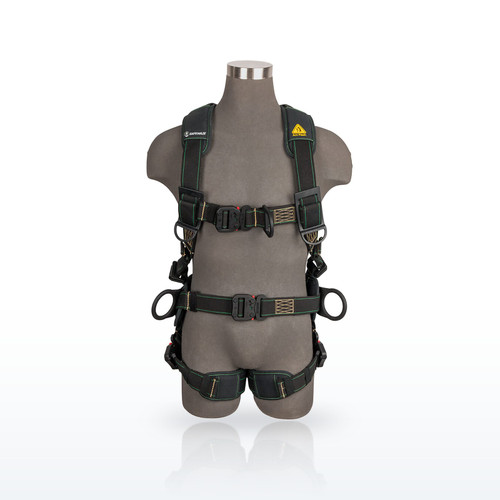
Arc-rated harnesses for electrical work at height
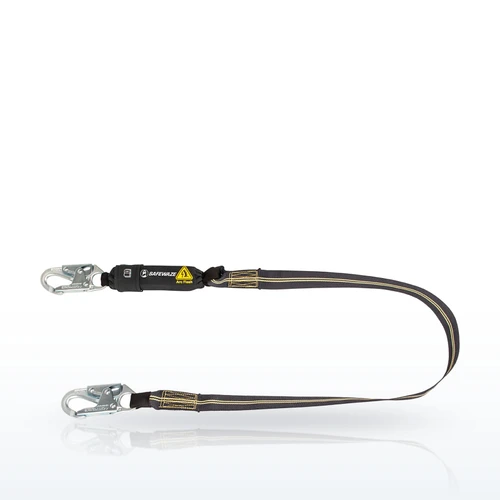
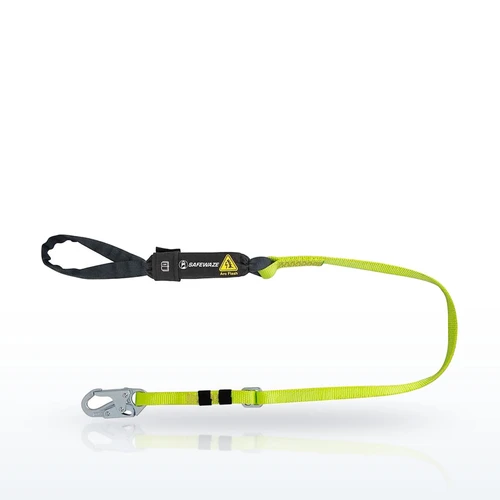
More: every arc-rated harness.
Source: the manufacturers' product pages, specification sheets and catalogs as reproduced on each product page; the ratings and standards shown are the manufacturers' own statements, and the products listed are those whose published data names the rating or the standard, not a selection by Bayshore Safety.
Guides that go further
What is NFPA 70E, and how does it relate to OSHA · NFPA 70E PPE categories 1 to 4 · Arc flash labels · What PPE should an electrician wear · Rubber insulating gloves and leather protectors · Arc-rated face shields and hoods · NFPA 2112 vs ASTM F1506 · OSHA 1910.269(l)(8), the OSHA paragraph that requires arc-rated clothing.
NFPA 70E Standard for Electrical Safety in the Workplace questions
What aspects of electrical safety in the workplace are covered by NFPA 70E? Safe work practices for employees exposed to electrical hazards: establishing an electrically safe work condition (lockout, testing), energized work permits, shock and arc flash risk assessments, approach boundaries, the arc flash boundary, PPE selection by incident energy or category, equipment labeling, training of qualified persons, and maintenance's effect on arc flash risk. Installation rules are in NFPA 70, the National Electrical Code.
What is the difference between NFPA 70 and 70E? NFPA 70 is the National Electrical Code, the installation standard for wiring and equipment that states and cities adopt as law; NFPA 70E is the worker safety standard for people who work on or near that equipment, covering shock and arc flash protection. The NEC requires the arc flash warning label on equipment; 70E tells the worker what to wear when the label applies.
How do you determine the arc flash PPE category? By one of 70E's two methods, never both for the same equipment: the incident energy analysis method, where an engineering study (IEEE 1584) gives the incident energy at the working distance and the clothing's arc rating must meet or exceed it; or the PPE category method, where Table 130.7(C)(15)(a) or (b) matches the equipment type, voltage, fault current and clearing time to Category 1, 2, 3 or 4 and Table 130.7(C)(15)(c) lists the PPE for each, with the result on the equipment label.
What is the minimum arc flash rating for Category 2? 8 cal/cm², under Table 130.7(C)(15)(c): arc-rated long-sleeve shirt and pants or coverall, an arc-rated face shield with an arc-rated balaclava or an arc-rated hood, hard hat, safety glasses or goggles, hearing protection, heavy-duty leather or arc-rated gloves, and leather footwear. Category 1 is 4 cal/cm², Category 3 is 25 and Category 4 is 40.
What are Category 3 gloves? Table 130.7(C)(15)(c) lists arc-rated gloves or rubber insulating gloves with leather protectors for Categories 3 and 4 (and heavy-duty leather or arc-rated gloves for 1 and 2); there is no glove with a category of its own. Rubber insulating gloves are classed by voltage under 1910.137 and ASTM D120, and leather protectors over them give the arc protection 1910.269(l)(8)(v)(A) accepts.
Is NFPA 70E required by OSHA? Not by incorporation; OSHA enforces 1910.132(d), 1910.333 to 1910.335 and 1910.269(l)(8), and cites NFPA 70E in letters of interpretation and under the General Duty Clause as the recognized way to meet them. Following 70E is how most employers show they have assessed the arc flash hazard and selected the PPE those paragraphs require.
The ratings, test results and standards shown here are the manufacturers' published values, reproduced as published. Nothing on this page is a recommendation by Bayshore Safety that any product is suitable for a particular task, hazard or workplace. Selecting safety products and protective equipment is the responsibility of the end user and the employer, based on their own hazard assessment and the regulations that apply to their work. Confirm every value on the manufacturer's own documentation before use.