
OSHA 1910.138 Hand Protection: what it requires and the equipment it names
29 CFR 1910.138 is the general industry glove rule. It is two paragraphs: use appropriate hand protection where hands are exposed to the listed hazards, and base the selection on the performance characteristics of the glove relative to the task. It names no standard; the ANSI/ISEA 105 ratings manufacturers print on the glove are how that selection is made. We sell nationwide; ships in 1–2 business days; most orders arrive in 3–7 business days.
The plain answer
29 CFR 1910.138 requires employers to select and require employees to use appropriate hand protection when hands are exposed to skin absorption of harmful substances, severe cuts or lacerations, severe abrasions, punctures, chemical burns, thermal burns, or harmful temperature extremes.
Selection must be based on an evaluation of the glove's performance characteristics relative to the tasks, the conditions present, the duration of use, and the hazards identified. The rule applies to all general industry employers; construction relies on 1926.95 and 1926.28.
Unlike the eye, head and foot rules, 1910.138 names no consensus standard. The performance characteristics it asks the employer to evaluate are what ANSI/ISEA 105 rates (cut A1 to A9, abrasion, puncture, chemical permeation, heat) and ANSI/ISEA 138 rates for back-of-hand impact, and what EN 388 and EN ISO 374 state on gloves sold in Europe.
What the rule says
Each entry is condensed from the paragraph cited; the paragraph itself is the rule and the link opens it.
29 CFR 1910.138(a): Employers must select and require employees to use appropriate hand protection when hands are exposed to hazards such as skin absorption of harmful substances, severe cuts or lacerations, severe abrasions, punctures, chemical burns, thermal burns, and harmful temperature extremes.
29 CFR 1910.138(b): Employers must base the selection of hand protection on an evaluation of the performance characteristics of the hand protection relative to the tasks to be performed, the conditions present, the duration of use, and the hazards and potential hazards identified.
29 CFR 1910.132(d)(1): The hazard assessment that finds the hand hazards and selects the glove, communicated to each affected employee, with the glove fitting the employee.
29 CFR 1910.137(a)-(c): Where the hazard is electrical, rubber insulating gloves are governed separately: marked Class 00 to 4 with the maximum use voltage of Table I-4, inspected and air tested before each day's use, and electrically retested at the Table I-5 intervals.
Source: 29 CFR, Occupational Safety and Health Standards, as published by OSHA (ecfr.gov), read Nov 9 2026.
California (Cal/OSHA)
Each entry is condensed from the paragraph cited; the paragraph itself is the rule and the link opens it.
Title 8 §3384(a): Employers must select, provide and require appropriate hand protection where hands are exposed to skin absorption, cuts or lacerations, abrasions, punctures, chemical burns, thermal burns, radioactive materials and harmful temperature extremes; an exception allows no cut, laceration or abrasion protection where the §3380(f) hazard assessment finds the risk infrequent and superficial.
Title 8 §3384(b): Gloves must not be worn where there is a danger of the hand protection becoming entangled in moving machinery or materials, with an exception for machinery with a momentary contact device.
Source: California Code of Regulations, Title 8, as published by Cal/OSHA (dir.ca.gov), read Nov 9 2026.
Equipment the rule names
| Equipment or condition | What the rule requires | Paragraph |
|---|---|---|
| Cuts and lacerations | Glove whose cut performance matches the task; manufacturers rate it under ANSI/ISEA 105 (A1 to A9) | 29 CFR 1910.138(a)-(b) |
| Abrasion and puncture | Glove rated for abrasion and puncture; ANSI/ISEA 105 levels 0 to 6 and 0 to 5 | 29 CFR 1910.138(a)-(b) |
| Skin absorption and chemical burns | Chemical-resistant glove with permeation data for the chemical handled (ANSI/ISEA 105, EN ISO 374) | 29 CFR 1910.138(a)-(b) |
| Thermal burns and temperature extremes | Heat or cold rated glove; ANSI/ISEA 105 conductive heat levels | 29 CFR 1910.138(a)-(b) |
| Electrical shock | Rubber insulating gloves Class 00 to 4 with leather protectors, under 1910.137 | 29 CFR 1910.137(a) |
Source: 29 CFR, Occupational Safety and Health Standards, as published by OSHA (ecfr.gov), read Nov 9 2026.
What we carry for it
Each table lists products whose manufacturer data states the rating or the standard the rule names, every brand we carry that does, with the current price. Sizes and versions are chosen on the product page. The selector linked under each table holds every item of that type.
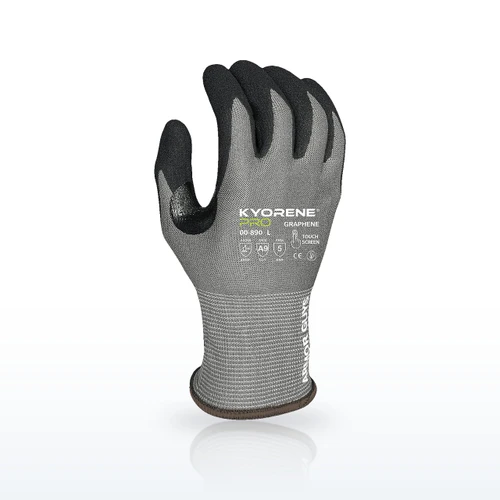
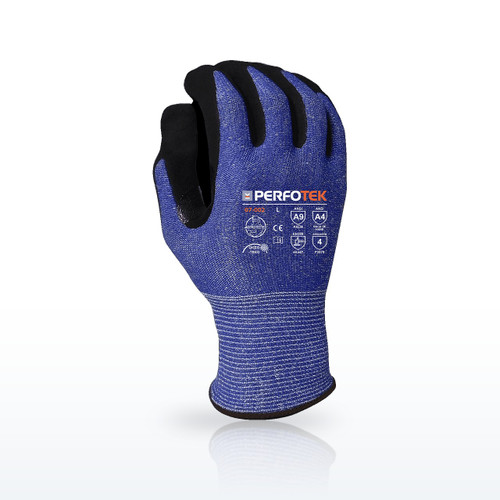
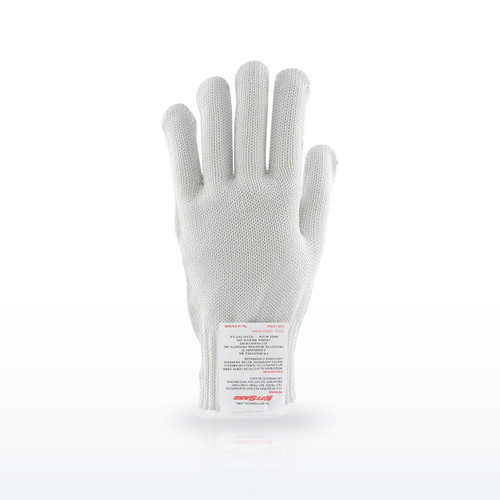
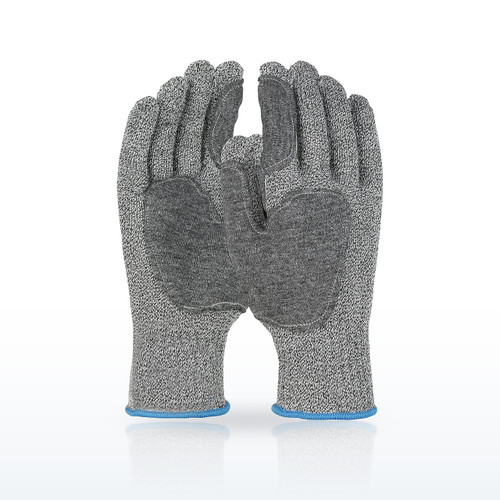
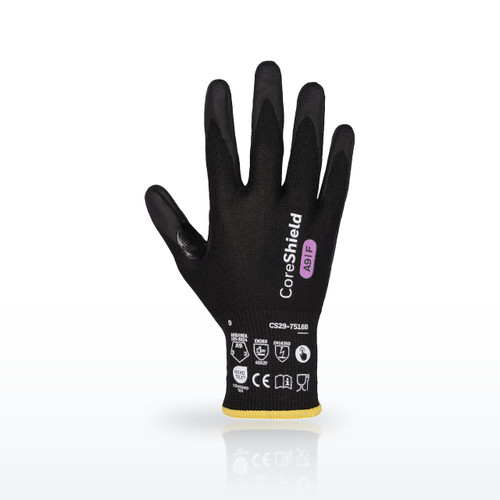
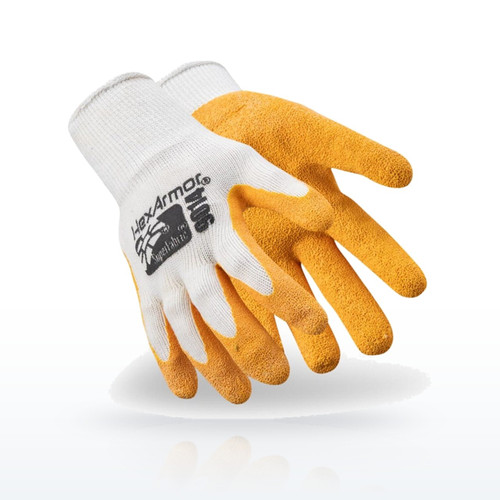
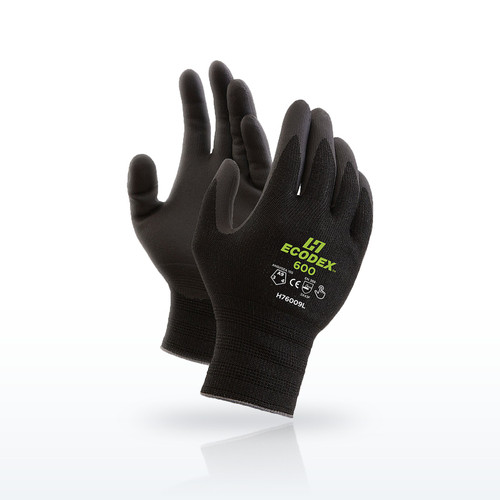
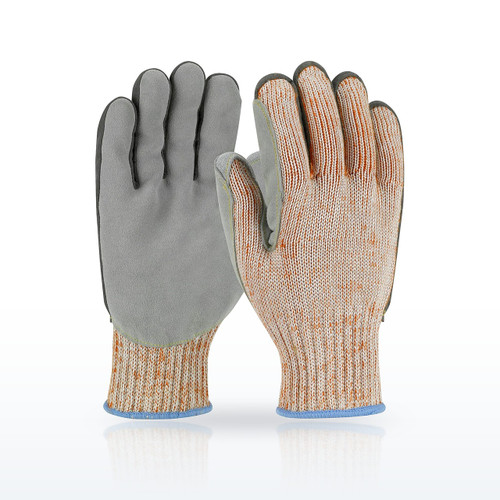
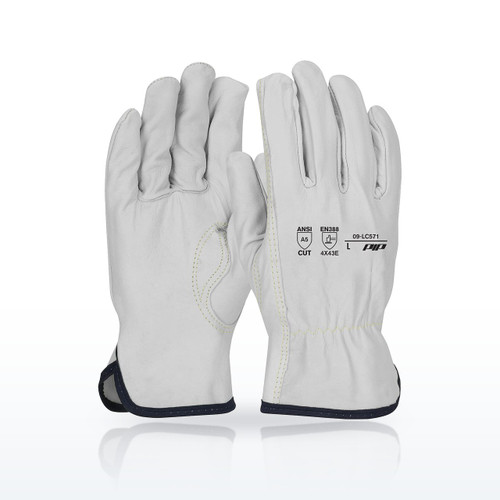
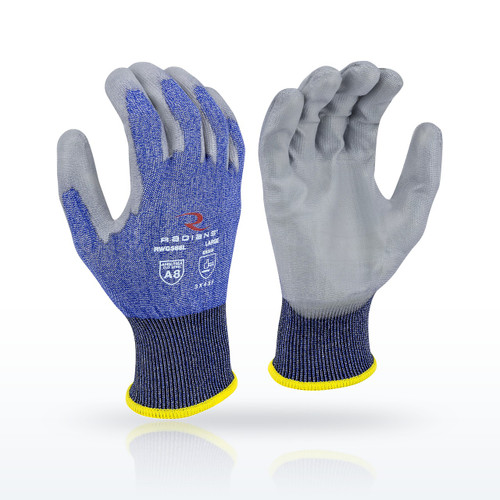
Cut-resistant gloves rated ANSI/ISEA 105 A4 to A9 by their manufacturers



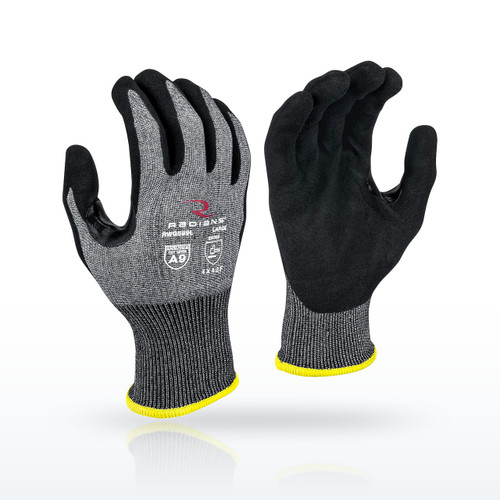
More: every glove by job, cut level and coating.
Source: the manufacturers' product pages, specification sheets and catalogs as reproduced on each product page; the ratings and standards shown are the manufacturers' own statements, and the products listed are those whose published data names the rating or the standard, not a selection by Bayshore Safety.
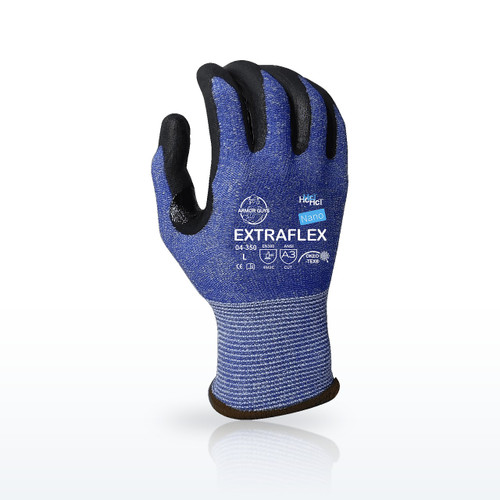
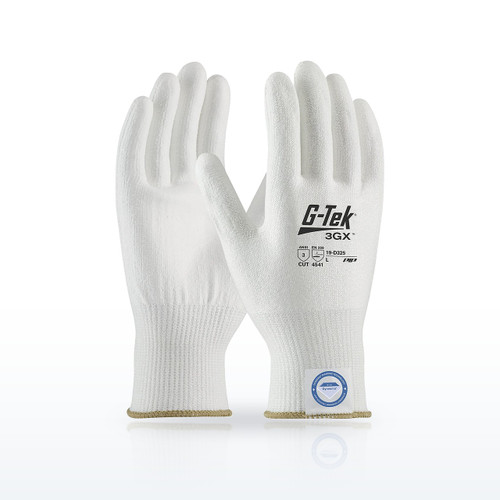
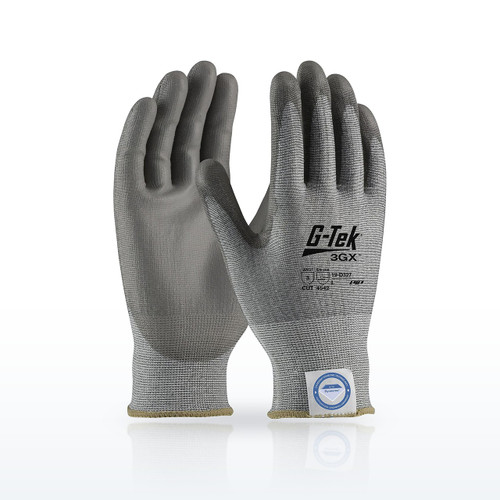
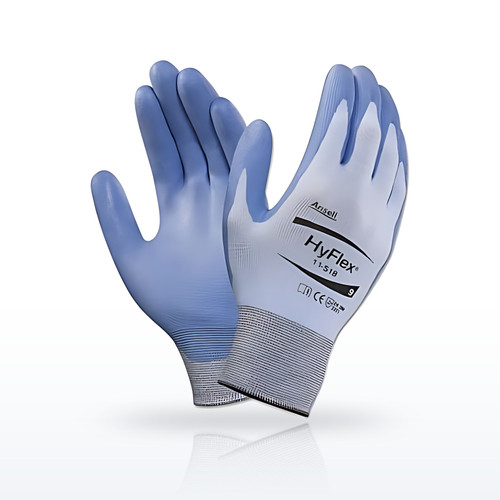
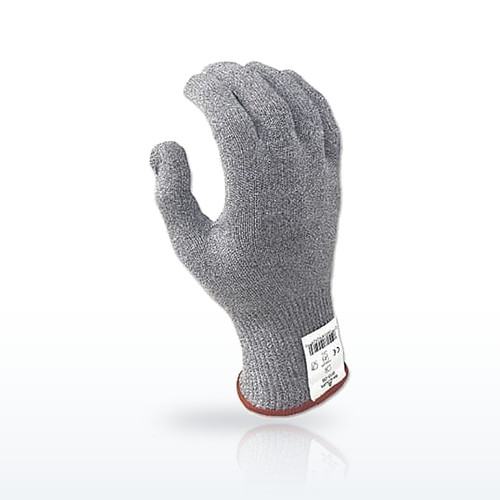
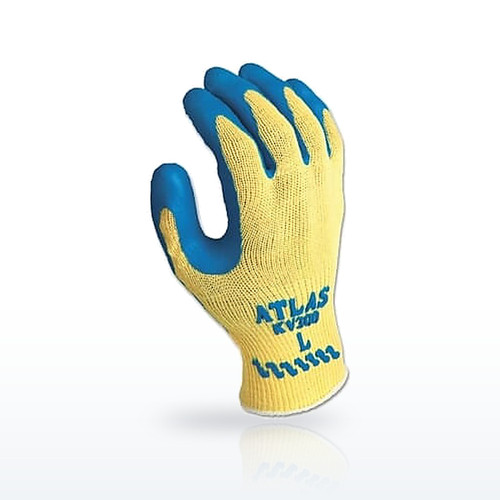
Cut-resistant gloves rated A1 to A3

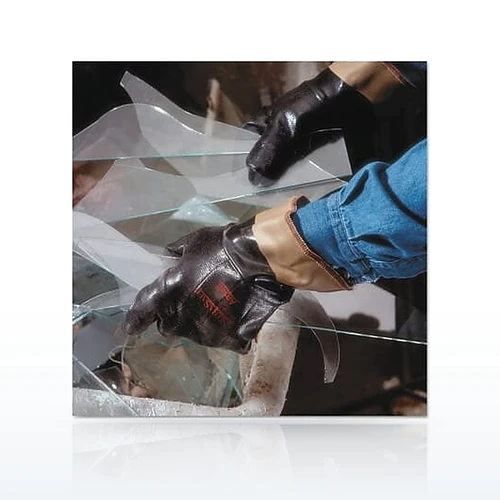
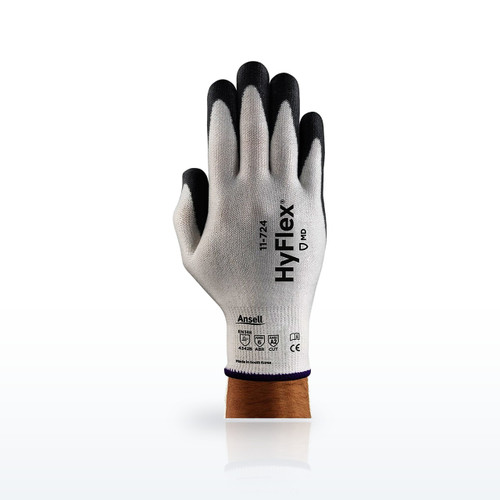


More: every A1, A2 and A3 glove.
Source: the manufacturers' product pages, specification sheets and catalogs as reproduced on each product page; the ratings and standards shown are the manufacturers' own statements, and the products listed are those whose published data names the rating or the standard, not a selection by Bayshore Safety.
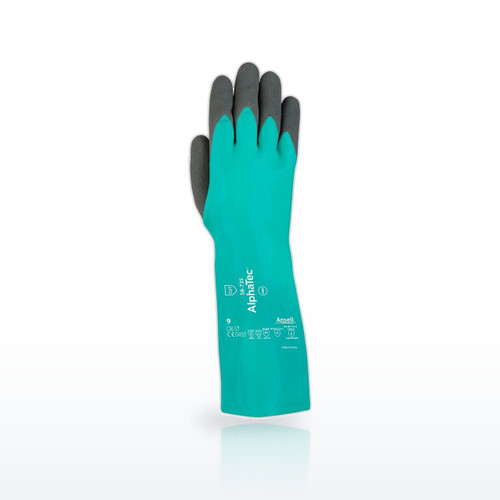
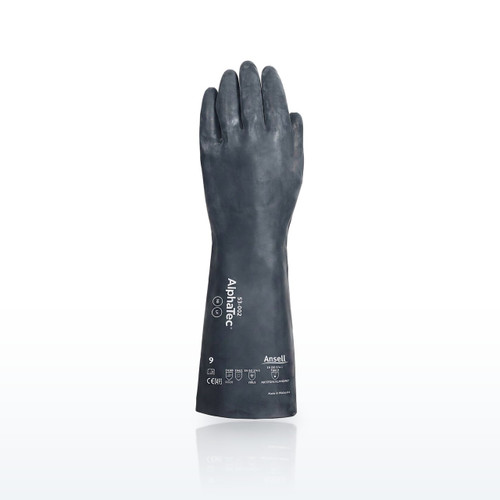
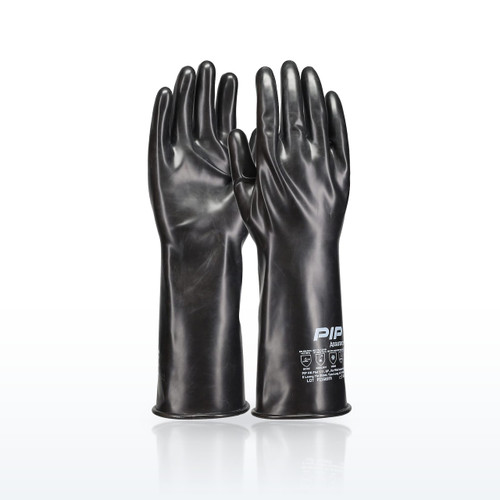
Chemical-resistant gloves with permeation data
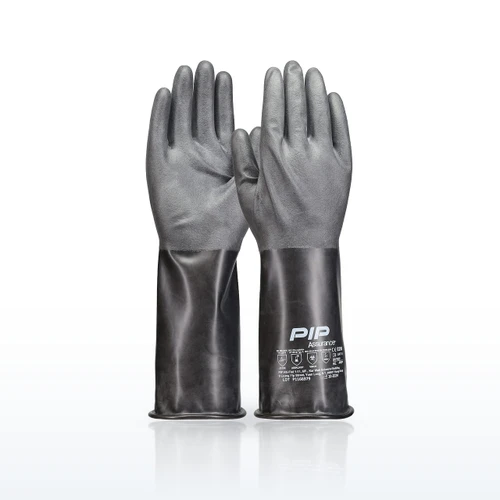
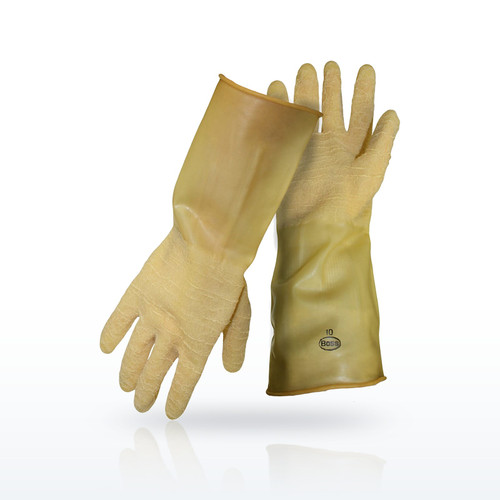
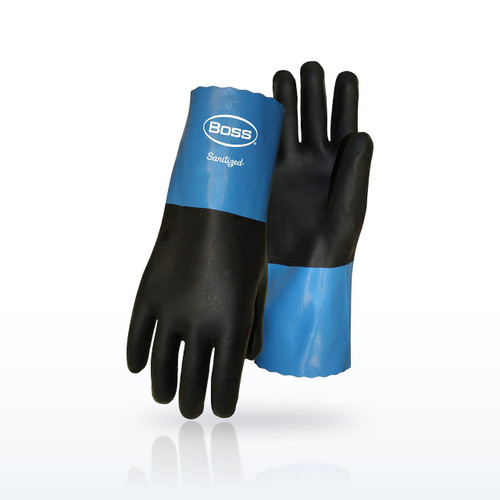
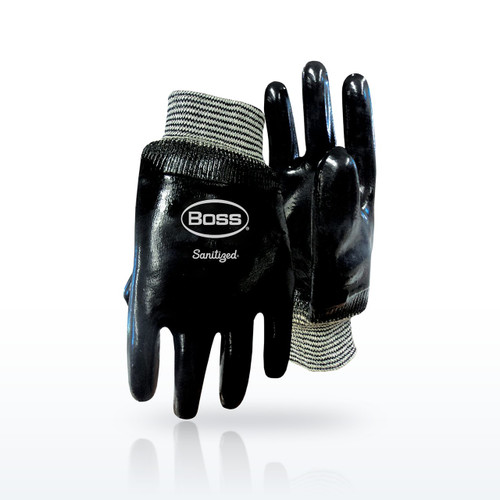
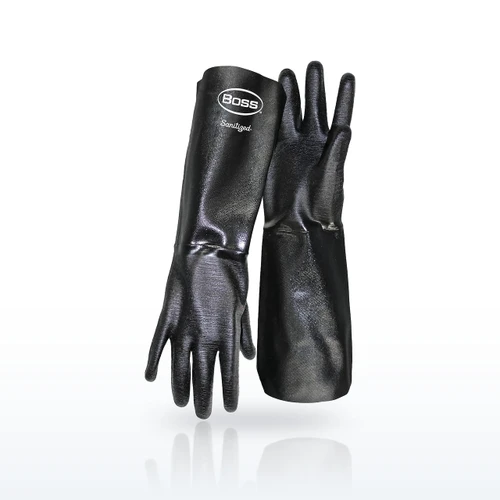
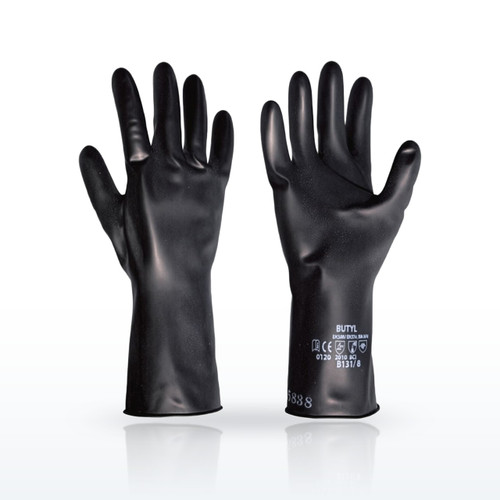
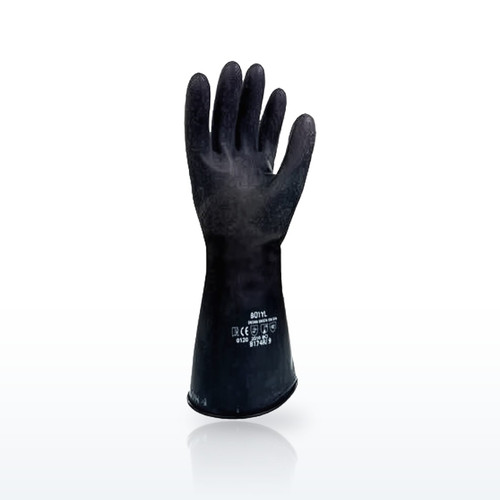
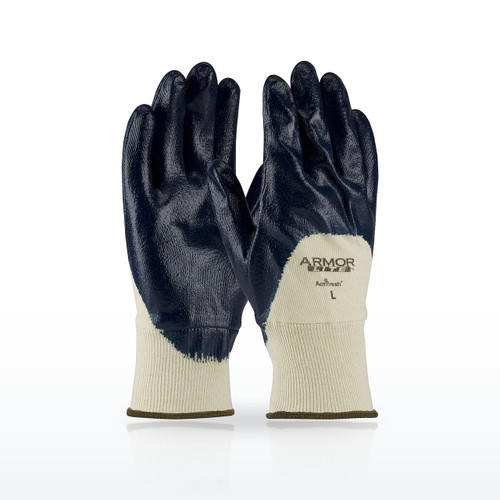
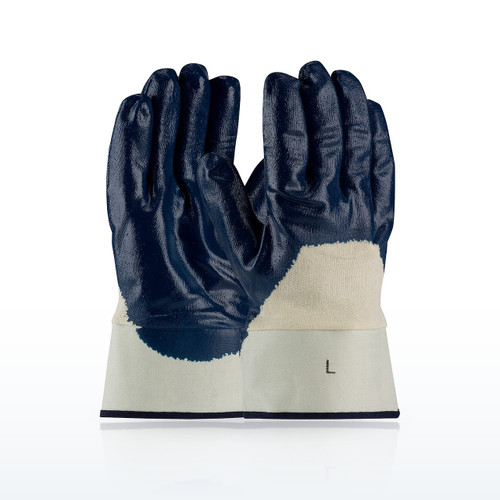
More: every chemical glove by material and length.
Source: the manufacturers' product pages, specification sheets and catalogs as reproduced on each product page; the ratings and standards shown are the manufacturers' own statements, and the products listed are those whose published data names the rating or the standard, not a selection by Bayshore Safety.
Impact gloves rated under ANSI/ISEA 138
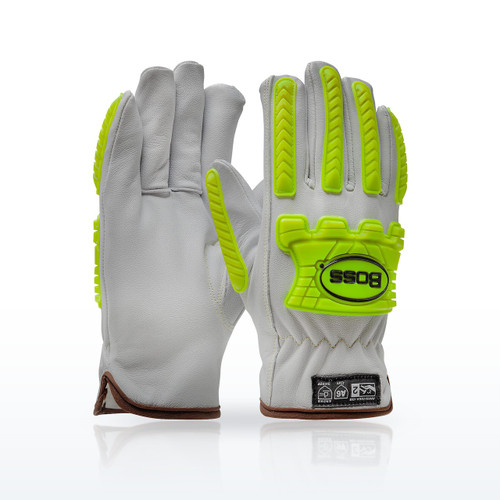
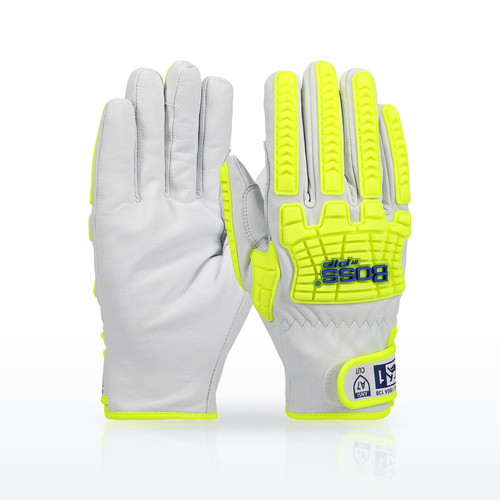
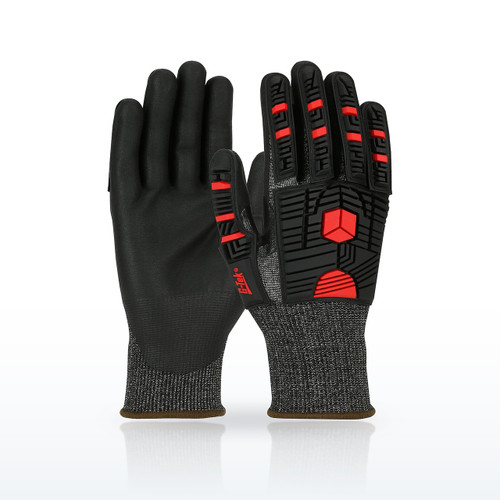
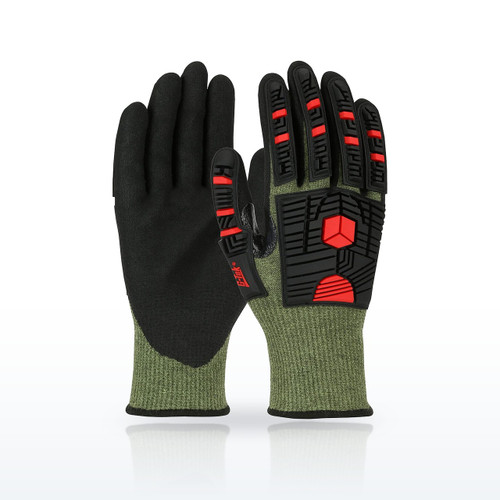

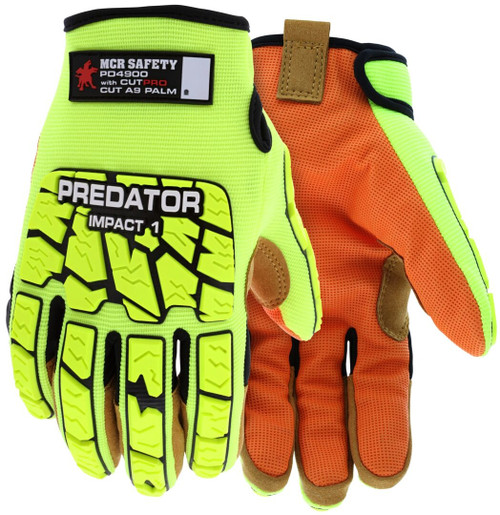


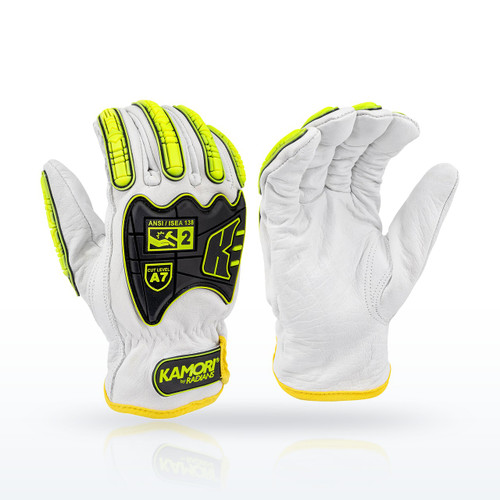
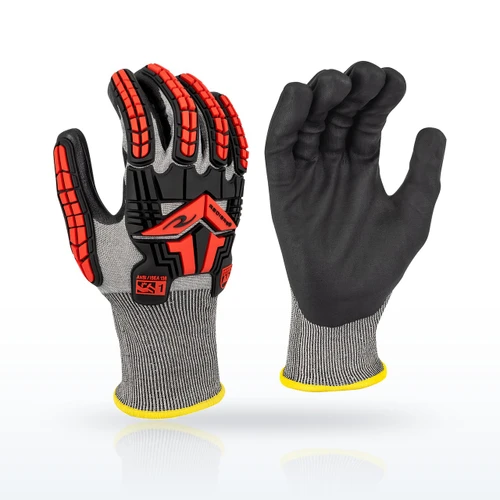
More: every impact glove.
Source: the manufacturers' product pages, specification sheets and catalogs as reproduced on each product page; the ratings and standards shown are the manufacturers' own statements, and the products listed are those whose published data names the rating or the standard, not a selection by Bayshore Safety.
Heat-resistant and welding gloves
| Part number | Item | Rating stated | Price | ||
|---|---|---|---|---|---|
 | 1JC3016W | Boss 1JC3016W High Heat Gloves, 18oz, Cotton | $35.49 | ||
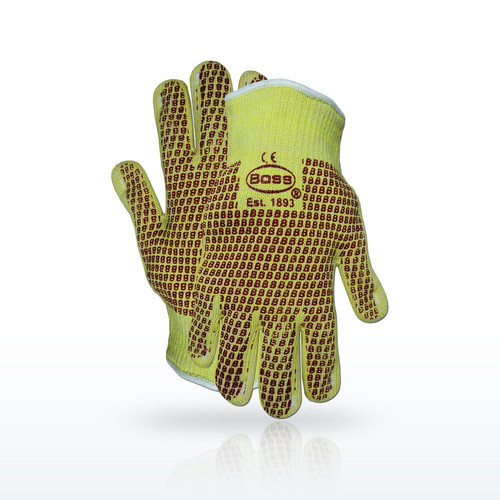 | 1TN4100KB | Boss 1TN4100KB High Heat Gloves, Aramid/Cotton | ANSI A4, EN 388 1232X | $136.00 | Choose on the page |
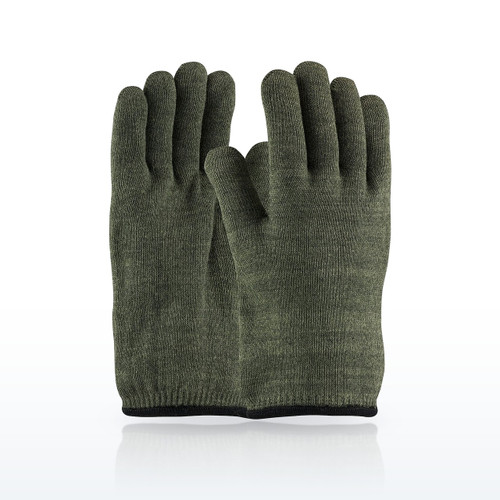 | 43-850L | Kut Gard 43-850 High Heat Gloves, ASTM F1060 Level 3, 32oz | ANSI A4 | $281.00 | |
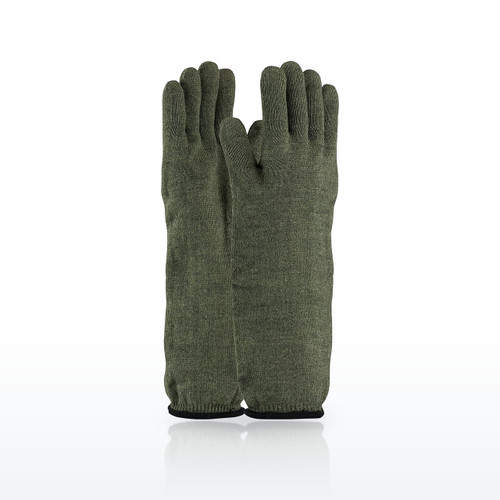 | 43-858 | Kut Gard 43-858 High Heat Gloves, ASTM F1060 Level 3, 32oz | ANSI A4 | $134.00 | Choose on the page |
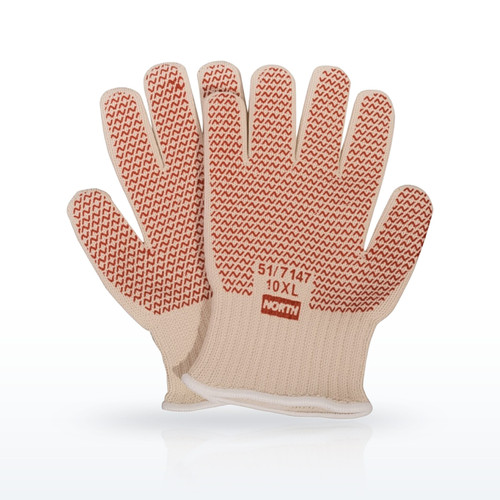 | 51/7147V | North Grip N 51/7147V High Heat Gloves, 24oz, Cotton/Polyester | EN 388 124X | $48.49 | |
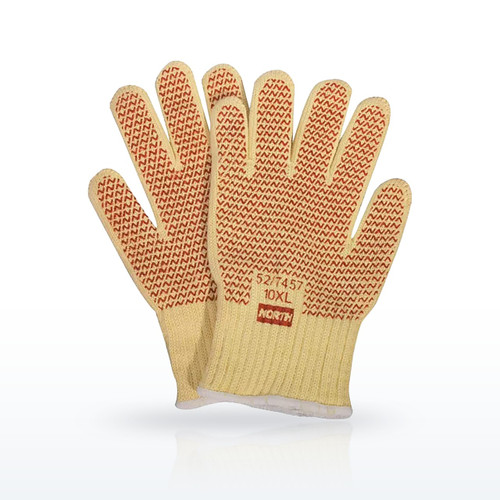 | 52/7457 | North Grip N 52/7457 High Heat Gloves, 24oz, Cotton/Kevlar | ANSI A4, EN 388 1X41C | $215.00 | |
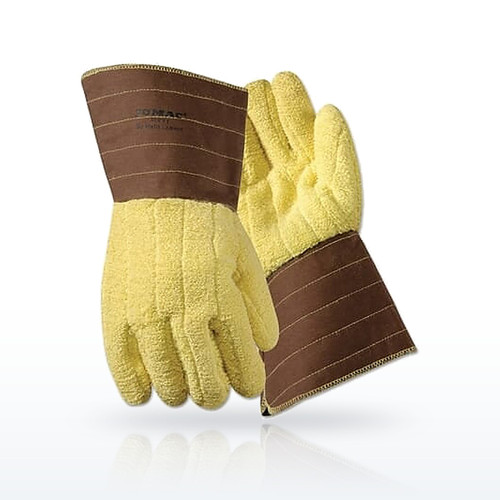 | 625 | Wells Lamont 625 High Heat Gloves, ANSI A7, Jomac Kevlar Duck Gauntlet Gloves | ANSI A7 | $384.78 | |
 | 644HRL | Wells Lamont 644HRL High Heat Gloves, Jomac Brown and White Safety Cuff Gloves | $22.81 |
More: every heat-rated glove.
Source: the manufacturers' product pages, specification sheets and catalogs as reproduced on each product page; the ratings and standards shown are the manufacturers' own statements, and the products listed are those whose published data names the rating or the standard, not a selection by Bayshore Safety.
Rubber insulating gloves (1910.137)

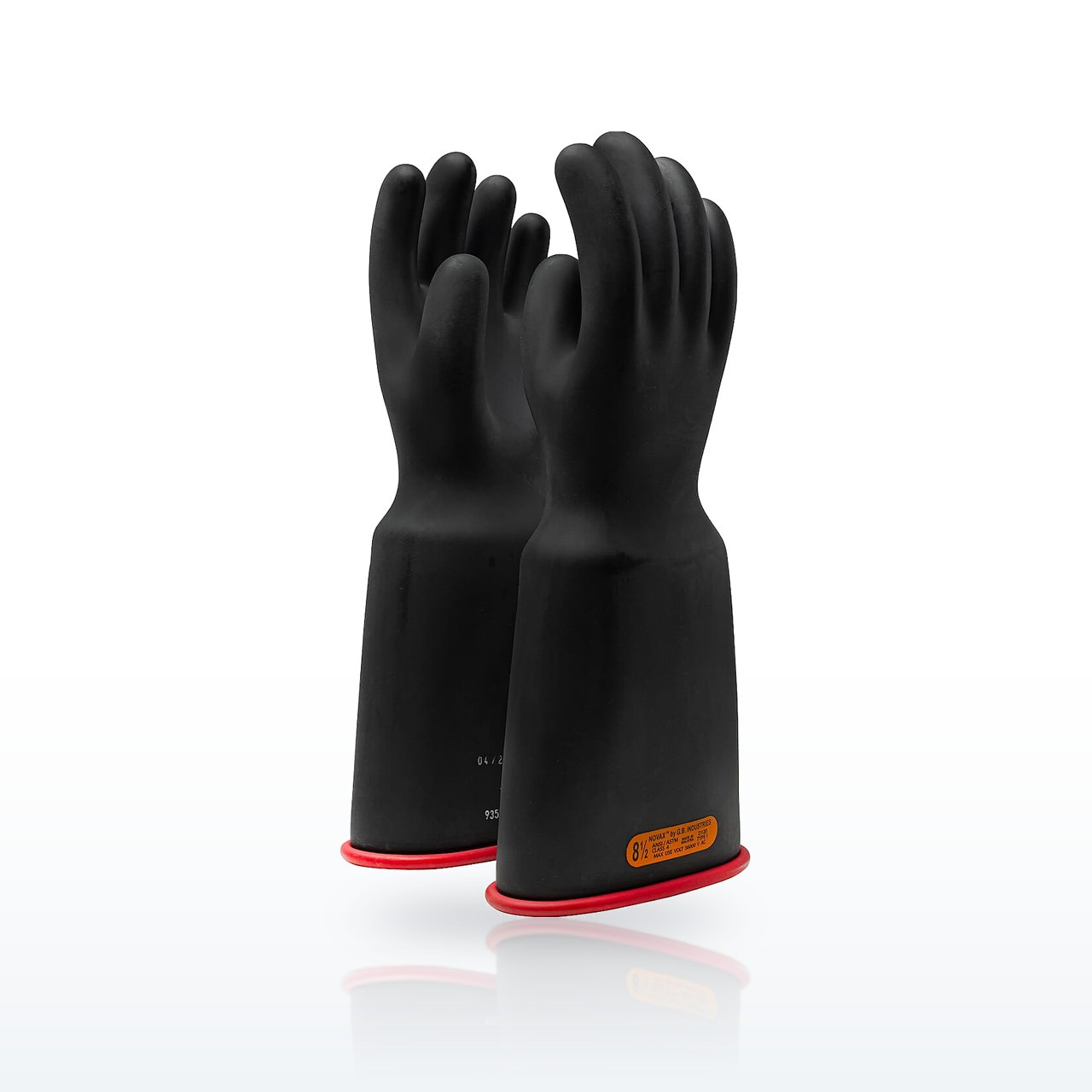

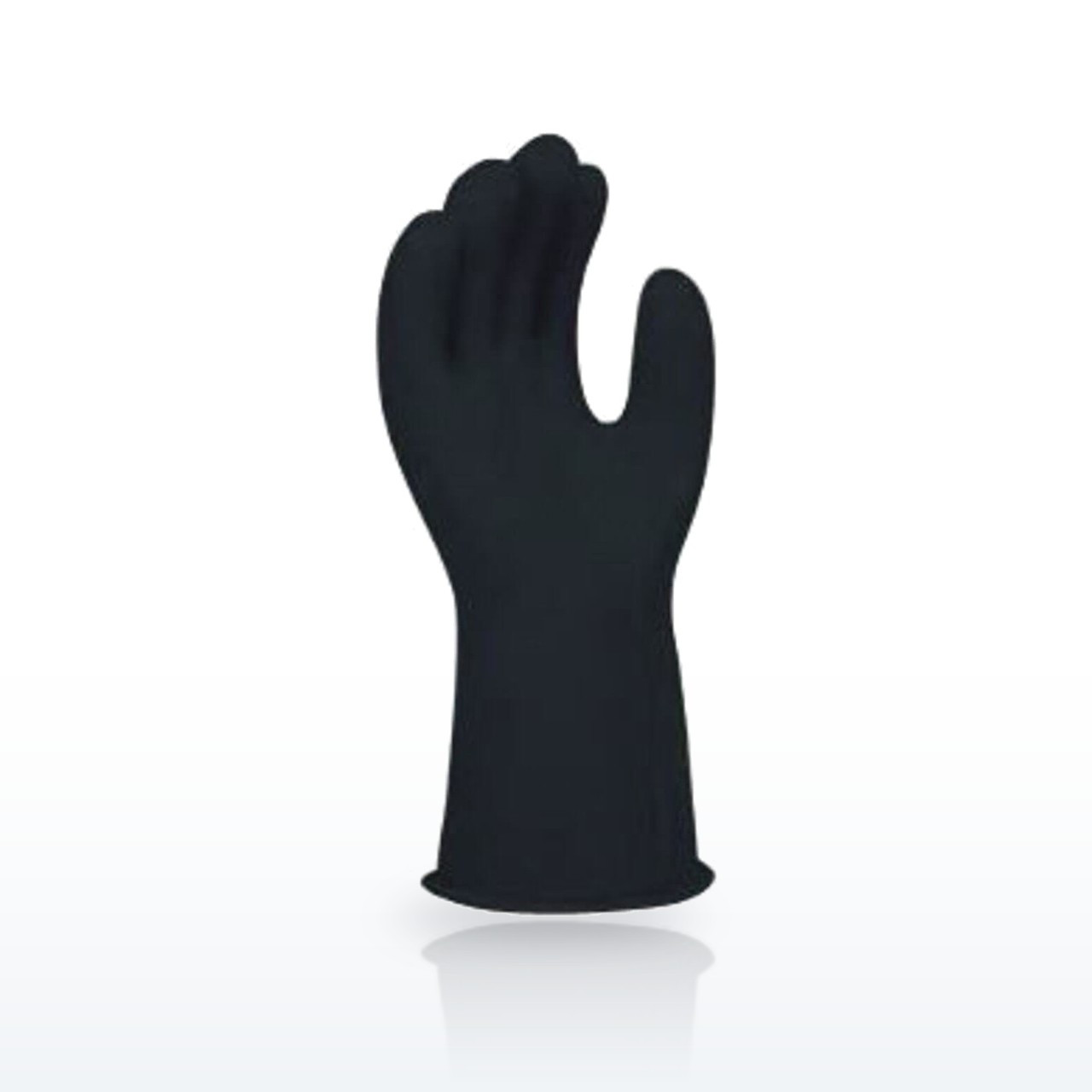
More: every insulating glove and protector.
Source: the manufacturers' product pages, specification sheets and catalogs as reproduced on each product page; the ratings and standards shown are the manufacturers' own statements, and the products listed are those whose published data names the rating or the standard, not a selection by Bayshore Safety.
Guides that go further
OSHA hand protection requirements · What do ANSI cut levels A1 to A9 mean · Impact-rated gloves · Heat-resistant gloves · Electrical insulating rubber gloves · ANSI/ISEA 105 cut levels explained.
OSHA 1910.138 Hand Protection questions
Are cut-resistant gloves required by OSHA? Where hands are exposed to severe cuts or lacerations, 1910.138(a) requires appropriate hand protection, and (b) requires the choice to rest on the glove's performance for that task. The rule does not name a cut level; the employer's hazard assessment does, using the ANSI/ISEA 105 level the manufacturer states.
What is the OSHA standard for gloves? 29 CFR 1910.138 in general industry (with the hazard assessment in 1910.132), 1926.95 in construction, and 1910.137 for rubber insulating gloves. 1910.138 names no ANSI standard; it requires selection on performance characteristics, which is where the ANSI/ISEA 105 and 138 ratings come in.
What gloves does OSHA require? Gloves appropriate to the hazard listed in 1910.138(a): skin absorption, cuts, abrasions, punctures, chemical burns, thermal burns and temperature extremes. The paragraph leaves the type to the evaluation in (b); the manufacturers' ratings (cut level, permeation time, heat level) are the performance characteristics that evaluation compares.
Is not wearing gloves an OSHA violation? Only where the hazard assessment found a hand hazard that 1910.138(a) covers and the employer did not select and require gloves. Cal/OSHA §3384(b) goes the other way near moving machinery: gloves must not be worn where they could be caught and pulled in.
What type of gloves are required when working on high-voltage systems? Rubber insulating gloves under 29 CFR 1910.137 (and 1910.269 for power generation and distribution): marked with a class whose maximum use voltage covers the exposure (Class 00 for 500 volts up to Class 4 for 36,000 volts, Table I-4), worn with leather protectors, air tested before each day's use and electrically retested every six months in service.
Does OSHA require gloves for chemicals? Where hands are exposed to skin absorption of harmful substances or chemical burns, yes, under 1910.138(a). Which glove material is a matter of the manufacturer's permeation and degradation data for the chemical, which the chemical-glove pages carry, and the safety data sheet's section 8.
The ratings, test results and standards shown here are the manufacturers' published values, reproduced as published. Nothing on this page is a recommendation by Bayshore Safety that any product is suitable for a particular task, hazard or workplace. Selecting safety products and protective equipment is the responsibility of the end user and the employer, based on their own hazard assessment and the regulations that apply to their work. Confirm every value on the manufacturer's own documentation before use.