
OSHA 1926.52 Occupational Noise Exposure and 1926.101 Hearing Protection (Construction): what they require and the equipment they name
29 CFR 1926.52 and 1926.101 are the construction noise rules. 1926.52 sets the permissible exposures of Table D-2 (90 dBA for 8 hours on a 5 dB exchange rate), requires feasible controls first and PPE when they fall short, and requires a continuing hearing conservation program; 1926.101 requires ear protective devices where the levels cannot be met, fitted individually, and bans plain cotton. The 85 dBA action level and audiometric program are general industry (1910.95) requirements. We sell nationwide; ships in 1–2 business days; most orders arrive in 3–7 business days.
The plain answer
29 CFR 1926.52 requires protection against the effects of noise when sound levels exceed Table D-2 (90 dBA for 8 hours, 95 for 4, 100 for 2, 105 for 1, 110 for a half hour, 115 for 15 minutes or less), requires feasible administrative or engineering controls first and PPE under Subpart E when controls do not bring levels within the table, treats noise with maxima at intervals of one second or less as continuous, requires a continuing effective hearing conservation program wherever the levels are exceeded, and gives the formula for mixed exposures; impulsive noise should not exceed 140 dB peak.
29 CFR 1926.101 requires ear protective devices wherever it is not feasible to reduce levels or durations to Table D-2, requires inserted devices to be fitted or determined individually by a competent person, and says plain cotton is not an acceptable protective device. Both apply to all construction employers; general industry uses 1910.95, which adds the 85 dBA action level, audiograms, training and the attenuation evaluation.
The equipment they name is ear protective devices: earplugs (fitted individually) and earmuffs, which manufacturers rate with the EPA-labeled NRR, and the sound level meter (A scale, slow response) that the exposure in Table D-2 is measured with.
Table D-2 permissible noise exposures
| Duration per day (hours) | Sound level (dBA, slow response) | Paragraph |
|---|---|---|
| 8 | 90 | 1926.52 Table D-2 |
| 6 | 92 | 1926.52 Table D-2 |
| 4 | 95 | 1926.52 Table D-2 |
| 3 | 97 | 1926.52 Table D-2 |
| 2 | 100 | 1926.52 Table D-2 |
| 1.5 | 102 | 1926.52 Table D-2 |
| 1 | 105 | 1926.52 Table D-2 |
| 0.5 | 110 | 1926.52 Table D-2 |
| 0.25 or less | 115 | 1926.52 Table D-2 |
| Impulsive or impact noise | Should not exceed 140 dB peak | 1926.52(e) |
Source: 29 CFR 1926.52 Table D-2 (ecfr.gov), fetched Nov 9 2026
What the rule says
Each entry is condensed from the paragraph cited; the paragraph itself is the rule and the link opens it.
29 CFR 1926.52(a): Protection against the effects of noise exposure is provided when the sound levels exceed Table D-2, measured on the A scale of a standard sound level meter at slow response.
29 CFR 1926.52(b): When employees are subjected to sound levels exceeding Table D-2, feasible administrative or engineering controls are used; if they fail to reduce levels within the table, personal protective equipment under Subpart E is provided and used.
29 CFR 1926.52(c)-(d)(1): Noise with maxima at intervals of one second or less is continuous; in all cases where the levels are exceeded, a continuing, effective hearing conservation program is administered.
29 CFR 1926.52(d)(2): Mixed exposures: the equivalent noise exposure factor is the sum of each period divided by its permitted duration; if it exceeds one, the exposure exceeds the permissible level.
29 CFR 1926.52(e): Exposure to impulsive or impact noise should not exceed 140 dB peak sound pressure level.
29 CFR 1926.101(a): Wherever it is not feasible to reduce noise levels or durations to Table D-2, ear protective devices are provided and used.
29 CFR 1926.101(b)-(c): Ear protective devices inserted in the ear are fitted or determined individually by competent persons; plain cotton is not an acceptable protective device.
Source: 29 CFR, Occupational Safety and Health Standards, as published by OSHA (ecfr.gov), read Nov 9 2026.
California (Cal/OSHA)
Each entry is condensed from the paragraph cited; the paragraph itself is the rule and the link opens it.
Title 8 §1521: Construction Safety Orders, Ear Protection: where required by §5096(b) of the General Industry Safety Orders, ear protection is provided by the employer and employees are required to wear it, so California construction follows the general industry noise orders (§5095 to §5100), including the 85 dBA hearing conservation program and the §5098 attenuation evaluation.
Source: California Code of Regulations, Title 8, as published by Cal/OSHA (dir.ca.gov), read Nov 9 2026.
Equipment the rule names
| Equipment or condition | What the rule requires | Paragraph |
|---|---|---|
| Ear protective devices | Where controls cannot meet Table D-2; inserted devices fitted individually by a competent person | 29 CFR 1926.101(a)-(b) |
| Plain cotton | Not an acceptable protective device | 29 CFR 1926.101(c) |
| Sound level meter | A scale, slow response, for the Table D-2 measurement | 29 CFR 1926.52(a) |
| Hearing conservation program | Continuing and effective wherever the levels are exceeded | 29 CFR 1926.52(d)(1) |
| Controls | Administrative or engineering controls first | 29 CFR 1926.52(b) |
Source: 29 CFR, Occupational Safety and Health Standards, as published by OSHA (ecfr.gov), read Nov 9 2026.
What we carry for it
Each table lists products whose manufacturer data states the rating or the standard the rule names, every brand we carry that does, with the current price. Sizes and versions are chosen on the product page. The selector linked under each table holds every item of that type.
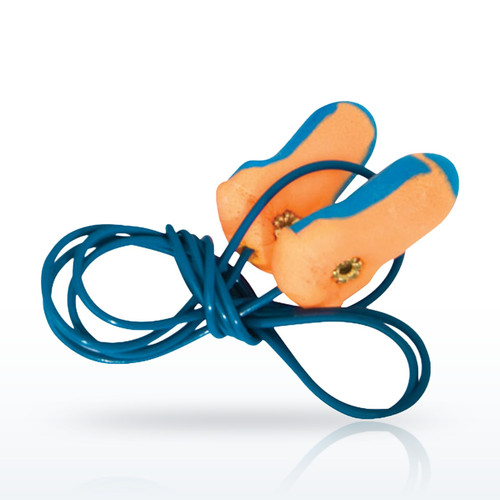
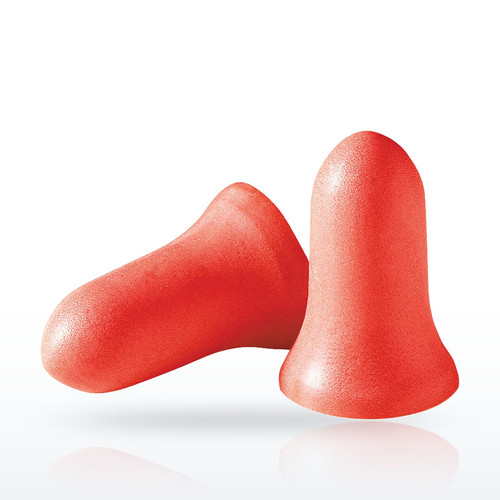
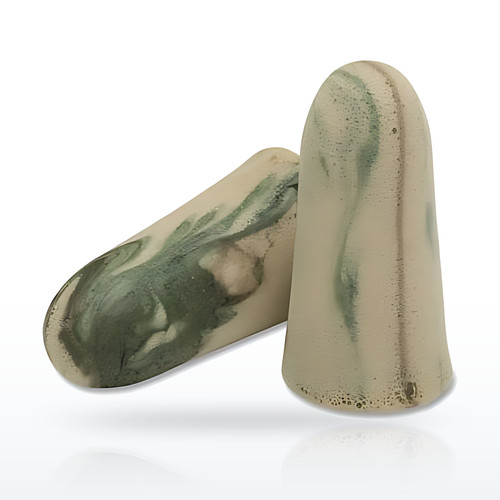
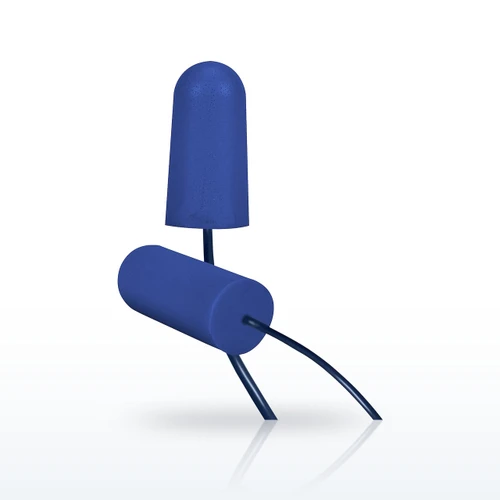
Earplugs by stated NRR (fitted individually under 1926.101(b))
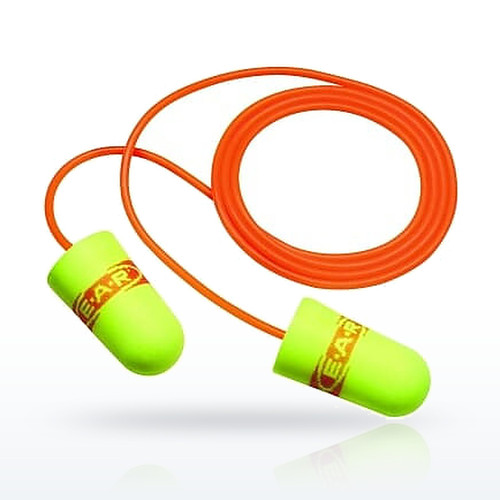
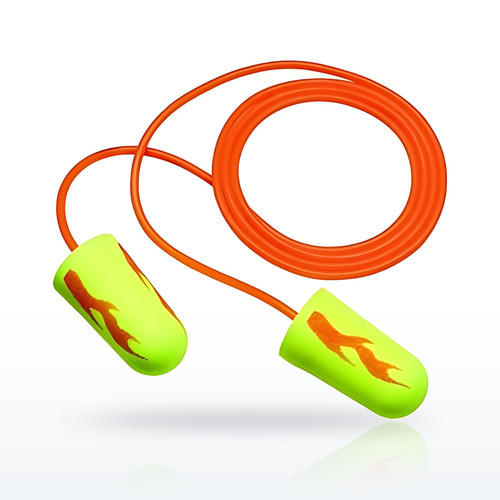

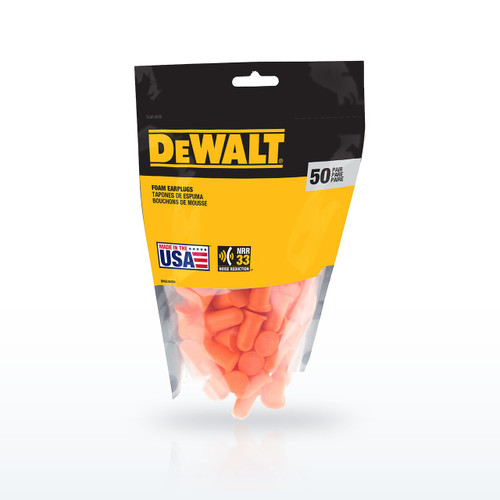
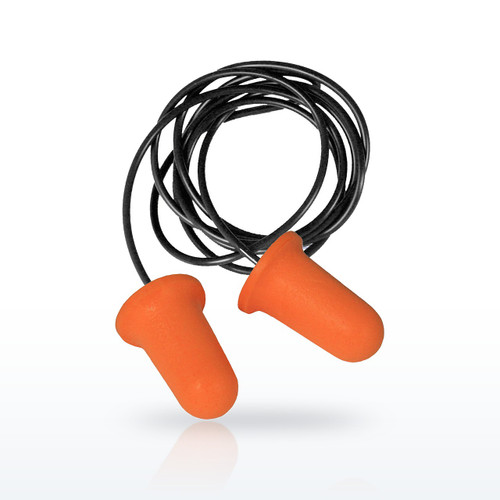

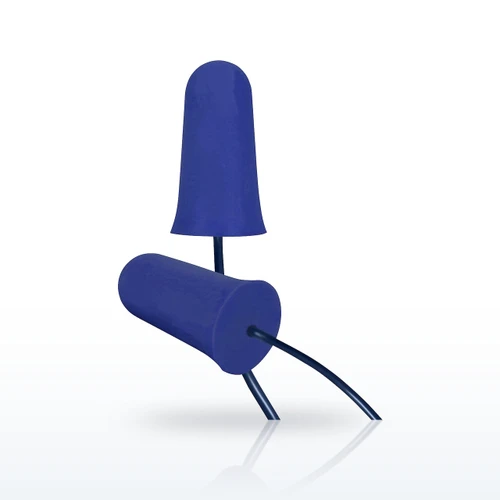
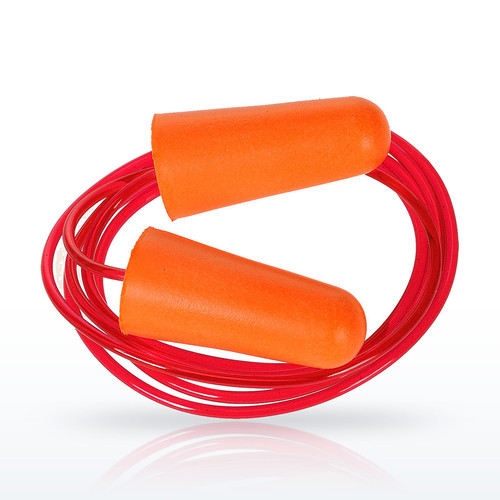
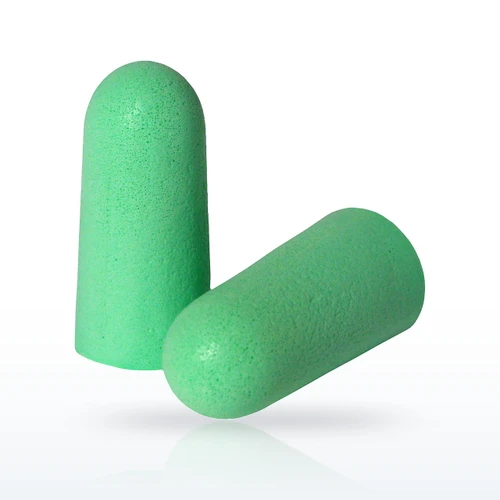
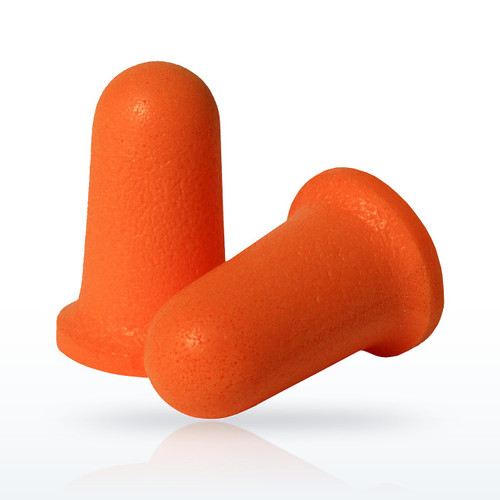
More: every earplug by NRR, foam, reusable and banded.
Source: the manufacturers' product pages, specification sheets and catalogs as reproduced on each product page; the ratings and standards shown are the manufacturers' own statements, and the products listed are those whose published data names the rating or the standard, not a selection by Bayshore Safety.
Earmuffs, including cap-mounted muffs for hard hats
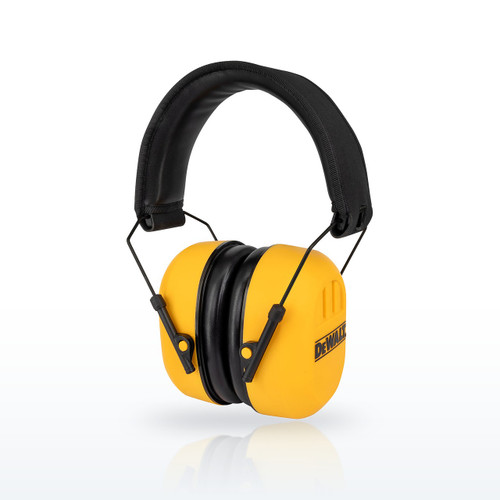
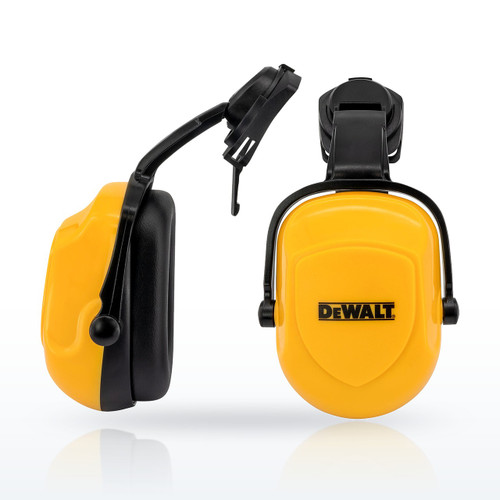
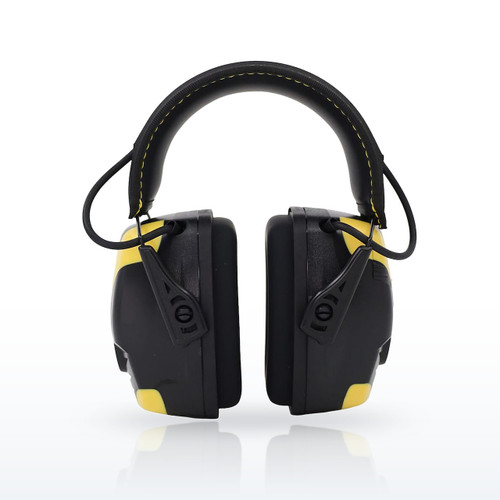
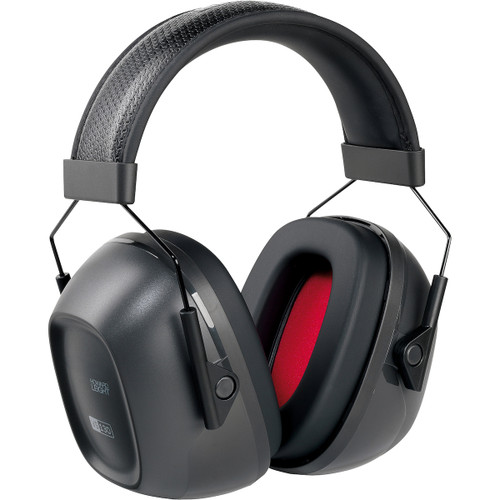
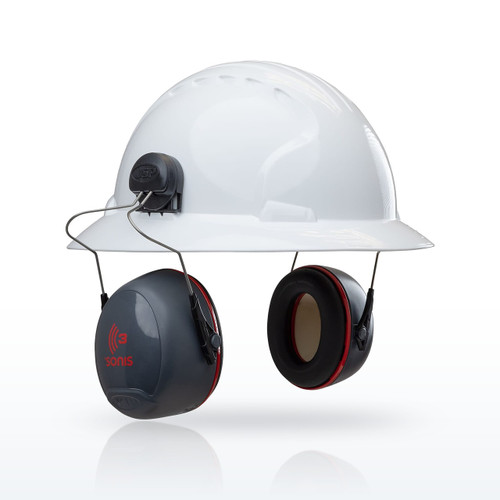
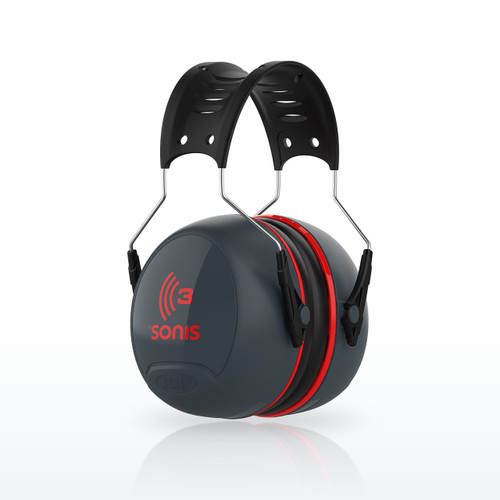
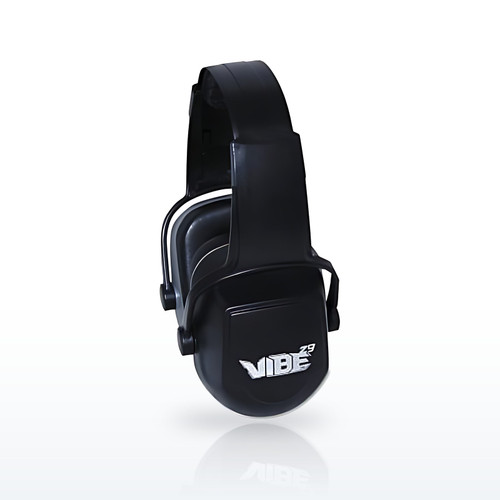
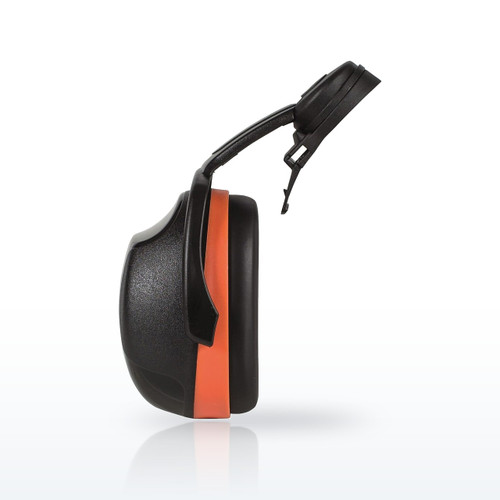
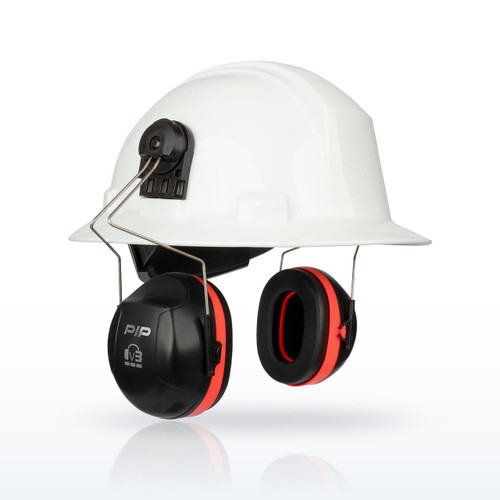
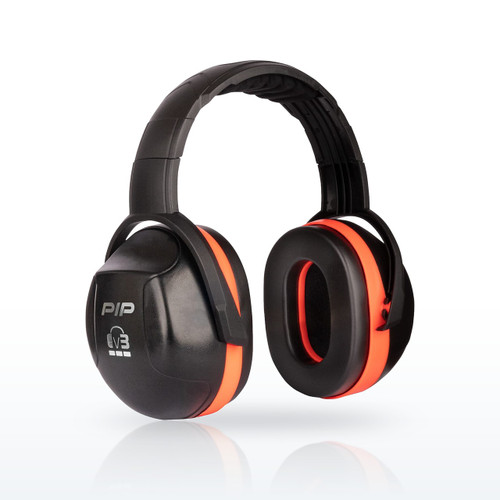
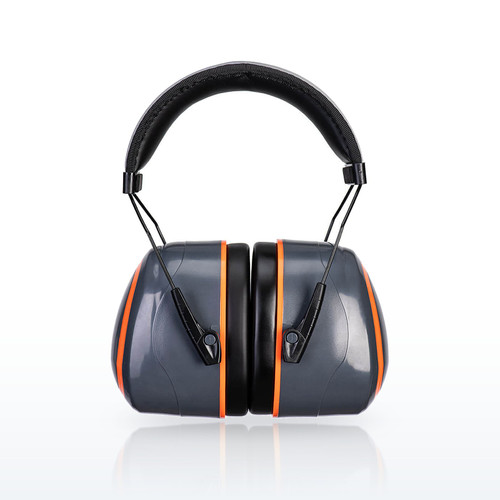

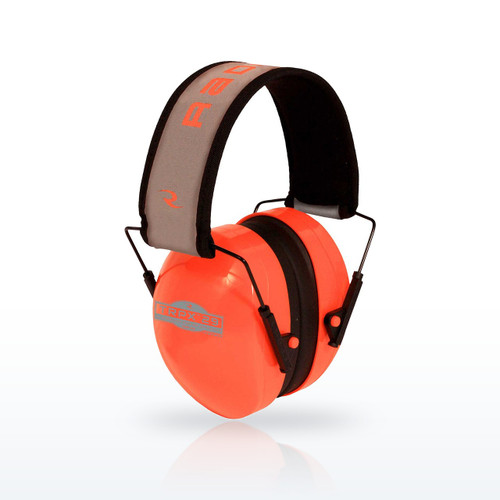
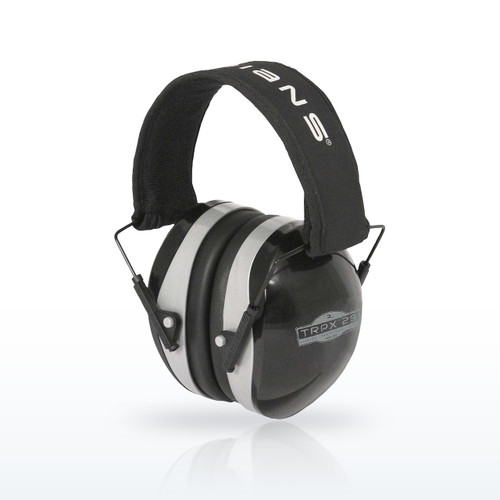
More: every earmuff by NRR.
Source: the manufacturers' product pages, specification sheets and catalogs as reproduced on each product page; the ratings and standards shown are the manufacturers' own statements, and the products listed are those whose published data names the rating or the standard, not a selection by Bayshore Safety.
Earplug dispensers and refills for a site program

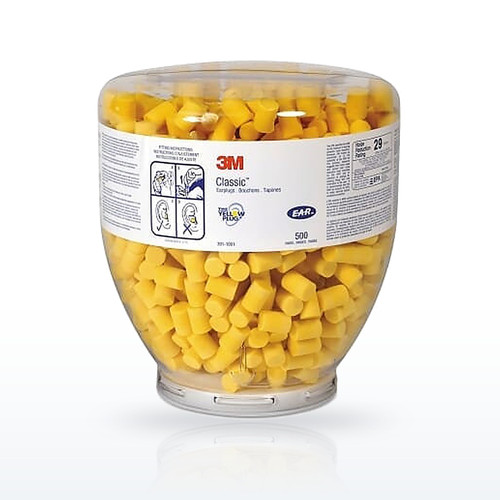
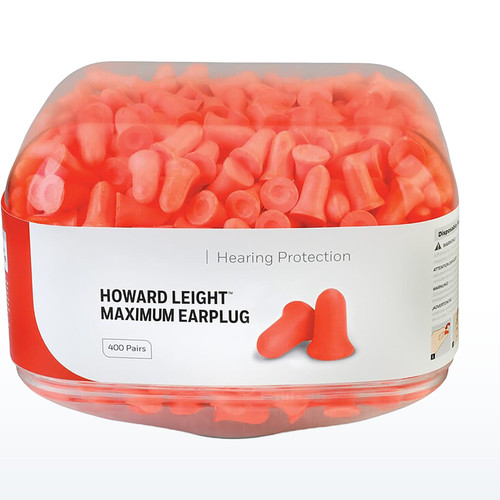
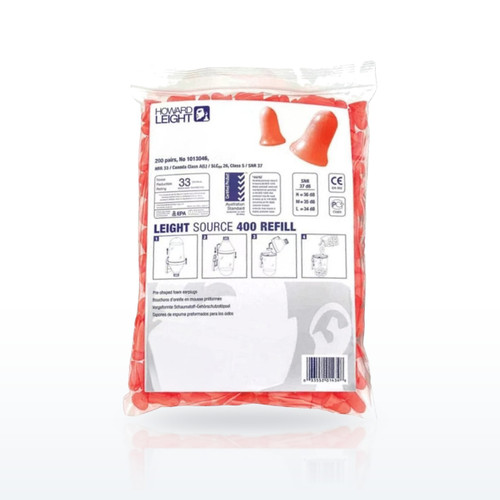
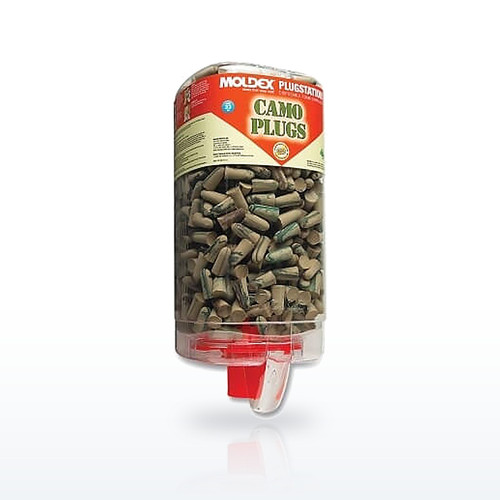

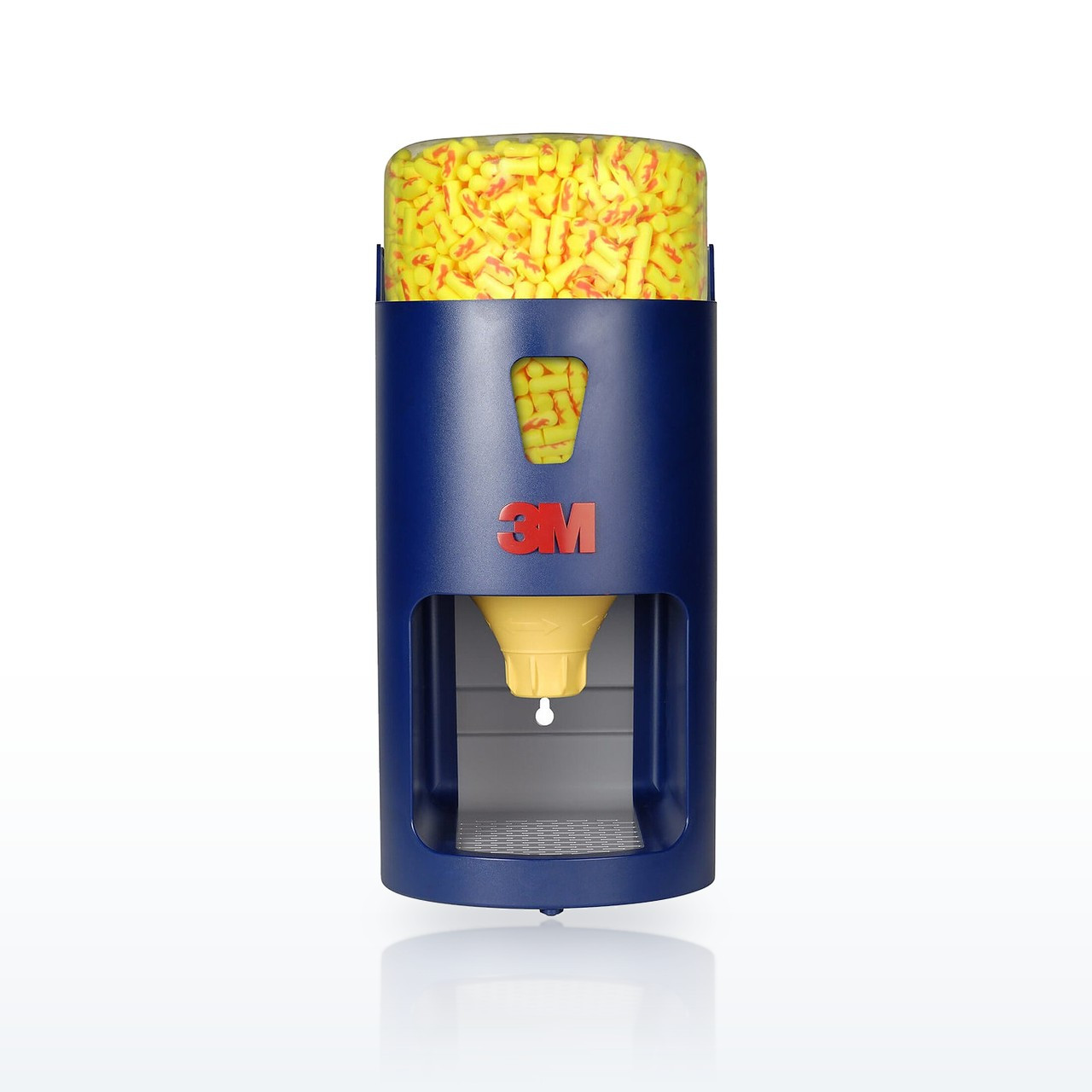
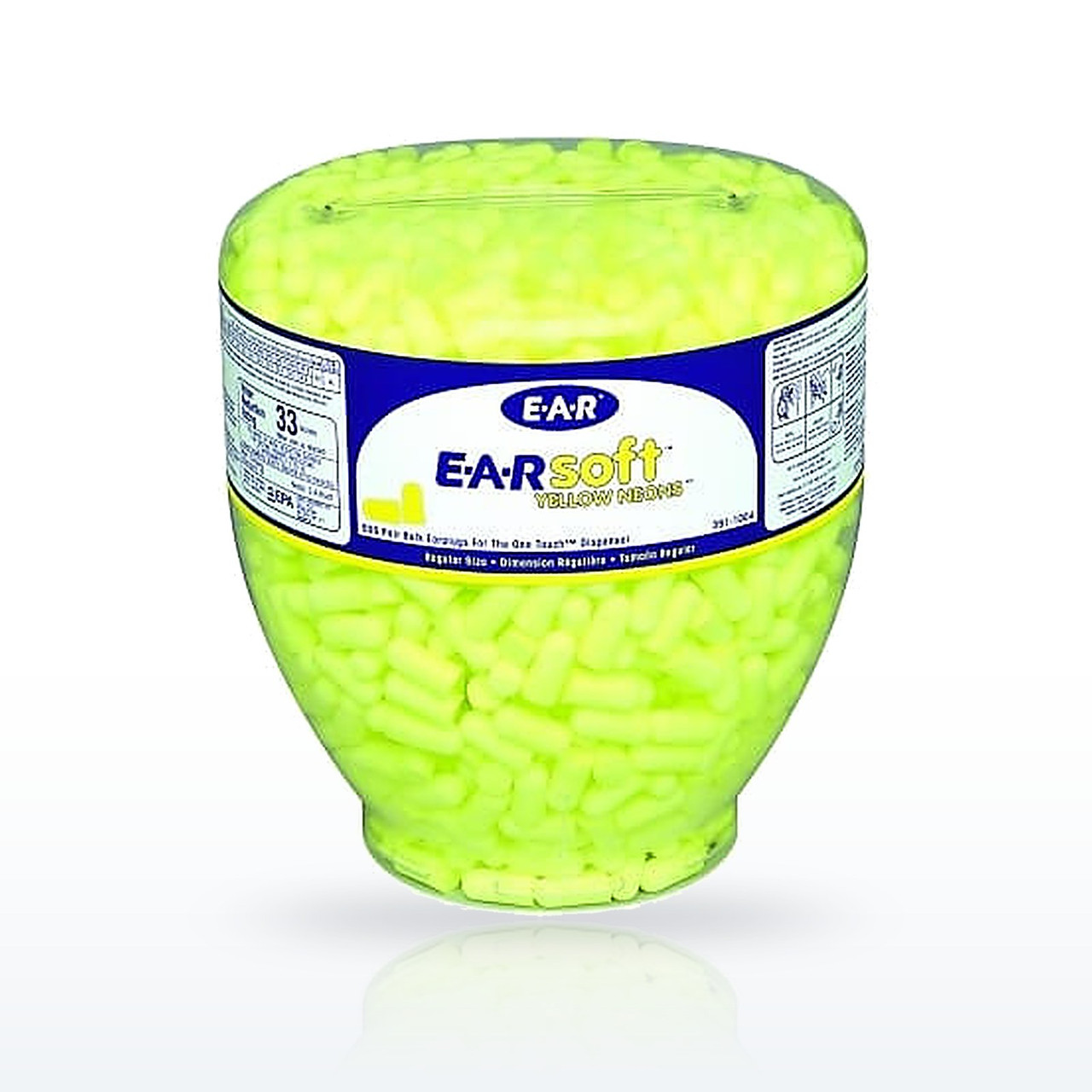
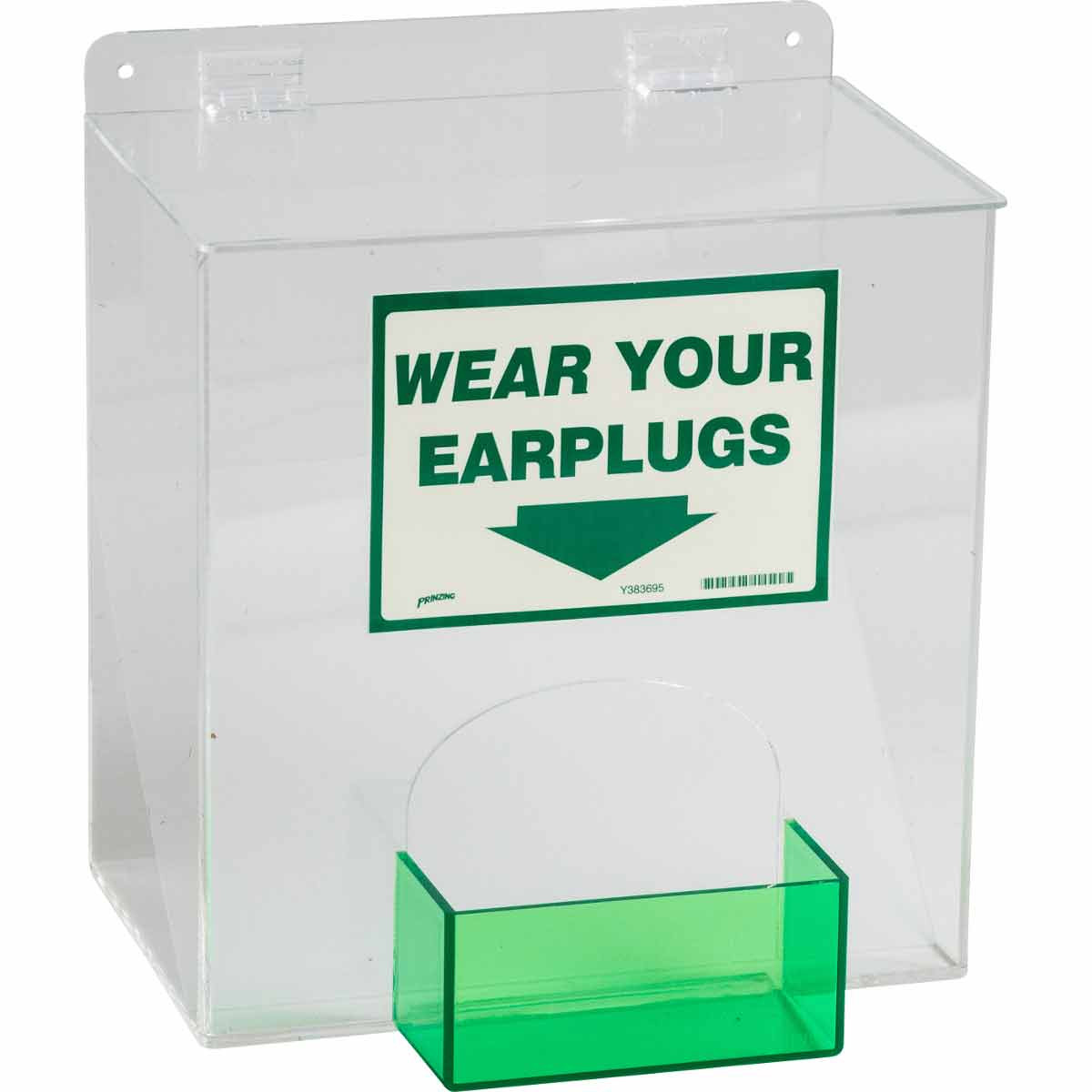


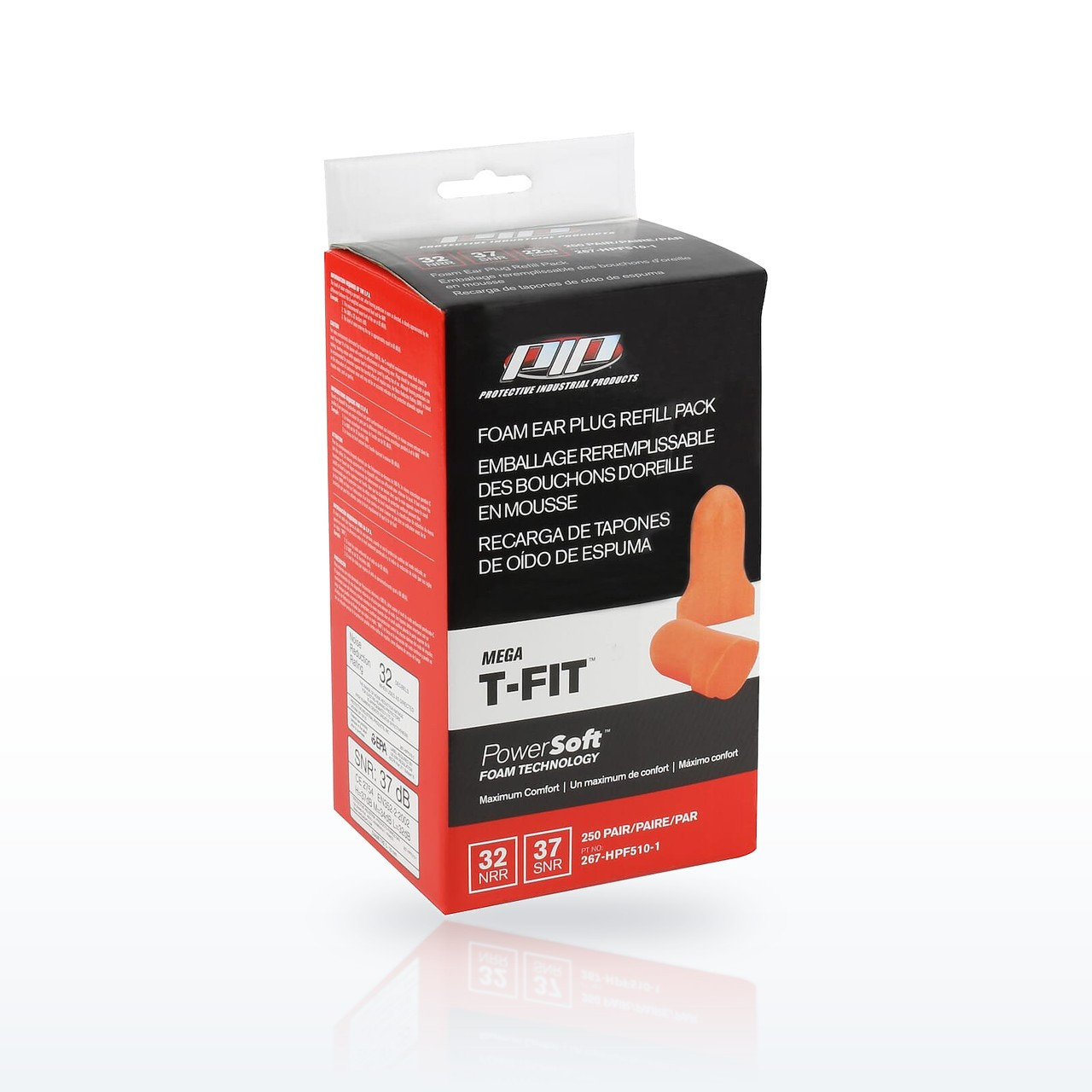
More: every dispenser and refill.
Source: the manufacturers' product pages, specification sheets and catalogs as reproduced on each product page; the ratings and standards shown are the manufacturers' own statements, and the products listed are those whose published data names the rating or the standard, not a selection by Bayshore Safety.
Guides that go further
Noise in construction · OSHA hearing protection requirements explained (1910.95) · What is NRR, and how do you calculate the protection you actually get · Is an NRR of 25 enough · NRR vs SNR · 1910.95, the general industry noise rule with the 85 dBA action level.
OSHA 1926.52 Occupational Noise Exposure and 1926.101 Hearing Protection (Construction) questions
What is the PEL for noise in a construction workplace? 90 dBA as an 8-hour exposure under Table D-2 of 1926.52, halving the allowed time for each 5 dB (95 dBA for 4 hours, 100 for 2, 105 for 1, 110 for 30 minutes, 115 for 15 minutes or less), with impulsive noise kept under 140 dB peak.
Does the construction noise rule have an 85 dBA action level? Not in the text: 1926.52 requires a hearing conservation program wherever Table D-2 is exceeded and names no 85 dBA level or audiometric testing; those are in 1910.95(c) through (o) for general industry. In California, §1521 sends construction to §5096(b) of the general industry noise orders, so the 85 dBA program applies on job sites there.
What earplugs can I use to block construction noise? Any ear protective device that brings the exposure within Table D-2, with inserted plugs fitted or determined individually by a competent person under 1926.101(b) and plain cotton excluded by (c). The manufacturer's NRR on the EPA label is the attenuation figure; OSHA derates it by subtracting 7 and, in enforcement, halving the remainder.
How to block out construction noise on a job site? The rule's order is in 1926.52(b): feasible engineering controls (quieter equipment, enclosures, mufflers) and administrative controls (rotation, distance) first, then ear protective devices under 1926.101 where levels still exceed the table, with a hearing conservation program running wherever they do.
Can I wear noise-cancelling headphones or earbuds on a construction site? Neither rule addresses them. OSHA's letters of interpretation say headphones are not a substitute for hearing protection unless they are rated protectors, and that music can mask warning signals; what satisfies 1926.101 is a device with a manufacturer-stated NRR that brings the exposure within Table D-2.
Who fits earplugs under the construction rule? A competent person, under 1926.101(b): inserted devices are fitted or determined individually, which in practice means training each worker to roll, insert and hold a foam plug or sizing a reusable plug, and checking the fit.
The ratings, test results and standards shown here are the manufacturers' published values, reproduced as published. Nothing on this page is a recommendation by Bayshore Safety that any product is suitable for a particular task, hazard or workplace. Selecting safety products and protective equipment is the responsibility of the end user and the employer, based on their own hazard assessment and the regulations that apply to their work. Confirm every value on the manufacturer's own documentation before use.