
OSHA 1910.95 Occupational Noise Exposure: what it requires and the equipment it names
29 CFR 1910.95 is the general industry noise rule. It sets the permissible exposure at 90 dBA for 8 hours, starts the hearing conservation program at 85 dBA, requires hearing protectors to be made available and worn, and requires their attenuation to be evaluated for the actual noise. The earplugs and earmuffs we carry are listed by the NRR their manufacturers state. We sell nationwide; ships in 1–2 business days; most orders arrive in 3–7 business days.
The plain answer
29 CFR 1910.95 limits noise exposure to the levels of Table G-16 (90 dBA for 8 hours, halving the time for every 5 dB increase, to 115 dBA for 15 minutes), requires feasible engineering and administrative controls first, and requires hearing protectors where those controls do not bring exposure within the table.
At an 8-hour time-weighted average of 85 dBA (the action level) the employer must run a hearing conservation program: monitoring, baseline and annual audiograms, hearing protectors made available at no cost with a choice of types, attenuation evaluated under Appendix B, training and recordkeeping. Construction uses 1926.52 and 1926.101 instead.
The equipment it names is hearing protectors: earplugs and earmuffs, which must attenuate exposure to 90 dBA or below (85 dBA after a standard threshold shift), evaluated with the Noise Reduction Rating on the EPA label by one of the Appendix B methods, and the sound level meters, dosimeters and audiometers the monitoring and testing paragraphs describe.
The limits in the rule
| Duration per day (hours) | Sound level (dBA, slow response) | Paragraph |
|---|---|---|
| 8 | 90 | Table G-16 |
| 6 | 92 | Table G-16 |
| 4 | 95 | Table G-16 |
| 3 | 97 | Table G-16 |
| 2 | 100 | Table G-16 |
| 1.5 | 102 | Table G-16 |
| 1 | 105 | Table G-16 |
| 0.5 | 110 | Table G-16 |
| 0.25 or less | 115 | Table G-16 |
| Action level, 8-hour TWA | 85 (50 percent dose) | 1910.95(c)(2) |
| Impulsive or impact noise | Should not exceed 140 dB peak | Table G-16 footnote |
Source: 29 CFR 1910.95 Table G-16 and paragraph (c) (ecfr.gov), fetched Nov 9 2026
What the rule says
Each entry is condensed from the paragraph cited; the paragraph itself is the rule and the link opens it.
29 CFR 1910.95(a): Protection against the effects of noise exposure must be provided when sound levels exceed Table G-16, measured on the A scale of a standard sound level meter at slow response.
29 CFR 1910.95(b)(1): When employees are subjected to sound exceeding Table G-16, feasible administrative or engineering controls must be used; if those controls fail to reduce sound within the table, personal protective equipment must be provided and used to reduce the levels within the table.
29 CFR 1910.95(c): A continuing, effective hearing conservation program is required whenever employee noise exposures equal or exceed an 8-hour TWA of 85 dBA or a dose of 50 percent, computed without regard to any attenuation from hearing protectors; that level is the action level.
29 CFR 1910.95(d)-(e): Monitoring to identify employees at or above the action level, repeated when changes in production, process or controls may increase exposure, with affected employees notified of the results.
29 CFR 1910.95(g): Audiometric testing at no cost: a baseline audiogram within 6 months of first exposure at or above the action level (14 hours without workplace noise beforehand, which hearing protectors may substitute for), annual audiograms compared to the baseline, and follow-up when a standard threshold shift is found.
29 CFR 1910.95(i): Hearing protectors must be made available at no cost to all employees exposed at or above an 8-hour TWA of 85 dBA, replaced as necessary, and worn by any employee required to by (b)(1), any employee at or above the action level who has not yet had a baseline audiogram, and any employee who has had a standard threshold shift; employees choose from a variety of suitable protectors; the employer trains on their use and care and ensures proper initial fitting.
29 CFR 1910.95(j): The employer must evaluate hearing protector attenuation for the specific noise environment using an Appendix B method; protectors must attenuate exposure to an 8-hour TWA of 90 dBA or below, or 85 dBA or below for employees who have had a standard threshold shift, and the adequacy must be re-evaluated when exposures increase.
29 CFR 1910.95 Appendix B: Methods for estimating attenuation from the EPA-labeled NRR: subtract the NRR from the C-weighted level, or subtract 7 dB from the NRR when only A-weighted levels are available; OSHA's field practice applies a further 50 percent safety factor to the result.
29 CFR 1910.95(k): Annual training for every employee at or above the action level on the effects of noise, the purpose, advantages, disadvantages and attenuation of the types of hearing protectors, selection, fitting, use and care, and the purpose of audiometric testing.
Source: 29 CFR, Occupational Safety and Health Standards, as published by OSHA (ecfr.gov), read Nov 9 2026.
California (Cal/OSHA)
Each entry is condensed from the paragraph cited; the paragraph itself is the rule and the link opens it.
Title 8 §5096(b): The California permissible exposure matches Table G-16 (90 dBA for 8 hours), with feasible controls first and hearing protection where they fall short.
Title 8 §5097: The hearing conservation program begins at an 8-hour TWA of 85 dBA, with monitoring and audiometric testing as in the federal rule.
Title 8 §5098(a)-(b): Hearing protectors available at no cost at 85 dBA, worn by employees required to wear PPE, by those without a baseline audiogram and those with a standard threshold shift, chosen from a variety, with attenuation evaluated under Appendix E to bring exposure to 90 dBA or below (85 after a threshold shift).
Source: California Code of Regulations, Title 8, as published by Cal/OSHA (dir.ca.gov), read Nov 9 2026.
Equipment the rule names
| Equipment or condition | What the rule requires | Paragraph |
|---|---|---|
| Hearing protectors (earplugs, earmuffs) | Available at no cost at an 8-hour TWA of 85 dBA; worn where controls leave exposure above Table G-16, before the baseline audiogram, and after a standard threshold shift | 29 CFR 1910.95(i) |
| A choice of protectors | Employees select from a variety of suitable hearing protectors | 29 CFR 1910.95(i)(3) |
| Attenuation | Must bring exposure to 90 dBA TWA or below (85 after a threshold shift), evaluated by an Appendix B method using the labeled NRR | 29 CFR 1910.95(j) |
| Sound level meter or dosimeter | Type 2 or better, used for the monitoring in (d) and the Appendix B evaluation | 29 CFR 1910.95(d) |
| Audiometer | Audiometric testing under (g) and Appendix C | 29 CFR 1910.95(g) |
Source: 29 CFR, Occupational Safety and Health Standards, as published by OSHA (ecfr.gov), read Nov 9 2026.
What we carry for it
Each table lists products whose manufacturer data states the rating or the standard the rule names, every brand we carry that does, with the current price. Sizes and versions are chosen on the product page. The selector linked under each table holds every item of that type.
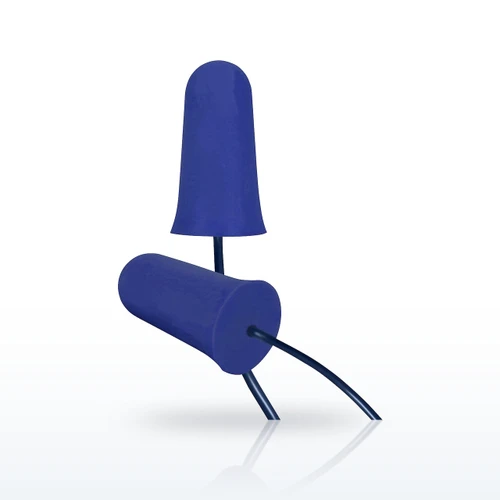
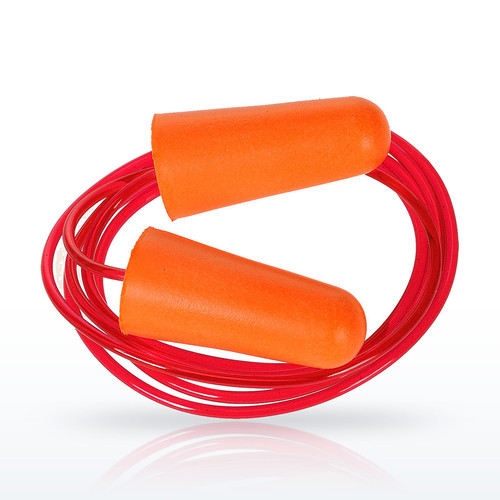
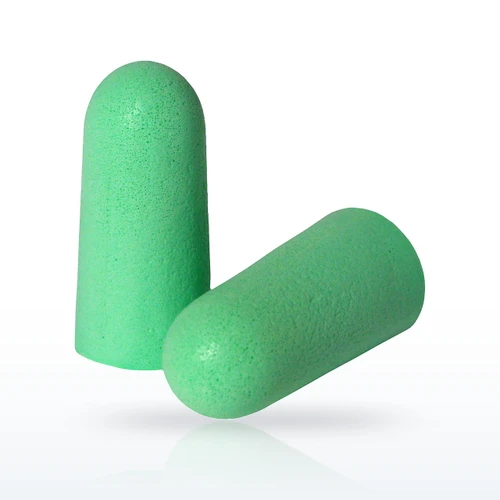
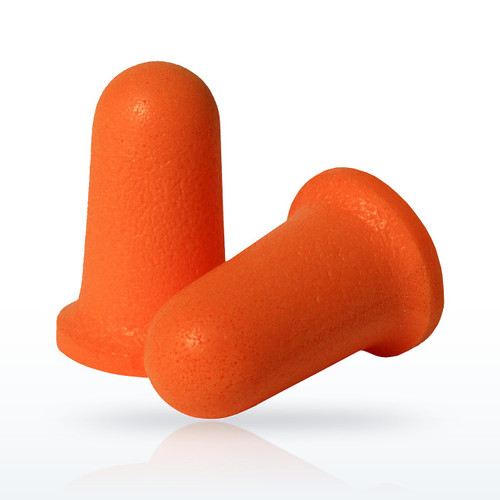
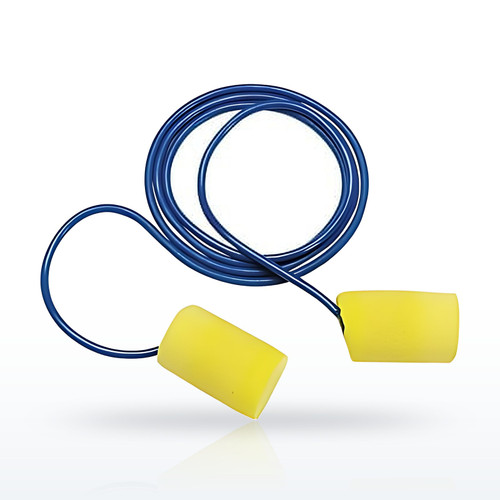
Earplugs with the highest stated NRR (30 to 33)
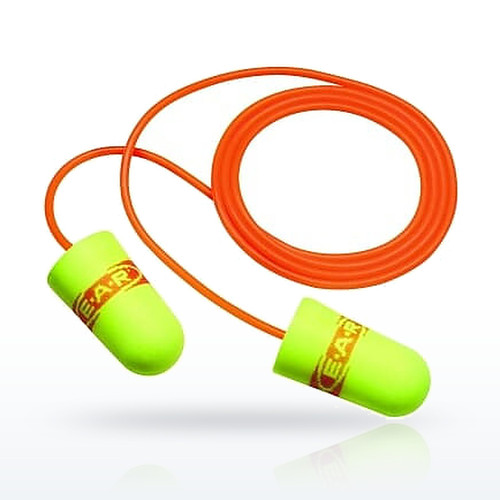
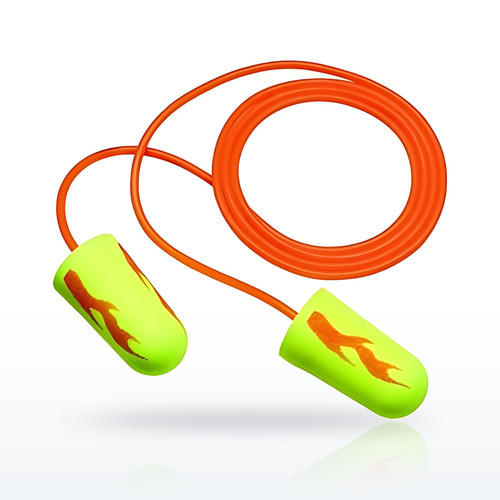

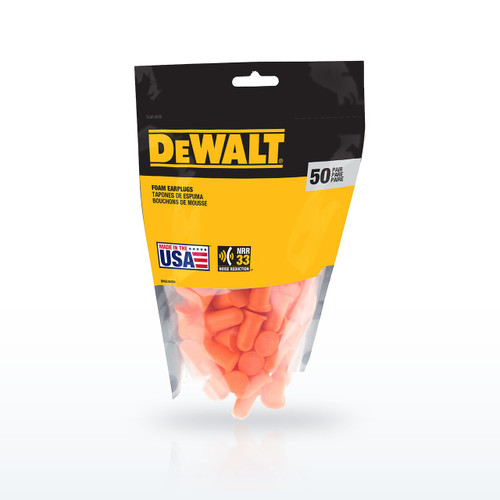
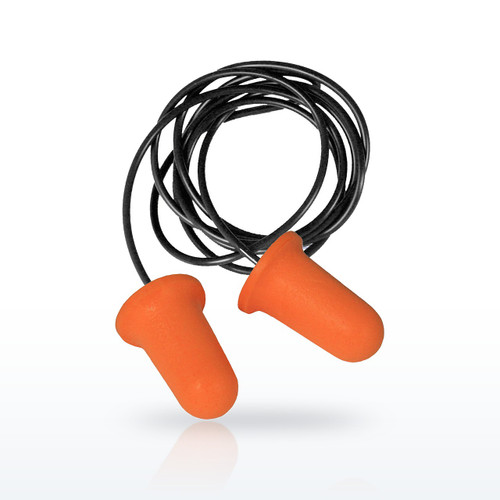
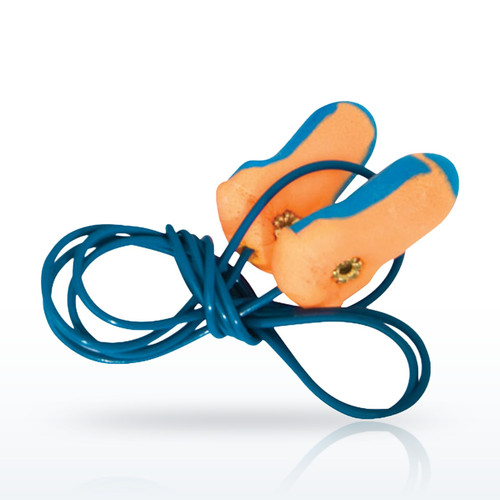
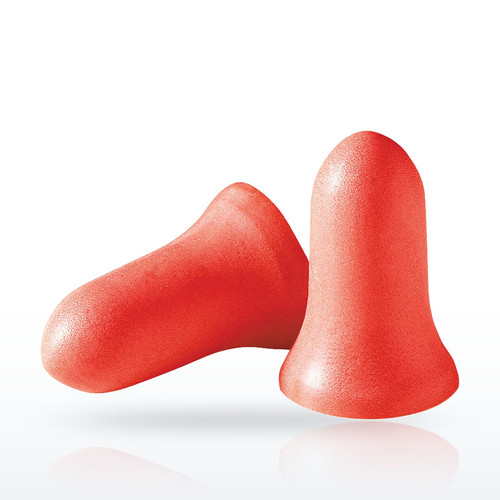
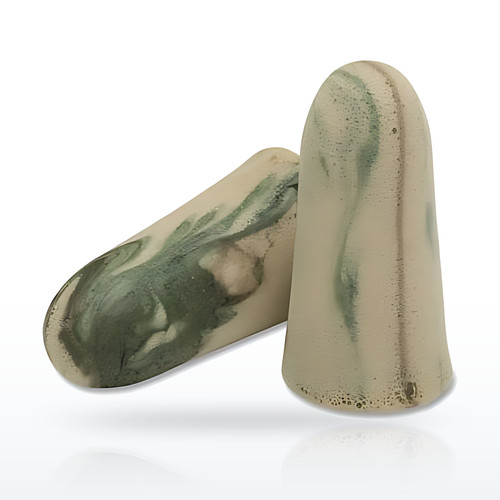

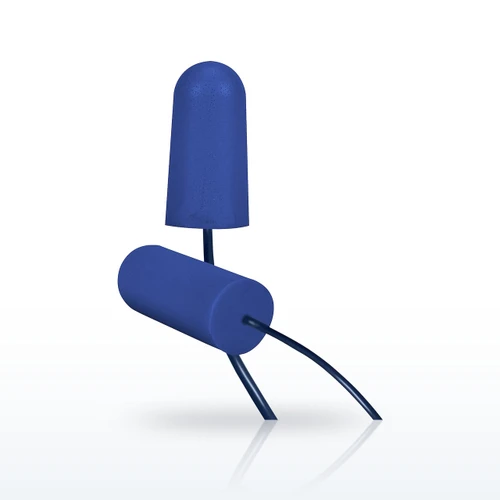
More: every earplug with NRR 30 or higher.
Source: the manufacturers' product pages, specification sheets and catalogs as reproduced on each product page; the ratings and standards shown are the manufacturers' own statements, and the products listed are those whose published data names the rating or the standard, not a selection by Bayshore Safety.
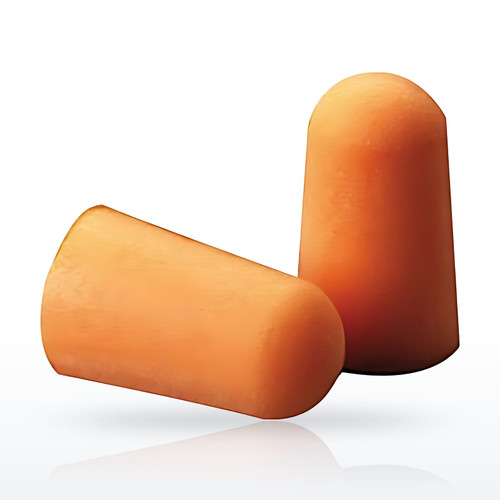
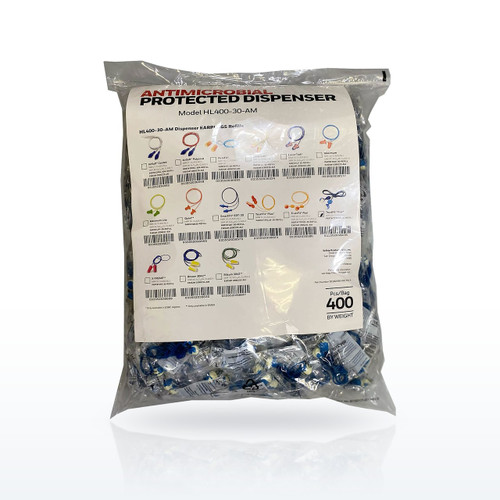
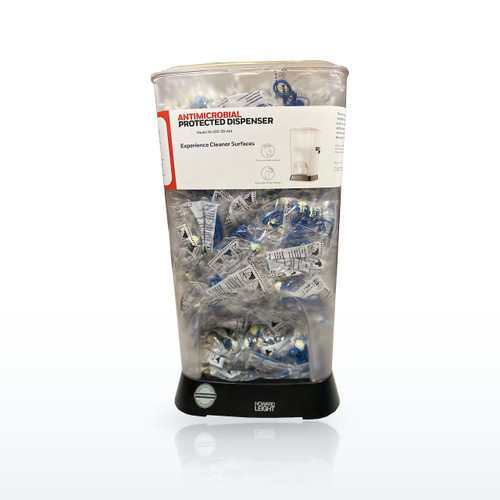
Earplugs rated NRR 25 to 29


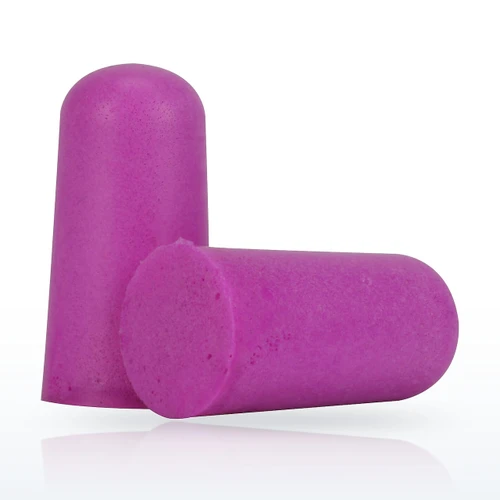
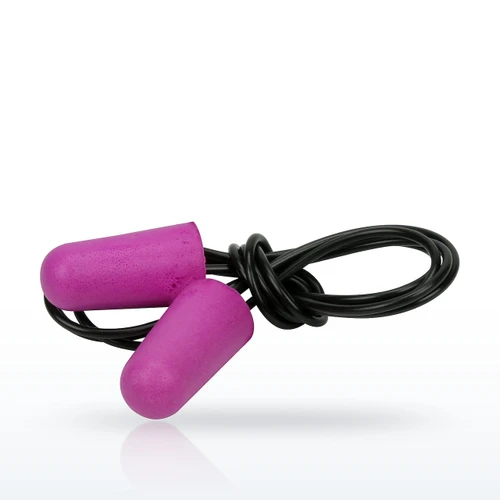
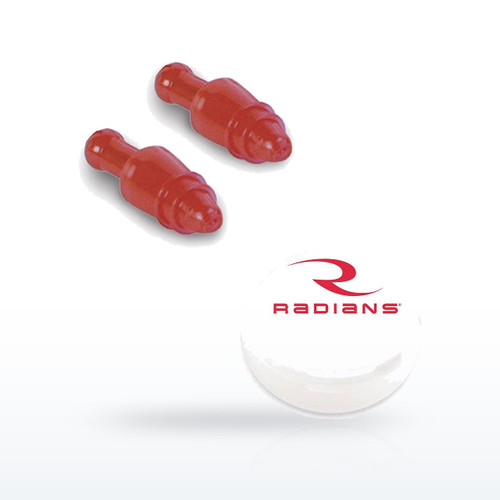
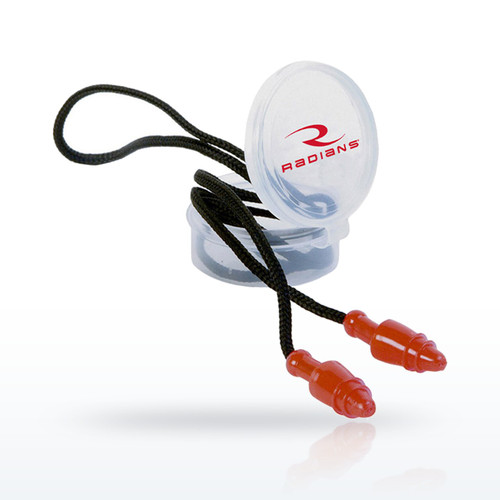
More: every earplug rated 25 to 29.
Source: the manufacturers' product pages, specification sheets and catalogs as reproduced on each product page; the ratings and standards shown are the manufacturers' own statements, and the products listed are those whose published data names the rating or the standard, not a selection by Bayshore Safety.
Earmuffs by stated NRR
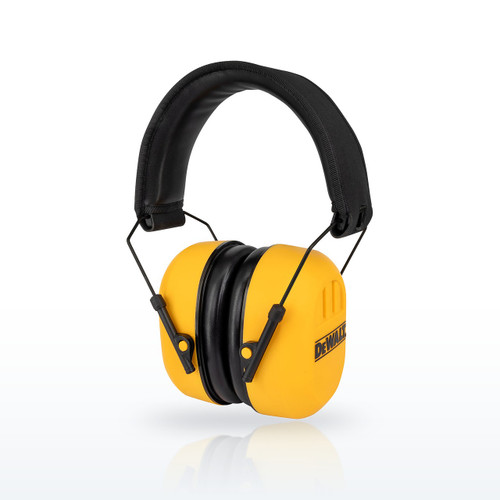
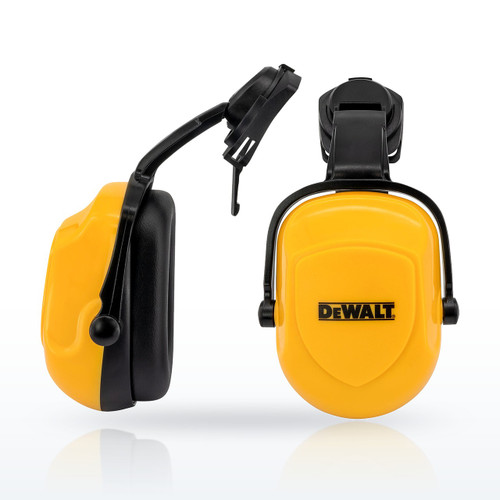
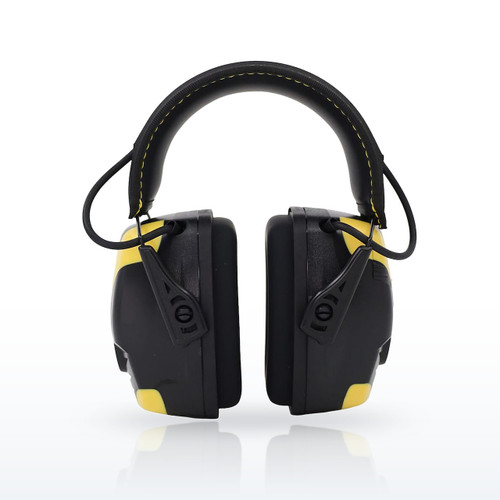
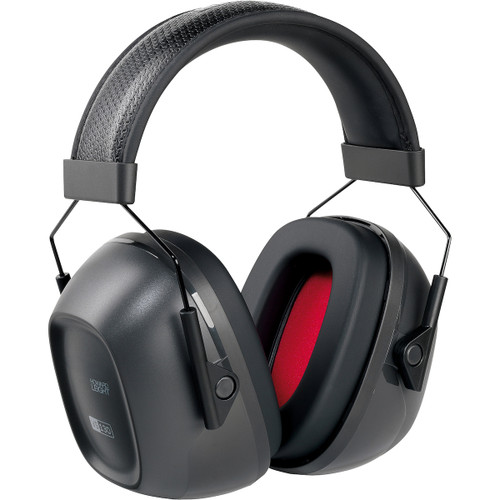
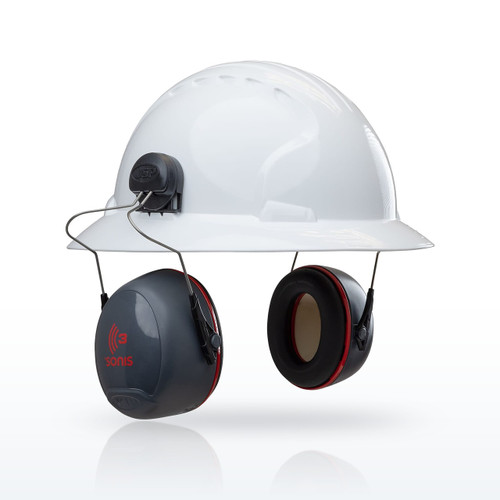
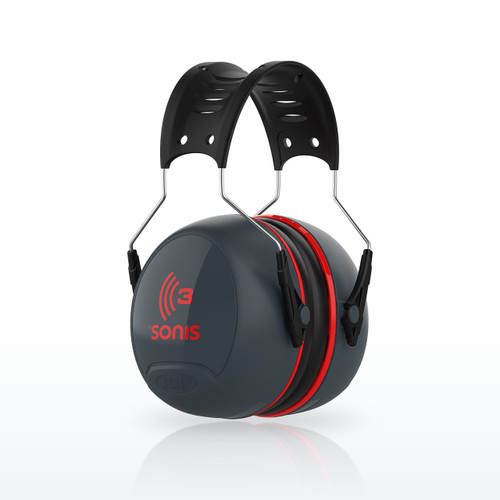
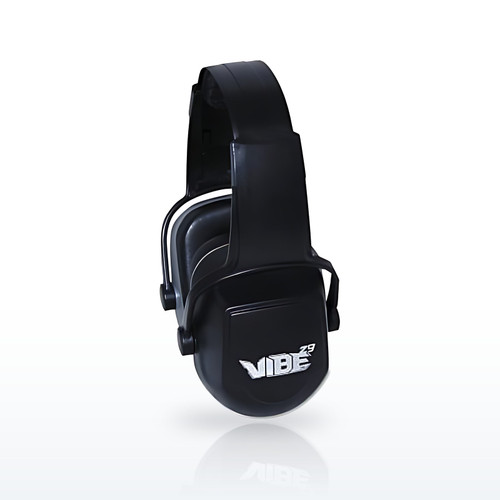
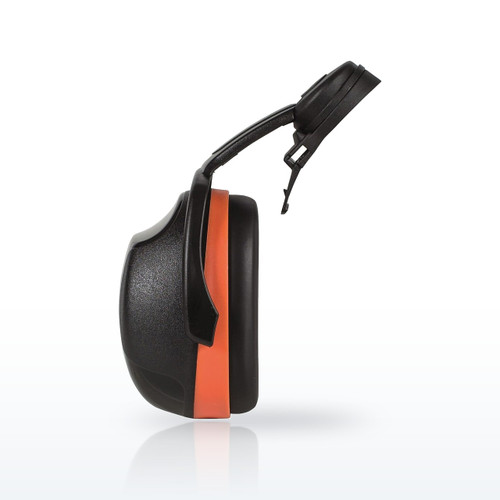
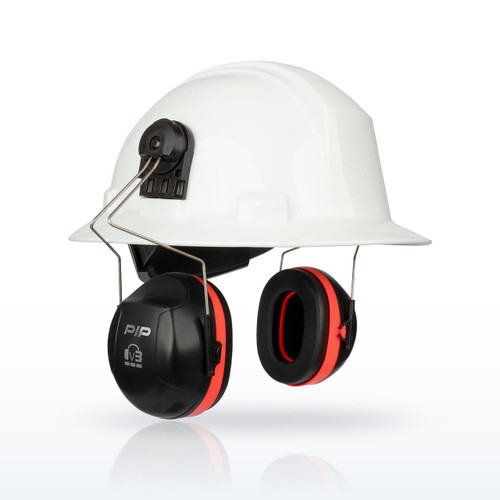
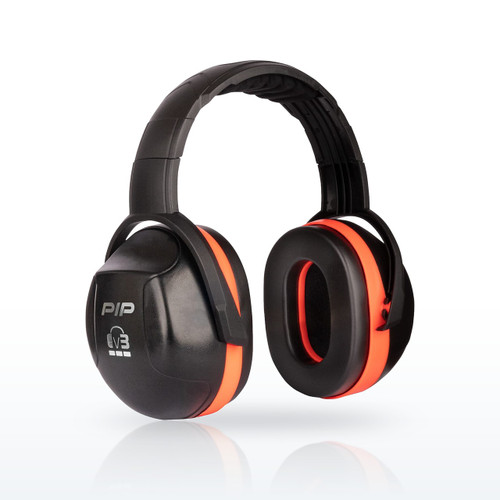
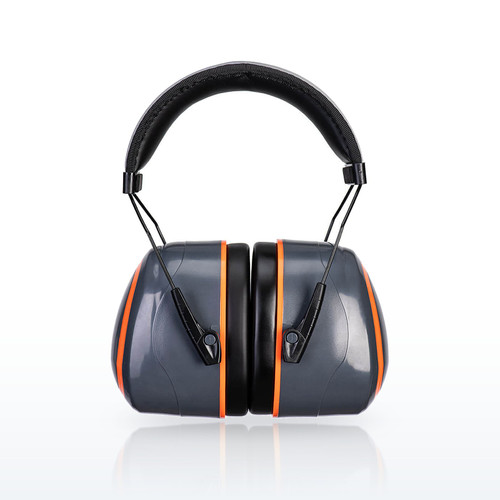

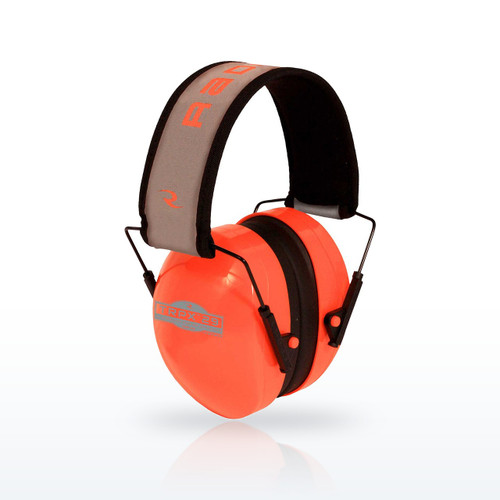
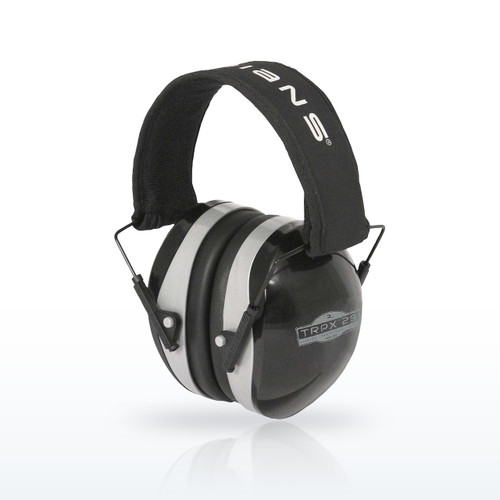
More: every earmuff by NRR, including cap-mounted.
Source: the manufacturers' product pages, specification sheets and catalogs as reproduced on each product page; the ratings and standards shown are the manufacturers' own statements, and the products listed are those whose published data names the rating or the standard, not a selection by Bayshore Safety.
Guides that go further
OSHA hearing protection requirements explained (1910.95) · What is NRR, and how do you calculate the protection you actually get · Is an NRR of 25 enough · NRR vs SNR · Audiometric testing · Noise in construction · Is 50 dB noise cancellation good, and is it an OSHA violation to wear earbuds at work.
OSHA 1910.95 Occupational Noise Exposure questions
At what decibel level does OSHA require hearing protection? Two numbers in 1910.95: hearing protectors must be made available and the conservation program started at an 8-hour TWA of 85 dBA (paragraph (c) and (i)(1)), and they must be worn when exposure exceeds Table G-16, which is 90 dBA for 8 hours (paragraphs (b)(1) and (i)(2)), as well as by anyone at or above 85 dBA who has not had a baseline audiogram or has had a standard threshold shift.
What is the OSHA standard for noise? 29 CFR 1910.95 for general industry and 1926.52 with 1926.101 for construction. Both set 90 dBA for 8 hours on a 5 dB exchange rate (95 dBA for 4 hours, 100 for 2, 105 for 1, 110 for a half hour, 115 for 15 minutes); 1910.95 adds the 85 dBA action level and the hearing conservation program.
Why subtract 7 from NRR? Appendix B of 1910.95 estimates the protected level by subtracting the NRR from a C-weighted measurement; when only A-weighted levels are available, 7 dB is subtracted from the NRR first to account for the difference between the scales. OSHA's enforcement practice then halves the remainder as a safety factor for real-world fit, so an NRR 33 plug worn at 100 dBA is credited as (33 minus 7) divided by 2, or 13 dB, leaving 87 dBA.
What does the NRR rating measure? The Noise Reduction Rating is the attenuation in decibels printed on the EPA label under 40 CFR Part 211, measured on a laboratory panel by the ANSI S3.19-1974 method the label cites. 1910.95(j) requires the employer to use it, through an Appendix B method, to show the protector brings the worker's exposure to 90 dBA or below.
Can employees choose their own hearing protection? They must be given a choice: 1910.95(i)(3) requires the opportunity to select from a variety of suitable hearing protectors provided by the employer, and (i)(5) requires the employer to ensure proper initial fitting and supervise correct use. Cal/OSHA §5098(a)(3) says the same.
Do earmuffs have to cover the whole ear? The rule does not describe the protector; it requires the attenuation in (j). Manufacturers test earmuffs with the cushion sealing around the ear, and the NRR on the label is valid only for that fit, which is why the rule requires proper fitting and training on use.
The ratings, test results and standards shown here are the manufacturers' published values, reproduced as published. Nothing on this page is a recommendation by Bayshore Safety that any product is suitable for a particular task, hazard or workplace. Selecting safety products and protective equipment is the responsibility of the end user and the employer, based on their own hazard assessment and the regulations that apply to their work. Confirm every value on the manufacturer's own documentation before use.