
OSHA 1926.95 Criteria for Personal Protective Equipment (Construction): what it requires and the equipment it names
29 CFR 1926.95 opens Subpart E, the construction PPE rules. It requires protective equipment wherever hazards call for it, makes the employer responsible for employee-owned equipment, requires PPE of safe design that properly fits each employee (added January 13, 2025), and sets who pays. The specific rules follow it: 1926.100 head, 1926.101 hearing, 1926.102 eye and face, 1926.103 respiratory, 1926.104 and 1926.105 lifelines and nets. We sell nationwide; ships in 1–2 business days; most orders arrive in 3–7 business days.
The plain answer
29 CFR 1926.95 requires construction employers to provide, use and maintain protective equipment for the eyes, face, head and extremities, protective clothing, respiratory devices and protective shields wherever hazards of processes or the environment, chemicals, radiation or mechanical irritants can cause injury; to assure the adequacy of equipment employees bring themselves; to ensure all PPE is of safe design and construction and is selected to properly fit each affected employee; and to pay for it, with the same exceptions as general industry.
It applies to every construction employer. 1926.28(a) adds the general duty to require appropriate PPE in all operations where there is exposure to hazardous conditions, and the construction hazard assessment duty is read from these two sections together with the specific Subpart E rules.
The equipment it names is the construction set: hard hats (1926.100, ANSI Z89.1), eye and face protection (1926.102, ANSI Z87.1), hearing protectors where 1926.52 levels are exceeded (1926.101), respirators (1926.103, which applies 1910.134), safety-toe footwear (1926.96), and the lifelines, lanyards, safety nets and harnesses covered by 1926.104, 1926.105 and Subpart M, all fitting the worker who wears them.
What the rule says
Each entry is condensed from the paragraph cited; the paragraph itself is the rule and the link opens it.
29 CFR 1926.95(a): Protective equipment, including PPE for eyes, face, head and extremities, protective clothing, respiratory devices and protective shields and barriers, is provided, used and maintained in a sanitary and reliable condition wherever it is necessary by reason of hazards of processes or environment, chemical or radiological hazards, or mechanical irritants capable of causing injury or impairment through absorption, inhalation or physical contact.
29 CFR 1926.95(b): Where employees provide their own protective equipment, the employer is responsible for assuring its adequacy, including maintenance and sanitation.
29 CFR 1926.95(c): Employers must ensure that all PPE is of safe design and construction for the work to be performed and is selected to ensure that it properly fits each affected employee (the fit requirement took effect January 13, 2025).
29 CFR 1926.95(d): PPE used to comply with Part 1926 is provided at no cost to employees, except non-specialty safety-toe footwear and non-specialty prescription safety eyewear the employer permits off the job site, everyday clothing and ordinary weather gear, replacement of equipment the employee lost or intentionally damaged, and employee-owned equipment the employer did not require; when the employer provides metatarsal guards and the employee chooses built-in metatarsal footwear, the employer need not pay for the footwear.
29 CFR 1926.28(a): The employer is responsible for requiring the wearing of appropriate personal protective equipment in all operations where there is an exposure to hazardous conditions or where Part 1926 indicates the need for it.
29 CFR 1926.96: Safety-toe footwear meets ANSI Z41.1-1967.
29 CFR 1926.103: Respiratory protection in construction follows 29 CFR 1910.134.
29 CFR 1926.104: Lifelines, safety belts and lanyards are used only for employee safeguarding; lifelines are secured above the point of operation to an anchorage or structural member capable of supporting a minimum dead weight of 5,400 pounds; lanyards are a minimum of 1/2 inch nylon or equivalent with a maximum length providing a fall of no more than 6 feet and a nominal breaking strength of 5,400 pounds; hardware is drop forged or pressed steel, cadmium plated, with a 4,000 pound tensile test.
Source: 29 CFR, Occupational Safety and Health Standards, as published by OSHA (ecfr.gov), read Nov 9 2026.
California (Cal/OSHA)
Each entry is condensed from the paragraph cited; the paragraph itself is the rule and the link opens it.
Title 8 §1514(a): Construction Safety Orders: employers must furnish and employees must use the personal protective equipment the orders require, approved for the exposure, maintained in a safe condition.
Title 8 §1515: Protective equipment for the eyes and face, head, hands and feet in construction is used where the exposure exists, following the general industry criteria in §3380 to §3385.
Source: California Code of Regulations, Title 8, as published by Cal/OSHA (dir.ca.gov), read Nov 9 2026.
Equipment the rule names
| Equipment or condition | What the rule requires | Paragraph |
|---|---|---|
| All construction PPE | Safe design; properly fits each affected employee; employer pays with the listed exceptions | 29 CFR 1926.95(c)-(d) |
| Hard hats | ANSI Z89.1 helmets where impact, falling or flying objects, or electrical shock and burns are possible | 29 CFR 1926.100 |
| Hearing protectors | Where noise exceeds 1926.52 Table D-2 and controls fall short; fitted individually; no plain cotton | 29 CFR 1926.101 |
| Eye and face protection | ANSI Z87.1 devices; filter shades per Table E-1 | 29 CFR 1926.102 |
| Respirators | Under 1910.134 | 29 CFR 1926.103 |
| Safety-toe footwear | ANSI Z41.1-1967 (employer need not pay for non-specialty safety-toe footwear worn off site) | 29 CFR 1926.96, 1926.95(d)(2) |
| Lifelines and lanyards | 5,400 lb anchorage and breaking strength; fall limited to 6 ft (Subpart M criteria govern fall arrest) | 29 CFR 1926.104 |
Source: 29 CFR, Occupational Safety and Health Standards, as published by OSHA (ecfr.gov), read Nov 9 2026.
What we carry for it
Each table lists products whose manufacturer data states the rating or the standard the rule names, every brand we carry that does, with the current price. Sizes and versions are chosen on the product page. The selector linked under each table holds every item of that type.
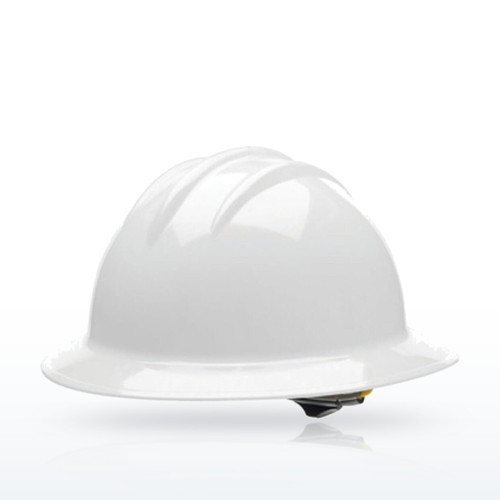
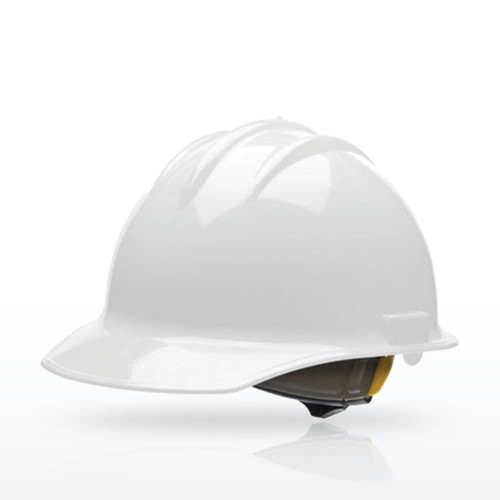
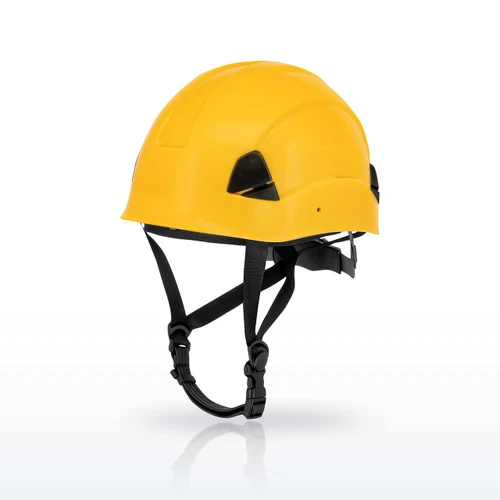
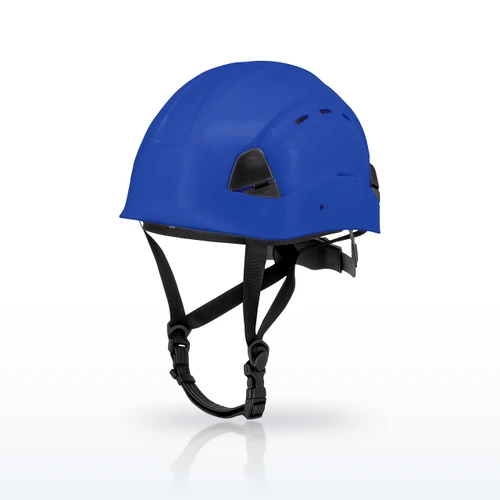
Hard hats and safety helmets in a range of sizes (fit rule)

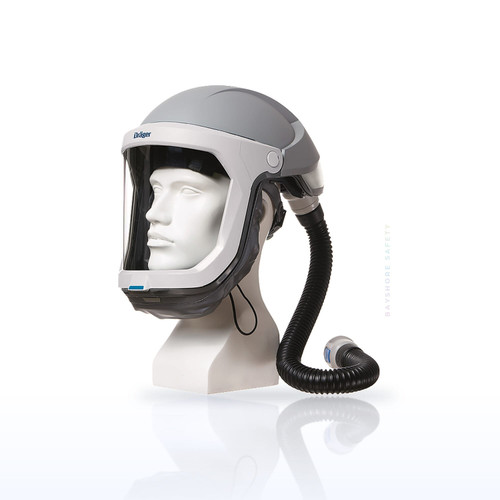
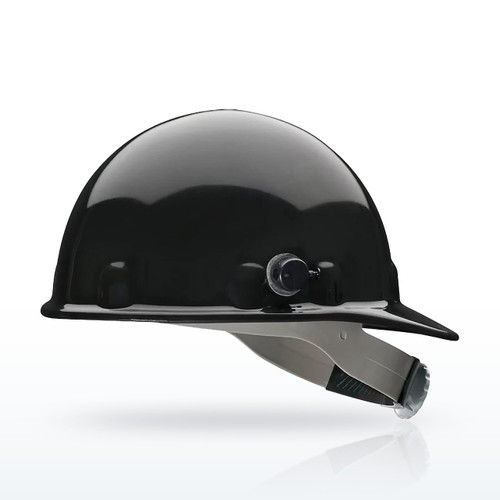
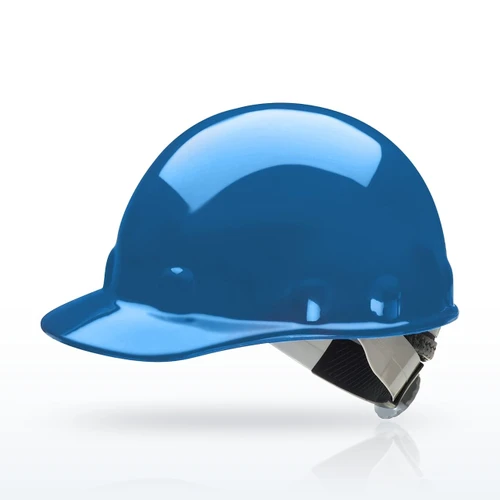
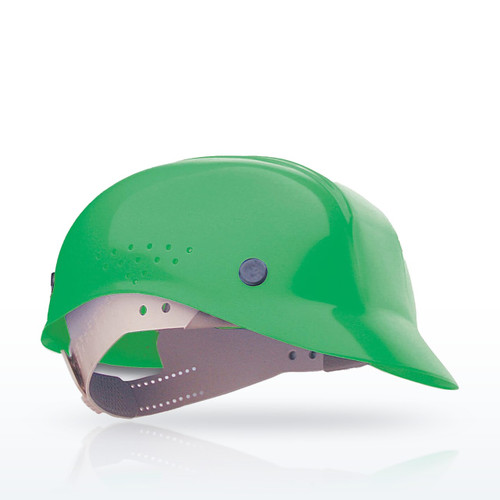
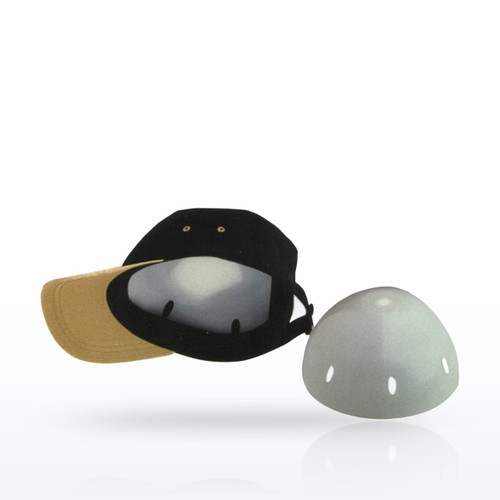
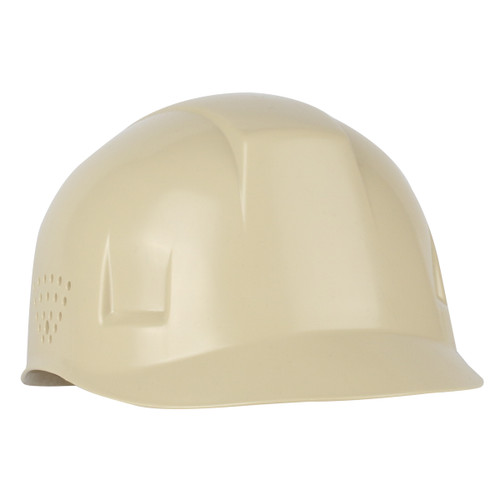
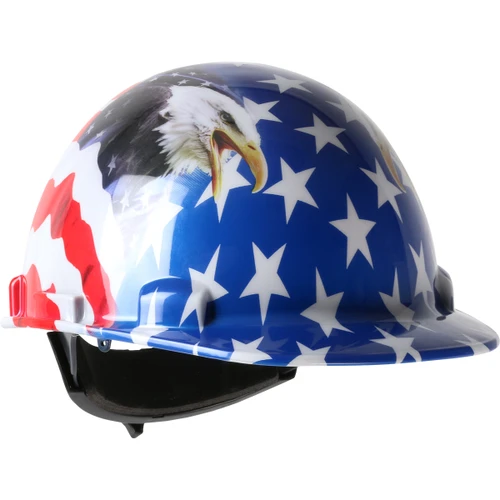
More: every hard hat and helmet by Type, Class and brand.
Source: the manufacturers' product pages, specification sheets and catalogs as reproduced on each product page; the ratings and standards shown are the manufacturers' own statements, and the products listed are those whose published data names the rating or the standard, not a selection by Bayshore Safety.
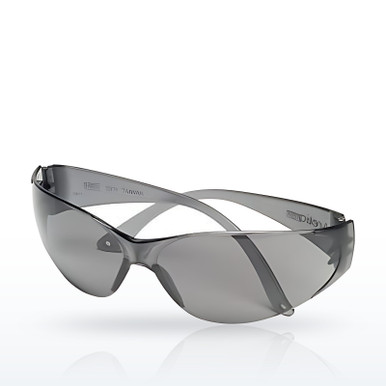
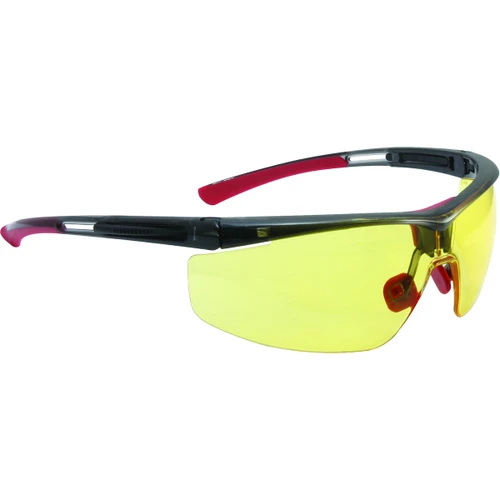
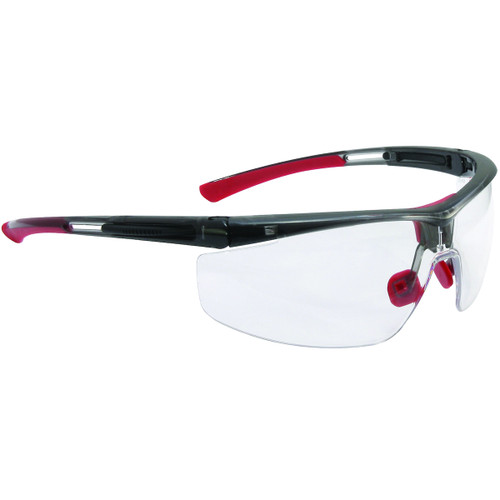
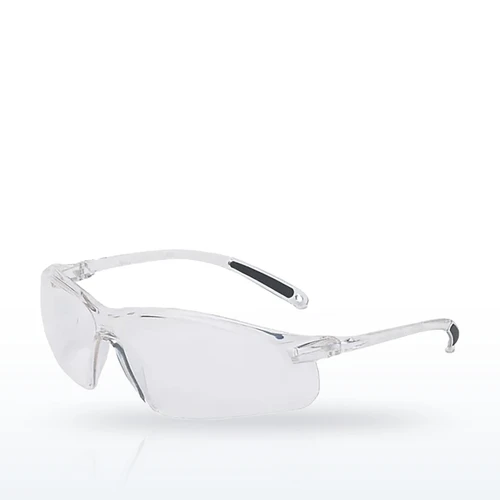
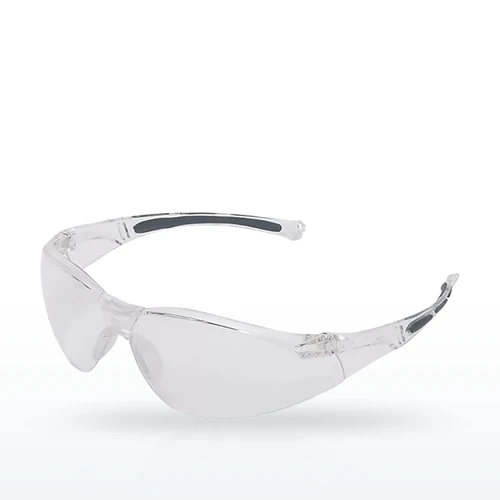
Safety glasses stated Z87.1+, including over-the-glass and small-fit frames
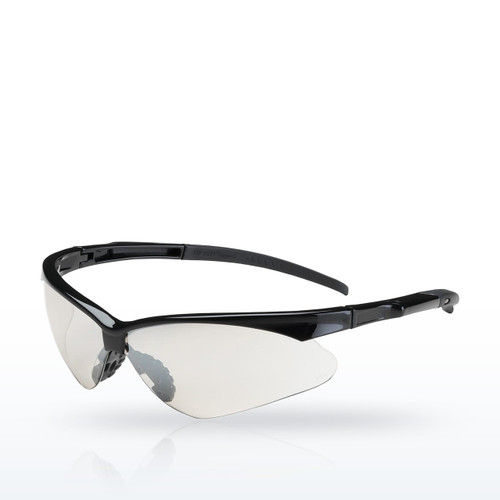
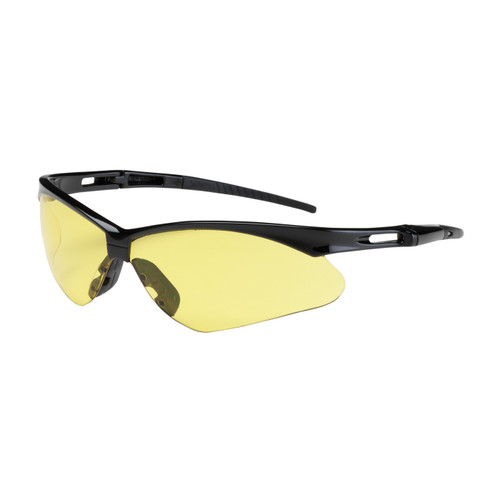
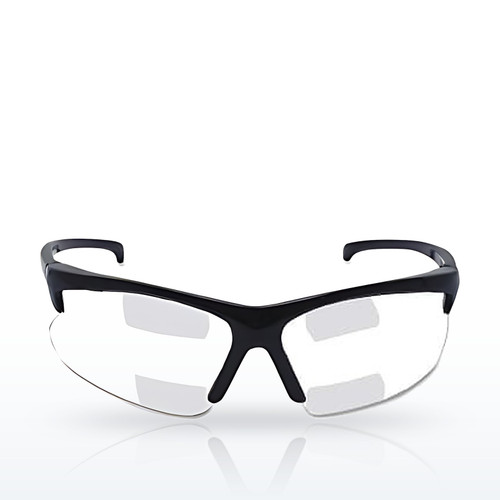
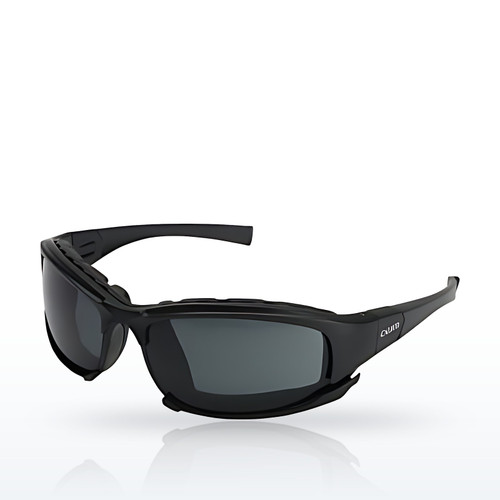


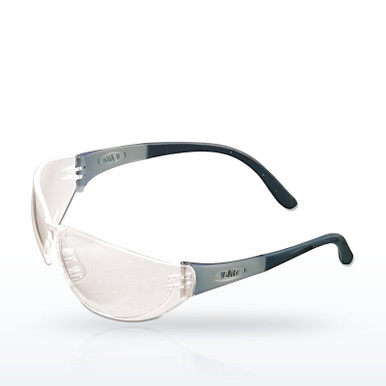
More: every safety glass by fit, tint and brand.
Source: the manufacturers' product pages, specification sheets and catalogs as reproduced on each product page; the ratings and standards shown are the manufacturers' own statements, and the products listed are those whose published data names the rating or the standard, not a selection by Bayshore Safety.
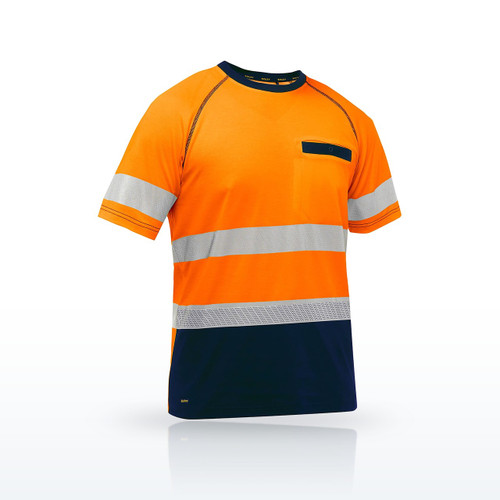
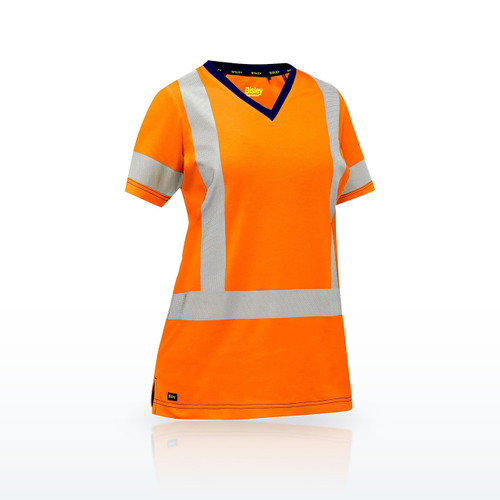
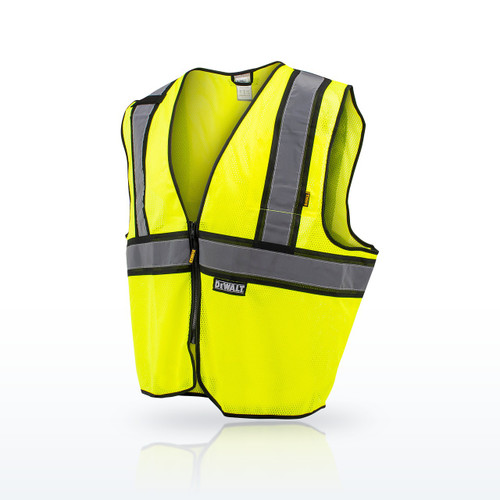
Hi-vis vests and shirts sized S to 5XL
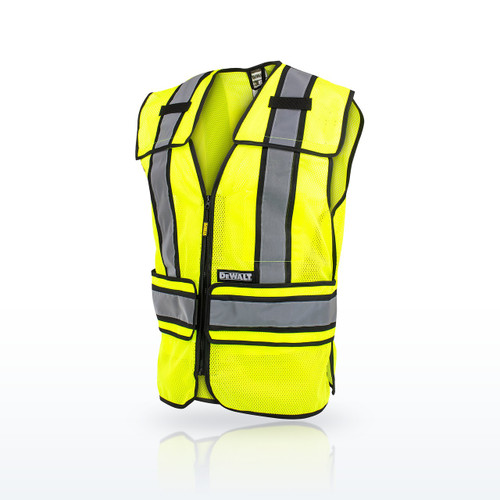
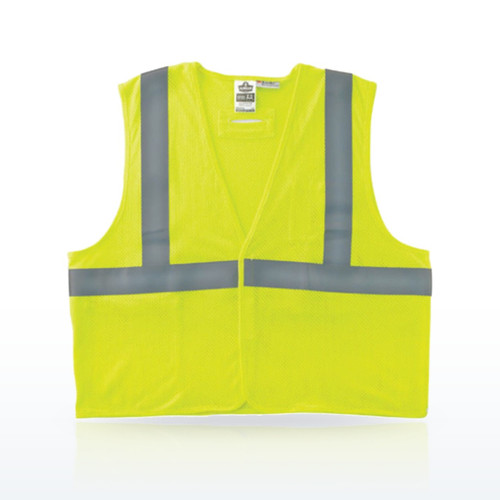
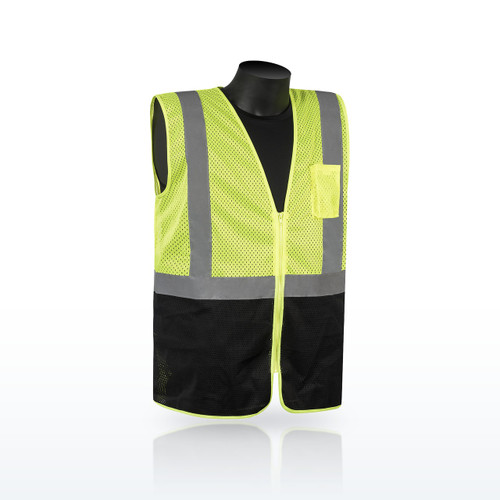
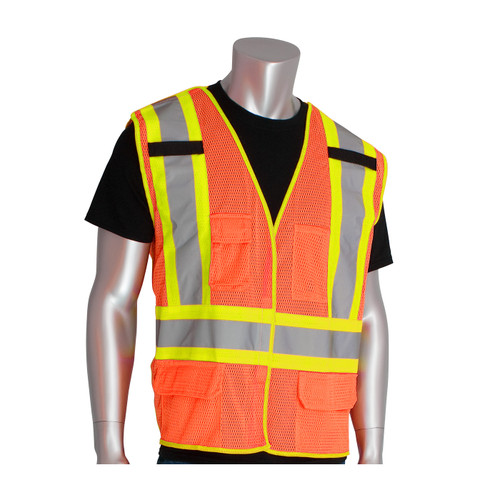
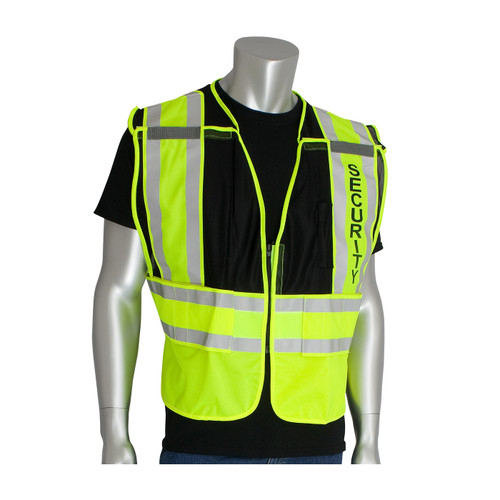
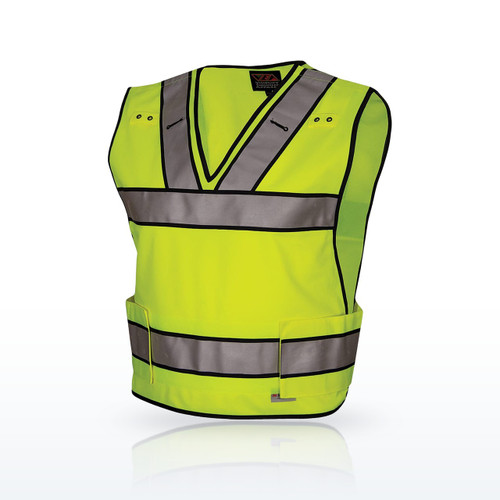
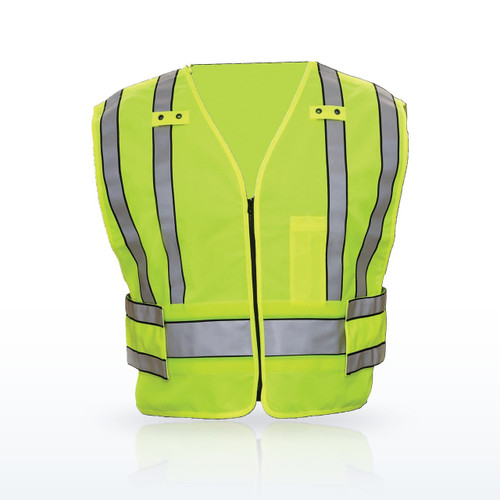
More: every hi-vis garment by class and size.
Source: the manufacturers' product pages, specification sheets and catalogs as reproduced on each product page; the ratings and standards shown are the manufacturers' own statements, and the products listed are those whose published data names the rating or the standard, not a selection by Bayshore Safety.
Harnesses in sized versions (fit matters for arrest)
| Part number | Item | Rating stated | Price | ||
|---|---|---|---|---|---|
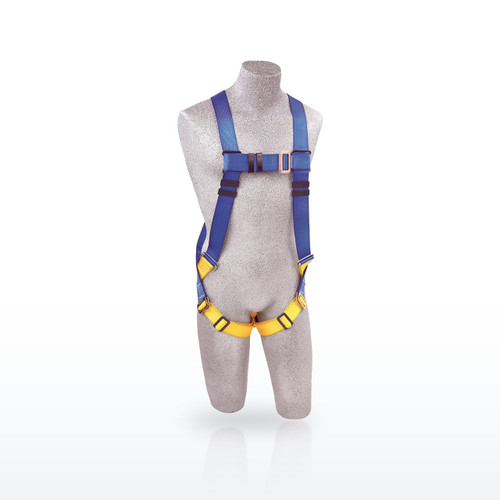 | 71002261 | PROTECTA 71002261 Harnesses, P50 Universal Vest-Style Safety Harness, 5-Point | $56.90 | Choose on the page | |
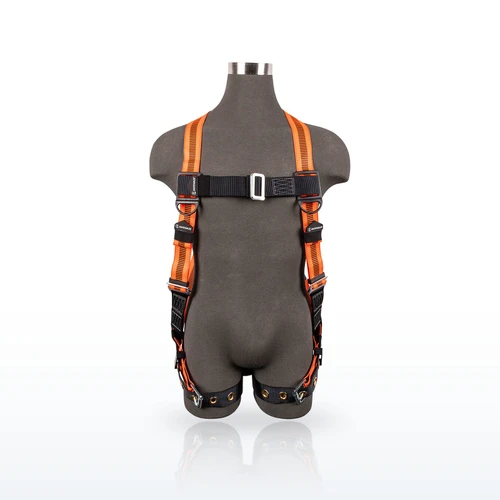 | FS99185-E | Safewaze V-Line FS99185-E Harnesses, Universal, 1 D-Ring, Mating-Buckle Chest | ANSI Z359.11-2021; OSHA 1910.140; OSHA 1926.502 | $52.49 | |
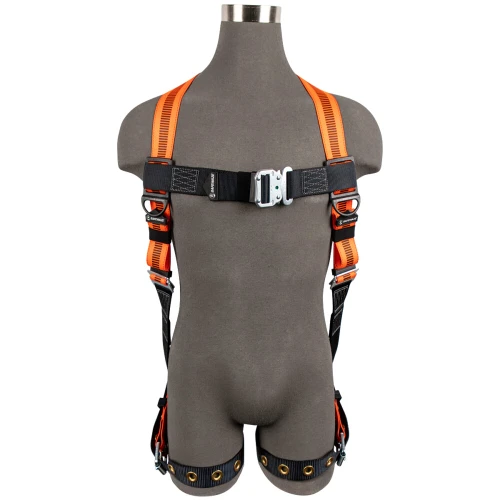 | FS99185-E-QC | Safewaze V-Line FS99185-E-QC Harnesses, Universal, 1 D-Ring, Quick-Connect Chest | ANSI Z359.11-2021; OSHA 1910.140; OSHA 1926.502 | $67.49 | |
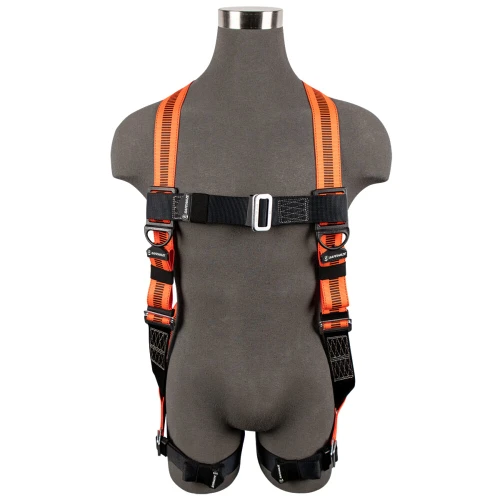 | FS99280-E | Safewaze V-Line FS99280-E Harnesses, Universal, 1 D-Ring | ANSI Z359.11-2021; OSHA 1910.140; OSHA 1926.502 | $43.99 | |
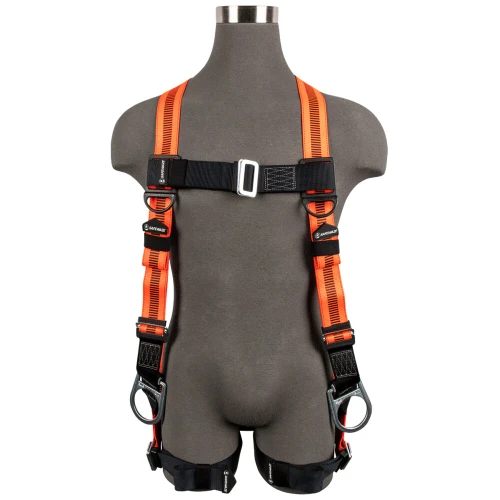 | FS99281-E | Safewaze V-Line FS99281-E Harnesses, Universal, 3 D-Rings | ANSI Z359.11-2021; OSHA 1910.140; OSHA 1926.502 | $52.49 | |
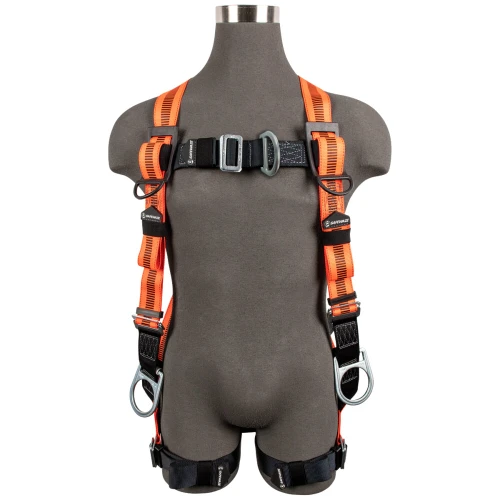 | FS99281-EFD | Safewaze V-Line FS99281-EFD Harnesses, Universal, 3 D-Rings, Mating-Buckle Chest | ANSI Z359.11-2021; OSHA 1910.140; OSHA 1926.502 | $59.99 | |
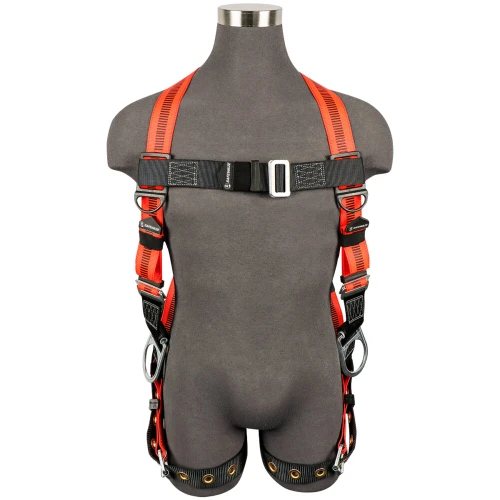 | FS99285-E | Safewaze V-Line FS99285-E Harnesses, Universal, 3 D-Rings, Mating-Buckle Chest | ANSI Z359.11-2021; OSHA 1910.140; OSHA 1926.502 | $59.49 |
More: every harness by size and standard.
Source: the manufacturers' product pages and technical data sheets (Safewaze, FallTech, Miller, DBI-SALA) as reproduced on each product page; the standards shown are the manufacturers' own statements.
Earplugs and earmuffs by NRR
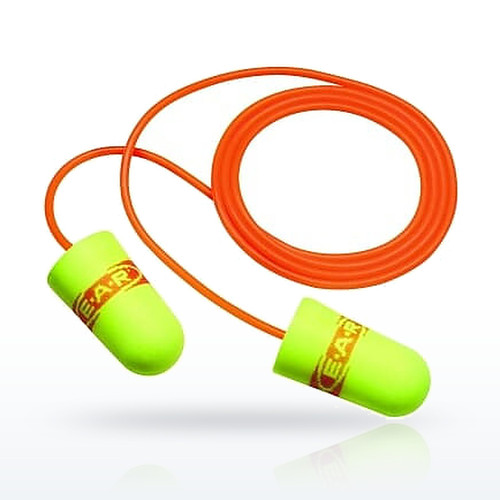

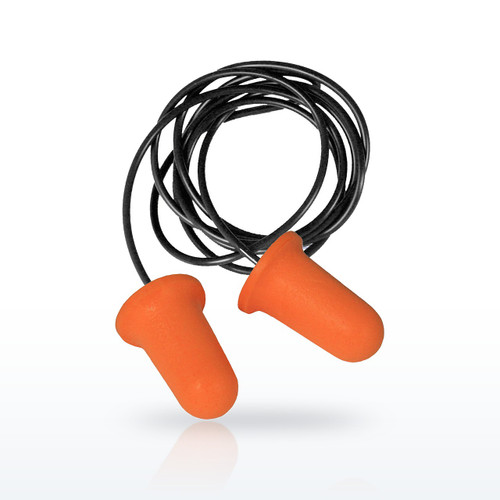
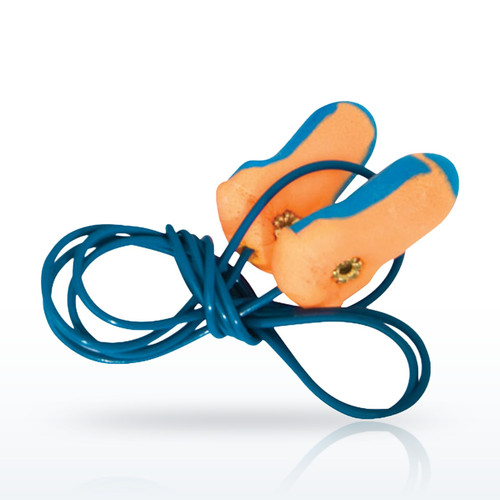
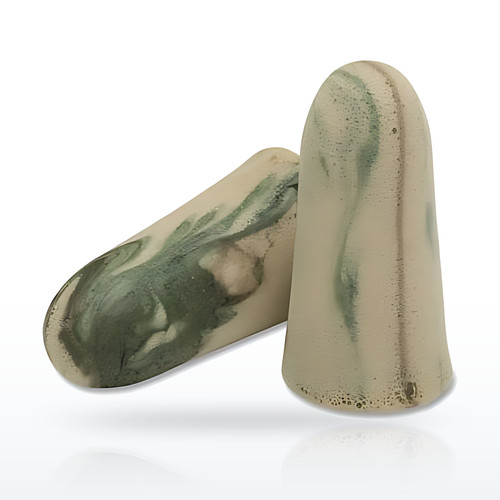
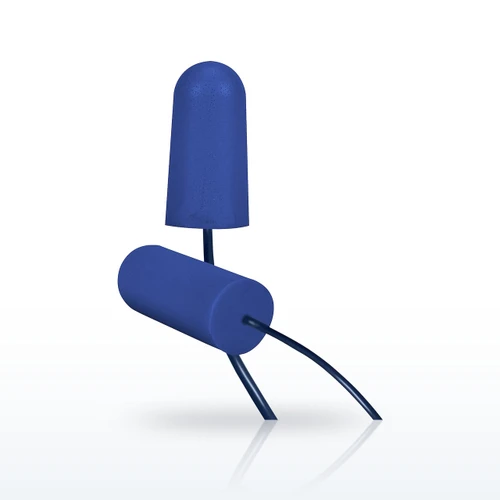
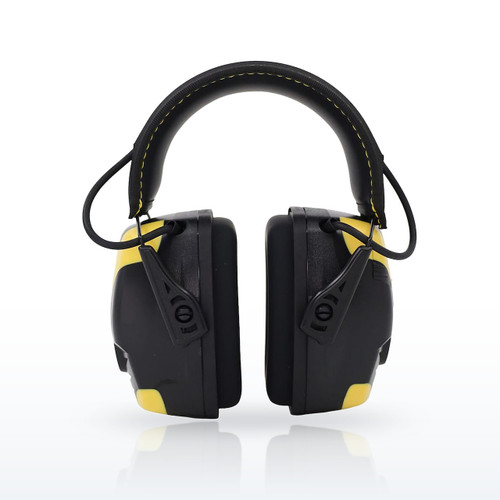
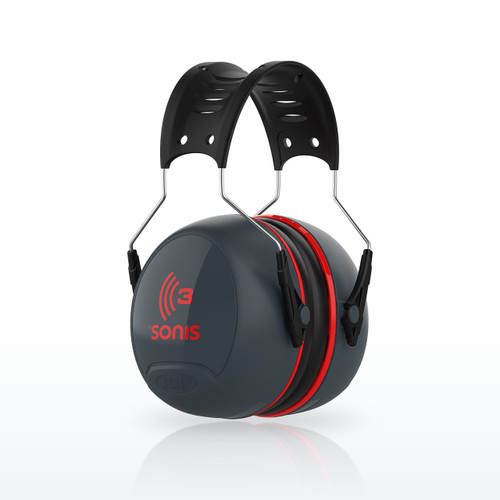
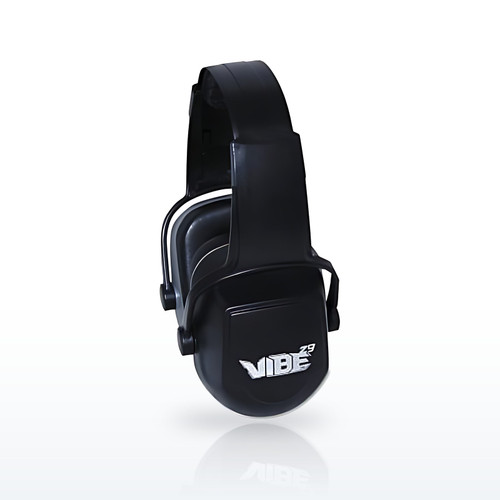
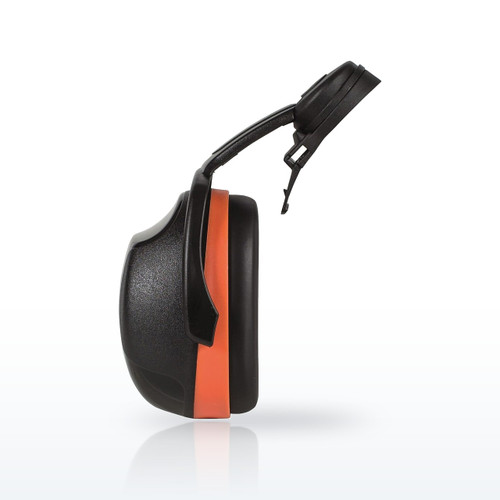
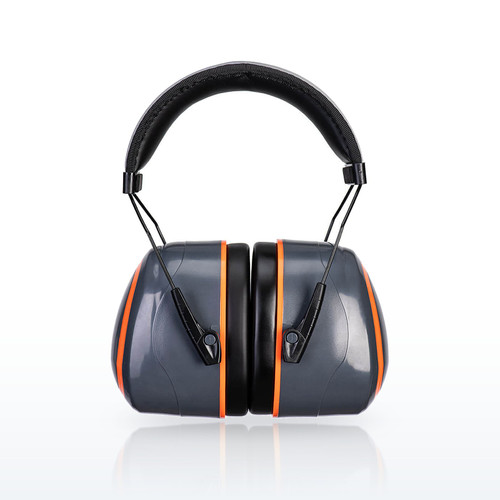
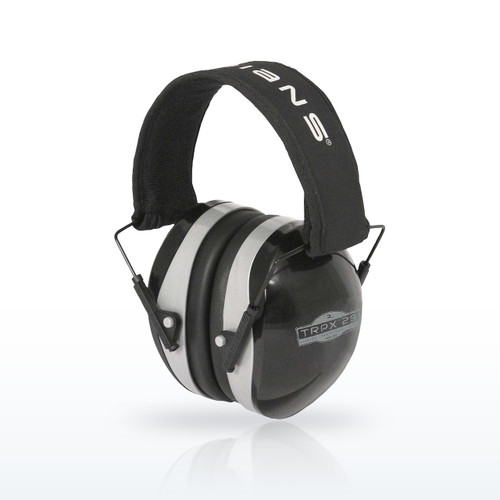
More: every earplug and earmuff by NRR.
Source: the manufacturers' product pages, specification sheets and catalogs as reproduced on each product page; the ratings and standards shown are the manufacturers' own statements, and the products listed are those whose published data names the rating or the standard, not a selection by Bayshore Safety.
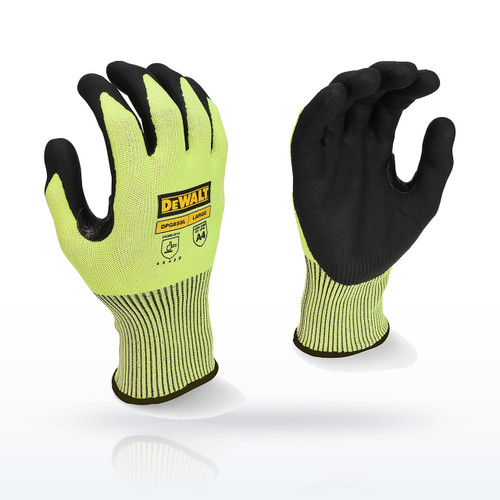
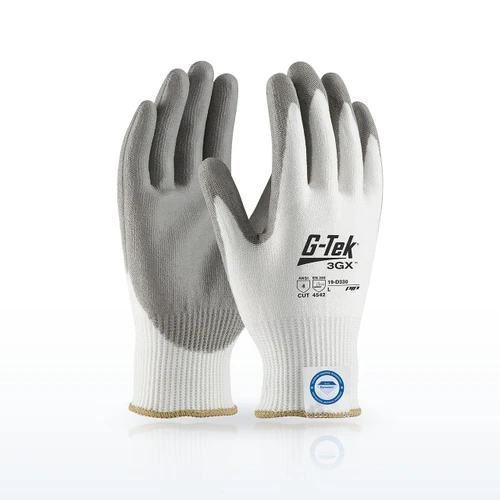
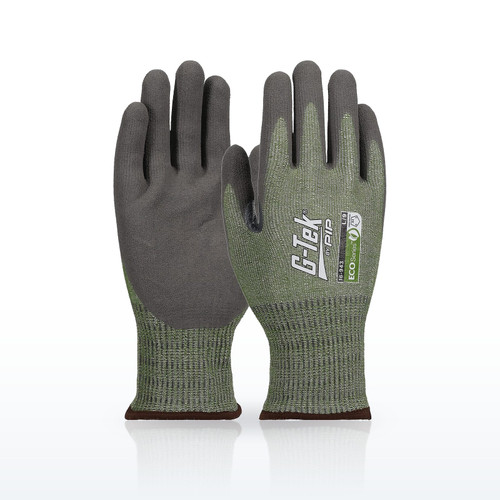
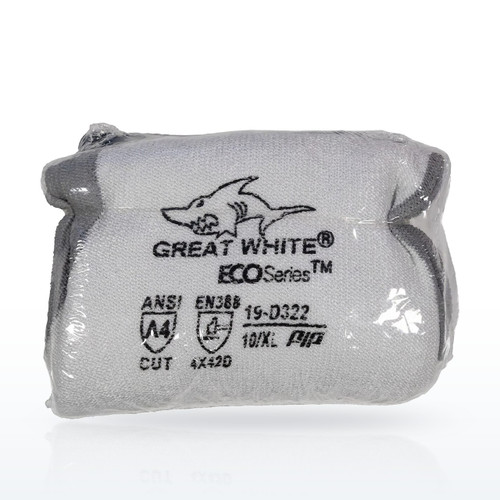
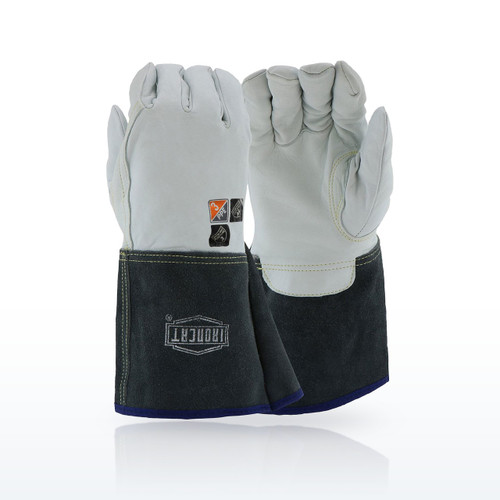
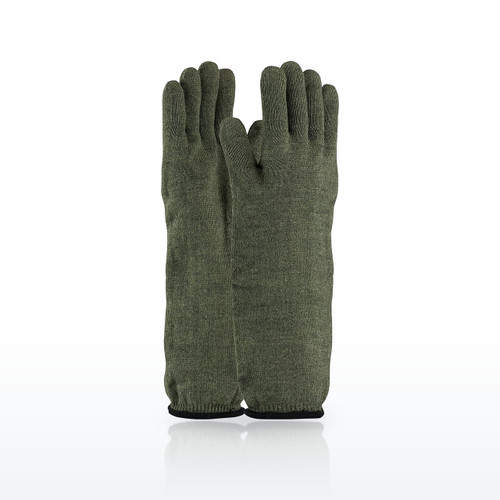
Work gloves by cut level and size
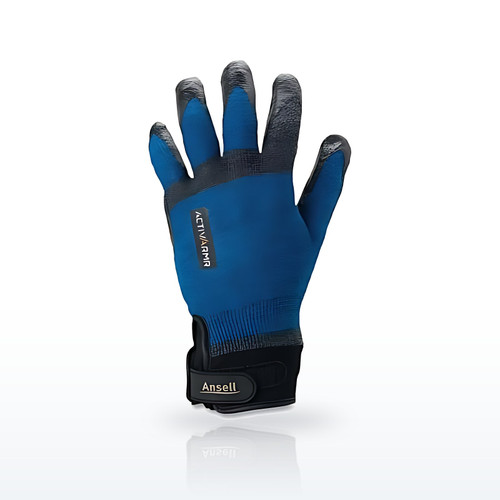
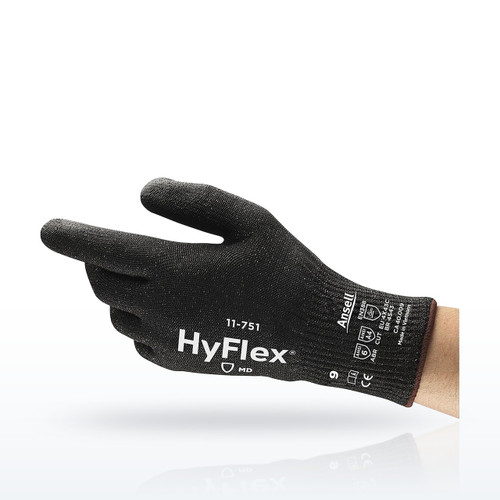

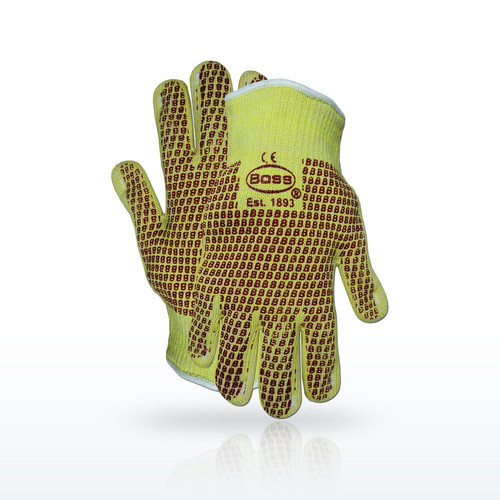
More: every glove by job, cut level and coating.
Source: the manufacturers' product pages, specification sheets and catalogs as reproduced on each product page; the ratings and standards shown are the manufacturers' own statements, and the products listed are those whose published data names the rating or the standard, not a selection by Bayshore Safety.
Guides that go further
What PPE does OSHA require on a construction site · What are the OSHA compliance updates for 2025 and 2026 · Who pays for PPE · What does PPE stand for, and what are the types of personal protective equipment · PPE training · 1910.132, the general industry PPE rule.
OSHA 1926.95 Criteria for Personal Protective Equipment (Construction) questions
What PPE is required on a construction site? Whatever the hazards of the operation call for under 1926.95(a) and 1926.28(a), with Subpart E naming the types: hard hats where objects can fall or strike (1926.100), eye and face protection for flying particles, chemicals and welding (1926.102), hearing protection above the 1926.52 levels (1926.101), respirators where exposures require them (1926.103), safety-toe footwear (1926.96), and fall protection under Subpart M at 6 feet.
What are the new OSHA PPE requirements for construction? The fit rule: since January 13, 2025, 1926.95(c)(2) requires PPE to be selected to ensure it properly fits each affected employee, matching the general industry wording in 1910.132(d)(1)(iii). It changes nothing about which PPE is required; it means a harness, glove, vest or hard hat that is the wrong size for the worker does not satisfy the rule.
Who pays for PPE in construction? The employer, under 1926.95(d)(1), except for non-specialty safety-toe footwear and non-specialty prescription safety eyewear the employee may wear off site, ordinary clothing and weather gear, replacements for equipment the employee lost or deliberately damaged, employee-owned equipment the employer did not require, and built-in metatarsal footwear chosen by the employee when the employer offers metatarsal guards.
Does OSHA require a hazard assessment in construction? Not in the written-certification form of 1910.132(d). In construction the duty comes from 1926.28(a) and 1926.95(a), which require PPE wherever hazardous conditions exist; OSHA's construction guidance treats a job hazard analysis as the way to meet it, and the specific Subpart E rules state the triggers.
Is an employer responsible for PPE the employee brings from home? Yes. 1926.95(b) makes the employer responsible for assuring the adequacy of employee-owned protective equipment, including its maintenance and sanitation, and 1926.95(c) still requires it to fit and be of safe design.
What does 1926.104 say about lanyards? That lifelines, safety belts and lanyards are used only for employee safeguarding; that a lifeline is secured above the work to an anchorage capable of supporting 5,400 pounds dead weight; that a lanyard is at least 1/2 inch nylon or equivalent with a maximum length allowing a fall of no more than 6 feet and a 5,400 pound nominal breaking strength; and that hardware is drop forged or pressed steel tested to 4,000 pounds. For fall arrest systems, the Subpart M criteria in 1926.502(d) are the ones OSHA enforces.
The ratings, test results and standards shown here are the manufacturers' published values, reproduced as published. Nothing on this page is a recommendation by Bayshore Safety that any product is suitable for a particular task, hazard or workplace. Selecting safety products and protective equipment is the responsibility of the end user and the employer, based on their own hazard assessment and the regulations that apply to their work. Confirm every value on the manufacturer's own documentation before use.