

Roofing Anchors & Kits
Reusable and knock-down roof anchors, post anchors, FrogLink and TileLink anchors and the screws and nails that go with them from Safewaze and Xenon. Roof type (sheet metal, shingle, tile) and post height are in the name.
In this category
49 products from Safewaze, FallTech, Miller, DBI-SALA. ANSI User Capacity: 130 to 310 lb max. (10). D-Rings: Plated alloy steel (6), Coated alloy steel (2). Sold individually (9), by the case (1).
Brands in this category: Safewaze (29) · FallTech (10) · Miller (9) · DBI-SALA (1)
How to read a fall protection rating
ANSI/ISEA Z359 covers harnesses, lanyards, self-retracting devices and anchorage connectors. A Z359.11 harness is rated for a user weight (clothing and tools included) of 130 to 310 lb; OSHA 1926.502 sets maximum arresting force at 1,800 lb with a full-body harness and a free fall of no more than 6 ft. Energy-absorbing lanyards and SRLs list the maximum arrest force and arrest distance from the standard's test; the product label carries the standard, capacity and date of manufacture.
What the rules say about roofing anchors & kits
OSHA 1910.28 Duty to Have Fall Protection: what it requires and the equipment it names: 29 CFR 1910.28 requires an employer to protect each employee on a walking-working surface with an unprotected side or edge 4 feet or more above a lower level by a guardrail system, safety net system, or personal fall protection system (fall arrest, travel restraint or positioning), and then sets the rule for each kind of surface: holes, hoist areas, runways, dangerous equipment, dockboards, repair pits, fixed ladders, outdoor advertising, stairways and low-slope roofs. OSHA 1926.501 Duty to Have Fall Protection (Construction): what it requires and the equipment it names: 29 CFR 1926.501 requires each construction employee on a walking or working surface with an unprotected side or edge 6 feet or more above a lower level to be protected by a guardrail system, safety net system or personal fall arrest system, and then names the permitted systems for each situation: leading edges, hoist areas, holes, formwork and rebar, ramps and runways, excavations, dangerous equipment, overhand bricklaying, low-slope and steep roofs, precast concrete, residential construction and wall openings, with fall protection plans allowed where conventional systems are infeasible in leading-edge, precast and residential work. Every rule page lists the equipment the rule names with the products we carry for it; the safety rules index has them all.
Guides for roofing anchors & kits
What are the OSHA roof fall protection rules for low-slope and steep roofs? · Fall protection for residential construction: what 1926.501(b)(13) and STD 03-11-002 require · What is the 25 percent rule in roofing? A building-code replacement rule, and the OSHA fall protection rules that do apply on a roof · Roof anchors by roof type: wood, standing seam, corrugated, tile and membrane, and whether an anchor can stay on the roof · At what height does Cal/OSHA require fall protection on a house? The residential rule that moved from 15 feet to 6 feet on July 1, 2025 · What is an anchor point, and what must it hold? The 5,000-pound rule
Ratings and specifications on this page are shown as published by the manufacturer or the named standard and describe performance in that standard's test. They are not a recommendation for any task. The employer's hazard assessment decides what protective equipment a job needs. Verify details against the manufacturer's current documentation before you buy.
Protecta series
-
-
 Safewaze
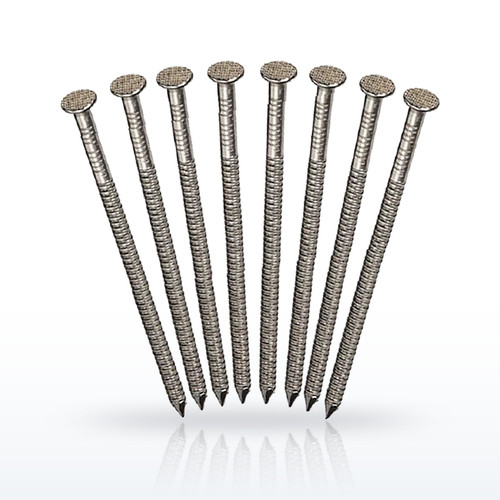
 021-4067 Roof Anchor Accessories, 8-Piece 16D Roofing Nails for FS871
Item # 021-4067$2.89 -

-

-
 Safewaze
 021-4065 Roof Anchor Accessories, 20-Piece 16D Roofing Nails for FS870
Item # 021-4065$5.03 -

-
 Safewaze
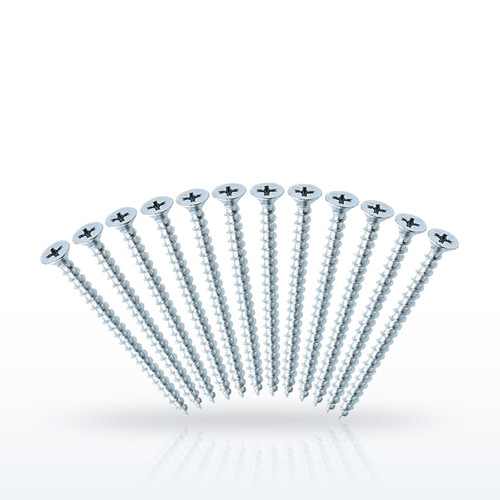
 021-4066 Roof Anchor Accessories, 12-Piece 2.5 in Sheet Metal Screws
Item # 021-4066$3.81 -
