
OSHA 1910.28 Duty to Have Fall Protection: what it requires and the equipment it names
29 CFR 1910.28 is the general industry duty rule, the one behind the "OSHA 4-foot rule": it says where fall protection is required and which systems are allowed, surface by surface, from unprotected edges and holes to fixed ladders and low-slope roofs. The system criteria are in 1910.29 (guardrails, covers, ladder safety systems) and 1910.140 (personal systems). We sell nationwide; ships in 1–2 business days; most orders arrive in 3–7 business days.
The plain answer
29 CFR 1910.28 requires an employer to protect each employee on a walking-working surface with an unprotected side or edge 4 feet or more above a lower level by a guardrail system, safety net system, or personal fall protection system (fall arrest, travel restraint or positioning), and then sets the rule for each kind of surface: holes, hoist areas, runways, dangerous equipment, dockboards, repair pits, fixed ladders, outdoor advertising, stairways and low-slope roofs.
It applies to general industry workplaces (warehouses, plants, utilities, building maintenance). Construction uses 1926.501 and its 6 foot trigger; scaffolds and aerial lifts follow their own sections.
The equipment it names is the system list: guardrail systems, safety nets, personal fall arrest systems, travel restraint systems, positioning systems, ladder safety systems, cages and wells on existing fixed ladders, covers, handrails and stair rails, and designated areas with warning lines on low-slope roofs. The criteria for each are in 1910.29 and 1910.140.
What the rule says
Each entry is condensed from the paragraph cited; the paragraph itself is the rule and the link opens it.
29 CFR 1910.28(b)(1): Each employee on a walking-working surface with an unprotected side or edge 4 feet or more above a lower level must be protected by a guardrail system, a safety net system, or a personal fall protection system (personal fall arrest, travel restraint or positioning); where those are infeasible or a greater hazard on residential roofs, a fall protection plan under 1926.502(k) with training under 1926.503 is required.
29 CFR 1910.28(b)(2): Hoist areas: guardrail, personal fall arrest or travel restraint; when the guardrail is removed for hoisting, a personal fall arrest or travel restraint system is used by an employee who leans out over the edge.
29 CFR 1910.28(b)(3): Holes, including skylights, 4 feet or more above a lower level: covers, guardrail systems, travel restraint or personal fall arrest; holes under 4 feet are covered or guarded against tripping; covers are placed as soon as the hole is uncovered when a guardrail is not used.
29 CFR 1910.28(b)(4)-(5): Dockboards: fall protection at 4 feet except where the employer demonstrates it is infeasible during truck loading; runways and similar walkways: guardrails on all unprotected sides at 4 feet, with an exception for runways used for filling tanks.
29 CFR 1910.28(b)(6): Dangerous equipment: each employee less than 4 feet above dangerous equipment is protected by guardrails or travel restraint; at 4 feet or more, by guardrail, safety net, travel restraint or personal fall arrest.
29 CFR 1910.28(b)(9): Fixed ladders extending more than 24 feet above a lower level: ladders installed before November 19, 2018 have a personal fall arrest system, ladder safety system, cage or well; ladders installed on or after that date have a personal fall arrest system or ladder safety system; when a ladder, cage or well is replaced the replacement section gets a personal fall arrest or ladder safety system; and on and after November 18, 2036, every fixed ladder over 24 feet has a personal fall arrest system or ladder safety system. Systems protect the entire vertical distance, with rest platforms at most every 150 feet.
29 CFR 1910.28(b)(11): Stairways: stair rail systems and handrails per 1910.29(f) on flights with four or more risers or rising more than 30 inches; unprotected sides and edges of stairway landings at 4 feet get guardrails or stair rails.
29 CFR 1910.28(b)(13): Low-slope roofs: within 6 feet of the edge, a guardrail, safety net, travel restraint or personal fall arrest system; 6 to 15 feet from the edge, the same systems, or a designated area for infrequent and temporary work; 15 feet or more from the edge, those systems or a designated area, and no protection for infrequent and temporary work if the employer enforces a rule keeping employees back.
29 CFR 1910.28(b)(15): Walking-working surfaces not otherwise addressed: fall protection at 4 feet by guardrail, safety net, travel restraint or personal fall arrest.
29 CFR 1910.28(c): Falling object protection: hard hats and one of toeboards, screens or guardrail systems, canopies, or barricades to keep employees out of the area where objects could fall.
Source: 29 CFR, Occupational Safety and Health Standards, as published by OSHA (ecfr.gov), read Nov 9 2026.
California (Cal/OSHA)
Each entry is condensed from the paragraph cited; the paragraph itself is the rule and the link opens it.
Title 8 §3210(a): Guardrails are required on all open sides of unenclosed elevated work locations such as roof openings, open and glazed sides of landings, balconies and porches, platforms, runways, ramps or working levels more than 30 inches above the floor, ground or other working areas.
Title 8 §3209: Standard guardrails: top rail 42 to 45 inches high, midrail about halfway, designed for a live load of 20 pounds per linear foot at the top rail.
Title 8 §3277: Fixed ladders: cages or ladder safety systems where the climb exceeds the heights in the section, with the ladder safety system defined as an approved assembly of carrier, attachment elements, safety sleeve and connection to the body harness.
Source: California Code of Regulations, Title 8, as published by Cal/OSHA (dir.ca.gov), read Nov 9 2026.
Equipment the rule names
| Equipment or condition | What the rule requires | Paragraph |
|---|---|---|
| Guardrail system | Permitted at every surface; criteria in 1910.29(b): top rail 42 in ± 3, midrail, 200 lb | 29 CFR 1910.28(b)(1) |
| Personal fall arrest system | Harness, lanyard or SRL, connectors, anchorage per 1910.140 | 29 CFR 1910.28(b)(1) |
| Travel restraint system | Rigged so the employee cannot reach the edge; 1910.140(c)(14) | 29 CFR 1910.28(b)(1) |
| Hole covers | Support twice the maximum intended load, secured, marked (1910.29(e)) | 29 CFR 1910.28(b)(3) |
| Ladder safety system | Required on new fixed ladders over 24 ft, and on all by November 18, 2036; criteria in 1910.29(i) | 29 CFR 1910.28(b)(9) |
| Cage or well | Accepted only on fixed ladders installed before November 19, 2018, until replaced | 29 CFR 1910.28(b)(9)(i)(A) |
| Designated area with warning line | Low-slope roofs 6 ft or more from the edge for infrequent, temporary work; line 200 lb, 34 to 39 in high (1910.29(d)) | 29 CFR 1910.28(b)(13) |
| Hard hats, toeboards, screens, canopies | Falling object protection | 29 CFR 1910.28(c) |
Source: 29 CFR, Occupational Safety and Health Standards, as published by OSHA (ecfr.gov), read Nov 9 2026.
What we carry for it
Each table lists products whose manufacturer data states the rating or the standard the rule names, every brand we carry that does, with the current price. Sizes and versions are chosen on the product page. The selector linked under each table holds every item of that type.
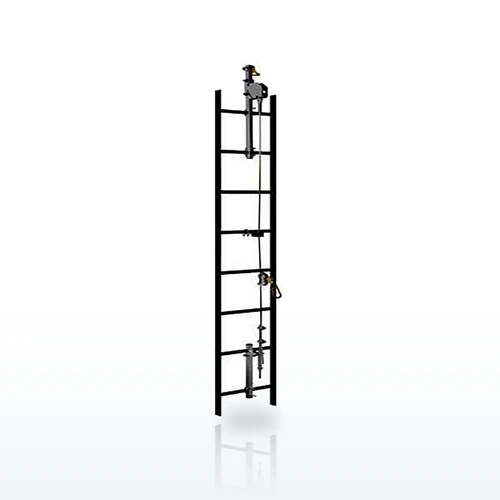
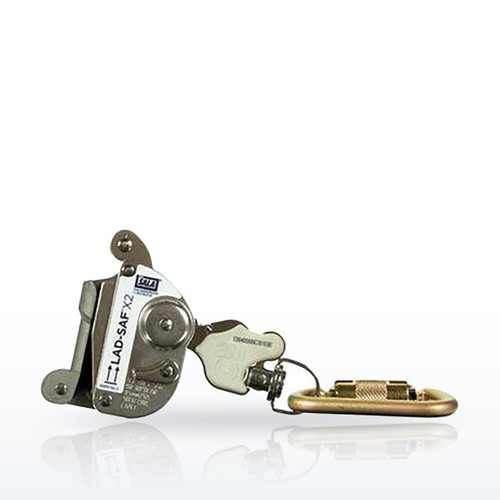
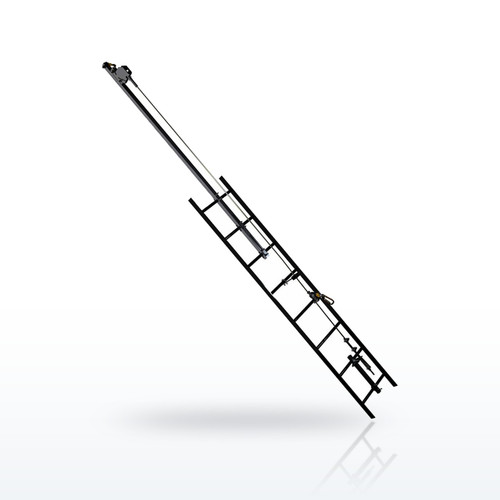
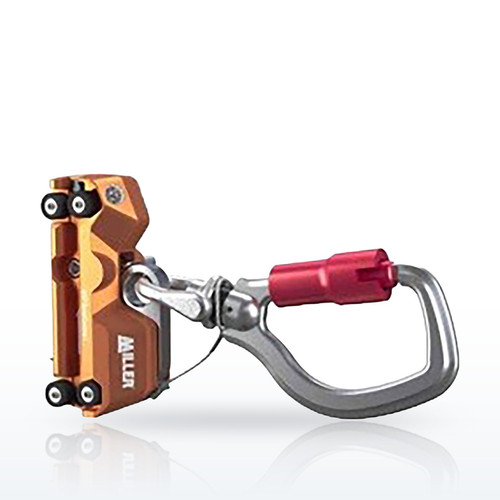
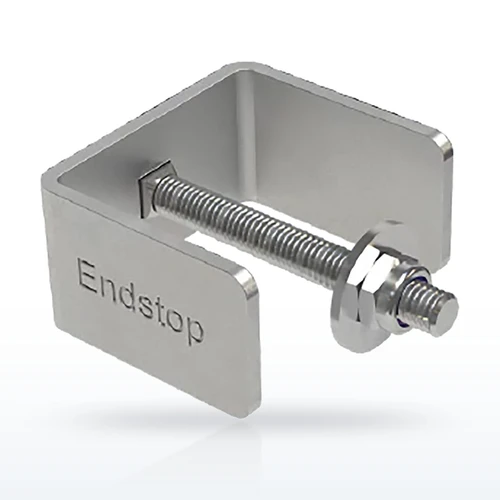
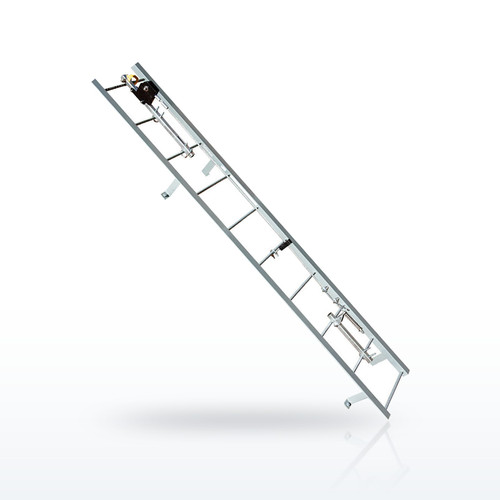
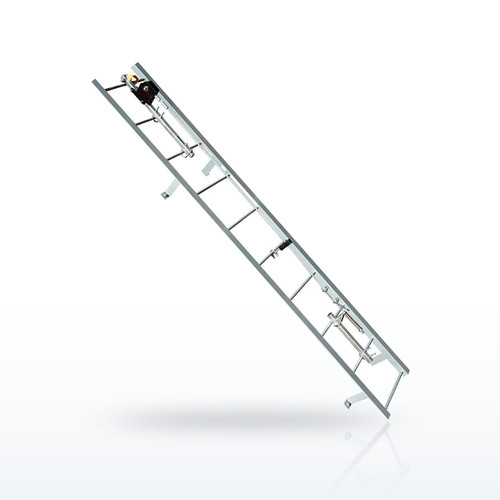
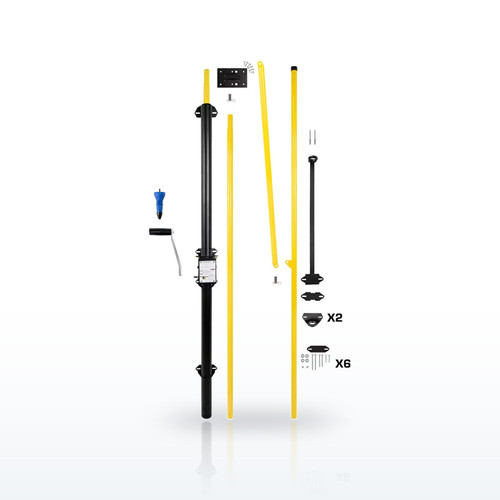
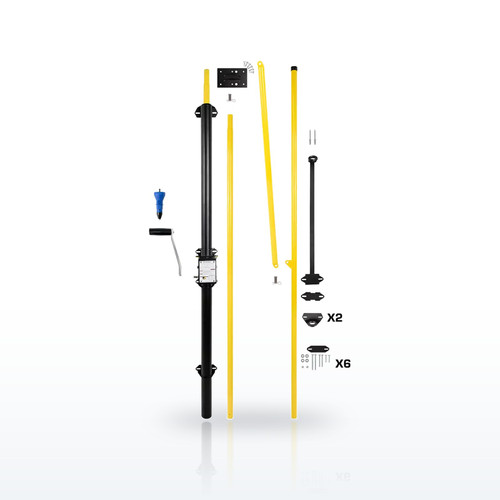
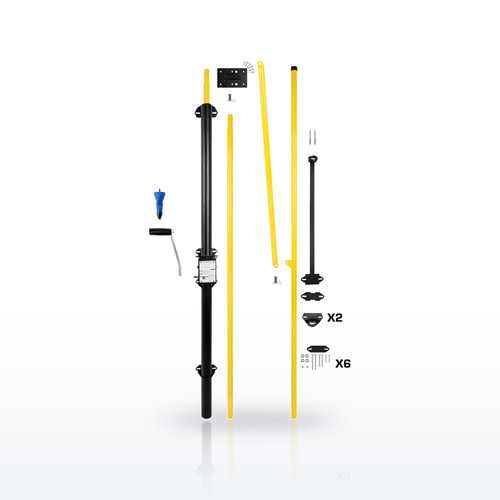
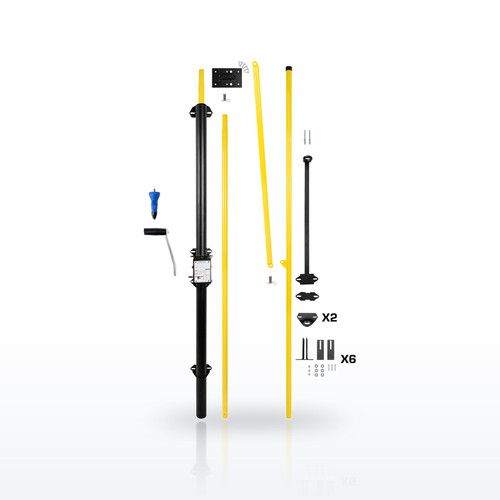
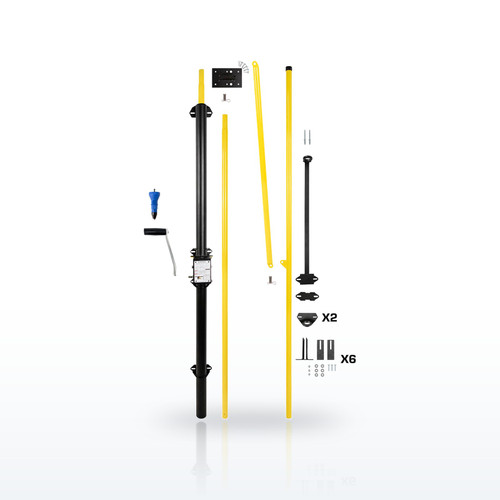
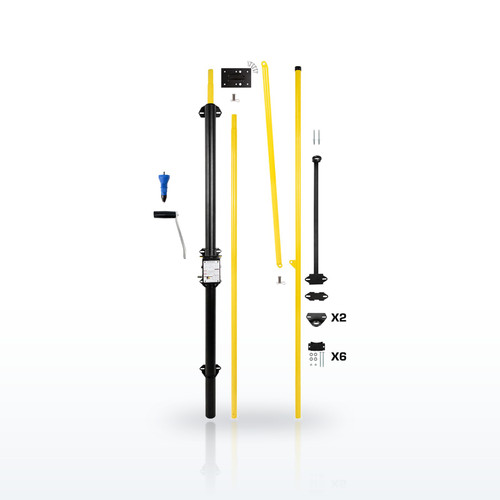
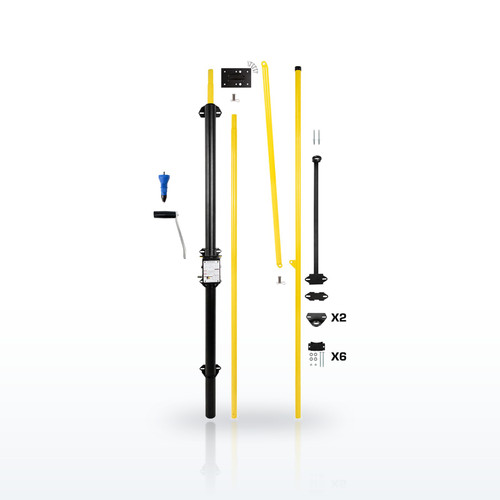
Ladder safety systems and climbing fall arresters for fixed ladders
More: every ladder system, carrier and sleeve.
Source: the manufacturers' product pages and technical data sheets (Safewaze, FallTech, Miller, DBI-SALA) as reproduced on each product page; the standards shown are the manufacturers' own statements.
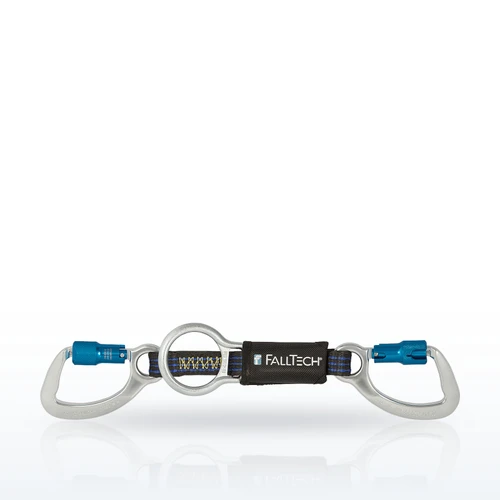
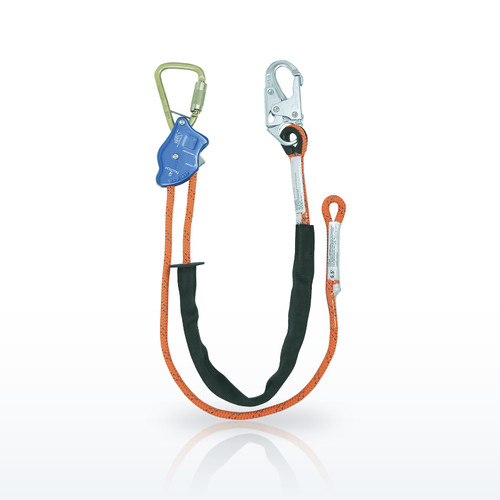
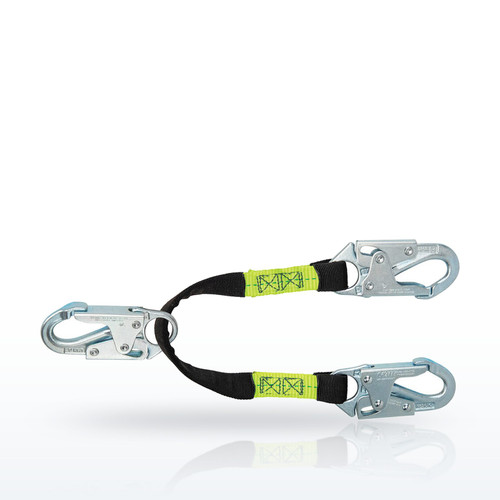
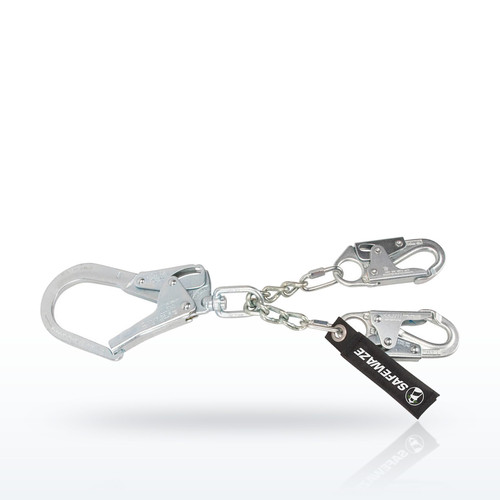
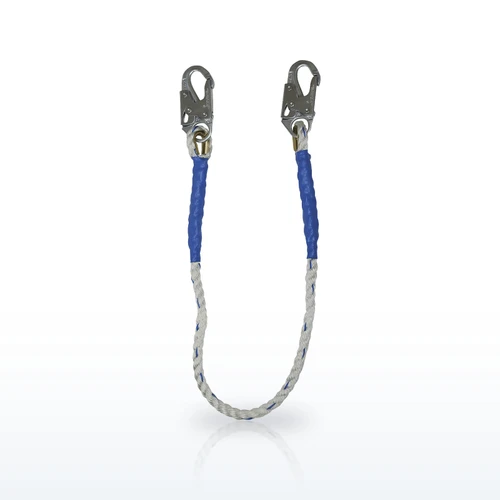
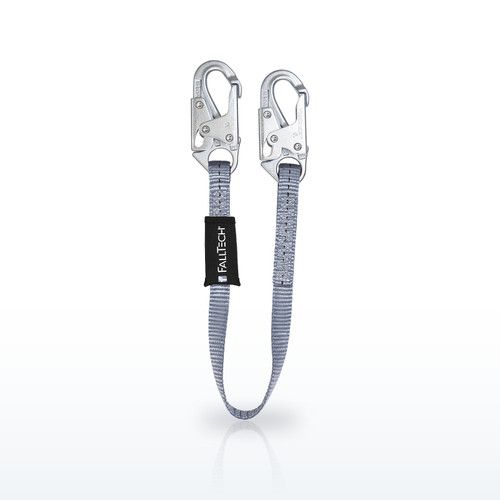
Travel restraint and positioning lanyards
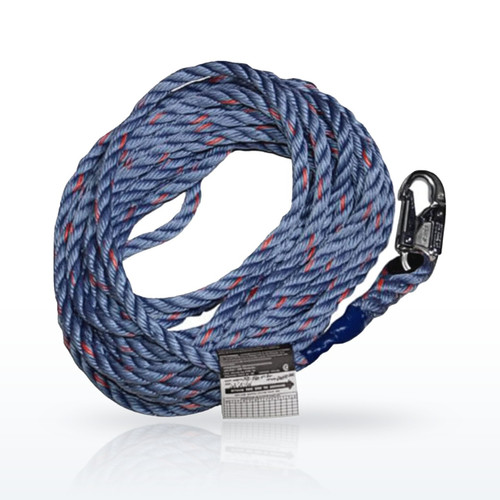
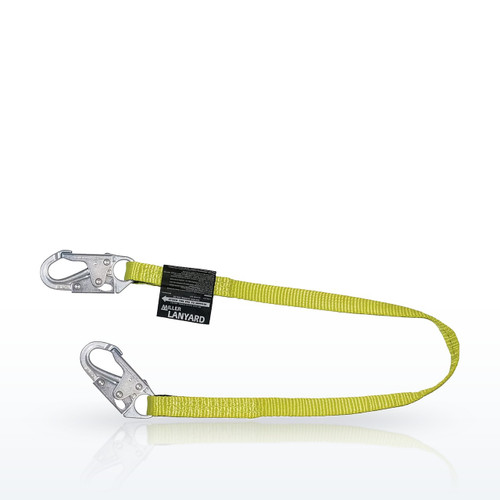
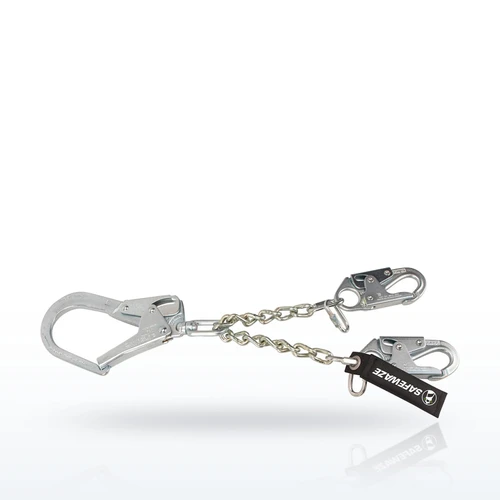
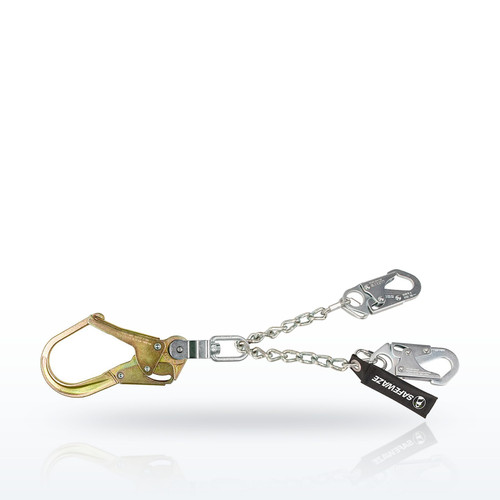
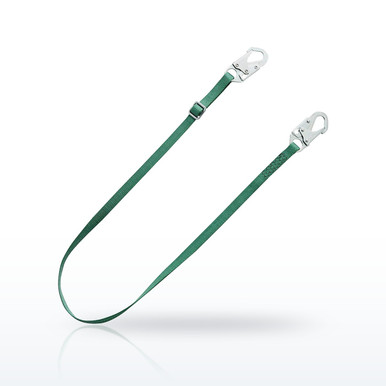
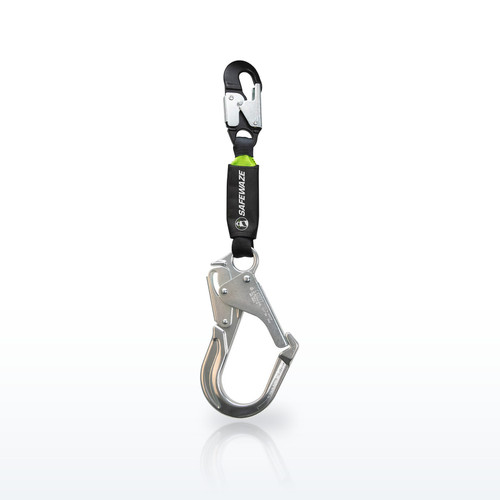
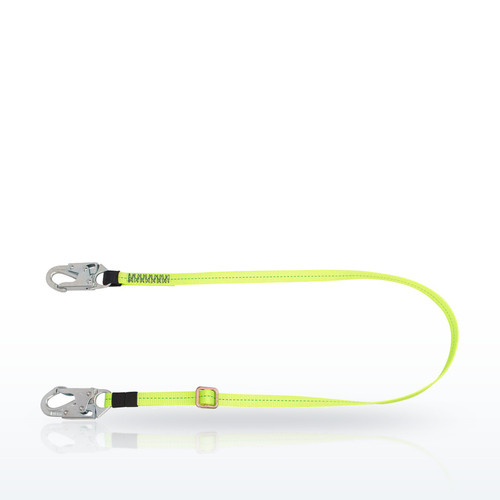
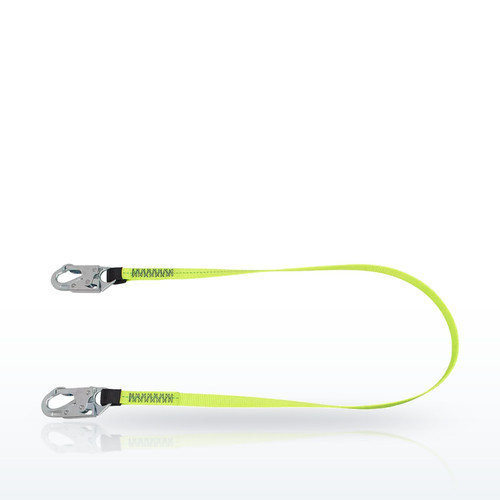
More: every restraint and positioning lanyard.
Source: the manufacturers' product pages and technical data sheets (Safewaze, FallTech, Miller, DBI-SALA) as reproduced on each product page; the standards shown are the manufacturers' own statements.
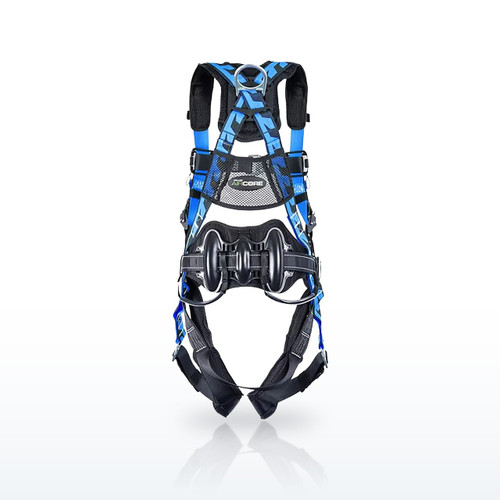
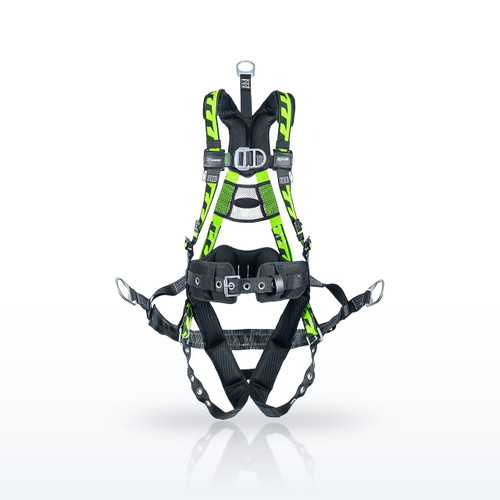
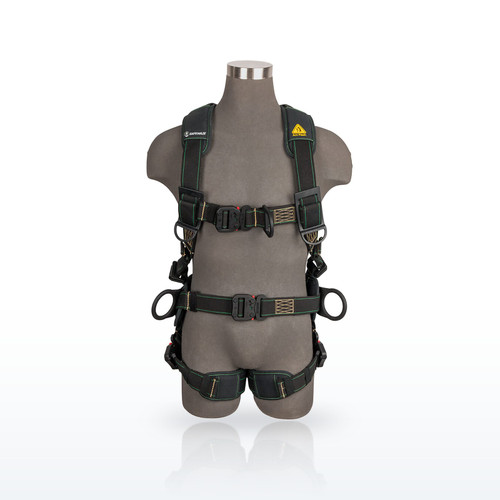
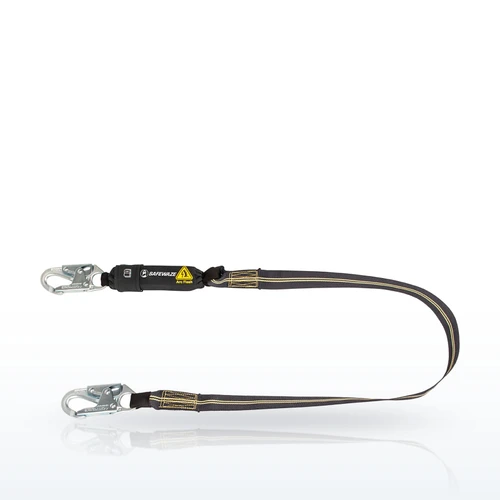
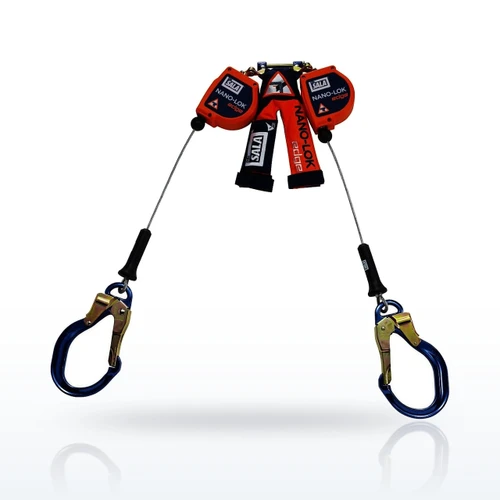
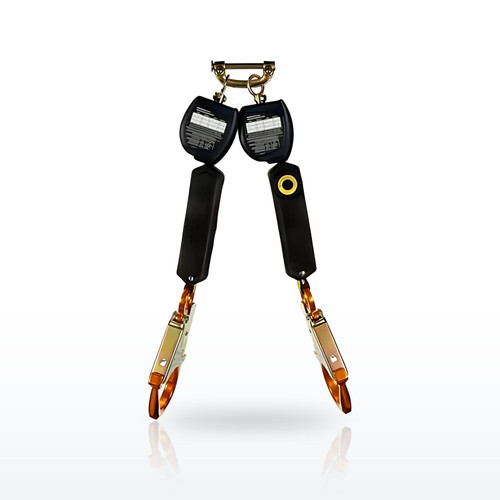
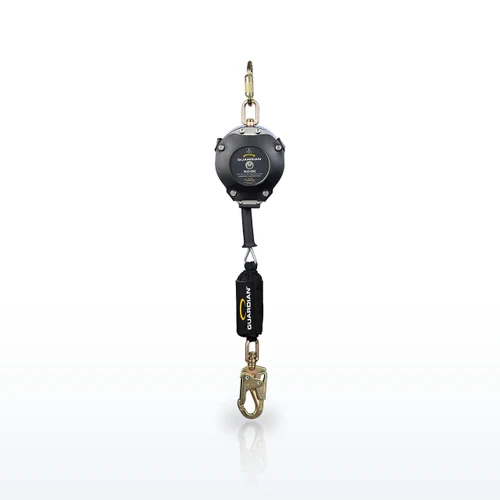
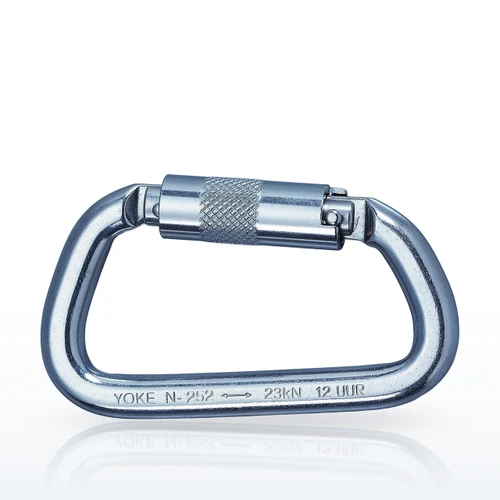
Personal fall arrest systems: harnesses and self-retracting lifelines
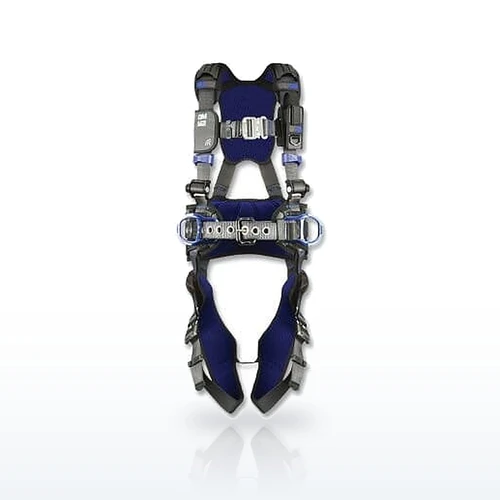
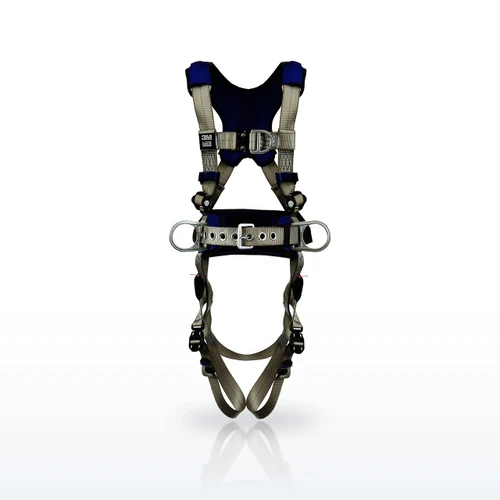
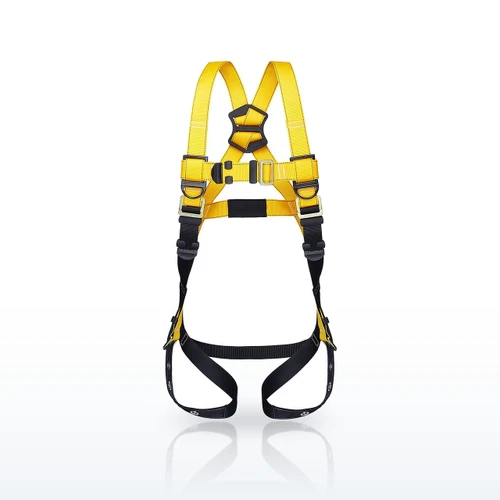
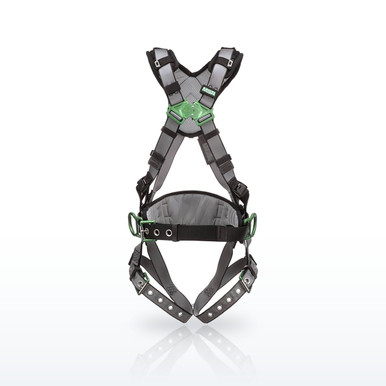

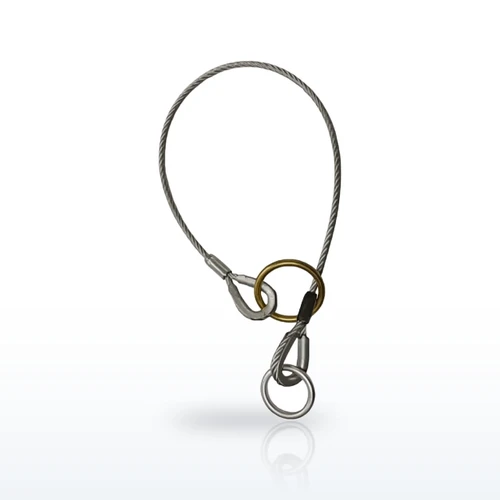
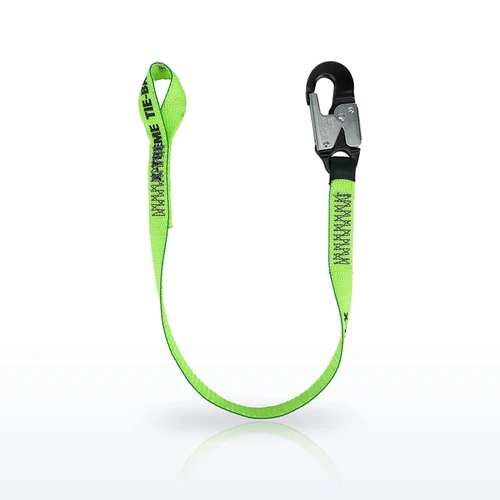
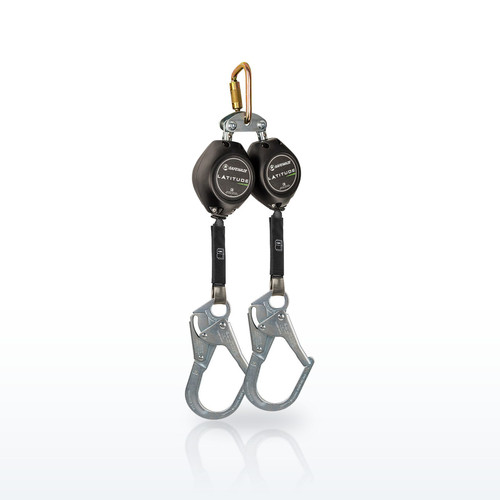
More: every harness, lanyard, SRL and anchor by type and standard.
Source: the manufacturers' product pages and technical data sheets (Safewaze, FallTech, Miller, DBI-SALA) as reproduced on each product page; the standards shown are the manufacturers' own statements.
Roof anchors for low-slope roof work
| Part number | Item | Rating stated | Price | ||
|---|---|---|---|---|---|
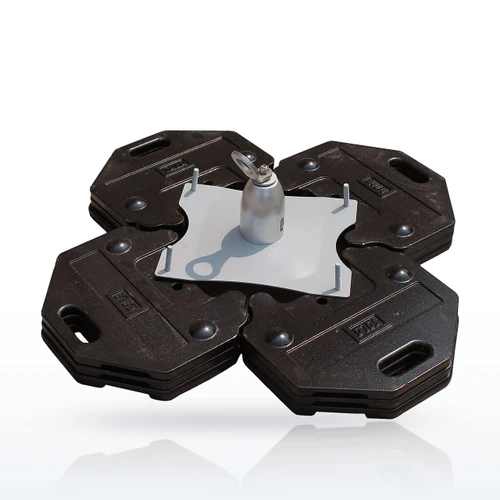 | 7100218795 | DBI-SALA 7100218795 Roofing Anchors, Roof Top Freestanding Counterweight Anchor | OSHA 1910.140; OSHA 1926.502 | $5,124.95 | |
 | 7410 | FallTech 7410 Roof Anchors, Hinged Reusable Wood | ANSI Z359.1-2007; OSHA 1910.66; OSHA 1926.502 | $36.80 | |
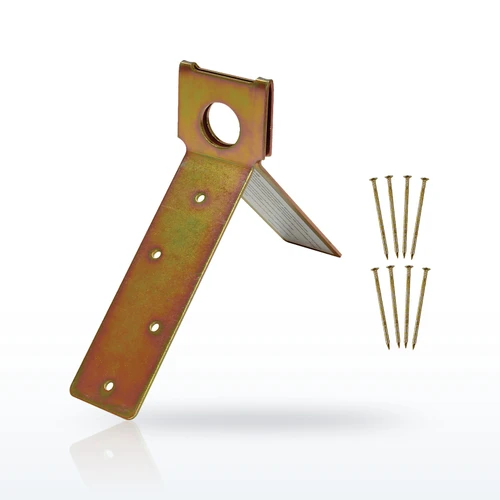 | 7444 | FallTech 7444 Roof Anchors, Single-use Wood Roof Ridge | OSHA 1926.502; OSHA 1910.66 | $10.40 | Choose on the page |
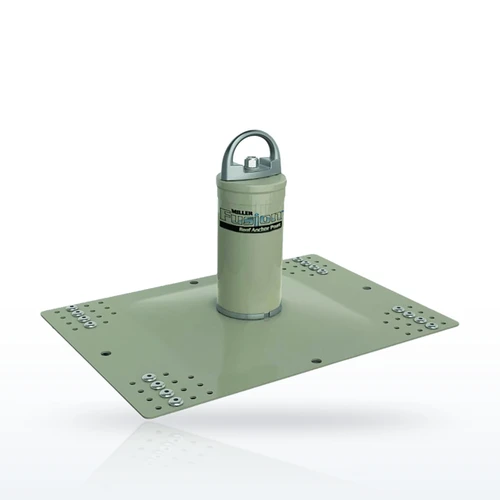 | X10011 | Miller Fusion X10011 Roof Anchors | $516.00 | ||
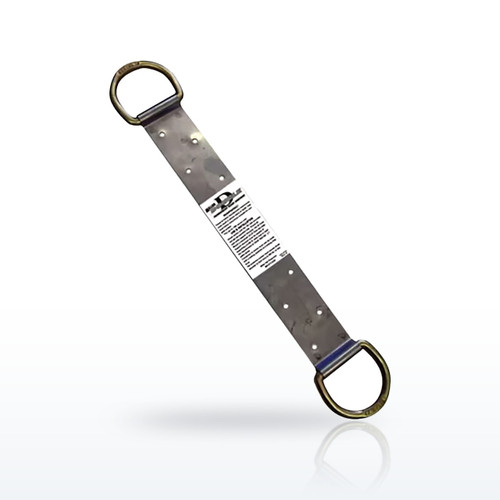 | RA40/ | Miller RA40 Roof Anchors, 310 lb Capacity | $53.99 | ||
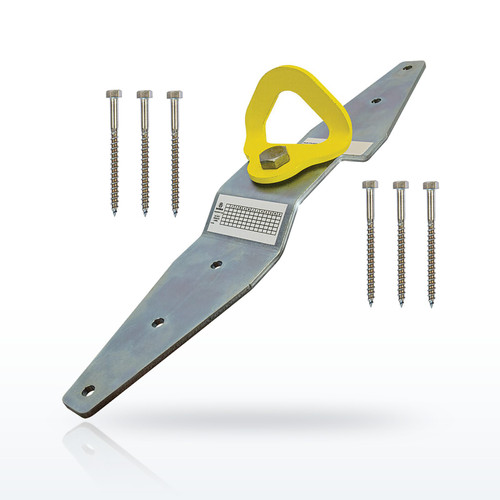 | 019-4010 | Safewaze 019-4010 Roof Anchors, 360° | OSHA 1926.502; OSHA 1910.140; OSHA 1910.66 | $55.49 | |
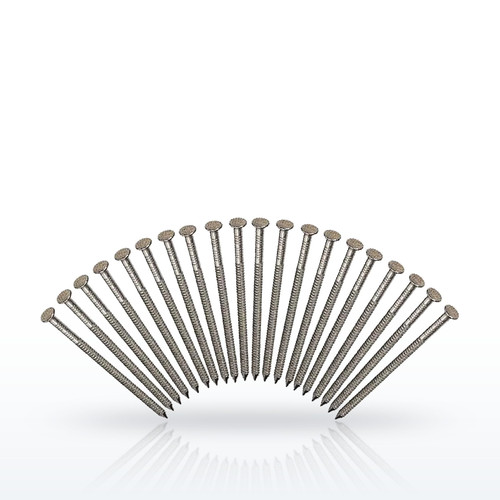 | 021-4065 | Safewaze 021-4065 Roof Anchor Accessories, 20-Piece 16D Roofing Nails for FS870 | $7.39 | ||
 | 021-4066 | Safewaze 021-4066 Roof Anchor Accessories, 12-Piece 2.5 in Sheet Metal Screws | $5.59 | ||
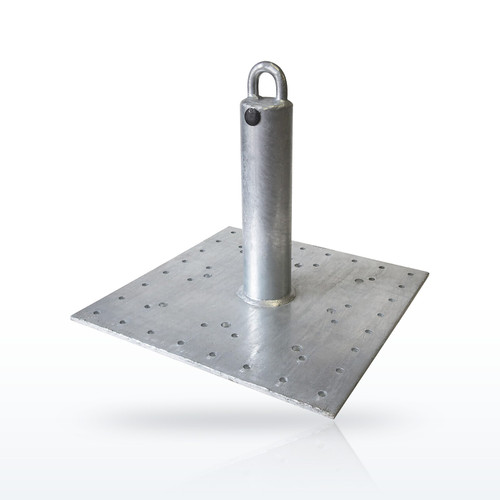 | FS-EX325 | Safewaze FS-EX325 Roof Anchors, 12 in Post Anchor | OSHA 1926.502; OSHA 1910.140; OSHA 1910.66 | $251.00 | |
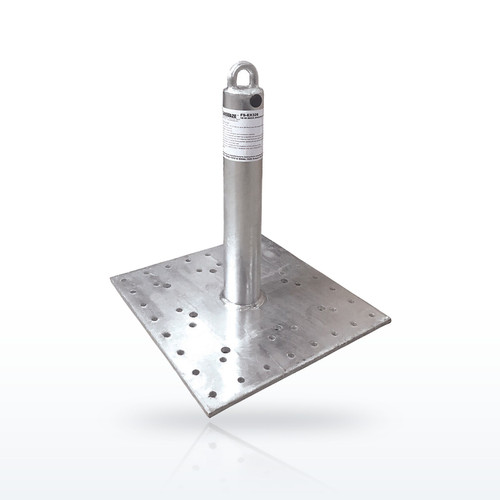 | FS-EX326 | Safewaze FS-EX326 Roof Anchors, 18 in Post Anchor | OSHA 1926.502; OSHA 1910.140; OSHA 1910.66 | $392.00 |
More: every roof anchor by roof type.
Source: the manufacturers' product pages and technical data sheets (Safewaze, FallTech, Miller, DBI-SALA) as reproduced on each product page; the standards shown are the manufacturers' own statements.
Hard hats for falling object protection (1910.28(c))
| Part number | Item | Rating stated | Price | ||
|---|---|---|---|---|---|
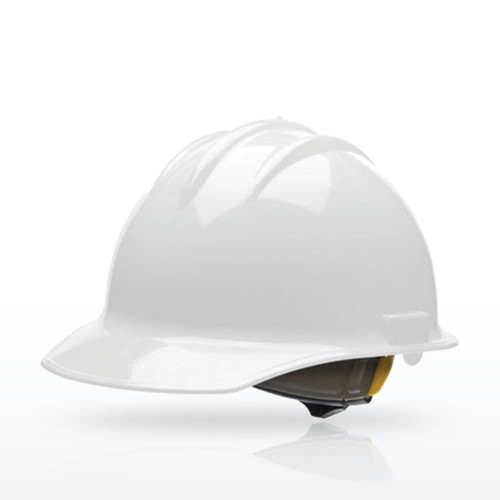 | 30RDR | Bullard C30 Classic Cap Style Hard Hat, 6-Point Ratchet Suspension | Type I, Class E; Class G | $21.31 | Choose on the page |
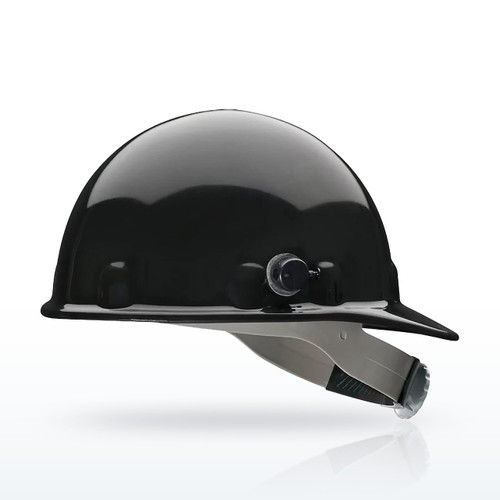 | E2QRW | Fibre-Metal E2 E2QRW Hard Hats, Type I Class C, HDPE Shell | Type I, Class C | $617.00 | Choose on the page |
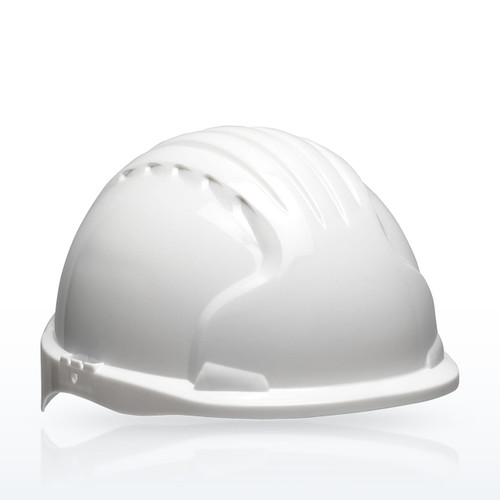 | 280-EV6151S | JSP Evolution Deluxe 6151 280-EV6151S Hard Hats, Type I Class E, HDPE Shell | Type I, Class E | $18.49 | Choose on the page |
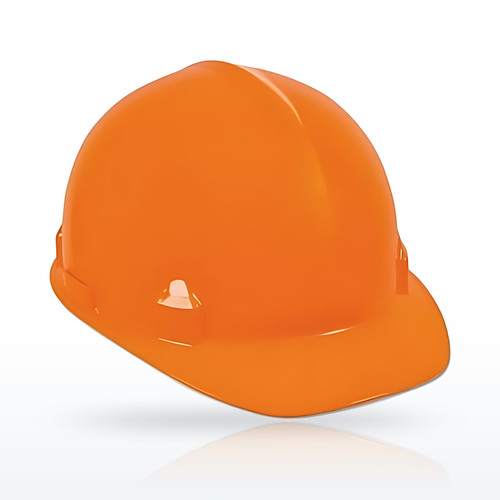 | 148 | Jackson Safety 148 SC-6 Hard Hats | $15.71 | Choose on the page | |
 | HDC-21BL | LIFT Safety HDC-21BL DAX Carbon Fiber Full Brim Hard Hat, Blue | Type I, Class C | $168.00 | |
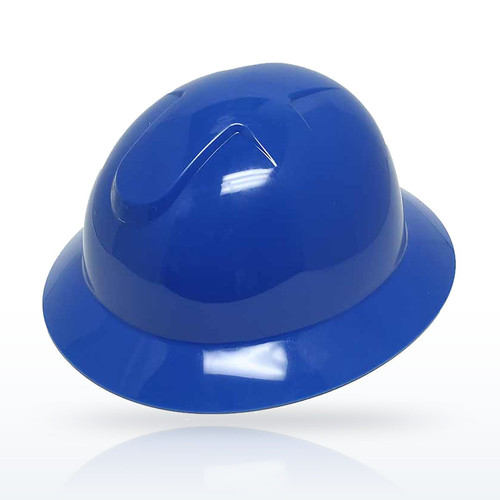 | 1416RB | Liberty Safety DuraShell 1416RB Blue full brim hard hat | Class C | $11.99 | |
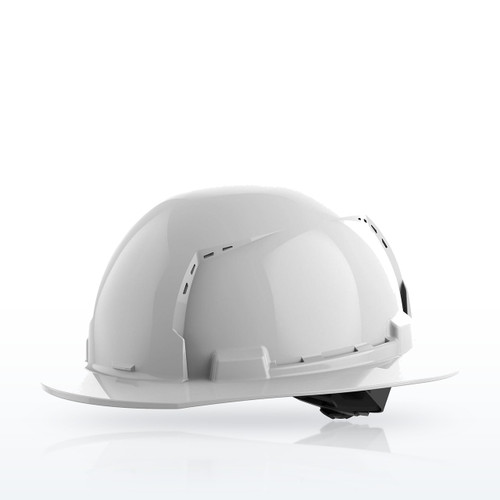 | 48-73-1201 | Milwaukee Tool 48-73-1201 BOLT Full Brim Vented Hard Hat, White Type 1 Class C | Type I, Class C | $26.87 | |
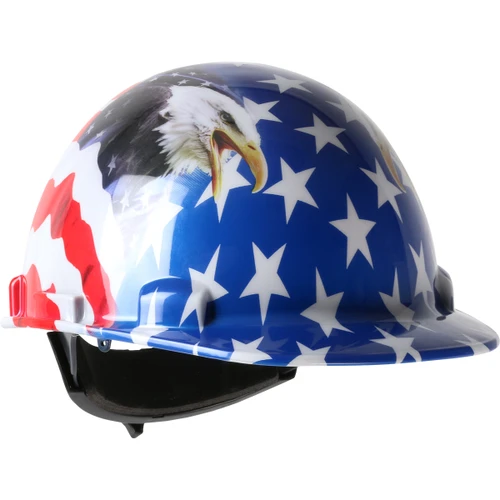 | 280-HP341R-USA | PIP Dom 280-HP341R-USA Hard Hats, Type I Class E, HDPE Shell | Type I, Class E | $34.99 |
More: every hard hat and helmet.
Source: the manufacturers' product pages, specification sheets and catalogs as reproduced on each product page; the ratings and standards shown are the manufacturers' own statements, and the products listed are those whose published data names the rating or the standard, not a selection by Bayshore Safety.
Guides that go further
What is the OSHA 4-foot rule · When is fall protection required · Fixed ladder fall protection · What are the OSHA roof fall protection rules for low-slope and steep roofs · What is an anchor point, and what must it hold · Fall arrest vs fall restraint vs positioning · 1910.140 personal fall protection system criteria.
OSHA 1910.28 Duty to Have Fall Protection questions
What is the OSHA 4 foot rule? It is 29 CFR 1910.28(b)(1): in general industry, each employee on a walking-working surface with an unprotected side or edge 4 feet or more above a lower level must be protected by a guardrail system, safety net system or personal fall protection system. The same 4 foot figure applies to holes, dockboards, runways, dangerous equipment and surfaces not otherwise covered; construction's trigger is 6 feet (1926.501).
Is fall protection required by OSHA? Yes, wherever a rule sets a height trigger: 4 feet in general industry (1910.28), 6 feet in construction (1926.501), 10 feet on scaffolds (1926.451), and at any height above dangerous equipment. Which system is used is the employer's choice among the ones the paragraph lists.
At what height is fall protection required in general industry? 4 feet above a lower level under 1910.28(b)(1), with specific paragraphs for fixed ladders (over 24 feet), stairways (four or more risers or 30 inches), and low-slope roofs where distance from the edge (6 feet, 15 feet) changes what is allowed. Cal/OSHA's general industry guardrail trigger is 30 inches (§3210) and its personal fall protection trigger in construction is 7 1/2 feet (§1670).
What fall protection equipment is required by OSHA? 1910.28 lists the systems, not the parts: guardrails, safety nets, personal fall arrest, travel restraint, positioning, ladder safety systems, covers and designated areas. The parts of a personal system (full body harness, lanyard or SRL, locking connectors, 5,000 pound anchorage) and their strength figures are in 1910.140.
Is OSHA phasing out ladder cages? Yes. Under 1910.28(b)(9), fixed ladders over 24 feet installed on or after November 19, 2018 need a personal fall arrest system or a ladder safety system rather than a cage; a replaced ladder section gets one; and on and after November 18, 2036 every fixed ladder over 24 feet must have one, so cages and wells stop counting as fall protection on that date.
What type of fall protection is required when working from an aerial lift? 1910.28 does not cover aerial lifts; 1910.67(c)(2)(v) requires a body belt or harness with a lanyard attached to the boom or basket on an aerial (boom) lift, and OSHA treats a scissor lift as a scaffold whose guardrails are the fall protection. Where a harness is used, its criteria come from 1910.140.
The ratings, test results and standards shown here are the manufacturers' published values, reproduced as published. Nothing on this page is a recommendation by Bayshore Safety that any product is suitable for a particular task, hazard or workplace. Selecting safety products and protective equipment is the responsibility of the end user and the employer, based on their own hazard assessment and the regulations that apply to their work. Confirm every value on the manufacturer's own documentation before use.