
What do Draeger tube names mean? 0.2/a, 5/b, 100/a-P, 20/a-D and the part number
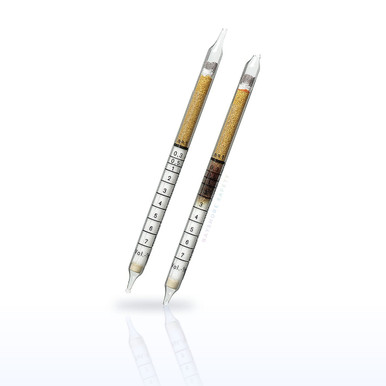
A Draeger tube name is the substance plus a type designation of numbers and letters. The numbers define the lower end of the measuring range in the unit on the scale (ppm, mg/m³, mg/L or vol.-%): Hydrogen sulfide 0.2/a starts at 0.2 ppm, Carbon dioxide 5%/a at 5 vol.-%. The letter after the slash changes whenever the tube is improved by a further development, so Acetone 100/b is the later version of a 100 tube. The added letter D marks a direct-indicating diffusion tube, such as Ammonia 20/a-D, which is read over time without a pump; -P marks the tubes for the Aerotest compressed-air units (handbook pp. 114, 297). The seven-digit order number (6733081) or the older CH number (CH20501) is the part number you order by; it is unique to one tube and one pack.
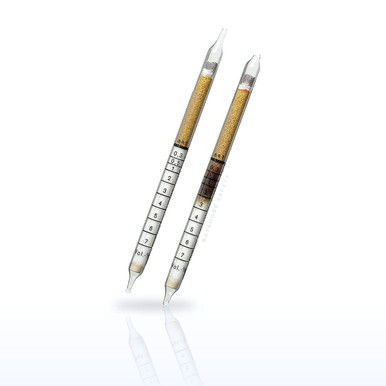
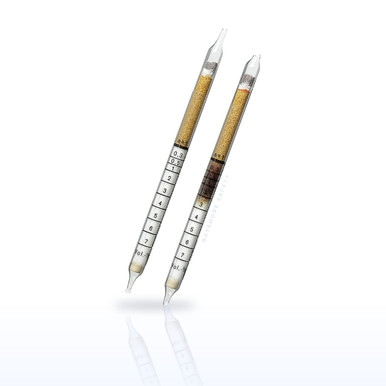
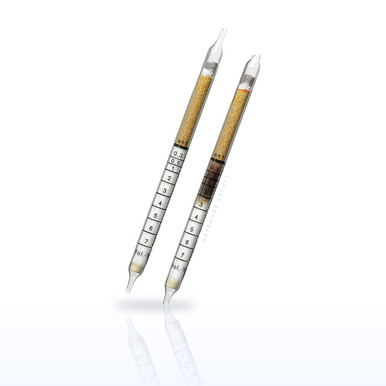
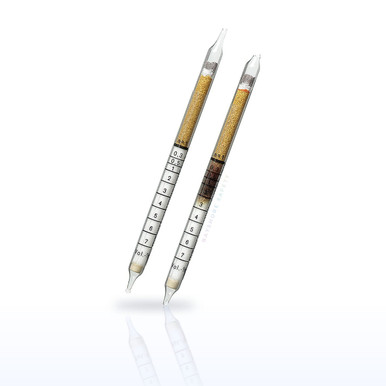
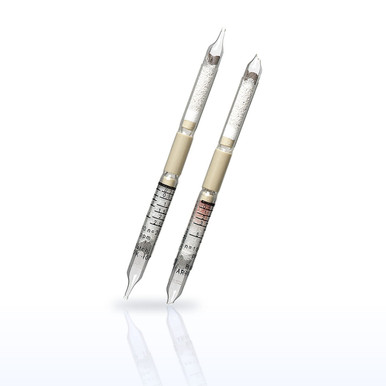 Draeger Formaldehyde 0.2/a Detector Tubes, Box of 10Formaldehyde 0.2/a: 0.2 is the lowest value of the low range, a is the version
Why does the same gas have tubes called 0.2/a, 0.2/b, 0.5/a, 1/c, 1/d, 2/a, 2/b, 5/b, 100/a, 0.2%/A and 2%/a? Those are the twelve hydrogen sulfide tubes, and the names say what each one is: the number is where its range starts and the letter is its version. 1/c and 1/d are two generations of a 1 ppm tube that are both still made; 0.2/a and 0.2/b differ in strokes and range (0.2/a reads 0.2 to 5 ppm with 10 strokes, 0.2/b reads 0.2 to 6 ppm with 1 stroke); 0.2%/A reads in percent. The gas page lists all twelve with their ranges, and each tube page gives the handbook entry, so the code can be matched to the range before ordering.
The parts of a Draeger tube name
Definitions from section 6.1.1, Notes on the Data about Dräger-Tubes (p. 114).
Reading a tube name against its handbook entry
- Hydrogen sulfide 0.2/a (8101461): 0.2 to 5 ppm, 10 strokes. 0.2/b (8101991): 0.2 to 6 ppm, 1 stroke. Same number, different version, different strokes and range.
- Carbon monoxide 5/c (CH25601), 8/a (CH19701), 10/b (CH20601), 0.3%/b (CH29901): four starting points from 5 ppm to 0.3 vol.-%.
- Nitrogen dioxide 10/a-D (8101111): a diffusion tube, read over hours, no pump.
- Water vapor 5/a-P (6728531) and 20/a-P (8103061): Aerotest tubes, measured in mg/m³ of compressed air.
- The name is printed on the tube and on the package strip with the order number and batch (handbook p. 69).
The same gas in several codes
16 items · prices liveHydrogen sulfide and carbon monoxide, lowest range first. Orders ship in 1–2 business days.
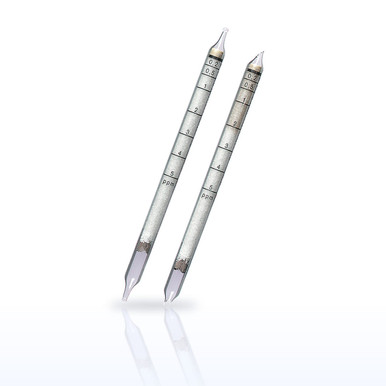
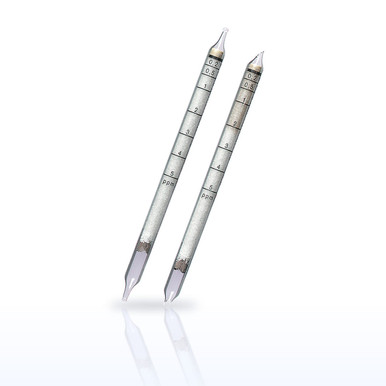
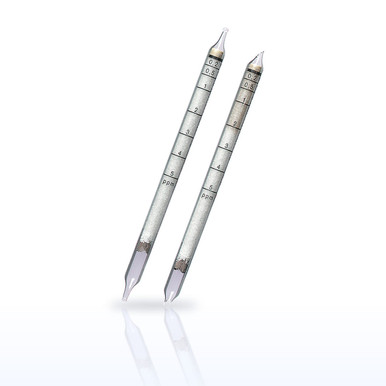
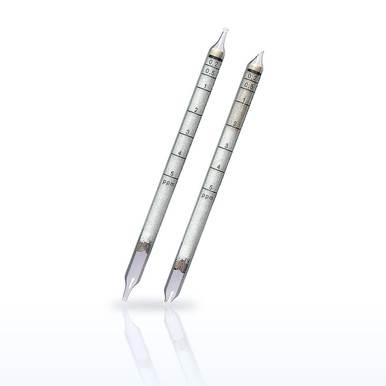
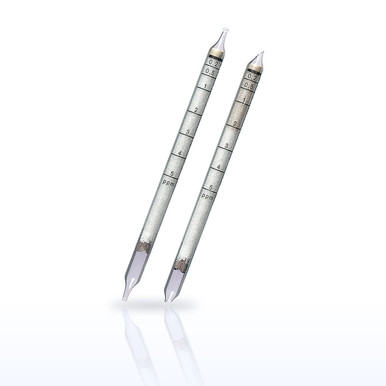
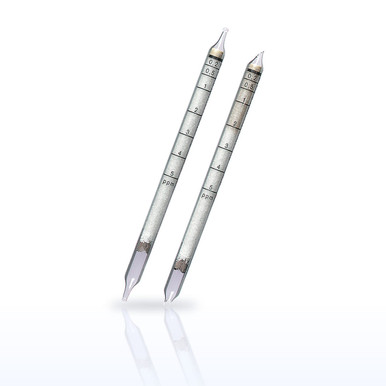
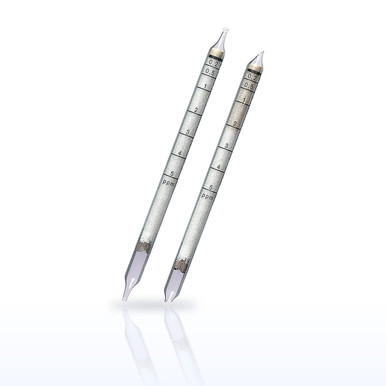
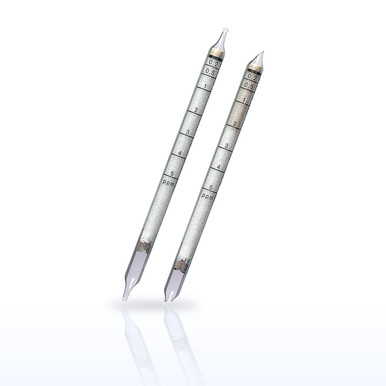
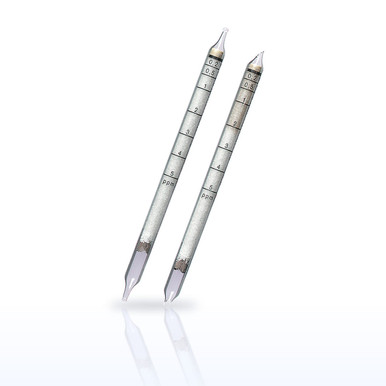
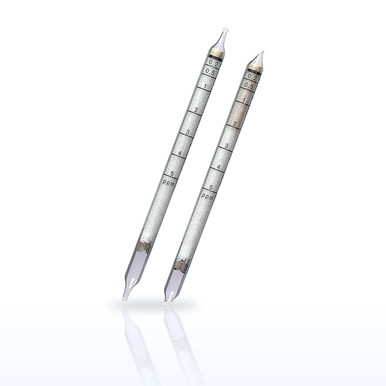
Every Draeger tube we list, with the handbook data, is on the Draeger tubes A–Z chart; each gas has its own page with the OSHA and NIOSH limits.
Questions people ask
What does 0.2/a mean on a Draeger tube?
The measuring range starts at 0.2 in the scale unit (ppm for the hydrogen sulfide and formaldehyde tubes) and a is the version letter (handbook p. 114).
What is the difference between a and b?
The letter changes when Draeger improves the tube; b is a later development than a. The ranges and strokes can differ, so the handbook entry for each is the reference.
What does the D mean in 20/a-D?
A direct-indicating diffusion tube, read against elapsed time without a pump (handbook p. 114).
What does P mean in 5/a-P?
A tube for the Dräger Aerotest compressed-air test units (handbook section 6.1.5).
Is the CH number the same as the order number?
Yes: CH20501, CH29801 and the other CH numbers are the order numbers of the older tube types; the newer ones are seven digits.
Related guides
What do Draeger tubes measure? The gases, the ranges and what the number on the tube meansWhat Draeger tubes measureDraeger tubes by gas and range: all 183 tubes for 98 gases on one pageTubes by gas and rangeHow many pump strokes does a Draeger tube take, and how long does a reading take?Strokes and measuring timeDo Draeger tubes expire? Shelf life, the date on the box and how to store themExpiration and storageStandards and ratings on this page are as published in the documents named and by the manufacturers named. The employer’s hazard assessment and written program decide what applies at a given workplace. Verify a rating on the product and its spec sheet before use.