
ANSI/ASSP Z359.14 Self-Retracting Devices: what it requires and the equipment it names
ANSI/ASSP Z359.14-2021 is the self-retracting device standard in the Z359 Fall Protection Code, in effect since August 1, 2023. It replaced the old Class A and B with Class 1 (anchored at or above the dorsal D-ring) and Class 2 (anchored down to 5 feet below it and tested over an edge), set one overhead performance for both, and raised the test weight to 310 pounds. OSHA's rules set 3,000 pounds for SRLs that limit free fall to 2 feet; the Code sets the rest. We sell nationwide; ships in 1–2 business days; most orders arrive in 3–7 business days.
The plain answer
ANSI/ASSP Z359.14-2021, Safety Requirements for Self-Retracting Devices for Personal Fall Arrest and Rescue Systems, is the consensus standard manufacturers test SRLs, personal SRLs (SRL-P) and retrieval SRLs (SRL-R) to. OSHA requires only that an SRL limiting free fall to 2 feet or less sustain 3,000 pounds fully extended (1910.140(c)(5), 1926.502(d)(12)) and that the system meet the 1,800 pound, 6 foot and 3.5 foot limits; the Z359.14 label shows the manufacturer tested the device to the Code.
As FallTech's published guide to the 2021 edition states it, the standard sorts devices into three types (SRL, SRL-R with a rescue retrieval function, and SRL-P worn on the harness with a 6 to 11 foot line) and two classes: Class 1 for anchorage at or above the dorsal D-ring, and Class 2 for anchorage at, above or up to 5 feet below the D-ring and over an edge, which takes extra edge testing, labeling and a fall clearance chart on the device. Both classes meet the same overhead performance: maximum arresting force 1,800 pounds, average arresting force 1,350 pounds, maximum arrest distance 42 inches; testing uses a 310 pound weight (up from 282), hot, cold and wet conditioning, a 3,600 pound static test, and new locking and brake tests, with SRL-Ps tested for 6 foot falls and dual-leg use.
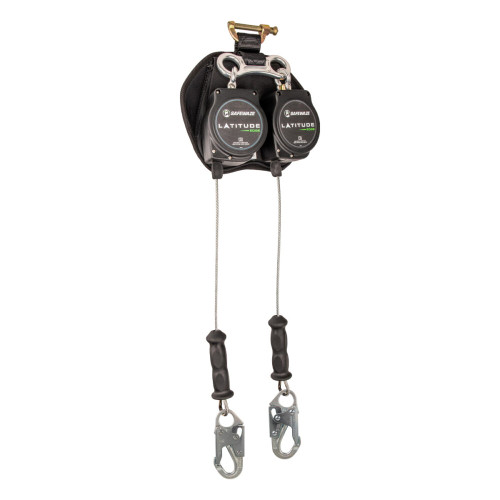
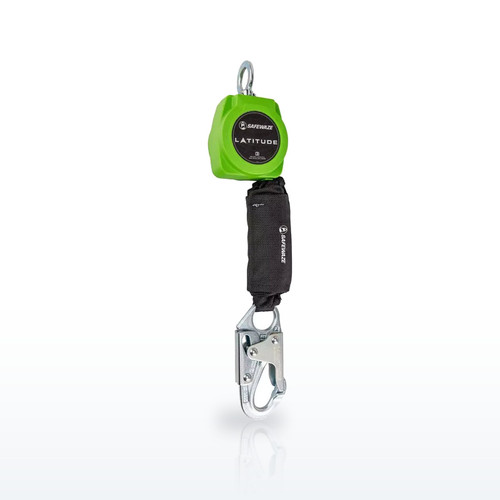
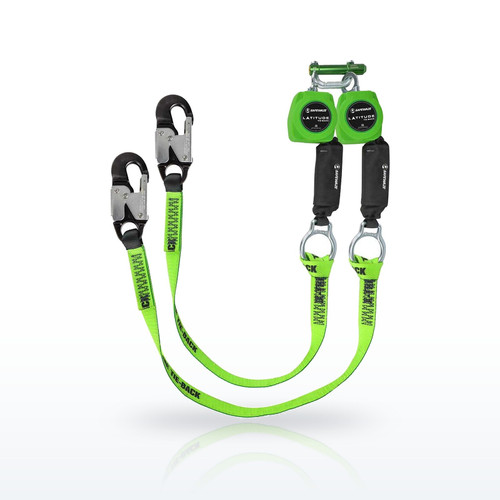
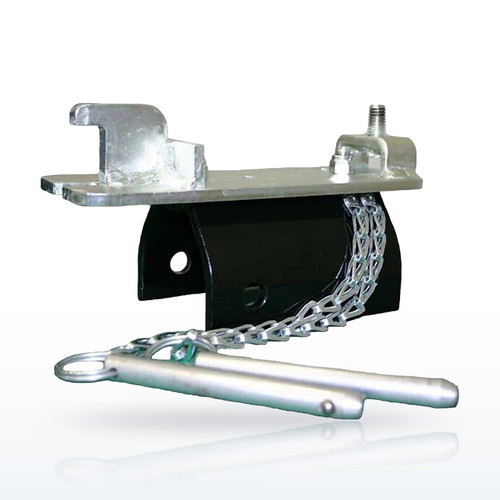
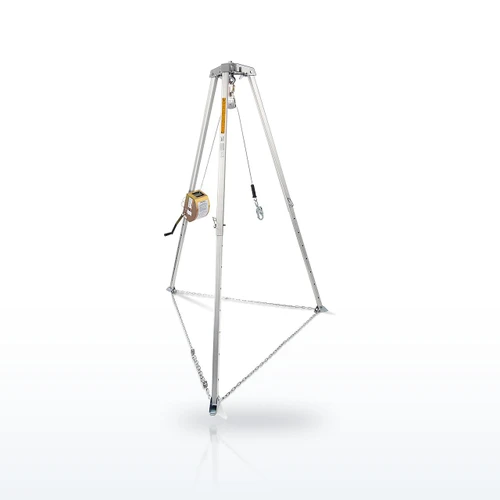
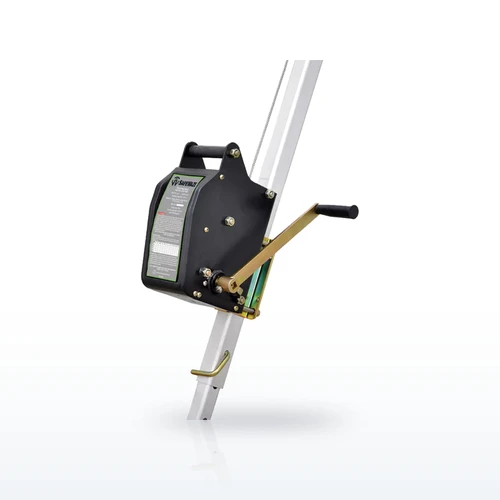
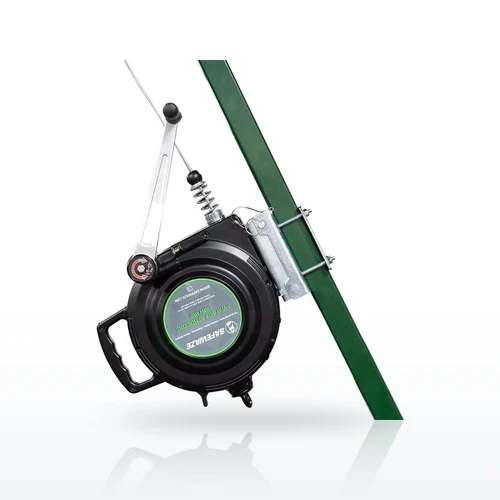
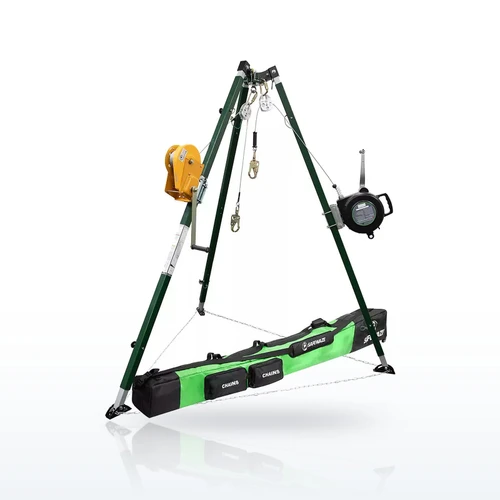
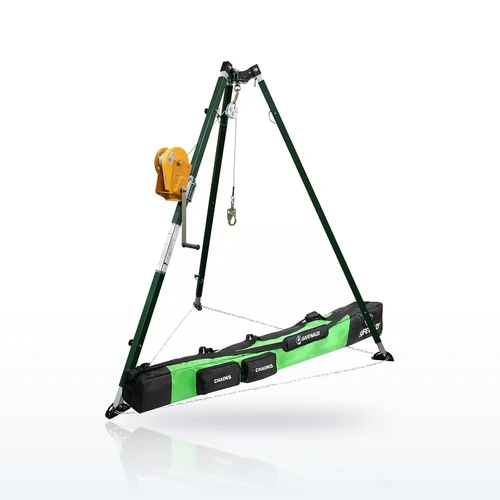
The equipment it names is every self-retracting device: web and cable SRLs of 6 to 100 feet, personal SRLs worn at the dorsal D-ring including twin-leg units for 100 percent tie-off, leading-edge (Class 2) SRLs with cable or edge-rated web lines, retrieval SRLs for tripods and davits, sealed SRLs for washdown, and arc-rated SRLs, each labeled Class 1 or Class 2 with the edition.
What the rule says
Each entry is condensed from the paragraph cited; the paragraph itself is the rule and the link opens it.
29 CFR 1910.140(c)(5): Self-retracting lifelines and lanyards that automatically limit free fall to 2 feet or less sustain a minimum tensile load of 3,000 pounds fully extended.
29 CFR 1926.502(d)(12)-(13): The same 3,000 pound figure in construction; SRLs that do not limit free fall to 2 feet, and rip-stitch, tearing and deforming lanyards, sustain 5,000 pounds.
29 CFR 1910.140(d)(1)-(2): The system limits arresting force to 1,800 pounds, deceleration distance to 3.5 feet and free fall to 6 feet (a longer free fall is permitted where the employer demonstrates the force limit is met, which is what Class 2 testing documents).
29 CFR 1926.502(d)(16)(iii): Rigged so the employee cannot free fall more than 6 feet or contact a lower level, the clearance calculation the Class 2 chart on the device supports.
Source: 29 CFR, Occupational Safety and Health Standards, as published by OSHA (ecfr.gov), read Nov 9 2026.
What the standard requires, as FallTech and the other manufacturers publish it
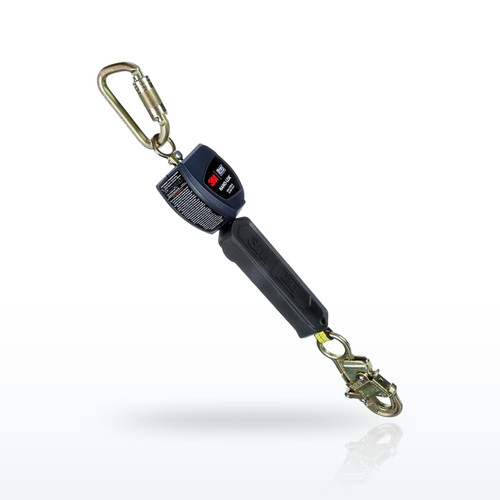
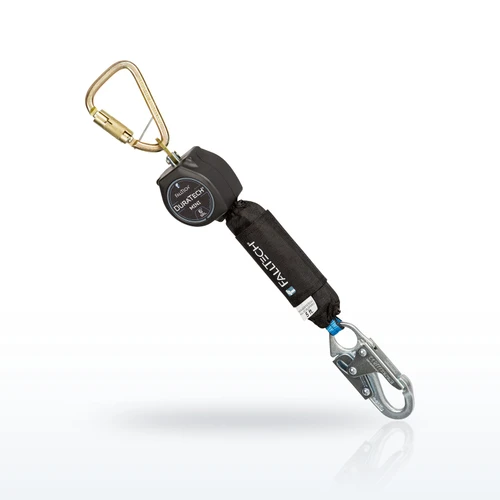
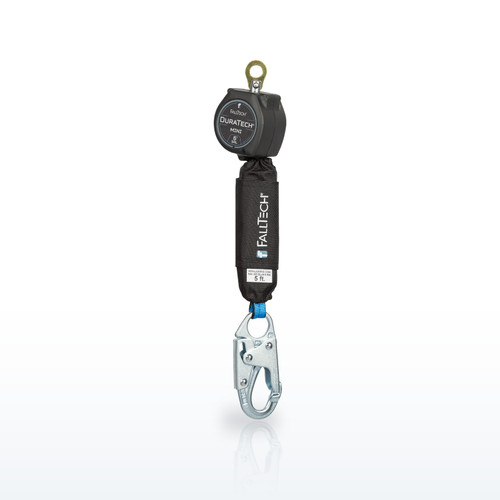
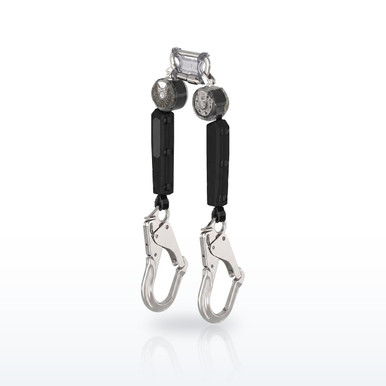
Types: SRL (the general device, typically 20 to 60 feet of line), SRL-R (with a retrieval function to raise or lower a fallen worker, used on tripods and davits for confined spaces) and SRL-P (a compact personal device worn on the harness with a 6 to 11 foot line, singly or as a twin-leg unit). The 2014 edition's SRL-LE (leading edge) type is replaced by the Class 2 designation.
Classes: Class 1 devices are designed to be anchored at or above the dorsal D-ring; Class 2 devices may be anchored at, above or up to 5 feet below the dorsal D-ring and are built and tested for edge hazards, with required labels, instructions and a fall clearance chart or diagram on the device and in the manual. FallTech notes that a manufacturer may permit a Class 1 device to be anchored below the D-ring outside the standard where no edge hazard exists and the device has the energy absorber for it, which the label states.
Overhead performance (the same for both classes in 2021): maximum arresting force 1,800 pounds; average arresting force 1,350 pounds (higher limits allowed on the hot, cold and wet conditioned tests); maximum arrest distance 42 inches. Under the 2014 edition Class A allowed 24 inches of arrest distance at 1,350 pounds average and Class B 54 inches at 900 pounds.
Testing changes in 2021: a 310 pound test weight (up from 282), static strength testing at 3,600 pounds for a two-to-one factor, tests of the locking mechanism and brake, more conditioning (hot, cold, wet), and for SRL-Ps 6 foot fall tests, dual-leg device tests and tests of tie-back features and custom connectors; the edition took effect August 1, 2023, and devices labeled to the 2014 edition may remain in service.
Source: FallTech, "ANSI Z359.14-2021: How to Comply with the Self-Retracting Devices Standard in 2025" (falltech.com, saved j57/raw/guides); FallTech guides ANSI Class 2 SRLs: An Essential Guide, What Makes an SRL Leading Edge Rated?, Essential Guide to Class 1 SRLs; Safewaze SRL technical data sheets (ANSI class and OSHA clearance columns, saved j51/raw/docs_text); our guide SRL vs PFL and Class 1 vs Class 2.
California (Cal/OSHA)
Each entry is condensed from the paragraph cited; the paragraph itself is the rule and the link opens it.
Title 8 §1670(b)(5): Self-retracting lifelines and lanyards that limit free fall to 2 feet or less sustain 3,000 pounds fully extended, as in the federal rule; approval under §3206 includes ANSI certification.
Source: California Code of Regulations, Title 8, as published by Cal/OSHA (dir.ca.gov), read Nov 9 2026.
Equipment the rule names
| Equipment or condition | What the rule requires | Paragraph |
|---|---|---|
| Class 1 SRD | Anchored at or above the dorsal D-ring; 1,800 lb maximum and 1,350 lb average force; 42 in arrest distance | Z359.14-2021 as labeled; FallTech |
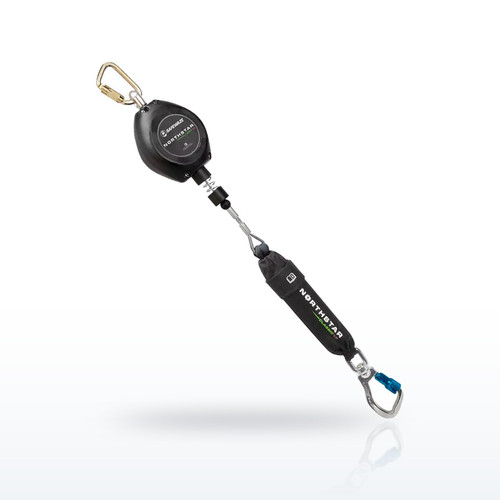
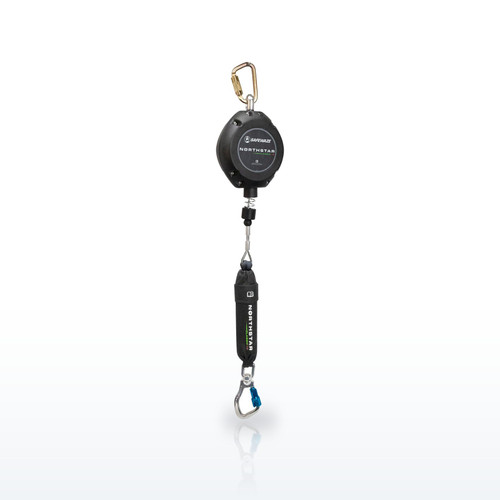
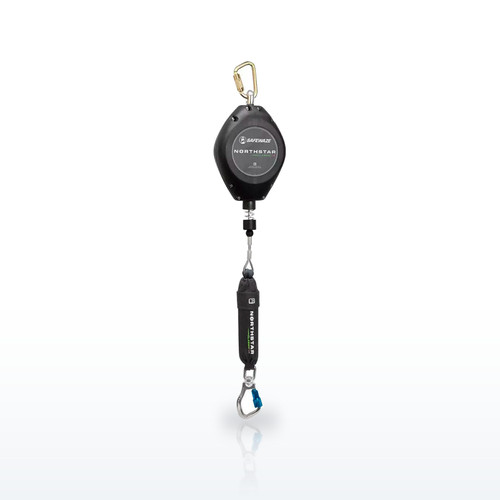
| Class 2 SRD | Anchored at, above or up to 5 ft below the D-ring; edge tested; fall clearance chart on the device | Z359.14-2021 as labeled; FallTech |
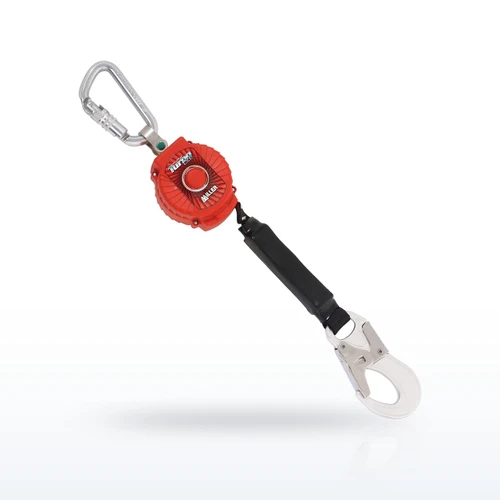
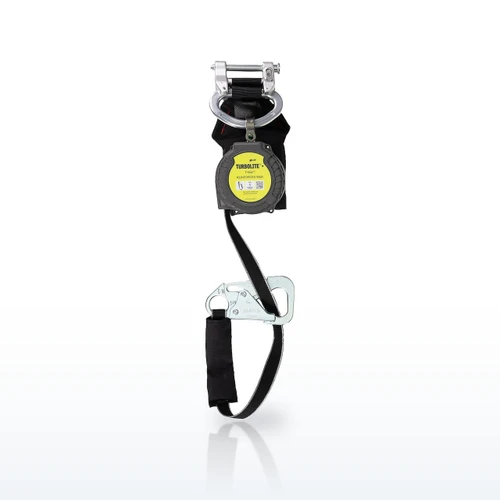
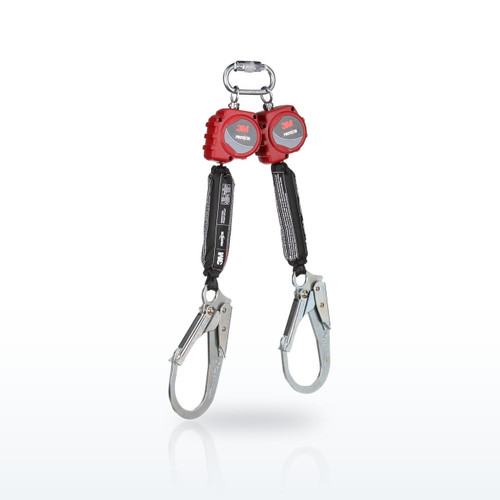
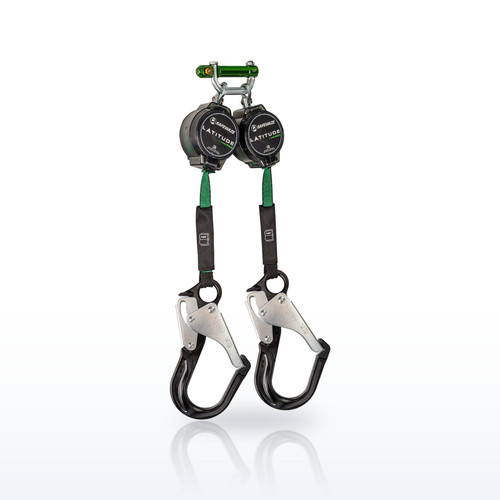
| SRL-P (personal) | Worn on the harness; 6 to 11 ft line; single or twin leg; 6 ft fall tests | Z359.14-2021 as labeled |
| SRL-R (retrieval) | Rescue winch function; confined space tripods and davits | Z359.14-2021 as labeled |
| Test weight | 310 lb (was 282) | FallTech |
| Static test | 3,600 lb | FallTech |
| OSHA minimum | 3,000 lb fully extended for a 2 ft free fall device | 29 CFR 1910.140(c)(5) |
Source: 29 CFR, Occupational Safety and Health Standards, as published by OSHA (ecfr.gov), read Nov 9 2026.
What we carry for it
Each table lists products whose manufacturer data states the rating or the standard the rule names, every brand we carry that does, with the current price. Sizes and versions are chosen on the product page. The selector linked under each table holds every item of that type.
Class 2 self-retracting lifelines (leading edge, foot-level anchorage)
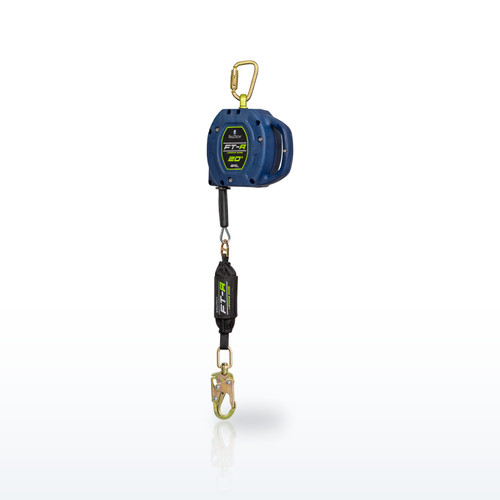
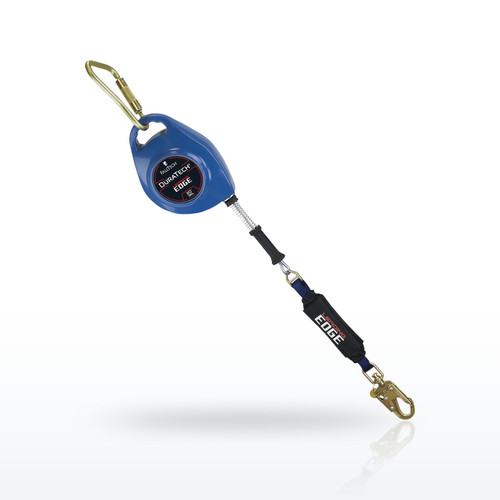
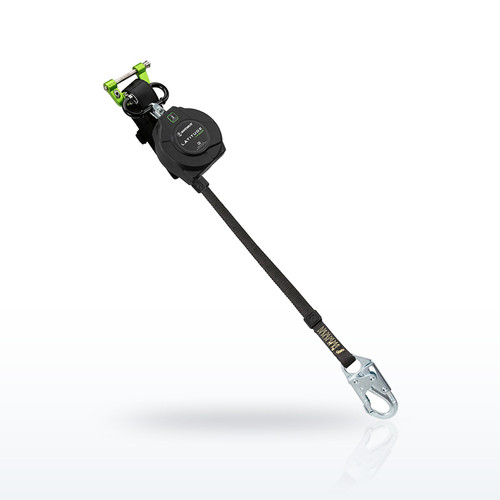


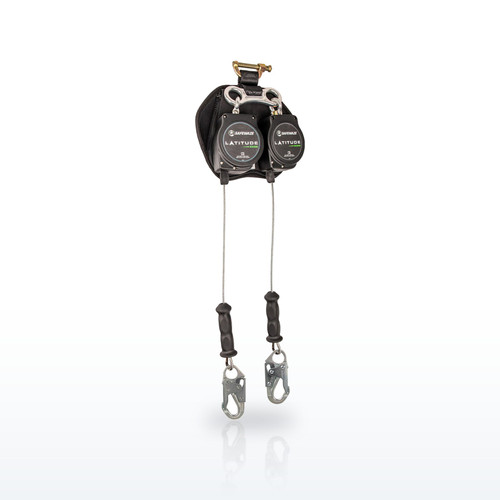
More: every Z359.14 SRL by class and length.
Source: the manufacturers' product pages and technical data sheets (Safewaze, FallTech, Miller, DBI-SALA) as reproduced on each product page; the standards shown are the manufacturers' own statements.
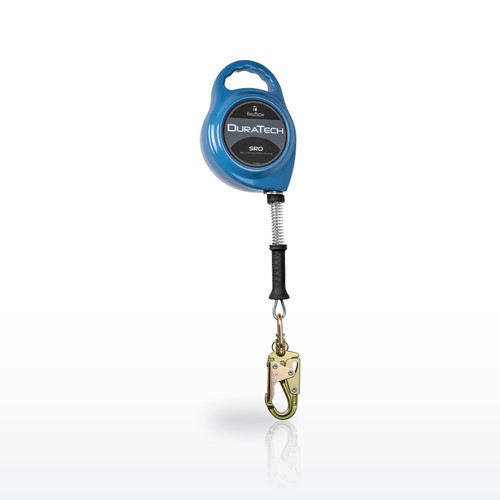
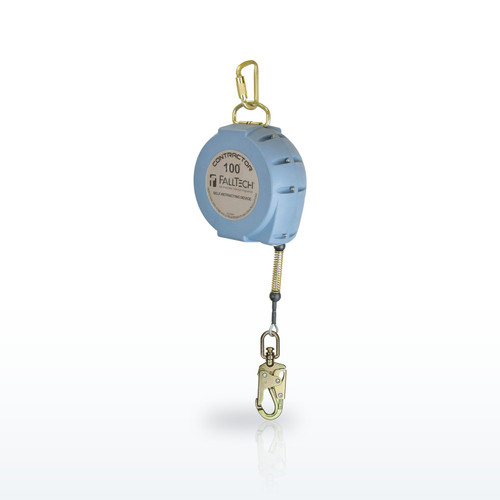
Class 1 self-retracting lifelines (overhead anchorage)
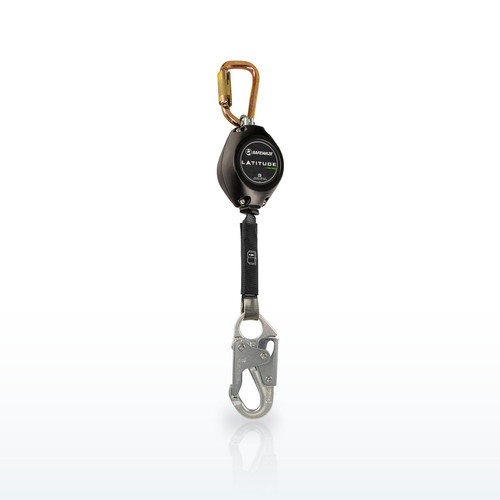
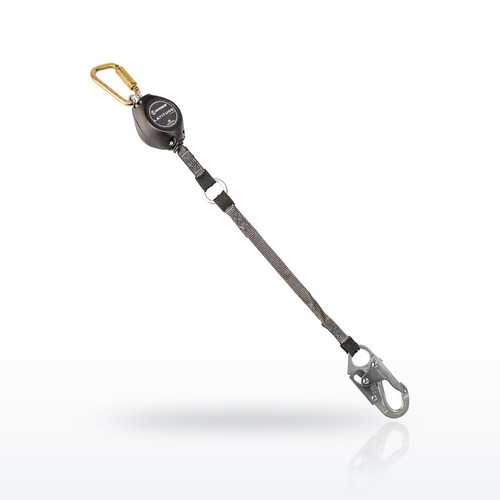
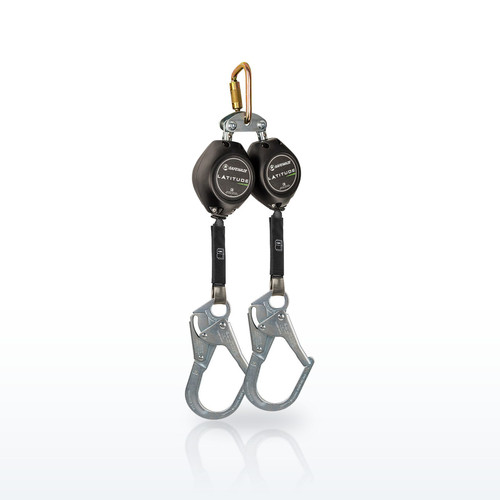
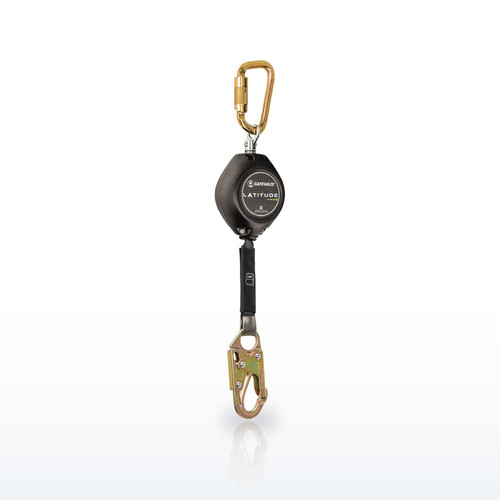
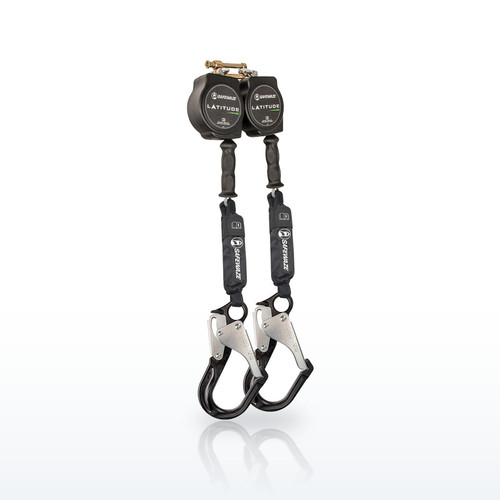
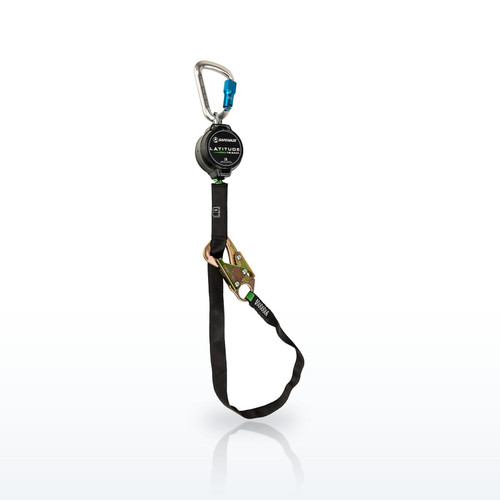
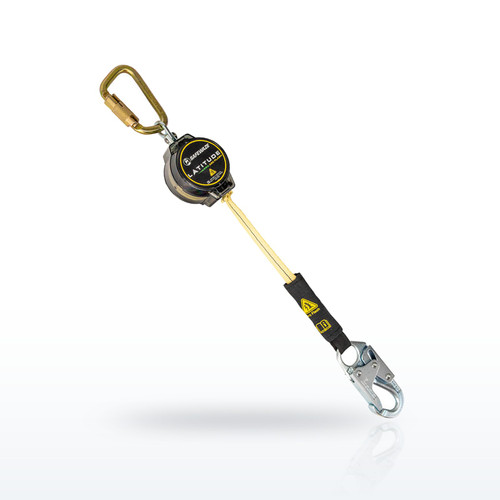
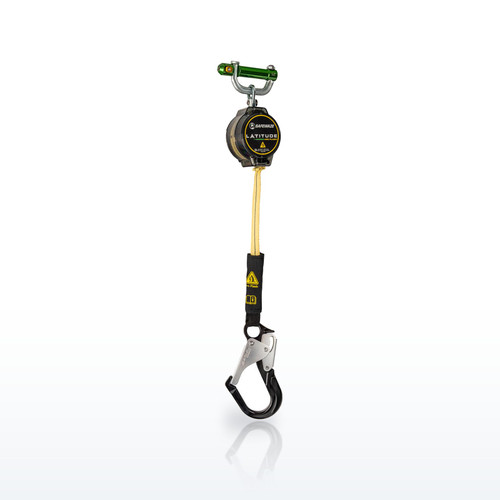
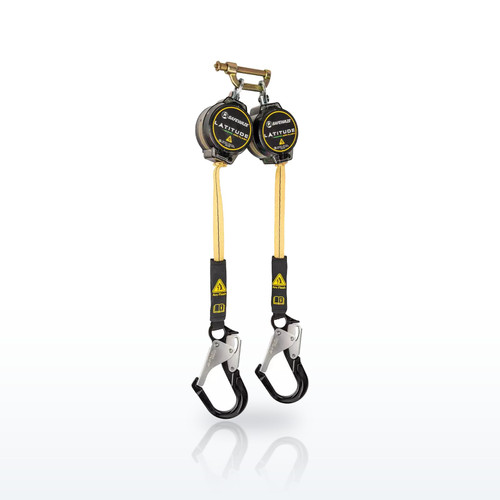
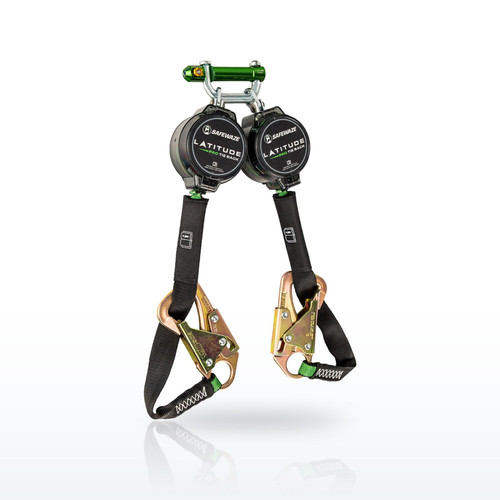
More: every SRL by class, length and brand.
Source: the manufacturers' product pages and technical data sheets (Safewaze, FallTech, Miller, DBI-SALA) as reproduced on each product page; the standards shown are the manufacturers' own statements.
Personal SRLs and twin-leg units (SRL-P)
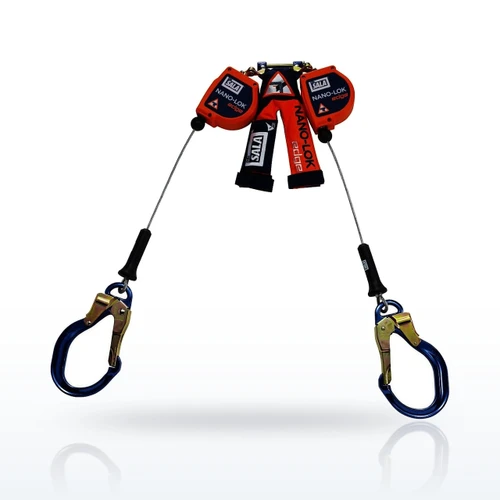
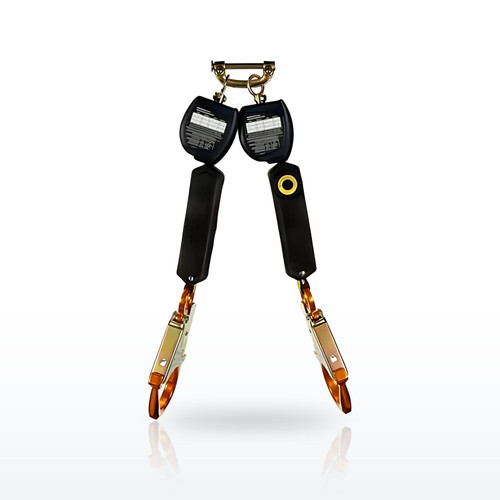

More: every personal SRL.
Source: the manufacturers' product pages and technical data sheets (Safewaze, FallTech, Miller, DBI-SALA) as reproduced on each product page; the standards shown are the manufacturers' own statements.
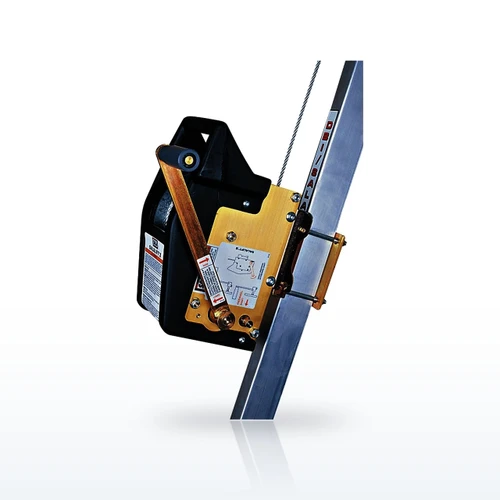
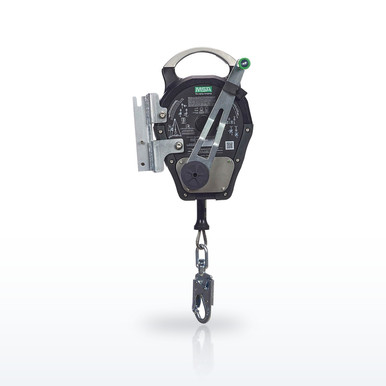
Retrieval SRLs (SRL-R) for confined space
More: every retrieval SRL and winch.
Source: the manufacturers' product pages and technical data sheets (Safewaze, FallTech, Miller, DBI-SALA) as reproduced on each product page; the standards shown are the manufacturers' own statements.
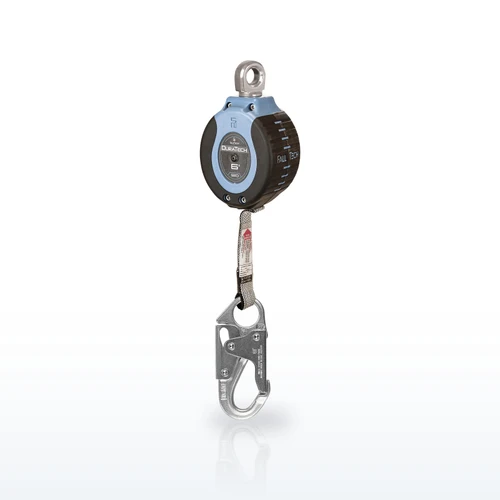
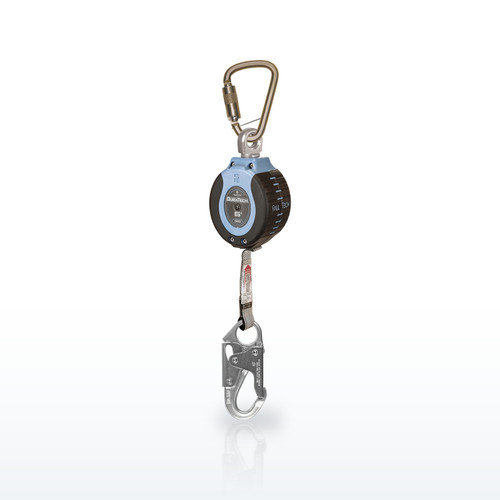
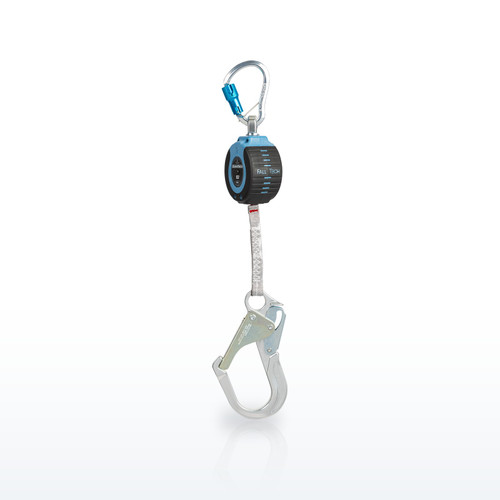
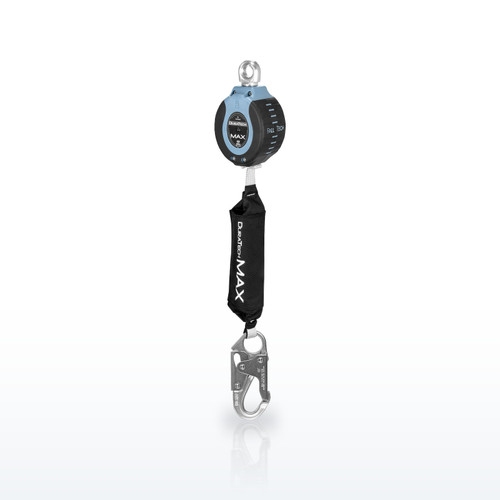
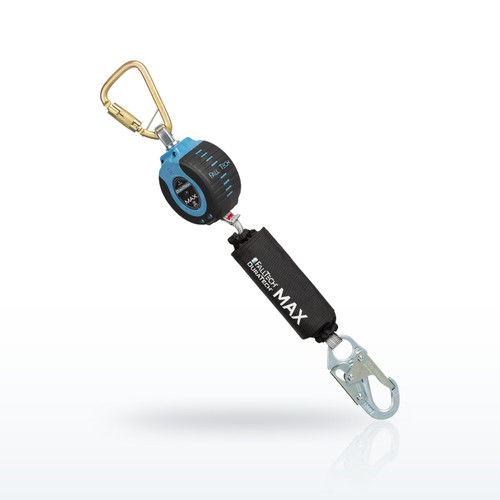
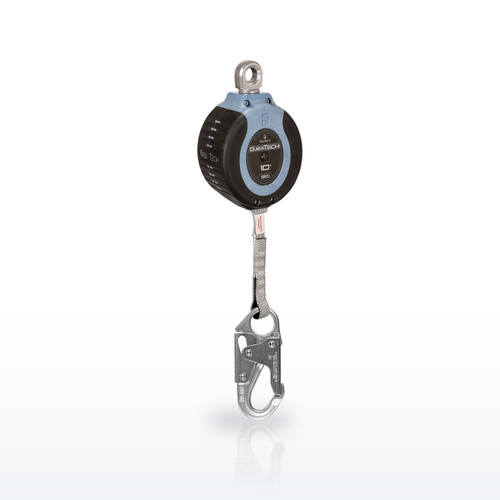
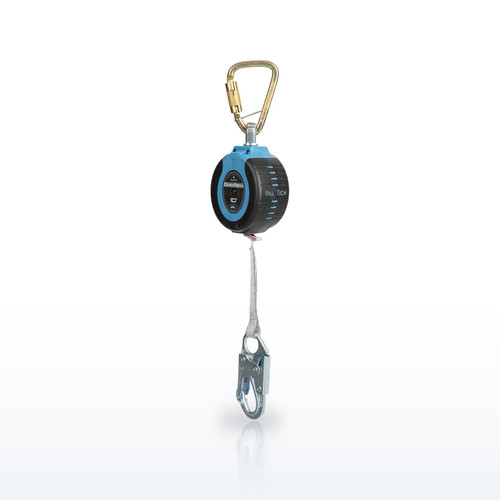
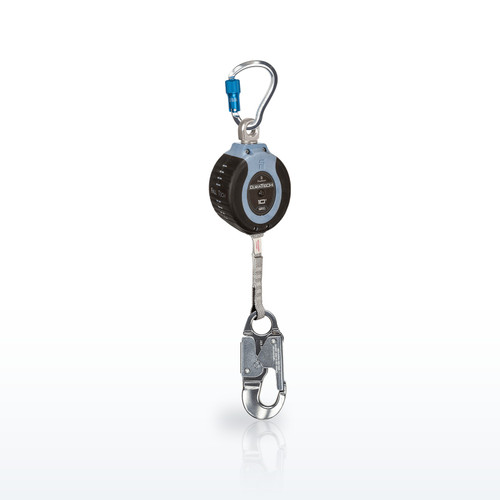
SRLs labeled to the 2014 edition (Class B) still in service
More: every SRL by edition.
Source: the manufacturers' product pages and technical data sheets (Safewaze, FallTech, Miller, DBI-SALA) as reproduced on each product page; the standards shown are the manufacturers' own statements.
Guides that go further
SRL vs PFL · What is a leading edge, and why does it need a leading-edge SRL · What is a self-retracting lifeline (SRL), and how does it differ from a lanyard · How to calculate fall clearance · Do you need a harness on a scissor lift or boom lift · What is a personal fall arrest system, and what are its parts · The Z359 Fall Protection Code explained.
ANSI/ASSP Z359.14 Self-Retracting Devices questions
What is the difference between a leading edge SRL and a standard SRL? Under Z359.14-2021 the leading-edge device is a Class 2 SRL: it may be anchored at, above or up to 5 feet below the dorsal D-ring and is tested over an edge, with a cable or edge-rated web line, an external energy absorber and a fall clearance chart on the device; a Class 1 (standard) SRL is tested for overhead anchorage only. Both meet the same 1,800 pound maximum and 42 inch arrest distance overhead, as FallTech's guide states.
What is a Class 1 SRL? A self-retracting device designed and tested under Z359.14-2021 for anchorage at or above the dorsal D-ring, meeting the overhead performance of 1,800 pounds maximum and 1,350 pounds average arresting force and a 42 inch maximum arrest distance with a 310 pound test weight; the label reads Class 1. It replaced the Class A and Class B designations of the 2014 edition.
Can you use a Class 1 SRL in a scissor lift? A scissor lift's guardrails are its fall protection under 1926.451(g), so an SRL is not required on it; where a harness is used on a lift and the anchor is at or above the D-ring (an overhead anchor or a tall anchor post) a Class 1 device fits its label. Where the only anchor is at the platform floor, the Class 2 label covers below-D-ring anchorage, and manufacturers publish MEWP bulletins on which of their SRLs they permit on lifts.
What is the maximum free fall distance for a self-retracting lifeline? OSHA's rule sets 6 feet for the system (1910.140(d)(2), 1926.502(d)(16)) and 3,000 pounds of strength for devices that limit free fall to 2 feet or less. Under Z359.14-2021 the device itself is tested so that arrest distance is 42 inches or less overhead; Class 2 devices anchored 5 feet below the D-ring see several feet of free fall, which the clearance chart on the device accounts for.
What changed in ANSI Z359.14-2021? As FallTech states: Class A and B became Class 1 and 2 defined by anchorage location rather than arrest distance, the SRL-LE type became the Class 2 designation and SRL-P was added, overhead performance was unified at 1,800 pounds maximum, 1,350 pounds average and 42 inches, the test weight rose to 310 pounds, static testing to 3,600 pounds, hot, cold and wet conditioning and brake and lock tests were added, Class 2 devices must carry a fall clearance chart, and the edition took effect August 1, 2023.
Does OSHA require Z359.14? No; OSHA requires the 3,000 pound figure for 2 foot free fall devices and the system limits, and treats ANSI standards as voluntary. The Z359.14 label is the manufacturer's statement that the device was tested to the Code, which OSHA's interpretations say generally satisfies its criteria, and which safety programs and the Z359.2 managed program specify.
The ratings, test results and standards shown here are the manufacturers' published values, reproduced as published. Nothing on this page is a recommendation by Bayshore Safety that any product is suitable for a particular task, hazard or workplace. Selecting safety products and protective equipment is the responsibility of the end user and the employer, based on their own hazard assessment and the regulations that apply to their work. Confirm every value on the manufacturer's own documentation before use.