
ANSI/ASSP Z359.1 and the Z359 Fall Protection Code: what it requires and the equipment it names
ANSI/ASSP Z359.1 is the umbrella document of the Z359 Fall Protection Code, the set of consensus standards manufacturers build and test harnesses, lanyards, self-retracting devices, anchorage connectors and rescue equipment to. OSHA's rules (1910.140, 1926.502) set the legal minimums and name no Z359 document; the Z359 label on a product states the manufacturer tested it to the stricter consensus figures. We sell nationwide; ships in 1–2 business days; most orders arrive in 3–7 business days.
The plain answer
ANSI/ASSP Z359.1, Safety Requirements for Personal Fall Arrest Systems, Subsystems and Components, is the top document of the Z359 Fall Protection Code (ANSI/ASSP Z359.0 through Z359.18), the consensus standards the American Society of Safety Professionals publishes for active fall protection. OSHA does not incorporate it by reference; 29 CFR 1910.140 and 1926.502 set the enforceable criteria, and OSHA's letters of interpretation treat Z359 as evidence of recognized practice.
As the manufacturers' technical data sheets and FallTech's published guides state it, the Code is organized by component: Z359.0 definitions, Z359.1 the code and system requirements (2016 edition, revised 2024), Z359.2 the managed fall protection program, Z359.3 positioning and travel restraint, Z359.4 assisted and self-rescue, Z359.6 design of active systems, Z359.7 qualification and verification testing, Z359.9 descent controllers, Z359.11 full body harnesses, Z359.12 connecting components, Z359.13 energy absorbers and energy-absorbing lanyards, Z359.14 self-retracting devices, Z359.15 single anchor lifelines and fall arresters, Z359.16 climbing ladder fall arrest systems, and Z359.18 anchorage connectors. The system requirement most quoted is Z359.1's 130 to 310 pound capacity range for a user with tools, which the manufacturers print on every harness, lanyard and SRL label.
The equipment it names is every component of a personal fall arrest system: full body harnesses, energy-absorbing lanyards, self-retracting lifelines and personal SRLs, carabiners and snaphooks (3,600 pound gates), anchorage connectors (5,000 pound or two-to-one engineered), vertical lifelines and rope grabs, ladder climbing systems and rescue and descent devices, each marked by its manufacturer with the Z359 part number and edition it was tested to.
What the rule says
Each entry is condensed from the paragraph cited; the paragraph itself is the rule and the link opens it.
29 CFR 1910.140(c)-(d): The general industry criteria that a Z359-rated system also meets: 5,000 pound connectors, lanyards, lifelines and anchorages, 3,600 pound proof-tested locking hooks, 1,800 pound arresting force, 6 foot free fall, 3.5 foot deceleration, inspection before each use.
29 CFR 1926.502(d): The construction criteria with the same figures; Appendix C to Subpart M gives the test method OSHA accepts for showing a system meets them, which Z359 testing exceeds.
29 CFR 1910.140(d)(1)(v): A system meeting Appendix D is deemed to comply for a combined body and tool weight under 310 pounds, the same 310 pound figure the Z359 Code uses as its capacity limit.
OSHA letters of interpretation on ANSI Z359: OSHA states that ANSI standards are voluntary unless incorporated, that compliance with Z359 is not required, and that equipment meeting Z359 generally meets the OSHA criteria because the consensus tests are more demanding.
Source: 29 CFR, Occupational Safety and Health Standards, as published by OSHA (ecfr.gov), read Nov 9 2026.
What the Code sets out, as the manufacturers publish it
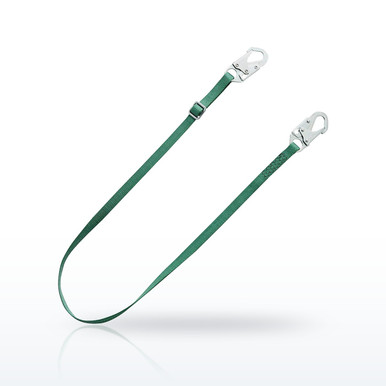
Structure: Z359.1 is the system standard and the index to the component standards; a product label reads "ANSI/ASSP Z359.11-2021" for a harness, "Z359.13-2013" for an energy-absorbing lanyard, "Z359.14-2021 Class 1" or "Class 2" for a self-retracting device, "Z359.12-2019" for connectors, "Z359.18-2017 Type A, T or D" for anchorage connectors, and "Z359.3" for positioning and restraint lanyards, as the manufacturers print them.
Capacity: the Code sets a user capacity range of 130 to 310 pounds including clothing, tools and equipment, which Safewaze, FallTech, Miller and DBI-SALA state on each harness, lanyard and SRL; OSHA's own Appendix D figure is the same 310 pounds. Some manufacturers test heavier capacities (up to 420 pounds) to OSHA criteria outside the Code and say so.
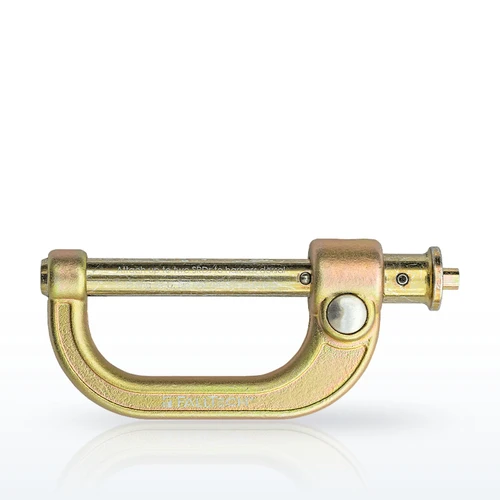
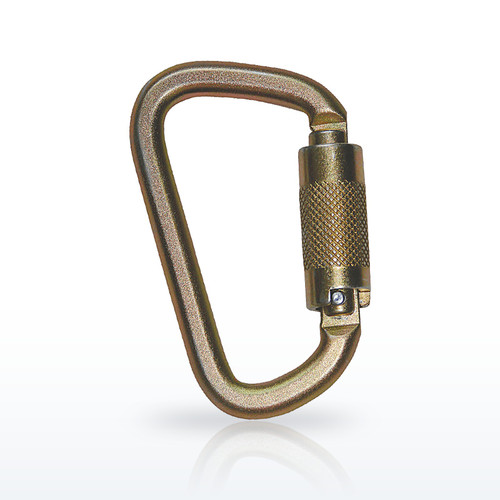
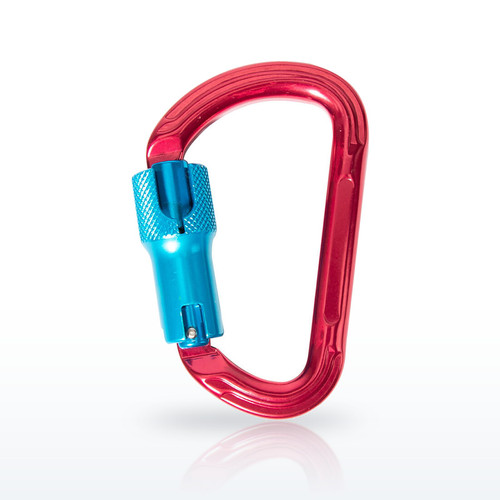
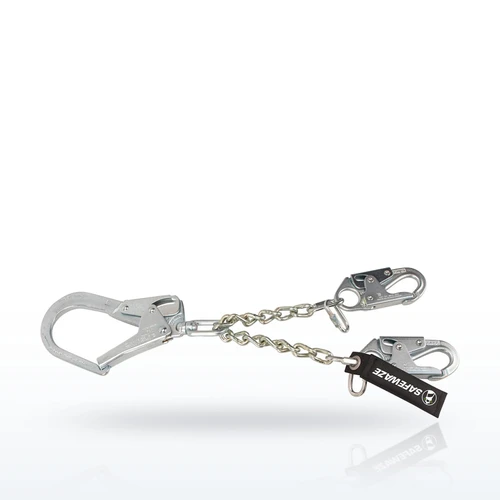
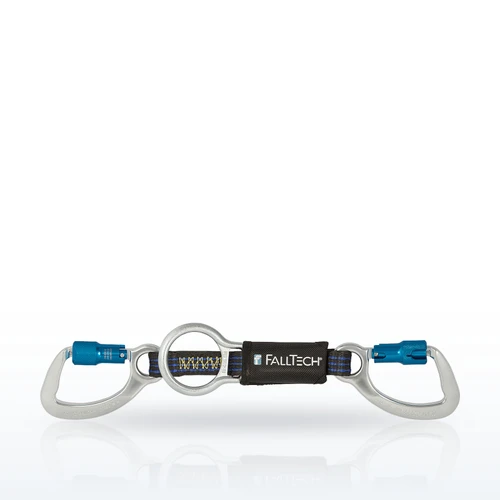
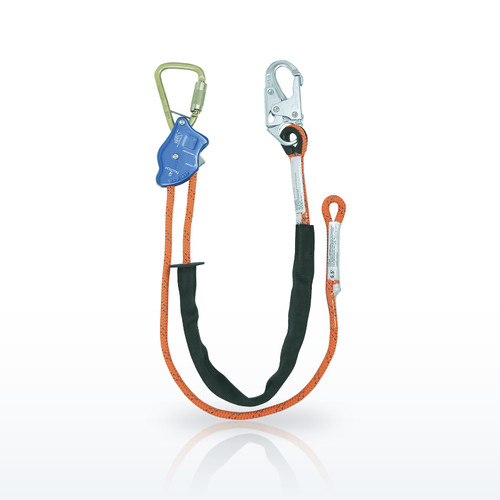
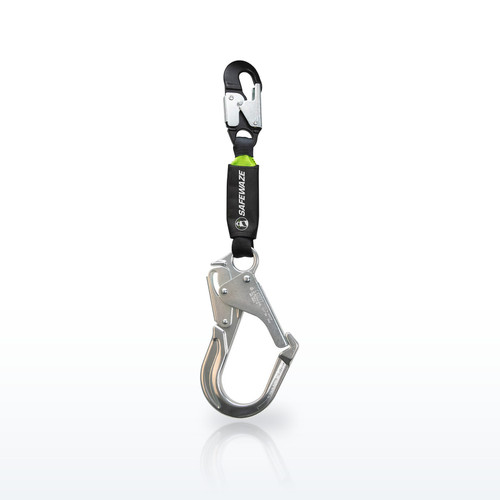
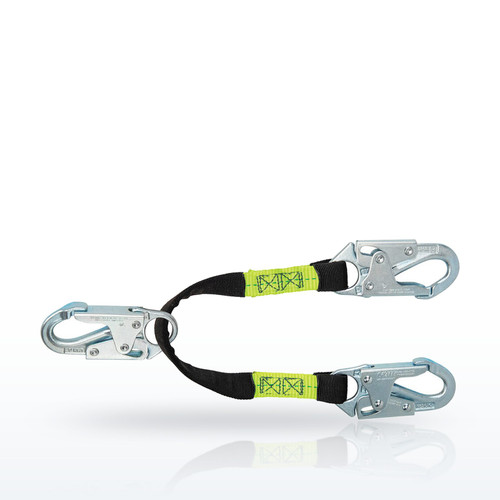
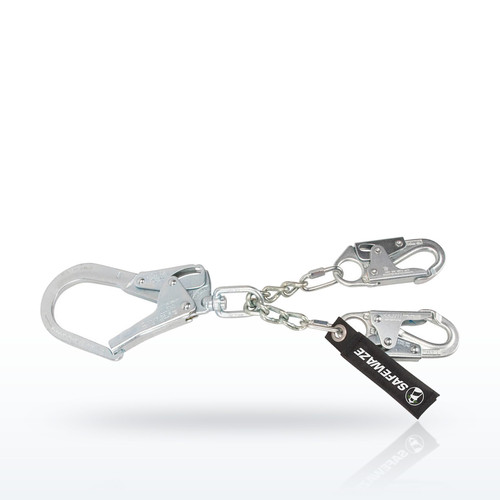
Connectors: Z359.12 requires snaphooks and carabiners with 3,600 pound gate strength in every direction and 5,000 pound body strength, with auto-locking gates; this is the origin of the 3,600 pound gate figure OSHA adopted in 1910.140(c)(8).
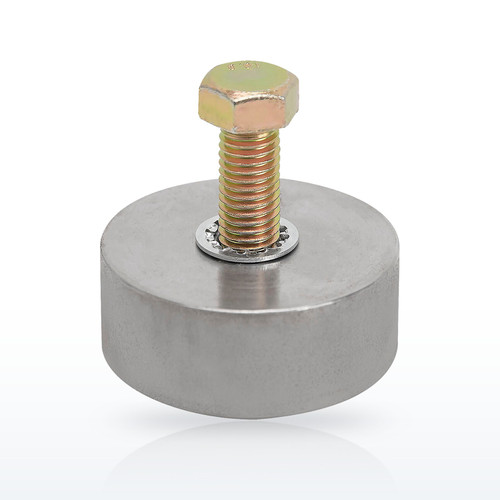
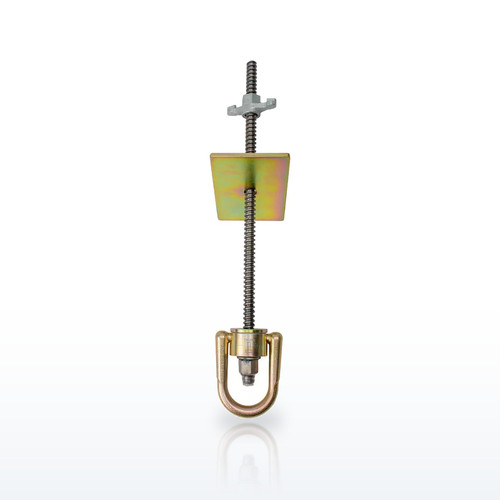
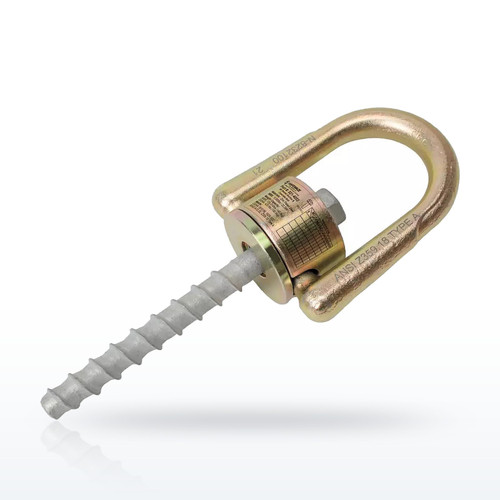
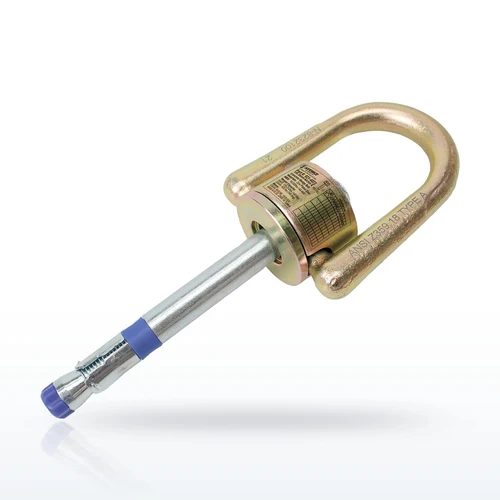
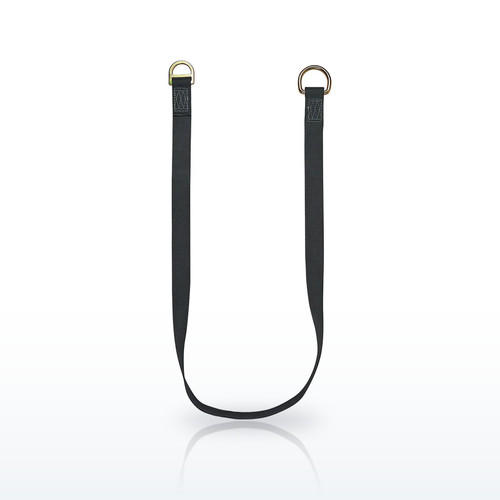
Anchorage connectors: Z359.18 classes them Type A (a single-point anchorage connector tested to 5,000 pounds), Type T (tie-back, the connector wraps the structure) and Type D (D-ring or dorsal connector), each with its own static and dynamic tests; the manufacturers' anchor pages state the type.
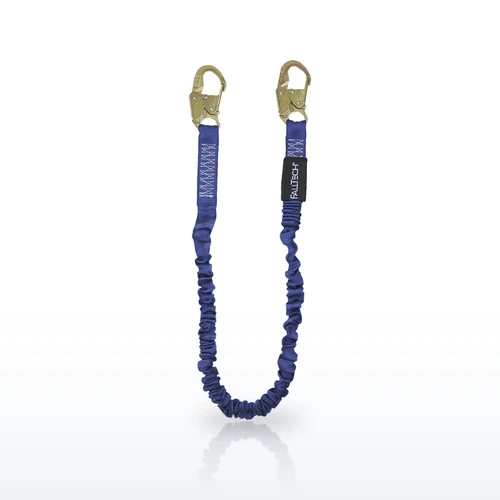
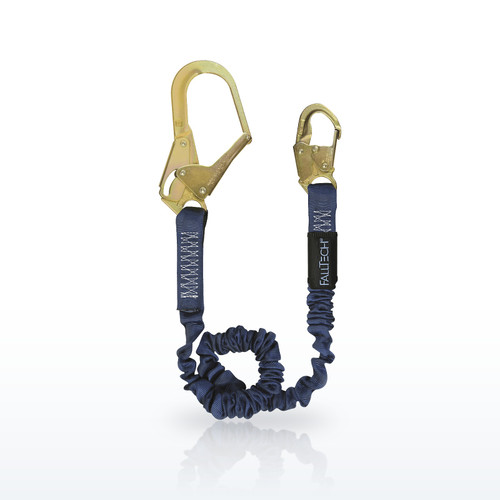
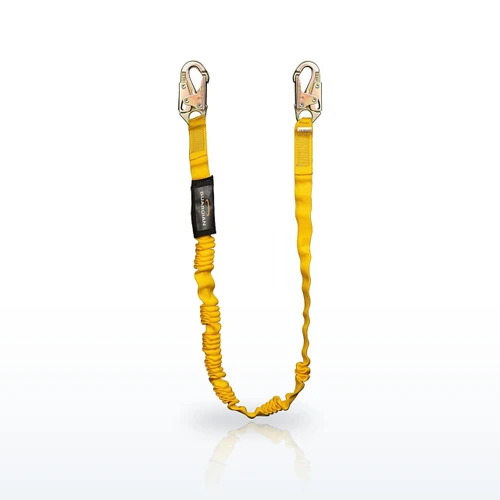
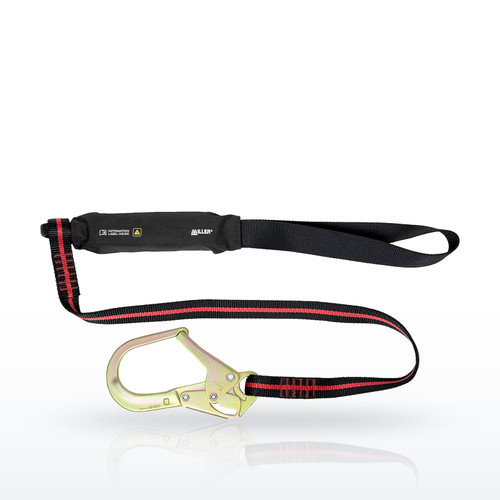
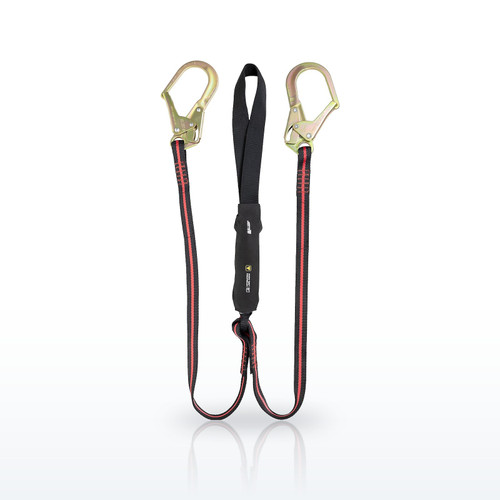
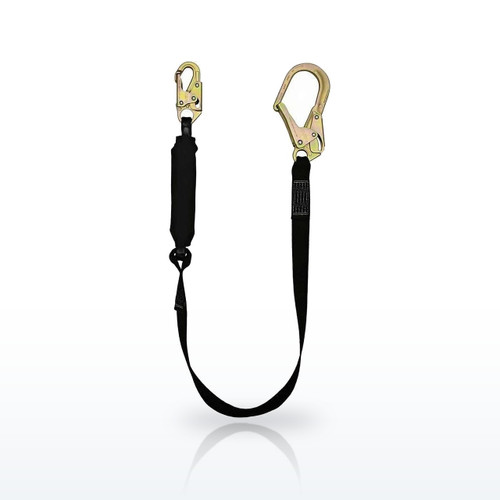
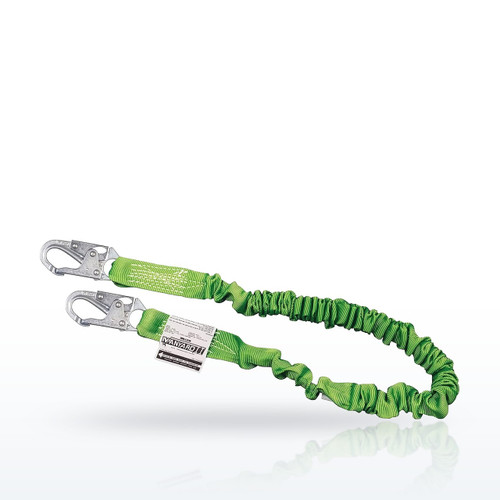
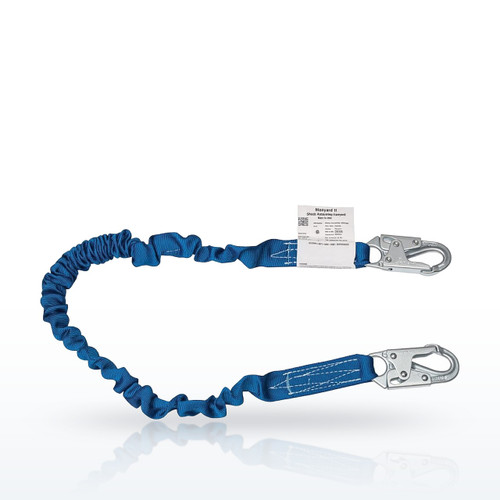
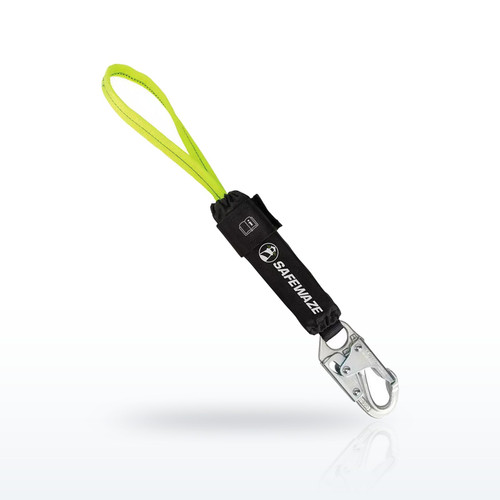
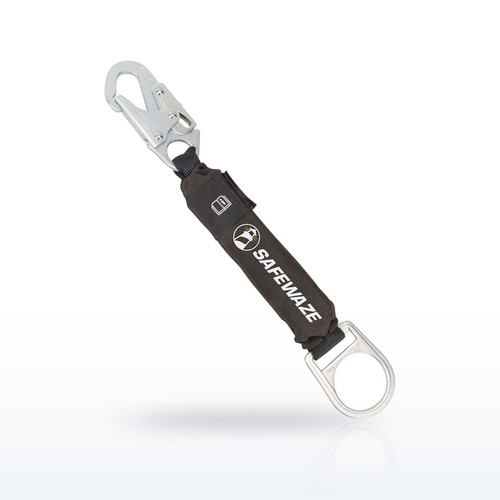
Energy absorbers and lanyards (Z359.13): a 6 foot free fall absorber limits average arrest force to 900 pounds and maximum deployment to 48 inches; a 12 foot free fall absorber limits average force to 1,350 pounds and deployment to 60 inches, for workers who must tie off at foot level; the lanyard label states which.
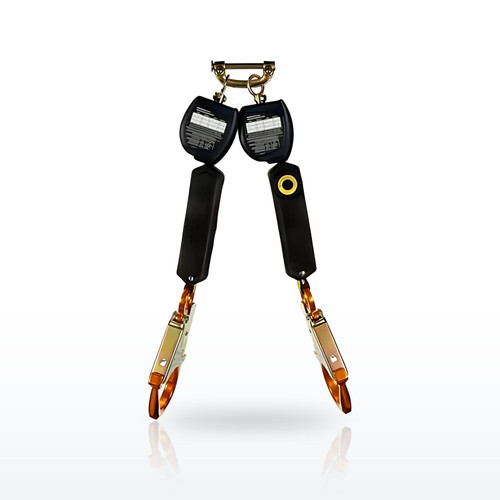
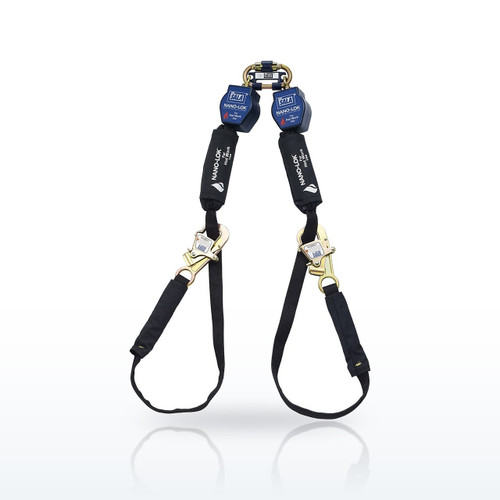
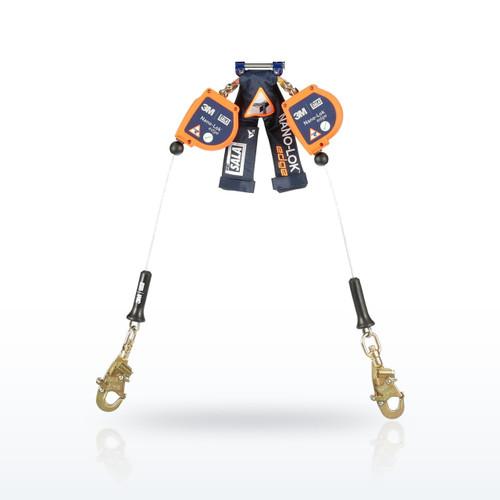
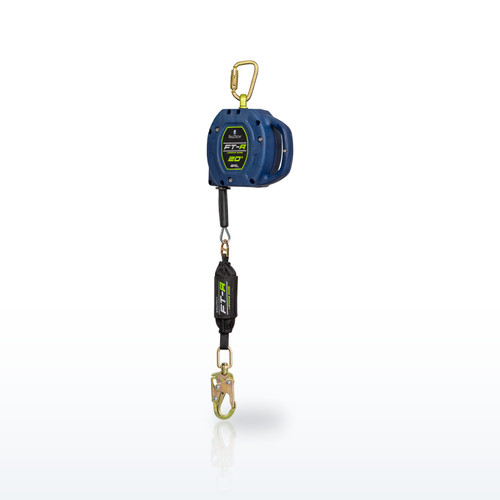
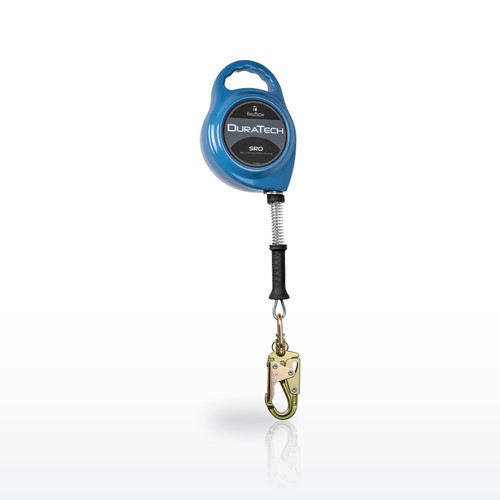
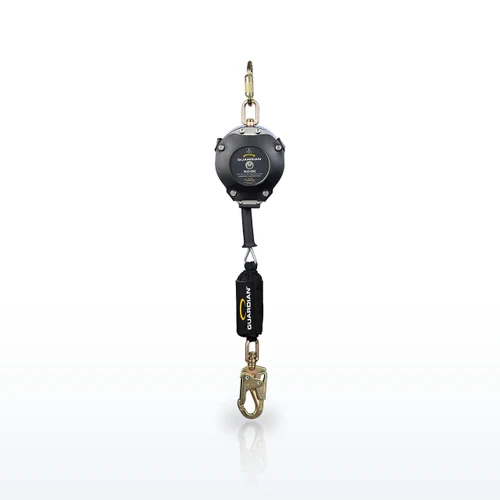
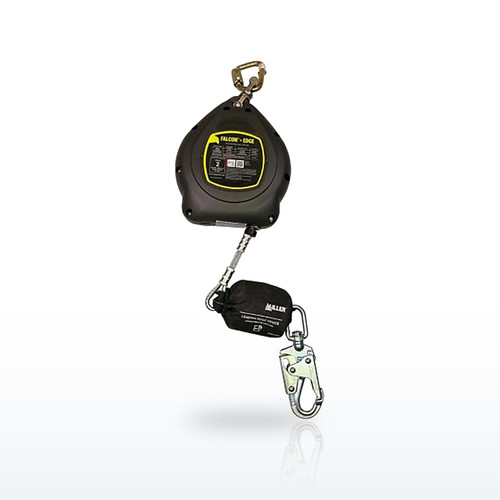
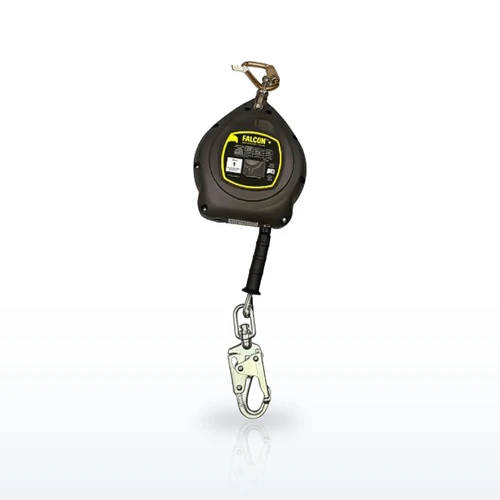
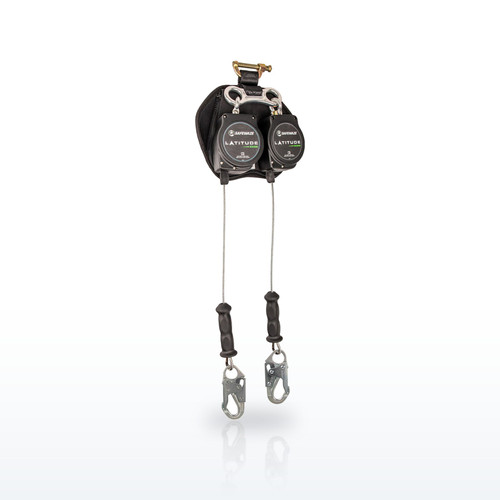
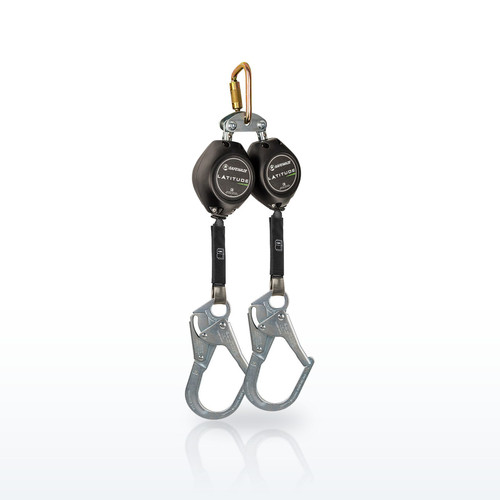
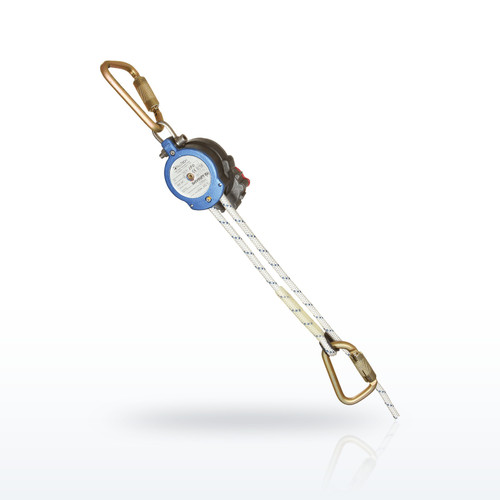
Self-retracting devices (Z359.14-2021, effective August 2023): Class 1 for anchorage at or above the dorsal D-ring and Class 2 for anchorage down to 5 feet below it and over an edge, with the same overhead performance for both (1,800 pound maximum and 1,350 pound average arrest force, 42 inch maximum arrest distance) and a 310 pound test weight.
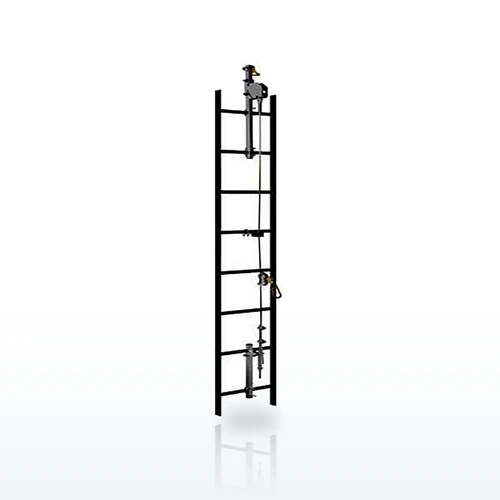
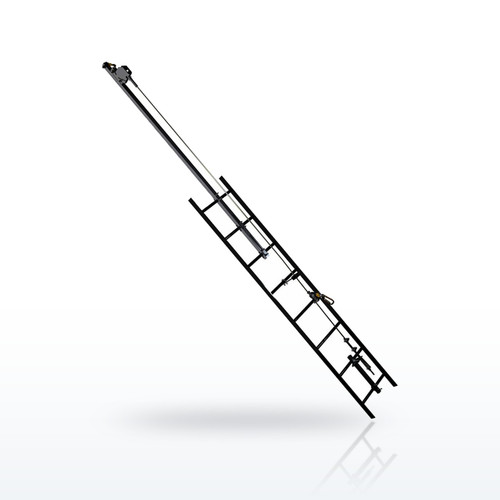
Harnesses (Z359.11): full body harnesses with a dorsal attachment for fall arrest and defined sternal, frontal, shoulder and hip attachments for climbing, rescue and positioning, tested with a 310 pound torso and to 3,600 pounds static, labeled with size, capacity, date and the standard. Rescue (Z359.4) and descent (Z359.9) devices and ladder climbing systems (Z359.16) complete the Code.
Source: the manufacturers' product pages and technical data sheets (Safewaze, FallTech, Miller, DBI-SALA) as reproduced on each product page; the standards shown are the manufacturers' own statements; FallTech, "ANSI Z359.14-2021: How to Comply with the Self-Retracting Devices Standard in 2025" (falltech.com, saved j57/raw/guides); FallTech guides on anchorages, energy-absorbing lanyards and Class 1 and Class 2 SRLs (saved j57/raw/guides); our guide Which standard must a full-body harness meet.
California (Cal/OSHA)
Each entry is condensed from the paragraph cited; the paragraph itself is the rule and the link opens it.
Title 8 §1670(a): Cal/OSHA requires approved personal fall arrest, restraint and positioning systems; "approved" under §3206 includes equipment certified to the applicable ANSI standard, which for fall protection is the Z359 Code.
Source: California Code of Regulations, Title 8, as published by Cal/OSHA (dir.ca.gov), read Nov 9 2026.
Equipment the rule names
| Equipment or condition | What the rule requires | Paragraph |
|---|---|---|
| Full body harness | Z359.11: dorsal D-ring for arrest; sternal, frontal, shoulder, hip attachments by use; 130 to 310 lb capacity | Z359.11 as labeled by the manufacturer |
| Energy-absorbing lanyard | Z359.13: 6 ft free fall (900 lb average, 48 in deployment) or 12 ft free fall (1,350 lb, 60 in) | Z359.13 as labeled |
| Self-retracting device | Z359.14-2021 Class 1 (overhead) or Class 2 (foot level and edge); 1,800 lb maximum, 1,350 lb average, 42 in arrest distance | Z359.14 as labeled; FallTech |
| Snaphooks and carabiners | Z359.12: 3,600 lb gate in every direction; 5,000 lb body; auto-locking | Z359.12 as labeled |
| Anchorage connector | Z359.18 Type A, T or D; 5,000 lb or engineered two-to-one | Z359.18 as labeled |
| Positioning and restraint lanyard | Z359.3 | Z359.3 as labeled |
| Rescue and descent devices | Z359.4 and Z359.9 | As labeled |
| Ladder climbing system | Z359.16 (carrier, sleeve, connector) | As labeled |
| Program | Z359.2 managed fall protection program (training, inspection, rescue planning) | Z359.2 as the manufacturers reference it |
Source: 29 CFR, Occupational Safety and Health Standards, as published by OSHA (ecfr.gov), read Nov 9 2026.
What we carry for it
Each table lists products whose manufacturer data states the rating or the standard the rule names, every brand we carry that does, with the current price. Sizes and versions are chosen on the product page. The selector linked under each table holds every item of that type.
Harnesses marked Z359.11 by their manufacturers
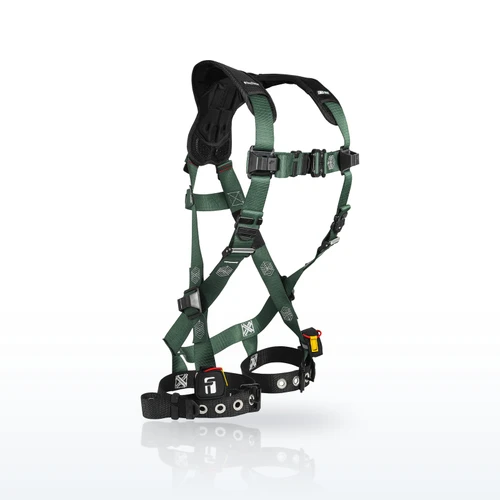
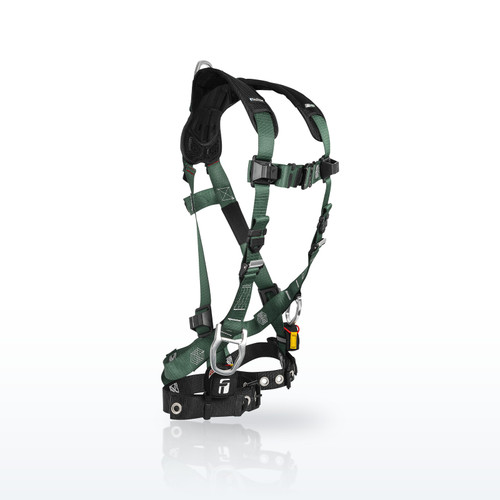
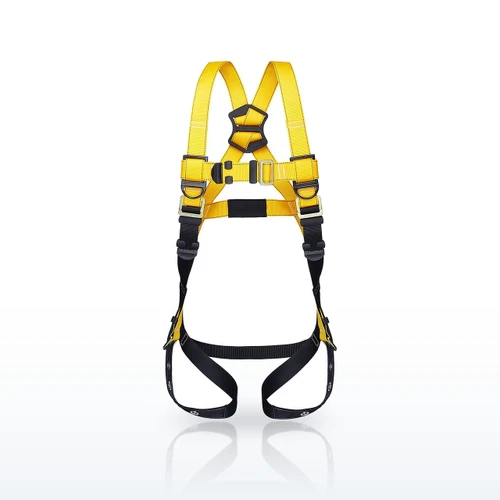
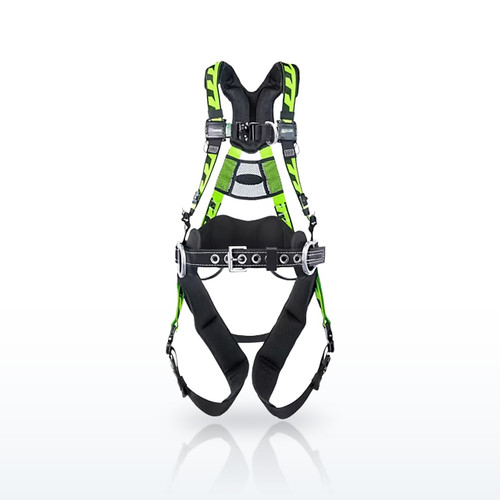
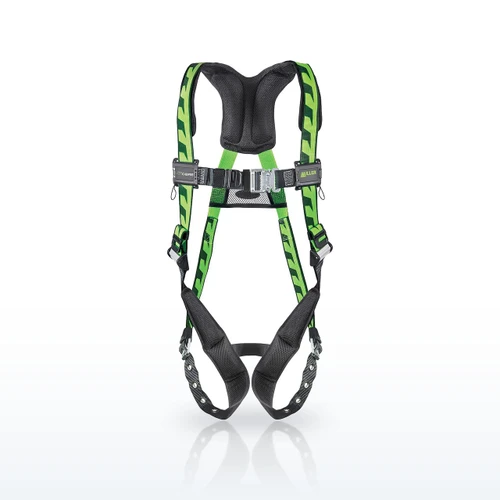
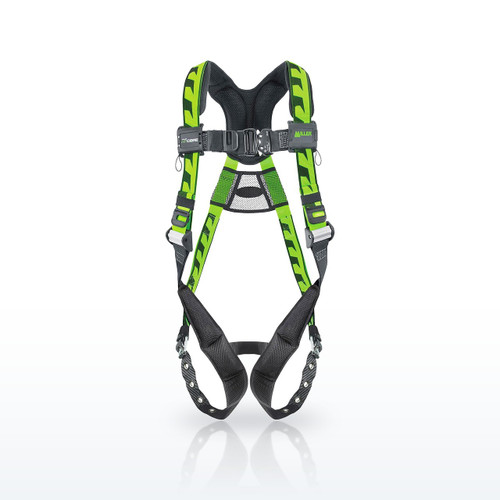
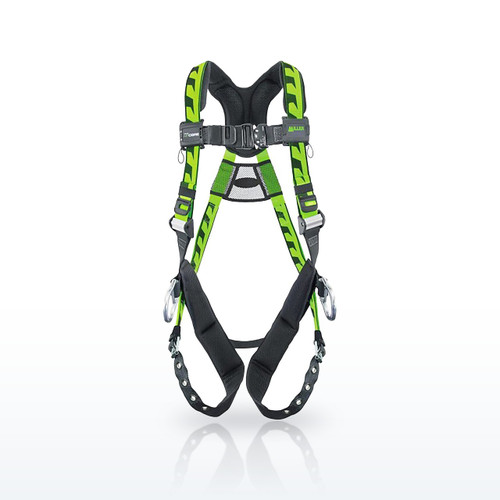
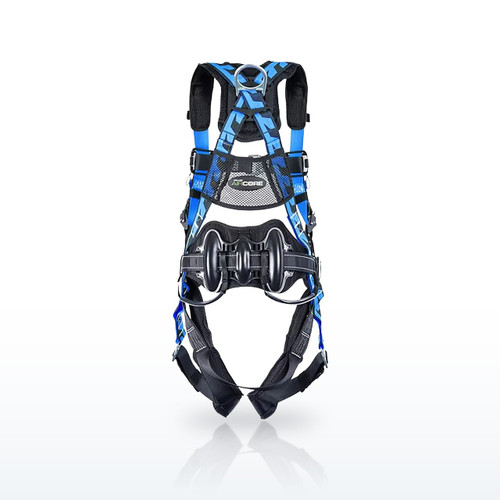
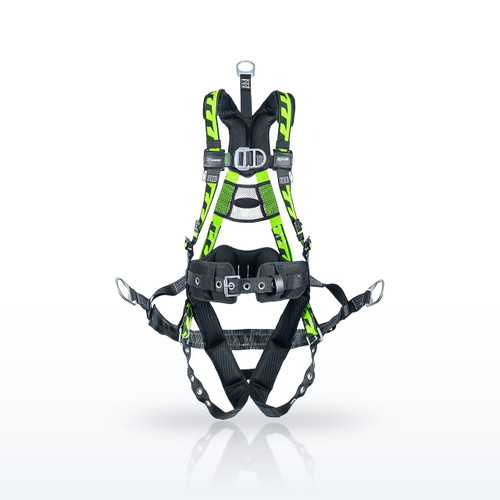
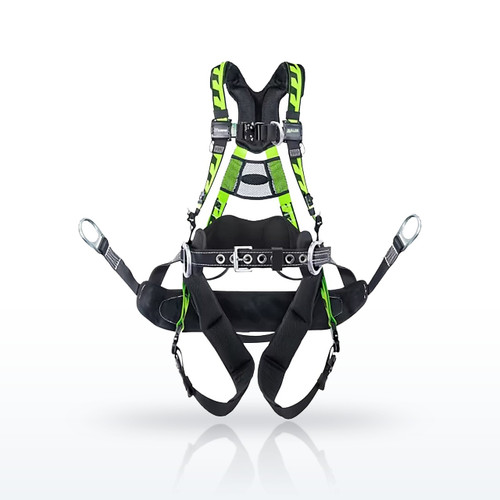
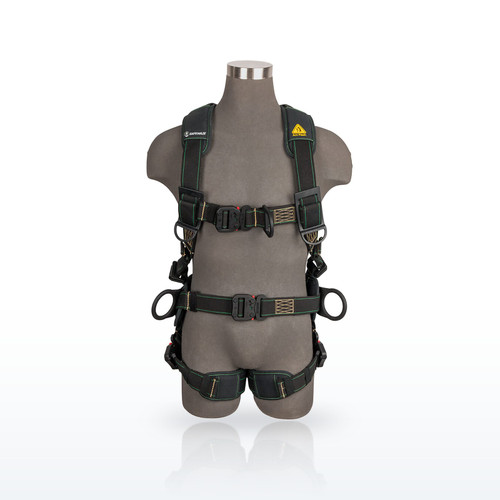
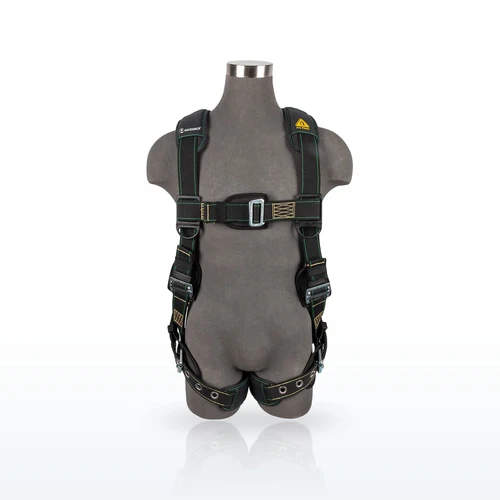
More: every Z359.11 harness.
Source: the manufacturers' product pages and technical data sheets (Safewaze, FallTech, Miller, DBI-SALA) as reproduced on each product page; the standards shown are the manufacturers' own statements.
Energy-absorbing lanyards marked Z359.13


More: every Z359.13 lanyard.
Source: the manufacturers' product pages and technical data sheets (Safewaze, FallTech, Miller, DBI-SALA) as reproduced on each product page; the standards shown are the manufacturers' own statements.
Self-retracting devices marked Z359.14 (Class 1 and Class 2)

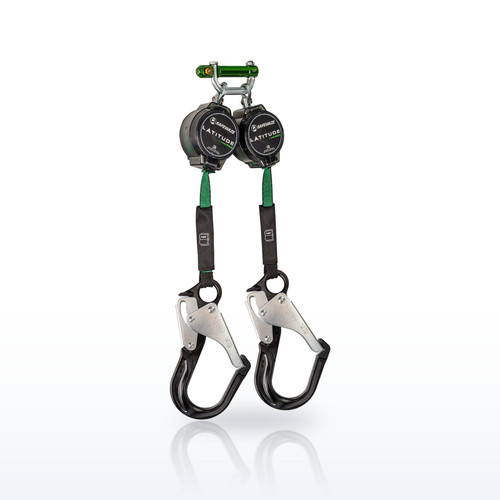
More: every Z359.14 SRL by class.
Source: the manufacturers' product pages and technical data sheets (Safewaze, FallTech, Miller, DBI-SALA) as reproduced on each product page; the standards shown are the manufacturers' own statements.
Anchorage connectors marked Z359.18
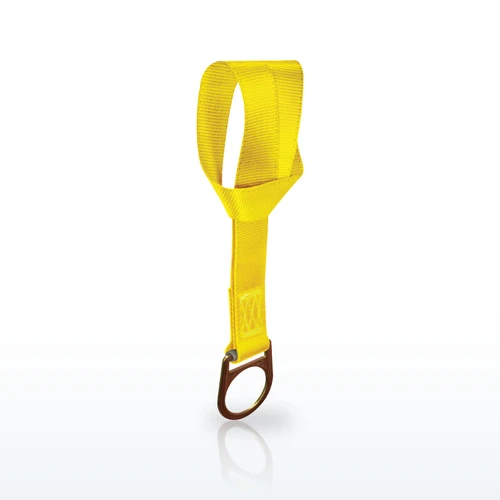
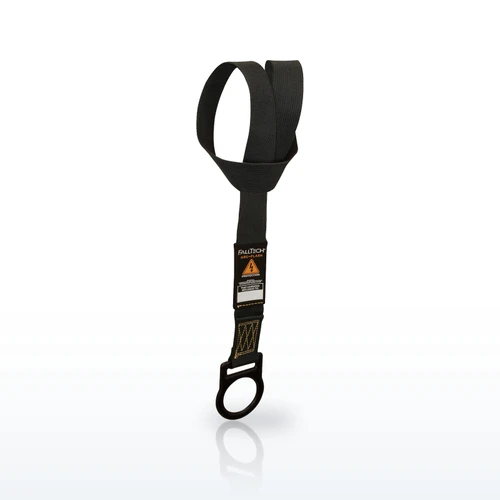
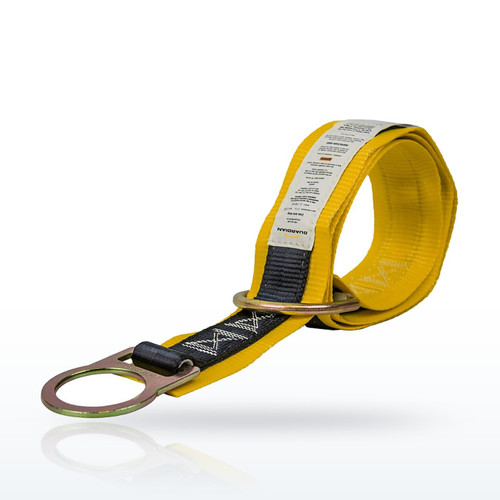


More: every Z359.18 anchorage connector.
Source: the manufacturers' product pages and technical data sheets (Safewaze, FallTech, Miller, DBI-SALA) as reproduced on each product page; the standards shown are the manufacturers' own statements.
Connectors marked Z359.12 and positioning lanyards marked Z359.3


More: every Z359.12 connector and Z359.3 lanyard.
Source: the manufacturers' product pages and technical data sheets (Safewaze, FallTech, Miller, DBI-SALA) as reproduced on each product page; the standards shown are the manufacturers' own statements.
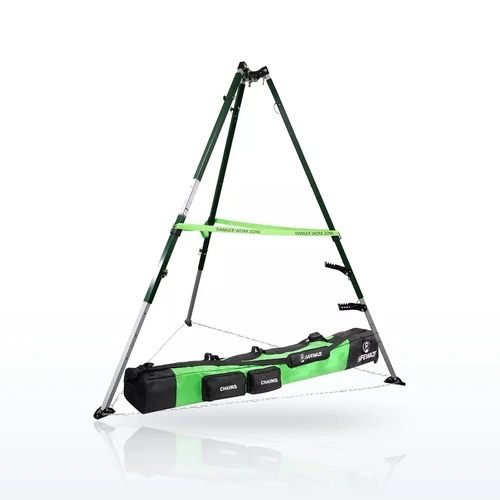
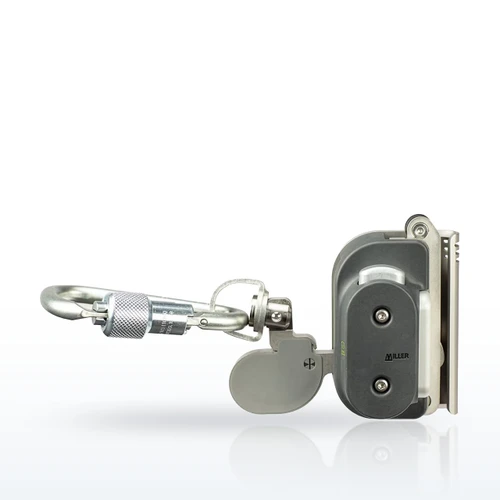
Rescue and descent devices (Z359.4) and ladder systems (Z359.16)
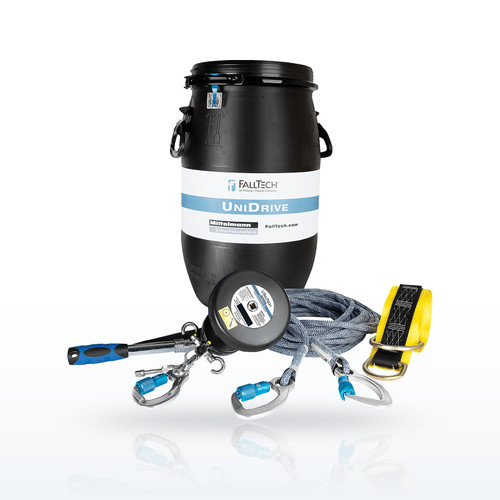
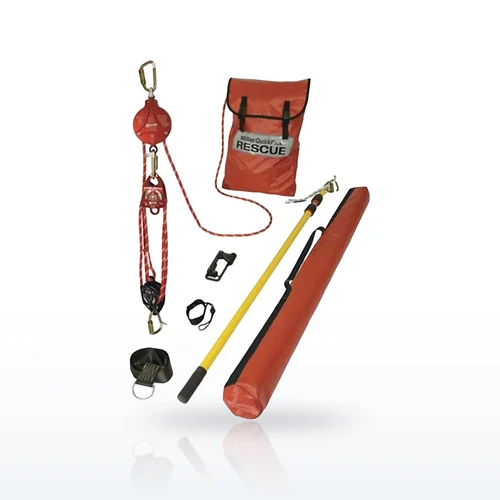
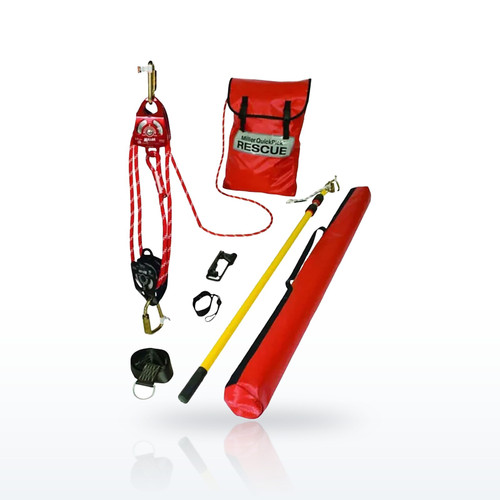
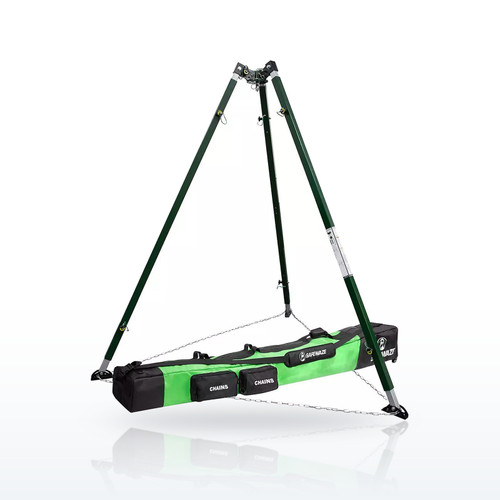
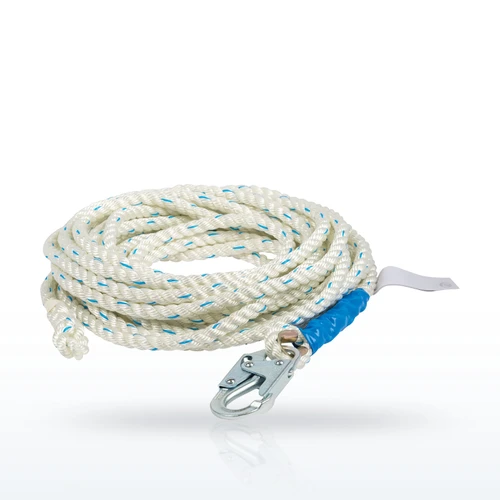
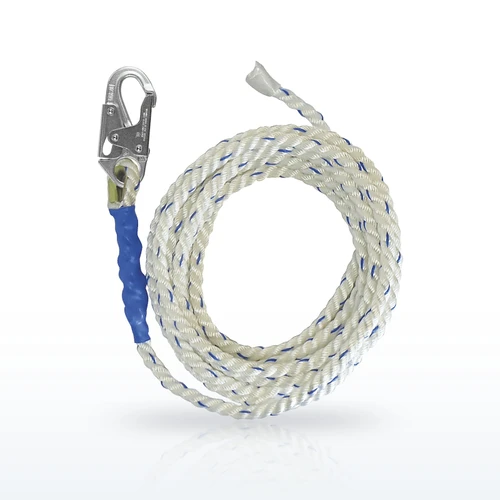
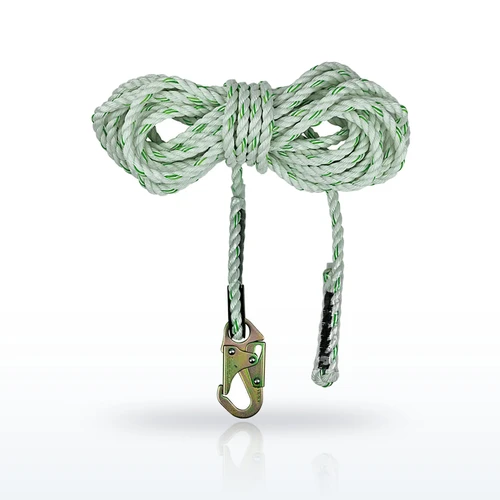
More: every rescue, descent and lifeline device by standard.
Source: the manufacturers' product pages and technical data sheets (Safewaze, FallTech, Miller, DBI-SALA) as reproduced on each product page; the standards shown are the manufacturers' own statements.
Guides that go further
Which standard must a full-body harness meet · SRL vs PFL · What is a leading edge, and why does it need a leading-edge SRL · What is a carabiner and a snap hook, and what does the 3,600-pound gate rating mean · What is an anchor point, and what must it hold · What is a personal fall arrest system, and what are its parts · How often must a harness be inspected, and what to look for · Fall protection by standard, every product.
ANSI/ASSP Z359.1 and the Z359 Fall Protection Code questions
What is the ANSI code used for fall protection equipment? ANSI/ASSP Z359, the Fall Protection Code, with Z359.1 as the umbrella and a numbered part for each component: Z359.11 harnesses, Z359.12 connectors, Z359.13 energy-absorbing lanyards, Z359.14 self-retracting devices, Z359.18 anchorage connectors, Z359.3 positioning and restraint, Z359.4 rescue, Z359.16 ladder climbing systems. OSHA's own criteria are in 1910.140 and 1926.502.
What is the difference between ANSI and OSHA fall protection? OSHA's rules are law and set the minimums (5,000 pound anchorage, 1,800 pound arresting force, 6 foot free fall); the Z359 Code is a voluntary consensus standard with more detailed and generally stricter tests (3,600 pound gates in every direction, a 310 pound test weight, hot, cold and wet conditioning, Class 2 edge testing). OSHA's letters say Z359 is not required but that equipment meeting it generally meets OSHA; manufacturers label both.
What is the primary strength requirement for an anchorage point under ANSI Z359? The same 5,000 pounds per attached worker as OSHA, or an anchorage designed by a qualified person with a safety factor of two, with Z359.18 adding the Type A, T and D tests for the anchorage connector itself and Z359.1 requiring the system to keep the two-to-one factor; the manufacturers' anchor pages state the rated strength and type.
What are the ANSI fall protection inspection requirements? The Z359 Code (through Z359.2 and each component standard) calls for the user to inspect before each use and a competent person to inspect at least annually, with the inspection logged on the harness or device label; OSHA's 1910.140(c)(18) and 1926.502(d)(21) require the before-use inspection and removal after a fall. Each manufacturer's instructions set the interval it requires for warranty and service life.
What does ANSI Z359.1-2016 cover? The 2016 edition (updated in 2024) is the system-level standard: the scope and definitions of personal fall arrest systems, the requirement that components be used together as the manufacturer and the Code allow, the 130 to 310 pound capacity range, system performance limits, labeling and instructions, and references to the component standards for each part; it replaced the older Z359.1-2007 that had contained the component requirements in one document.
Is Z359 required in California? Cal/OSHA §1670 requires approved personal fall arrest systems, and §3206 defines approved equipment to include equipment listed or certified to the applicable national consensus standard, so Z359-labeled equipment is the practical way to meet it; the figures in §1670(b) match the federal rule.
The ratings, test results and standards shown here are the manufacturers' published values, reproduced as published. Nothing on this page is a recommendation by Bayshore Safety that any product is suitable for a particular task, hazard or workplace. Selecting safety products and protective equipment is the responsibility of the end user and the employer, based on their own hazard assessment and the regulations that apply to their work. Confirm every value on the manufacturer's own documentation before use.