
OSHA 1910.269(l)(8) Protection from Flames and Electric Arcs: what it requires and the equipment it names
29 CFR 1910.269(l)(8) is the OSHA paragraph that requires arc-rated clothing. It applies to electric power generation, transmission and distribution work, and it is the text OSHA cites, with NFPA 70E, when it enforces arc flash protection elsewhere under 1910.132 and 1910.335. It requires an estimate of incident energy, bans clothing that melts, and requires arc-rated protection at or above the estimate when it exceeds 2 cal/cm². We sell nationwide; ships in 1–2 business days; most orders arrive in 3–7 business days.
The plain answer
29 CFR 1910.269(l)(8) requires the employer to assess the workplace for employees exposed to flames or electric arcs, make a reasonable estimate of the incident heat energy each exposed employee could receive (Appendix E gives the methods), ensure no employee wears clothing that could melt onto the skin or ignite and keep burning (acetate, nylon, polyester, rayon and polypropylene are named unless treated), require a flame-resistant outer layer in the listed conditions, and require arc-rated clothing and other protective equipment with an arc rating at or above the estimate whenever the estimate exceeds 2.0 cal/cm².
The paragraph applies to electric power generation, transmission and distribution (1926.960(g) carries the same text for construction). For other electrical work OSHA uses 1910.132(d) and 1910.335 with NFPA 70E as the recognized method; the figures below are the ones the rule itself prints.
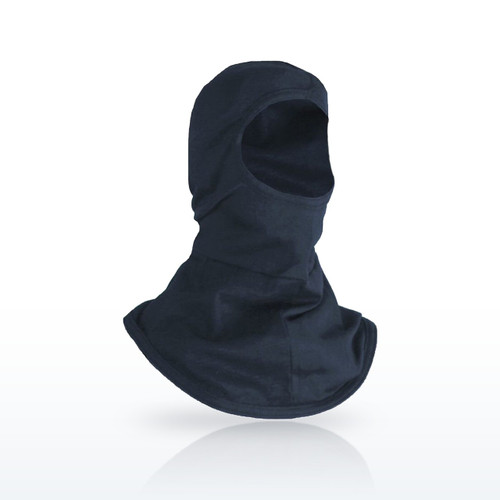
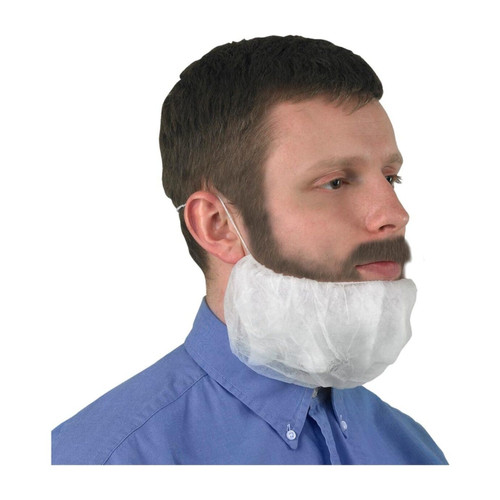
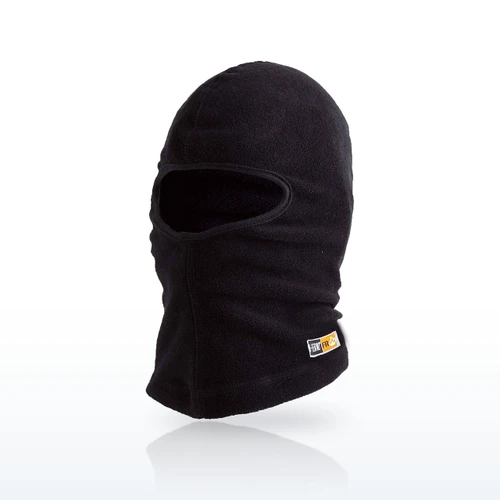
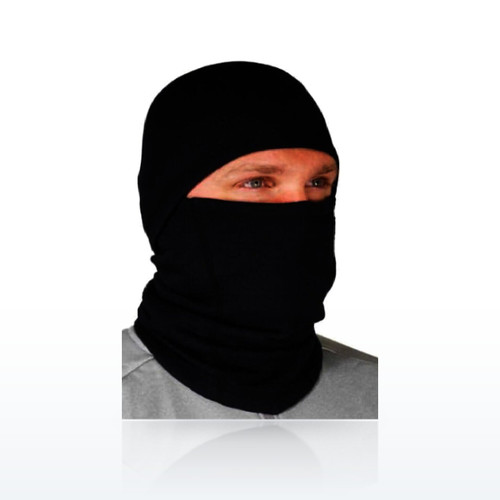
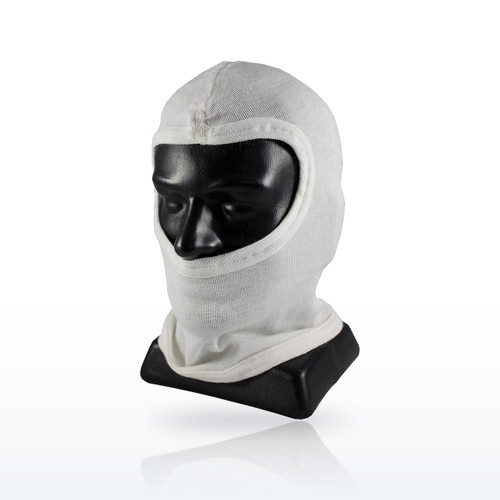
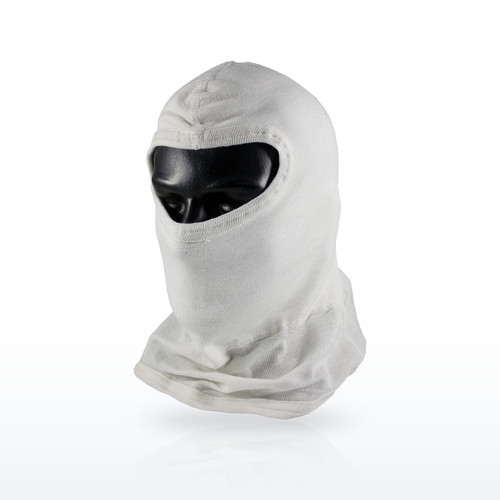
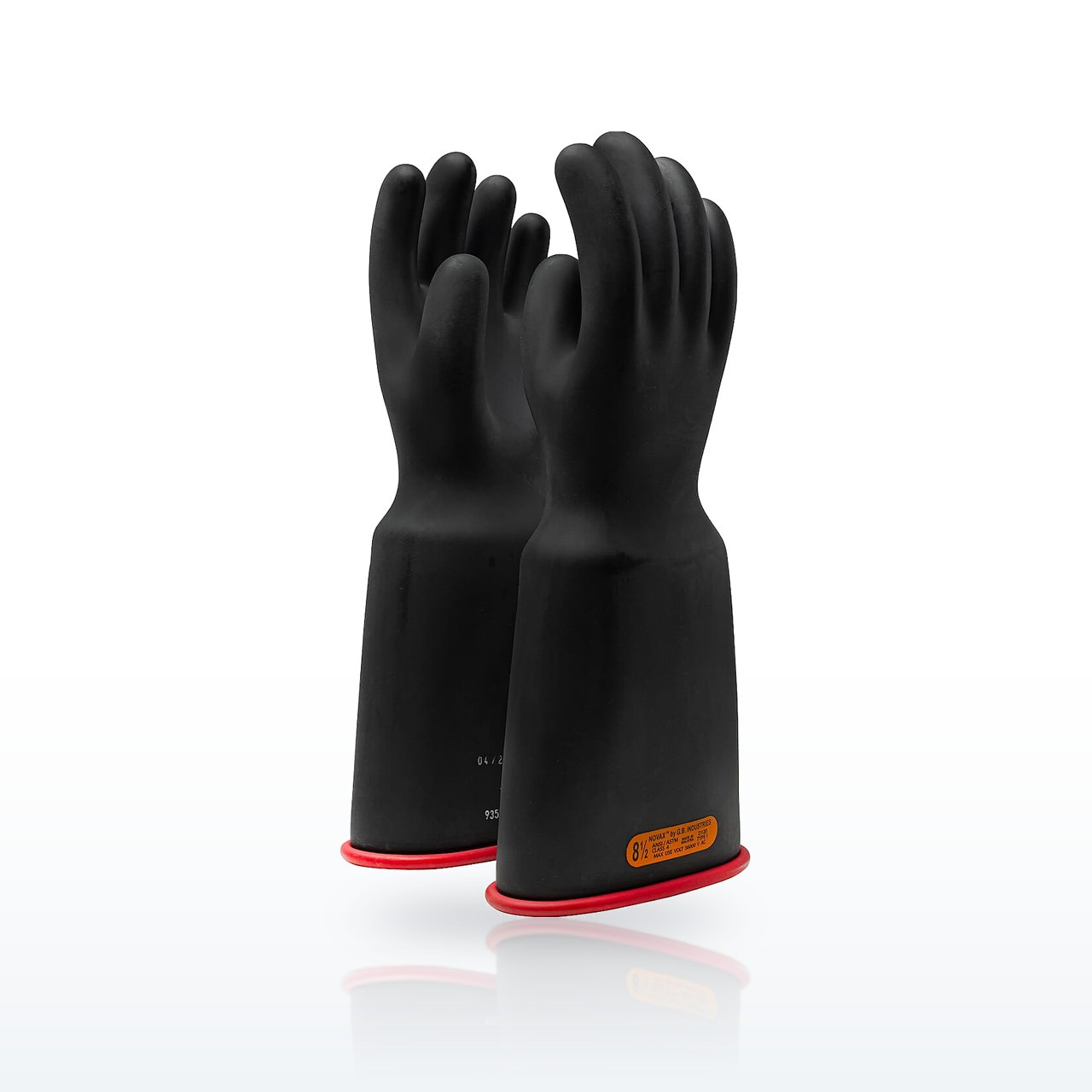
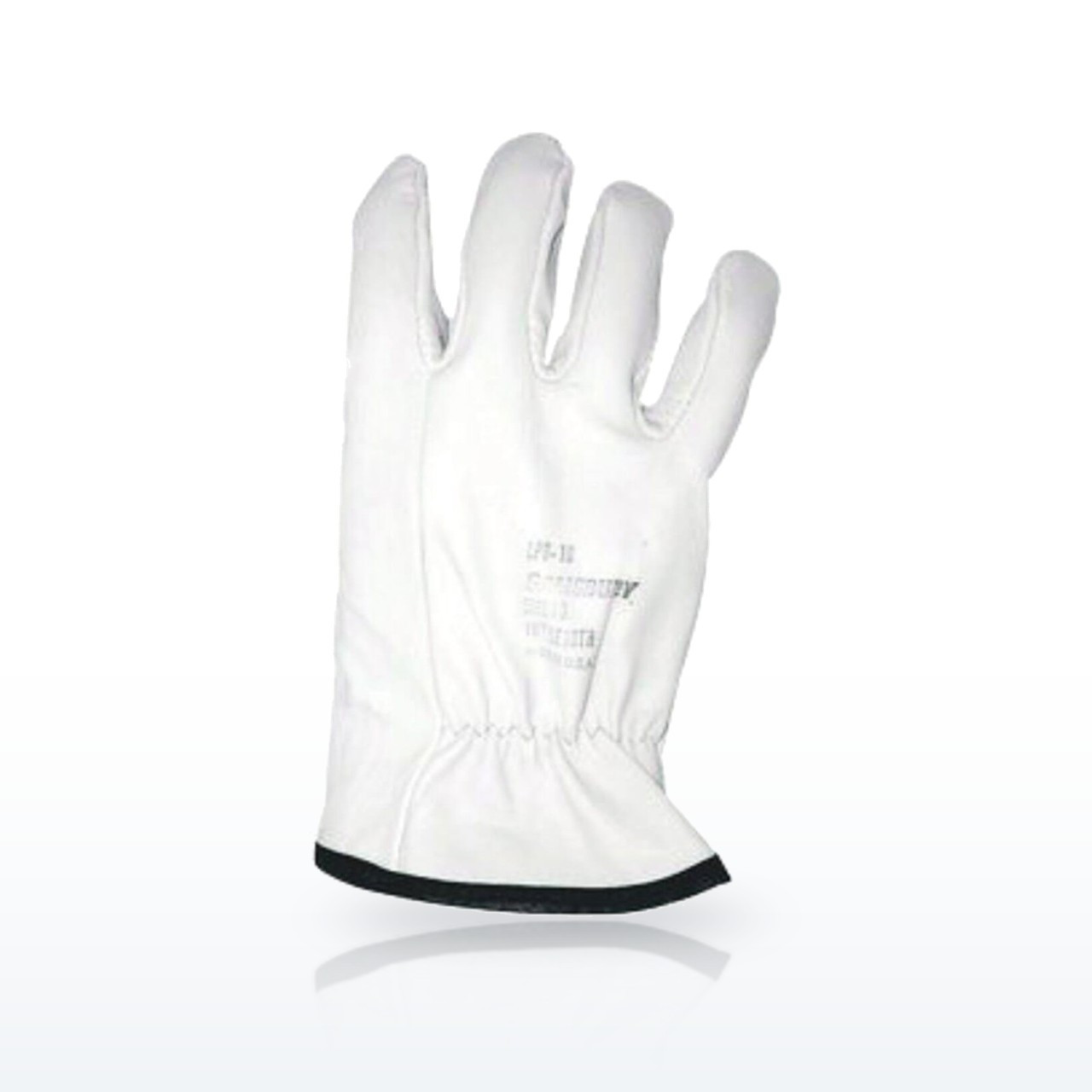
The equipment it names is arc-rated clothing covering the whole body, with exceptions: rubber insulating gloves with protectors or, up to 14 cal/cm², heavy-duty leather gloves of at least 12 oz/yd² for the hands; heavy-duty work boots for the feet; a 1910.135 hard hat alone for the head below 9 cal/cm² (single-phase open air) or 5 cal/cm² (other), and a hard hat with an 8 cal/cm² arc-rated face shield below 13 or 9 cal/cm²; otherwise an arc-rated hood or balaclava.
What the rule says
Each entry is condensed from the paragraph cited; the paragraph itself is the rule and the link opens it.
29 CFR 1910.269(l)(8)(i)-(ii): The employer assesses the workplace to identify employees exposed to hazards from flames or electric arcs, and for each employee exposed to electric arcs makes a reasonable estimate of the incident heat energy; Appendix E gives accepted methods, and broad estimates covering multiple system areas are allowed if they represent the maximum exposure.
29 CFR 1910.269(l)(8)(iii): No employee exposed to flames or electric arcs may wear clothing that could melt onto the skin or that could ignite and continue to burn when exposed to flames or the estimated heat energy; the note names acetate, nylon, polyester, rayon and polypropylene, alone or in blends, unless the employer demonstrates the fabric has been treated to withstand the conditions.
29 CFR 1910.269(l)(8)(iv): The outer layer of clothing must be flame resistant when the employee is exposed to contact with energized parts over 600 volts, when an electric arc could ignite flammable material in the work area that could ignite the clothing, when molten metal or arcs from faulted conductors could ignite the clothing, or when the estimated incident heat energy exceeds 2.0 cal/cm².
29 CFR 1910.269(l)(8)(v): Each employee exposed to electric arcs wears protective clothing and other protective equipment with an arc rating greater than or equal to the estimated heat energy whenever the estimate exceeds 2.0 cal/cm²; the protection covers the entire body except: (A) the hands when wearing rubber insulating gloves with protectors or, up to 14 cal/cm², heavy-duty leather work gloves of at least 407 g/m² (12 oz/yd²); (B) the feet in heavy-duty work shoes or boots; (C) the head in 1910.135 head protection when the estimate is below 9 cal/cm² for single-phase arcs in open air or 5 cal/cm² otherwise; (D) the head in 1910.135 head protection with a face shield of at least 8 cal/cm² arc rating when the estimate is below 13 cal/cm² (single-phase open air) or 9 cal/cm² (other); (E) for single-phase arcs in open air, head and face protection may be rated 4 cal/cm² below the estimate.
29 CFR 1910.269(l)(8)(vi): The estimate obligation began January 1, 2015, and the arc-rated clothing obligations April 1, 2015.
29 CFR 1910.269 Appendix E: Non-mandatory guidance: how to estimate incident energy from fault current, clearing time and distance, with tables of typical values for voltage classes, and a statement that arc-rated clothing is rated by ATPV or EBT under ASTM F1506 and tested under ASTM F1959.
29 CFR 1910.335(a)(1)(v): Outside power generation and distribution: employees wear protective equipment for the eyes or face wherever there is danger of injury from electric arcs or flashes; OSHA applies 1910.132(d) to the body, using NFPA 70E as the consensus method.
Source: 29 CFR, Occupational Safety and Health Standards, as published by OSHA (ecfr.gov), read Nov 9 2026.
California (Cal/OSHA)
Each entry is condensed from the paragraph cited; the paragraph itself is the rule and the link opens it.
Title 8 §2940.6: California's high-voltage electrical safety orders require insulating equipment and protective equipment designed for the voltage; the arc-rated clothing figures are applied through §3203 and §3380 with NFPA 70E as the recognized practice.
Source: California Code of Regulations, Title 8, as published by Cal/OSHA (dir.ca.gov), read Nov 9 2026.
Equipment the rule names
| Equipment or condition | What the rule requires | Paragraph |
|---|---|---|
| Any clothing on an exposed employee | Nothing that melts or keeps burning: no untreated acetate, nylon, polyester, rayon or polypropylene | 29 CFR 1910.269(l)(8)(iii) |
| Outer layer | Flame resistant above 600 V exposure, where arcs could ignite material, or above 2.0 cal/cm² | 29 CFR 1910.269(l)(8)(iv) |
| Arc-rated clothing and equipment | Arc rating at or above the estimated incident energy, whole body, when the estimate exceeds 2.0 cal/cm² | 29 CFR 1910.269(l)(8)(v) |
| Hands | Rubber insulating gloves with protectors, or up to 14 cal/cm² heavy leather work gloves (12 oz/yd² or more) | 29 CFR 1910.269(l)(8)(v)(A) |
| Feet | Heavy-duty work shoes or boots | 29 CFR 1910.269(l)(8)(v)(B) |
| Head, lower estimates | Z89.1 hard hat alone below 9 cal/cm² (single-phase open air) or 5 cal/cm² (other) | 29 CFR 1910.269(l)(8)(v)(C) |
| Head and face, mid estimates | Hard hat plus 8 cal/cm² arc-rated face shield below 13 cal/cm² (single-phase open air) or 9 cal/cm² (other) | 29 CFR 1910.269(l)(8)(v)(D) |
| Head and face, higher estimates | Arc-rated hood or balaclava and shield at the estimate (4 cal/cm² less allowed for single-phase open air) | 29 CFR 1910.269(l)(8)(v)(E) |
Source: 29 CFR, Occupational Safety and Health Standards, as published by OSHA (ecfr.gov), read Nov 9 2026.
What we carry for it
Each table lists products whose manufacturer data states the rating or the standard the rule names, every brand we carry that does, with the current price. Sizes and versions are chosen on the product page. The selector linked under each table holds every item of that type.
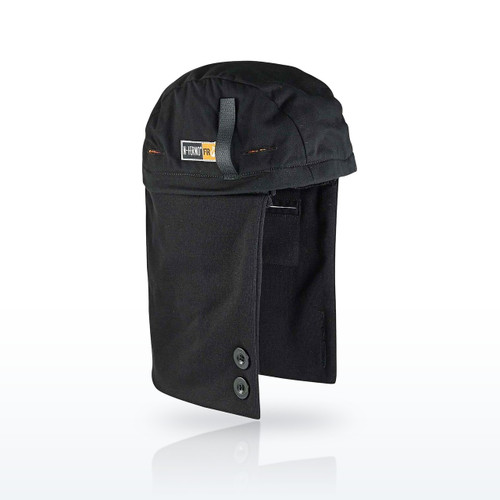
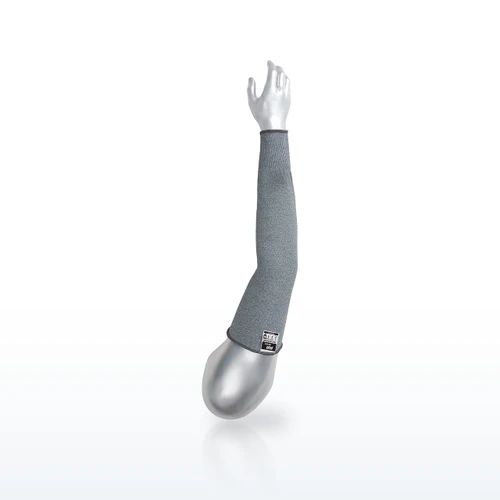
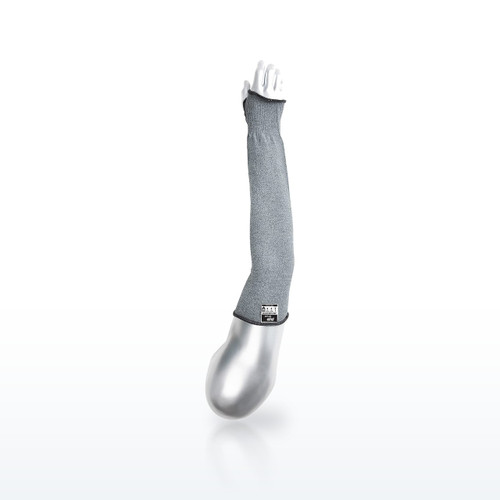
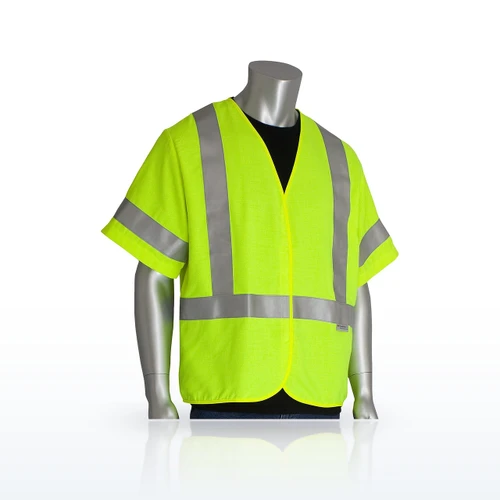
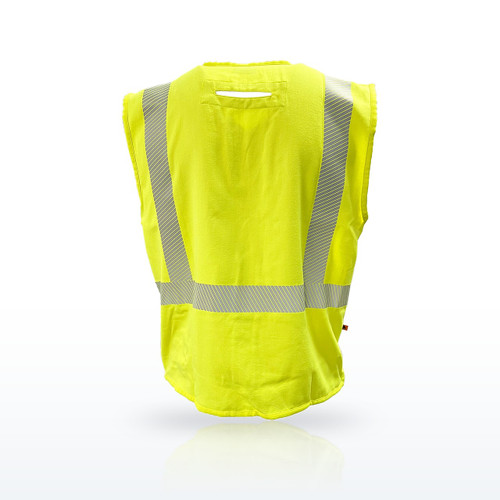
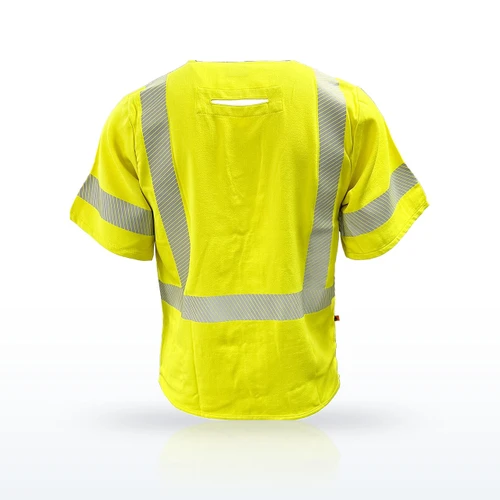
Arc-rated shirts, pants and coveralls rated 8 to 24.9 cal/cm² (meets NFPA 70E Category 2)
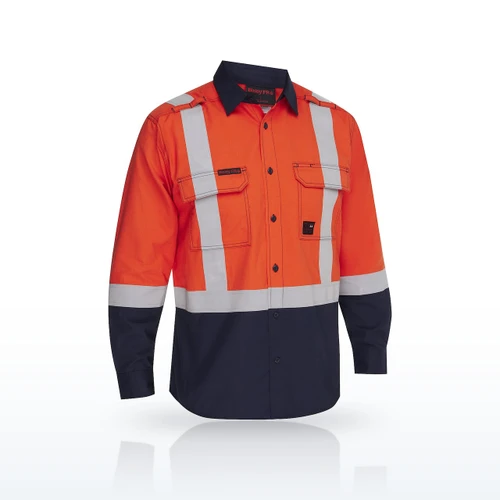
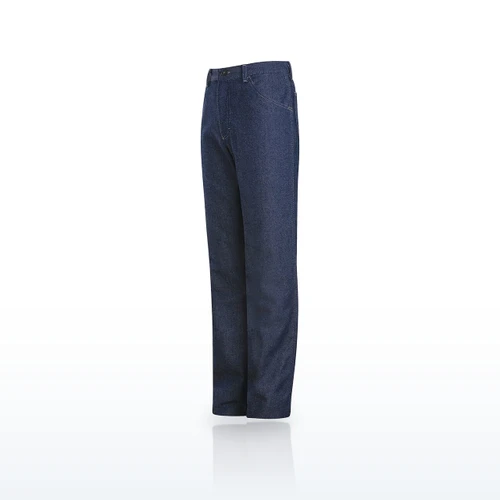
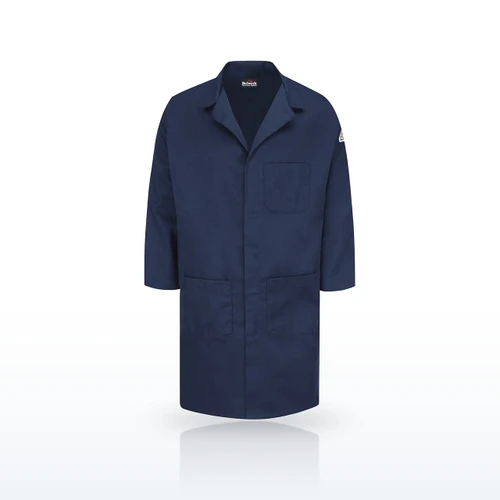
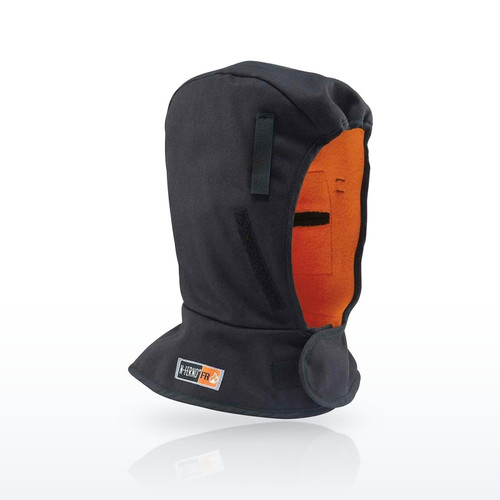
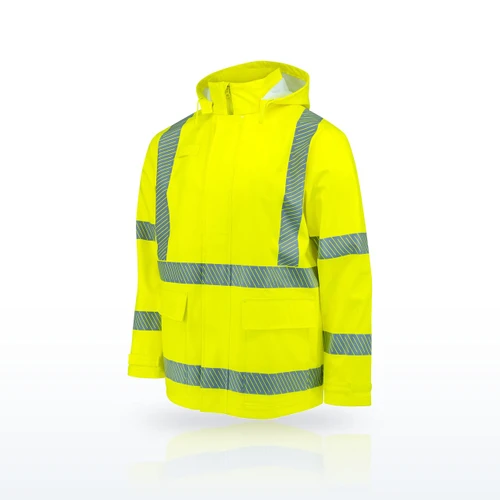
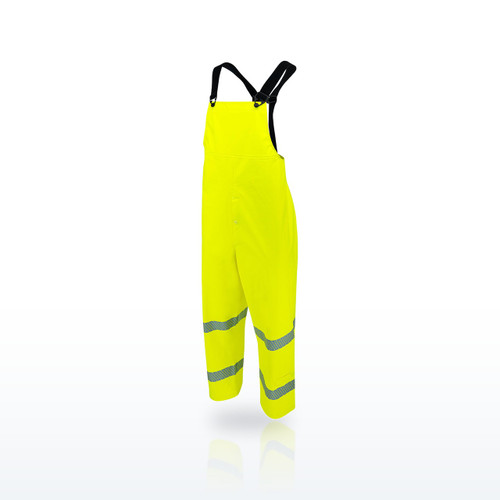
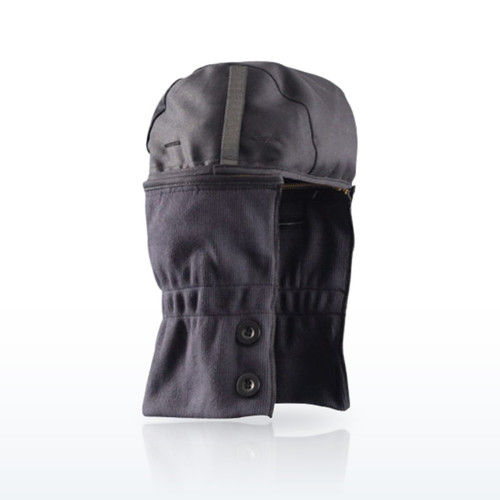
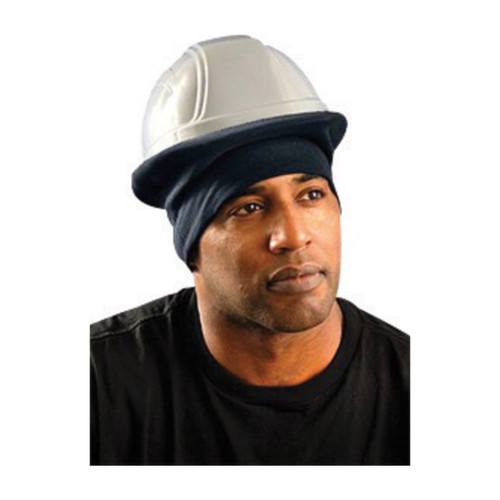

More: every garment in the 8 to 24.9 cal/cm² band.
Source: the manufacturers' product pages, specification sheets and catalogs as reproduced on each product page; the ratings and standards shown are the manufacturers' own statements, and the products listed are those whose published data names the rating or the standard, not a selection by Bayshore Safety.
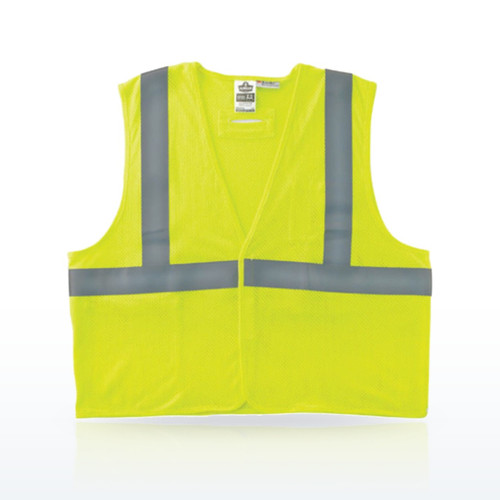
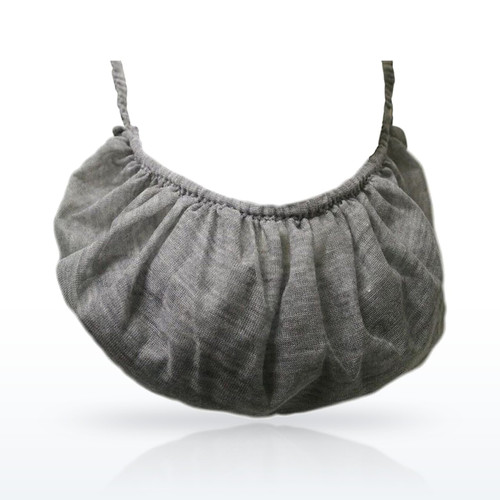
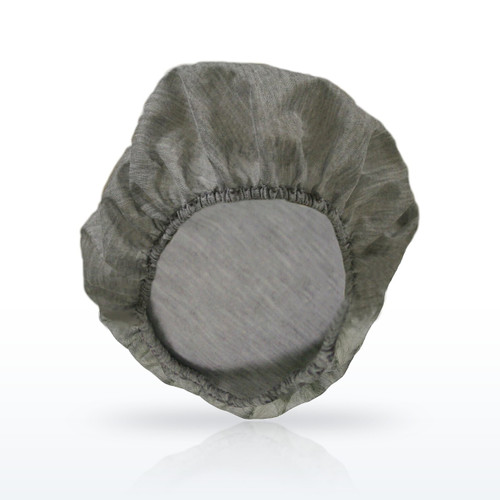
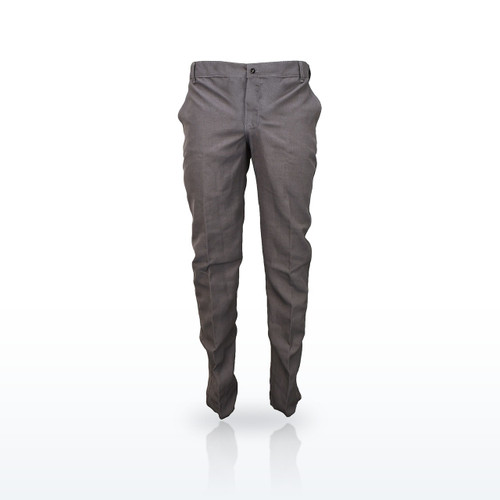
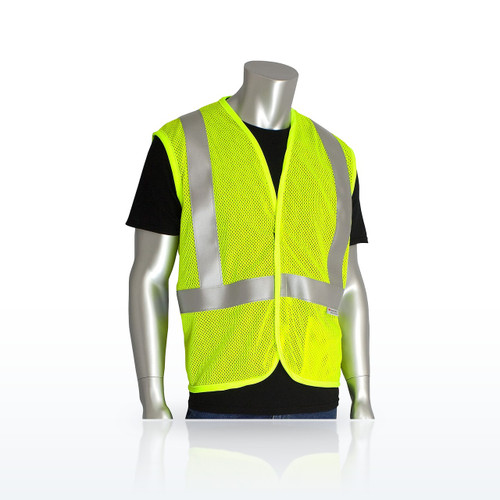
Arc-rated clothing 4 to 7.9 cal/cm² (meets Category 1)
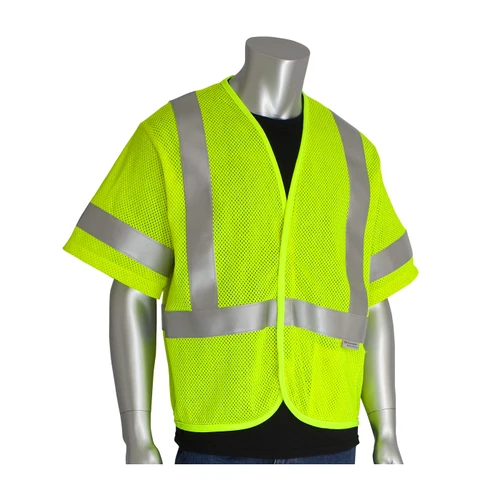
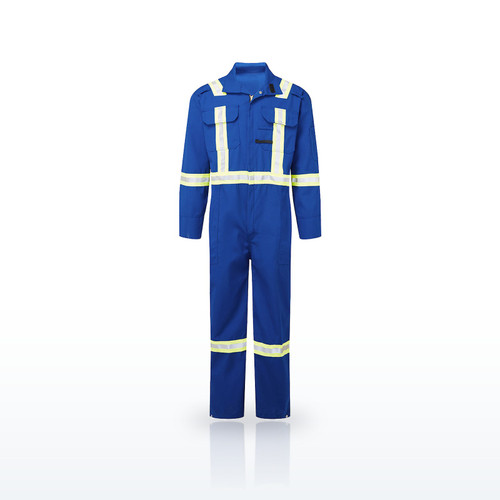
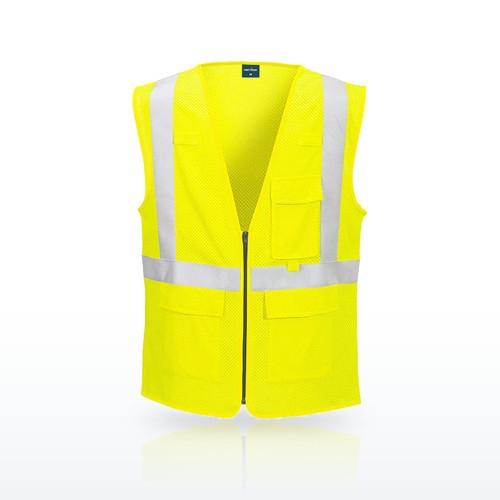
More: every garment in the 4 to 7.9 cal/cm² band.
Source: the manufacturers' product pages, specification sheets and catalogs as reproduced on each product page; the ratings and standards shown are the manufacturers' own statements, and the products listed are those whose published data names the rating or the standard, not a selection by Bayshore Safety.
Arc flash suits and kits rated 25 cal/cm² and above (Categories 3 and 4)
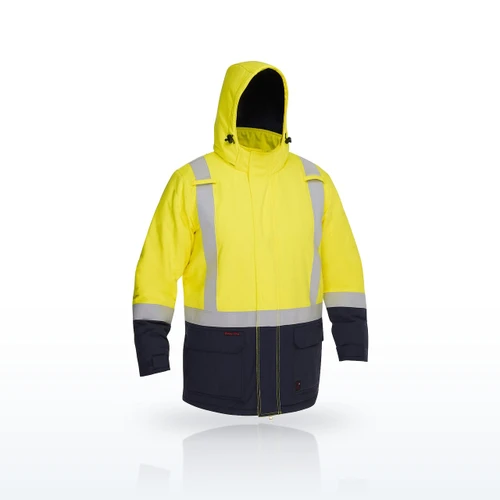
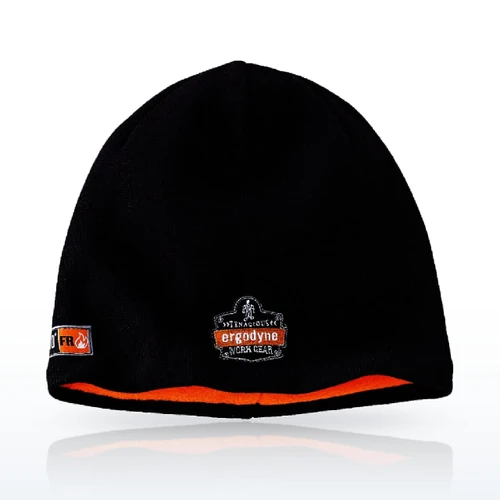
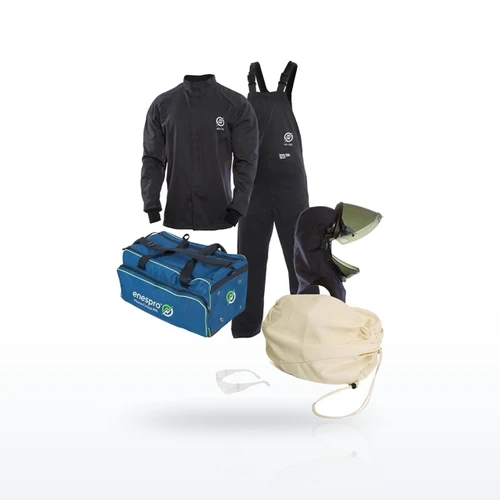
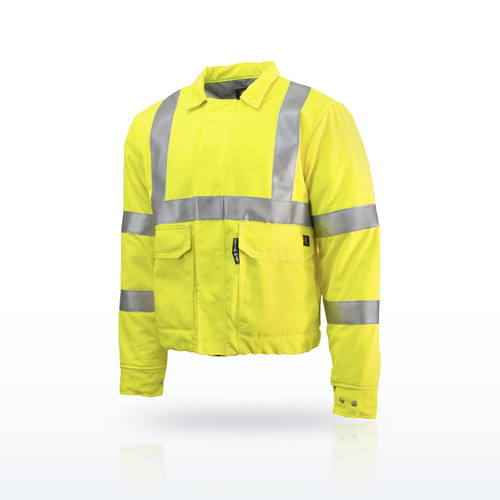
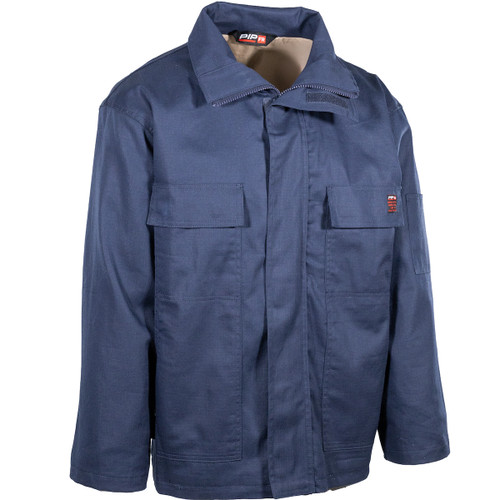
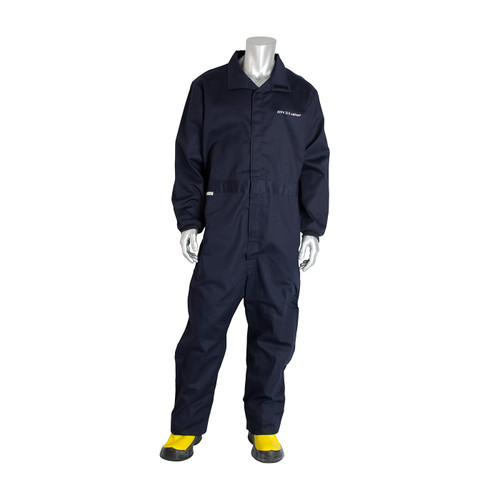

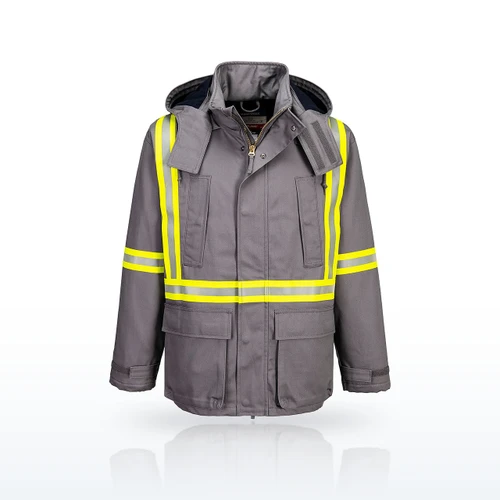
More: every 25 cal/cm² and 40 cal/cm² suit and kit.
Source: the manufacturers' product pages, specification sheets and catalogs as reproduced on each product page; the ratings and standards shown are the manufacturers' own statements, and the products listed are those whose published data names the rating or the standard, not a selection by Bayshore Safety.
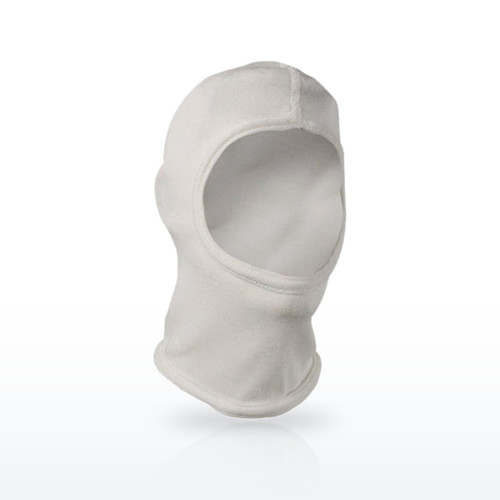
Arc-rated face shields, hoods and balaclavas


More: every arc-rated face shield and hood.
Source: the manufacturers' product pages, specification sheets and catalogs as reproduced on each product page; the ratings and standards shown are the manufacturers' own statements, and the products listed are those whose published data names the rating or the standard, not a selection by Bayshore Safety.
Rubber insulating gloves and leather protectors

More: every insulating glove and protector.
Source: the manufacturers' product pages, specification sheets and catalogs as reproduced on each product page; the ratings and standards shown are the manufacturers' own statements, and the products listed are those whose published data names the rating or the standard, not a selection by Bayshore Safety.
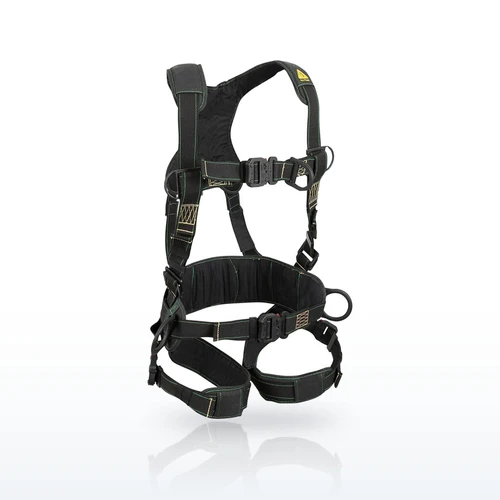
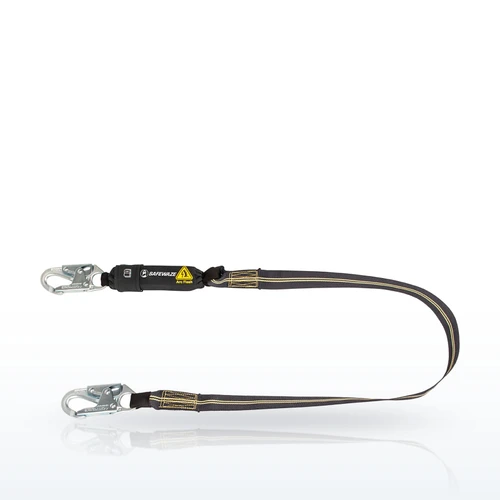
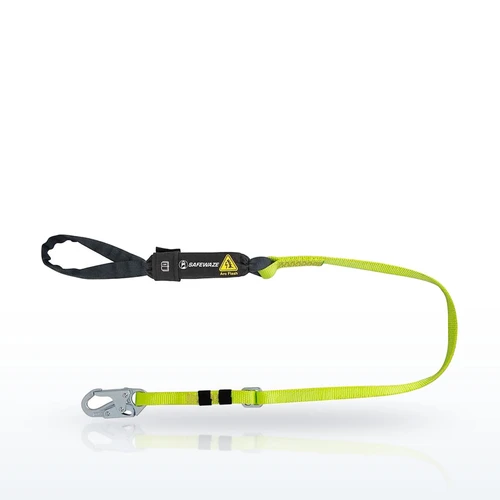
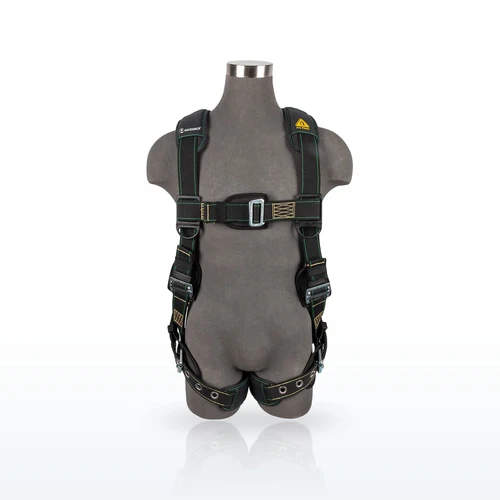
Arc-rated fall protection harnesses for work at height
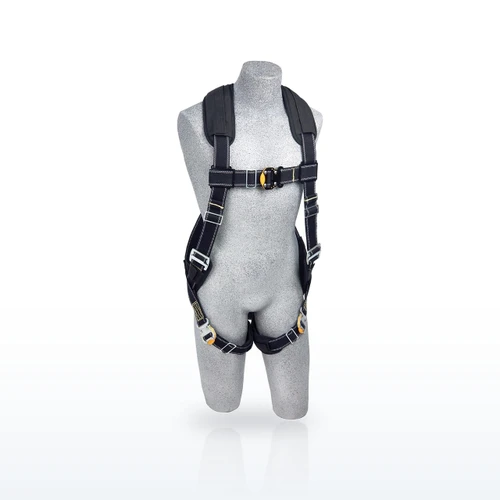
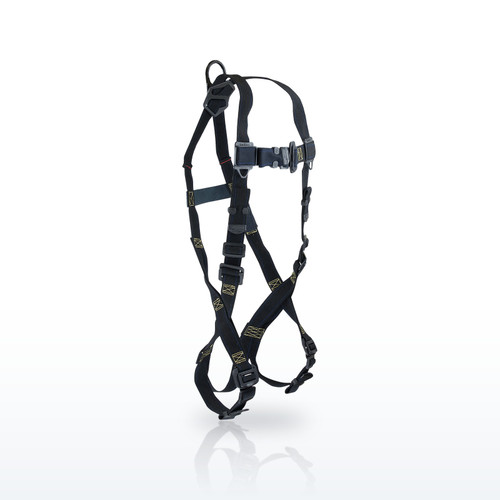
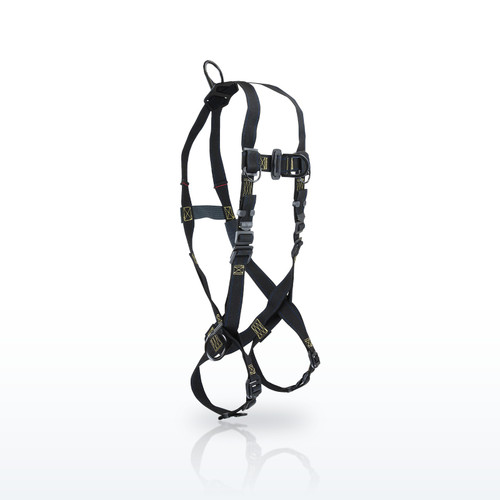
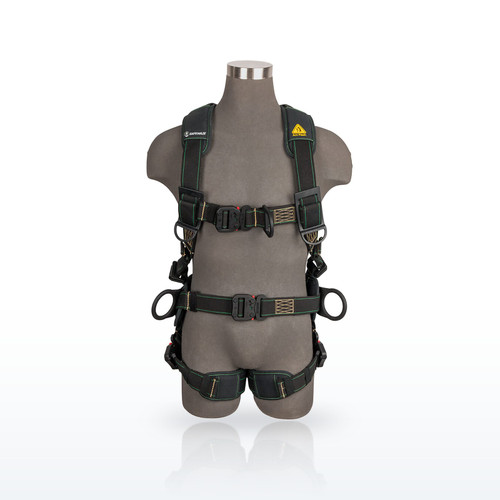
More: every arc-rated harness.
Source: the manufacturers' product pages, specification sheets and catalogs as reproduced on each product page; the ratings and standards shown are the manufacturers' own statements, and the products listed are those whose published data names the rating or the standard, not a selection by Bayshore Safety.
Guides that go further
What is NFPA 70E, and how does it relate to OSHA · NFPA 70E PPE categories 1 to 4 · What PPE should an electrician wear · Arc-rated face shields and hoods · NFPA 2112 vs ASTM F1506 · Arc flash labels · Rubber insulating gloves and leather protectors · NFPA 70E explained.
OSHA 1910.269(l)(8) Protection from Flames and Electric Arcs questions
When must employees wear arc-rated personal equipment? Under 1910.269(l)(8)(v), whenever the employer's estimate of incident heat energy exceeds 2.0 cal/cm², with the arc rating of the clothing at or above the estimate and the whole body covered except as the paragraph allows for hands, feet and head. Below that, (l)(8)(iii) still bans meltable fabrics and (l)(8)(iv) still requires a flame-resistant outer layer above 600 volts or where arcs could ignite material.
What is meant by incident energy? The heat energy an arc would deliver to a surface at the working distance, in calories per square centimeter, which 1910.269(l)(8)(ii) requires the employer to estimate for each exposed employee; Appendix E describes the calculation from available fault current, clearing time and distance. The arc rating on a garment is compared to that number.
What is cal/cm² in arc flash? Calories per square centimeter, the unit for both incident energy and arc ratings. 1.2 cal/cm² is the onset of a second-degree burn, 2.0 cal/cm² is the threshold in 1910.269(l)(8) above which arc-rated protection is required, and 8 cal/cm² is the minimum face shield rating the paragraph names for mid-range exposures.
Is all FR clothing arc rated? No. 1910.269(l)(8)(iv) requires a flame-resistant outer layer, and (l)(8)(v) separately requires an arc rating at or above the estimate; Appendix E explains that arc-rated clothing is flame resistant and has been tested for its arc thermal performance value (ATPV) or breakopen threshold energy (EBT) under ASTM F1506, while FR clothing tested only to NFPA 2112 for flash fire has no arc rating unless the manufacturer also tested it.
What clothing can be worn under arc rated PPE? Anything that does not melt: (l)(8)(iii) prohibits acetate, nylon, polyester, rayon and polypropylene, alone or in blends, next to the skin unless treated. Untreated cotton, wool or silk, or arc-rated base layers, are the materials manufacturers list; a flame-resistant underlayer also adds to the system arc rating when the manufacturer has tested the layers together.
Can arc flash happen at 240 V? Yes, which is why the paragraph keys on incident energy rather than voltage: (l)(8)(ii) requires the estimate for every exposed employee, and the 600 volt figure in (l)(8)(iv)(A) is only one of four triggers for a flame-resistant outer layer. NFPA 70E likewise applies to equipment at 50 volts and above.
The ratings, test results and standards shown here are the manufacturers' published values, reproduced as published. Nothing on this page is a recommendation by Bayshore Safety that any product is suitable for a particular task, hazard or workplace. Selecting safety products and protective equipment is the responsibility of the end user and the employer, based on their own hazard assessment and the regulations that apply to their work. Confirm every value on the manufacturer's own documentation before use.