
OSHA 1910.1000 Air Contaminants: what it requires and the equipment it names
29 CFR 1910.1000 is the rule that makes the permissible exposure limits binding: an employee's exposure to any substance in Tables Z-1, Z-2 and Z-3 must be kept at or below the 8-hour time-weighted average, ceiling or peak listed, by administrative and engineering controls first and protective equipment when those are not feasible. The gas monitors, detector tubes and respirators we carry are the equipment that measures and controls those exposures. We sell nationwide; ships in 1–2 business days; most orders arrive in 3–7 business days.
The plain answer
29 CFR 1910.1000 requires an employer to limit each employee's exposure to the substances in Table Z-1 (most gases, vapors and dusts), Z-2 (a short list of older substances with ceiling and peak values) and Z-3 (mineral dusts) to the 8-hour time-weighted average, the ceiling (C) value that is never to be exceeded, or the acceptable maximum peak listed, computed as the paragraph (d) formulas set out.
Paragraph (e) requires administrative or engineering controls to be used first whenever feasible; when they are not sufficient, protective equipment or other measures are used to keep exposure within the limits, and any equipment or technical measures must be approved for each use by a competent industrial hygienist or other qualified person, with respirators under 1910.134. It applies to all general industry employers; construction has 1926.55 with its own Appendix A.
The rule names no instrument, but the limits are what gas monitors, detector tubes and personal sampling pumps are built to measure, and the NIOSH Pocket Guide prints the OSHA PEL beside the NIOSH REL and IDLH for each substance. Substances with their own standard (lead, silica, benzene, formaldehyde, asbestos) are regulated by those sections instead.
Table Z-1 limits for the gases monitors measure most, with the NIOSH values beside them
| Substance | OSHA PEL (Table Z-1) | NIOSH REL | NIOSH IDLH |
|---|---|---|---|
| Carbon monoxide | TWA 50 ppm | TWA 35 ppm; ceiling 200 ppm | 1,200 ppm |
| Hydrogen sulfide | Ceiling 20 ppm; 50 ppm peak for 10 minutes | Ceiling 10 ppm (10 minutes) | 100 ppm |
| Carbon dioxide | TWA 5,000 ppm | TWA 5,000 ppm; STEL 30,000 ppm | 40,000 ppm |
| Ammonia | TWA 50 ppm | TWA 25 ppm; STEL 35 ppm | 300 ppm |
| Chlorine | Ceiling 1 ppm | Ceiling 0.5 ppm (15 minutes) | 10 ppm |
| Sulfur dioxide | TWA 5 ppm | TWA 2 ppm; STEL 5 ppm | 100 ppm |
| Nitrogen dioxide | Ceiling 5 ppm | STEL 1 ppm | 13 ppm |
| Hydrogen cyanide | TWA 10 ppm (skin) | STEL 4.7 ppm (skin) | 50 ppm |
| Phosphine | TWA 0.3 ppm | TWA 0.3 ppm; STEL 1 ppm | 50 ppm |
| Ozone | TWA 0.1 ppm | Ceiling 0.1 ppm | 5 ppm |
| Toluene | TWA 200 ppm; ceiling 300 ppm; 500 ppm 10-minute peak | TWA 100 ppm; STEL 150 ppm | 500 ppm |
| Benzene (own standard, 1910.1028) | TWA 1 ppm; STEL 5 ppm | TWA 0.1 ppm; STEL 1 ppm (carcinogen) | 500 ppm (carcinogen) |
| Formaldehyde (own standard, 1910.1048) | TWA 0.75 ppm; STEL 2 ppm | TWA 0.016 ppm; ceiling 0.1 ppm (carcinogen) | 20 ppm (carcinogen) |
Source: NIOSH Pocket Guide to Chemical Hazards (cdc.gov/niosh/npg, saved Nov 2 2026); 29 CFR 1910.1000 Table Z-1 (ecfr.gov)
What the rule says
Each entry is condensed from the paragraph cited; the paragraph itself is the rule and the link opens it.
29 CFR 1910.1000(a): Table Z-1: for a substance with a ceiling value, the exposure may at no time exceed it; for a substance with an 8-hour TWA, the exposure in any 8-hour shift of a 40-hour week may not exceed it; a "skin" notation flags substances absorbed through the skin.
29 CFR 1910.1000(b): Table Z-2: the ceiling is never exceeded except for the time and peak value listed in the acceptable maximum peak column, and the 8-hour TWA is not exceeded.
29 CFR 1910.1000(c): Table Z-3 (mineral dusts): the 8-hour TWA may not be exceeded.
29 CFR 1910.1000(d): How to compute: the cumulative 8-hour exposure is the sum of concentration times time for each period divided by 8; for a mixture of substances with similar effects, the sum of each exposure divided by its limit may not exceed one.
29 CFR 1910.1000(e): To achieve compliance, administrative or engineering controls must first be determined and implemented whenever feasible; when such controls are not feasible to achieve full compliance, protective equipment or other protective measures must be used to keep exposure within the limits, and any equipment and technical measures must be approved for each particular use by a competent industrial hygienist or other technically qualified person; respirators follow 1910.134.
Source: 29 CFR, Occupational Safety and Health Standards, as published by OSHA (ecfr.gov), read Nov 9 2026.
California (Cal/OSHA)
Each entry is condensed from the paragraph cited; the paragraph itself is the rule and the link opens it.
Title 8 §5155: California's airborne contaminants section carries its own Table AC-1 with PELs that are often lower than Table Z-1 (for example carbon monoxide 25 ppm TWA, hydrogen sulfide 10 ppm TWA with a 15 ppm STEL), and requires controls first and respirators under §5144.
Source: California Code of Regulations, Title 8, as published by Cal/OSHA (dir.ca.gov), read Nov 9 2026.
Equipment the rule names
| Equipment or condition | What the rule requires | Paragraph |
|---|---|---|
| Any Table Z substance | Exposure at or below the TWA, ceiling or peak listed | 29 CFR 1910.1000(a)-(c) |
| Engineering and administrative controls | First, whenever feasible | 29 CFR 1910.1000(e) |
| Protective equipment (respirators) | When controls are not feasible, under 1910.134, approved for the use by a qualified person | 29 CFR 1910.1000(e) |
| Measurement | The rule presumes exposure is measured; direct-reading monitors, detector tubes and sampling pumps are the instruments | 29 CFR 1910.1000(d) |
Source: 29 CFR, Occupational Safety and Health Standards, as published by OSHA (ecfr.gov), read Nov 9 2026.
What we carry for it
Each table lists products whose manufacturer data states the rating or the standard the rule names, every brand we carry that does, with the current price. Sizes and versions are chosen on the product page. The selector linked under each table holds every item of that type.
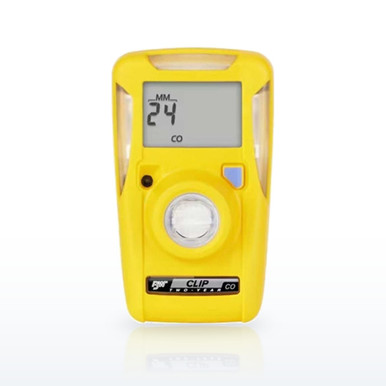
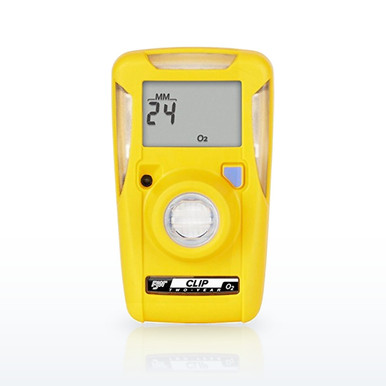
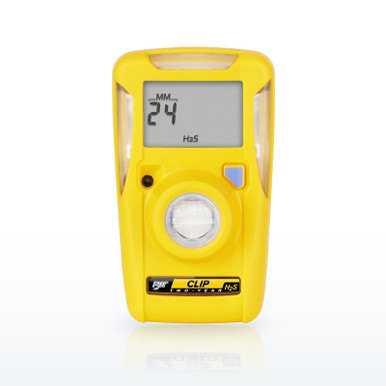
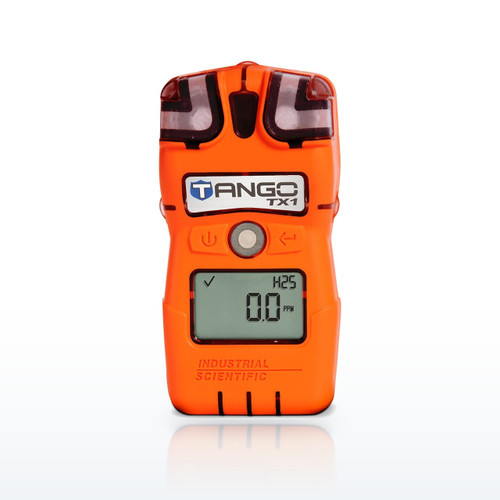
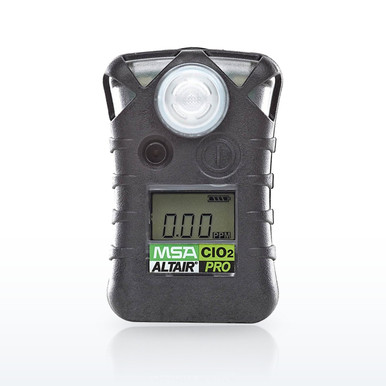
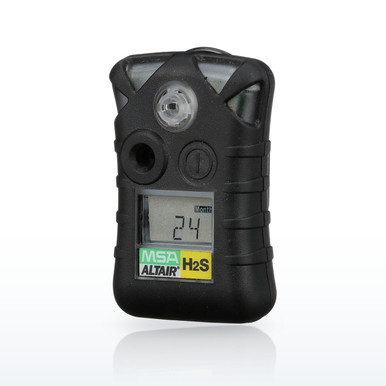
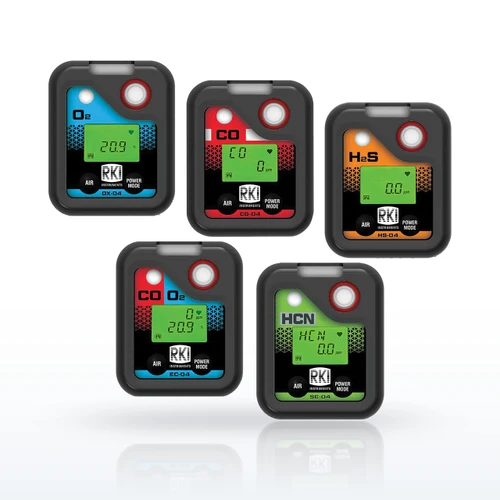
Single-gas monitors for CO, H2S, O2 and other Table Z-1 gases




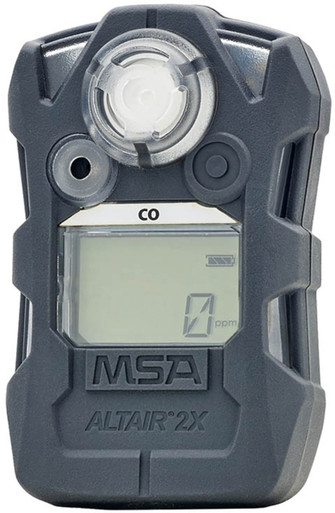
More: every single-gas monitor by gas.
Source: the manufacturers' product pages, specification sheets and catalogs as reproduced on each product page; the ratings and standards shown are the manufacturers' own statements, and the products listed are those whose published data names the rating or the standard, not a selection by Bayshore Safety.
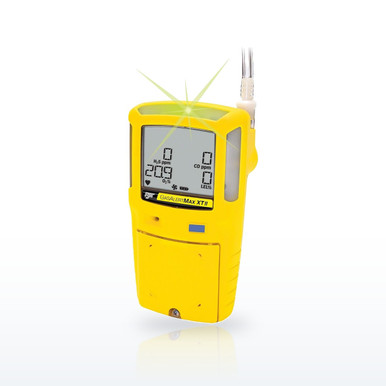
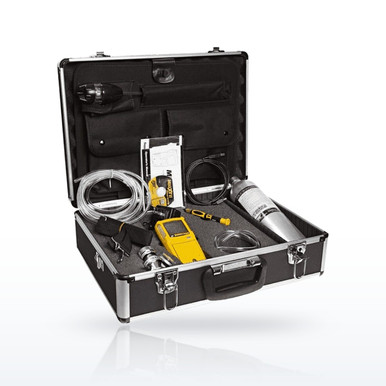
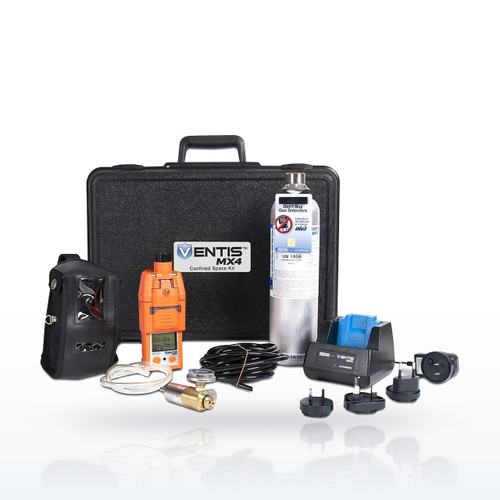
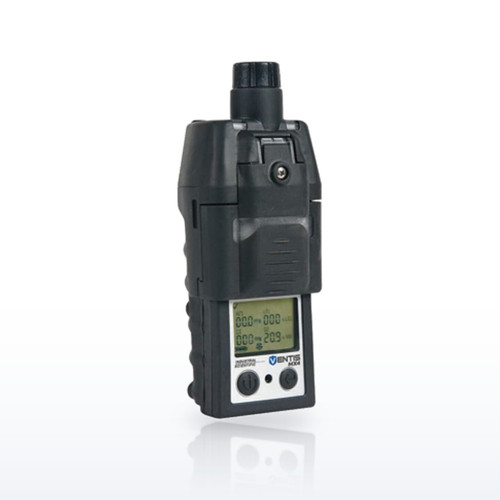
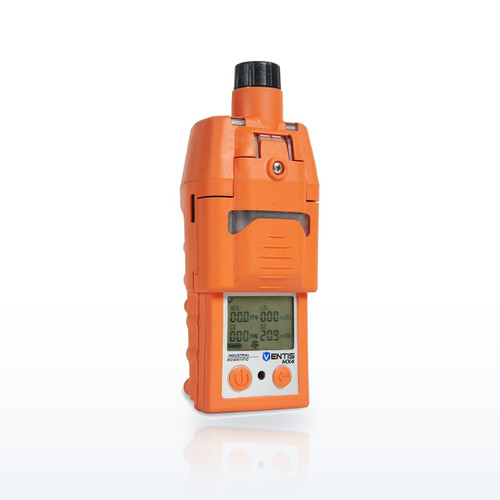
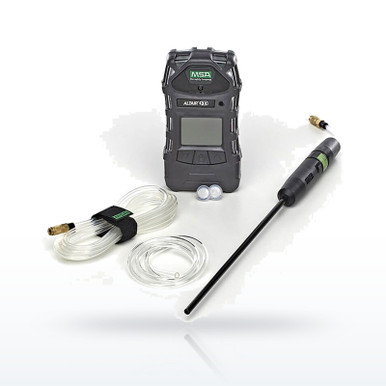
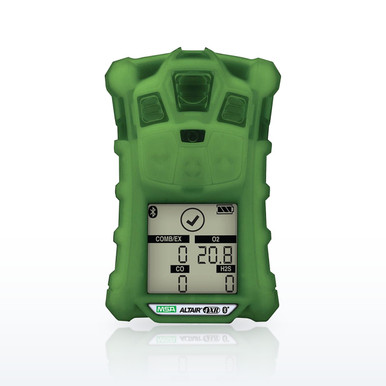
Multi-gas monitors with toxic sensors (H2S, CO, SO2, NH3, Cl2, NO2)
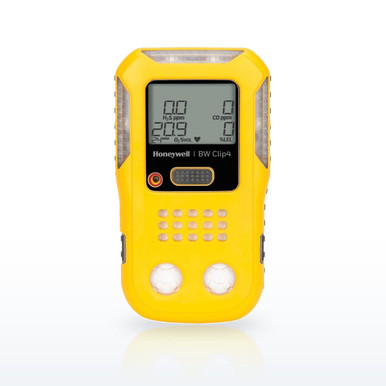
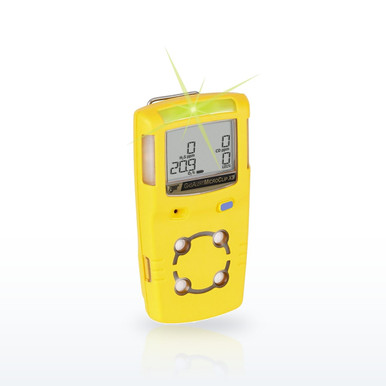
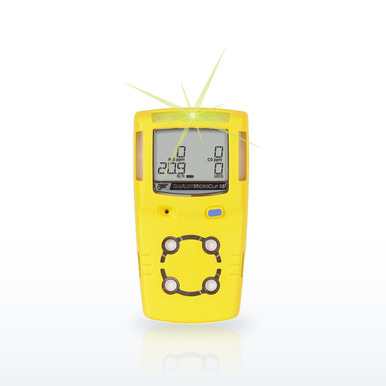




More: every multi-gas monitor by sensor set.
Source: the manufacturers' product pages, specification sheets and catalogs as reproduced on each product page; the ratings and standards shown are the manufacturers' own statements, and the products listed are those whose published data names the rating or the standard, not a selection by Bayshore Safety.
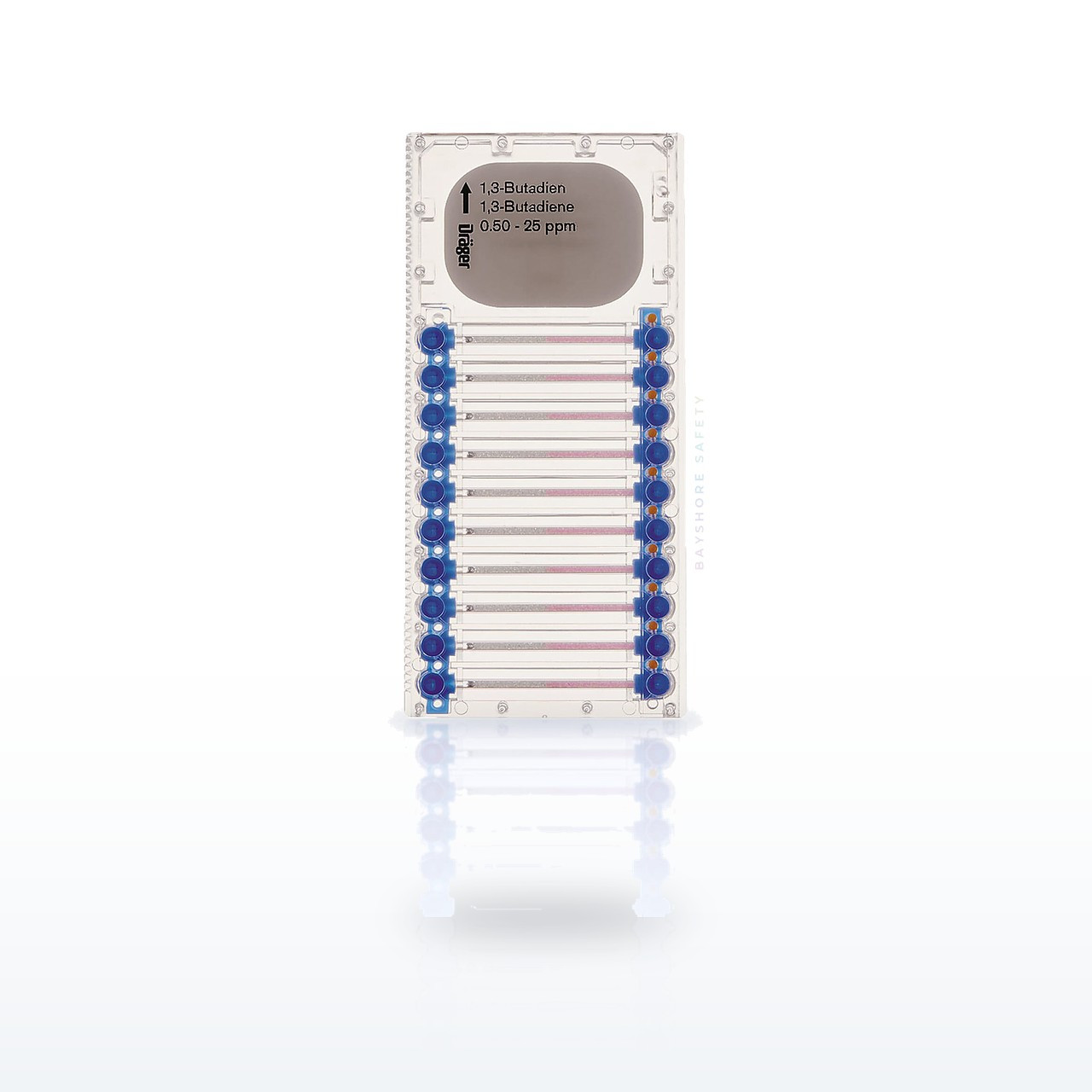
Detector tubes and pumps for spot measurements against a PEL
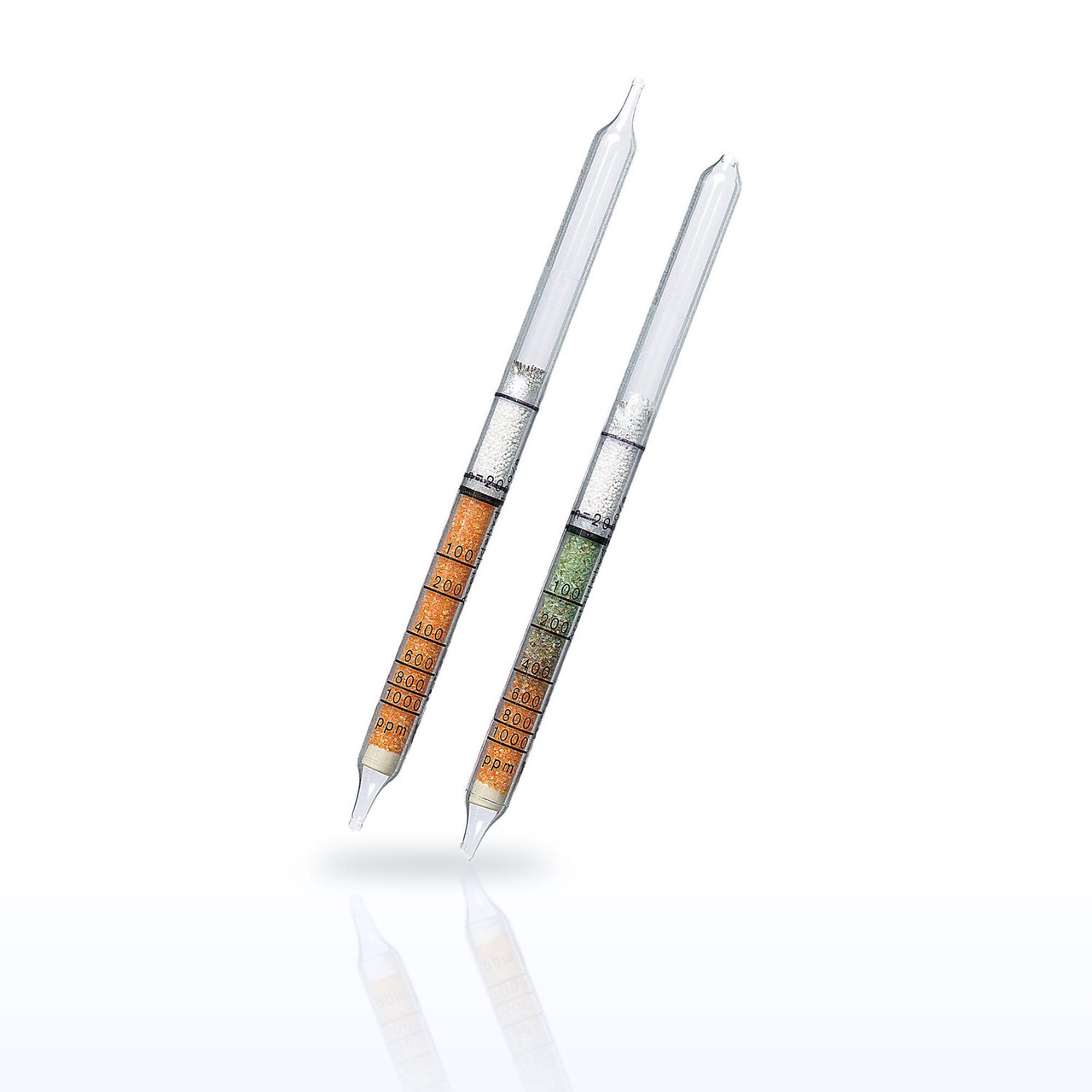
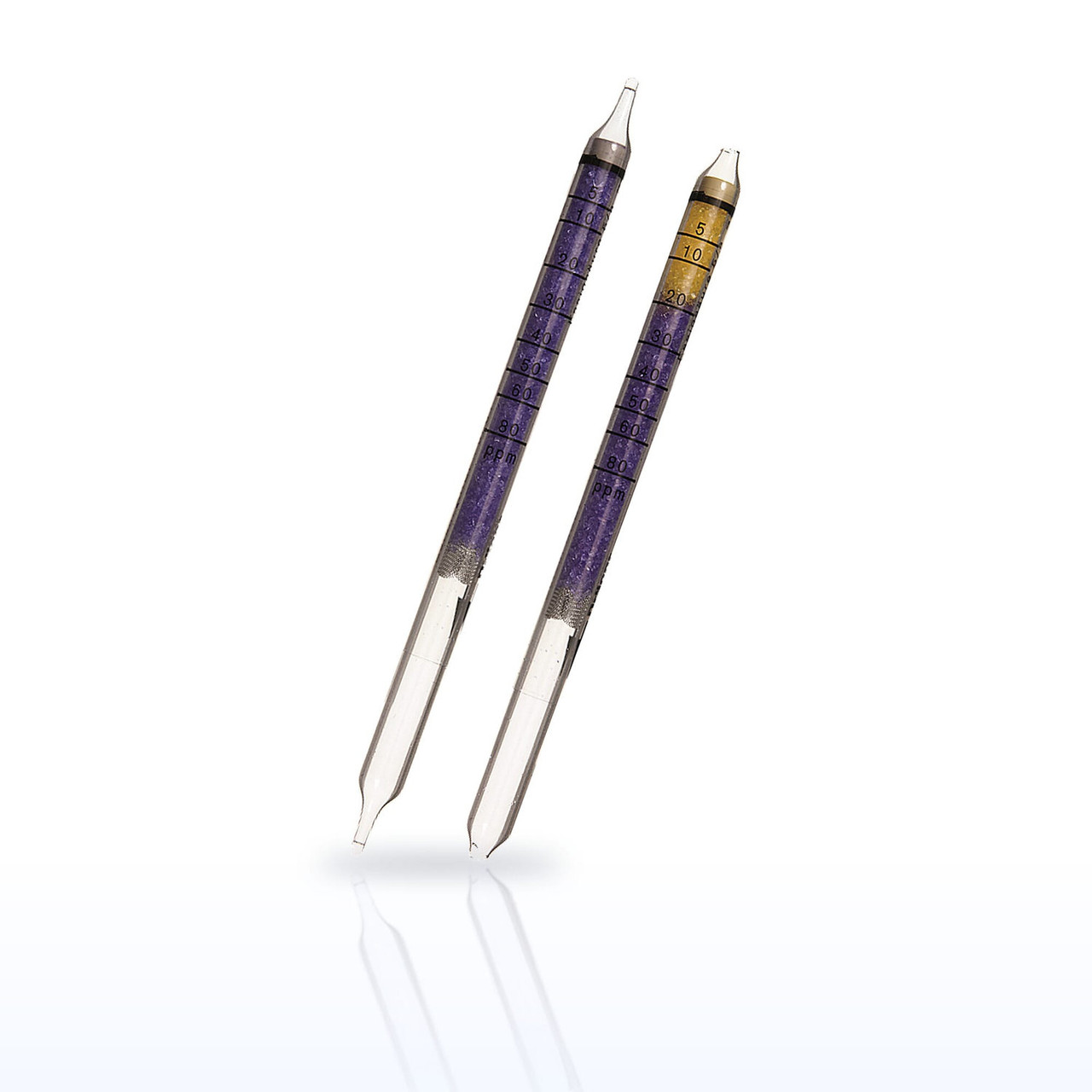
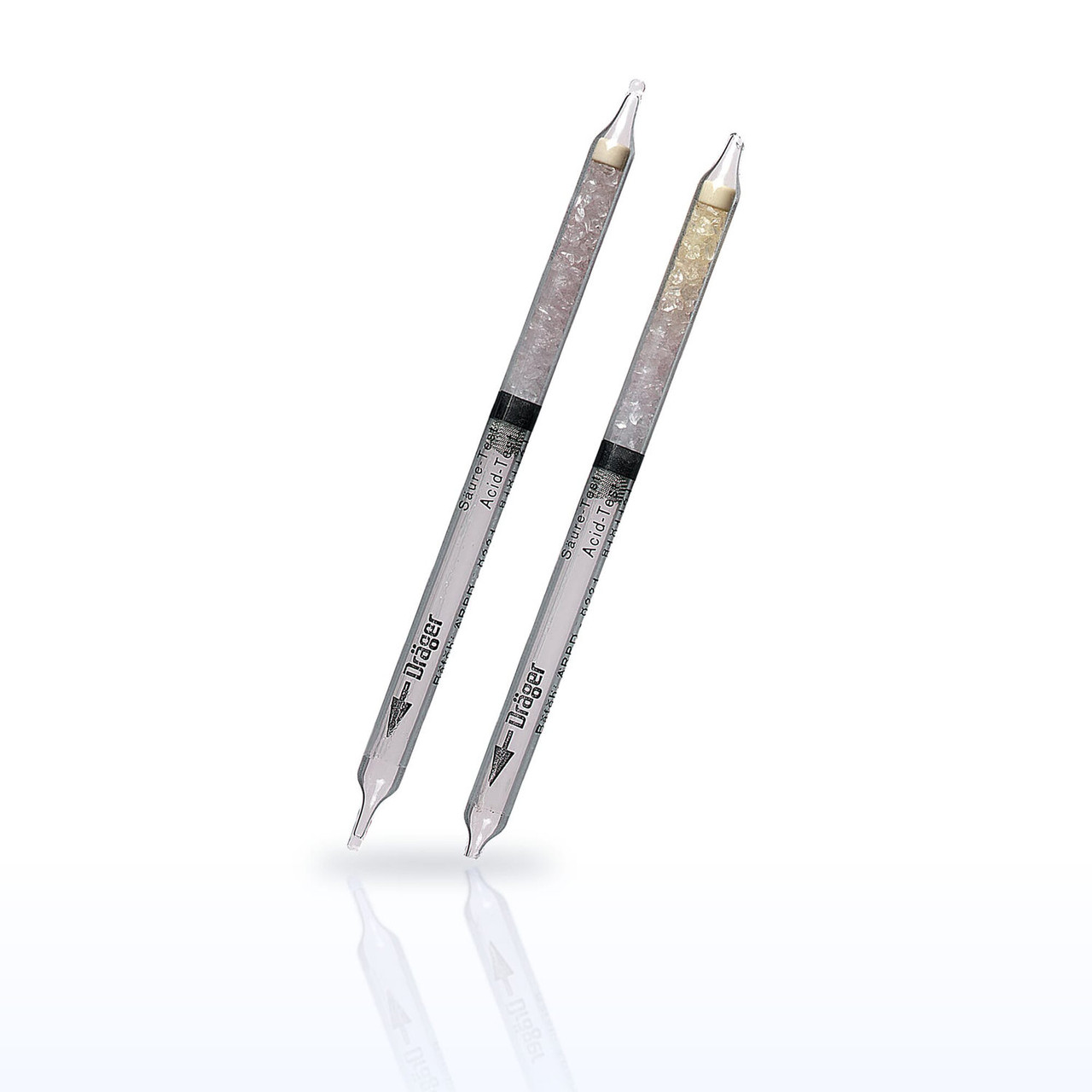
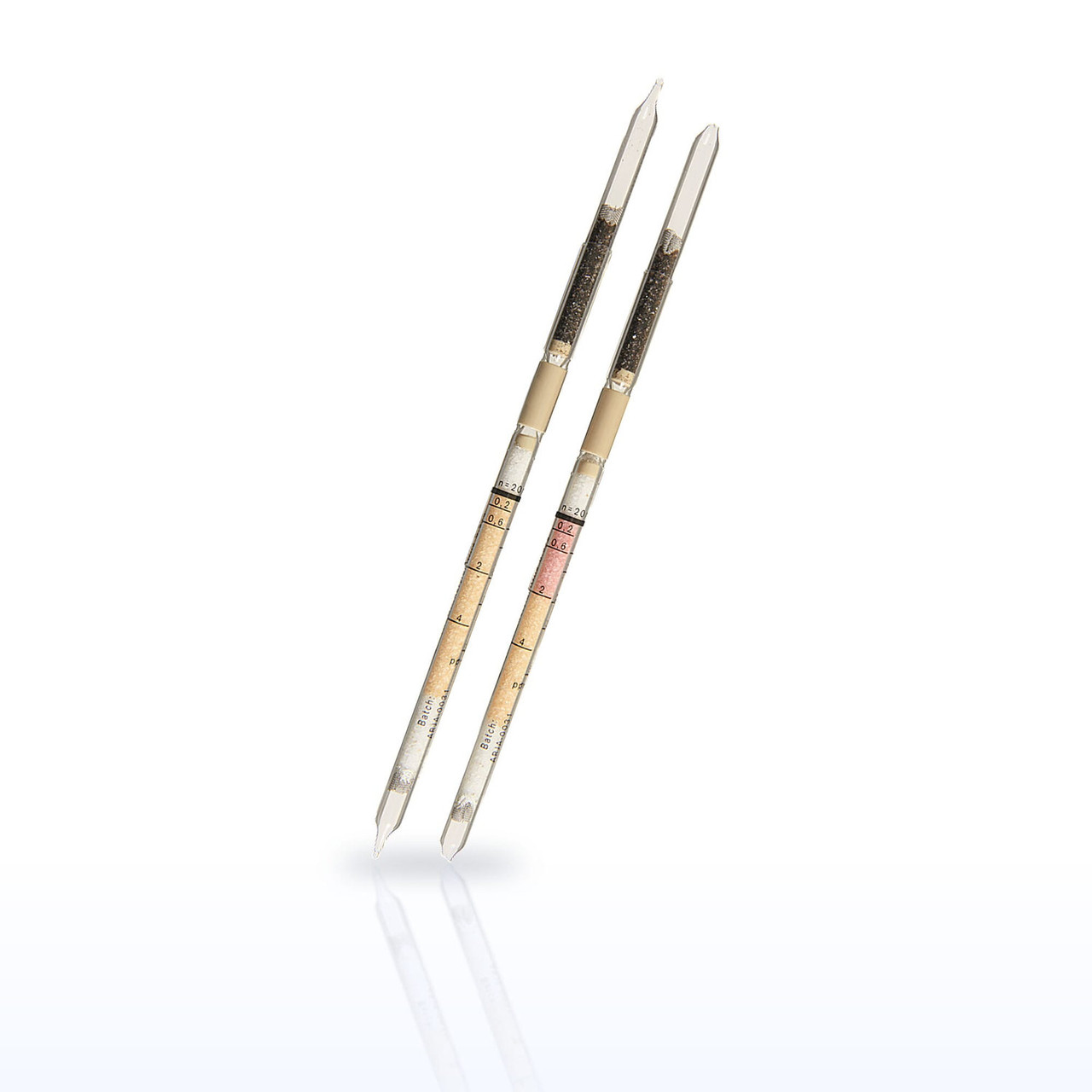
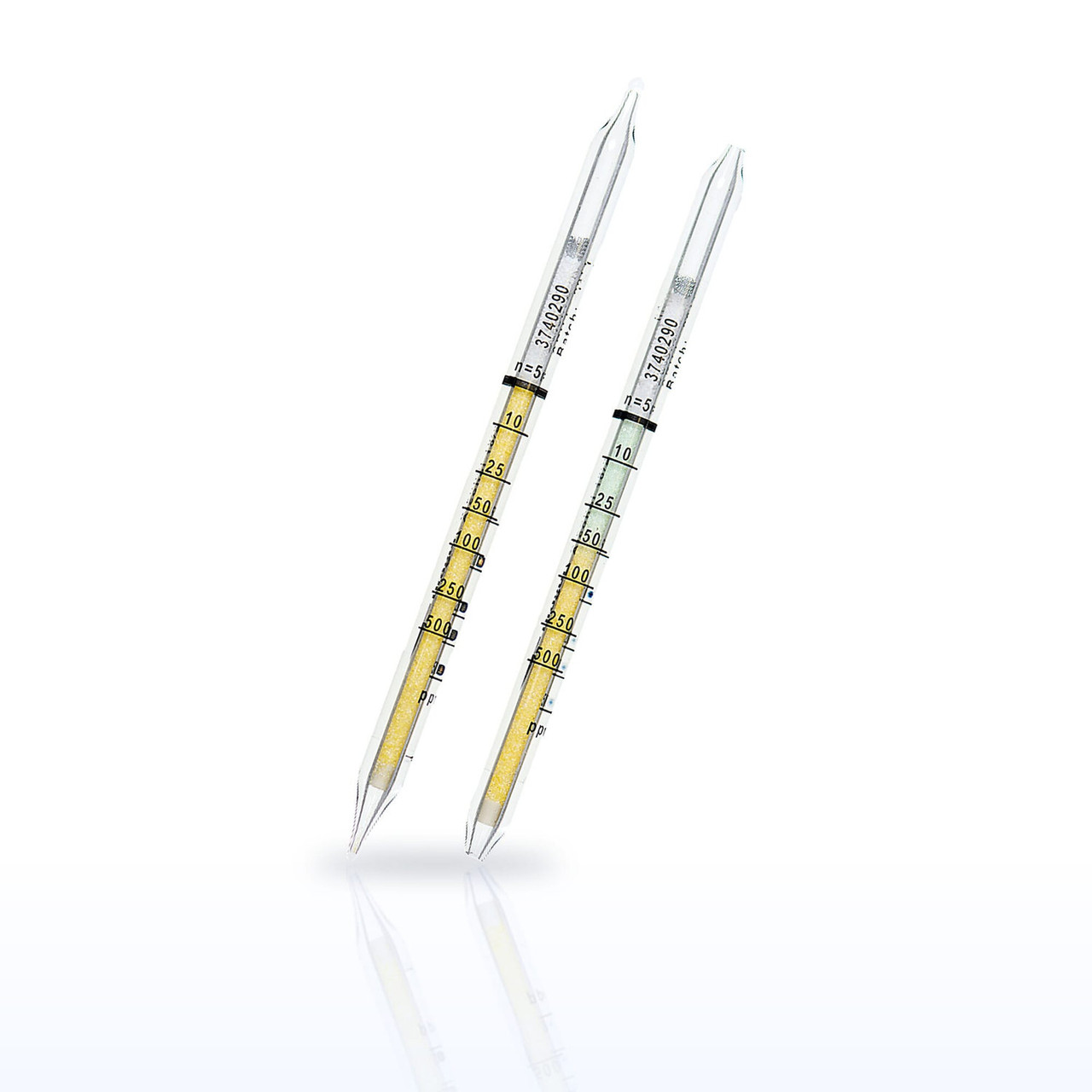
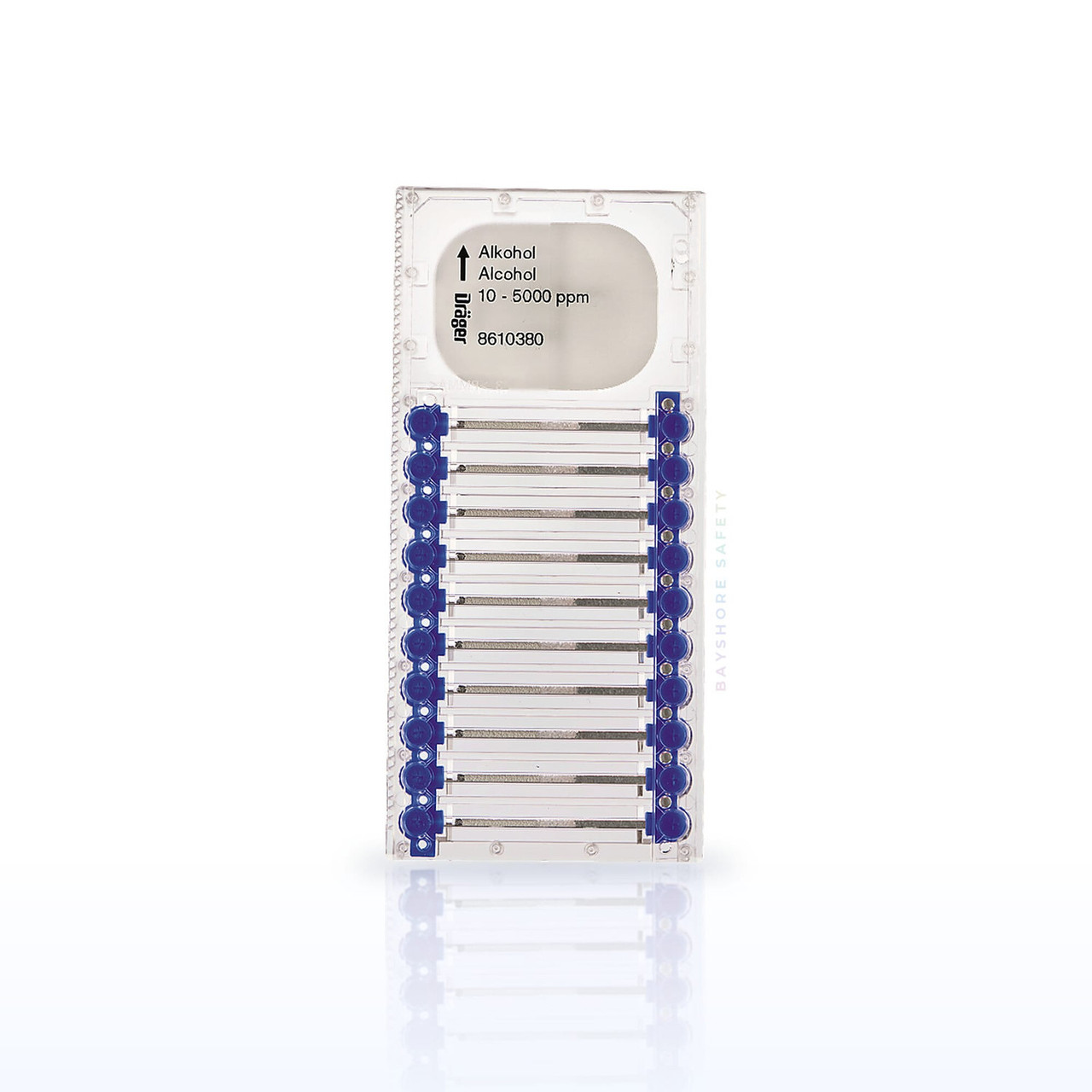
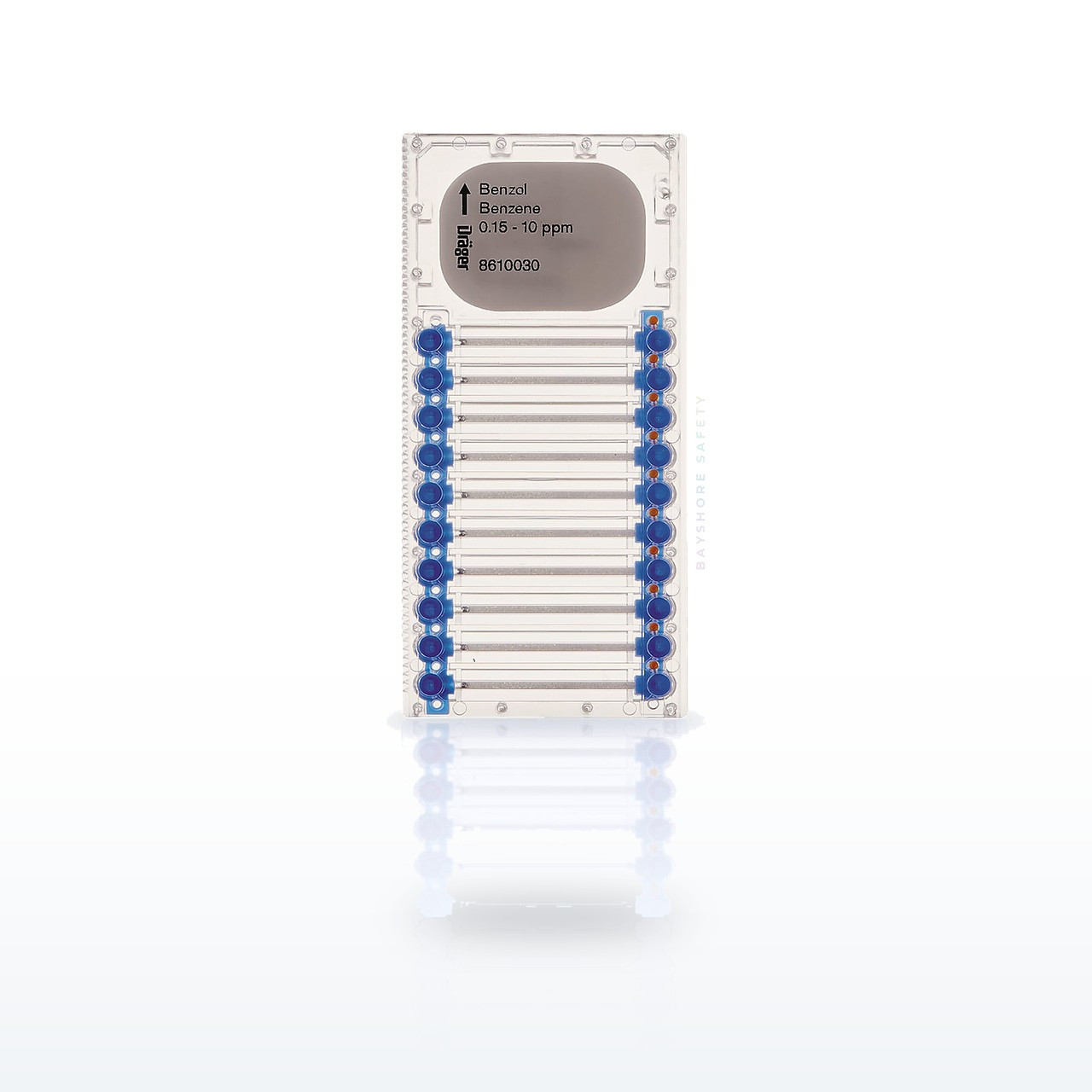


More: every detector tube by gas and range.
Source: the manufacturers' product pages, specification sheets and catalogs as reproduced on each product page; the ratings and standards shown are the manufacturers' own statements, and the products listed are those whose published data names the rating or the standard, not a selection by Bayshore Safety.
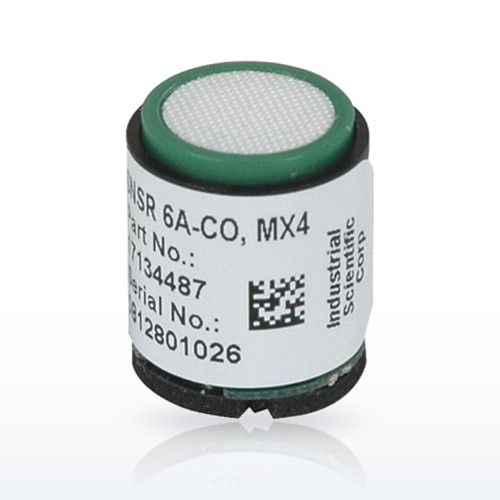
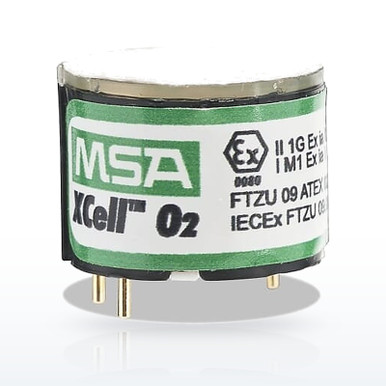
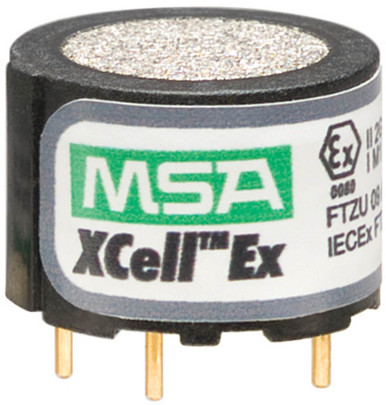
Replacement sensors

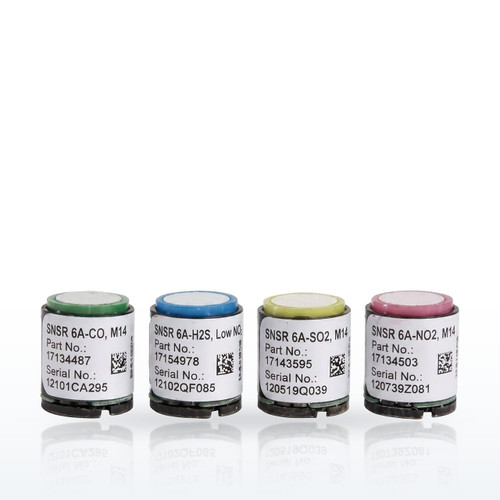
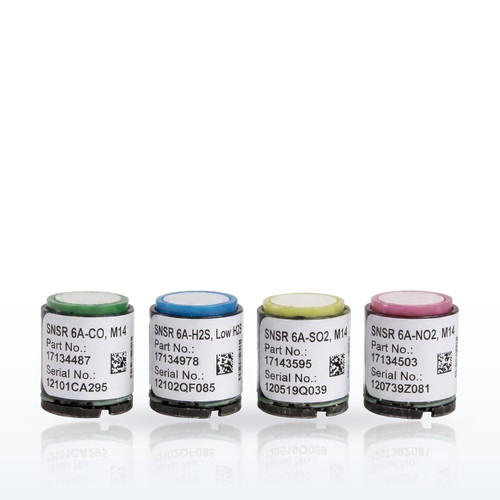
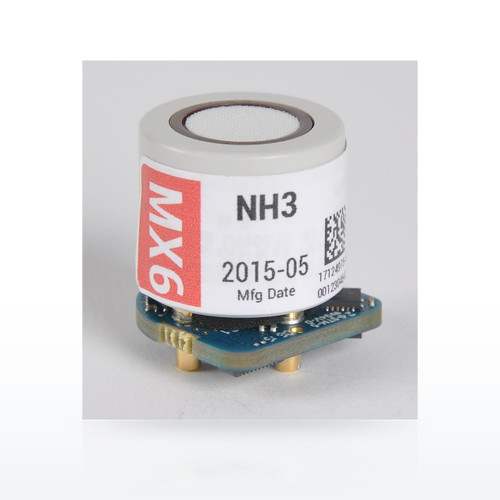
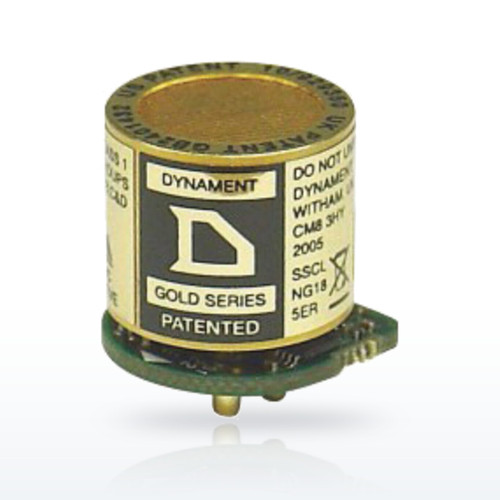
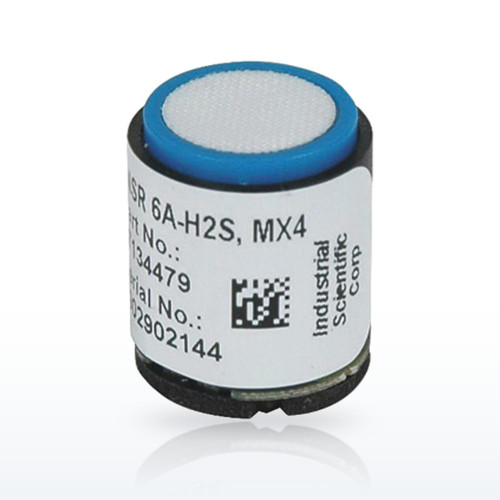


More: every replacement sensor by gas.
Source: the manufacturers' product pages, specification sheets and catalogs as reproduced on each product page; the ratings and standards shown are the manufacturers' own statements, and the products listed are those whose published data names the rating or the standard, not a selection by Bayshore Safety.
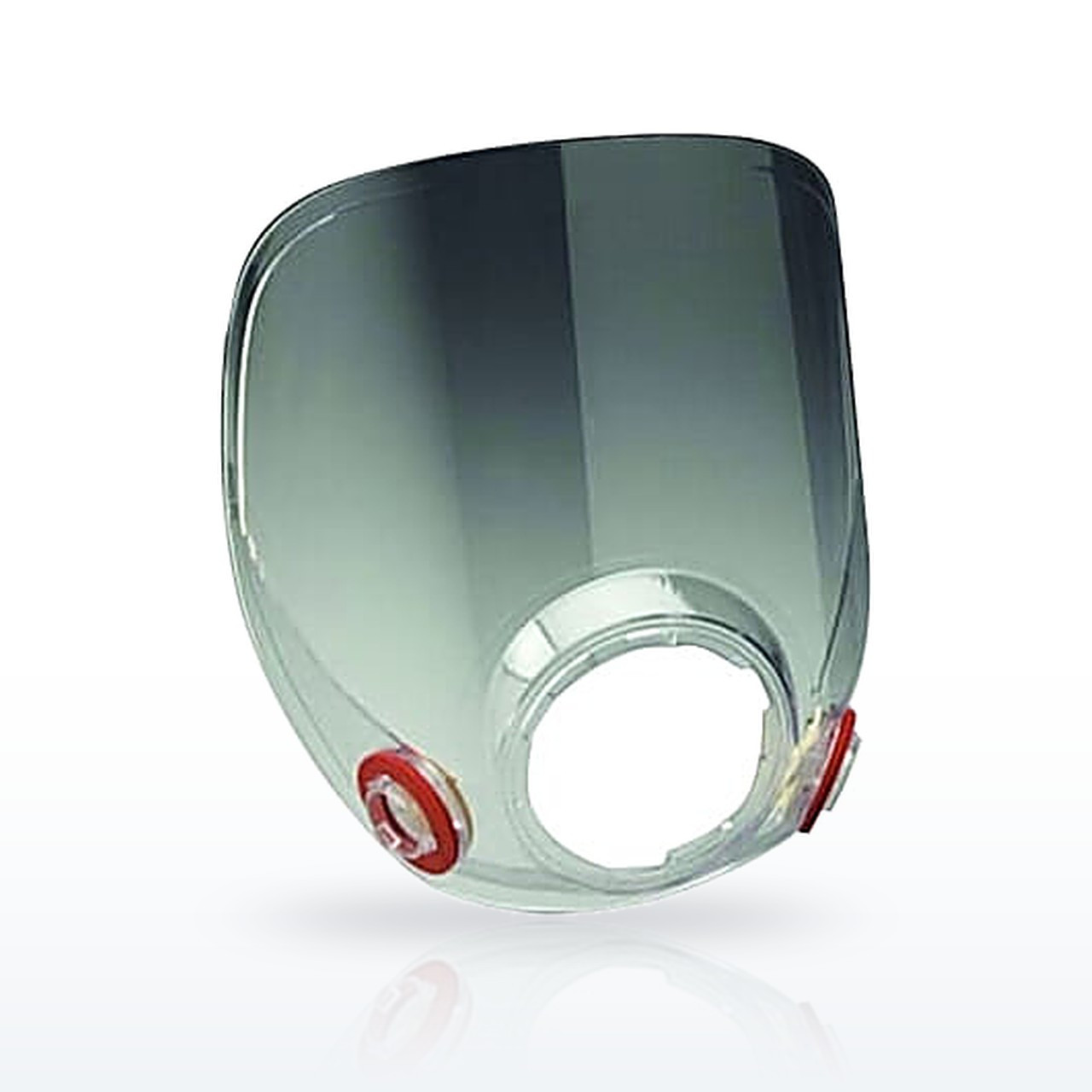
Respirator cartridges for gases and vapors above the PEL

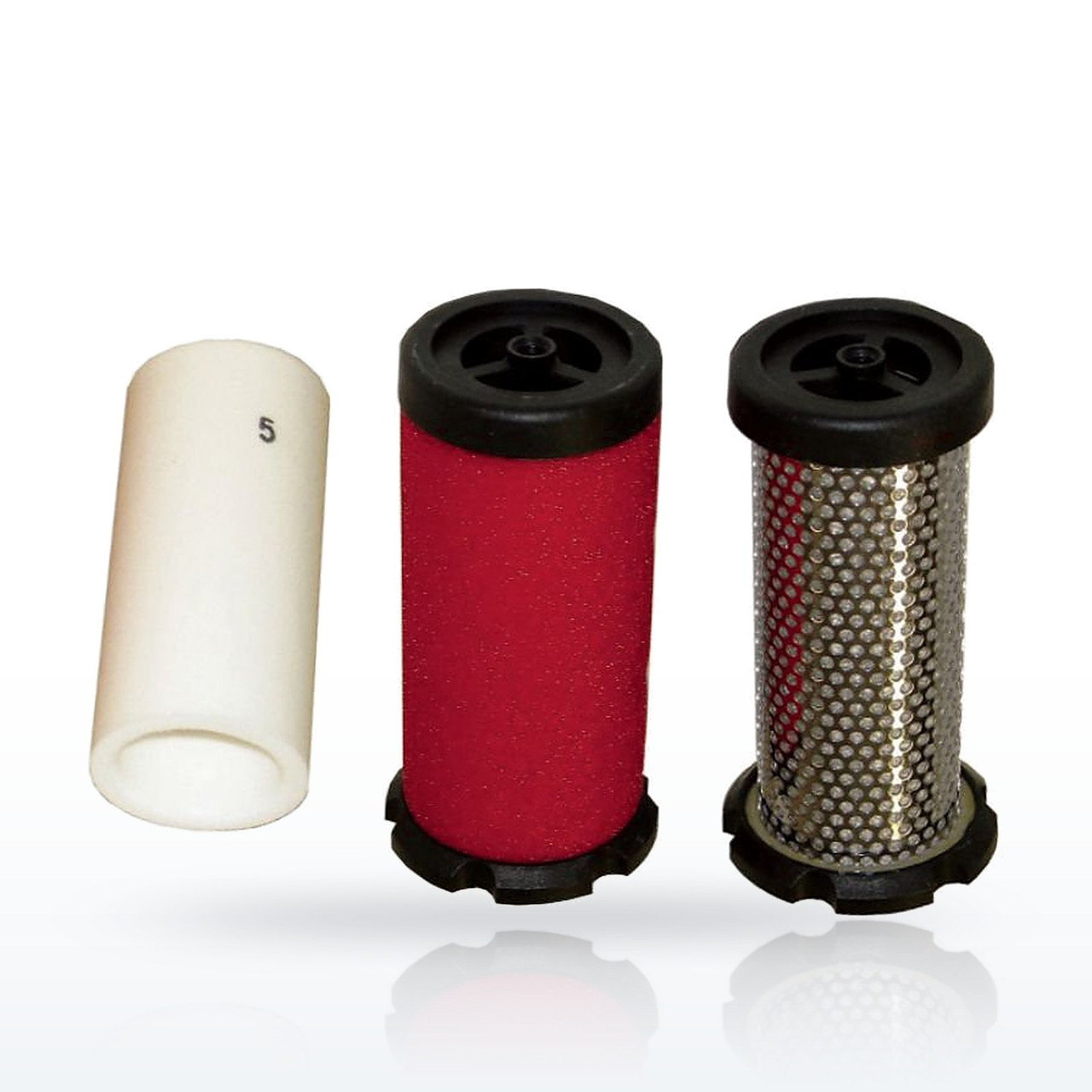

More: every cartridge by NIOSH approval.
Source: the manufacturers' product pages, specification sheets and catalogs as reproduced on each product page; the ratings and standards shown are the manufacturers' own statements, and the products listed are those whose published data names the rating or the standard, not a selection by Bayshore Safety.
Guides that go further
H2S exposure limits and ppm chart · What is the carbon monoxide exposure limit at work · Carbon dioxide exposure limits · Benzene exposure limits · Which Draeger tube range covers the OSHA PEL or the IDLH · What is LEL, and what does 10 percent LEL mean on a gas monitor · Draeger tubes by gas, with the limits beside each range.
OSHA 1910.1000 Air Contaminants questions
What is the permissible exposure limit (PEL)? The concentration of an airborne substance that 29 CFR 1910.1000 says an employee's exposure may not exceed: an 8-hour time-weighted average for most substances, a ceiling (C) value that may never be exceeded for others, and for the Table Z-2 substances an acceptable maximum peak for a stated time. The values are in Tables Z-1, Z-2 and Z-3.
Are PELs legally enforceable? Yes. 1910.1000 is a standard under the OSH Act, so exceeding a Table Z limit is a violation; paragraph (e) also makes the order of controls enforceable, with engineering and administrative controls required first and protective equipment second. NIOSH RELs and ACGIH TLVs are recommendations unless a state plan adopts them, as California has for many substances in §5155.
What is the OSHA exposure limit for carbon monoxide? 50 ppm as an 8-hour TWA in Table Z-1. NIOSH recommends 35 ppm TWA with a 200 ppm ceiling, Cal/OSHA's Table AC-1 sets 25 ppm, and the IDLH is 1,200 ppm, which is why CO monitors alarm well below the PEL.
What is the OSHA PEL for carbon dioxide? 5,000 ppm (0.5 percent) as an 8-hour TWA in Table Z-1, the same as the NIOSH REL, with a NIOSH STEL of 30,000 ppm and an IDLH of 40,000 ppm.
What is OSHA's 8-hour exposure limit? The 8-hour time-weighted average column of Table Z-1: the average concentration over an 8-hour shift that may not be exceeded, computed by the formula in 1910.1000(d)(1) (concentration times time for each period, summed and divided by 8). Short excursions above the TWA are allowed as long as the average holds and no ceiling or peak is exceeded.
What are the OSHA dust exposure limits? Table Z-1 sets 15 mg/m³ total and 5 mg/m³ respirable for particulates not otherwise regulated, and Table Z-3 sets the mineral dust limits; respirable crystalline silica has its own standard at 1910.1053 (50 µg/m³ TWA), as do lead (1910.1025) and asbestos (1910.1001).
The ratings, test results and standards shown here are the manufacturers' published values, reproduced as published. Nothing on this page is a recommendation by Bayshore Safety that any product is suitable for a particular task, hazard or workplace. Selecting safety products and protective equipment is the responsibility of the end user and the employer, based on their own hazard assessment and the regulations that apply to their work. Confirm every value on the manufacturer's own documentation before use.