
OSHA 1910.133 Eye and Face Protection: what it requires and the equipment it names
29 CFR 1910.133 is the general industry eye and face protection rule: it says when protection is required, requires side protection against flying objects, covers prescription wearers, sets filter shades for welding, and names ANSI/ISEA Z87.1 as the design standard. We sell nationwide; ships in 1–2 business days; most orders arrive in 3–7 business days.
The plain answer
29 CFR 1910.133 requires each affected employee to use appropriate eye or face protection when exposed to flying particles, molten metal, liquid chemicals, acids or caustic liquids, chemical gases or vapors, or potentially injurious light radiation.
It applies to general industry employers (construction has the matching rule at 1926.102). The protection must provide side protection when there is a flying-object hazard, must work with or over prescription lenses, must be marked with the manufacturer, and must carry a filter shade appropriate to the welding or cutting operation.
The equipment it names is any eye and face protection built to ANSI/ISEA Z87.1-2010, ANSI Z87.1-2003 or ANSI Z87.1-1989 (R-1998), or protection the employer demonstrates is at least as effective. Manufacturers mark the current edition on the lens or frame; the Z87 mark is what the rule turns on.
What the rule says
Each entry is condensed from the paragraph cited; the paragraph itself is the rule and the link opens it.
29 CFR 1910.133(a)(1): The employer must ensure that each affected employee uses appropriate eye or face protection when exposed to eye or face hazards from flying particles, molten metal, liquid chemicals, acids or caustic liquids, chemical gases or vapors, or potentially injurious light radiation.
29 CFR 1910.133(a)(2): Eye protection must provide side protection when there is a hazard from flying objects; detachable side protectors (clip-on or slide-on side shields) meeting the section are acceptable.
29 CFR 1910.133(a)(3): An employee who wears prescription lenses during operations with eye hazards must wear eye protection that incorporates the prescription or that can be worn over the prescription lenses without disturbing either pair.
29 CFR 1910.133(a)(4): Eye and face PPE must be distinctly marked to identify the manufacturer.
29 CFR 1910.133(a)(5): Filter lenses must have a shade number appropriate for the work; the table in the paragraph lists minimum protective shades by operation, for example shade 7 to 11 for shielded metal arc welding by arc current, 8 to 10 for gas tungsten arc welding, 10 for light air carbon arc cutting, 3 for torch brazing and 2 for torch soldering.
29 CFR 1910.133(b)(1): Protective eye and face devices must comply with ANSI/ISEA Z87.1-2010, ANSI Z87.1-2003 or ANSI Z87.1-1989 (R-1998), each incorporated by reference in 1910.6.
29 CFR 1910.133(b)(2): Devices the employer demonstrates are at least as effective as devices built to one of those standards are deemed in compliance with the section.
Source: 29 CFR, Occupational Safety and Health Standards, as published by OSHA (ecfr.gov), read Nov 9 2026.
California (Cal/OSHA)
Each entry is condensed from the paragraph cited; the paragraph itself is the rule and the link opens it.
Title 8 §3382(a): Employees working where there is a risk of eye injuries such as punctures, abrasions, contusions or burns from flying particles, hazardous substances, projections or injurious light rays must be safeguarded by face or eye protection suitable for the exposure; screens or shields isolating the exposure may be adequate for nearby employees.
Title 8 §3382(b): Where exposed to injurious light rays, the lens shade is selected from Table EP-1, which matches the federal construction table: shade 10 for shielded metal arc welding with 1/16 to 5/32 inch electrodes, 11 and 12 for gas-shielded arc welding, 14 for carbon arc, 2 for soldering, 3 or 4 for torch brazing and light cutting.
Source: California Code of Regulations, Title 8, as published by Cal/OSHA (dir.ca.gov), read Nov 9 2026.
Equipment the rule names
| Equipment or condition | What the rule requires | Paragraph |
|---|---|---|
| Any eye or face protector | Built to ANSI/ISEA Z87.1-2010, Z87.1-2003 or Z87.1-1989 (R-1998) | 29 CFR 1910.133(b)(1) |
| Flying-object hazard | Side protection required; clip-on or slide-on side shields acceptable | 29 CFR 1910.133(a)(2) |
| Prescription wearers | Prescription safety eyewear, or protection worn over the prescription lenses | 29 CFR 1910.133(a)(3) |
| Marking | Manufacturer identification on the protector | 29 CFR 1910.133(a)(4) |
| Welding and cutting | Filter lens shade from the table in (a)(5), e.g. shade 10 for shielded metal arc at 160 to 250 A | 29 CFR 1910.133(a)(5) |
Source: 29 CFR, Occupational Safety and Health Standards, as published by OSHA (ecfr.gov), read Nov 9 2026.
What we carry for it
Each table lists products whose manufacturer data states the rating or the standard the rule names, every brand we carry that does, with the current price. Sizes and versions are chosen on the product page. The selector linked under each table holds every item of that type.
Safety glasses whose manufacturers state the Z87.1+ high-impact mark
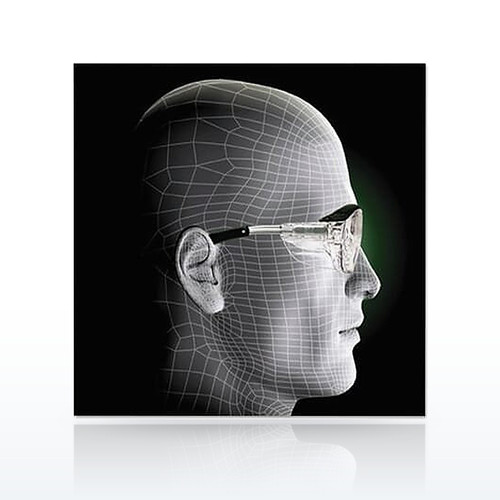
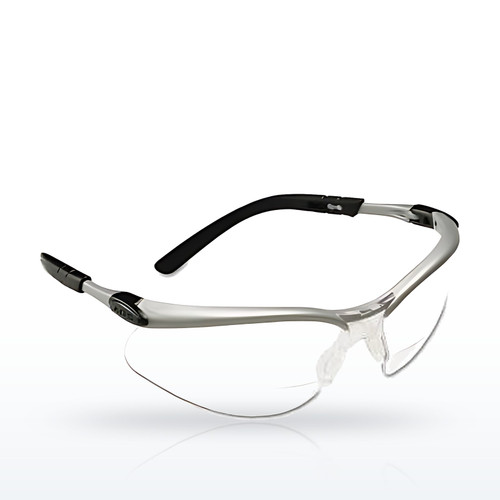
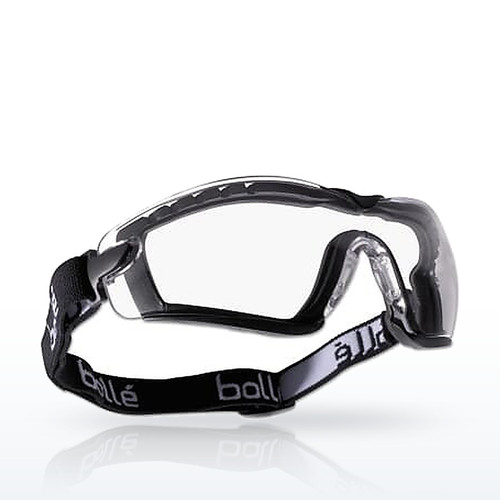
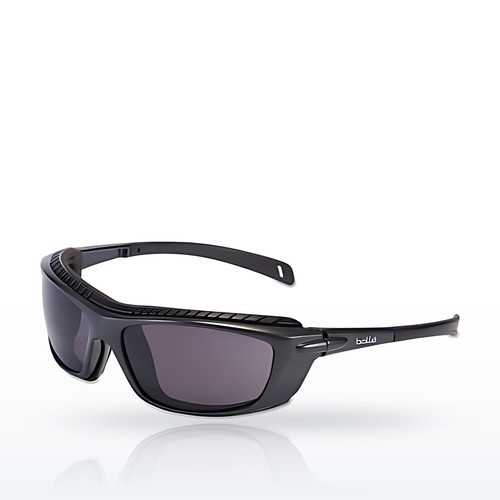
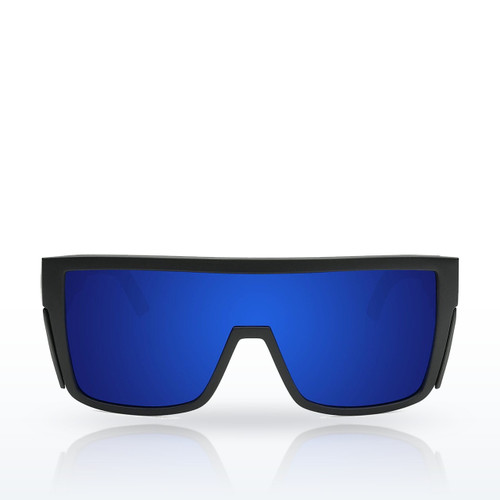
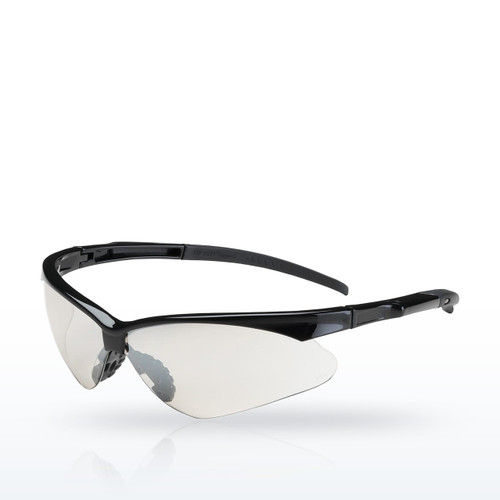
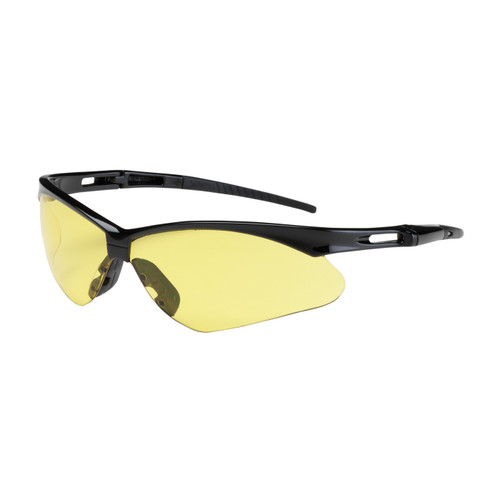

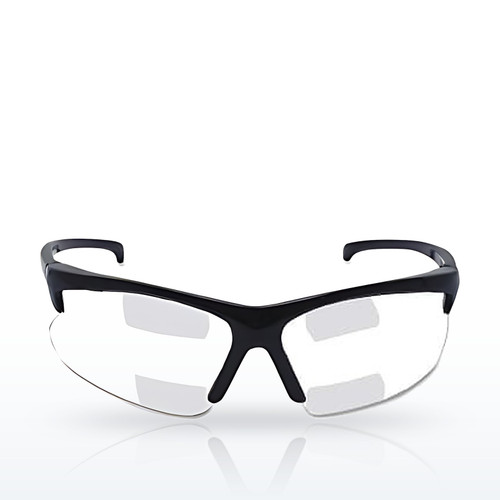
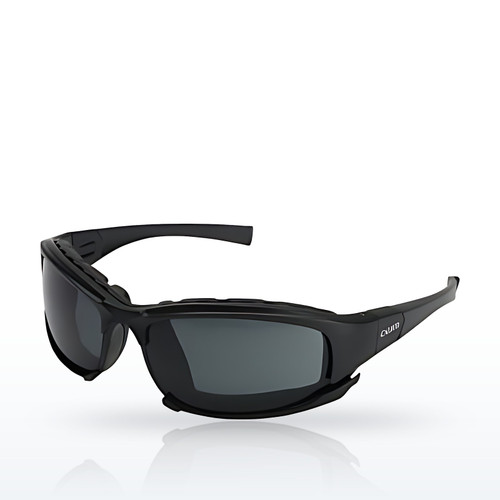


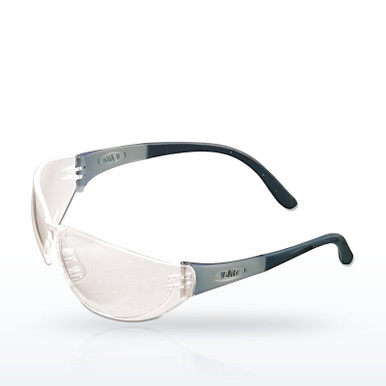
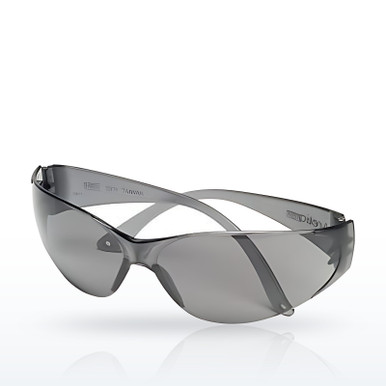
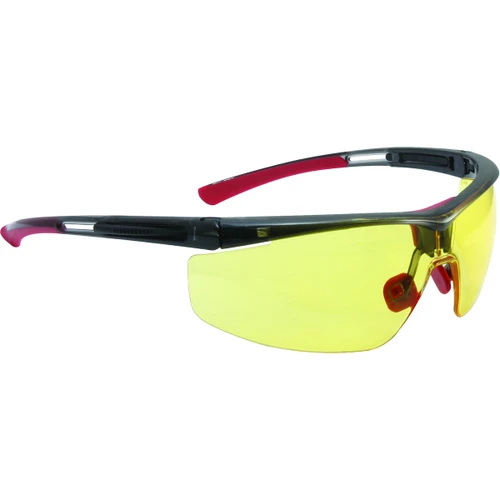
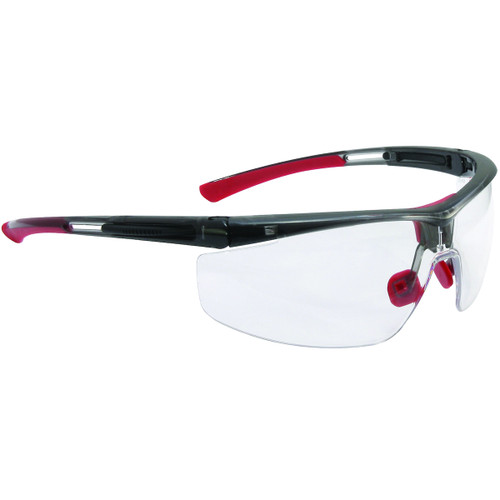
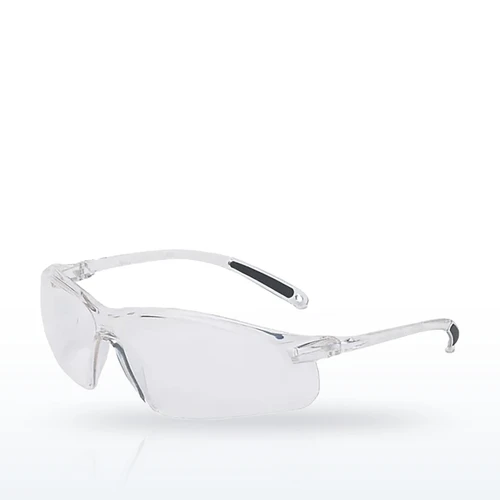
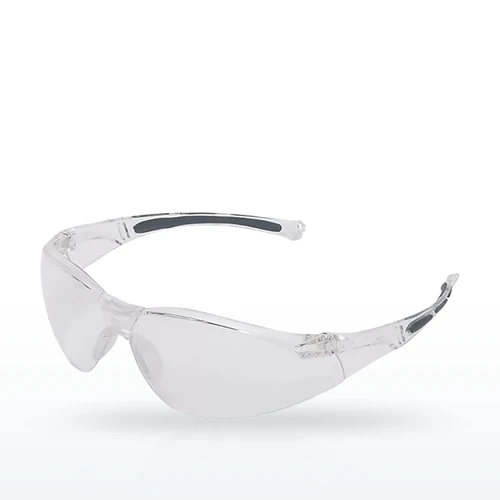
More: every safety glass by Z87 mark, tint, coating and brand.
Source: the manufacturers' product pages, specification sheets and catalogs as reproduced on each product page; the ratings and standards shown are the manufacturers' own statements, and the products listed are those whose published data names the rating or the standard, not a selection by Bayshore Safety.
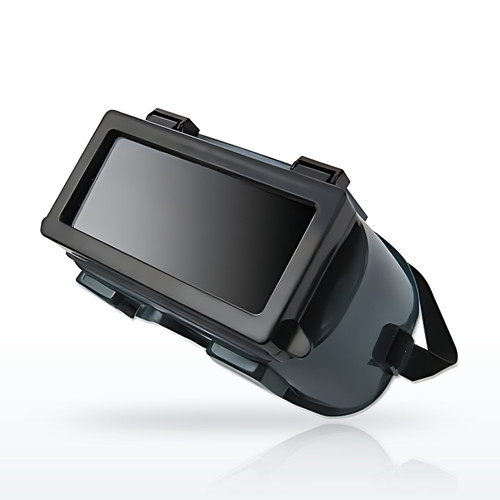
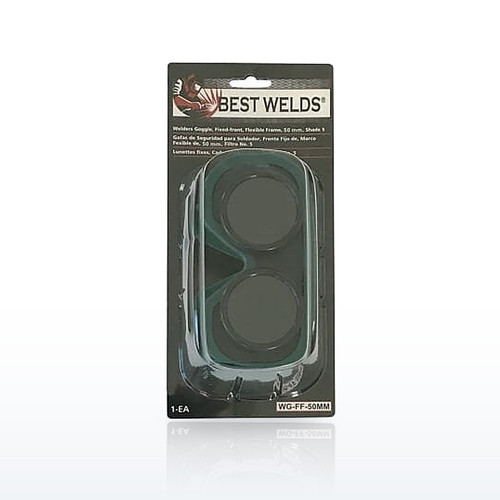
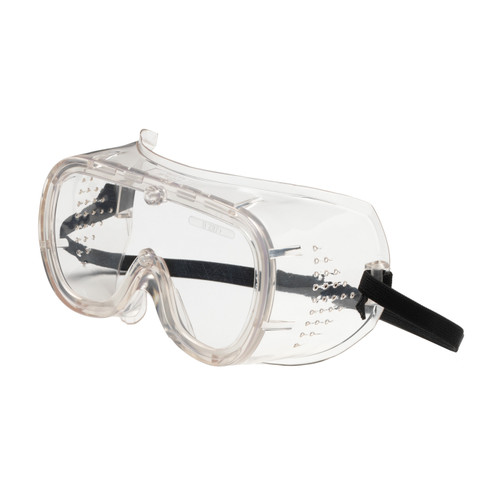
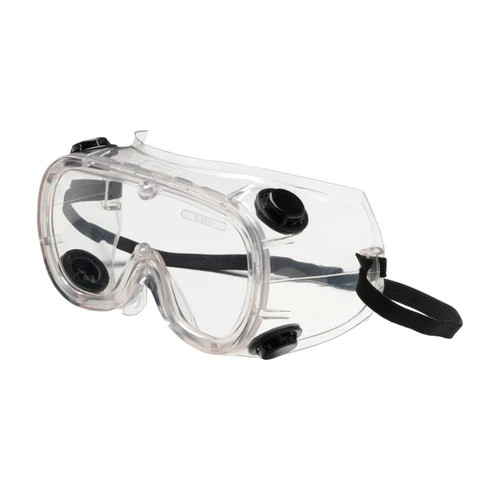
Safety goggles (splash and dust marks are on each product page)


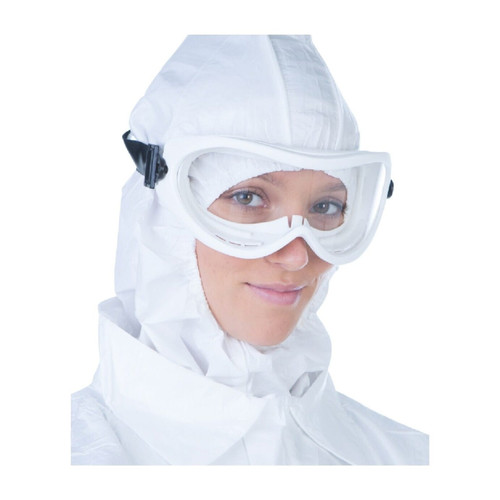
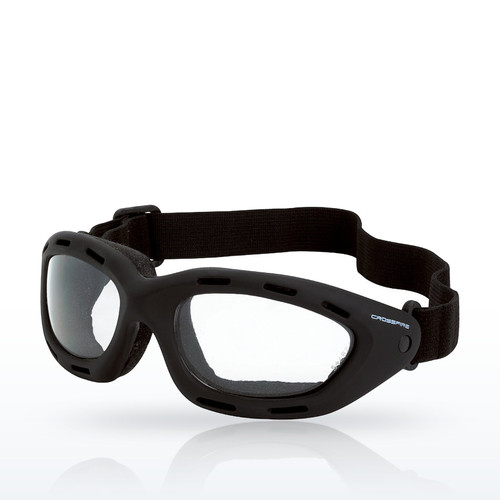
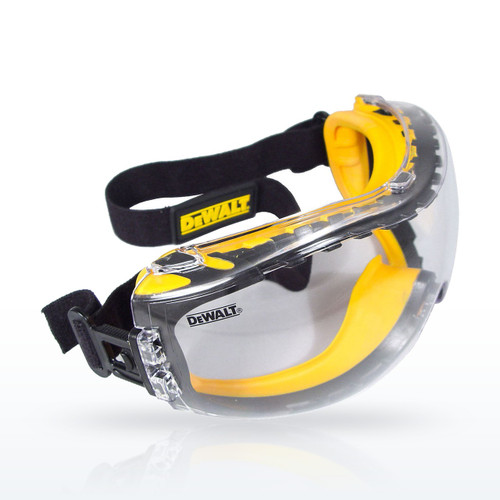
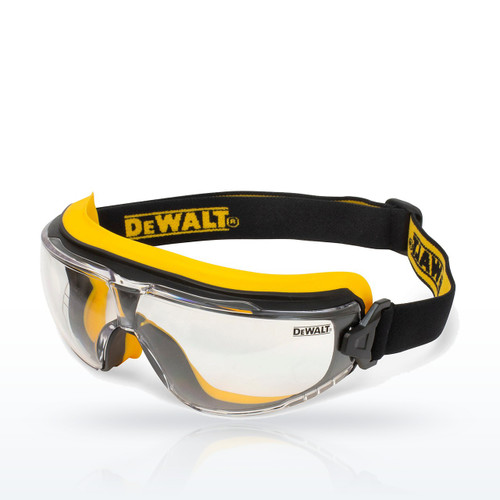
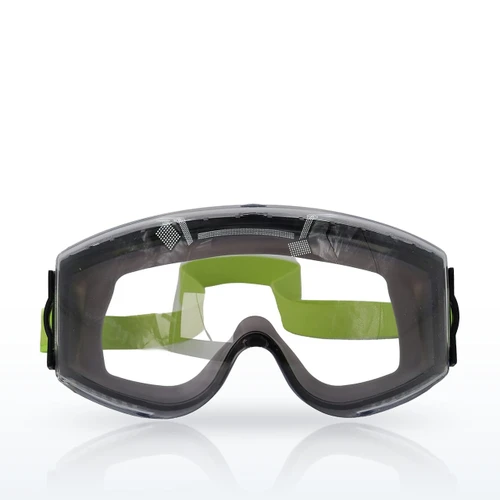
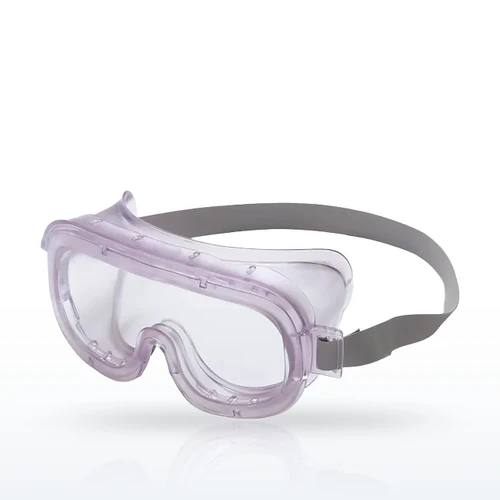
More: every goggle by mark and brand.
Source: the manufacturers' product pages, specification sheets and catalogs as reproduced on each product page; the ratings and standards shown are the manufacturers' own statements, and the products listed are those whose published data names the rating or the standard, not a selection by Bayshore Safety.
Face shields
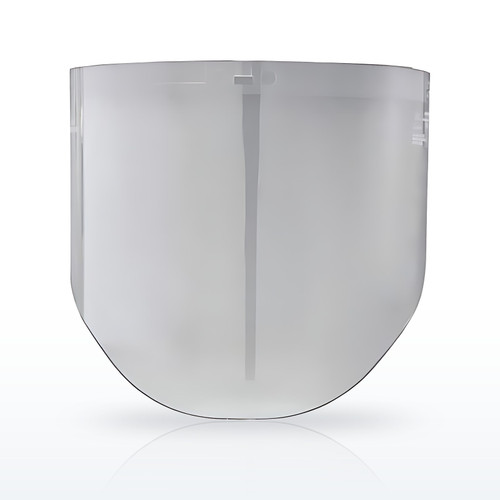
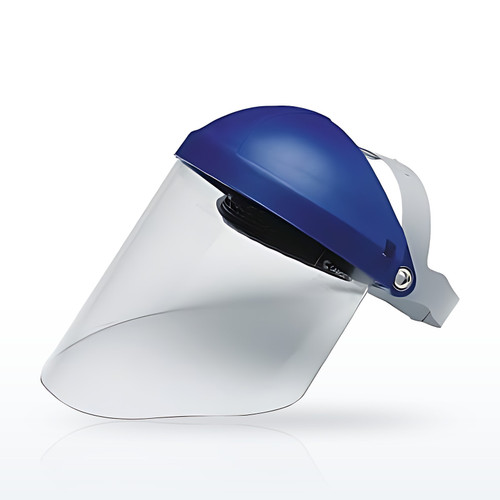


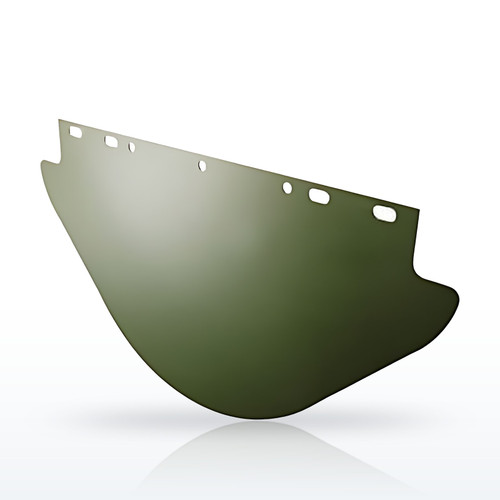
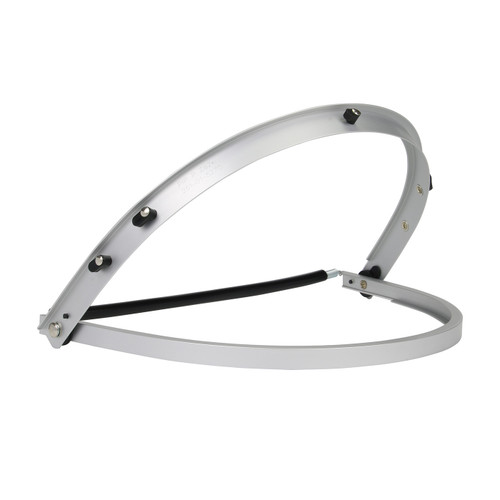
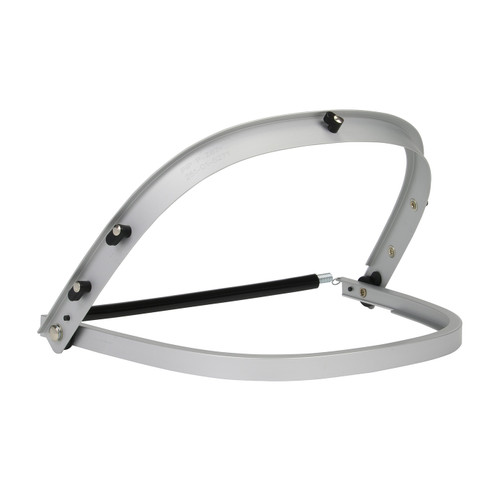
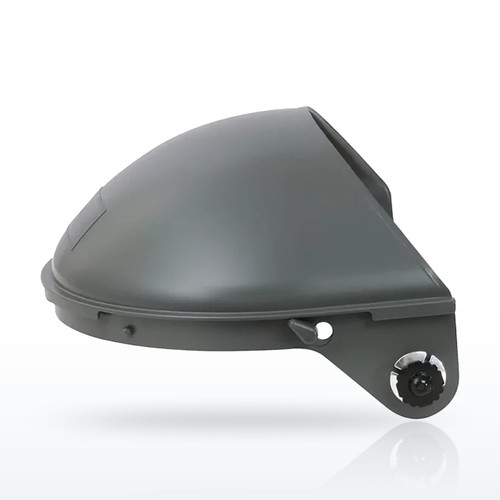
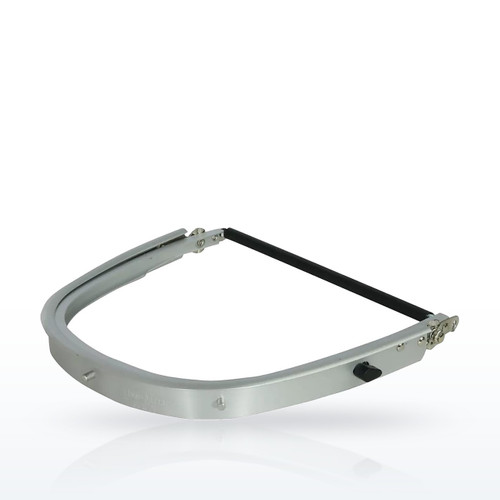
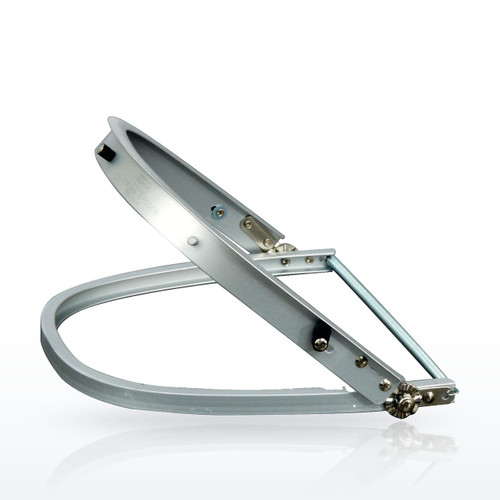
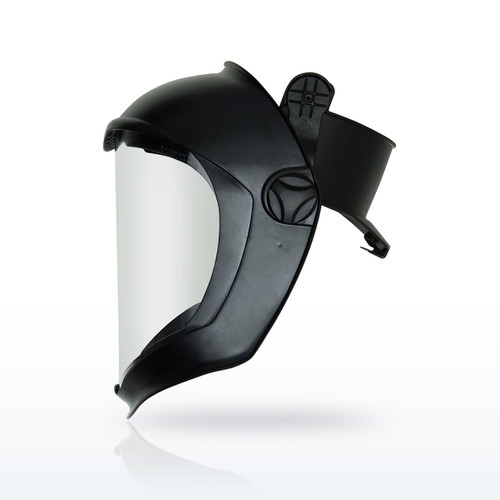

More: every face shield and headgear by brand.
Source: the manufacturers' product pages, specification sheets and catalogs as reproduced on each product page; the ratings and standards shown are the manufacturers' own statements, and the products listed are those whose published data names the rating or the standard, not a selection by Bayshore Safety.
Welding helmets and filter lenses by shade
| Part number | Item | Rating stated | Price | ||
|---|---|---|---|---|---|
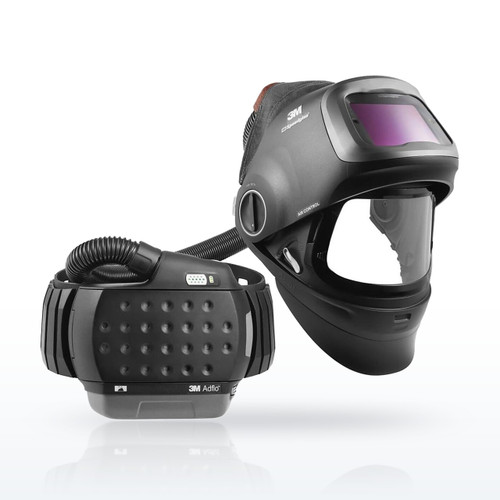 | 7100349662 | 3M 46-1101-30TW Speedglas G5-01 Heavy-Duty Welding Helmet with G5TW ADF and Adflo PAPR | Shade 8-13, NIOSH 42 CFR 84 | $2,592.77 | |
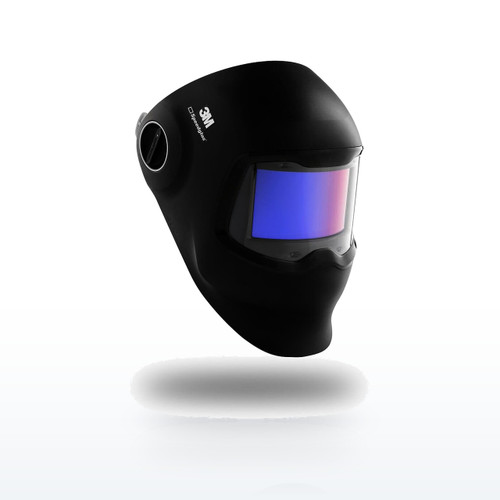 | 7100239917 | 3M G5-02 Welding Helmets, Speedglas Curved Glass, Shade 8-12 | Shade 8-12 | $1,230.68 | |
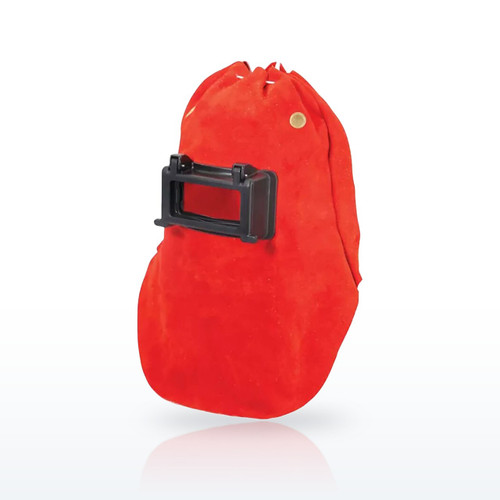 | 870 | Fibre-Metal 870 Welding Helmets, Passive, Shade 10, 2 x 4.25 in Window | Shade 10 | $216.00 | |
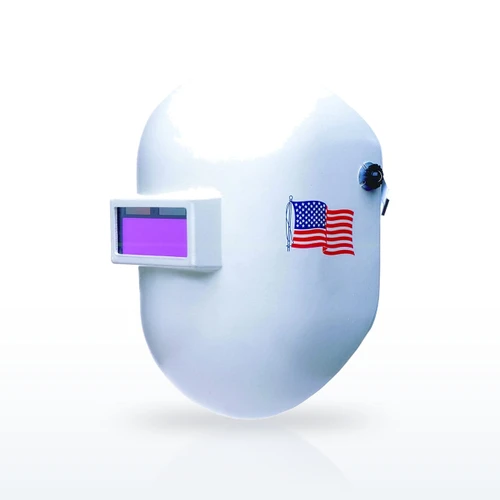 | 110PWE | Fibre-Metal Pipeliner 110PWE Welding Helmets, Passive, Shade 10 | Shade 10, CSA Z94.3 | $623.00 | |
 | 34068 | Jackson Safety 34068 HaloX Welding Helmet | Shade 10 | $80.05 | |
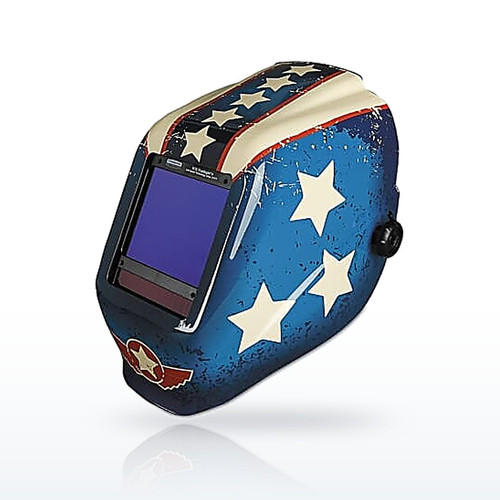 | 461 | Jackson Safety 461 Welding Helmets, TrueSight II Digital | Shade 5-13 | $581.63 | Choose on the page |
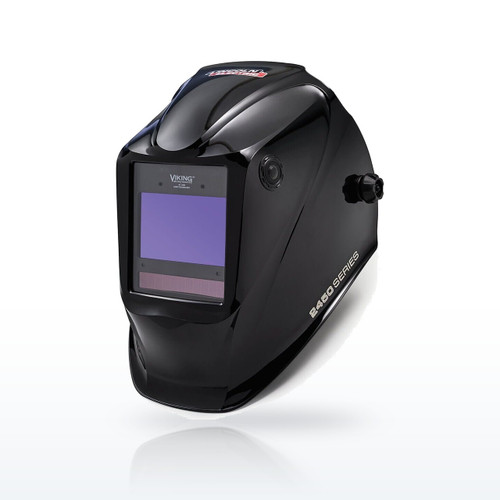 | K3028-4 | Lincoln Electric K3028-4 Welding Helmets, Black | Shade 5-13, ANSI Z87.1-2010, CSA Z94.3, EN 379 | $460.16 | |
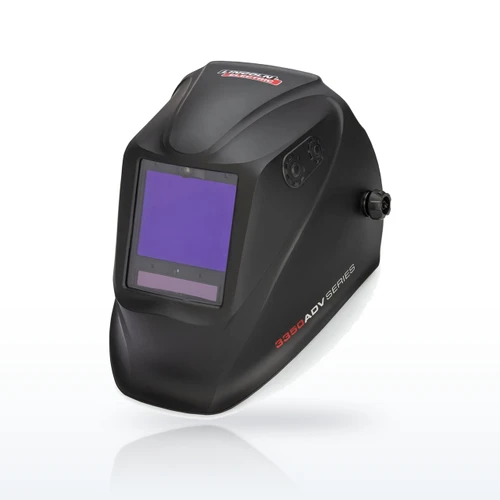 | K3034-5 | Lincoln Electric K3034-5 Welding Helmets, Viking ADV | Shade 5-13 | $605.42 | |
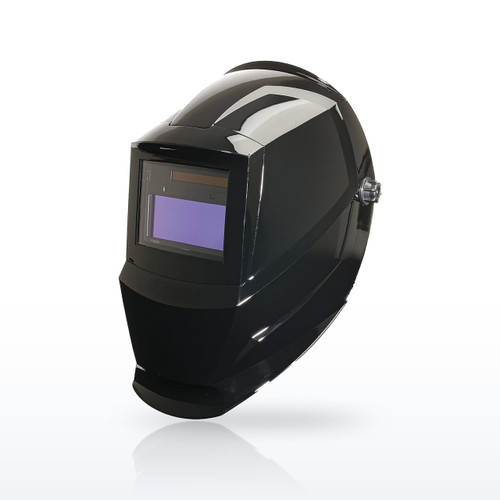 | HW100 | North HW100 Welding Helmets, Shade 9-13 | Shade 9-13 | $582.00 | |
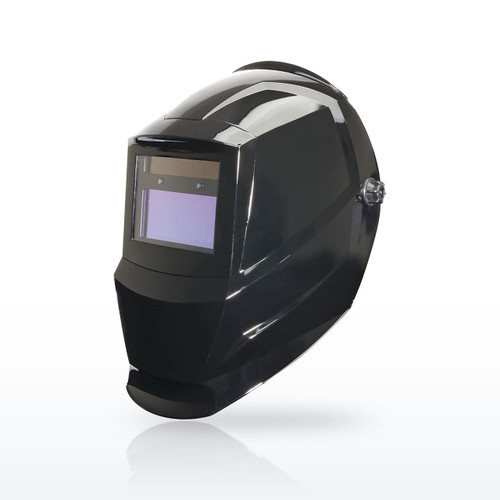 | HW200 | PIP HW200 Welding Helmets, Auto-Darkening, Shade 9-13, 1.9 x 3.8 in Window | Shade 9-13, ANSI Z87.1; CSA Z94.3; EN 379 | $205.00 |
More: every welding helmet and lens by shade.
Source: the manufacturers' product pages, specification sheets and catalogs as reproduced on each product page; the ratings and standards shown are the manufacturers' own statements, and the products listed are those whose published data names the rating or the standard, not a selection by Bayshore Safety.
Guides that go further
OSHA safety glasses requirements · What does ANSI Z87.1 mean on safety glasses · Prescription safety glasses · Safety glasses that fit over prescription glasses (OTG) · What certification is required on safety glasses · Safety glasses lens tints explained · What PPE does OSHA require for welding · ANSI/ISEA Z87.1 explained.
OSHA 1910.133 Eye and Face Protection questions
What safety glasses does OSHA require? 29 CFR 1910.133(b)(1) requires protectors built to ANSI/ISEA Z87.1-2010, ANSI Z87.1-2003 or Z87.1-1989 (R-1998), so the test is the Z87 mark the manufacturer puts on the lens and frame. Which style (glasses, goggles or a face shield) is decided by the employer's hazard assessment under 1910.132(d) for the hazards 1910.133(a)(1) lists.
Does OSHA require side shields on safety glasses? When there is a hazard from flying objects, yes: 1910.133(a)(2) requires eye protection that provides side protection, and it accepts detachable clip-on or slide-on side shields that meet the section. Wraparound lenses and integral side shields meet it the same way.
Can I wear my prescription glasses as safety glasses? Only if they are prescription safety eyewear built to Z87.1 (marked Z87-2 on the frame). Otherwise 1910.133(a)(3) requires eye protection worn over the prescription lenses without disturbing the position of either pair, which is what over-the-glass (OTG) safety glasses and goggles are for.
Does the rule say which lens shade to use for welding? Yes. 1910.133(a)(5) carries a table of minimum protective shades: for shielded metal arc welding, shade 7 under 60 A, 8 at 60 to 160 A, 10 at 160 to 250 A and 11 at 250 to 550 A; gas tungsten arc 8 to 10; plasma arc cutting 8 to 10; torch brazing 3; torch soldering 2. The footnote says to start too dark and lighten until the weld zone is visible without going below the minimum.
Are face shields enough on their own? The rule does not rank them. 1910.133(a)(1) requires protection appropriate to the hazard; OSHA's PPE booklet describes face shields as secondary protection for the face that are worn over spectacles or goggles for impact, and goggles as the protector for splash and dust. The manufacturer's Z87 marking on the shield window states what it was tested for.
Does OSHA require safety glasses to be marked? 1910.133(a)(4) requires eye and face PPE to be distinctly marked to identify the manufacturer, and the Z87.1 standard the rule incorporates adds the Z87 or Z87+ mark and the lens marks for splash, dust and shade.
The ratings, test results and standards shown here are the manufacturers' published values, reproduced as published. Nothing on this page is a recommendation by Bayshore Safety that any product is suitable for a particular task, hazard or workplace. Selecting safety products and protective equipment is the responsibility of the end user and the employer, based on their own hazard assessment and the regulations that apply to their work. Confirm every value on the manufacturer's own documentation before use.