
OSHA 1910.135 Head Protection: what it requires and the equipment it names
29 CFR 1910.135 is the general industry hard hat rule: a protective helmet wherever there is a potential for head injury from falling objects, a helmet designed to reduce electrical shock near exposed conductors, and ANSI Z89.1 as the design standard. We sell nationwide; ships in 1–2 business days; most orders arrive in 3–7 business days.
The plain answer
29 CFR 1910.135 requires each affected employee to wear a protective helmet when working where there is a potential for head injury from falling objects, and a helmet designed to reduce electrical shock when near exposed electrical conductors that could contact the head.
It applies to general industry employers; construction has the parallel rule at 1926.100, which also adds impact and flying objects. The employer's hazard assessment under 1910.132(d) decides where helmets are worn.
The equipment it names is head protection built to ANSI Z89.1-2009, Z89.1-2003 or Z89.1-1997, or protection the employer demonstrates is at least as effective. Those standards define Type I and Type II impact protection and Class G, E and C electrical ratings, which every hard hat and safety helmet we carry states on its label.
What the rule says
Each entry is condensed from the paragraph cited; the paragraph itself is the rule and the link opens it.
29 CFR 1910.135(a)(1): The employer must ensure that each affected employee wears a protective helmet when working in areas where there is a potential for injury to the head from falling objects.
29 CFR 1910.135(a)(2): A protective helmet designed to reduce electrical shock hazard must be worn by each affected employee when near exposed electrical conductors that could contact the head.
29 CFR 1910.135(b)(1): Head protection must comply with ANSI Z89.1-2009, ANSI Z89.1-2003 or ANSI Z89.1-1997, incorporated by reference in 1910.6.
29 CFR 1910.135(b)(2): Head protection the employer demonstrates is at least as effective as a device built to one of those standards is deemed in compliance.
Source: 29 CFR, Occupational Safety and Health Standards, as published by OSHA (ecfr.gov), read Nov 9 2026.
California (Cal/OSHA)
Each entry is condensed from the paragraph cited; the paragraph itself is the rule and the link opens it.
Title 8 §3381(a)-(b): Employees working where there is a risk of head injury from flying or falling objects and/or electric shock and burns must wear approved head protection meeting ANSI/ISEA Z89.1-2009, Z89.1-2003 or Z89.1-1997.
Title 8 §3381(c): The employer must ensure the appropriate impact type (Type I top-only or Type II top and sides) and the appropriate electrical class are selected: Class C, E or G where there is no electrical contact risk; Class E or G where conductors are under 600 volts; Class E where conductors are over 600 volts.
Source: California Code of Regulations, Title 8, as published by Cal/OSHA (dir.ca.gov), read Nov 9 2026.
Equipment the rule names
| Equipment or condition | What the rule requires | Paragraph |
|---|---|---|
| Protective helmet | Required where head injury from falling objects is possible; built to ANSI Z89.1-2009, 2003 or 1997 | 29 CFR 1910.135(a)(1) |
| Electrically rated helmet | Required near exposed electrical conductors that could contact the head (Class G or Class E under Z89.1) | 29 CFR 1910.135(a)(2) |
| Type I and Type II | Z89.1 impact types the rule incorporates: top impact only, or top and lateral impact | 29 CFR 1910.135(b)(1) |
| Class G, E, C | Z89.1 electrical classes: Class G tested at 2,200 volts, Class E at 20,000 volts, Class C no electrical rating (OSHA 3151) | 29 CFR 1910.135(b)(1) |
Source: 29 CFR, Occupational Safety and Health Standards, as published by OSHA (ecfr.gov), read Nov 9 2026.
What we carry for it
Each table lists products whose manufacturer data states the rating or the standard the rule names, every brand we carry that does, with the current price. Sizes and versions are chosen on the product page. The selector linked under each table holds every item of that type.
Type I hard hats (top impact), by electrical class
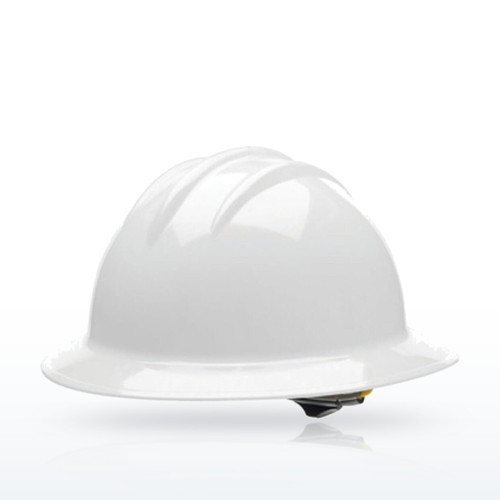
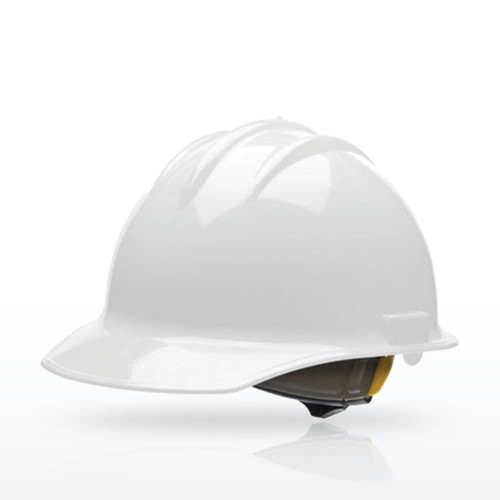
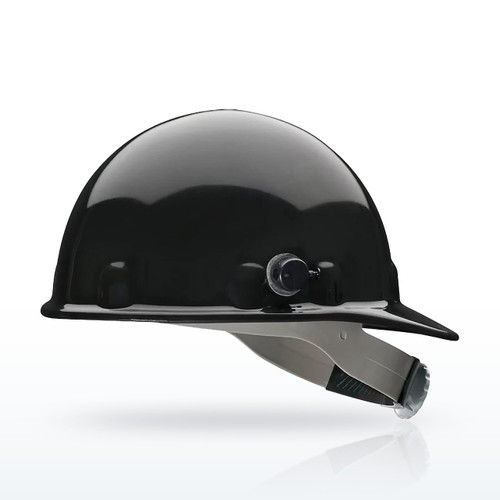

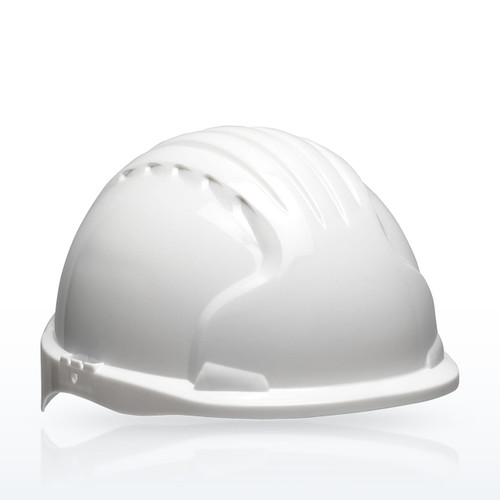
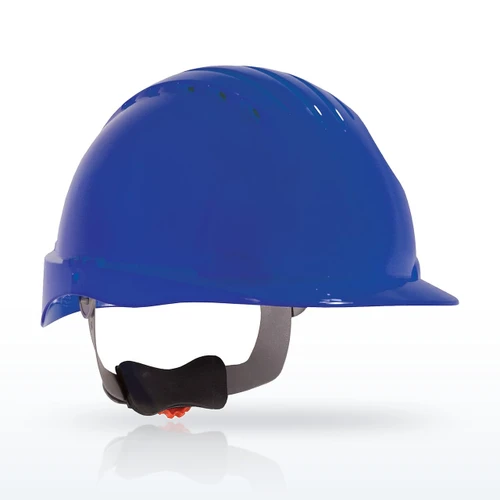


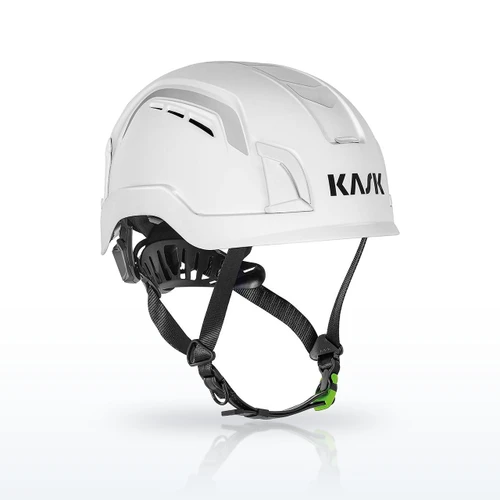
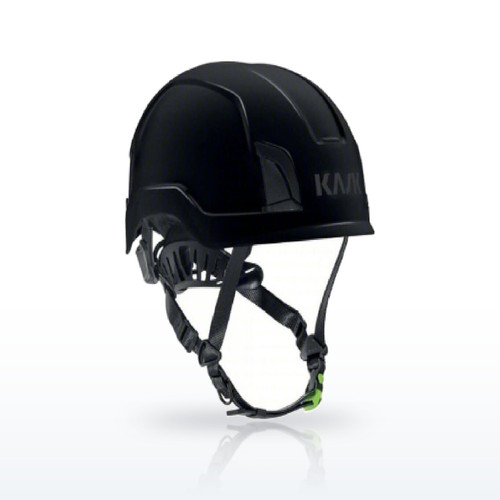

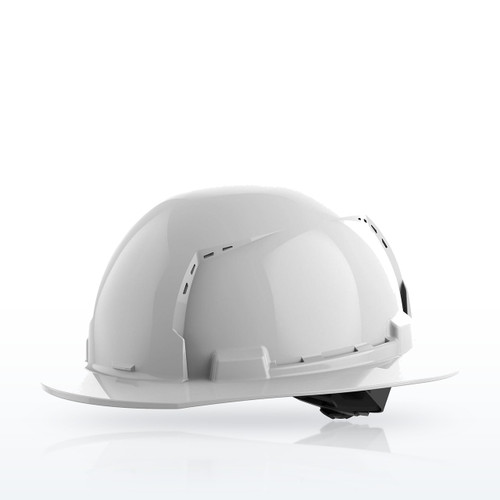
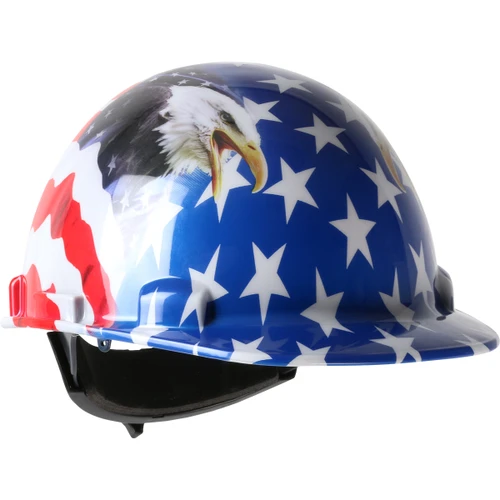
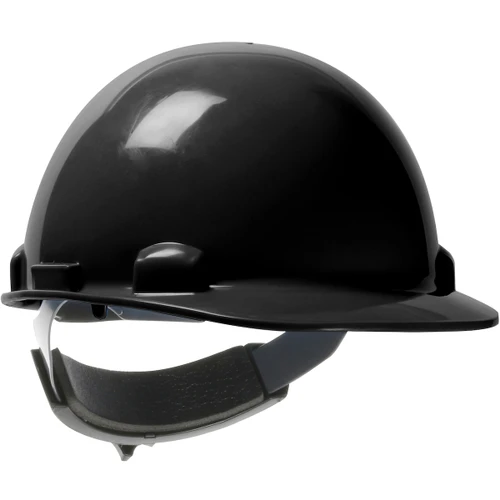
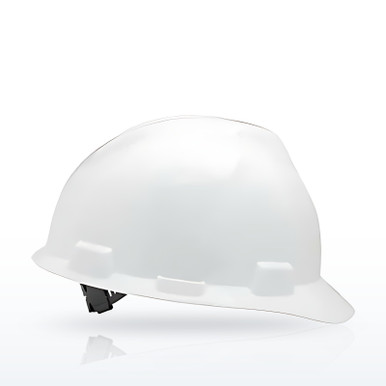
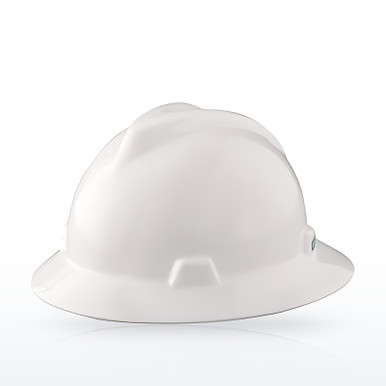
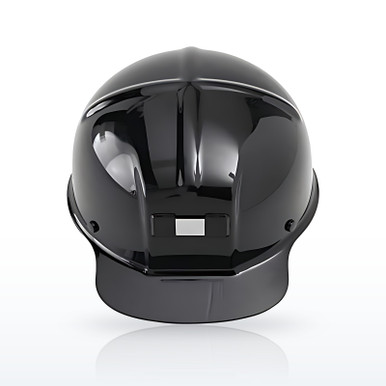
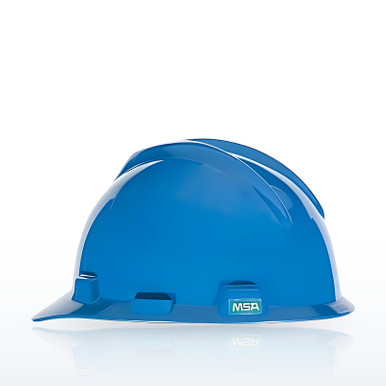
More: every Type I hard hat by class, brim and brand.
Source: the manufacturers' product pages, specification sheets and catalogs as reproduced on each product page; the ratings and standards shown are the manufacturers' own statements, and the products listed are those whose published data names the rating or the standard, not a selection by Bayshore Safety.
Type II safety helmets (top and lateral impact)
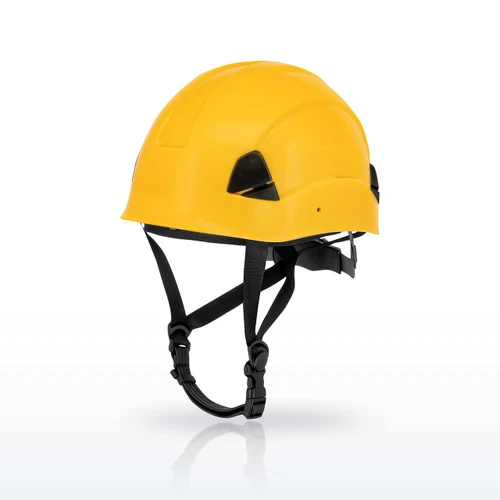
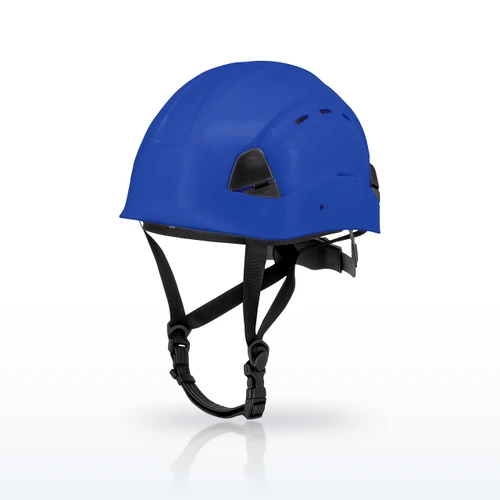
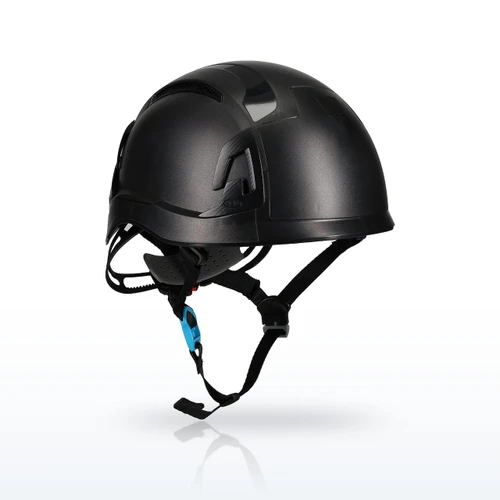
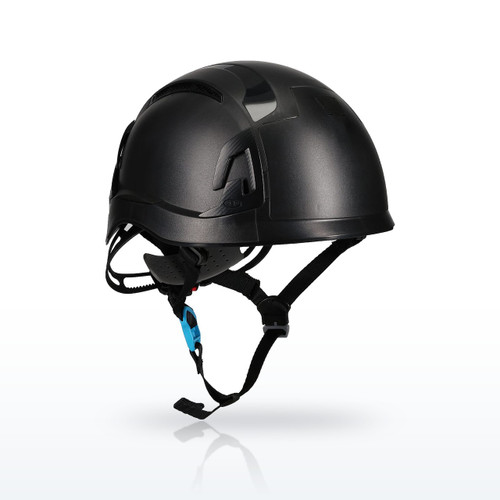
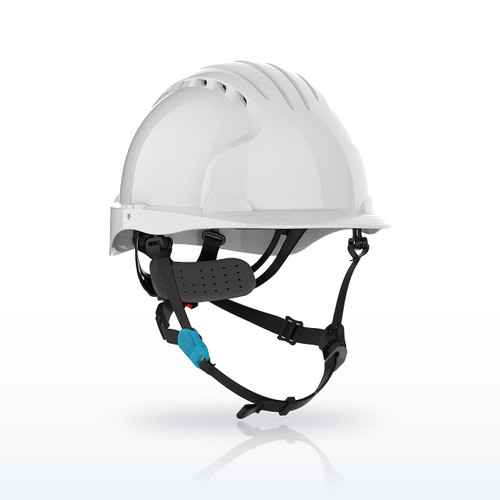
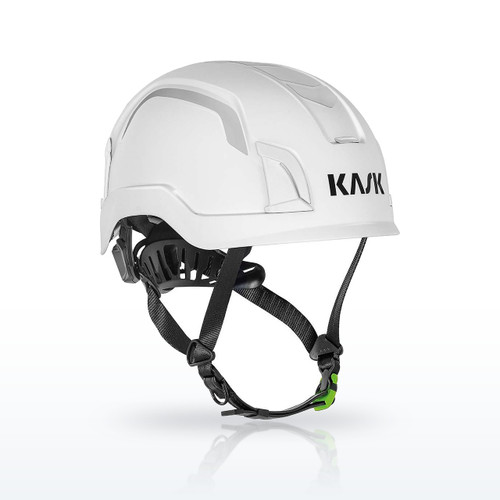
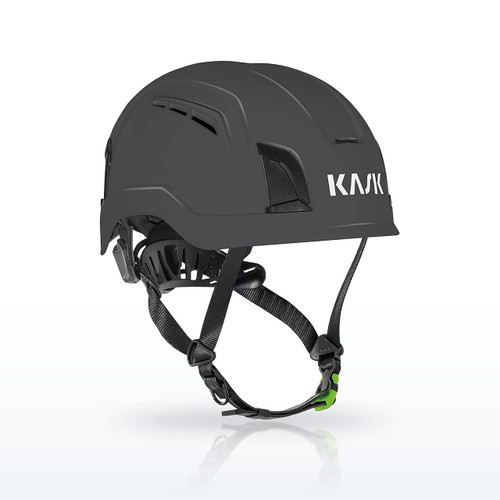
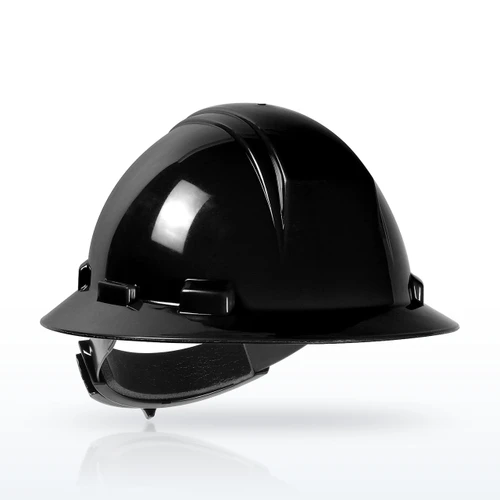
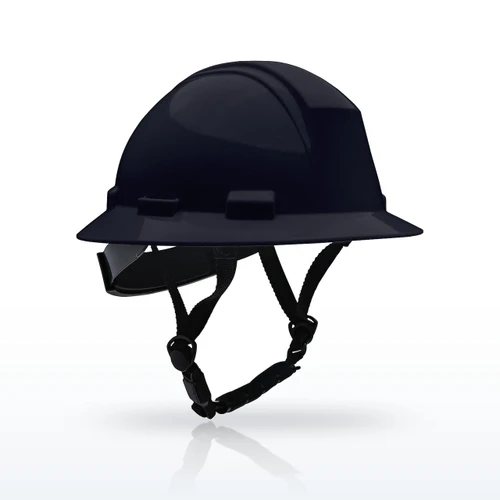
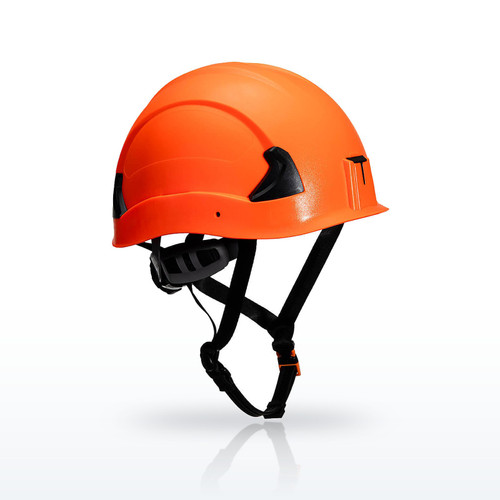
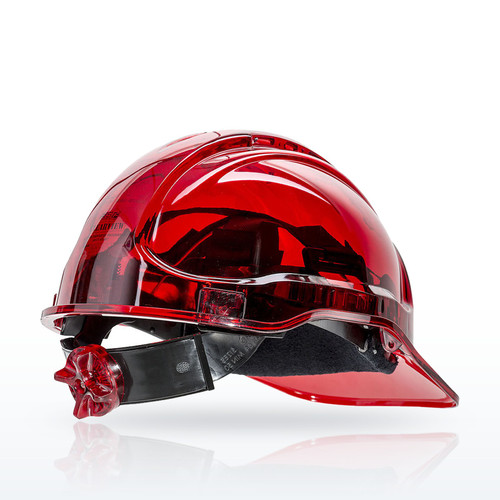
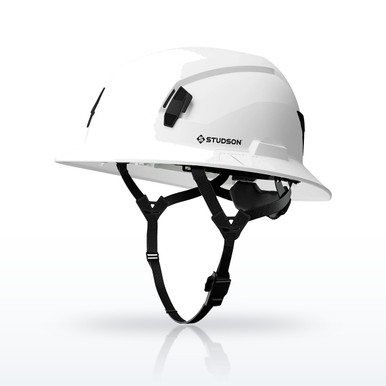
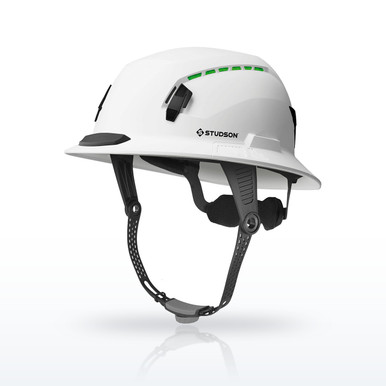
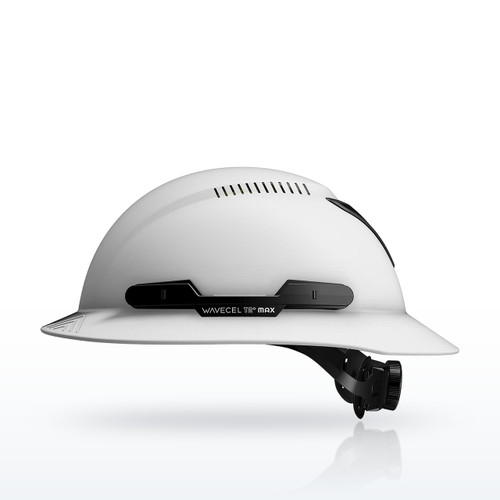
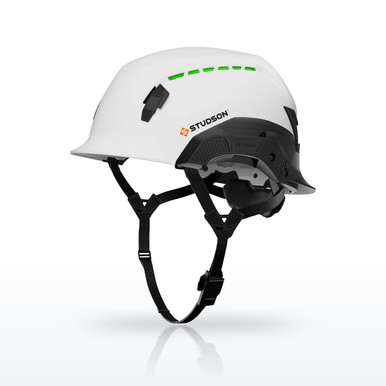
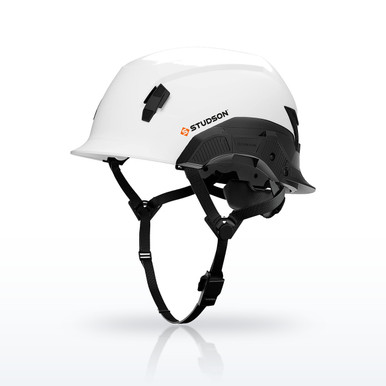
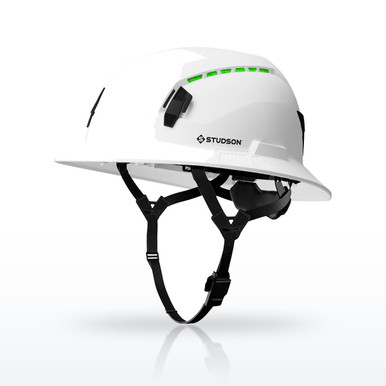
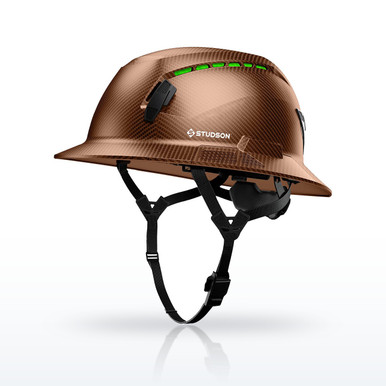


More: every Type II helmet by class and brand.
Source: the manufacturers' product pages, specification sheets and catalogs as reproduced on each product page; the ratings and standards shown are the manufacturers' own statements, and the products listed are those whose published data names the rating or the standard, not a selection by Bayshore Safety.
Class E helmets for exposed conductors
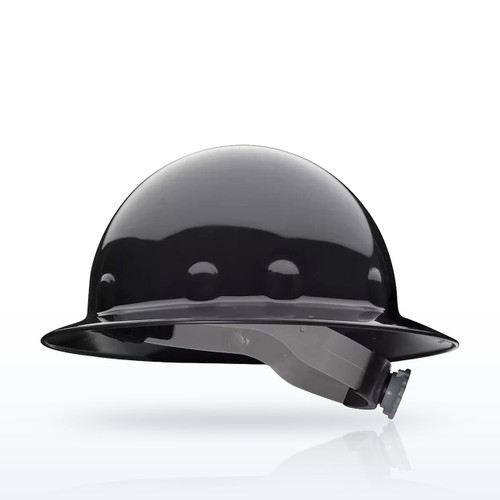
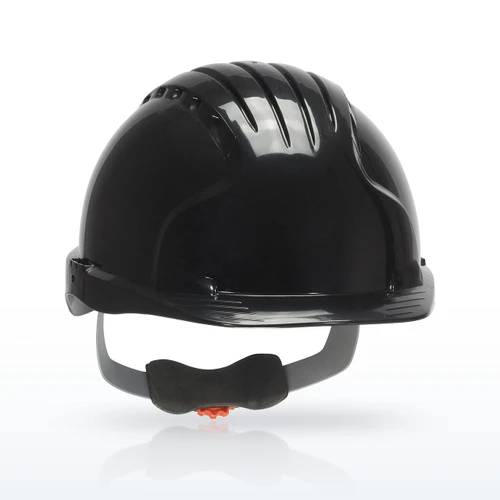
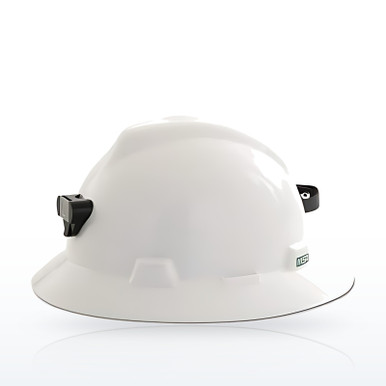
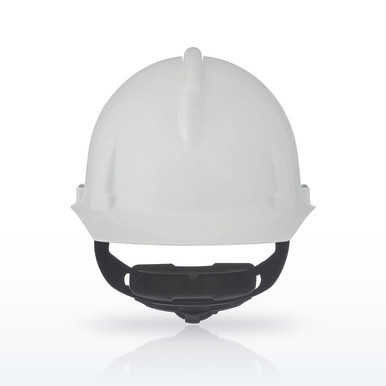
More: every Class E and Class G hard hat.
Source: the manufacturers' product pages, specification sheets and catalogs as reproduced on each product page; the ratings and standards shown are the manufacturers' own statements, and the products listed are those whose published data names the rating or the standard, not a selection by Bayshore Safety.
Guides that go further
OSHA hard hat requirements · Type I vs Type II hard hats · Class G, Class E and Class C hard hats · Safety helmet vs hard hat · Vented hard hats · Does OSHA allow stickers on hard hats · ANSI/ISEA Z89.1 explained.
OSHA 1910.135 Head Protection questions
What is the OSHA rule for hard hats? 29 CFR 1910.135 in general industry: a protective helmet wherever head injury from falling objects is possible, an electrically rated helmet near exposed conductors, and the helmet built to ANSI Z89.1 (2009, 2003 or 1997 edition). Construction uses 1926.100, which adds impact and flying objects and requires the electrical insulation section of Z89.1 for high-voltage exposure.
Are all hard hats accepted by OSHA? The rule accepts any helmet built to ANSI Z89.1-2009, 2003 or 1997, or one the employer demonstrates is at least as effective (1910.135(b)). The Z89.1 label inside the shell, with the Type and Class, is what shows it; a bump cap or a climbing helmet without that label is not what the paragraph names.
When must a hard hat be replaced? The rule does not set a service life; 1910.132(e) prohibits using defective or damaged PPE, and OSHA's PPE booklet says to replace a hard hat that has sustained an impact even without visible damage. Each manufacturer publishes its own replacement interval for the shell and suspension, which is on the product page.
Does OSHA require Type II helmets or chin straps? No paragraph of 1910.135 names Type II or a chin strap; the rule requires a Z89.1 helmet and the hazard assessment picks the type. OSHA's 2023 safety and health information bulletin describes Type II helmets with chin straps for work at height, electrical work and construction, as guidance rather than a rule. Cal/OSHA §3381(c)(1) requires the employer to select the appropriate impact type.
Does OSHA allow hats under hard hats? The rule is silent; what controls is the manufacturer's instruction for the suspension, which 1910.132 and Cal/OSHA §3380(c) require to be followed. Manufacturers that permit a liner sell one made for the shell, listed under hard hat accessories.
What is the difference between Class E and Class G? Both are Z89.1 electrical classes the rule incorporates. OSHA's PPE booklet gives Class G (general) as tested at 2,200 volts and Class E (electrical) as tested at 20,000 volts; Class C (conductive) offers no electrical protection. Cal/OSHA §3381(c)(2) spells out which class goes with which voltage exposure.
The ratings, test results and standards shown here are the manufacturers' published values, reproduced as published. Nothing on this page is a recommendation by Bayshore Safety that any product is suitable for a particular task, hazard or workplace. Selecting safety products and protective equipment is the responsibility of the end user and the employer, based on their own hazard assessment and the regulations that apply to their work. Confirm every value on the manufacturer's own documentation before use.