
ANSI/ISEA Z89.1 Industrial Head Protection: what it requires and the equipment it names
ANSI/ISEA Z89.1 is the industrial head protection standard that 29 CFR 1910.135 and 1926.100 incorporate by reference. It is where Type I and Type II and Class G, E and C come from, along with the optional marks for low temperature, high temperature, high visibility and reverse donning printed inside every hard hat and safety helmet we carry. We sell nationwide; ships in 1–2 business days; most orders arrive in 3–7 business days.
The plain answer
ANSI/ISEA Z89.1 is the American National Standard for Industrial Head Protection. OSHA requires helmets built to it: 29 CFR 1910.135(b) and 1926.100(b) name the 2009, 2003 and 1997 editions, and later editions (2014 and the 2025 revision manufacturers now mark) are accepted under the equivalence clause.
As OSHA's PPE booklet, Cal/OSHA §3381 and the manufacturers describe it, the standard sets two impact types and three electrical classes. Type I helmets reduce the force of a blow to the top of the head; Type II helmets reduce the force of a blow to the top or the sides (lateral impact) and are tested for off-center impact and penetration. Class G (general) helmets are proof tested at 2,200 volts, Class E (electrical) at 20,000 volts, and Class C (conductive) helmets carry no electrical rating and may be vented metal or plastic. Optional marks are LT (low temperature, tested at minus 30 °C), HT (high temperature), HV (high visibility shell colors) and a pair of arrows for reverse donning.
The equipment it names is protective helmets, hard hats and safety helmets, with the manufacturer's label inside the shell stating the standard edition, the Type, the Class, the size range and the date of manufacture; bump caps are not covered by Z89.1 (they are rated under ANSI/ISEA 100 or EN 812) and are not the helmet 1910.135 and 1926.100 name.
What the rule says
Each entry is condensed from the paragraph cited; the paragraph itself is the rule and the link opens it.
29 CFR 1910.135(b)(1): Head protection must comply with ANSI Z89.1-2009, ANSI Z89.1-2003 or ANSI Z89.1-1997, incorporated by reference in 1910.6; 1926.100(b)(1) says the same for construction.
29 CFR 1910.135(a)(2): A helmet designed to reduce electrical shock hazard is worn near exposed electrical conductors that could contact the head, which under the standard is a Class G or Class E helmet.
29 CFR 1926.100(b)(2): Helmets for employees exposed to high-voltage electric shock and burns also meet section 9.7, Electrical Insulation, of the standard, the Class E test.
29 CFR 1910.135(b)(2): Helmets the employer demonstrates are at least as effective are deemed in compliance, which is how the 2014 and later editions are accepted.
Source: 29 CFR, Occupational Safety and Health Standards, as published by OSHA (ecfr.gov), read Nov 9 2026.
What the standard sets out
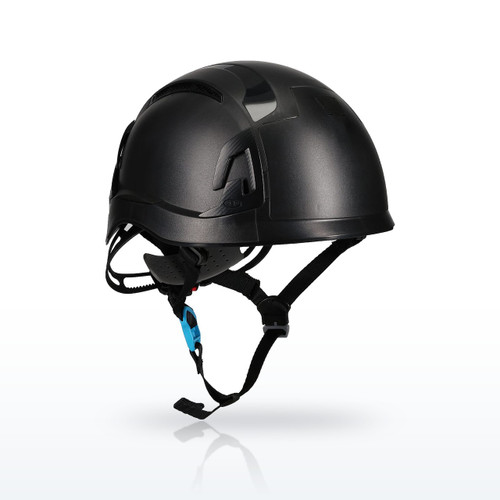
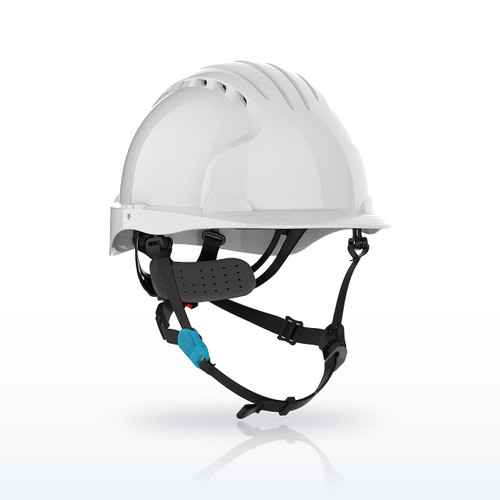
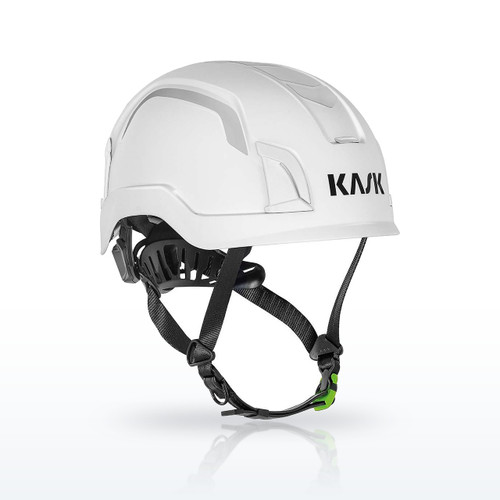
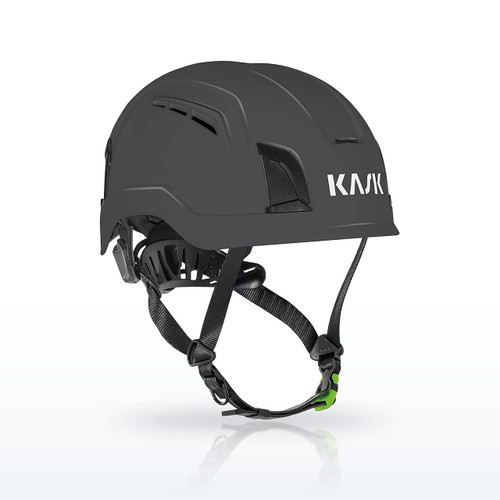
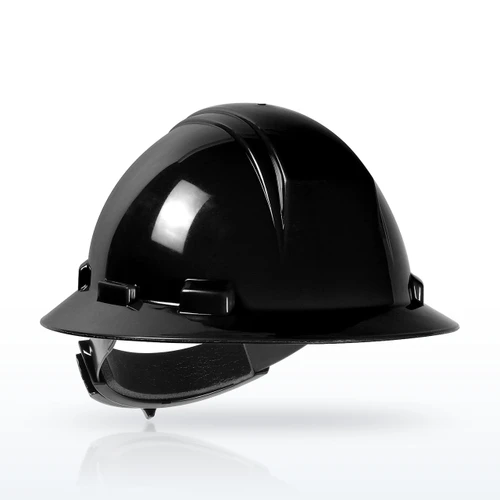
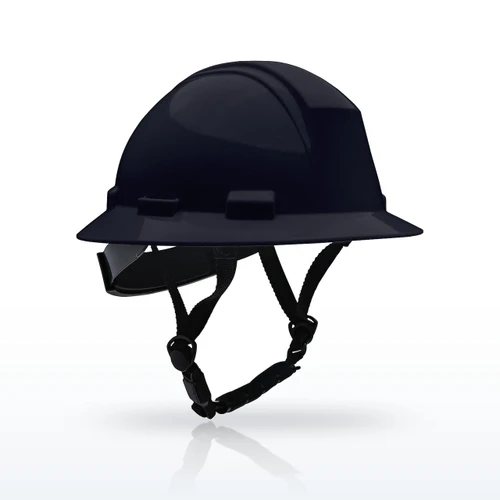
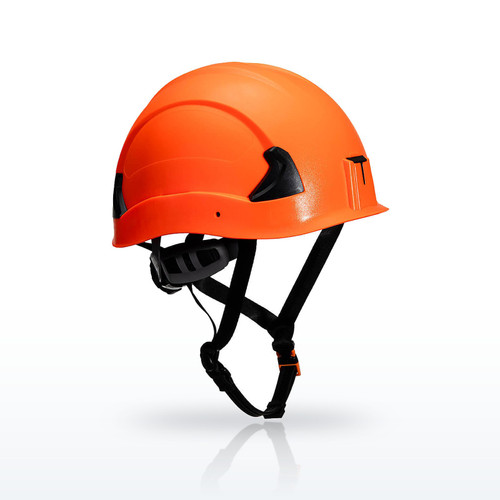
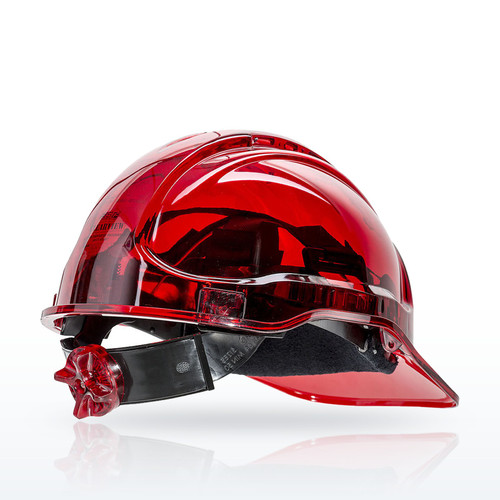
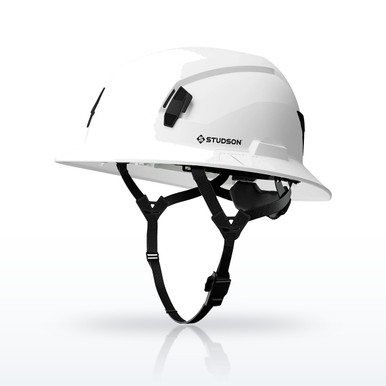
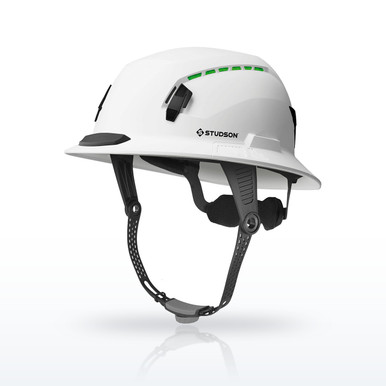
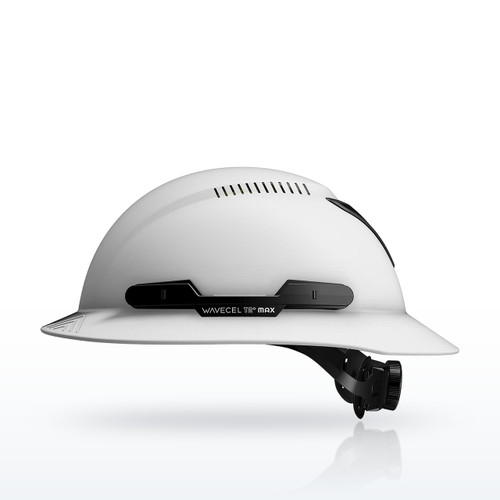
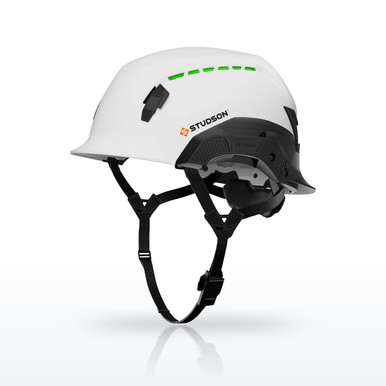
Impact types, as the manufacturers and Cal/OSHA §3381(c) state them: Type I helmets are intended to reduce the force of impact resulting from a blow only to the top of the head; Type II helmets are intended to reduce the force of impact from a blow to the top or the sides of the head, and are tested for off-center impact, penetration and (in the 2014 edition onward) with a chin strap retention test where the manufacturer fits one.
Electrical classes, as OSHA's PPE booklet gives them: Class G (general) helmets are tested at 2,200 volts and reduce the danger from low-voltage conductors; Class E (electrical) helmets are tested at 20,000 volts and reduce the danger from high-voltage conductors; Class C (conductive) helmets provide impact protection only and may have vents or metal parts. Cal/OSHA §3381(c)(2) pairs them with exposure: C, E or G with no electrical risk; E or G below 600 volts; E above 600 volts.
Optional marks on the label: LT for low temperature performance (impact tested at minus 30 °C rather than minus 18 °C), HT for high temperature (tested at 60 °C), HV for high-visibility shells that pass the chromaticity and luminance test, and two arrows for a helmet that may be worn with the brim backward (reverse donning) with the suspension turned, which manufacturers state on the product page.
Suspension and service life: the standard tests the shell and suspension as a system, so manufacturers state that the suspension is replaced only with the one made for the shell, and publish their own replacement intervals (commonly 5 years for the shell and 12 months for the suspension), with any helmet that has taken an impact removed from service as OSHA 3151 advises.
Source: 29 CFR 1910.135 and 1926.100 (ecfr.gov); Cal/OSHA Title 8 §3381 (dir.ca.gov); OSHA 3151-02R 2023, Personal Protective Equipment (osha.gov); manufacturers' Z89.1 Type and Class labels and product pages (PIP, JSP, MSA, Fibre-Metal, Studson, Portwest); our guides Type I vs Type II hard hats and Class G, E and C hard hats.
California (Cal/OSHA)
Each entry is condensed from the paragraph cited; the paragraph itself is the rule and the link opens it.
Title 8 §3381(b)-(c): Head protection meets ANSI/ISEA Z89.1-2009, 2003 or 1997; the employer selects the appropriate impact type and the electrical class matched to the voltage exposure (C, E or G with no electrical risk; E or G under 600 volts; E over 600 volts).
Source: California Code of Regulations, Title 8, as published by Cal/OSHA (dir.ca.gov), read Nov 9 2026.
Equipment the rule names
| Equipment or condition | What the rule requires | Paragraph |
|---|---|---|
| Type I helmet | Top impact only | Z89.1 as labeled; Cal/OSHA §3381(c)(1) |
| Type II helmet | Top and lateral impact; off-center impact and penetration tests; chin strap where fitted | Z89.1 as labeled; Cal/OSHA §3381(c)(1) |
| Class G | Proof tested at 2,200 volts; low-voltage conductors | OSHA 3151; Cal/OSHA §3381(c)(2) |
| Class E | Proof tested at 20,000 volts; high-voltage conductors; required by 1926.100(b)(2) for high-voltage exposure | OSHA 3151; 29 CFR 1926.100(b)(2) |
| Class C | No electrical rating; vented or metal shells | OSHA 3151 |
| LT, HT, HV, reverse donning | Optional performance marks on the label | Z89.1 as labeled by the manufacturer |
| Bump cap | Not a Z89.1 helmet; not the helmet 1910.135 names (ANSI/ISEA 100 rates bump caps) | Manufacturers' statements (JSP) |
Source: 29 CFR, Occupational Safety and Health Standards, as published by OSHA (ecfr.gov), read Nov 9 2026.
What we carry for it
Each table lists products whose manufacturer data states the rating or the standard the rule names, every brand we carry that does, with the current price. Sizes and versions are chosen on the product page. The selector linked under each table holds every item of that type.
Type I hard hats by class
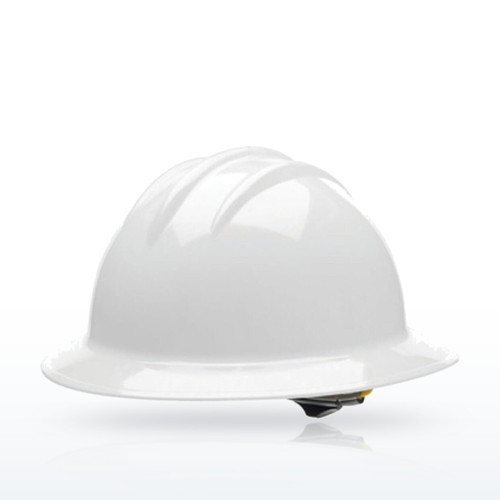
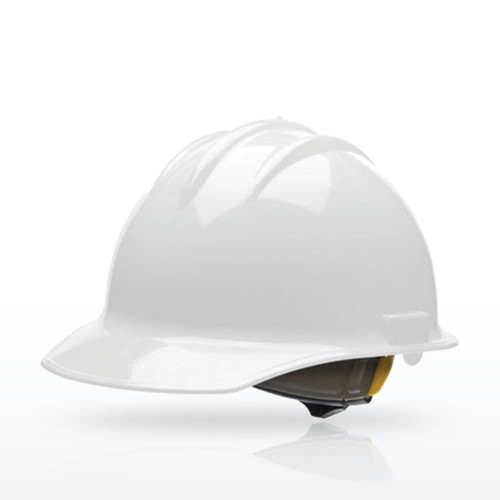
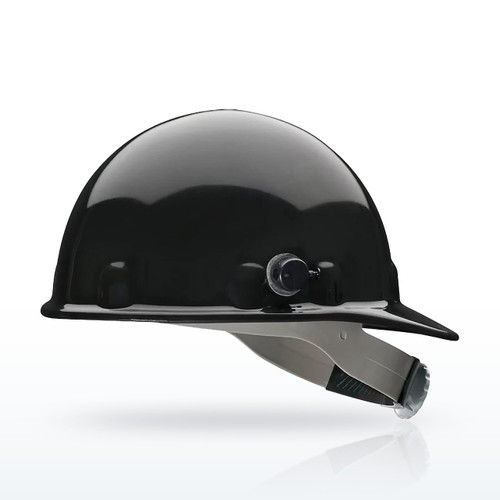
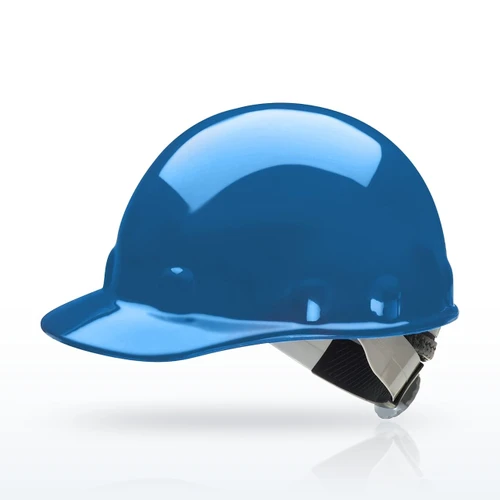
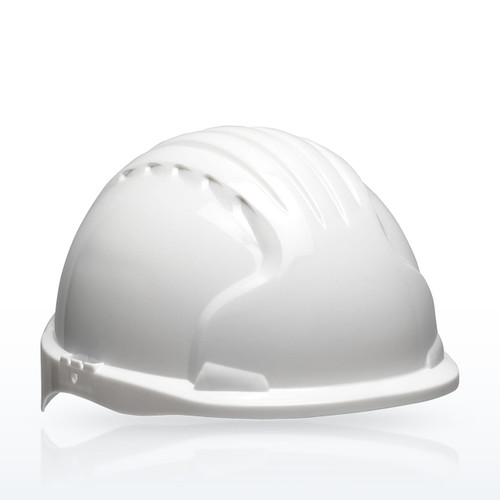
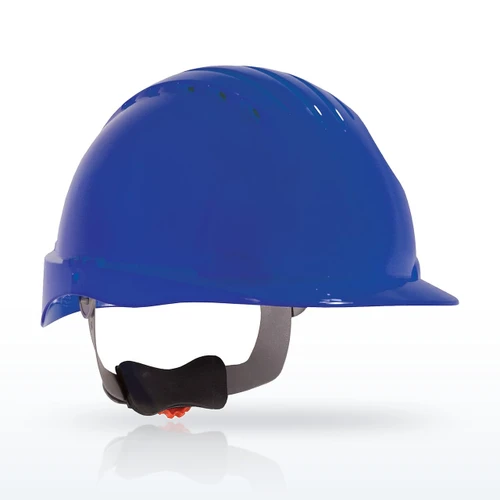

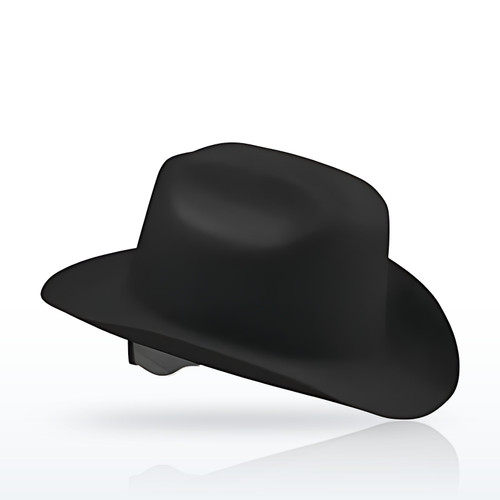
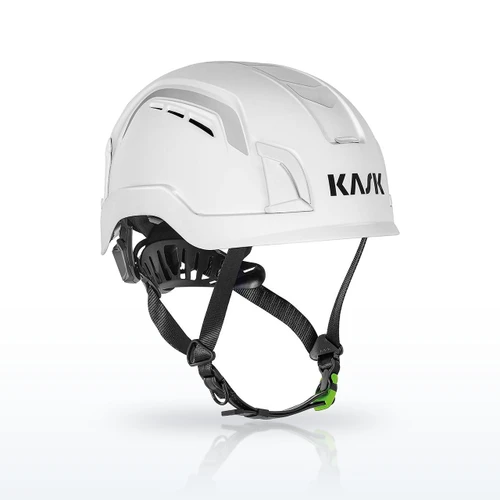
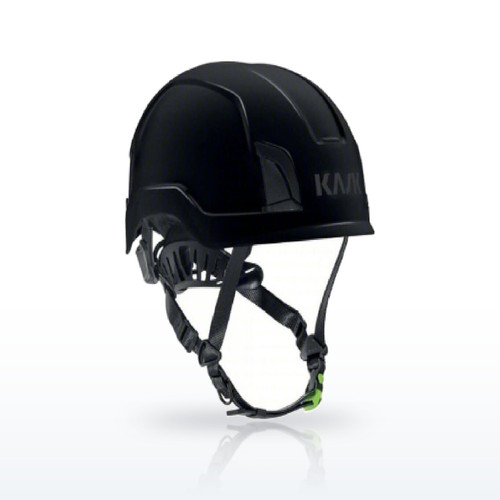
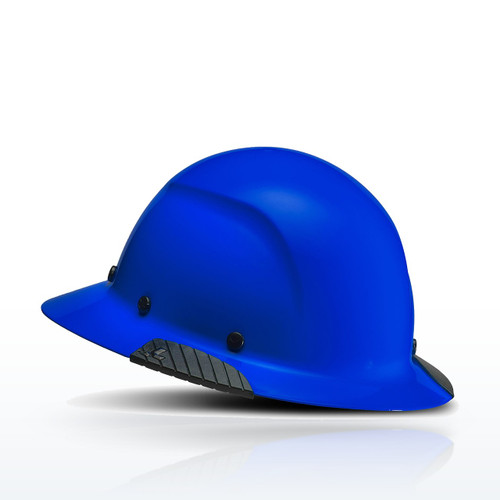
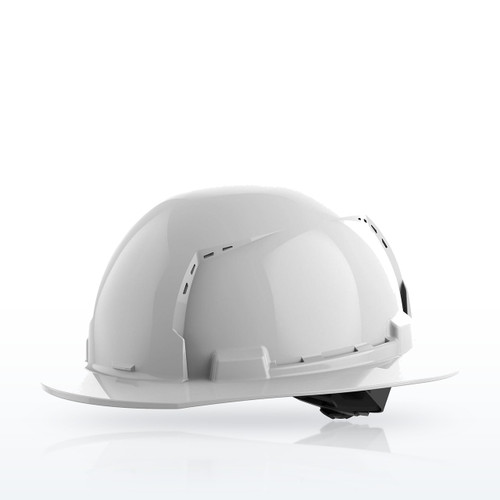
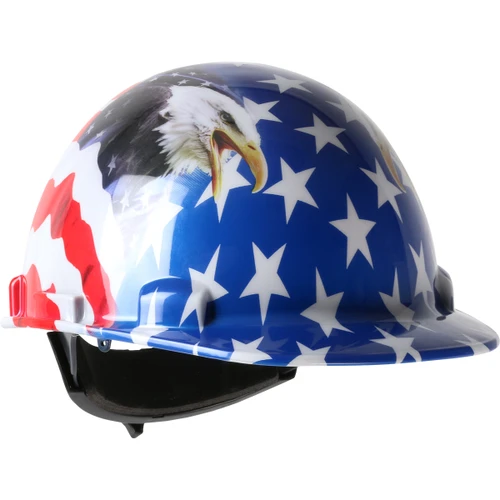
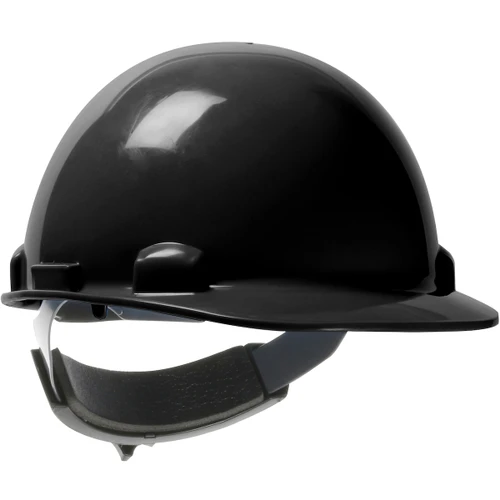
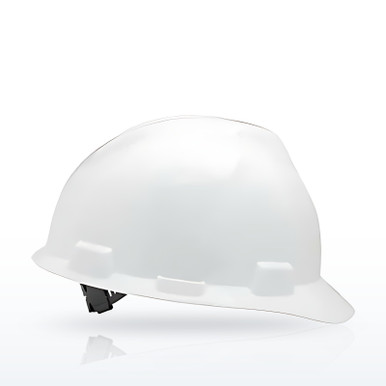
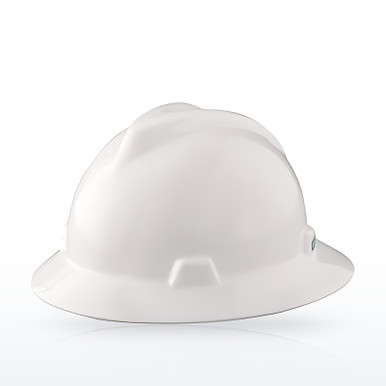
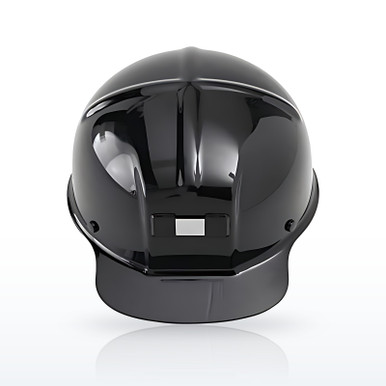
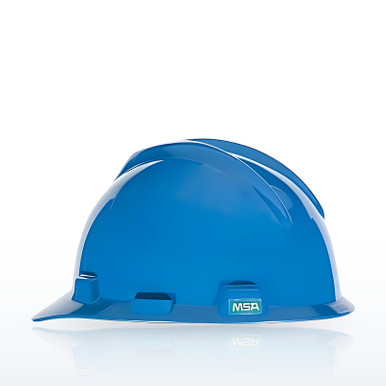
More: every Type I hard hat by class and brand.
Source: the manufacturers' product pages, specification sheets and catalogs as reproduced on each product page; the ratings and standards shown are the manufacturers' own statements, and the products listed are those whose published data names the rating or the standard, not a selection by Bayshore Safety.
Type II safety helmets
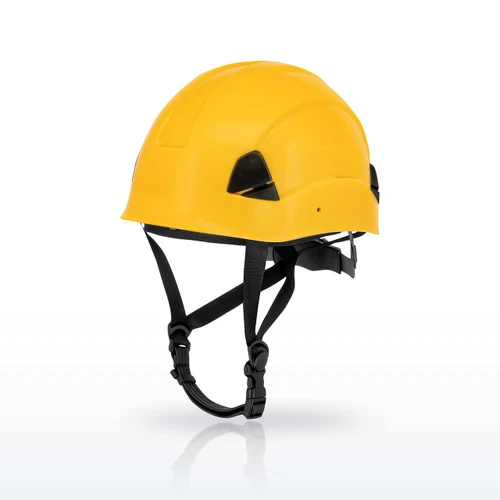
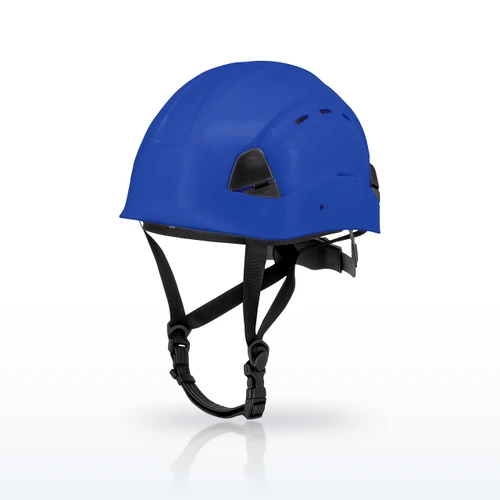
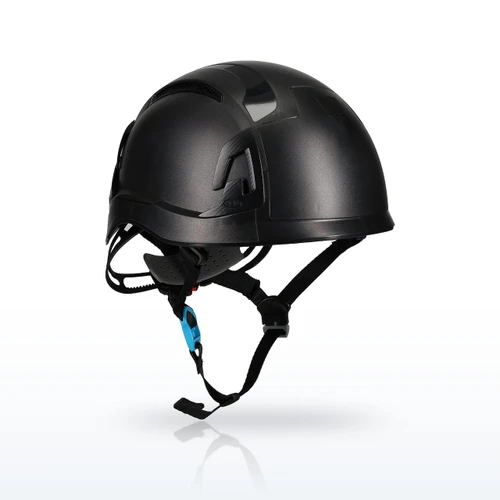
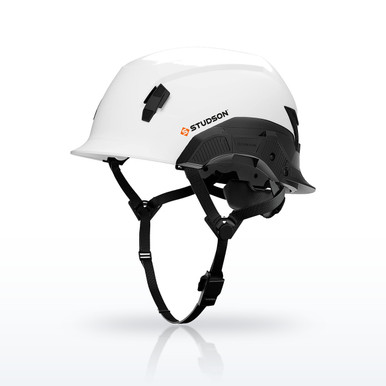
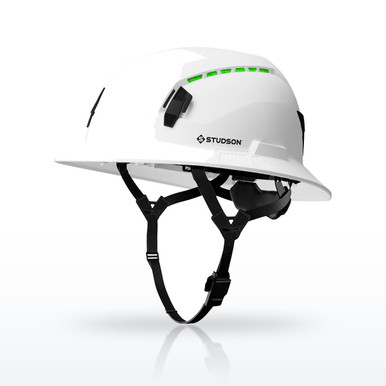
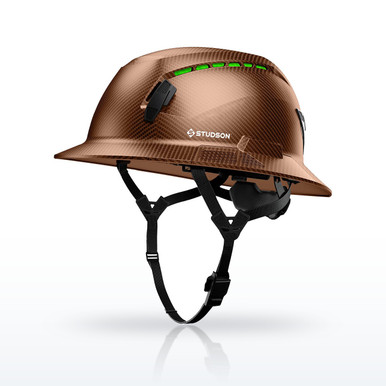


More: every Type II helmet by class and brand.
Source: the manufacturers' product pages, specification sheets and catalogs as reproduced on each product page; the ratings and standards shown are the manufacturers' own statements, and the products listed are those whose published data names the rating or the standard, not a selection by Bayshore Safety.
Class E (20,000 volt) helmets
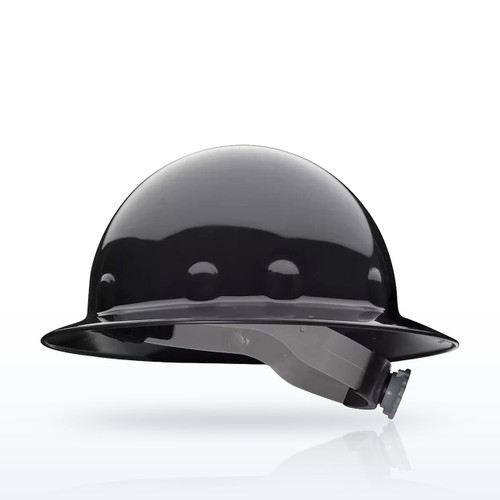
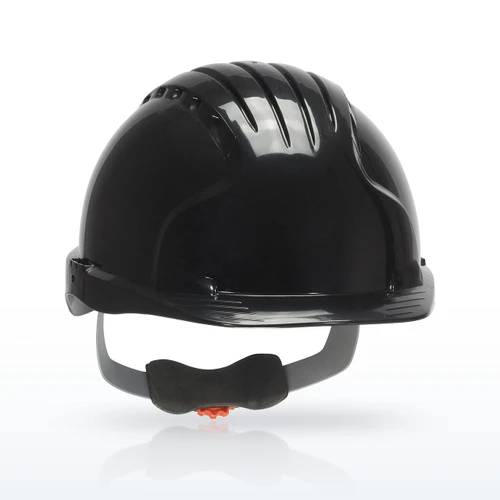
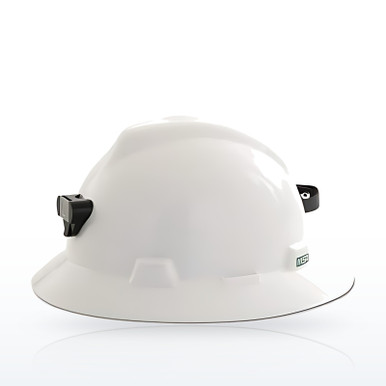
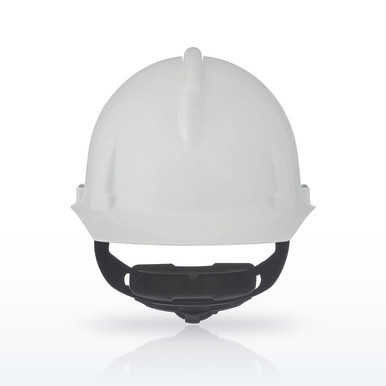
More: every Class E hard hat.
Source: the manufacturers' product pages, specification sheets and catalogs as reproduced on each product page; the ratings and standards shown are the manufacturers' own statements, and the products listed are those whose published data names the rating or the standard, not a selection by Bayshore Safety.
Class C vented helmets (no electrical rating)
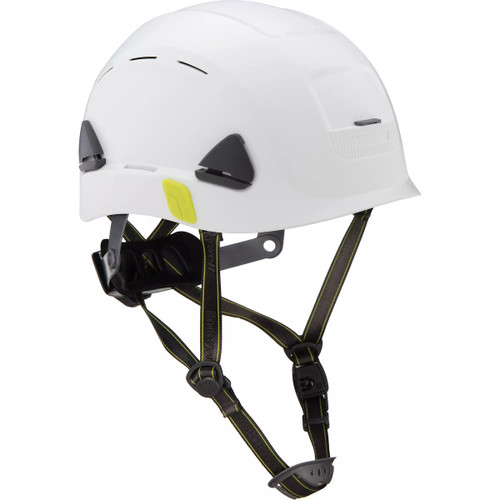
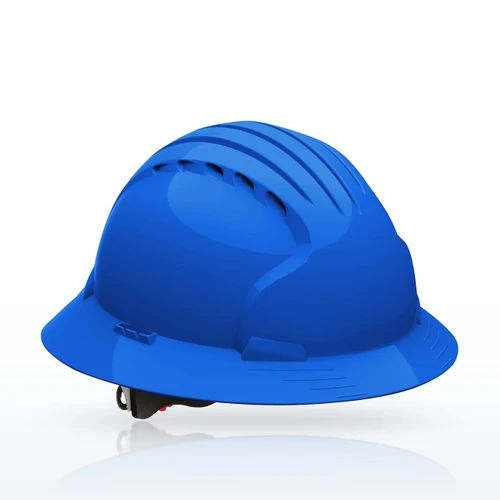
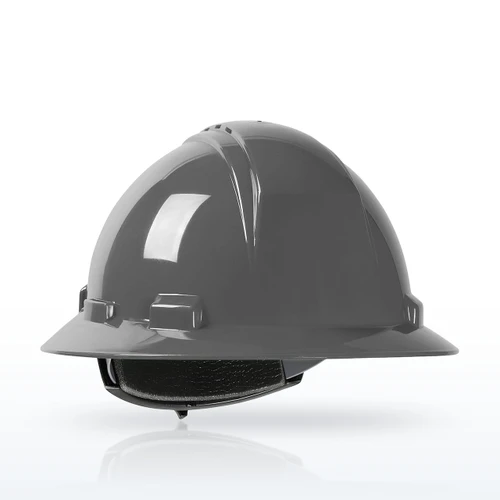
More: every Class C vented helmet.
Source: the manufacturers' product pages, specification sheets and catalogs as reproduced on each product page; the ratings and standards shown are the manufacturers' own statements, and the products listed are those whose published data names the rating or the standard, not a selection by Bayshore Safety.
Bump caps (ANSI/ISEA 100, not Z89.1)

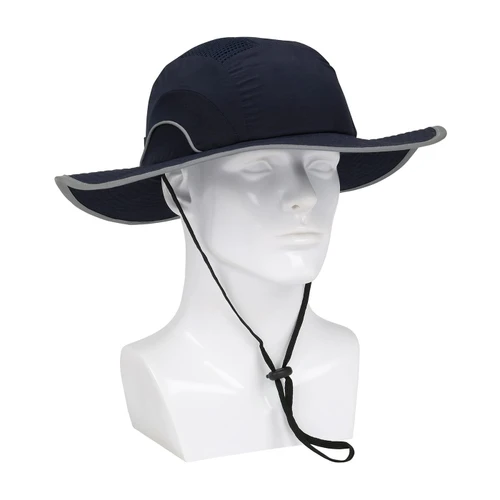
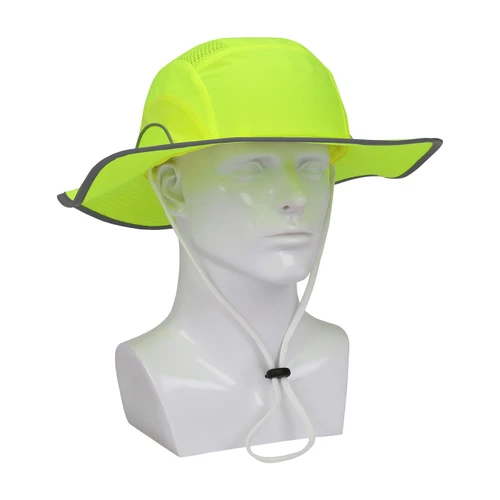
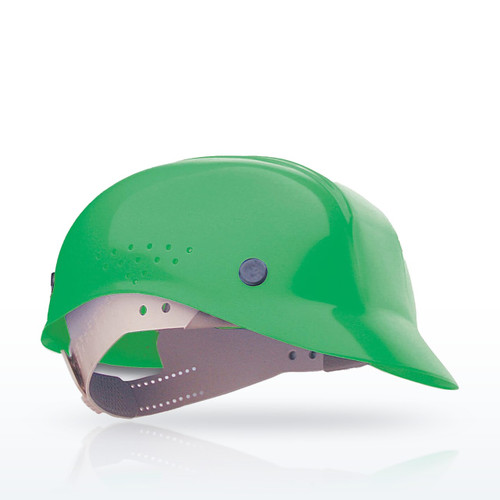
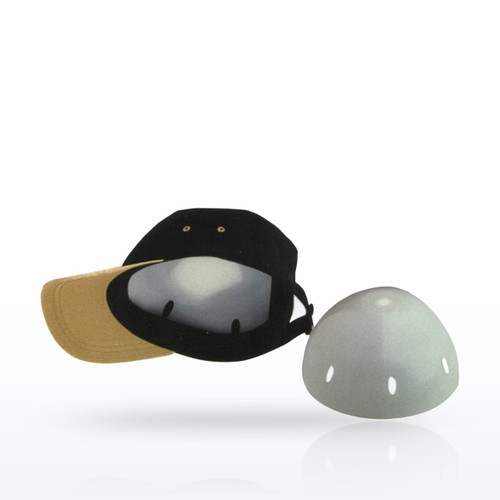
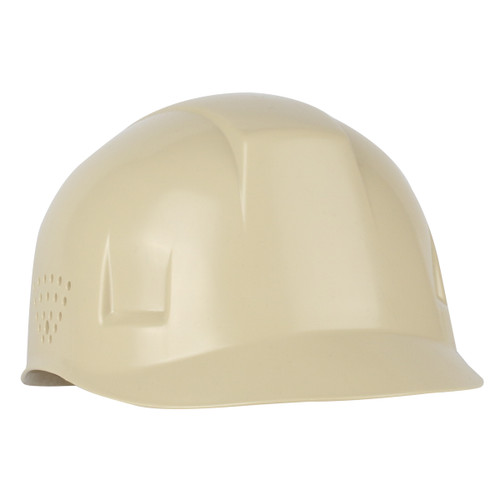
More: every bump cap.
Source: the manufacturers' product pages, specification sheets and catalogs as reproduced on each product page; the ratings and standards shown are the manufacturers' own statements, and the products listed are those whose published data names the rating or the standard, not a selection by Bayshore Safety.
Guides that go further
Type I vs Type II hard hats · Class G, Class E and Class C hard hats · Safety helmet vs hard hat · Vented hard hats · Does OSHA allow stickers on hard hats · EN 397 vs EN 12492 vs ANSI Z89.1 Type II · High-visibility hard hats and lamp brackets · OSHA hard hat requirements · OSHA 1910.135 and 1926.100, the rules that incorporate Z89.1.
ANSI/ISEA Z89.1 Industrial Head Protection questions
What is a Type 2 hard hat? A Z89.1 helmet tested to reduce the force of a blow to the top or the sides of the head (lateral impact), with off-center impact and penetration tests that a Type I helmet, tested for top impact only, does not take. Most Type II helmets are the vented or non-vented safety helmet style with a chin strap and foam liner; the Type is printed on the label inside.
What is better, a Class C or Class E hard hat? They are for different exposures, not better or worse. Class E is proof tested at 20,000 volts for work near high-voltage conductors and is the class 1926.100(b)(2) requires for high-voltage exposure; Class C has no electrical rating and may be vented, which workers choose where there is no electrical hazard. Cal/OSHA §3381(c)(2) spells out which class goes with which voltage.
Do Class C helmets provide electrical protection? No. Under Z89.1, Class C (conductive) helmets are tested for impact and penetration only; a vented shell or metal hardware is what puts a helmet in Class C. Class G (2,200 volt test) and Class E (20,000 volt test) are the electrical classes.
How much voltage does a Class G hard hat protect against? Class G helmets are proof tested at 2,200 volts under Z89.1, as OSHA's PPE booklet states, for incidental contact with low-voltage conductors; Cal/OSHA §3381(c)(2) allows Class G or E where conductors are under 600 volts and requires Class E above that.
Do all Type 2 hard hats have chin straps? Not by rule; Z89.1 tests the chin strap retention where the manufacturer fits one, and the manufacturer's instructions say when it is worn. The safety helmet style that most Type II helmets come in is sold with a chin strap, which OSHA's 2023 bulletin recommends for work at height.
What does ANSI Z89.1 mean? It is the American National Standard for Industrial Head Protection, published by ISEA and approved by ANSI, which 29 CFR 1910.135 and 1926.100 incorporate by reference. A helmet labeled with it has passed the impact, penetration and (for Class G and E) electrical tests for the Type and Class on its label.
The ratings, test results and standards shown here are the manufacturers' published values, reproduced as published. Nothing on this page is a recommendation by Bayshore Safety that any product is suitable for a particular task, hazard or workplace. Selecting safety products and protective equipment is the responsibility of the end user and the employer, based on their own hazard assessment and the regulations that apply to their work. Confirm every value on the manufacturer's own documentation before use.