
OSHA 1910.23 Ladders: what it requires and the equipment it names
29 CFR 1910.23 is the general industry ladder rule: inspection before each shift, load ratings, slip-resistant feet, the angle and extension of portable ladders, the clearances and extensions of fixed ladders, and the mobile ladder stand rules. Fall protection on fixed ladders over 24 feet comes from 1910.28(b)(9), and the ladder safety system criteria from 1910.29(i). We sell nationwide; ships in 1–2 business days; most orders arrive in 3–7 business days.
The plain answer
29 CFR 1910.23 requires every ladder in general industry to be inspected before initial use in each shift, to carry its maximum intended load, to have uniformly spaced rungs 10 to 14 inches apart, and to be used only for its design purpose, facing the ladder with at least one hand free; portable ladders are set at about a 4-to-1 angle, extend 3 feet above the landing or are secured with a grab, and are not tied together or placed on unstable bases.
For fixed ladders it sets 7 inches of clearance behind the rungs, side rails extended 42 inches above the landing, a 24 to 30 inch flared through-ladder extension (36 inches maximum between rails when a ladder safety system is fitted), hatch covers that open 70 degrees, and no pitch over 90 degrees. It applies to all general industry employers; construction ladders are under 1926.1053.
The equipment it names is portable ladders (stepladders, extension and single ladders), fixed ladders, individual-rung ladders, mobile ladder stands and platforms, and, through 1910.28(b)(9) and 1910.29(i), the ladder safety systems and personal fall arrest systems required on fixed ladders over 24 feet, with the harness attachment within 9 inches of the carrier.
What the rule says
Each entry is condensed from the paragraph cited; the paragraph itself is the rule and the link opens it.
29 CFR 1910.23(b): General requirements for all ladders: rungs and steps parallel, level and uniformly spaced, 10 to 14 inches apart (fixed and portable) with minimum clear widths of 11.5 inches (portable) and 16 inches (fixed); rungs are corrugated, knurled, dimpled or coated to minimize slipping; ladders carry their maximum intended load; wooden ladders are not coated with opaque materials; metal ladders are made with corrosion-resistant material or protected; ladders are inspected before initial use in each shift and more often as necessary; defective ladders are tagged and removed; ladders are used only for their designed purpose and on stable, level surfaces; ladders are not moved while occupied; the employee faces the ladder and uses at least one hand to grasp it; no load exceeds the rated capacity.
29 CFR 1910.23(c): Portable ladders: slip-resistant feet or other means where the ladder could be displaced; not placed on boxes, barrels or unstable bases; not used on slippery surfaces unless secured; not tied or fastened together to make longer sections unless designed for it; a non-self-supporting ladder set so the horizontal distance from the top support to the foot is about one-quarter of the working length; side rails extend at least 3 feet above the landing surface, or the ladder is secured and a grab rail provided; the top or top step of a stepladder is not used as a step; the ladder is not used on the top cap or paint shelf.
29 CFR 1910.23(d): Fixed ladders: support the maximum intended load; 7 inches minimum perpendicular distance from the rung centerline to the nearest permanent object behind the ladder (4.5 inches for elevator pit ladders); grab bars do not protrude on the climbing side; side rails of through or side-step ladders extend at least 42 inches above the landing; through ladders have the rungs omitted in the extension and the rails flared to 24 to 30 inches (36 inches maximum between rails when a ladder safety system is provided); side-step ladders have continuous rails, rungs and steps; grab bars extend 42 inches above the landing; hatch covers open with sufficient clearance and at least 70 degrees if counterbalanced; individual-rung ladders prevent the feet sliding off; pitch is never over 90 degrees; step-across distance 7 to 12 inches (through) or 15 to 20 inches (side-step); fixed ladders without cages or wells have 15 inches of clear width each side and 30 inches of perpendicular clearance in front (24 inches where unavoidable obstructions exist, with a deflector plate).
29 CFR 1910.23(e): Mobile ladder stands and platforms: rated for the intended load, with handrails on stands over 4 feet, guardrails and toeboards on platforms over 4 feet, locking wheels or casters, steps uniformly spaced and slip resistant, and the top step treated as a standing surface only where the standard allows.
29 CFR 1910.28(b)(9): Fixed ladders over 24 feet: ladder safety system or personal fall arrest system on new ladders, cages or wells accepted on existing ladders until replaced, every ladder by November 18, 2036.
29 CFR 1910.29(i): Ladder safety system criteria: both hands free for climbing, 9 inch maximum connection to the harness, cable guides every 25 to 40 feet on flexible carriers, 500 pound 18 inch drop test.
Source: 29 CFR, Occupational Safety and Health Standards, as published by OSHA (ecfr.gov), read Nov 9 2026.
California (Cal/OSHA)
Each entry is condensed from the paragraph cited; the paragraph itself is the rule and the link opens it.
Title 8 §3277: Fixed ladders: approved construction, 7 inch clearance behind the rungs, rail extensions above landings, and cages or ladder safety systems on long climbs as the section sets out; the ladder safety system includes the carrier, mountings, sleeve and the connection to the body harness.
Title 8 §3278: Portable ladders are used, maintained and inspected under the manufacturer's instructions and the section's placement rules.
Source: California Code of Regulations, Title 8, as published by Cal/OSHA (dir.ca.gov), read Nov 9 2026.
Equipment the rule names
| Equipment or condition | What the rule requires | Paragraph |
|---|---|---|
| Any ladder | Rungs 10 to 14 in apart; supports the maximum intended load; inspected before initial use each shift | 29 CFR 1910.23(b) |
| Portable ladder | Slip-resistant feet; 4-to-1 angle; 3 ft above the landing or secured with a grab rail; no standing on the top cap | 29 CFR 1910.23(c) |
| Fixed ladder | 7 in clearance behind rungs; rails or grab bars 42 in above the landing; 24 to 30 in flare on through ladders | 29 CFR 1910.23(d) |
| Fixed ladder over 24 ft | Ladder safety system or personal fall arrest system (cage or well only on existing ladders until 2036) | 29 CFR 1910.28(b)(9) |
| Ladder safety system | Carrier, sleeve, 9 in connection, cable guides 25 to 40 ft apart, 500 lb drop test | 29 CFR 1910.29(i) |
| Mobile ladder stand or platform | Handrails over 4 ft; guardrails and toeboards on platforms over 4 ft; locking casters | 29 CFR 1910.23(e) |
Source: 29 CFR, Occupational Safety and Health Standards, as published by OSHA (ecfr.gov), read Nov 9 2026.
What we carry for it
Each table lists products whose manufacturer data states the rating or the standard the rule names, every brand we carry that does, with the current price. Sizes and versions are chosen on the product page. The selector linked under each table holds every item of that type.
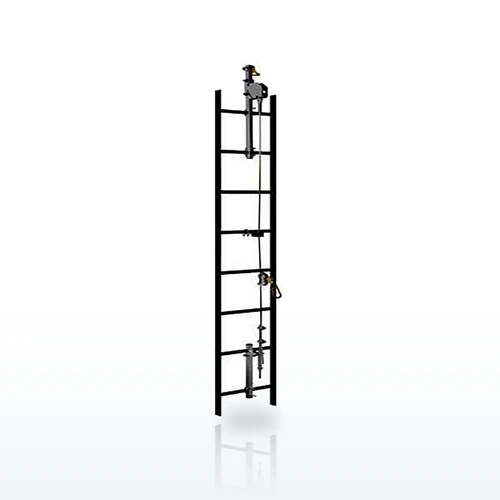
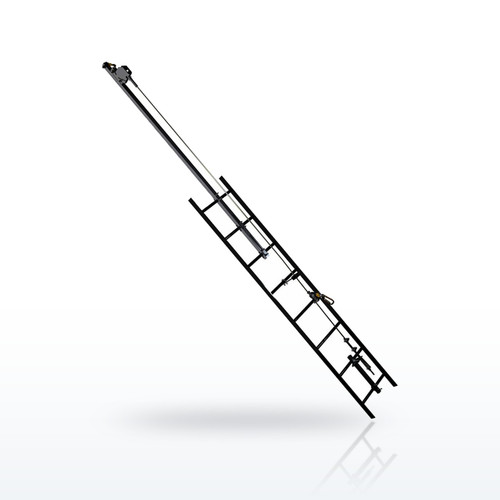
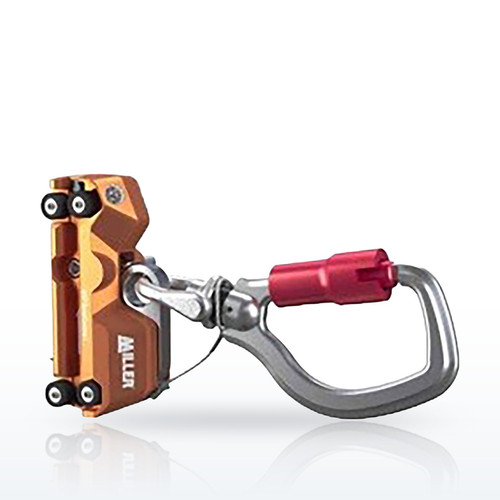
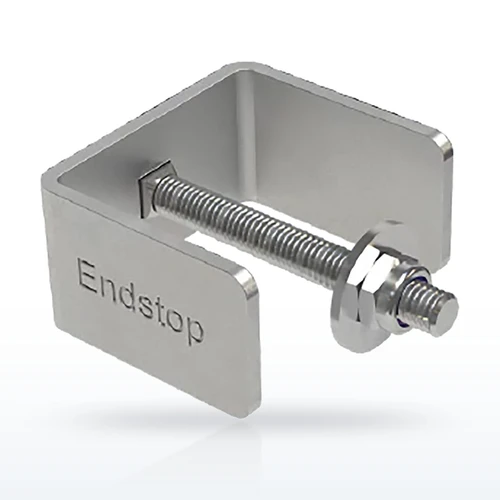
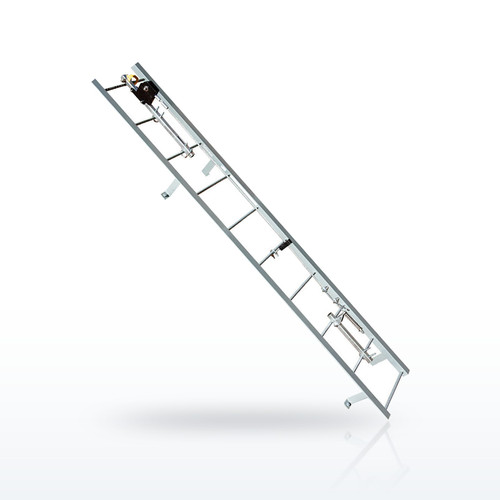
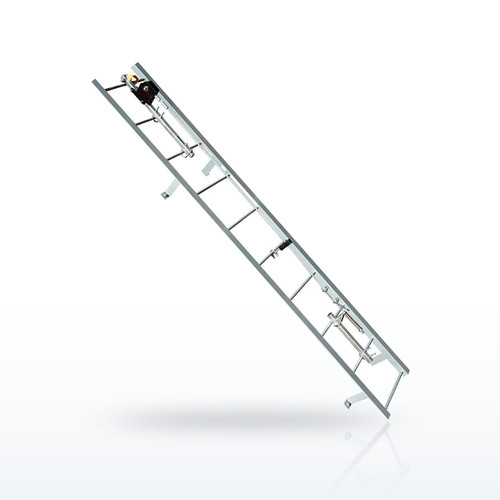
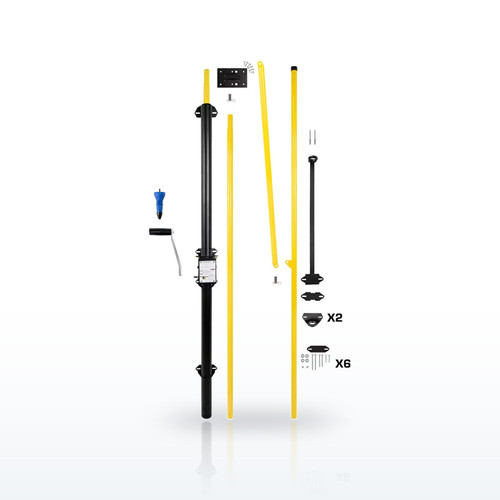
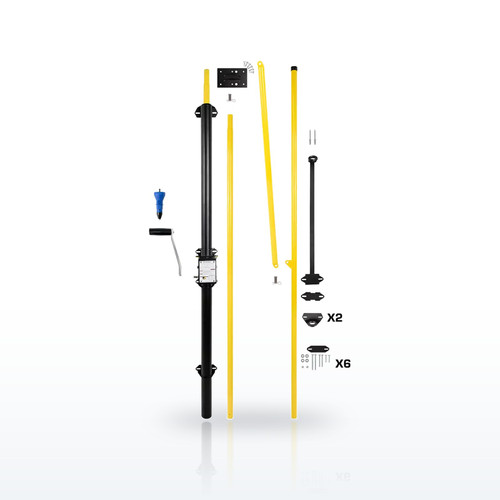
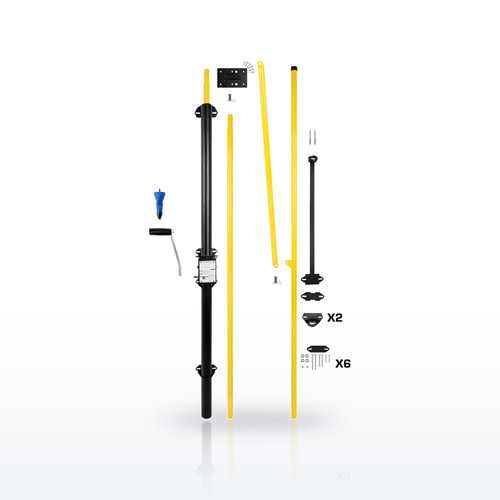
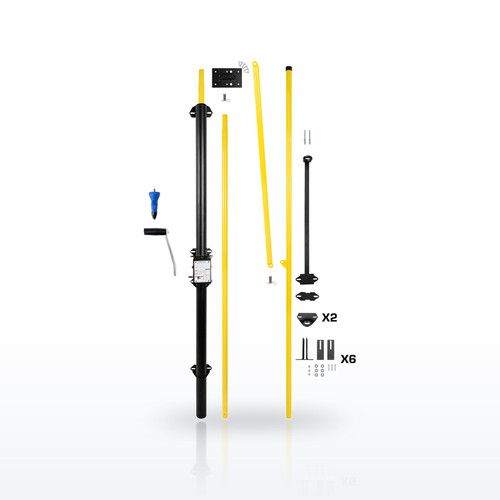
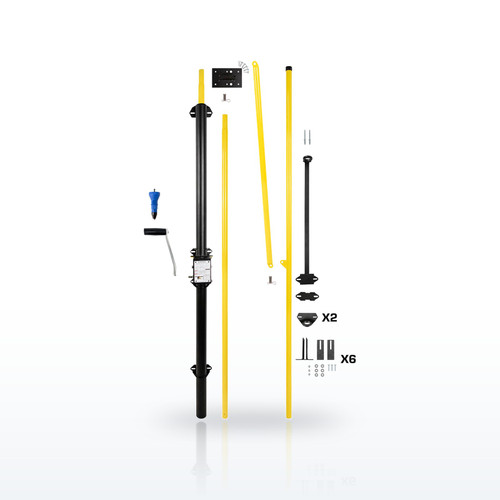
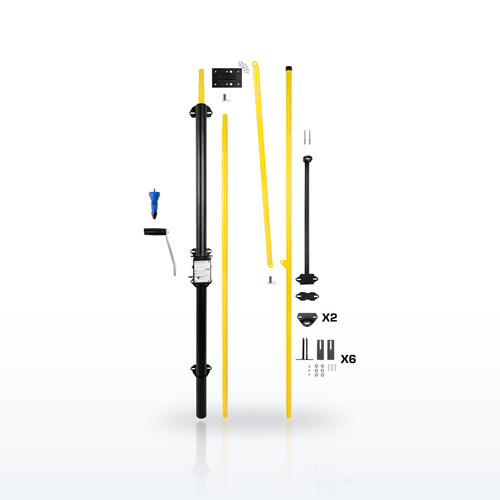
Ladder safety systems (carriers, sleeves, mounts) for fixed ladders

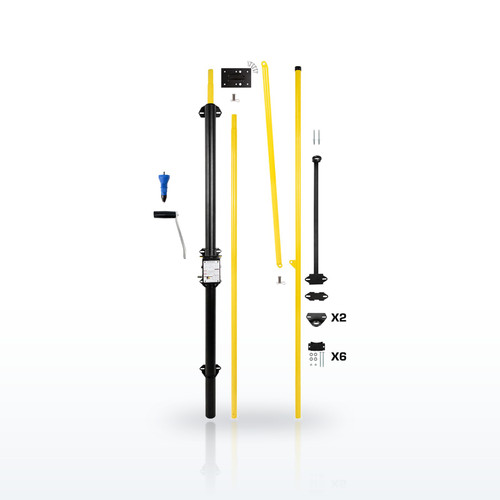
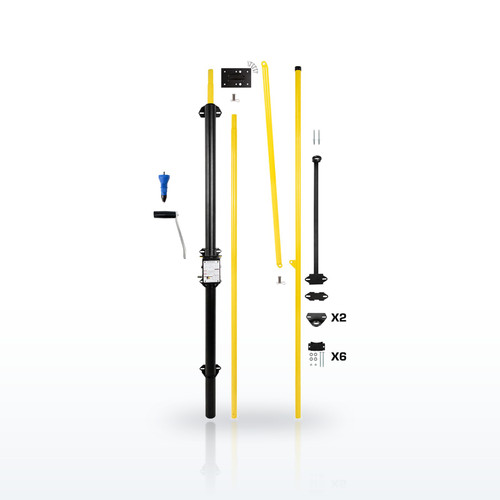
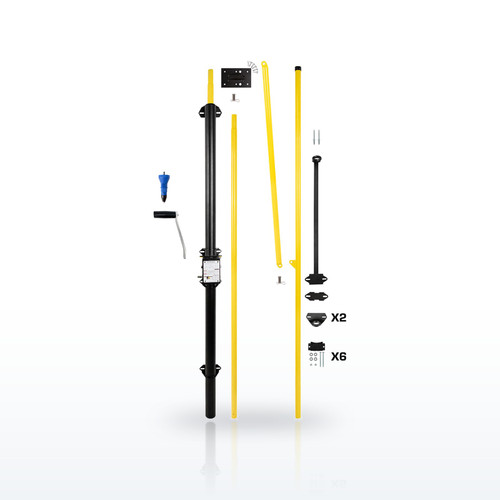
More: every ladder system component by brand.
Source: the manufacturers' product pages and technical data sheets (Safewaze, FallTech, Miller, DBI-SALA) as reproduced on each product page; the standards shown are the manufacturers' own statements.
Harnesses with a front D-ring for ladder climbing
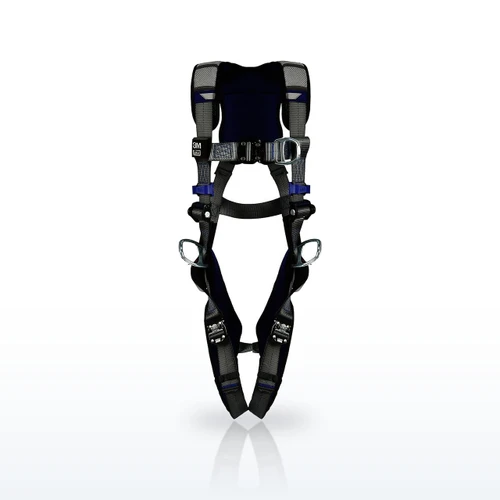

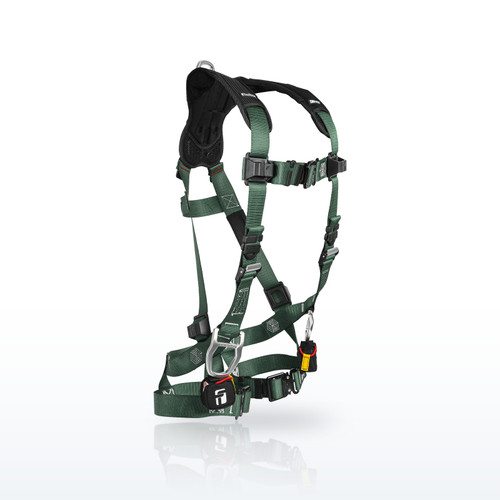
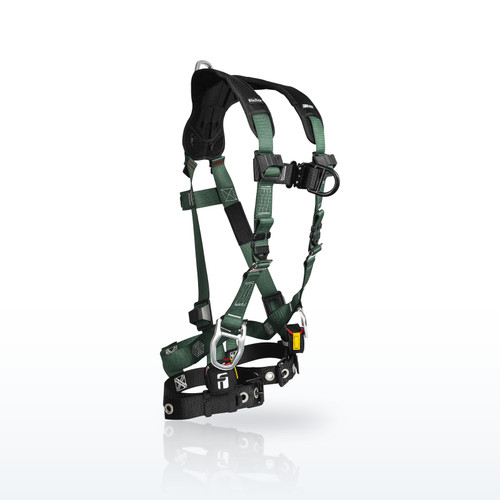
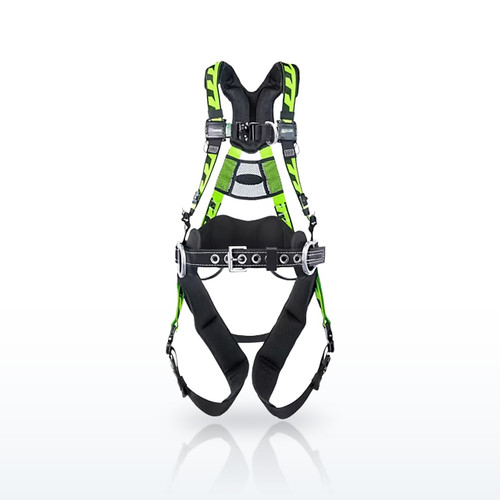
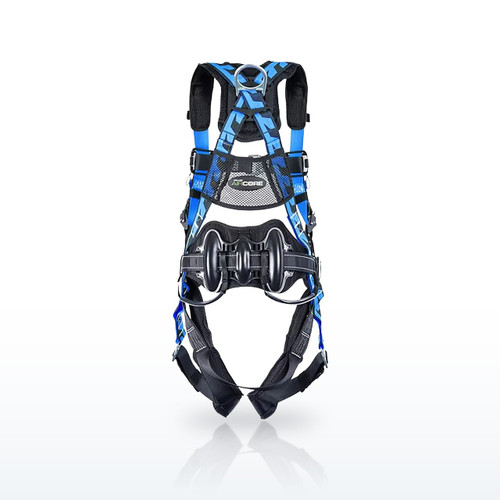
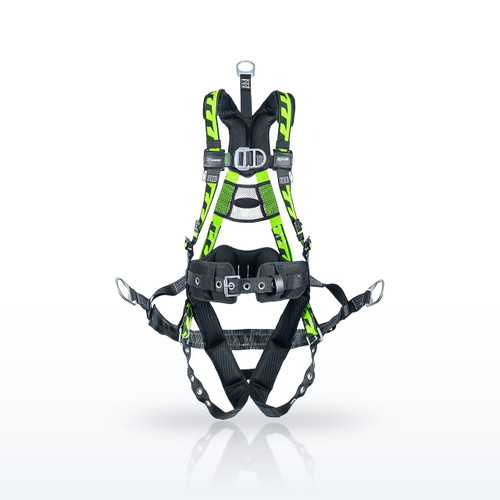
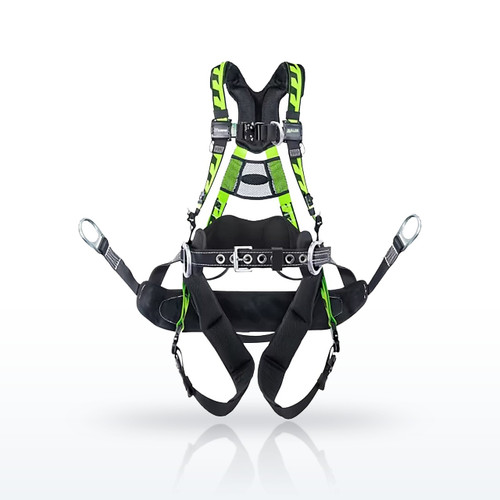
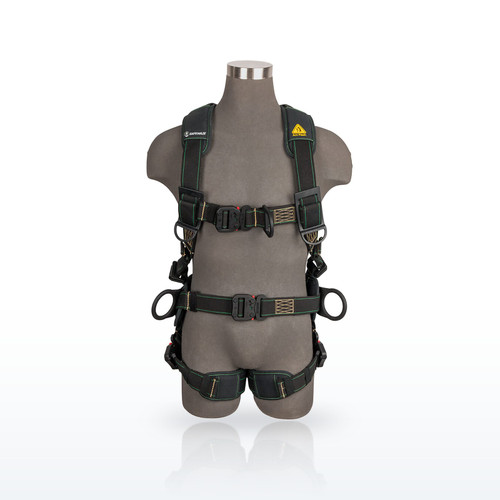
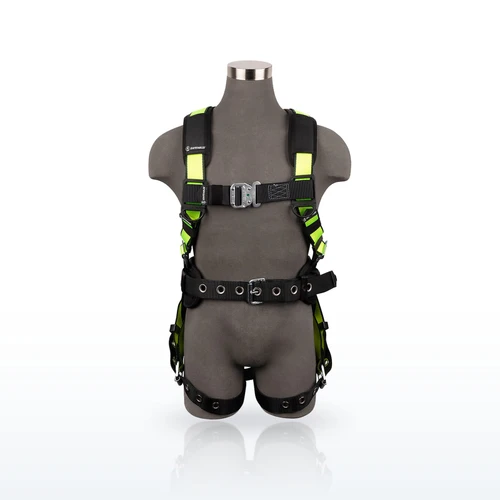
More: every harness by D-ring configuration.
Source: the manufacturers' product pages and technical data sheets (Safewaze, FallTech, Miller, DBI-SALA) as reproduced on each product page; the standards shown are the manufacturers' own statements.
Rescue and confined-space ladders
| Part number | Item | Rating stated | Price | ||
|---|---|---|---|---|---|
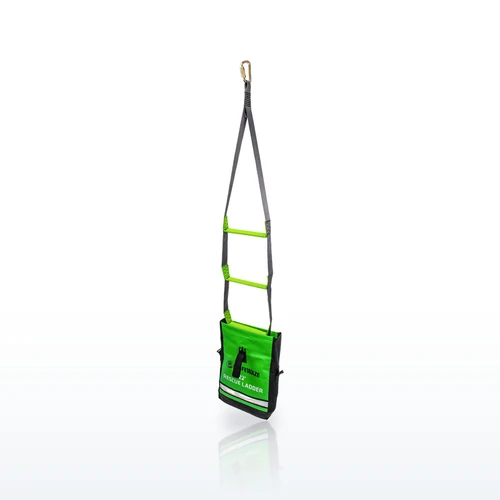 | 020-6041 | Safewaze 020-6041 Rescue Ladders, 22 ft | OSHA 1926.502; OSHA 1910.66 | $246.00 | |
 | 020-6042 | Safewaze 020-6042 Rescue Ladders, 22 ft with Belay | OSHA 1926.502; OSHA 1910.66 | $406.00 | |
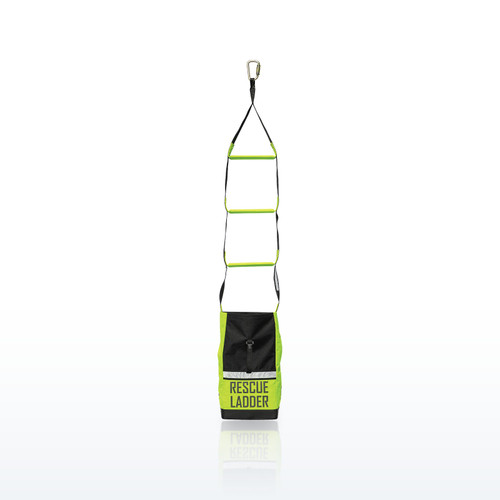 | 685020 | FallTech 685020 Rescue Accessories, 20 ft Rescue Ladder | $429.20 | ||
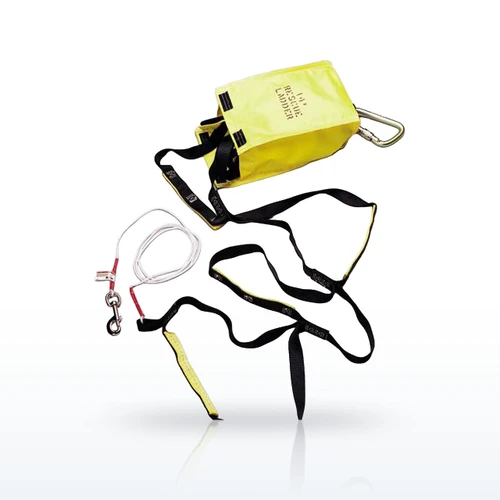 | 9058 | Miller 9058 Rescue and Descent Devices, Aerial Lift Self Rescue Ladder, 15-30 ft | $334.00 | Choose on the page |
More: every rescue and confined space item.
Source: the manufacturers' product pages and technical data sheets (Safewaze, FallTech, Miller, DBI-SALA) as reproduced on each product page; the standards shown are the manufacturers' own statements.
Guides that go further
OSHA ladder requirements · Fall protection on ladders · Fixed ladder fall protection · When is fall protection required · 1926.1053, the construction ladder rule.
OSHA 1910.23 Ladders questions
What are the OSHA standards for ladders? 29 CFR 1910.23 for general industry (with fall protection on fixed ladders in 1910.28(b)(9) and the ladder safety system criteria in 1910.29(i)), and 1926.1053 for construction. Both set the 4-to-1 angle, the 3 foot extension above the landing, rung spacing and inspection; the construction rule adds the 1926 Subpart X training and the job-made ladder requirements.
Does OSHA require ladder inspections? Yes. 1910.23(b)(9) requires ladders to be inspected before initial use in each work shift, and more frequently as necessary, to identify visible defects that could cause injury; a defective ladder is immediately tagged "Dangerous: Do Not Use" or similar and removed from service until repaired or replaced.
What does your employer have to have on a fixed ladder? For a fixed ladder over 24 feet, 1910.28(b)(9) requires a personal fall arrest system or a ladder safety system (a cage or well only counts on a ladder installed before November 19, 2018, and only until 2036), with the system covering the whole climb and rest platforms at least every 150 feet. The ladder itself must meet the clearance and extension figures in 1910.23(d).
What is the required spacing between rungs on a ladder? 10 to 14 inches apart, measured between centerlines, under 1910.23(b)(2) for fixed and portable ladders, with the rungs parallel, level and uniformly spaced; step stools are 8 to 12 inches and mobile ladder stands 8 to 14 inches.
What safety device could be used with a fixed ladder? A ladder safety system: a carrier (rigid rail or flexible cable) with mountings and cable guides, a safety sleeve that travels on it and locks in a fall, and a connector of 9 inches or less to the front D-ring of a full body harness, meeting 1910.29(i); or a personal fall arrest system meeting 1910.140.
How far should a ladder extend above the roof? At least 3 feet above the upper landing surface under 1910.23(c)(9) (and 1926.1053(b)(1) in construction); where the ladder is too short to extend, it is secured at the top to a rigid support and a grab rail or similar device is provided for mounting and dismounting.
The ratings, test results and standards shown here are the manufacturers' published values, reproduced as published. Nothing on this page is a recommendation by Bayshore Safety that any product is suitable for a particular task, hazard or workplace. Selecting safety products and protective equipment is the responsibility of the end user and the employer, based on their own hazard assessment and the regulations that apply to their work. Confirm every value on the manufacturer's own documentation before use.