
OSHA 1926.1053 Ladders (Construction): what it requires and the equipment it names
29 CFR 1926.1053 is the construction ladder rule in Subpart X: design loads, rung spacing, the angle and extension of portable ladders, securing and footing, inspection by a competent person, the three-point climbing rule, and cages, wells, ladder safety devices or self-retracting lifelines on fixed ladders that climb 24 feet or more. We sell nationwide; ships in 1–2 business days; most orders arrive in 3–7 business days.
The plain answer
29 CFR 1926.1053 requires construction ladders to support at least four times the maximum intended load (3.3 times for extra-heavy-duty Type IA, and fixed ladders two loads of 250 pounds per section), to have rungs spaced 10 to 14 inches apart, to be used at about a 4-to-1 angle, to extend 3 feet above the landing or be secured with a grab device, to be used only on stable, level surfaces or secured, not tied together, not loaded beyond their rating, and to be inspected by a competent person periodically and after any occurrence that could affect safe use, with defective ladders tagged and withdrawn.
For fixed ladders it requires 7 inches of clearance behind the rungs, 30 inches in front (24 with a deflector), rails or grab bars extending 42 inches above the landing, cages, wells, ladder safety devices or self-retracting lifelines where the climb is less than 24 feet but the top is more than 24 feet above a lower level, and where the climb is 24 feet or more either a ladder safety device, a self-retracting lifeline with rest platforms every 150 feet, or a cage or well with sections of 50 feet or less. It applies to all construction employers; general industry uses 1910.23.
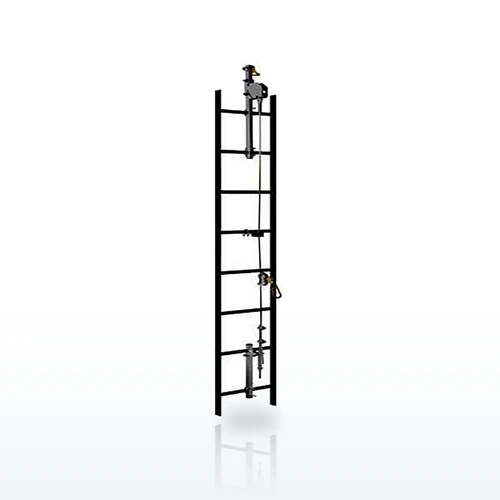
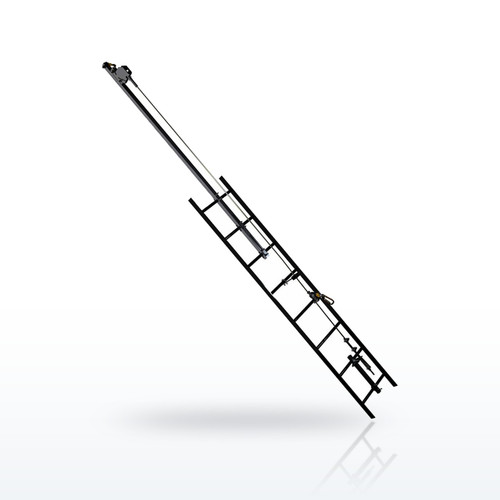
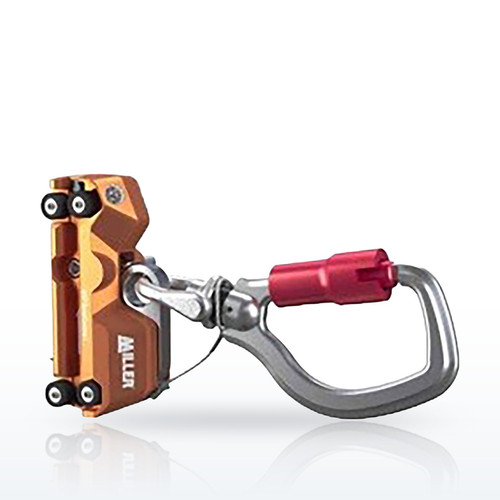
The equipment it names is portable and fixed ladders, job-made ladders, ladder safety devices (the carrier, sleeve and harness connection with a connection of 9 inches or less), self-retracting lifelines, cages and wells, rest platforms, and the harness the climber wears with a ladder safety device.
What the rule says
Each entry is condensed from the paragraph cited; the paragraph itself is the rule and the link opens it.
29 CFR 1926.1053(a)(1): Ladders support without failure at least four times the maximum intended load (3.3 times for extra-heavy-duty Type IA metal or plastic ladders); fixed ladders support at least two loads of 250 pounds each between any two consecutive attachments plus anticipated loads from ice, wind and rigging; ladders built to Appendix A are deemed to meet the requirement.
29 CFR 1926.1053(a)(2)-(3): Rungs, cleats and steps are parallel, level and uniformly spaced, 10 to 14 inches apart on portable and fixed ladders (8 to 12 inches on step stools, 8 to 18 inches on the base section of extension trestle ladders).
29 CFR 1926.1053(a)(4)-(7): Minimum clear width between rails of 11.5 inches on portable ladders and 16 inches on fixed ladders; rungs of fixed and job-made ladders are skid resistant; ladders are not tied or fastened together unless designed for it; a metal spreader or locking device holds a stepladder open.
29 CFR 1926.1053(a)(8)-(13): Fixed ladders: no more than 90 degrees from horizontal; 7 inches minimum clearance from the rung centerline to the nearest object behind (4.5 inches for elevator pit ladders); 30 inches clearance on the climbing side (24 with a deflector device); 15 inches each side of the centerline where no cage or well; step-across distance of 7 to 12 inches; grab bars and side rails that extend 42 inches above the landing.
29 CFR 1926.1053(a)(18)-(21): Fixed ladders are provided with cages, wells, ladder safety devices or self-retracting lifelines where the climb is less than 24 feet but the top is more than 24 feet above lower levels; where the climb is 24 feet or more, a ladder safety device, or self-retracting lifelines with rest platforms every 150 feet, or a cage or well with ladder sections of no more than 50 feet and offset landing platforms; cages and wells meet the dimensions in the paragraph.
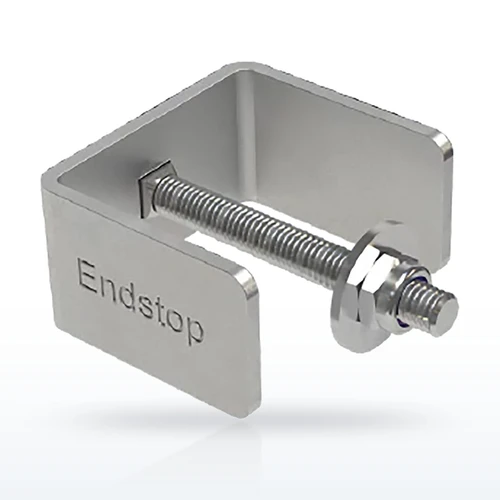
29 CFR 1926.1053(a)(22)-(24): Ladder safety devices and related support systems withstand without failure an 18 inch drop of a 500 pound weight; they permit the employee to climb without continuously holding, pushing or pulling any part of the device, with the connection to the carrier or lifeline not exceeding 9 inches; mountings for rigid carriers at each end and intermediate points, cable guides for flexible carriers 25 to 40 feet apart.
29 CFR 1926.1053(b)(1): A portable ladder used for access to an upper landing extends at least 3 feet above the landing surface, or is secured at the top to a rigid support with a grasping device such as a grab rail provided.
29 CFR 1926.1053(b)(2)-(8): Ladders are maintained free of oil and grease, not loaded beyond their rating, used only for their designed purpose, on stable and level surfaces unless secured, not on slippery surfaces unless secured or footed, secured against displacement where they could be hit or where they are placed where they can be displaced, with the area around the top and bottom kept clear.
29 CFR 1926.1053(b)(5): Non-self-supporting ladders are set at an angle where the horizontal distance from the top support to the foot is about one-quarter of the working length (the 4-to-1 rule); job-made wood ladders with spliced rails at one-eighth.
29 CFR 1926.1053(b)(9)-(14): The area around the top and bottom is kept clear; ladders are not moved, shifted or extended while occupied; non-conductive side rails where the ladder could contact energized equipment; the top or top step of a stepladder is not used as a step; cross-bracing is not climbed; ladders are not used as a brace or platform.
29 CFR 1926.1053(b)(15)-(17): Ladders are inspected by a competent person for visible defects on a periodic basis and after any occurrence that could affect their safe use; ladders with structural defects are tagged "Do Not Use" or similar and withdrawn until repaired to their original design criteria.
29 CFR 1926.1053(b)(20)-(22): The employee faces the ladder when climbing, uses at least one hand to grasp it, and does not carry any object or load that could cause loss of balance.
29 CFR 1926.1060: The employer trains each employee in the hazards of ladders and stairways, including proper construction, use, placement and care, the maximum intended load, and the fall protection systems used.
Source: 29 CFR, Occupational Safety and Health Standards, as published by OSHA (ecfr.gov), read Nov 9 2026.
California (Cal/OSHA)
Each entry is condensed from the paragraph cited; the paragraph itself is the rule and the link opens it.
Title 8 §1675: Construction Safety Orders: portable ladders meet the design standards of §3276 and are used, inspected and maintained as the section sets out, with the 4-to-1 placement and 3 foot extension above the landing.
Title 8 §1676: Fixed ladders in construction follow §3277, including the cage, well or ladder safety system requirements by length of climb.
Source: California Code of Regulations, Title 8, as published by Cal/OSHA (dir.ca.gov), read Nov 9 2026.
Equipment the rule names
| Equipment or condition | What the rule requires | Paragraph |
|---|---|---|
| Any ladder | Four times the maximum intended load (Type IA 3.3 times); rungs 10 to 14 in; competent-person inspection | 29 CFR 1926.1053(a)(1)-(3), (b)(15) |
| Portable ladder | 4-to-1 angle; 3 ft above the landing or secured with a grab rail; stable footing or secured; no top-step standing | 29 CFR 1926.1053(b)(1)-(13) |
| Fixed ladder, climb under 24 ft with top over 24 ft | Cage, well, ladder safety device or self-retracting lifeline | 29 CFR 1926.1053(a)(18) |
| Fixed ladder, climb 24 ft or more | Ladder safety device; or SRL with rest platforms every 150 ft; or cage or well with 50 ft sections | 29 CFR 1926.1053(a)(19) |
| Ladder safety device | 500 lb 18 in drop test; hands-free climbing; connection to the harness 9 in or less; cable guides 25 to 40 ft | 29 CFR 1926.1053(a)(22)-(24) |
| Non-conductive side rails | Where the ladder could contact exposed energized equipment | 29 CFR 1926.1053(b)(12) |
| Training | Hazards, use, placement, care, load and fall protection systems | 29 CFR 1926.1060 |
Source: 29 CFR, Occupational Safety and Health Standards, as published by OSHA (ecfr.gov), read Nov 9 2026.
What we carry for it
Each table lists products whose manufacturer data states the rating or the standard the rule names, every brand we carry that does, with the current price. Sizes and versions are chosen on the product page. The selector linked under each table holds every item of that type.
Ladder safety devices: carriers, sleeves and mounts

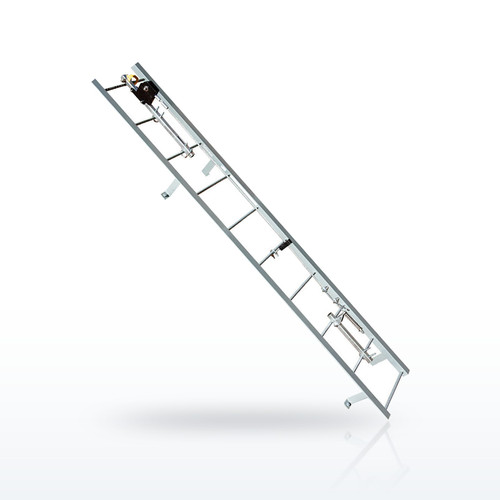
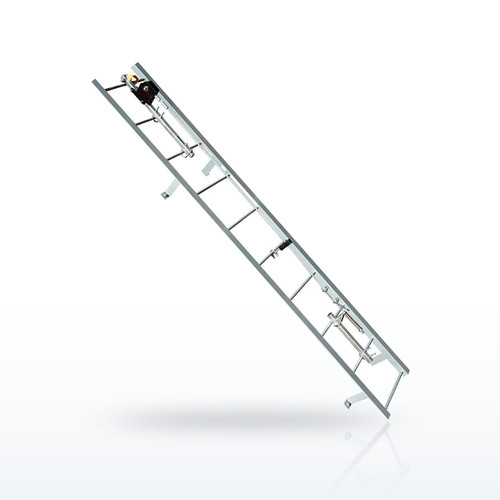
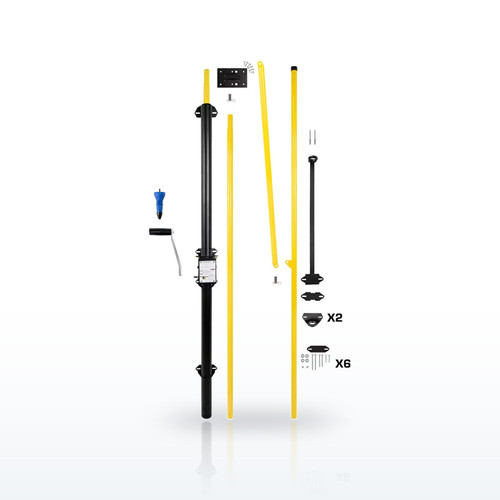
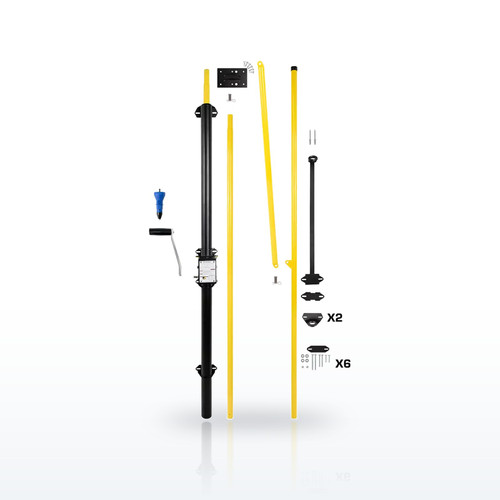
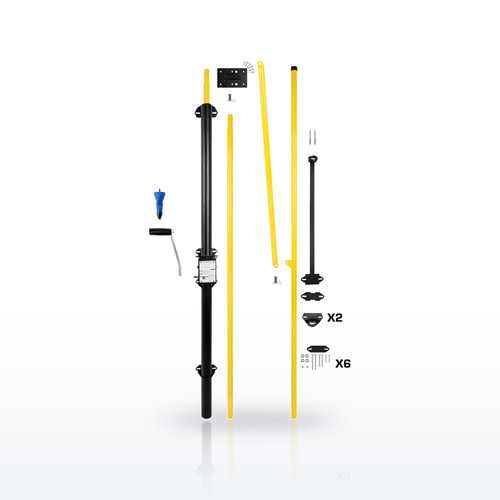
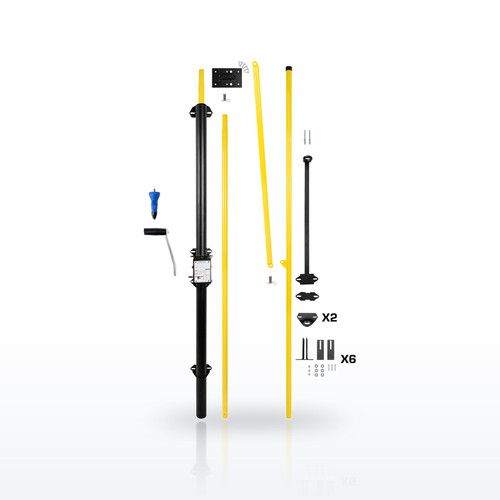
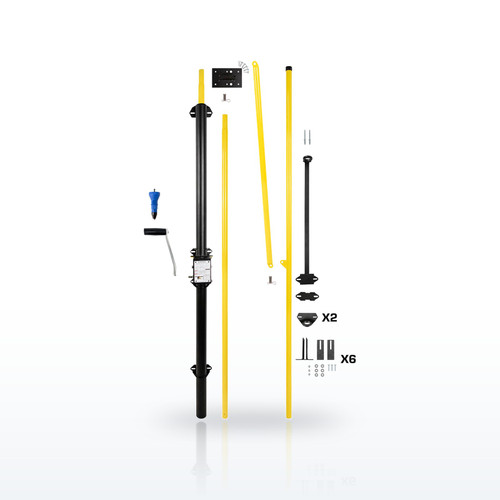
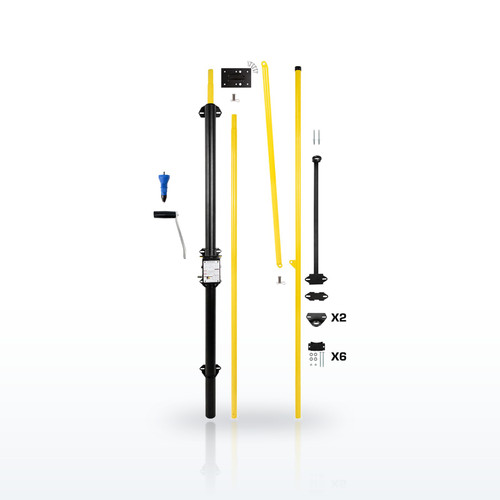
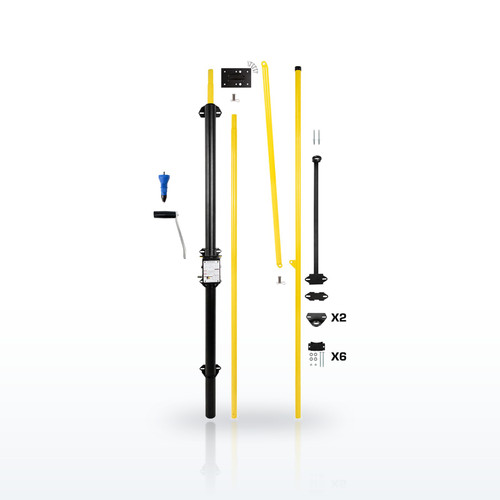
More: every ladder system component by brand.
Source: the manufacturers' product pages and technical data sheets (Safewaze, FallTech, Miller, DBI-SALA) as reproduced on each product page; the standards shown are the manufacturers' own statements.
Self-retracting lifelines for fixed ladder climbs (1926.1053(a)(19)(ii))
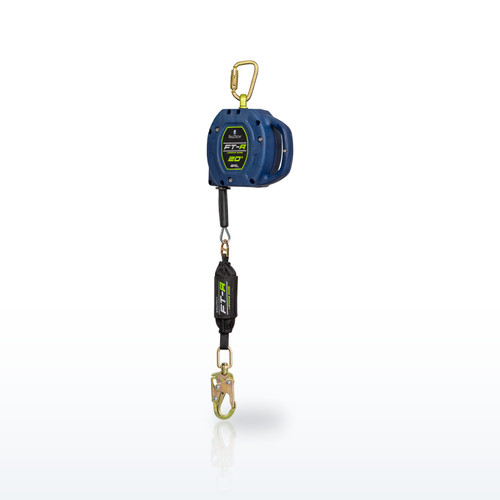
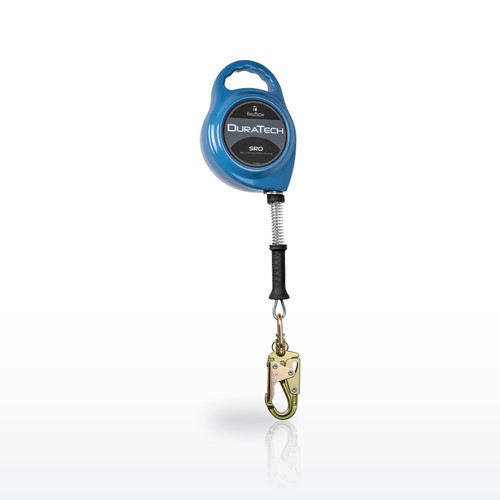
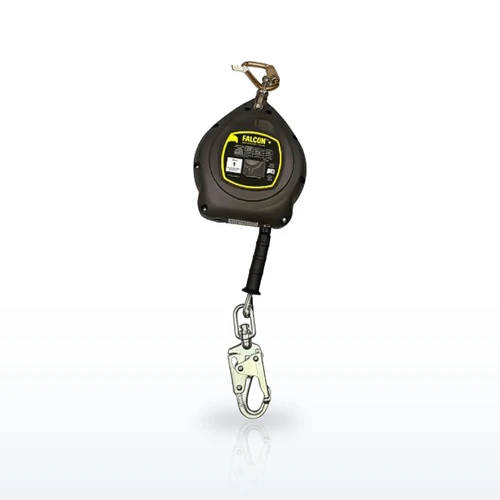
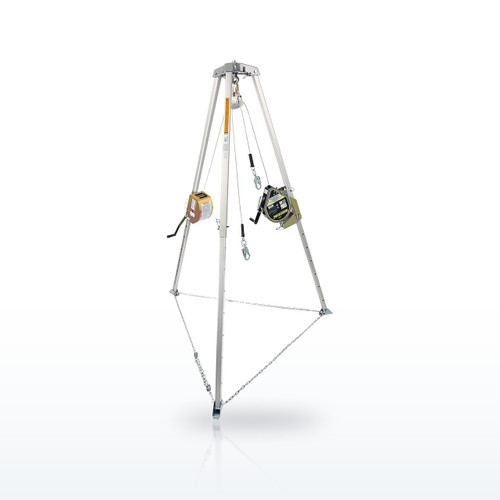
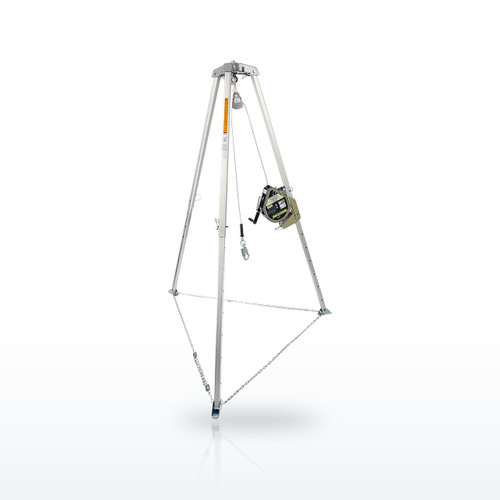
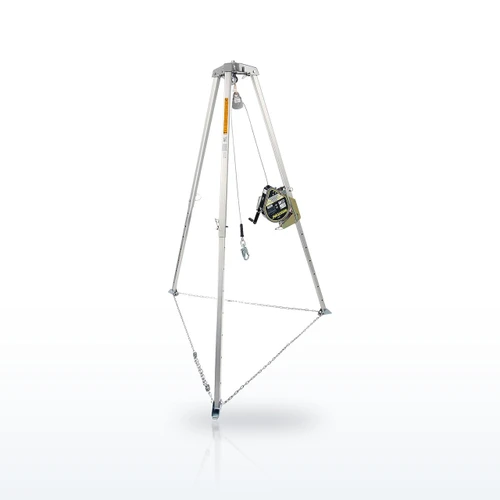
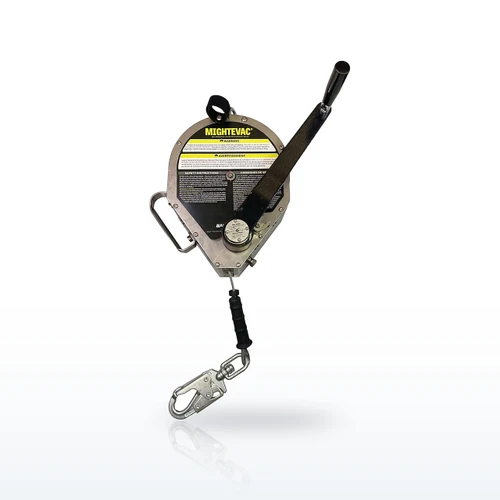
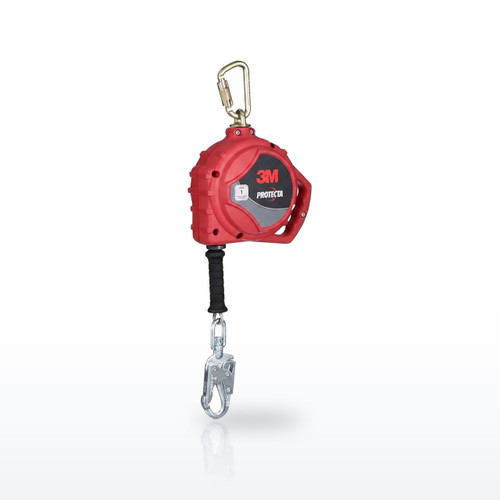
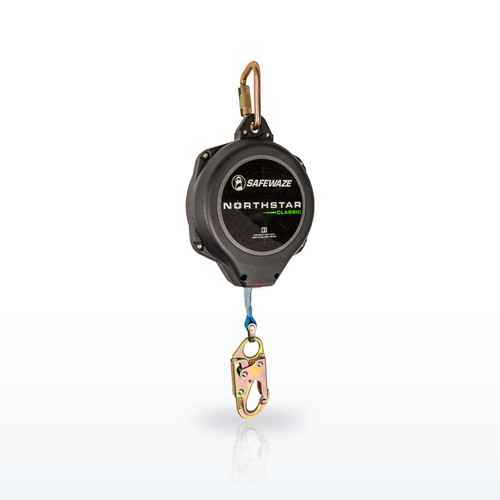
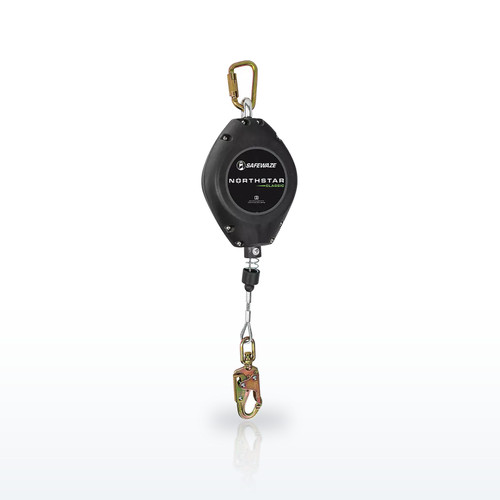
More: every SRL by length.
Source: the manufacturers' product pages and technical data sheets (Safewaze, FallTech, Miller, DBI-SALA) as reproduced on each product page; the standards shown are the manufacturers' own statements.
Harnesses with a front D-ring for ladder climbing devices
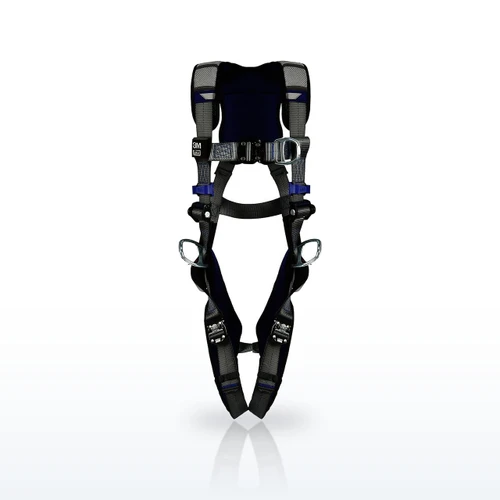

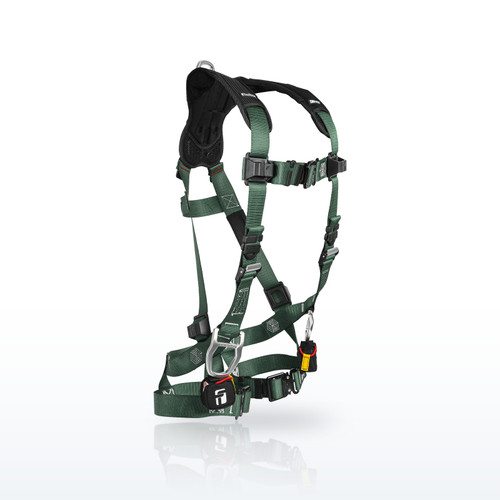
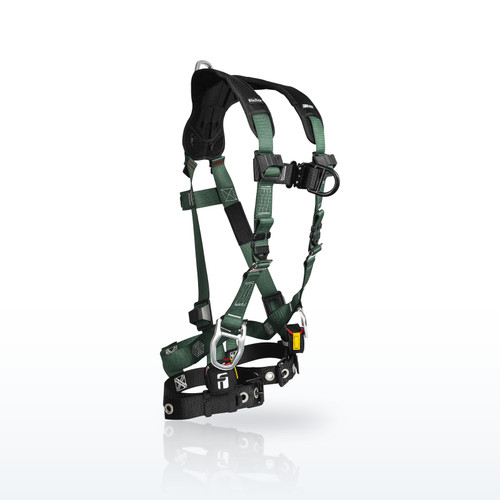
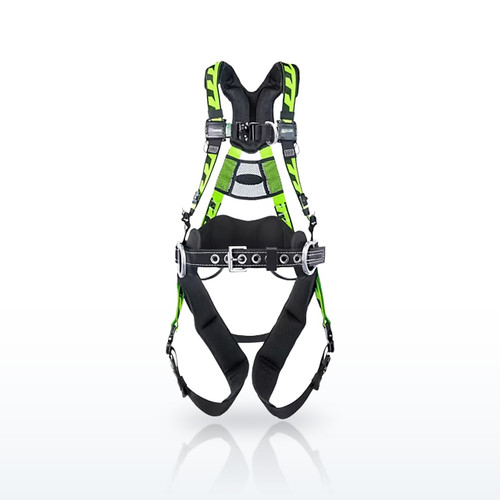
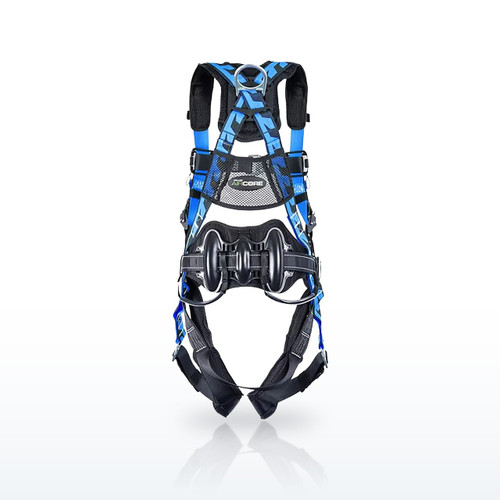
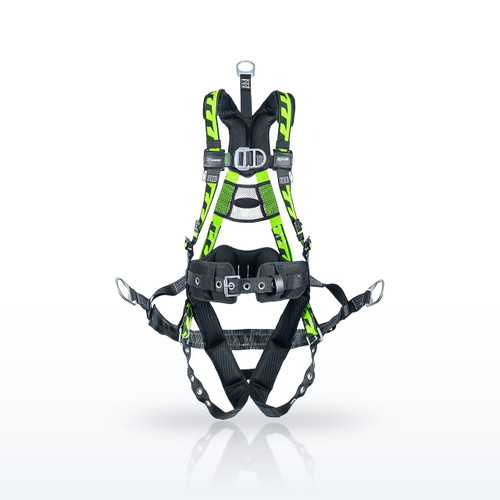
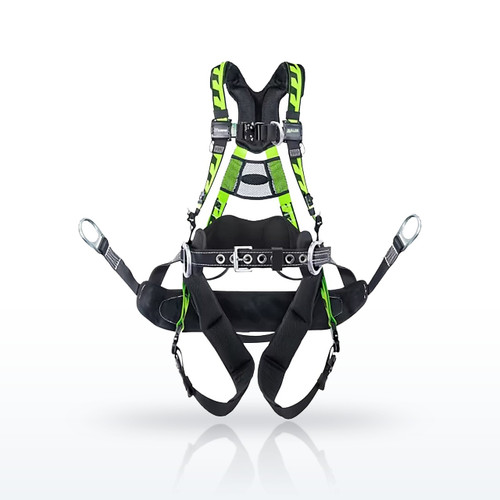
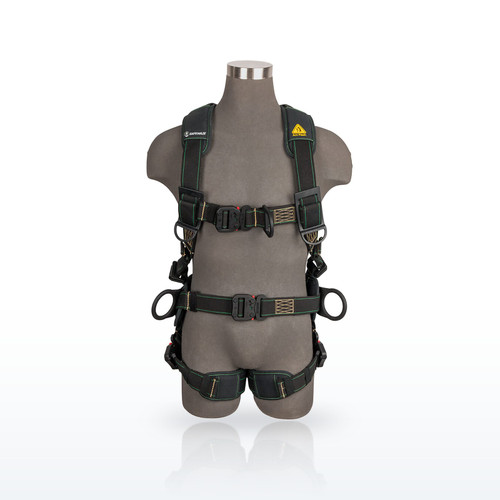
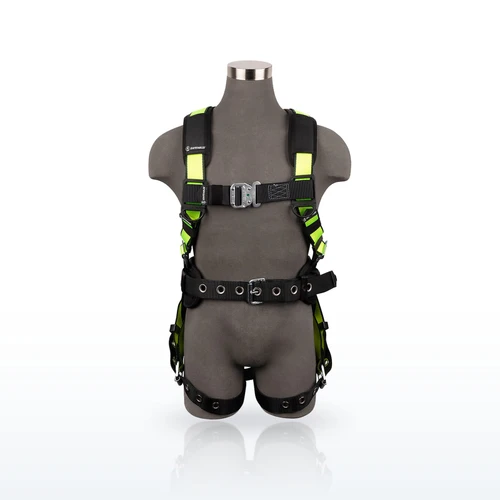
More: every harness by D-ring configuration.
Source: the manufacturers' product pages and technical data sheets (Safewaze, FallTech, Miller, DBI-SALA) as reproduced on each product page; the standards shown are the manufacturers' own statements.
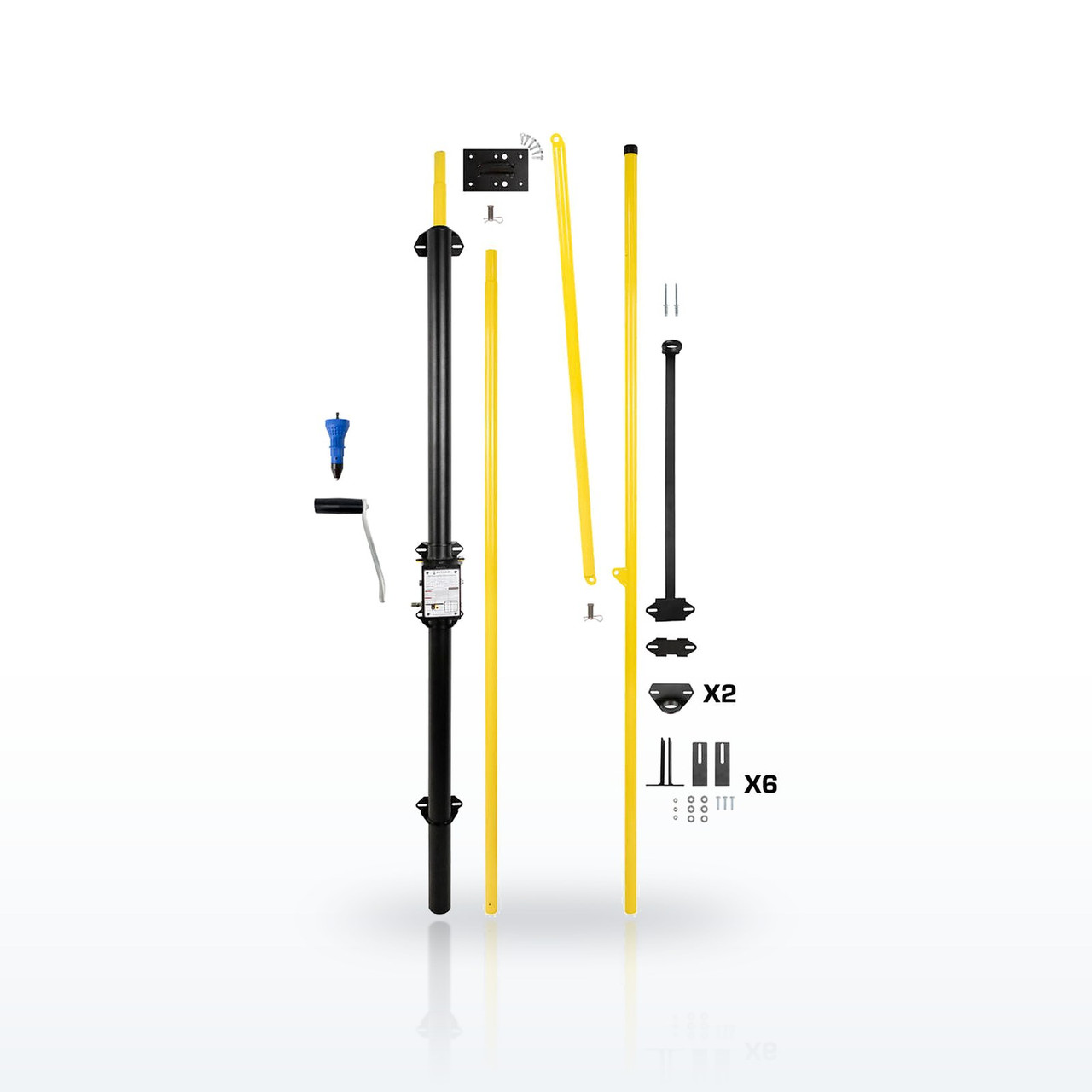
Ladder anchors and hatch anchors
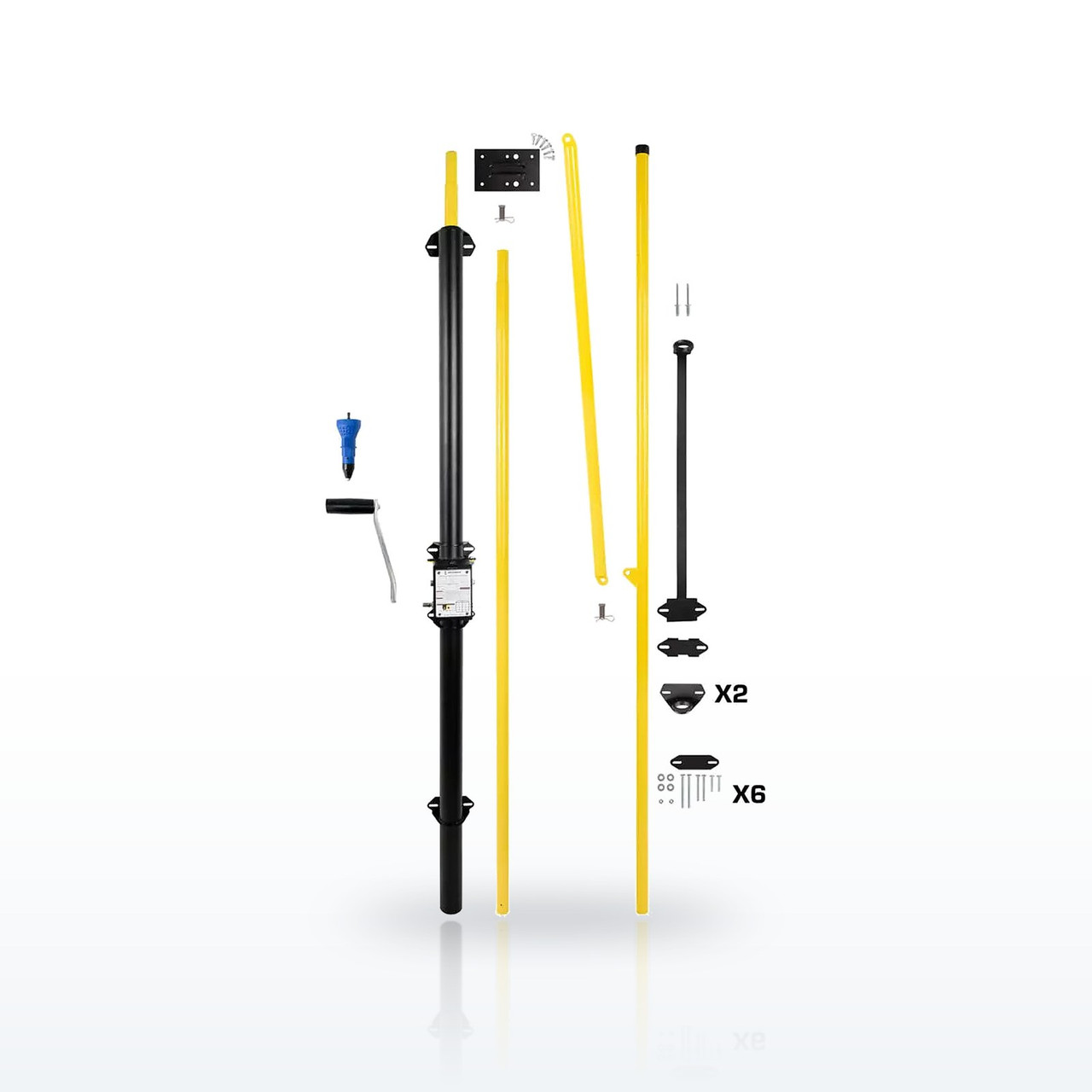
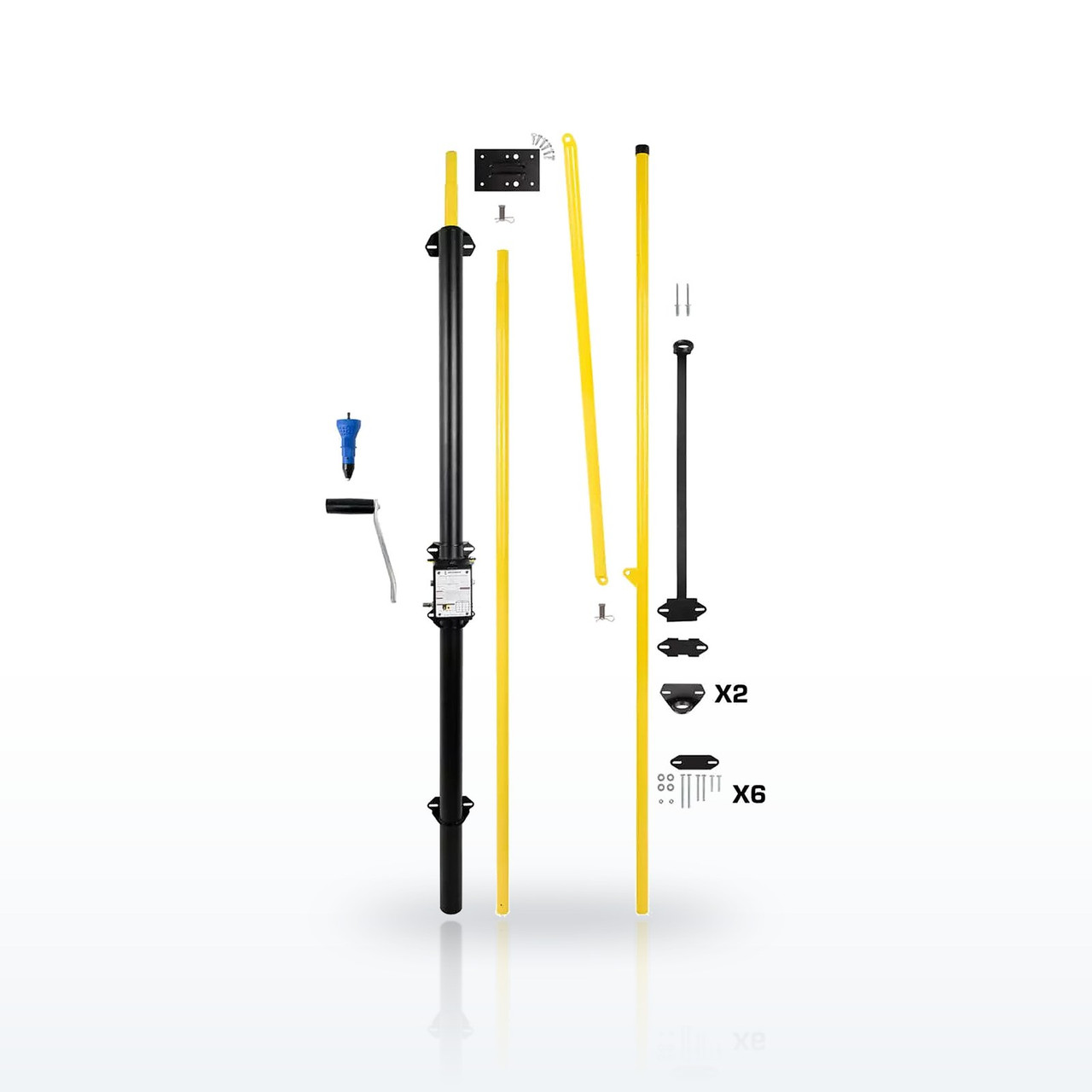
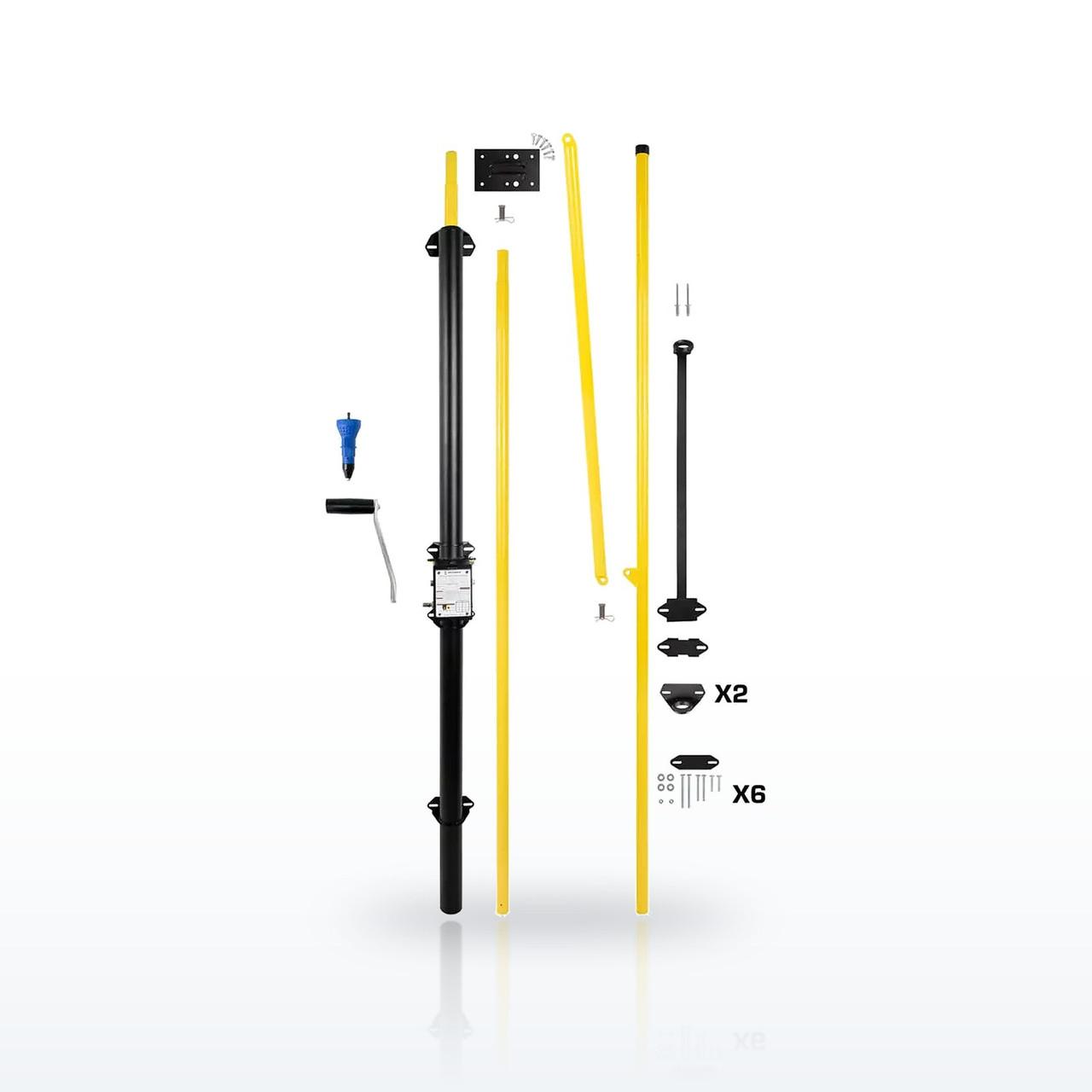
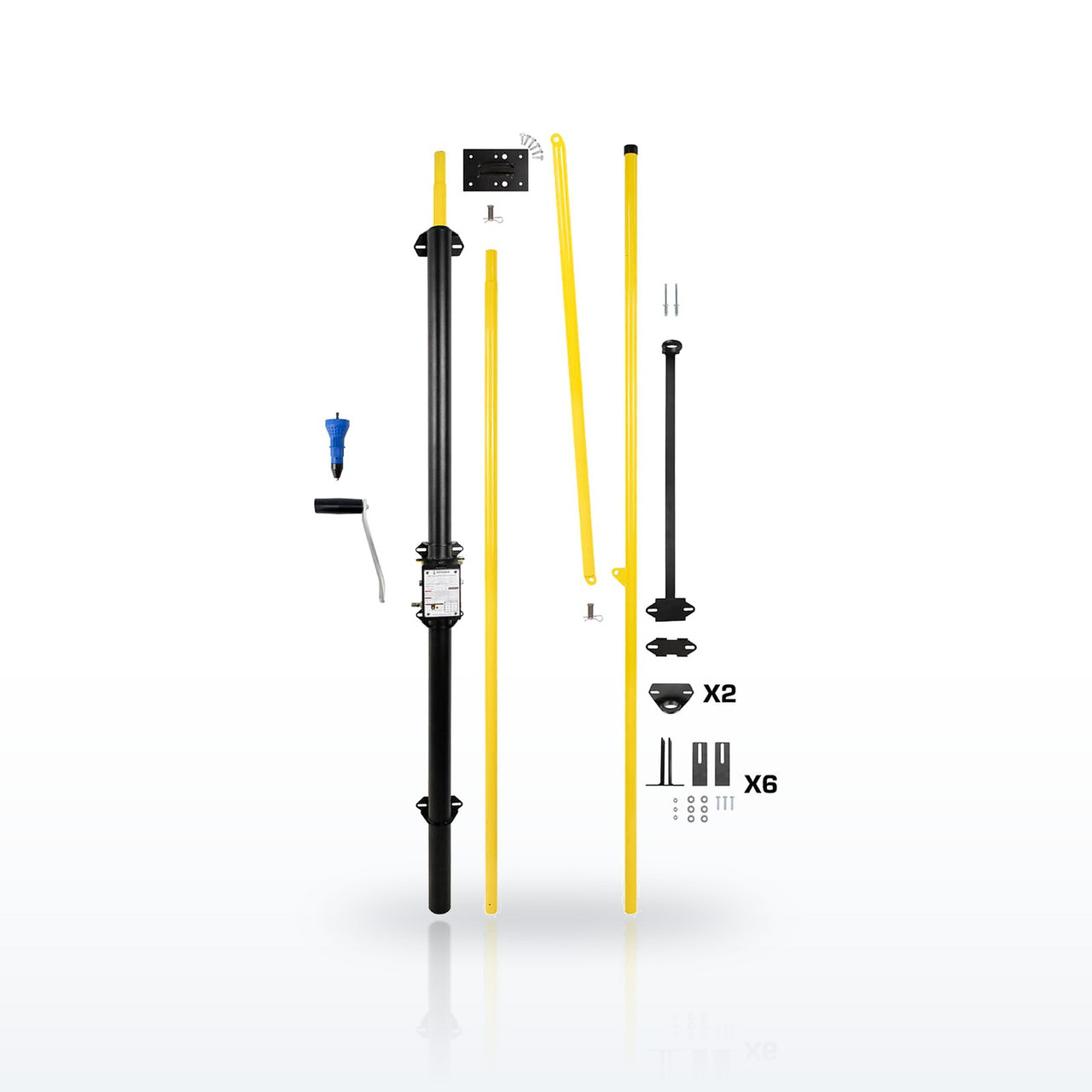


More: every ladder anchor and hatch system.
Source: the manufacturers' product pages, specification sheets and catalogs as reproduced on each product page; the ratings and standards shown are the manufacturers' own statements, and the products listed are those whose published data names the rating or the standard, not a selection by Bayshore Safety.
Guides that go further
OSHA ladder requirements · Fall protection on ladders · Fixed ladder fall protection · What PPE does OSHA require on a construction site · 1910.23, the general industry ladder rule.
OSHA 1926.1053 Ladders (Construction) questions
What are the OSHA standards for portable ladders? In construction, 1926.1053: rated for four times the maximum intended load, rungs 10 to 14 inches apart, set at a 4-to-1 angle, extended 3 feet above the landing or secured with a grab rail, used on stable level footing or secured, kept clear top and bottom, never moved while occupied, never climbed on the top step or cross bracing, inspected by a competent person, and climbed facing the ladder with one hand free.
Does OSHA require fall protection for portable ladders? No paragraph of 1926.1053 requires fall protection on a portable ladder; the rule relies on placement, securing and three-point climbing. Fall protection is required on fixed ladders by 1926.1053(a)(18) and (19): a cage, well, ladder safety device or self-retracting lifeline where the top is more than 24 feet up, and a ladder safety device, SRL or cage with 50 foot sections where the climb is 24 feet or more.
How far above the support point should a ladder extend when accessing a roof? At least 3 feet above the upper landing surface, under 1926.1053(b)(1); where the ladder is too short, it is secured at the top to a rigid support that will not deflect and a grab rail or similar device is provided, and the extension may never let the ladder deflect under load and slip off its support.
What is the 4-to-1 rule for ladders? 1926.1053(b)(5)(i): a non-self-supporting ladder is set so the horizontal distance from the top support to the foot is about one-quarter of the working length of the ladder, so a ladder with 16 feet between foot and top support has its feet about 4 feet out from the wall.
How much weight should a portable ladder be able to support? At least four times the maximum intended load without failure under 1926.1053(a)(1), or 3.3 times for an extra-heavy-duty Type IA ladder; the duty rating on the manufacturer's label (Type III 200 lb, II 225, I 250, IA 300, IAA 375) is the maximum intended load, and (b)(3) prohibits loading beyond it.
What is designed to prevent falls from a fixed ladder and consists of a carrier, sleeve, connector and harness? A ladder safety device, under 1926.1053(a)(22) to (24) and the Subpart X definitions: a carrier (rigid rail or flexible cable) mounted to the ladder, a safety sleeve that travels on it and locks in a fall, and a connector of 9 inches or less to the front D-ring of a full body harness, tested to survive an 18 inch drop of a 500 pound weight.
The ratings, test results and standards shown here are the manufacturers' published values, reproduced as published. Nothing on this page is a recommendation by Bayshore Safety that any product is suitable for a particular task, hazard or workplace. Selecting safety products and protective equipment is the responsibility of the end user and the employer, based on their own hazard assessment and the regulations that apply to their work. Confirm every value on the manufacturer's own documentation before use.