Cleanroom Gloves
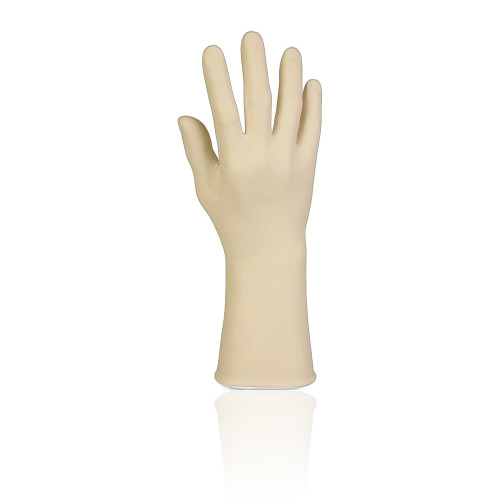
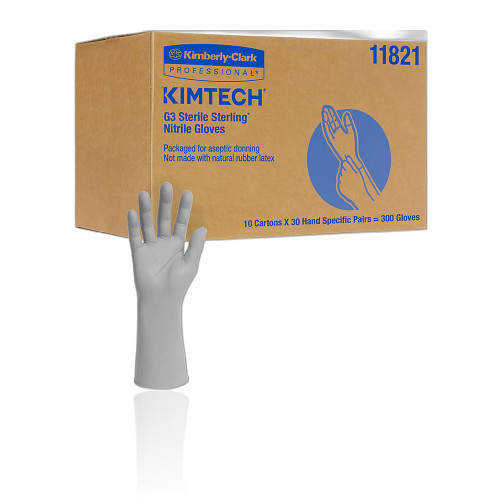
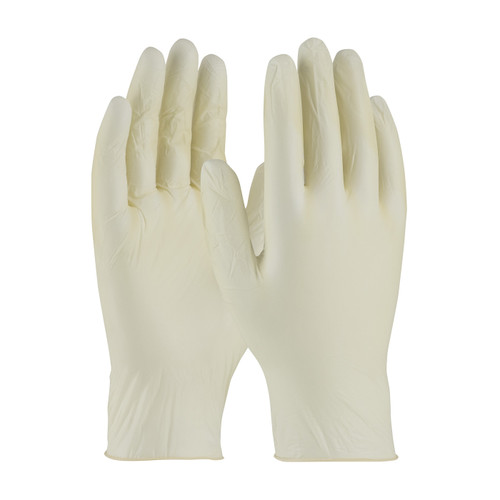
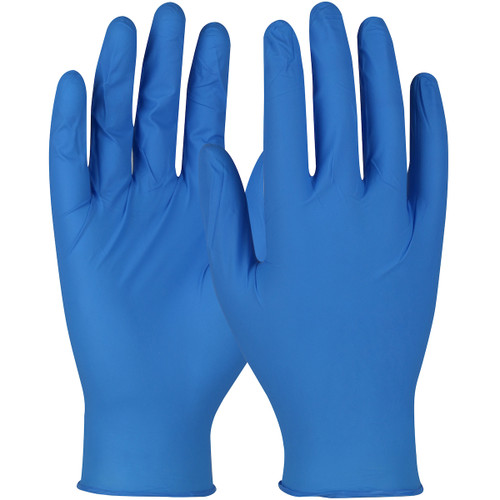
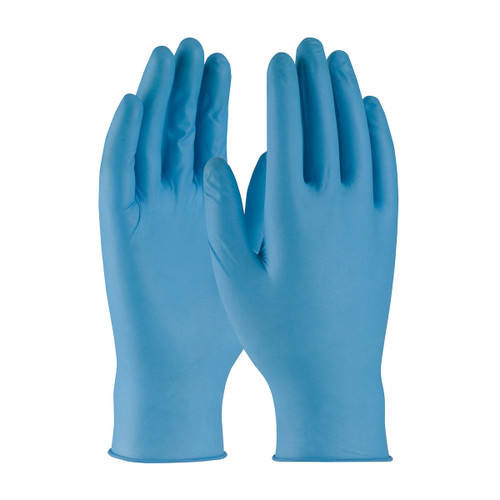
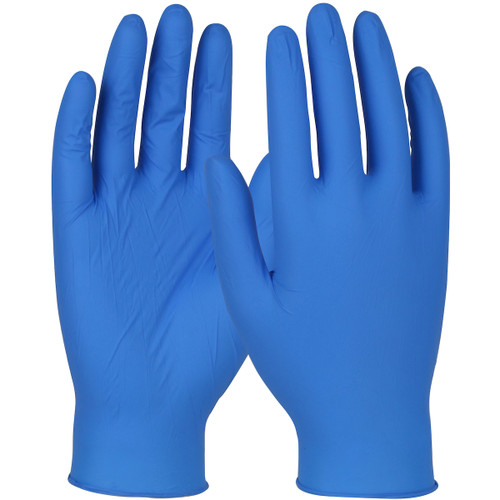
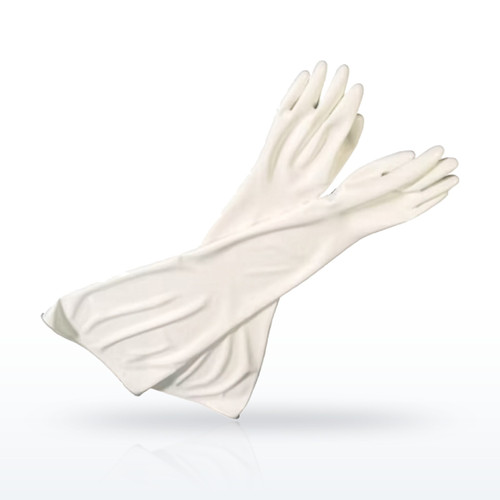
Nitrile, latex and chlorinated cleanroom gloves, glovebox gloves and sleeves for controlled environments, by thickness in mils and length, sold by the case with the bag and case counts in the name.
In this category
113 products from CleanTeam, QRP, North, PIP. Coating: Polyurethane (12), Uncoated (10), Nitrile (8), Butyl (6), Neoprene (4), Latex (4) and 4 more. Shell Material: Cotton (36), Nylon (25), Carbon (7), Polyester (5), Copper (2), Wool (1) and 1 more. Cuff Style: Rolled (23), Knit Wrist (21), Straight (6), Open (6). Sold by the dozen (60), by the pair (27), by the case (23).
Brands in this category: CleanTeam (62) · QRP (24) · North (23) · PIP (4)
Guides for cleanroom gloves
Which gloves protect against chemicals? How to read a chemical resistance chart · Disposable gloves: when must single-use gloves be changed? · Nitrile vs latex vs vinyl gloves: what each material resists · Gloves for bloodborne pathogens: what 1910.1030 requires · Can you use nitrile gloves if you are allergic to latex? And can you react to a non-latex glove? · Heat-resistant gloves: what the ANSI/ISEA 105 heat and flame levels mean
Cleanroom Gloves questions
Does the color of nitrile gloves mean anything? Not in the standards. Color is a manufacturer’s choice; blue became common in food and medical work because it shows against food if a piece tears off, and black is sold for automotive and tattoo work. The food-contact listing (21 CFR 177.2600 in the US, the EU food-contact rule in Europe) is on the box and in the product data, not in the color. More in the guide: Are nitrile gloves food safe? What the 21 CFR food-contact listing means, and what nitrile is not for
Can I wear nitrile gloves with acetone? Not for more than a splash. Manufacturers’ permeation charts show acetone breaking through thin nitrile in under 1 to 6 minutes, and MCR Safety’s EN ISO 374-1 matrix lists letter B (acetone) on none of its gloves. A glove that touched acetone is changed at once; the chemical resistance chart guide names the materials charts place with ketones. More in the guide: Disposable gloves: when must single-use gloves be changed?
What are the three main types of gloves? Depends who is counting. OSHA's hand protection guidance groups gloves as leather, canvas or metal mesh; fabric and coated fabric; chemical and liquid resistant; and insulating rubber. The trade's four families on this page (leather, coated knit, cut-resistant and disposable) sort by how the glove is made. A three-way split usually means leather, coated knit and disposable, with cut-resistant counted as a coated knit whose yarn is rated. More in the guide: What are the four main types of work gloves? Leather, coated knit, cut-resistant and disposable, and what each rating on the tag means
What are ESD gloves? No. An ESD or anti-static glove is made slightly conductive so static drains off safely; it carries no voltage rating and is not electrical protective equipment. More in the guide: Do nitrile gloves conduct electricity? Rubber gloves and electrical shock
Will rubber gloves protect you from electrical shock? No. A leather work glove has no voltage rating; the leather protector worn over a rubber insulating glove protects the rubber from cuts and punctures, and the rubber is the insulation. The leather gloves MCR Safety lists as “Arc Rated” carry an arc rating (heat) under ASTM F1506, not a voltage rating. More in the guide: Do electric gloves exist? Rubber insulating gloves vs the work gloves electricians wear, and what MCR Safety does and does not make
What are ESD gloves used for? No. An ESD or anti-static glove is made slightly conductive so static drains off safely; it carries no voltage rating and is not electrical protective equipment. More in the guide: Do nitrile gloves conduct electricity? Rubber gloves and electrical shock
Ansell series
Ansell BioClean, Ansell TouchNTuff.