
OSHA 1926.451 Scaffolds, General Requirements: what it requires and the equipment it names
29 CFR 1926.451 is the scaffold rule in Subpart L. Paragraph (g) is the fall protection part: at more than 10 feet, a personal fall arrest system or guardrail (or both) depending on the scaffold type, with the rules for lanyards, lifelines and anchorages on scaffolds and the guardrail dimensions. Paragraphs (a) to (f) and (h) cover capacity, platforms, access, use, inspection and falling objects. We sell nationwide; ships in 1–2 business days; most orders arrive in 3–7 business days.
The plain answer
29 CFR 1926.451(g) requires each employee on a scaffold more than 10 feet above a lower level to be protected from falling: by a personal fall arrest system on boatswains' chairs, catenary, float, needle beam and ladder jack scaffolds; by both a personal fall arrest system and a guardrail on single-point and two-point adjustable suspension scaffolds and rope-supported self-contained adjustable scaffolds; by a guardrail or personal fall arrest system on all other scaffolds (including supported frame scaffolds and scissor lifts); and by a competent person's determination of what is feasible for erectors and dismantlers.
Personal fall arrest systems on scaffolds meet 1926.502(d) and are attached by lanyard to a vertical lifeline, horizontal lifeline or scaffold structural member, with vertical lifelines anchored independent of the scaffold and protected from sharp edges, and horizontal lifelines secured to two or more structural members. Guardrails are 38 to 45 inches high (built after January 1, 2000) with midrails, 200 pound top rails and 150 pound midrails. The rule applies to all construction scaffolds; aerial lifts are under 1926.453.
The equipment it names is personal fall arrest systems (harness, lanyard, vertical or horizontal lifeline, rope grab, anchorage independent of the scaffold), guardrail systems, toeboards, screens, debris nets, catch platforms and canopies for falling objects, hard hats, and the scaffold components themselves rated for four times the intended load with planking that supports its load.
What the rule says
Each entry is condensed from the paragraph cited; the paragraph itself is the rule and the link opens it.
29 CFR 1926.451(a): Each scaffold and component supports without failure its own weight and at least four times the maximum intended load; suspension ropes support six times; scaffolds are designed by a qualified person and built and loaded to that design.
29 CFR 1926.451(b)-(c): Platforms are fully planked or decked with no more than 1 inch gaps, at least 18 inches wide, with planking that extends 6 to 12 inches over supports; supported scaffolds are plumb, level, braced and on base plates and mud sills, tied at the heights and intervals in the paragraph.
29 CFR 1926.451(e): Access by portable, hook-on or attachable ladders, stair towers, ramps, walkways or integral prefabricated frames when platforms are more than 2 feet above or below a point of access; cross braces are not used as a means of access.
29 CFR 1926.451(f)(3): Scaffolds and components are inspected for visible defects by a competent person before each work shift and after any occurrence that could affect structural integrity.
29 CFR 1926.451(f)(6): Clearance from power lines: 3 feet for insulated lines under 300 volts, 10 feet for insulated lines of 300 volts to 50 kV and all uninsulated lines, more above 50 kV.
29 CFR 1926.451(g)(1): Each employee on a scaffold more than 10 feet above a lower level is protected from falling: personal fall arrest system on boatswains' chairs, catenary, float, needle beam and ladder jack scaffolds; both a personal fall arrest system and a guardrail on single-point and two-point adjustable suspension scaffolds and self-contained adjustable scaffolds supported by ropes; guardrail or personal fall arrest system on all other scaffolds, including crawling boards (where a guardrail, personal fall arrest system or grab line is permitted) and self-contained adjustable scaffolds supported by the frame.
29 CFR 1926.451(g)(2): A competent person determines the feasibility and safety of fall protection for employees erecting or dismantling supported scaffolds; it is provided where feasible and not a greater hazard.
29 CFR 1926.451(g)(3): Personal fall arrest systems on scaffolds meet 1926.502(d) and are attached by lanyard to a vertical lifeline, horizontal lifeline or scaffold structural member; vertical lifelines are fastened to a fixed safe point of anchorage independent of the scaffold (structural members, not standpipes, vents or piping) and protected from sharp edges; horizontal lifelines are secured to two or more structural members of the scaffold, or looped around both suspension and independent suspension lines above the hoist and brake; vertical lifelines are not used where overhead components are part of a suspension scaffold.
29 CFR 1926.451(g)(4): Guardrails are installed along all open sides and ends before the scaffold is released for use; top rails 38 to 45 inches (built after January 1, 2000); midrails midway, or screens, mesh or intermediate members; top rails withstand 100 pounds on suspension scaffolds and 200 pounds on others, midrails 75 and 150 pounds; no steel or plastic banding as rails; cross bracing may serve as a midrail or top rail at the heights the paragraph gives.
29 CFR 1926.451(h): Falling object protection: each employee on a scaffold wears a hard hat, and employees below are protected by barricades, toeboards (3.5 inches, 50 pounds), screens or panels, canopies, debris nets or catch platforms.
29 CFR 1926.454: Training by a qualified person on the hazards, fall protection, falling objects, electrical hazards, access, loads and the use of the scaffold; retraining when conditions change.
Source: 29 CFR, Occupational Safety and Health Standards, as published by OSHA (ecfr.gov), read Nov 9 2026.
California (Cal/OSHA)
Each entry is condensed from the paragraph cited; the paragraph itself is the rule and the link opens it.
Title 8 §1621(a): Railings on all unprotected and open sides, edges and ends of built-up scaffolds, runways, ramps, rolling scaffolds and elevated platforms 7 1/2 feet or more above the ground or floor.
Title 8 §1658(o): Suspended scaffolds more than 7 1/2 feet up have a standard guardrail of 36 to 42 inches with midrails.
Title 8 §1670(b)(1): On suspended scaffolds with horizontal lifelines that may become vertical, the connecting device locks in both directions.
Title 8 §3642(a): Elevating work platforms: a personal fall protection system where the guardrail is less than 39 inches high, attached to the platform anchorage.
Source: California Code of Regulations, Title 8, as published by Cal/OSHA (dir.ca.gov), read Nov 9 2026.
Equipment the rule names
| Equipment or condition | What the rule requires | Paragraph |
|---|---|---|
| Suspension and boatswains' chair scaffolds | Personal fall arrest system (plus guardrail on single and two-point suspension scaffolds) | 29 CFR 1926.451(g)(1)(i)-(ii) |
| Supported scaffolds, scissor lifts | Guardrail system or personal fall arrest system | 29 CFR 1926.451(g)(1)(vii) |
| Personal fall arrest on a scaffold | Meets 1926.502(d); lanyard to a vertical lifeline, horizontal lifeline or scaffold structural member | 29 CFR 1926.451(g)(3) |
| Vertical lifeline | Anchored independent of the scaffold; protected from sharp edges; one employee per line | 29 CFR 1926.451(g)(3)(i) |
| Horizontal lifeline | Secured to two or more structural members of the scaffold | 29 CFR 1926.451(g)(3)(ii) |
| Guardrail | 38 to 45 in top rail (200 lb; 100 lb on suspension scaffolds); midrail 150 lb (75 lb) | 29 CFR 1926.451(g)(4) |
| Falling objects | Hard hat on the scaffold; toeboards 3.5 in and 50 lb, screens, canopies, debris nets below | 29 CFR 1926.451(h) |
| Inspection | Competent person before each shift | 29 CFR 1926.451(f)(3) |
Source: 29 CFR, Occupational Safety and Health Standards, as published by OSHA (ecfr.gov), read Nov 9 2026.
What we carry for it
Each table lists products whose manufacturer data states the rating or the standard the rule names, every brand we carry that does, with the current price. Sizes and versions are chosen on the product page. The selector linked under each table holds every item of that type.
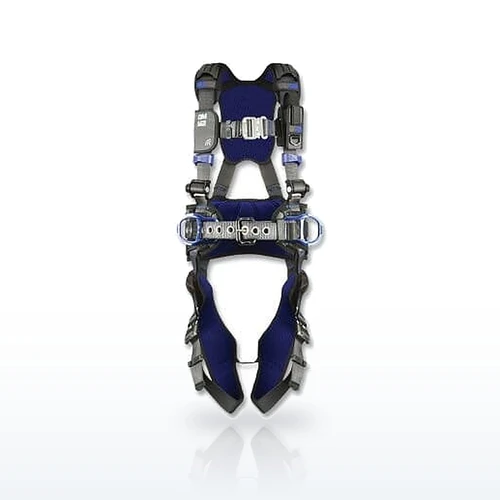
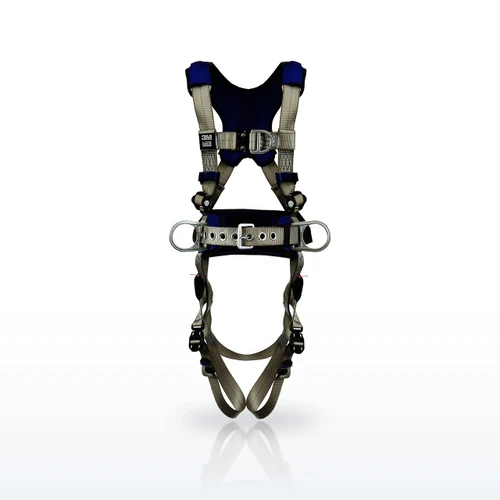
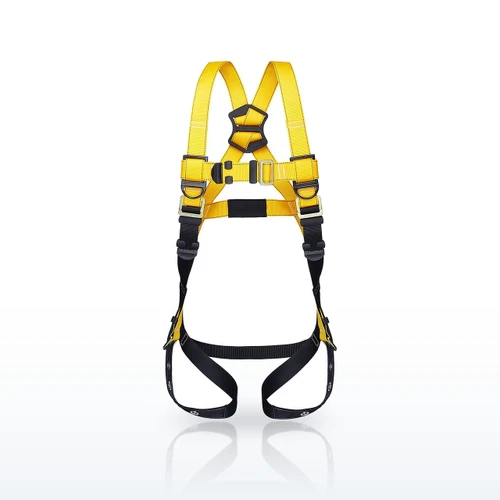
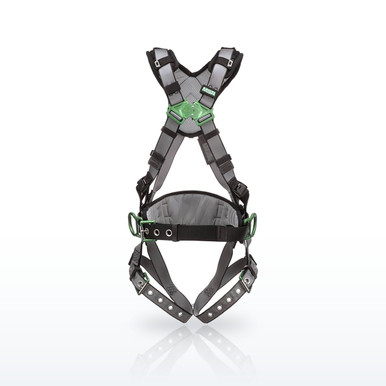
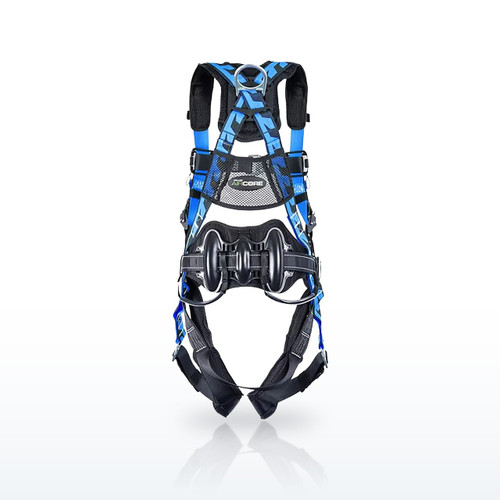
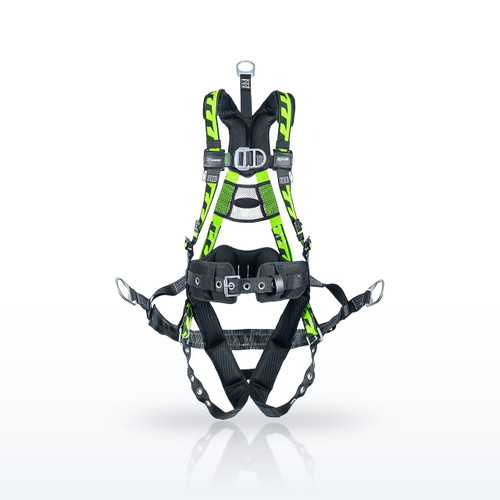
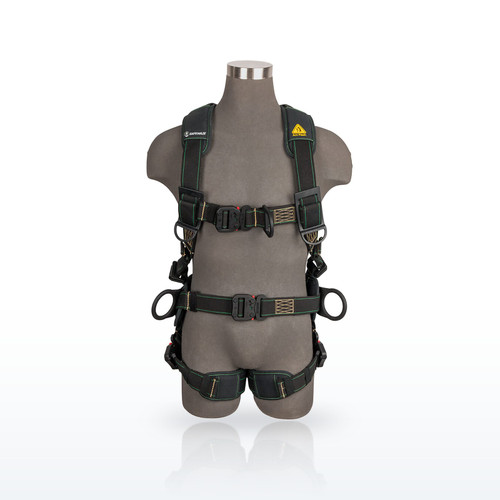
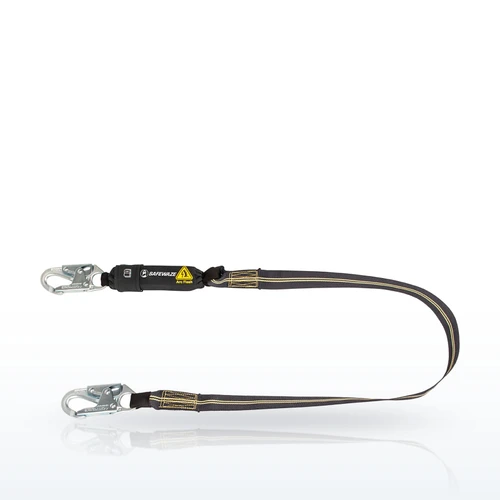
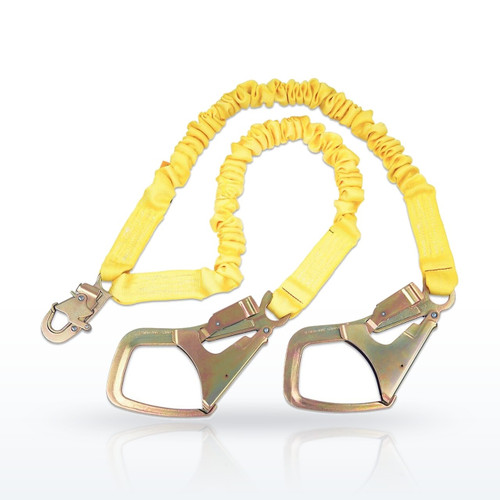
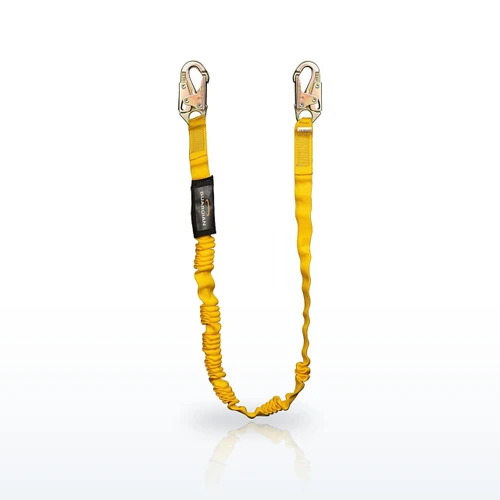
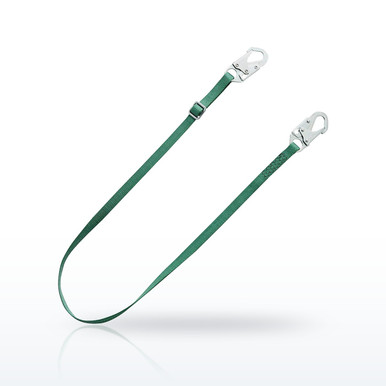
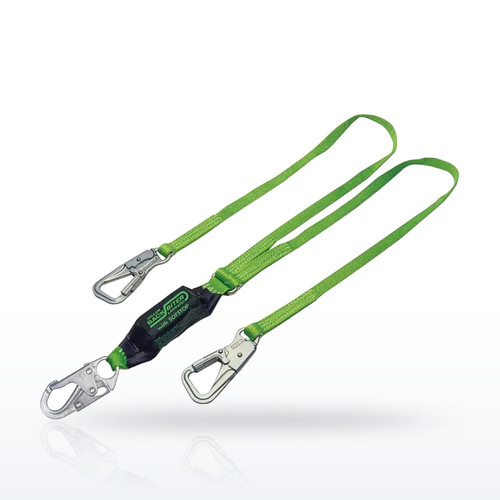
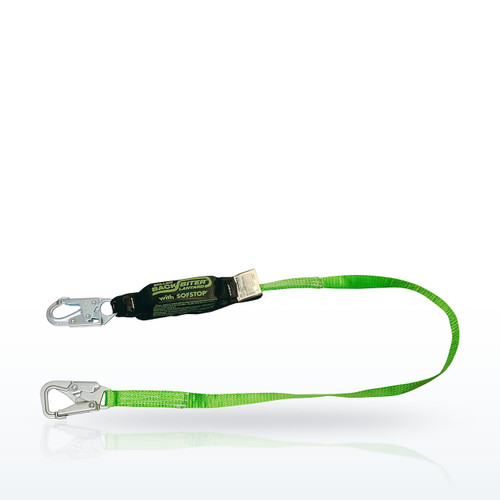
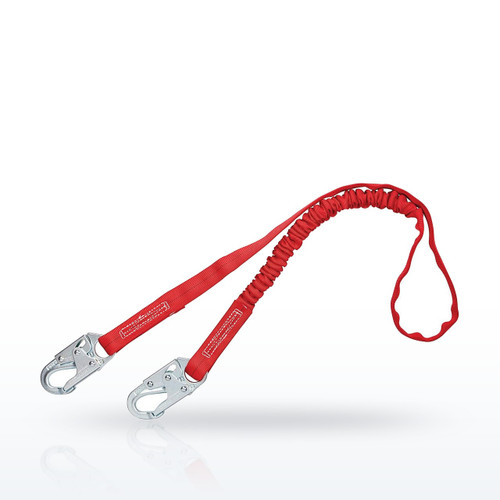
Harnesses and shock-absorbing lanyards for scaffold tie-off
More: every harness and lanyard by standard.
Source: the manufacturers' product pages and technical data sheets (Safewaze, FallTech, Miller, DBI-SALA) as reproduced on each product page; the standards shown are the manufacturers' own statements.
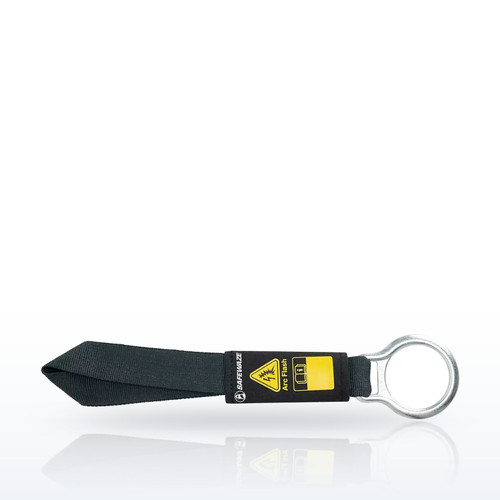
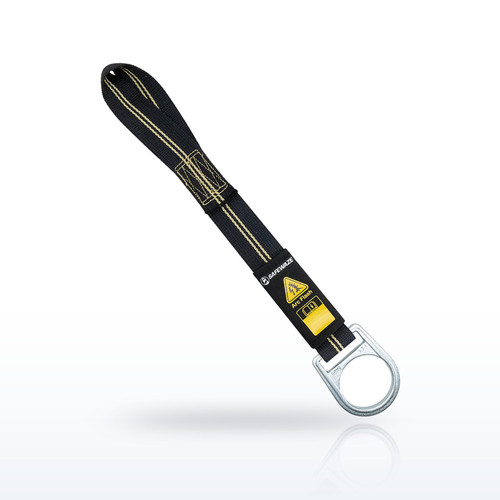
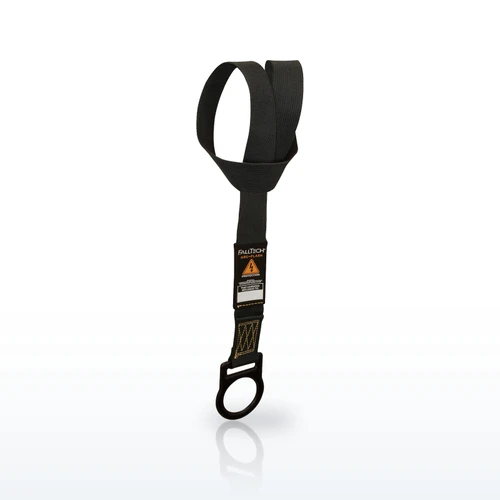
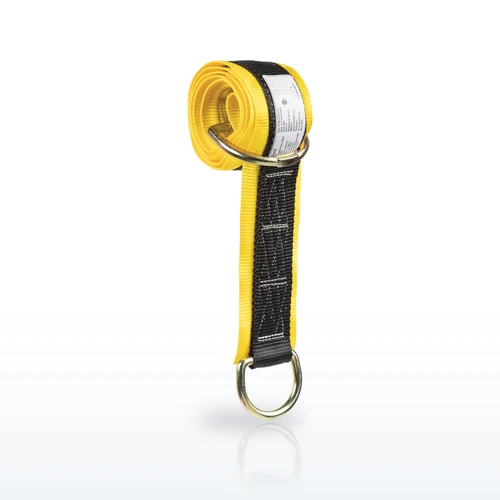
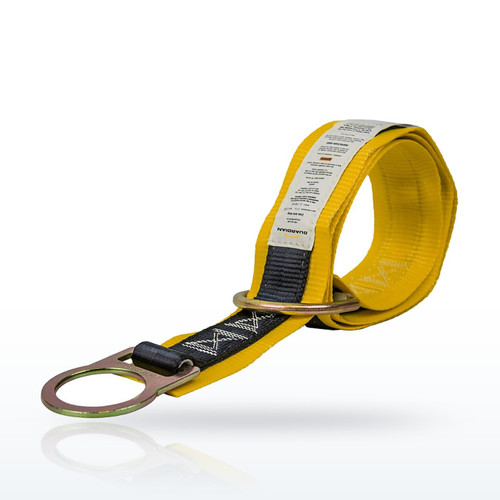
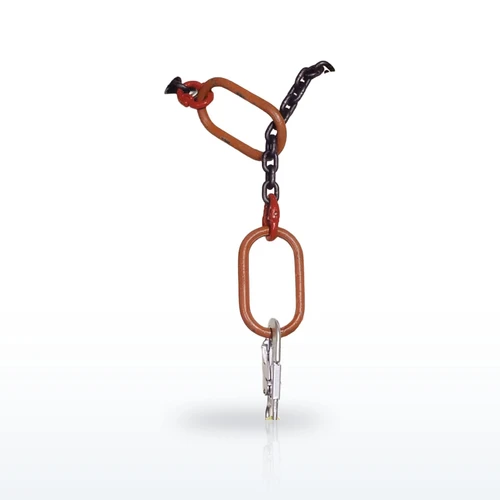
Cross arm and scaffold anchor straps (structural member attachment)
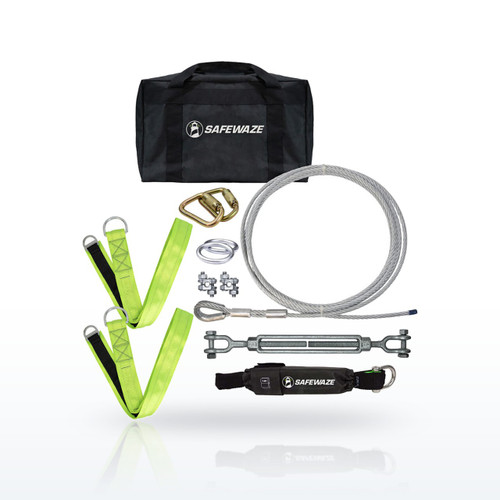
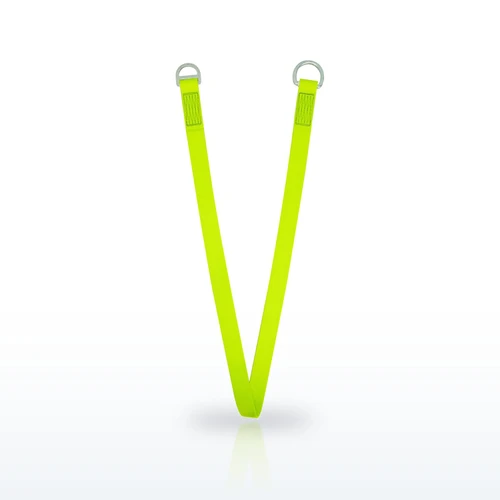
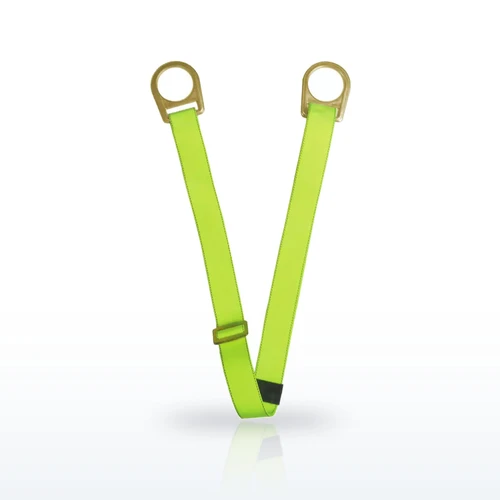
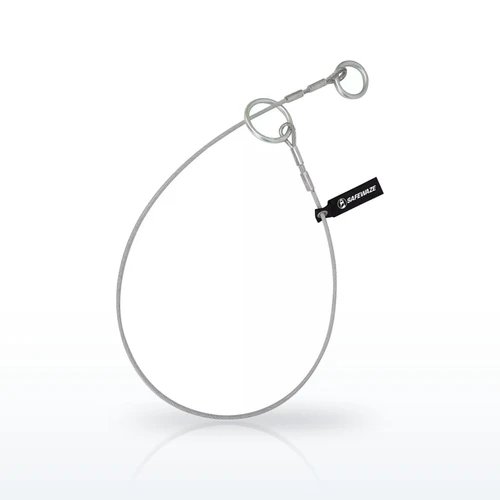
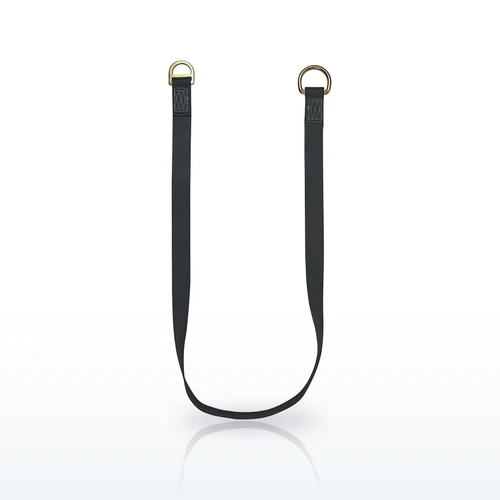
More: every strap and cross arm anchor.
Source: the manufacturers' product pages and technical data sheets (Safewaze, FallTech, Miller, DBI-SALA) as reproduced on each product page; the standards shown are the manufacturers' own statements.
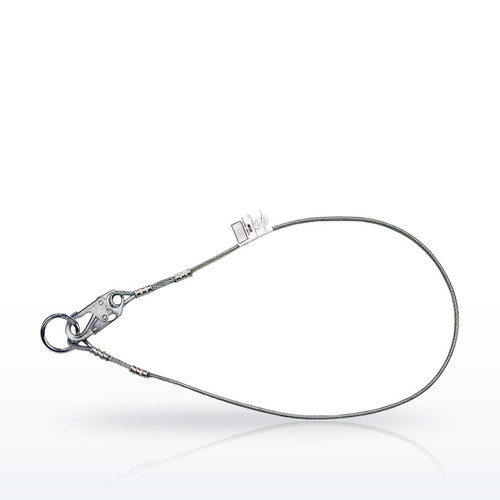
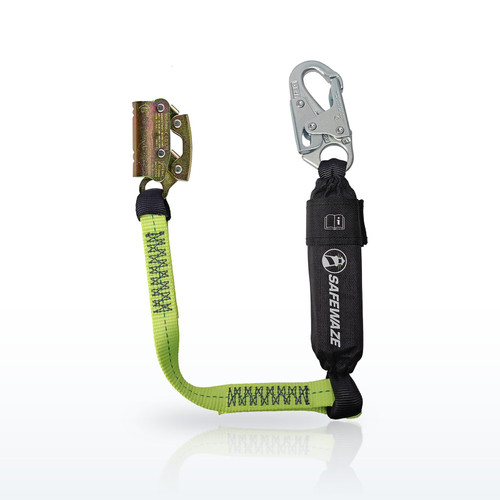
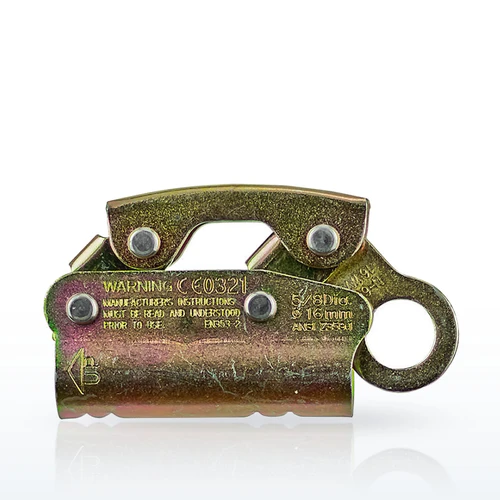
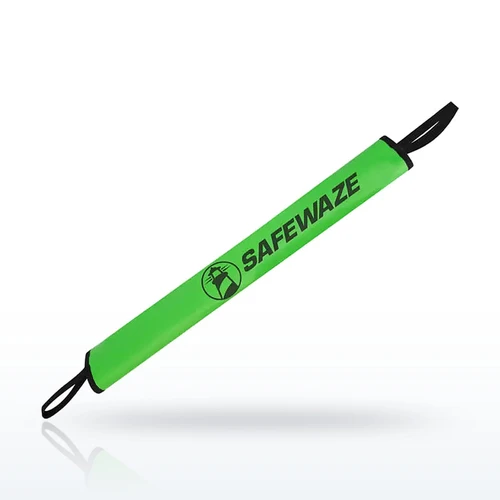
Vertical lifelines and rope grabs (independent anchorage)
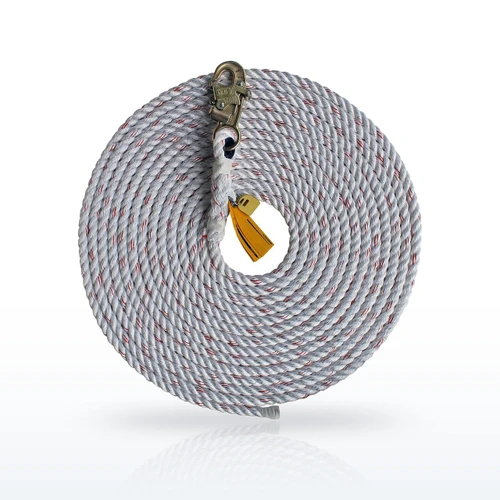
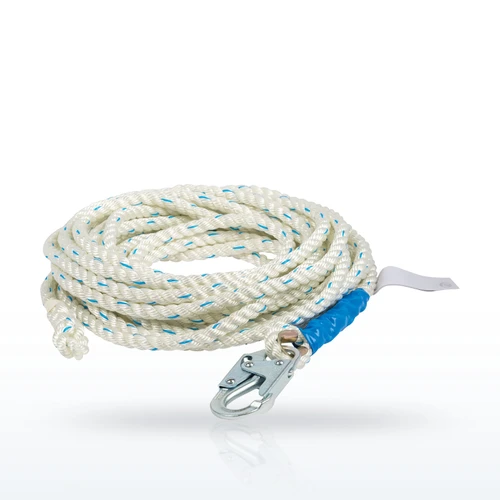
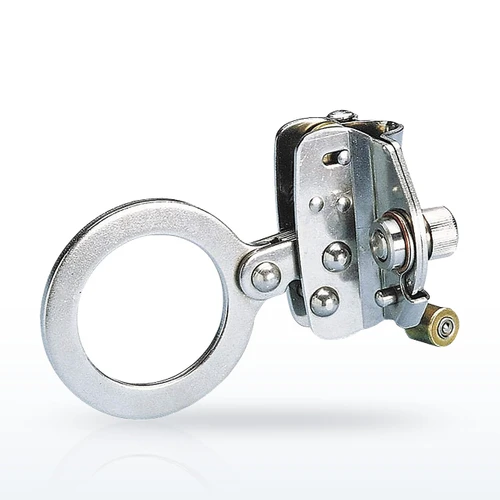
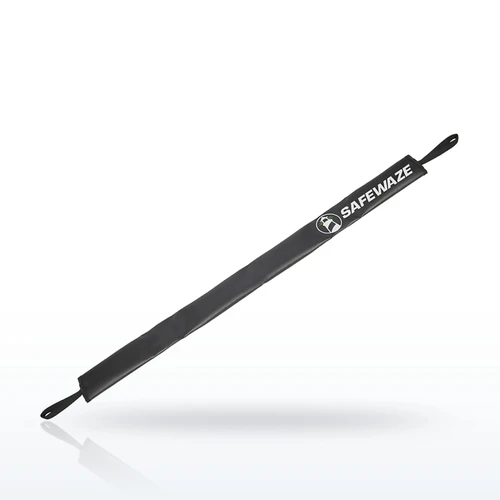
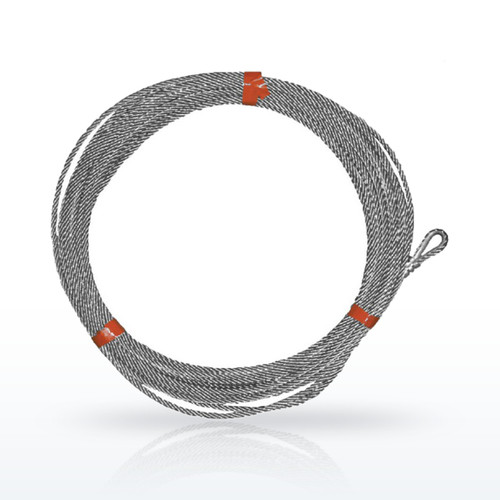
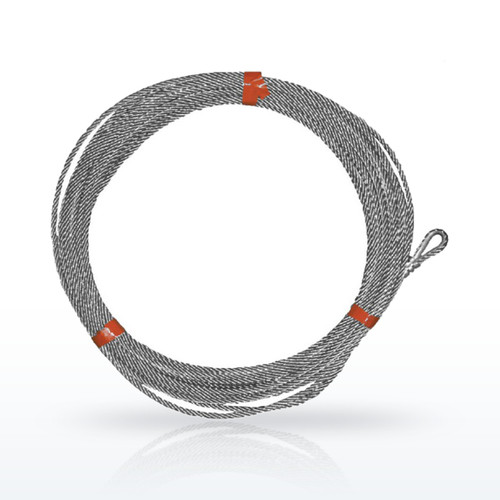
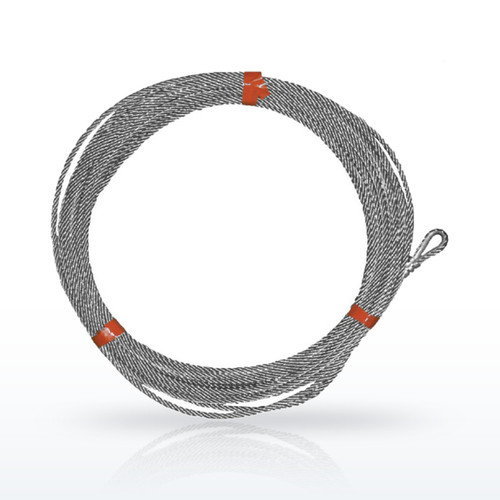
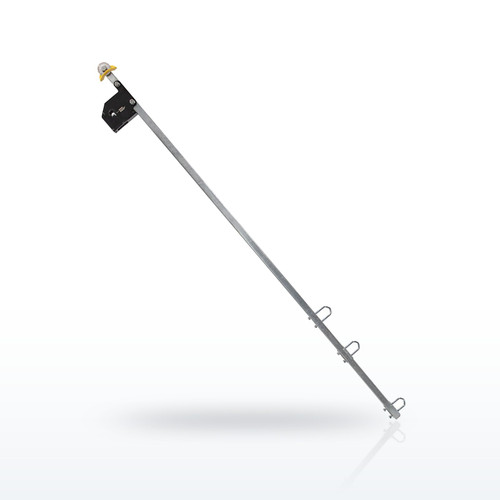
More: every vertical lifeline and rope grab.
Source: the manufacturers' product pages and technical data sheets (Safewaze, FallTech, Miller, DBI-SALA) as reproduced on each product page; the standards shown are the manufacturers' own statements.
Horizontal lifeline kits secured to two structural members
| Part number | Item | Rating stated | Price | ||
|---|---|---|---|---|---|
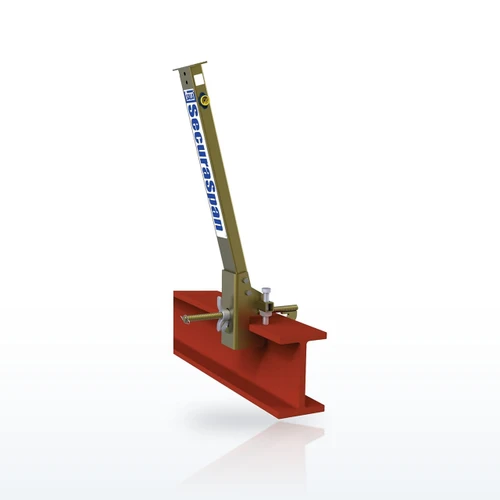 | 7012820229 | DBI-SALA 7012820229 Horizontal Lifelines, SecuraSpan I-Beam HLL Stanchion, Base | $642.60 | ||
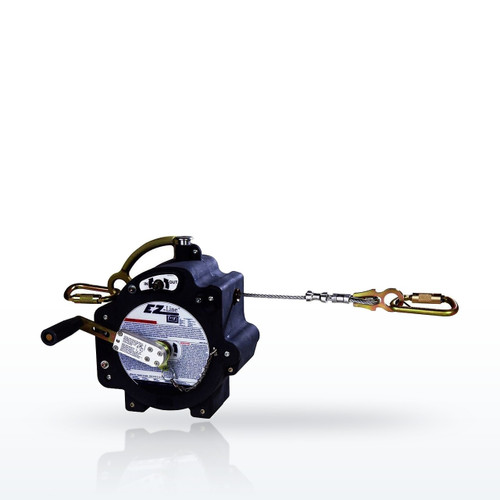 | 7100188820 | DBI-SALA 7100188820 EZ-Line Retractable Horizontal Lifeline System, 60 ft | $2,614.19 | ||
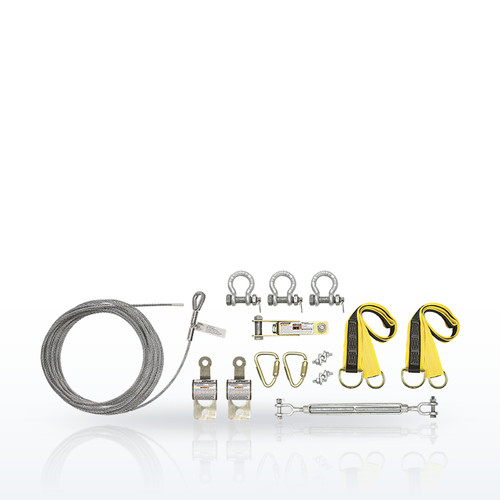 | 60260A | FallTech 60260A Horizontal Lifelines, SteelGrip, Web Pass-through Anchors | OSHA 1910.140; OSHA 1926.502 | $754.80 | Choose on the page |
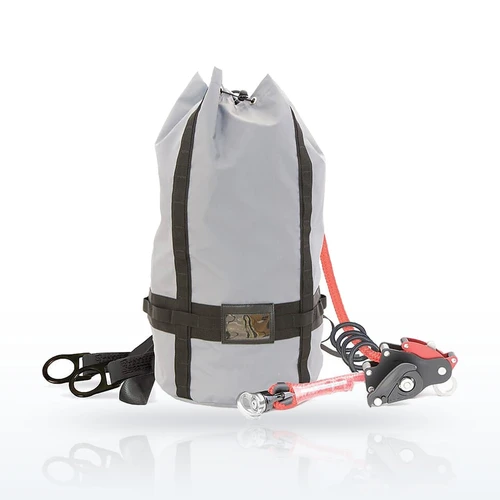 | 30800 | Guardian Fall Protection 30800 Guardian Quadro 4-Person Horizontal Lifeline | OSHA 1910.140; OSHA 1926.502 | $1,051.11 | |
 | 23820 | Miller Xenon 23820 Horizontal Lifeline Components, Identification Plate | $56.99 | ||
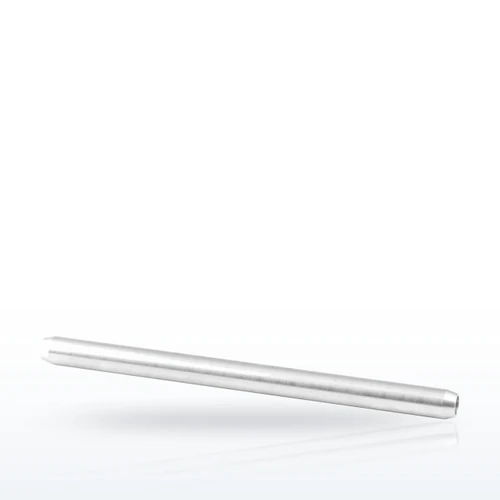 | FPH_22611 | Miller Xenon FPH_22611 Horizontal Lifeline Components, Protective Cable Sleeve | $183.00 | ||
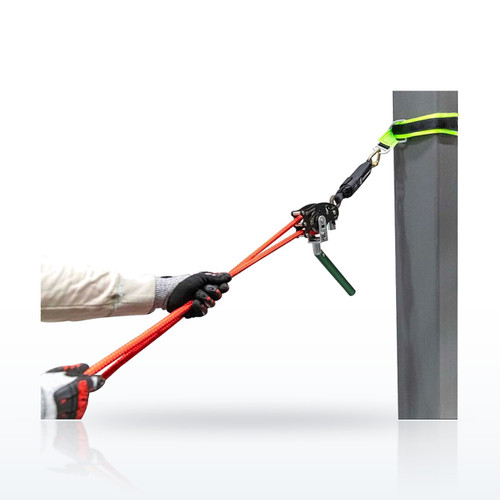 | 019-8015 | Safewaze 019-8015 Horizontal Lifeline Kits, 100 ft 4-Person Rope | OSHA 1926.502; OSHA 1910.140; OSHA 1910.66 | $695.00 | |
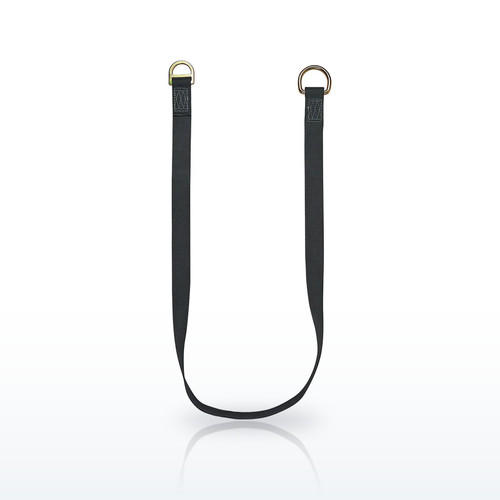 | FS88811-HW-10 | Safewaze FS88811-HW-10 Horizontal Lifeline Components, 10 ft Cross Arm Strap | ANSI Z359.18-2017 Type T; OSHA 1926.502; OSHA 1910.140; OSHA 1910.66 | $44.99 |
More: every horizontal lifeline kit.
Source: the manufacturers' product pages and technical data sheets (Safewaze, FallTech, Miller, DBI-SALA) as reproduced on each product page; the standards shown are the manufacturers' own statements.
Personal SRLs for lifts and platforms
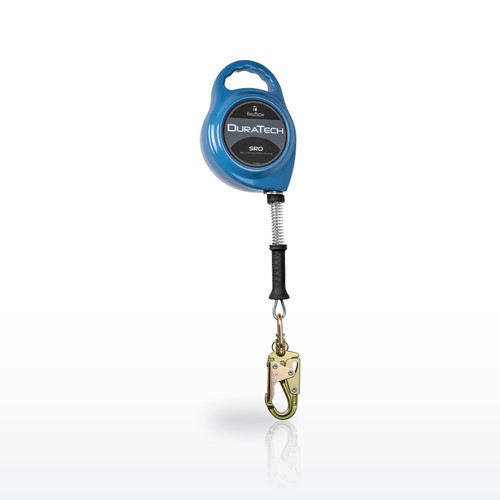
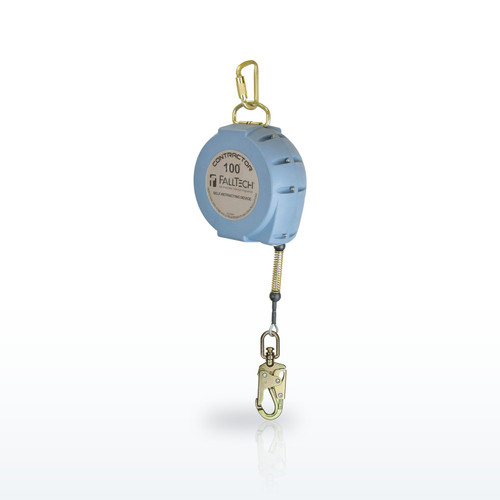
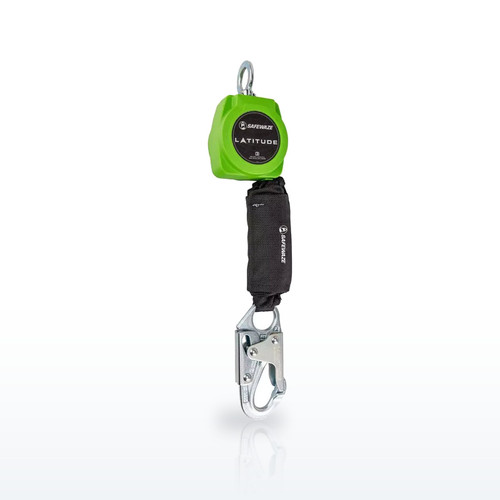
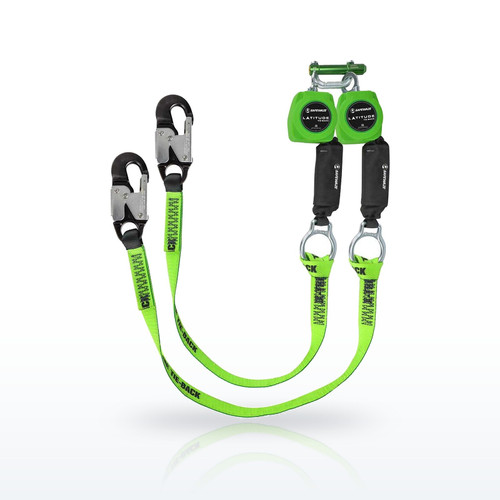
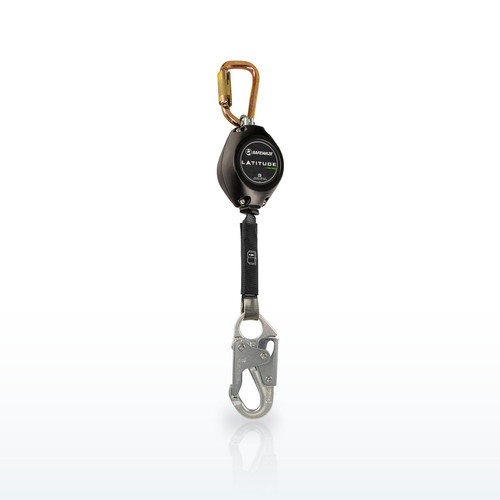
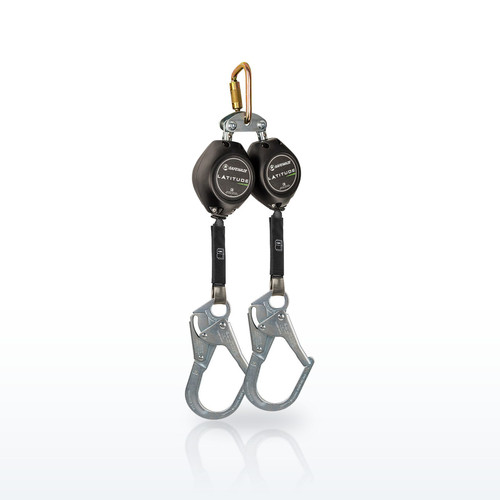
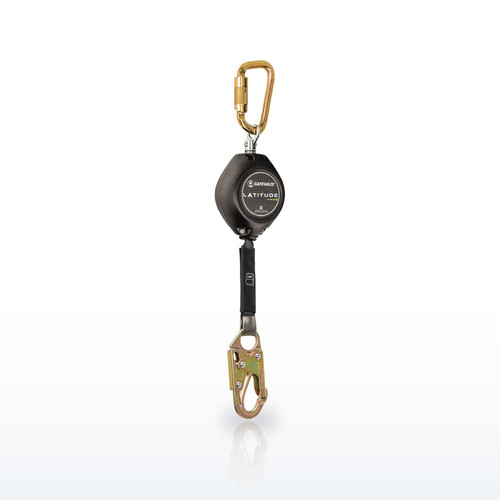
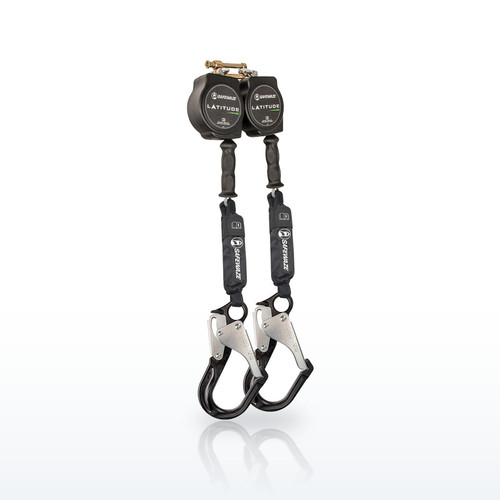
More: every SRL by class.
Source: the manufacturers' product pages and technical data sheets (Safewaze, FallTech, Miller, DBI-SALA) as reproduced on each product page; the standards shown are the manufacturers' own statements.
Hard hats for scaffold work (1926.451(h))
| Part number | Item | Rating stated | Price | ||
|---|---|---|---|---|---|
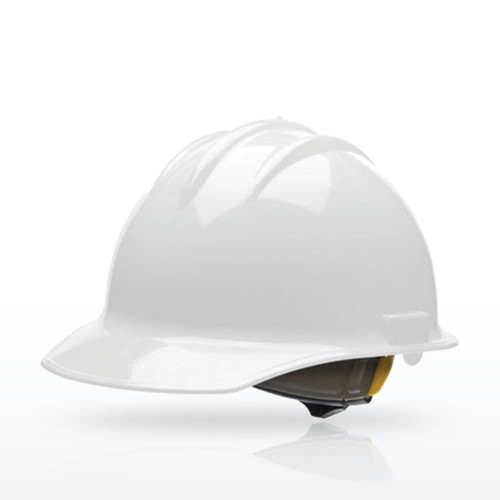 | 30RDR | Bullard C30 Classic Cap Style Hard Hat, 6-Point Ratchet Suspension | Type I, Class E; Class G | $21.31 | Choose on the page |
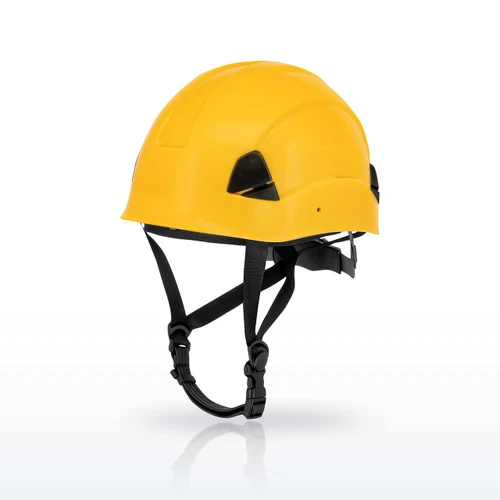 | DPG22 | DEWALT DPG22 Safety Helmets, Type II Class E, 11 Colors | Type II, Class E | $73.49 | Choose on the page |
 | 3710805 | Draeger 3710805 X-plore 8000 PAPR Bump Cap for Hood | $453.15 | ||
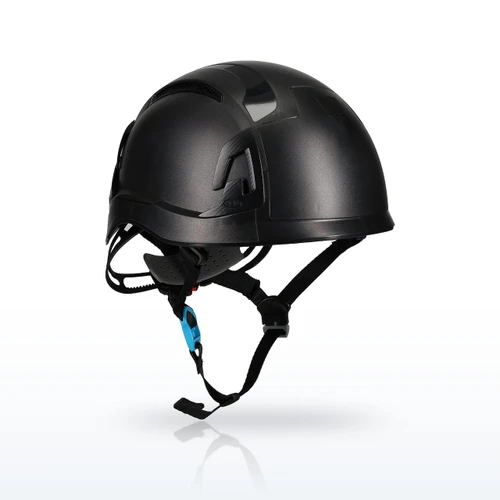 | 280-EVOALT | JSP EVO ALTA Ascend 280-EVOALT Safety Helmets, Type II Class E, ABS Shell | Type II, Class E | $65.99 | Choose on the page |
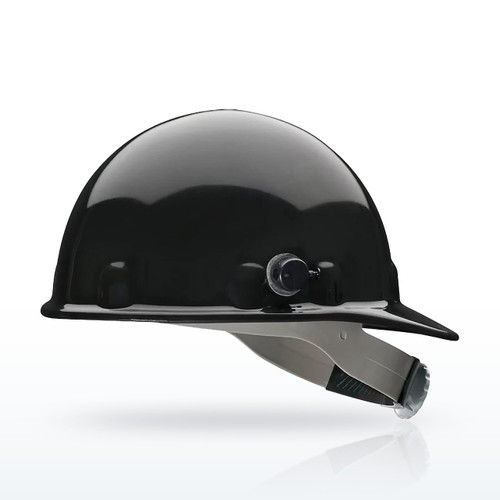 | E2QRW | Fibre-Metal E2 E2QRW Hard Hats, Type I Class C, HDPE Shell | Type I, Class C | $617.00 | Choose on the page |
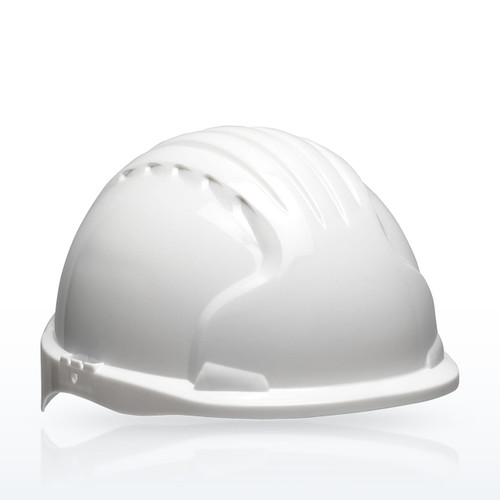 | 280-EV6151S | JSP Evolution Deluxe 6151 280-EV6151S Hard Hats, Type I Class E, HDPE Shell | Type I, Class E | $18.49 | Choose on the page |
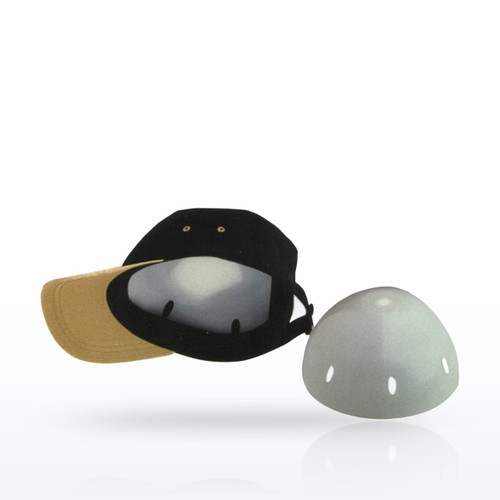 | SC01-H5 | North SC01-H5 Bump Caps, Insert to Place Inside of Baseball Caps | $17.99 | ||
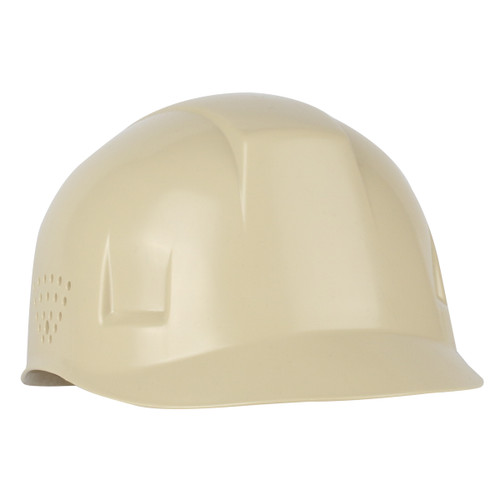 | 280-HP940 | PIP 280-HP940 Bump Caps, Vented, Pin-Lock | $4.59 | Choose on the page |
More: every hard hat and helmet.
Source: the manufacturers' product pages, specification sheets and catalogs as reproduced on each product page; the ratings and standards shown are the manufacturers' own statements, and the products listed are those whose published data names the rating or the standard, not a selection by Bayshore Safety.
Tool tethers against dropped objects
| Part number | Item | Rating stated | Price | ||
|---|---|---|---|---|---|
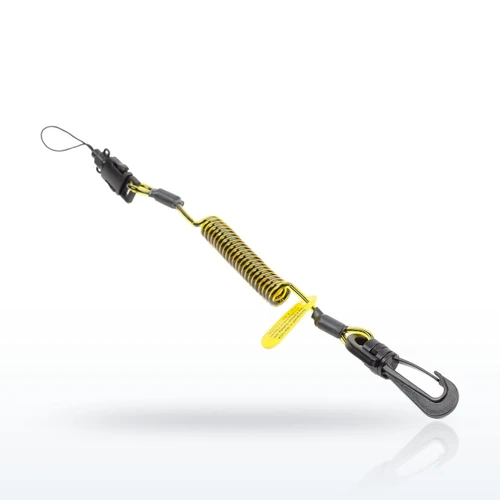 | 7100230432 | 3M Tool Tether | ANSI/ISEA 121-2018 | $185.00 | Choose on the page |
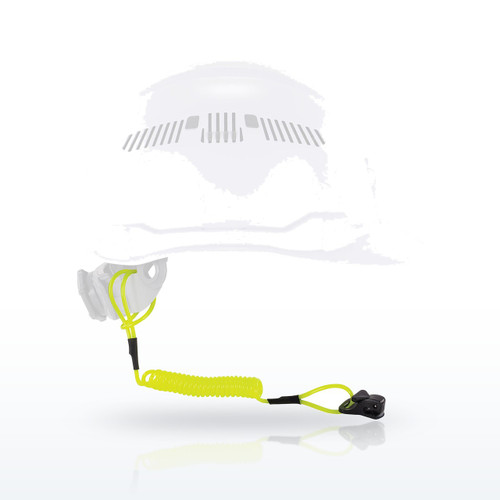 | 19159 | Ergodyne 19159 Tool Tethers, Squids Coiled Hard Hat Lanyard, Clamp | ANSI/ISEA 121-2018 | $47.28 | |
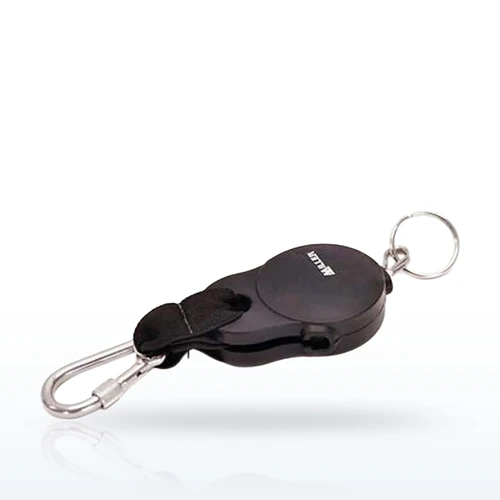 | 9077X/12 | Miller 9077X Tool Tethers | $384.00 | ||
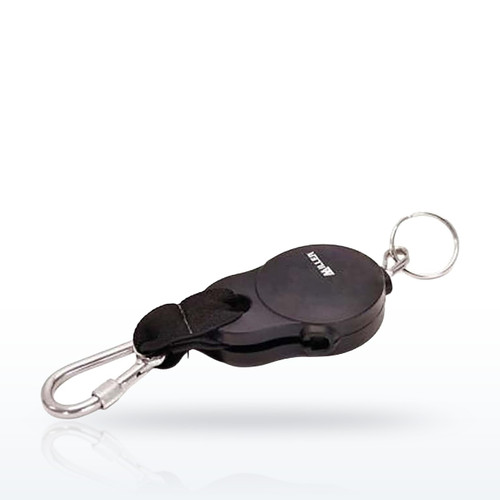 | 9077/1 | Miller Bandit 9077 Tool Tethers | $35.49 | ||
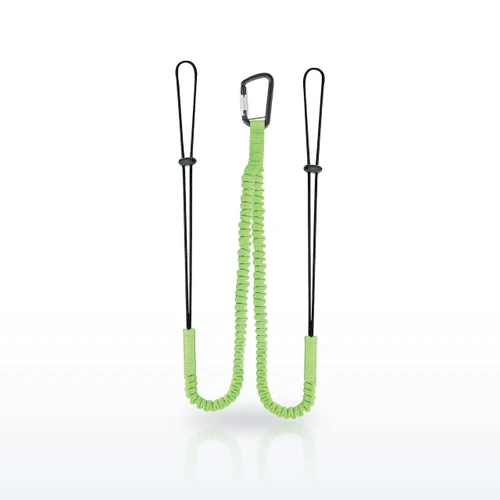 | 533-100012 | PIP 533-100012 Tool Tethers, 10 lb Max Load | ANSI/ISEA 121-2018 | $20.49 | |
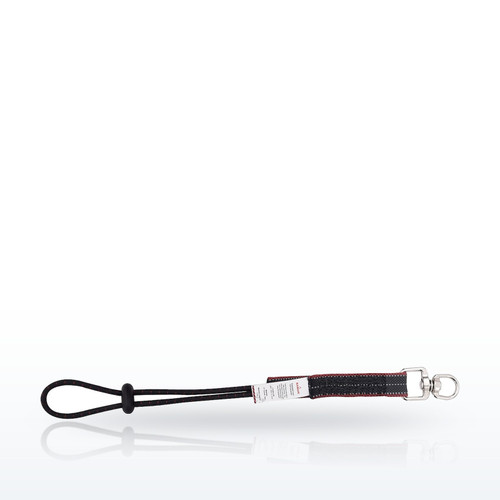 | 533-100151 | PIP 533-100151 Tool Tethers, 15 lb Max Load | $10.49 | ||
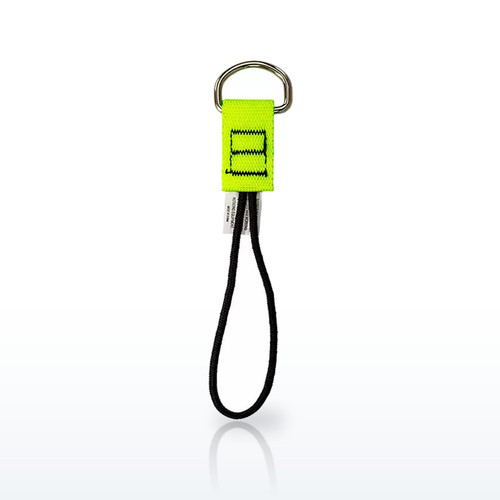 | SW408 | Safewaze SW408 Tool Tether Attachments, 15 lb D-Ring, 10 pack | ANSI/ISEA 121-2018; ANSI/ISEA 121-2023 | $21.99 | |
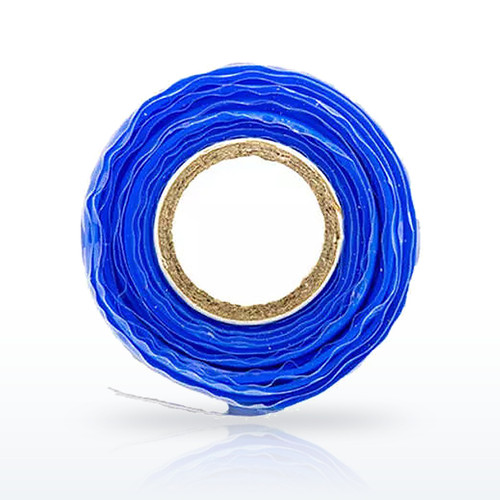 | SW423 | Safewaze SW423 Tool Tether Attachments, 1 in Blue Tool Tape | ANSI/ISEA 121-2018 | $12.49 |
More: every tool tether and attachment.
Source: the manufacturers' product pages and technical data sheets (Safewaze, FallTech, Miller, DBI-SALA) as reproduced on each product page; the standards shown are the manufacturers' own statements.
Guides that go further
Fall protection on scaffolds · Do you need a harness on a scissor lift or boom lift · What is an anchor point, and what must it hold · OSHA fall protection requirements explained · Tool tethering and dropped-object rules · Fall protection on scaffolds, the job page with every product.
OSHA 1926.451 Scaffolds, General Requirements questions
Is fall protection mandatory on scaffolds above 10 feet? Yes, under 29 CFR 1926.451(g)(1): each employee on a scaffold more than 10 feet above a lower level is protected, by a guardrail system or a personal fall arrest system or both depending on the scaffold type the paragraph lists. In California §1621(a) requires railings at 7 1/2 feet.
What are the OSHA fall protection requirements for employees on scaffolds? Personal fall arrest on boatswains' chairs, catenary, float, needle beam and ladder jack scaffolds; both personal fall arrest and a guardrail on single-point and two-point suspension scaffolds; a guardrail or personal fall arrest on all other scaffolds; a competent person decides for erectors and dismantlers; and personal systems meet 1926.502(d) and tie off to a vertical lifeline anchored independent of the scaffold, a horizontal lifeline on two structural members, or a scaffold structural member (1926.451(g)).
What are the OSHA guardrail requirements for scaffolding? 1926.451(g)(4): guardrails on all open sides and ends before the scaffold is released for use, top rails 38 to 45 inches above the platform (built after January 1, 2000), midrails midway or screens and mesh, top rails that withstand 200 pounds (100 on suspension scaffolds) and midrails 150 (75), no banding as rails, and cross bracing accepted as a midrail or top rail when its crossing point falls in the right height band.
Is a harness required when operating a scissor lift? A scissor lift is a mobile scaffold under 1926.451(g)(1)(vii), so its guardrail system is the fall protection and a harness is not required by the paragraph; a boom-type aerial lift is governed by 1926.453(b)(2)(v), which requires a harness or belt with a lanyard attached to the boom or basket. Cal/OSHA §3642(a) requires a personal fall protection system on an elevating work platform whose guardrail is under 39 inches.
What should be confirmed before climbing on a scaffold? The rule puts the pre-shift inspection on the competent person: 1926.451(f)(3) requires scaffolds and components to be inspected for visible defects before each work shift and after any occurrence that could affect structural integrity; (f)(7) requires erection, moving and dismantling under a competent person; and (e) requires a proper means of access rather than the cross braces.
What is the 3 to 1 rule for scaffolding? It is in the supported scaffold paragraph, 1926.451(c)(1): a supported scaffold whose height exceeds four times its minimum base dimension must be restrained from tipping by guys, ties or braces (the 4-to-1 figure in the federal rule; some state rules and manufacturer instructions use 3-to-1), with the first tie at the 4-to-1 height and ties every 20 or 26 feet vertically depending on platform width.
The ratings, test results and standards shown here are the manufacturers' published values, reproduced as published. Nothing on this page is a recommendation by Bayshore Safety that any product is suitable for a particular task, hazard or workplace. Selecting safety products and protective equipment is the responsibility of the end user and the employer, based on their own hazard assessment and the regulations that apply to their work. Confirm every value on the manufacturer's own documentation before use.