
OSHA 1926.651 Specific Excavation Requirements: what it requires and the equipment it names
29 CFR 1926.651 is the excavation rule that names equipment: atmospheric testing before entering an excavation deeper than 4 feet where a hazardous atmosphere could exist, the 19.5 percent oxygen and 20 percent LEL figures, emergency rescue equipment and a harness with an attended lifeline in deep footing holes, a ladder or ramp within 25 feet of lateral travel, daily inspections by a competent person, and fall protection at walkways and edges. Protective systems (sloping, shoring, shields) are in 1926.652. We sell nationwide; ships in 1–2 business days; most orders arrive in 3–7 business days.
The plain answer
29 CFR 1926.651 requires, among its surface, utility, access, water and stability provisions, that where an oxygen deficiency (below 19.5 percent) or a hazardous atmosphere exists or could reasonably be expected (landfills, areas near stored hazardous substances), the atmosphere in an excavation deeper than 4 feet is tested before employees enter; that precautions such as respiratory protection or ventilation prevent exposure to less than 19.5 percent oxygen or other hazardous atmospheres; that ventilation keeps flammable gas below 20 percent of the lower flammable limit; and that testing continues as often as necessary when controls are used.
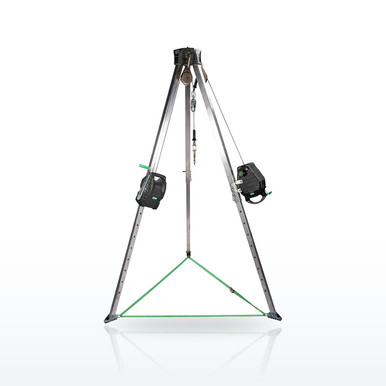
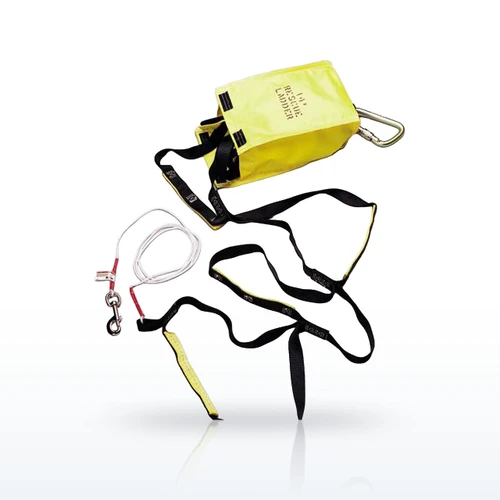
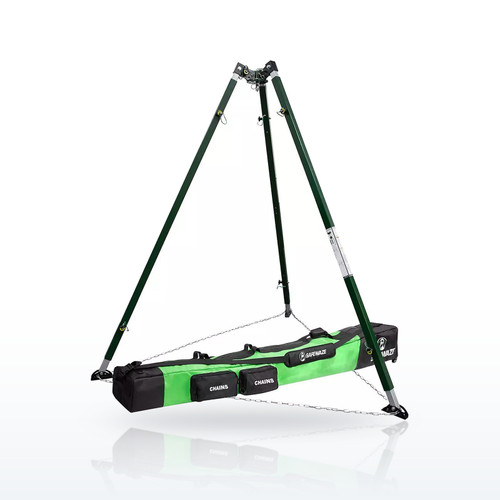
Paragraph (g)(2) requires emergency rescue equipment, such as breathing apparatus, a safety harness and line, or a basket stretcher, readily available and attended where hazardous atmospheric conditions exist or could develop, and a harness with a separately attended lifeline on anyone entering a bell-bottom pier hole or similar deep confined footing excavation. Paragraph (c) requires a stairway, ladder or ramp in trenches 4 feet or deeper within 25 feet of lateral travel; (k) requires daily inspection by a competent person; and (l) requires guardrails on walkways over excavations 6 feet or more deep. It applies to all construction excavation.
The equipment it names is atmospheric testing instruments (a four-gas monitor reading oxygen, LEL and toxics), ventilation, respiratory protection, emergency rescue equipment including breathing apparatus, a safety harness and line and a basket stretcher, lifelines attended at all times, ladders and ramps for egress, guardrails on walkways, and warning systems such as barricades or stop logs for mobile equipment near the edge.
Atmospheric limits the paragraph sets, with the gases excavations encounter
| Substance or condition | OSHA limit | NIOSH REL | NIOSH IDLH |
|---|---|---|---|
| Oxygen | Below 19.5 percent is oxygen deficient; test before entry over 4 ft | Below 19.5 percent is IDLH under 1910.134 | |
| Flammable gas or vapor | Ventilate to keep below 20 percent of the lower flammable limit | 1910.146 uses 10 percent LEL for confined spaces | |
| Hydrogen sulfide (sewers, landfills) | Ceiling 20 ppm; 50 ppm 10-minute peak | Ceiling 10 ppm (10 minutes) | 100 ppm |
| Carbon monoxide (engine exhaust) | TWA 50 ppm | TWA 35 ppm; ceiling 200 ppm | 1,200 ppm |
| Carbon dioxide (decomposition) | TWA 5,000 ppm | TWA 5,000 ppm; STEL 30,000 ppm | 40,000 ppm |
| Methane (landfills) | Simple asphyxiant; measured as percent LEL | None listed | None listed |
Source: 29 CFR 1926.651(g) (ecfr.gov); NIOSH Pocket Guide to Chemical Hazards (cdc.gov/niosh/npg, saved Nov 2 2026); 29 CFR 1910.1000 Table Z-1 (ecfr.gov)
What the rule says
Each entry is condensed from the paragraph cited; the paragraph itself is the rule and the link opens it.
29 CFR 1926.651(c)(2): A stairway, ladder, ramp or other safe means of egress is located in trench excavations 4 feet or more deep so as to require no more than 25 feet of lateral travel for employees.
29 CFR 1926.651(e)-(f): No employee is permitted underneath loads handled by lifting or digging equipment; a warning system such as barricades, hand or mechanical signals or stop logs is used where mobile equipment operates adjacent to an excavation and the operator does not have a clear view of the edge.
29 CFR 1926.651(g)(1)(i): Where oxygen deficiency (less than 19.5 percent oxygen) or a hazardous atmosphere exists or could reasonably be expected to exist, such as in excavations in landfill areas or where hazardous substances are stored nearby, the atmosphere in the excavation is tested before employees enter excavations greater than 4 feet in depth.
29 CFR 1926.651(g)(1)(ii)-(iii): Adequate precautions, including proper respiratory protection or ventilation under Subparts D and E, prevent exposure to atmospheres with less than 19.5 percent oxygen and other hazardous atmospheres; ventilation or other precaution prevents exposure to a flammable gas above 20 percent of its lower flammable limit.
29 CFR 1926.651(g)(1)(iv): When controls are used to reduce atmospheric contaminants to acceptable levels, testing is conducted as often as necessary to ensure the atmosphere remains safe.
29 CFR 1926.651(g)(2)(i): Emergency rescue equipment, such as breathing apparatus, a safety harness and line, or a basket stretcher, is readily available where hazardous atmospheric conditions exist or may reasonably be expected to develop, and is attended when in use.
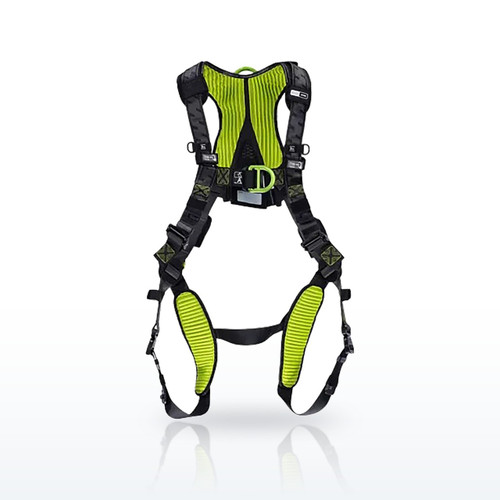
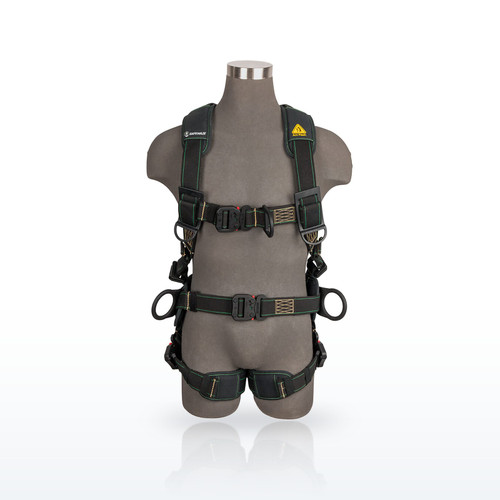
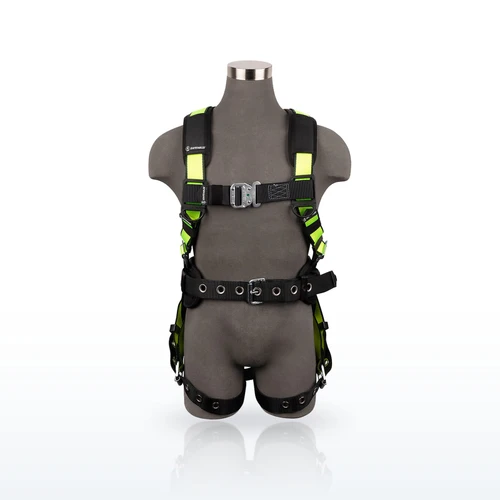
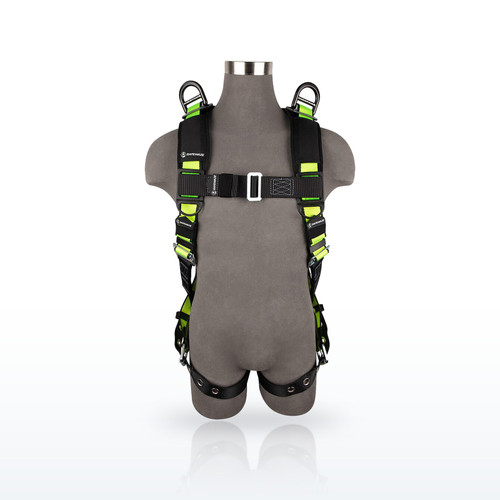
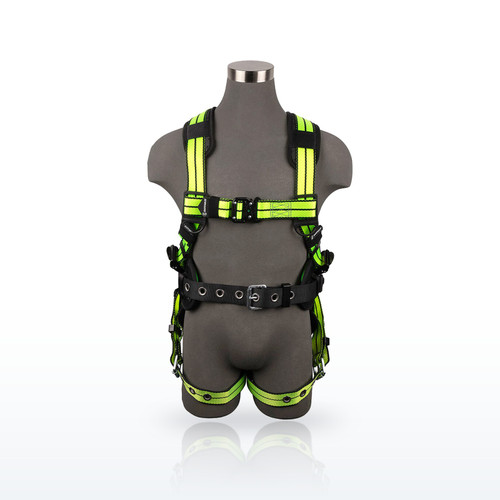
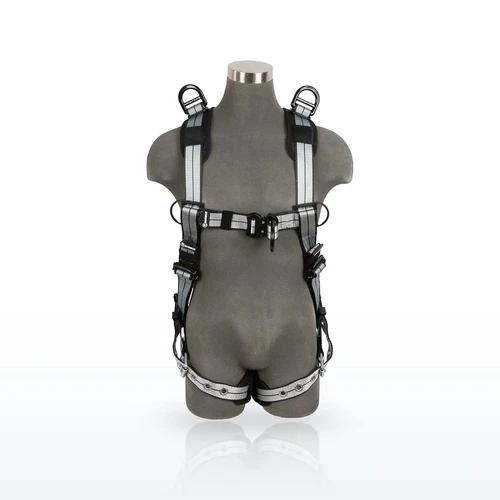
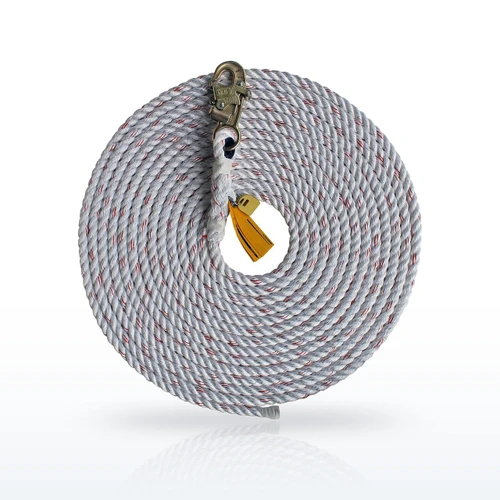
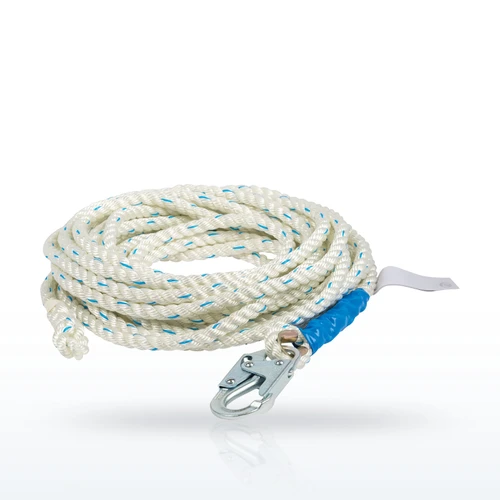
29 CFR 1926.651(g)(2)(ii): Employees entering bell-bottom pier holes or similar deep and confined footing excavations wear a harness with a lifeline securely attached, separate from any line used to handle materials, individually attended at all times while the employee is in the excavation.
29 CFR 1926.651(h): Employees do not work in excavations with accumulated water unless protected by special support or shield systems, water removal with monitoring by a competent person, or safety harnesses and lifelines.
29 CFR 1926.651(j): Employees are protected from loose rock or soil and from excavated material by scaling, protective barricades, and by keeping spoils and equipment at least 2 feet from the edge or using retaining devices.
29 CFR 1926.651(k): A competent person inspects excavations, adjacent areas and protective systems daily before the start of work and as needed through the shift, after rainstorms and after other hazard-increasing occurrences, for cave-in indications, protective system failures, hazardous atmospheres and other hazards, removing employees until precautions are taken.
29 CFR 1926.651(l): Walkways with guardrails meeting Subpart M where employees or equipment cross over excavations, and guardrails on walkways over excavations 6 feet or more deep; 1926.501(b)(7) adds guardrails, fences or barricades at the edge of excavations 6 feet or more deep that are not readily seen, and covers or barricades at wells, pits and shafts.
Source: 29 CFR, Occupational Safety and Health Standards, as published by OSHA (ecfr.gov), read Nov 9 2026.
California (Cal/OSHA)
Each entry is condensed from the paragraph cited; the paragraph itself is the rule and the link opens it.
Title 8 §1541(g): Hazardous atmospheres in excavations: testing before entry where oxygen deficiency or a hazardous atmosphere could exist in excavations deeper than 4 feet, precautions against atmospheres below 19.5 percent oxygen and flammable gas above 20 percent LEL, and emergency rescue equipment including breathing apparatus, a safety harness and line or a basket stretcher, attended when in use.
Title 8 §1541(c): Means of egress within 25 feet of lateral travel in trenches 4 feet or deeper.
Source: California Code of Regulations, Title 8, as published by Cal/OSHA (dir.ca.gov), read Nov 9 2026.
Equipment the rule names
| Equipment or condition | What the rule requires | Paragraph |
|---|---|---|
| Atmospheric testing instrument | Test before entry over 4 ft where a hazardous atmosphere could exist; retest as often as necessary with controls | 29 CFR 1926.651(g)(1)(i), (iv) |
| Oxygen | Prevent exposure below 19.5 percent (respirators or ventilation) | 29 CFR 1926.651(g)(1)(ii) |
| Flammable gas | Ventilate to stay below 20 percent of the LEL | 29 CFR 1926.651(g)(1)(iii) |
| Emergency rescue equipment | Breathing apparatus, safety harness and line, basket stretcher; attended in use | 29 CFR 1926.651(g)(2)(i) |
| Harness and attended lifeline | Bell-bottom pier holes and deep confined footing excavations | 29 CFR 1926.651(g)(2)(ii) |
| Ladder, stairway or ramp | Trenches 4 ft or deeper; within 25 ft of lateral travel | 29 CFR 1926.651(c)(2) |
| Guardrails | Walkways over excavations 6 ft or more deep | 29 CFR 1926.651(l) |
| Barricades, stop logs, signals | Mobile equipment near the edge | 29 CFR 1926.651(f) |
| Daily inspection | Competent person, before work and after rain | 29 CFR 1926.651(k) |
Source: 29 CFR, Occupational Safety and Health Standards, as published by OSHA (ecfr.gov), read Nov 9 2026.
What we carry for it
Each table lists products whose manufacturer data states the rating or the standard the rule names, every brand we carry that does, with the current price. Sizes and versions are chosen on the product page. The selector linked under each table holds every item of that type.
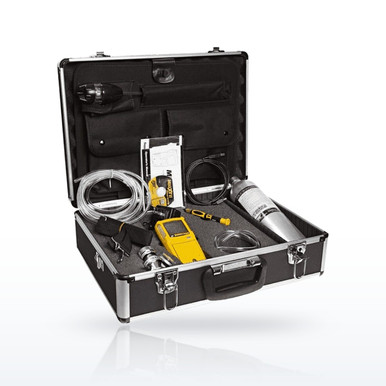
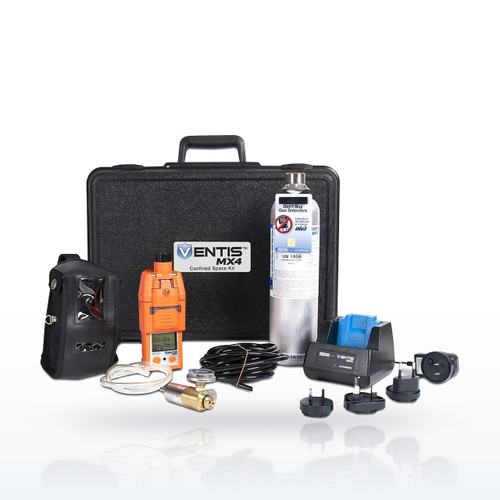
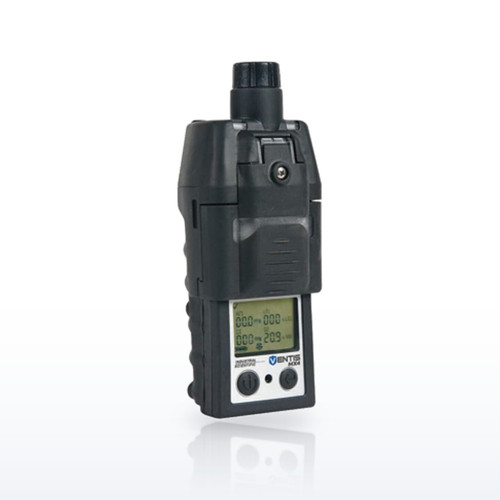
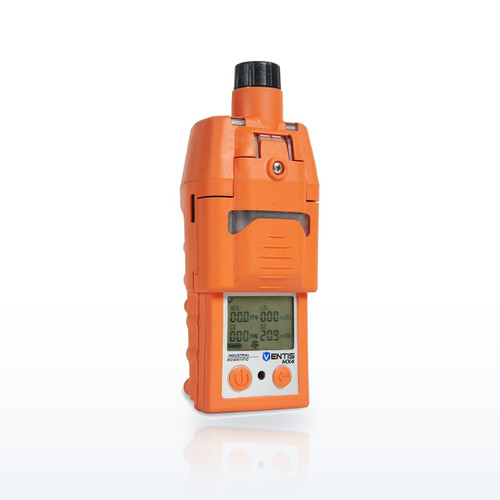
Four-gas monitors (O2, LEL, H2S, CO) for testing before entry
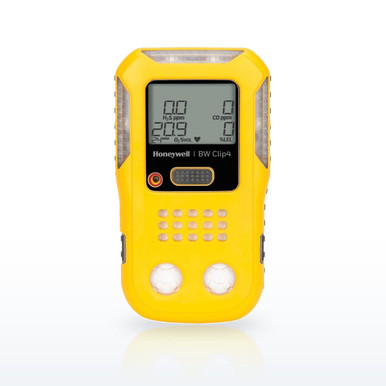
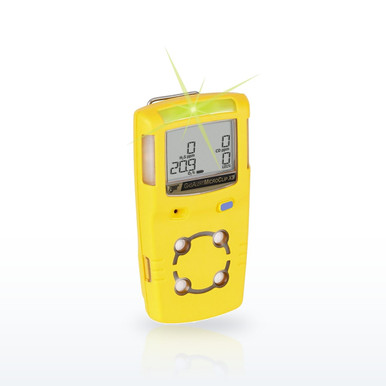
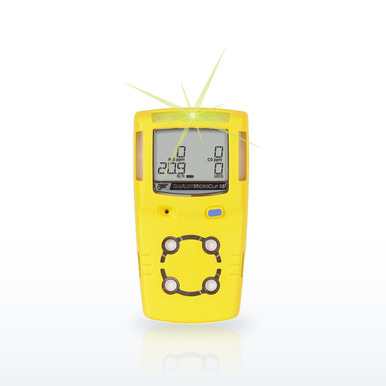
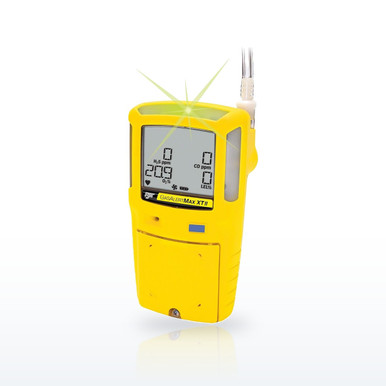


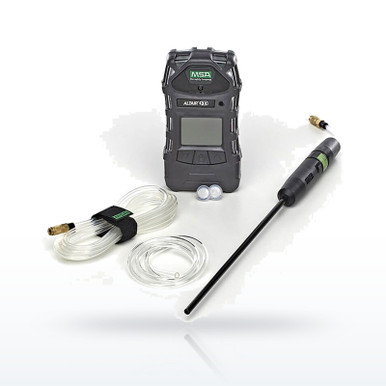
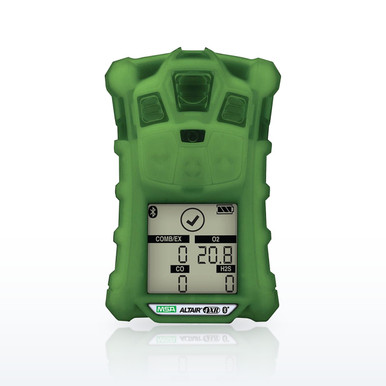


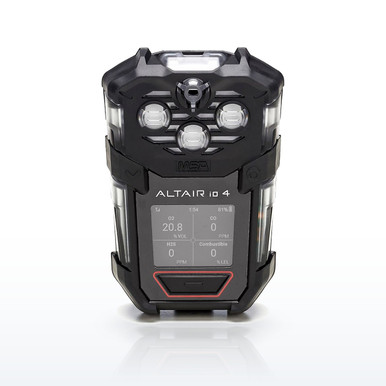
More: every 4-gas monitor by brand.
Source: the manufacturers' product pages, specification sheets and catalogs as reproduced on each product page; the ratings and standards shown are the manufacturers' own statements, and the products listed are those whose published data names the rating or the standard, not a selection by Bayshore Safety.
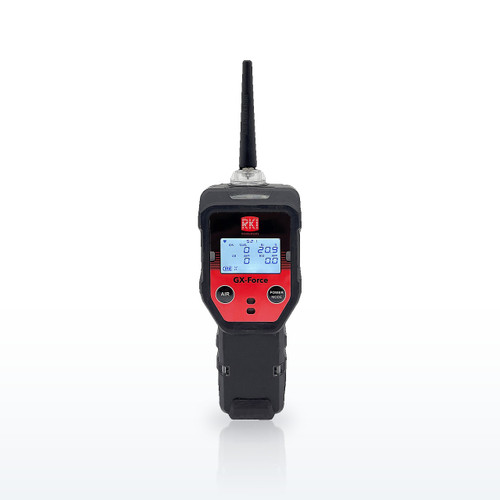
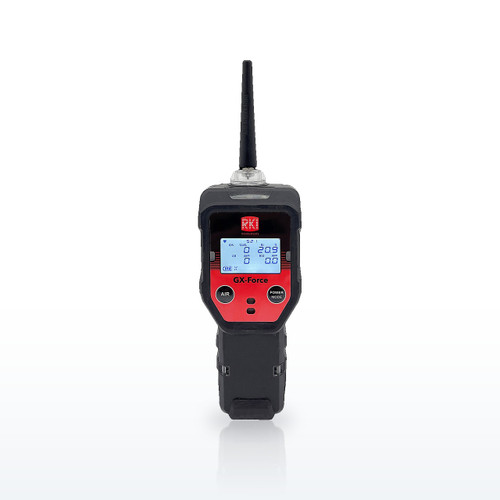
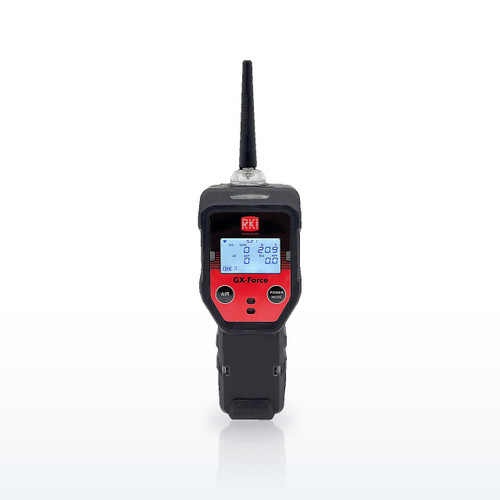
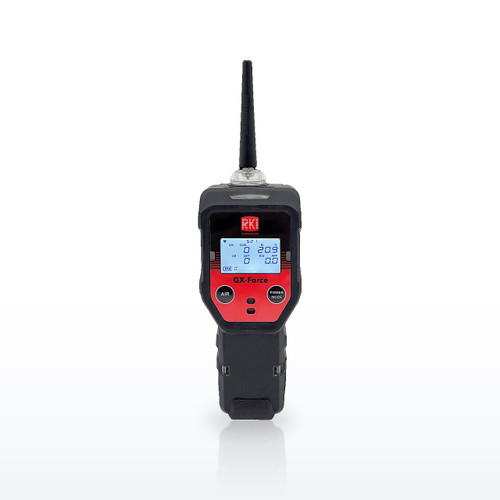
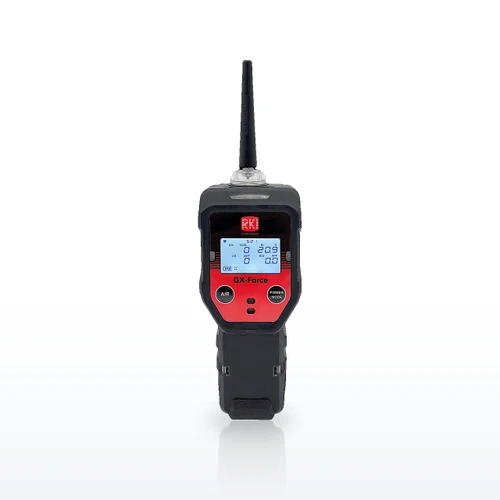
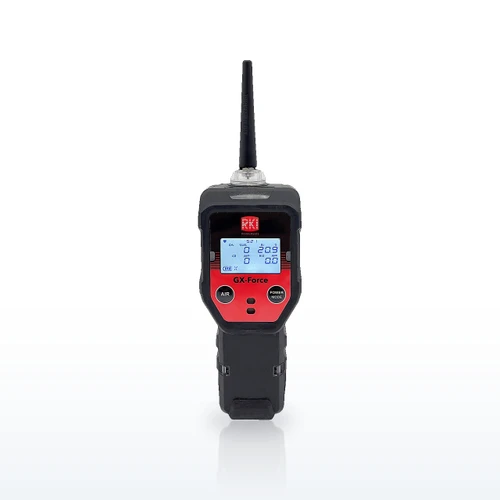
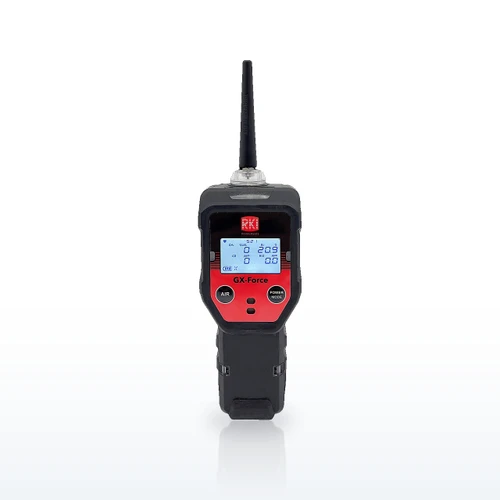
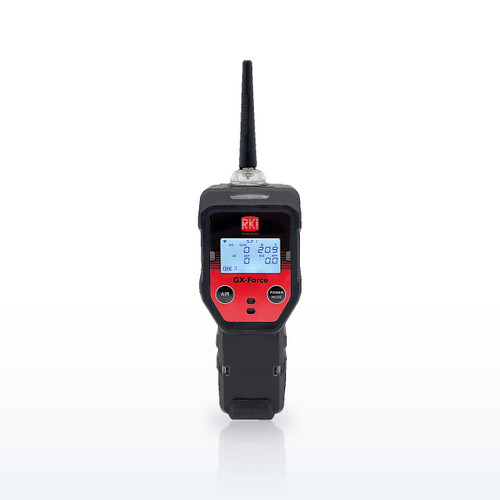
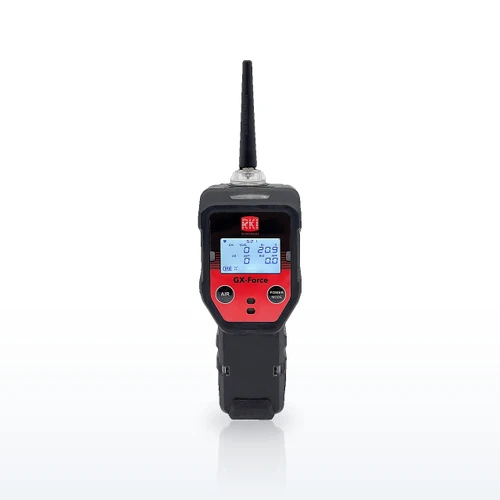
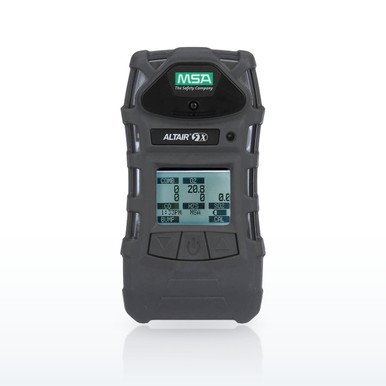
Sample-draw monitors for testing a trench from the top
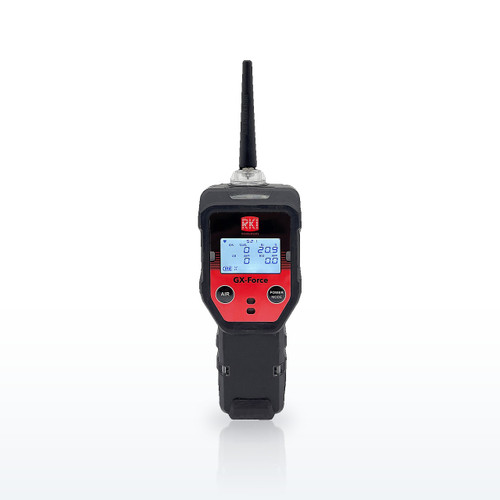

More: every pumped monitor.
Source: the manufacturers' product pages, specification sheets and catalogs as reproduced on each product page; the ratings and standards shown are the manufacturers' own statements, and the products listed are those whose published data names the rating or the standard, not a selection by Bayshore Safety.
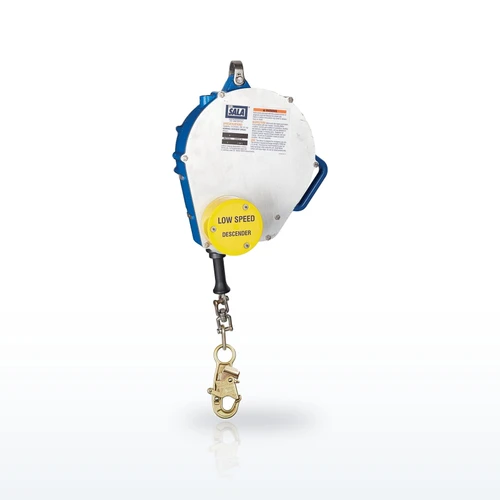
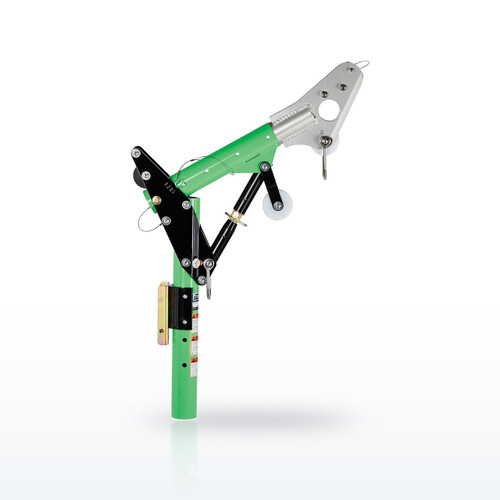
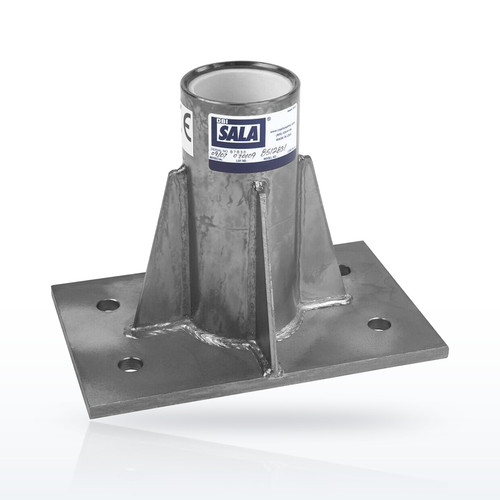
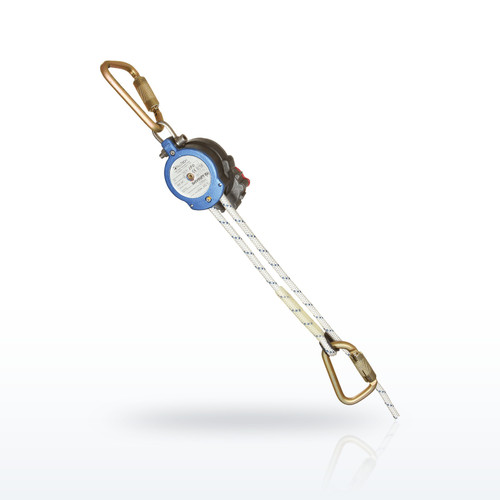
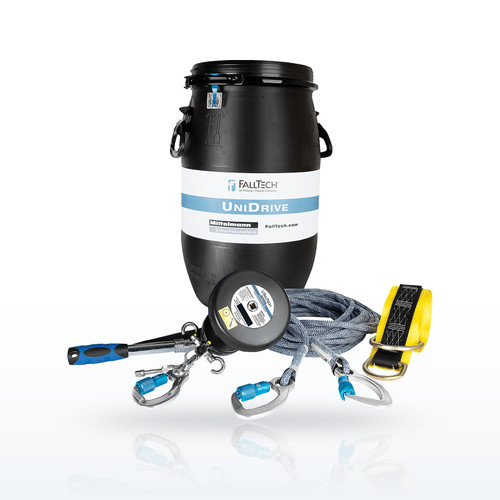
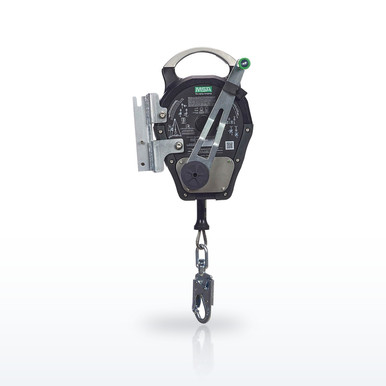
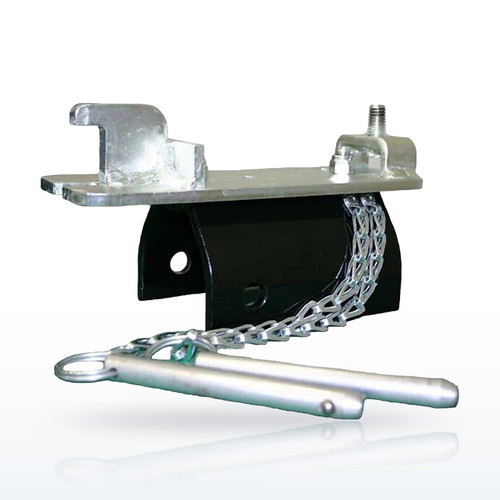
Rescue equipment: tripods, winches, retrieval SRLs
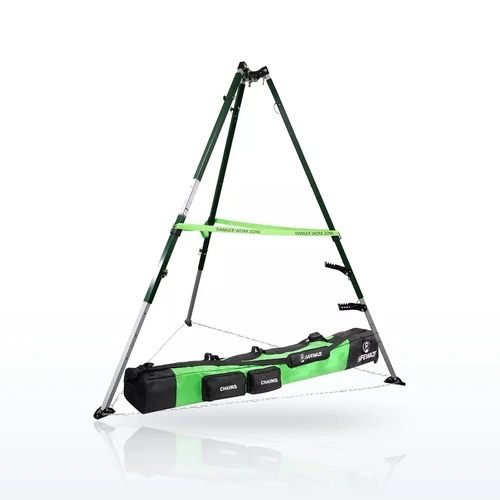
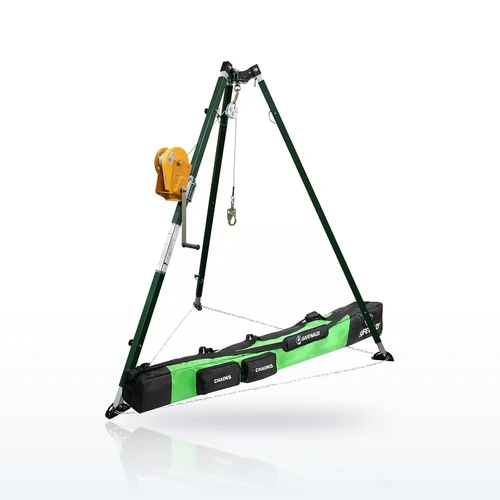
More: every tripod, davit and winch.
Source: the manufacturers' product pages and technical data sheets (Safewaze, FallTech, Miller, DBI-SALA) as reproduced on each product page; the standards shown are the manufacturers' own statements.
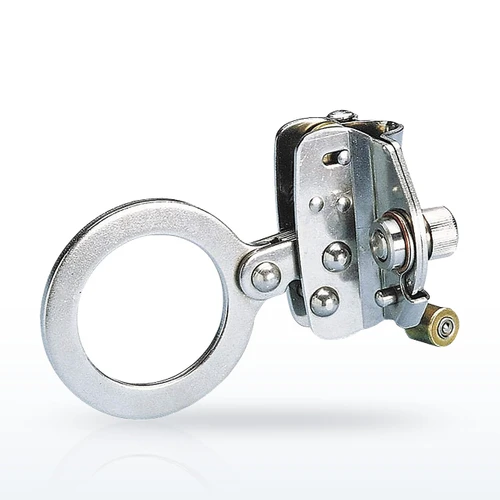
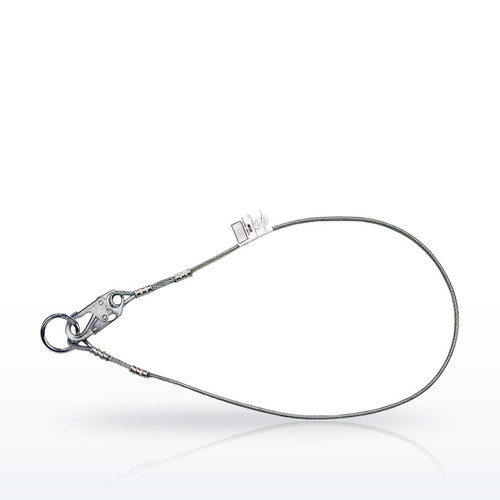
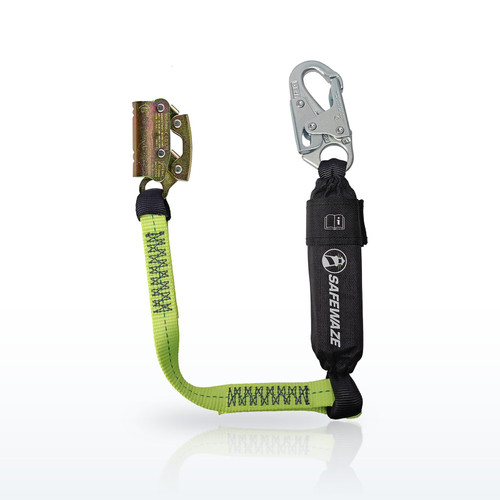
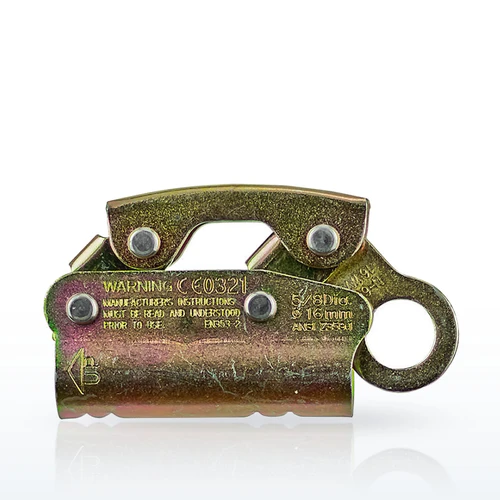
Harnesses and lifelines for attended entry (1926.651(g)(2)(ii))
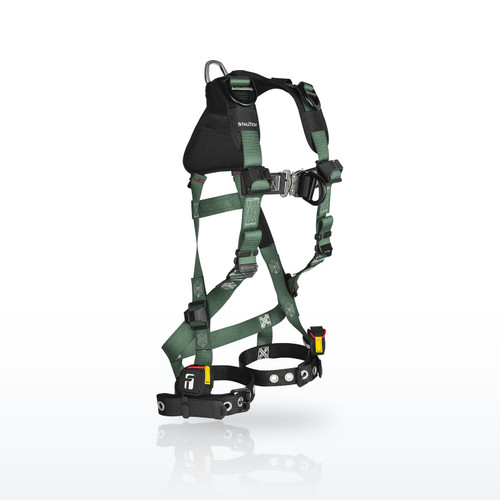
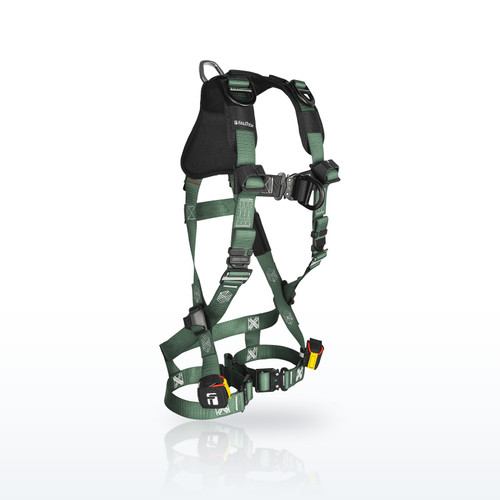
More: every harness and vertical lifeline.
Source: the manufacturers' product pages and technical data sheets (Safewaze, FallTech, Miller, DBI-SALA) as reproduced on each product page; the standards shown are the manufacturers' own statements.
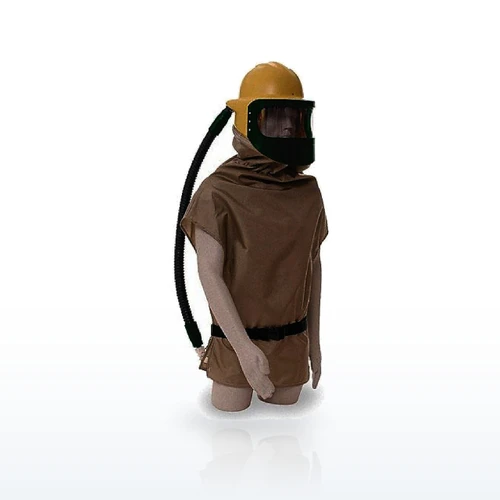
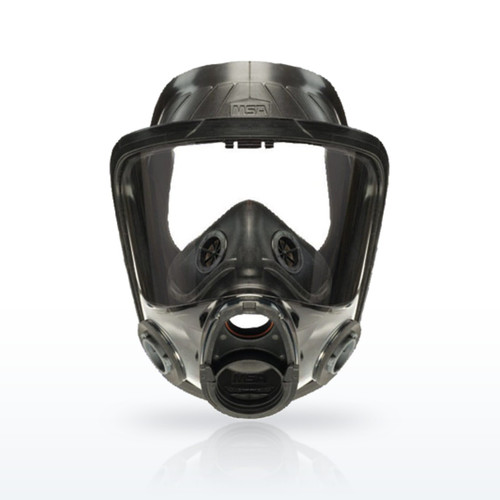
Escape respirators and supplied-air for hazardous atmospheres
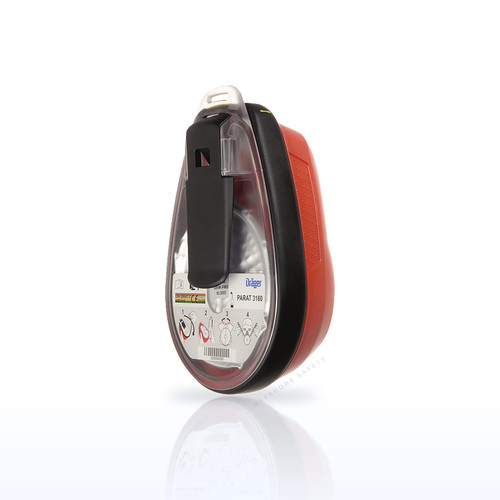

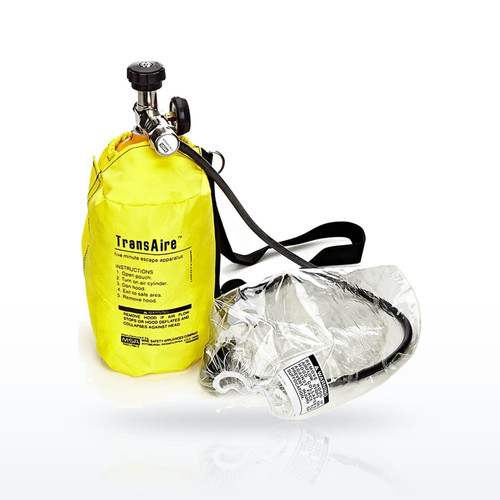

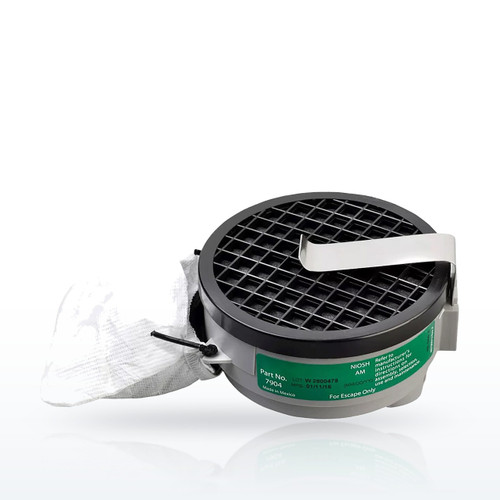

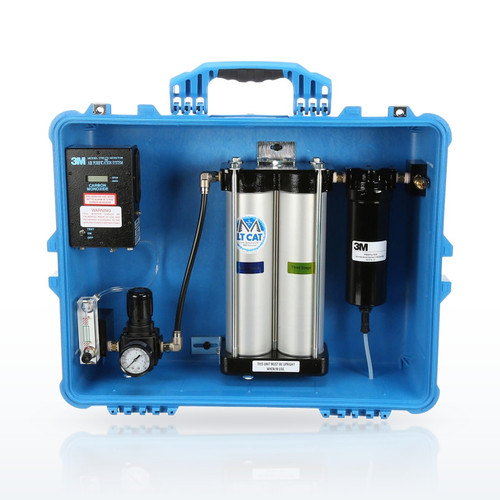

More: every escape and supplied-air respirator.
Source: the manufacturers' product pages, specification sheets and catalogs as reproduced on each product page; the ratings and standards shown are the manufacturers' own statements, and the products listed are those whose published data names the rating or the standard, not a selection by Bayshore Safety.
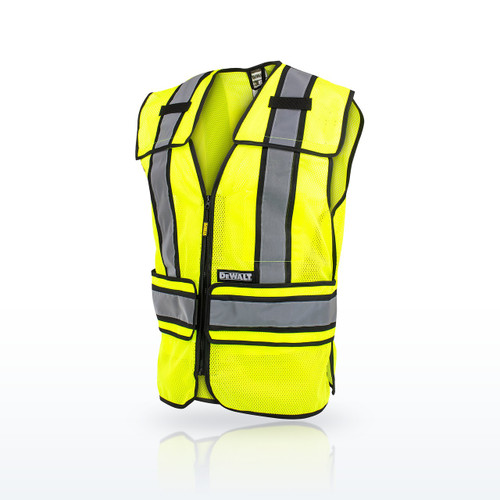
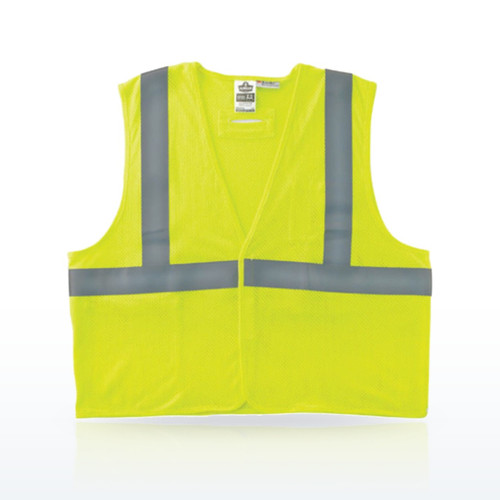
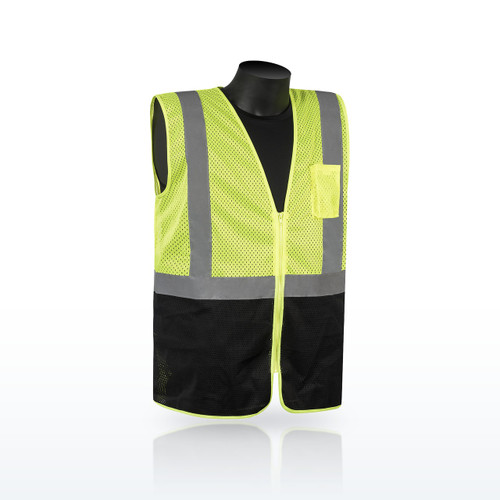
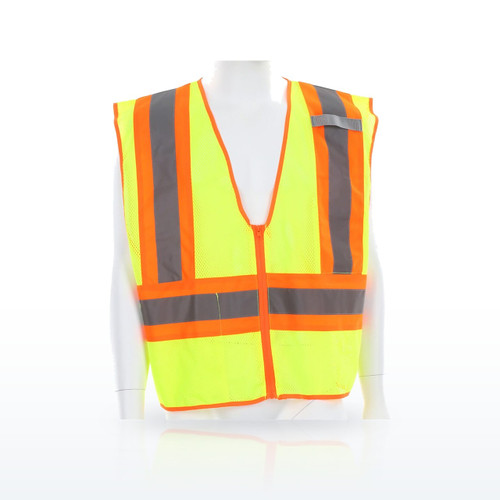
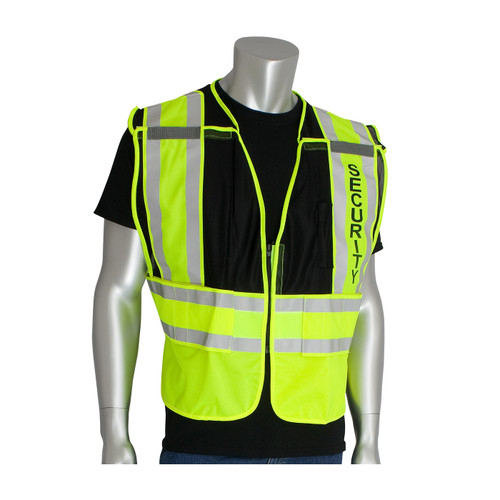
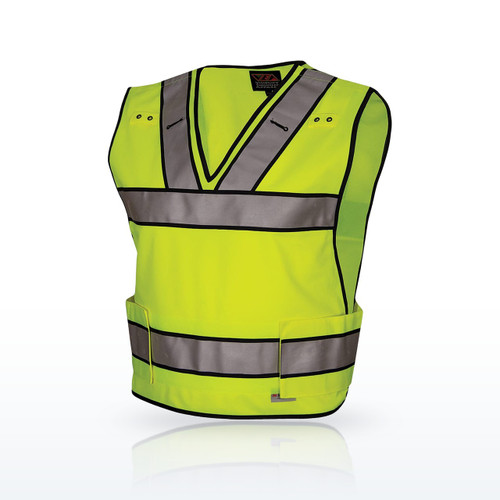
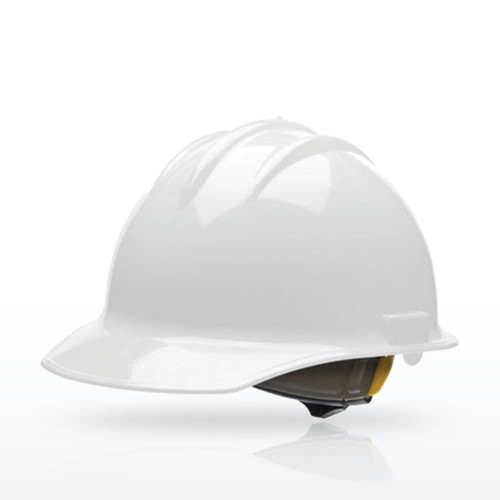
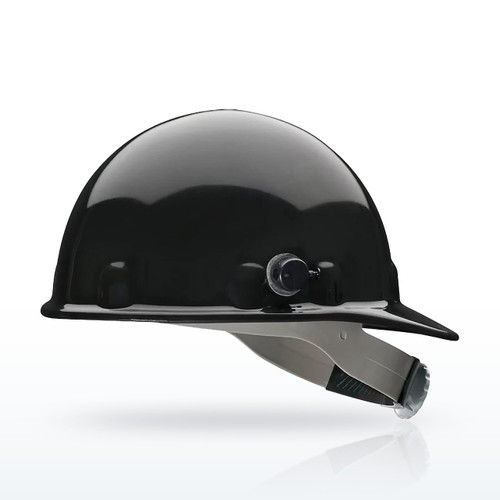
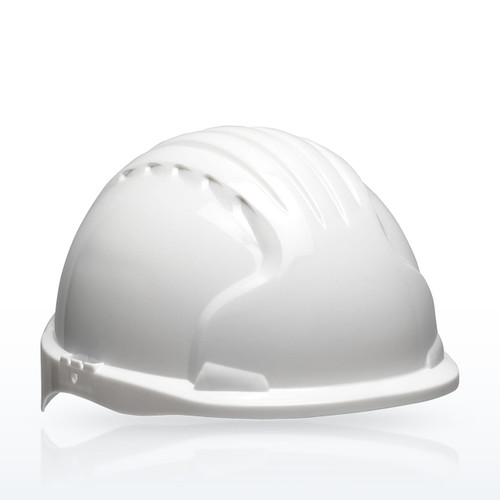
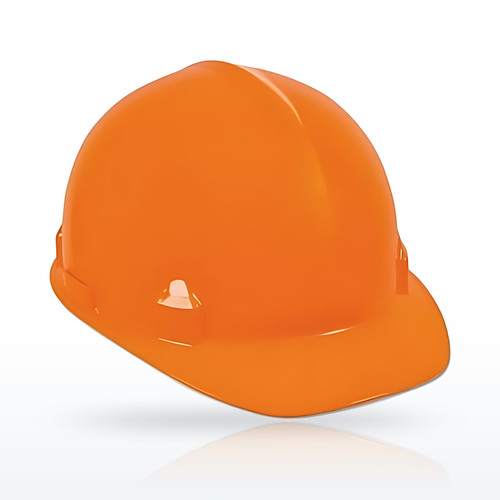
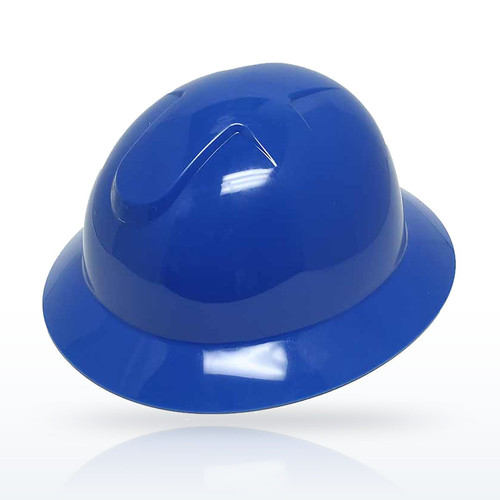
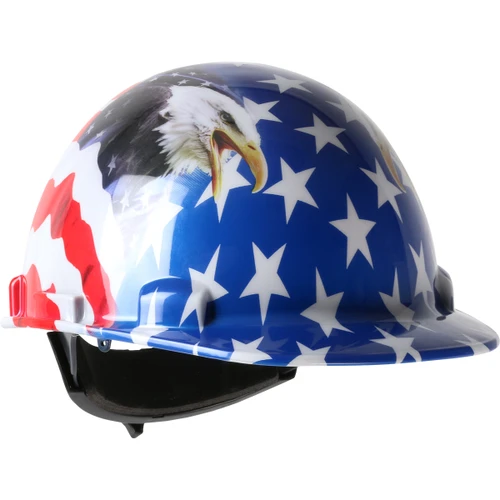
Hi-vis garments and hard hats for work near mobile equipment
More: every hi-vis garment by class.
Source: the manufacturers' product pages, specification sheets and catalogs as reproduced on each product page; the ratings and standards shown are the manufacturers' own statements, and the products listed are those whose published data names the rating or the standard, not a selection by Bayshore Safety.
Guides that go further
What is a confined space · Gas detection for confined space entry · What is LEL, and what does 10 percent LEL mean on a gas monitor · H2S exposure limits and ppm chart · Confined space rescue · When is fall protection required · Gas monitors by gas, every brand.
OSHA 1926.651 Specific Excavation Requirements questions
At what depth does an excavation become a confined space? The rule does not convert a trench into a confined space by depth; 1926.651(g) requires atmospheric testing before entering an excavation deeper than 4 feet where a hazardous atmosphere could reasonably exist, and rescue equipment where one could develop. A trench becomes a confined space under 1926.1202 only when it also has limited means of entry and exit, which a deep trench with sparse ladders can.
What are the safety rules for excavation? From 1926.651: locate underground utilities before digging, keep employees from under suspended loads, provide egress within 25 feet in trenches 4 feet or deeper, test the atmosphere before entry over 4 feet where hazards could exist, keep spoils 2 feet back from the edge, protect against water accumulation, inspect daily by a competent person, and guard walkways over excavations 6 feet deep; 1926.652 adds sloping, benching, shoring or shields for excavations 5 feet or deeper.
OSHA requires a means of exit within how many feet of anyone working in a trench? 25 feet of lateral travel, under 1926.651(c)(2), by stairway, ladder, ramp or other safe means, in trench excavations 4 feet or more deep.
Is a 3 foot trench a confined space? Usually not. 1926.651(g) does not require atmospheric testing until the excavation is deeper than 4 feet, 1926.652 protective systems start at 5 feet, and a confined space under 1926.1202 needs limited entry or exit, which a 3 foot trench with open sides does not have. The competent person's daily inspection under (k) still covers hazardous atmospheres at any depth.
What is the 5 4 3 2 1 rule for trenching? A field memory aid, not a rule text: protective systems at 5 feet (1926.652(a)), egress within 25 feet in trenches 4 feet or deeper and atmospheric testing over 4 feet (1926.651(c) and (g)), spoils kept 2 feet from the edge (1926.651(j)(2)), and a competent person inspecting daily (1926.651(k)); the numbers map onto those paragraphs rather than onto a single OSHA rule.
What does OSHA require for fall protection when working near the edge of a trench? 1926.501(b)(7): guardrails, fences or barricades at the edge of an excavation 6 feet or more deep that is not readily seen because of plant growth or another visual barrier, and guardrails, fences, barricades or covers at wells, pits, shafts and similar excavations 6 feet or more deep; 1926.651(l) requires guardrails on walkways over excavations 6 feet or more deep.
The ratings, test results and standards shown here are the manufacturers' published values, reproduced as published. Nothing on this page is a recommendation by Bayshore Safety that any product is suitable for a particular task, hazard or workplace. Selecting safety products and protective equipment is the responsibility of the end user and the employer, based on their own hazard assessment and the regulations that apply to their work. Confirm every value on the manufacturer's own documentation before use.