
OSHA 1910.146 Permit-Required Confined Spaces: what it requires and the equipment it names
29 CFR 1910.146 is the general industry confined space rule. It defines a permit-required confined space, requires a written permit program, and names the equipment: calibrated direct-reading gas monitors used in a set order, forced-air ventilation, communication, a full body harness with a retrieval line to a mechanical device outside the space, and rescue equipment. We sell nationwide; ships in 1–2 business days; most orders arrive in 3–7 business days.
The plain answer
29 CFR 1910.146 requires an employer whose workplace contains permit-required confined spaces to post danger signs, decide whether employees will enter, and if so run a written permit space program: test the atmosphere with a calibrated direct-reading instrument for oxygen, then flammable gases and vapors, then toxic air contaminants, keep the space within acceptable entry conditions, post an attendant, provide retrieval systems for non-entry rescue, and arrange rescue services that can respond in time.
A confined space is large enough to enter, has limited means of entry or exit, and is not designed for continuous occupancy; it becomes permit-required when it has or could have a hazardous atmosphere, engulfment material, an internal configuration that could trap or asphyxiate, or any other serious hazard. The rule applies to general industry; construction has 1926 Subpart AA.
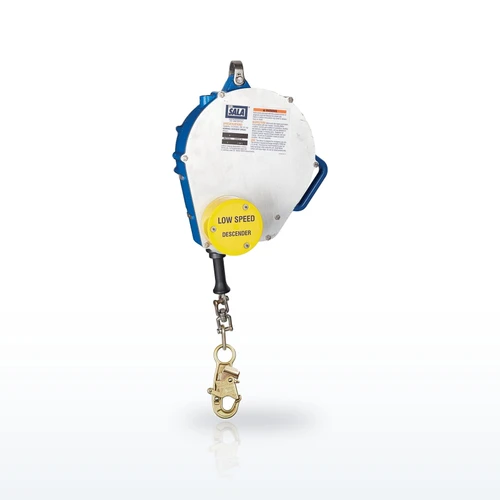
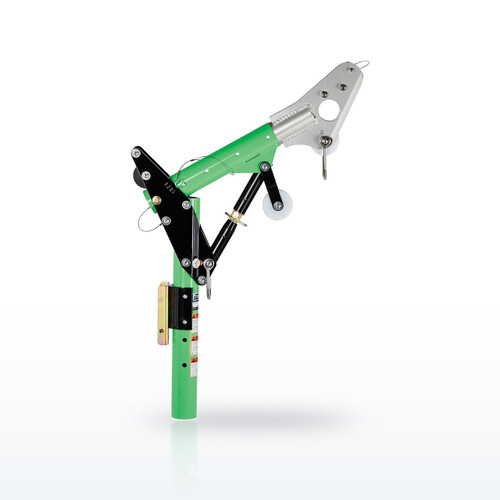
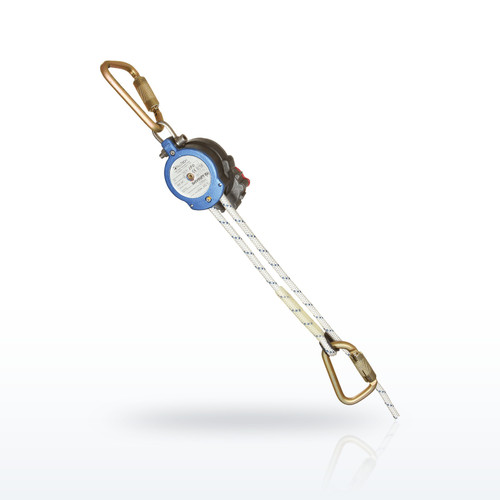
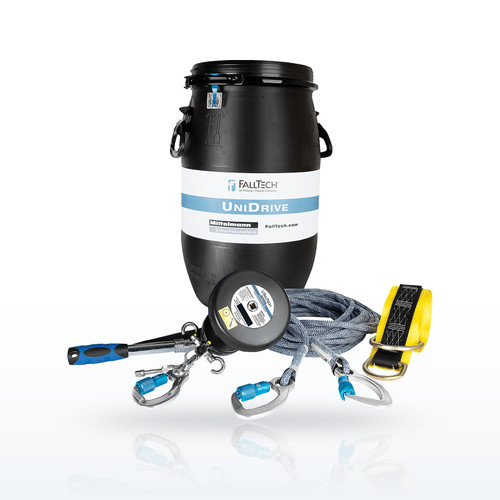
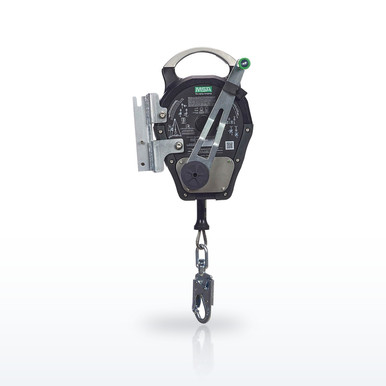
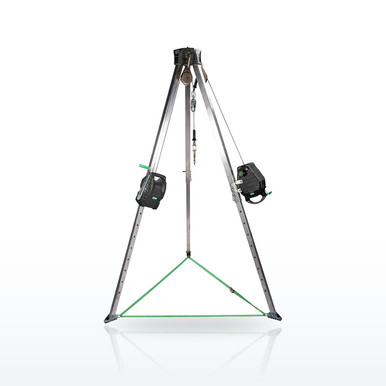
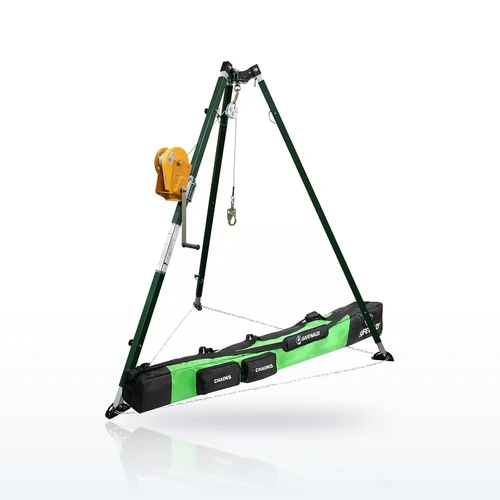
The equipment named in paragraph (d)(4) is the testing and monitoring equipment, ventilating equipment, communications equipment, PPE, lighting, barriers and shields, ladders or other means of entry and exit, and rescue and emergency equipment; paragraph (k)(3) specifies the chest or full body harness with a retrieval line attached at the back or above the head, connected to a mechanical device or fixed point outside the space, with a mechanical device required for vertical spaces more than 5 feet deep.
Acceptable entry conditions and the gas limits the testing checks
| Substance or condition | OSHA limit | NIOSH REL | NIOSH IDLH |
|---|---|---|---|
| Oxygen (O2) | 19.5 to 23.5 percent is the acceptable range in 1910.146(b) | Below 19.5 percent is oxygen deficient (IDLH under 1910.134) | Above 23.5 percent is oxygen enriched |
| Flammable gas or vapor (LEL) | Above 10 percent of the lower flammable limit is a hazardous atmosphere, 1910.146(b) | Excavations: ventilate above 20 percent LEL, 1926.651(g) | |
| Hydrogen sulfide (H2S) | Ceiling 20 ppm; 50 ppm 10-minute peak | Ceiling 10 ppm (10 minutes) | 100 ppm |
| Carbon monoxide (CO) | TWA 50 ppm | TWA 35 ppm; ceiling 200 ppm | 1,200 ppm |
| Carbon dioxide (CO2) | TWA 5,000 ppm | TWA 5,000 ppm; STEL 30,000 ppm | 40,000 ppm |
| Ammonia (NH3) | TWA 50 ppm | TWA 25 ppm; STEL 35 ppm | 300 ppm |
| Chlorine (Cl2) | Ceiling 1 ppm | Ceiling 0.5 ppm (15 minutes) | 10 ppm |
| Sulfur dioxide (SO2) | TWA 5 ppm | TWA 2 ppm; STEL 5 ppm | 100 ppm |
| Nitrogen dioxide (NO2) | Ceiling 5 ppm | STEL 1 ppm | 13 ppm |
Source: 29 CFR 1910.146(b) definitions of hazardous atmosphere; NIOSH Pocket Guide to Chemical Hazards (cdc.gov/niosh/npg, saved Nov 2 2026); 29 CFR 1910.1000 Table Z-1 (ecfr.gov)
What the rule says
Each entry is condensed from the paragraph cited; the paragraph itself is the rule and the link opens it.
29 CFR 1910.146(b): Definitions: a hazardous atmosphere includes a flammable gas, vapor or mist above 10 percent of its lower flammable limit, an airborne combustible dust at or above its LFL, oxygen below 19.5 or above 23.5 percent, any substance above its permissible exposure limit, and any other IDLH condition.
29 CFR 1910.146(c)(1)-(2): The employer must evaluate the workplace for permit spaces and inform exposed employees by posting danger signs or an equally effective means.
29 CFR 1910.146(c)(5): Alternate entry where the only hazard is an actual or potential hazardous atmosphere that continuous forced air ventilation alone controls: before entry the internal atmosphere is tested with a calibrated direct-reading instrument for oxygen content, for flammable gases and vapors, and for potential toxic air contaminants, in that order; there may be no hazardous atmosphere while anyone is inside; forced air ventilation is directed at the areas where employees are and continues until all have left; the atmosphere is tested periodically; and the employer verifies the determinations in a written certification.
29 CFR 1910.146(d)(3): The permit program must specify the acceptable entry conditions and the means to isolate the space, purge, inert, flush or ventilate it, provide pedestrian and vehicle barriers, and verify conditions are acceptable throughout the entry.
29 CFR 1910.146(d)(4): The employer provides, maintains and ensures the use of: testing and monitoring equipment, ventilating equipment, communications equipment, PPE where engineering and work-practice controls do not protect, lighting, barriers and shields, equipment such as ladders for safe entry and exit, rescue and emergency equipment, and any other equipment necessary for safe entry and rescue.
29 CFR 1910.146(d)(5): Test conditions before entry is authorized and monitor during entry; when testing for atmospheric hazards, test first for oxygen, then for combustible gases and vapors, then for toxic gases and vapors; entrants may observe the testing and request a reevaluation.
29 CFR 1910.146(d)(6)-(9): At least one attendant outside the space for the duration of entry; procedures for summoning rescue, coordinating multiple employers, preparing, issuing and canceling permits, and rescue and emergency services.
29 CFR 1910.146(f): The entry permit lists the space, purpose, date and duration, entrants, attendants, entry supervisor, hazards, isolation measures, acceptable entry conditions, test results with time and tester, rescue service and how to summon it, communication procedures, and the equipment provided.
29 CFR 1910.146(h)-(j): Duties: entrants know the hazards, use the equipment, communicate with the attendant and exit on alarm or order; attendants monitor entrants, keep count, order evacuation, summon rescue and perform non-entry rescue; entry supervisors verify the permit, conditions and rescue availability.
29 CFR 1910.146(k)(1)-(2): Rescue services are evaluated for timely response and proficiency, given access to the spaces for practice and informed of the hazards; an employer's own rescue team is equipped with the PPE and rescue equipment at no cost, trained in its use, trained as entrants, trained in first aid and CPR, and practices annually.
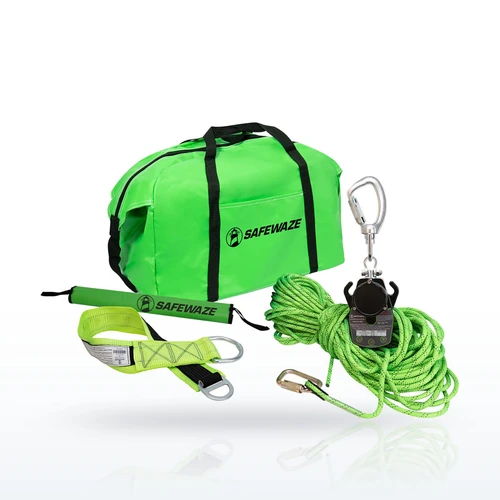
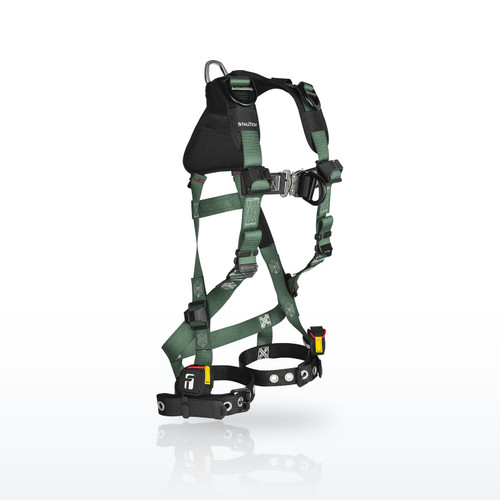
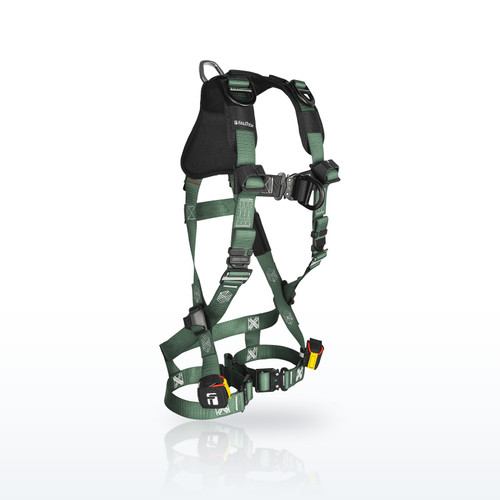
29 CFR 1910.146(k)(3): To facilitate non-entry rescue, retrieval systems are used whenever an authorized entrant enters a permit space unless they would increase the overall risk or would not help: a chest or full body harness with the retrieval line attached at the center of the back near shoulder level, above the head, or at another point the employer shows gives a small enough profile; the other end attached to a mechanical device or fixed point outside the space so rescue can begin as soon as the rescuer is aware of the need; a mechanical device available to retrieve personnel from vertical permit spaces more than 5 feet deep.
29 CFR 1910.146(k)(4): When an entrant is exposed to a substance with a safety data sheet or similar information, that information is kept at the worksite and made available to the medical facility treating the entrant.
Source: 29 CFR, Occupational Safety and Health Standards, as published by OSHA (ecfr.gov), read Nov 9 2026.
California (Cal/OSHA)
Each entry is condensed from the paragraph cited; the paragraph itself is the rule and the link opens it.
Title 8 §5157: Cal/OSHA's permit-required confined space section mirrors 1910.146: the same definitions, written program, testing in the order oxygen, flammables, toxics, attendant, permit, training and non-entry retrieval with a harness and mechanical device for vertical spaces over 5 feet.
Title 8 §5158: Construction, agriculture, marine terminals, grain handling, shipyards and telecommunications in California follow §5158 instead, with its own testing and attendant rules.
Source: California Code of Regulations, Title 8, as published by Cal/OSHA (dir.ca.gov), read Nov 9 2026.
Equipment the rule names
| Equipment or condition | What the rule requires | Paragraph |
|---|---|---|
| Testing and monitoring equipment | Calibrated direct-reading instrument; test oxygen, then flammables, then toxics, before entry and as needed during entry | 29 CFR 1910.146(c)(5)(ii)(C), (d)(5) |
| Ventilating equipment | Continuous forced air ventilation from a clean source, directed at the work area, until everyone has left | 29 CFR 1910.146(c)(5)(ii)(E) |
| Communications equipment | Between attendant and entrants, and to summon rescue | 29 CFR 1910.146(d)(4)(iii) |
| Personal protective equipment | Where engineering and work-practice controls do not adequately protect | 29 CFR 1910.146(d)(4)(iv) |
| Lighting, barriers, shields, ladders | To see well enough to work and exit, to keep others out, to enter and exit safely | 29 CFR 1910.146(d)(4)(v)-(vii) |
| Retrieval system | Chest or full body harness, retrieval line at the back near shoulder level or above the head, to a mechanical device or fixed point outside; mechanical device for vertical spaces over 5 ft | 29 CFR 1910.146(k)(3) |
| Rescue and emergency equipment | Provided to the rescue team at no cost; practiced annually | 29 CFR 1910.146(d)(4)(viii), (k)(2) |
| Danger signs | "DANGER, PERMIT-REQUIRED CONFINED SPACE, DO NOT ENTER" or equally effective | 29 CFR 1910.146(c)(2) |
Source: 29 CFR, Occupational Safety and Health Standards, as published by OSHA (ecfr.gov), read Nov 9 2026.
What we carry for it
Each table lists products whose manufacturer data states the rating or the standard the rule names, every brand we carry that does, with the current price. Sizes and versions are chosen on the product page. The selector linked under each table holds every item of that type.
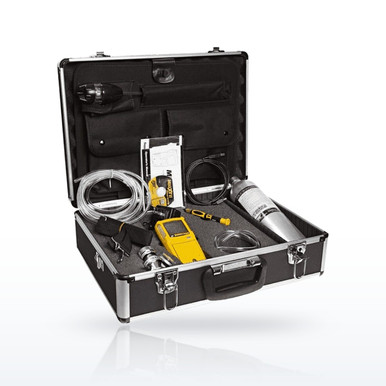
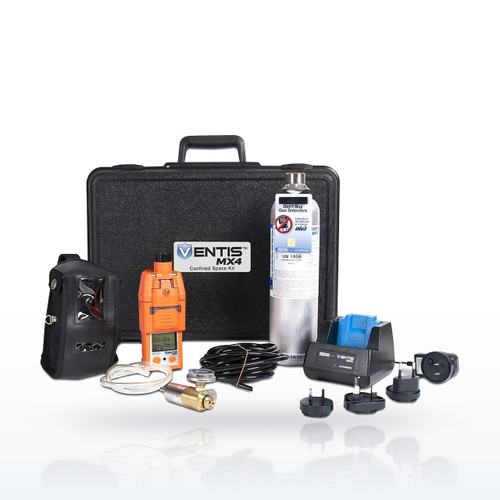
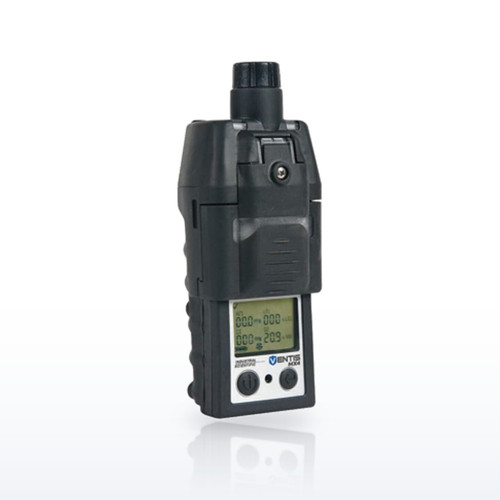
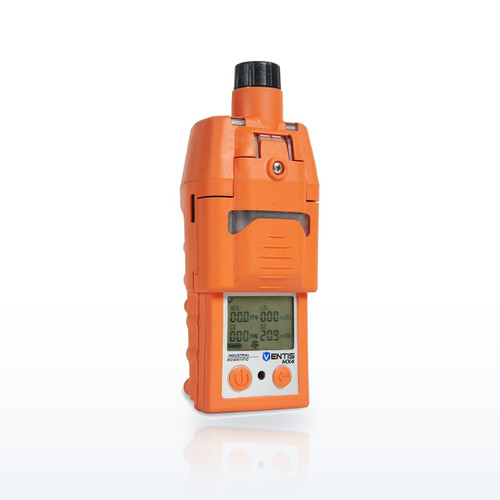
Four-gas monitors (LEL, O2, H2S, CO) for pre-entry testing in the order the rule sets
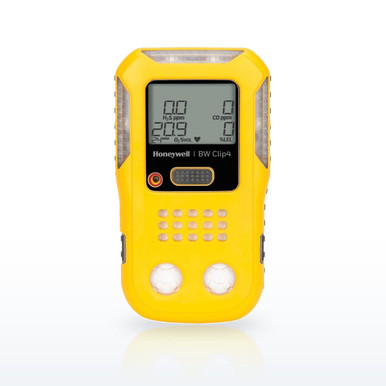
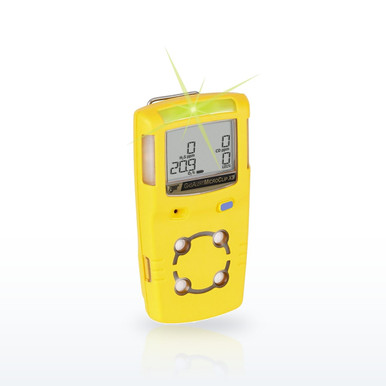
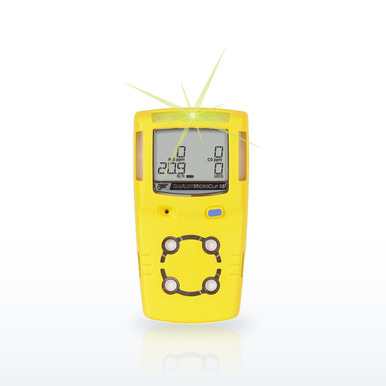
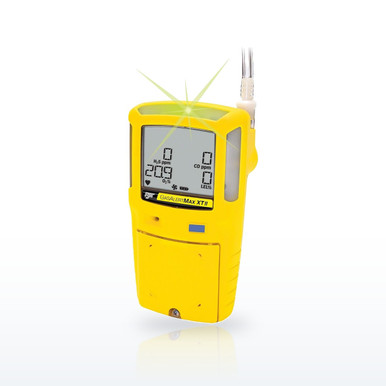


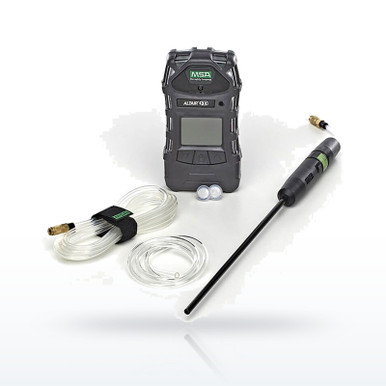
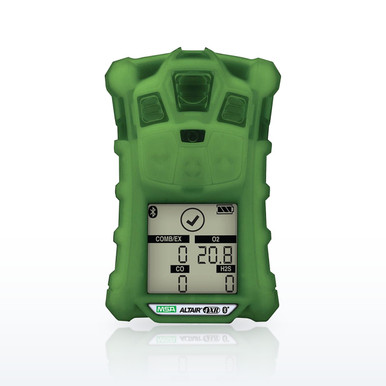


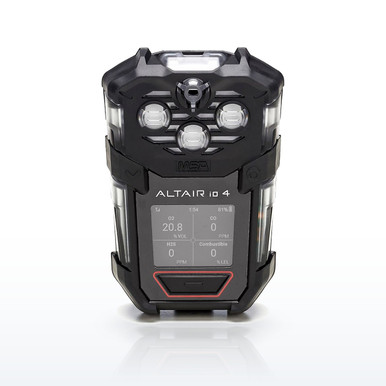
More: every 4-gas monitor by brand.
Source: the manufacturers' product pages, specification sheets and catalogs as reproduced on each product page; the ratings and standards shown are the manufacturers' own statements, and the products listed are those whose published data names the rating or the standard, not a selection by Bayshore Safety.
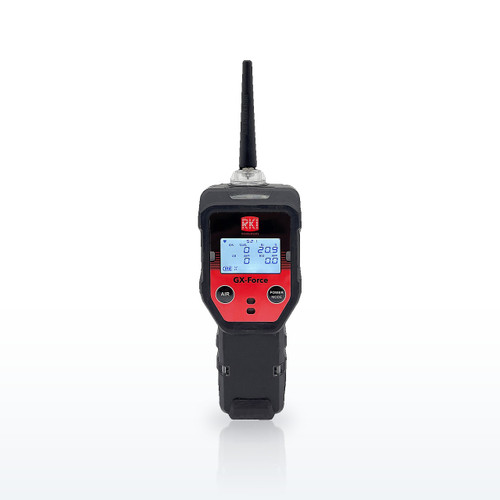
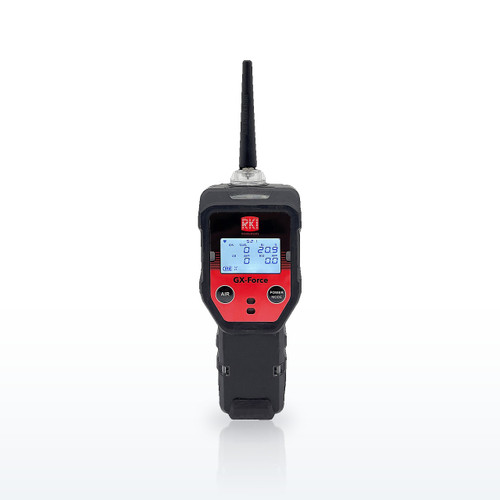
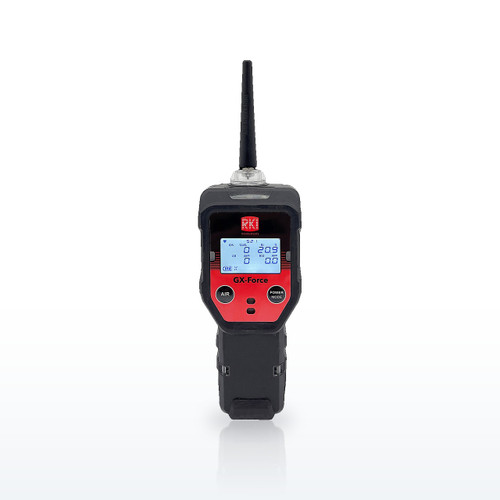
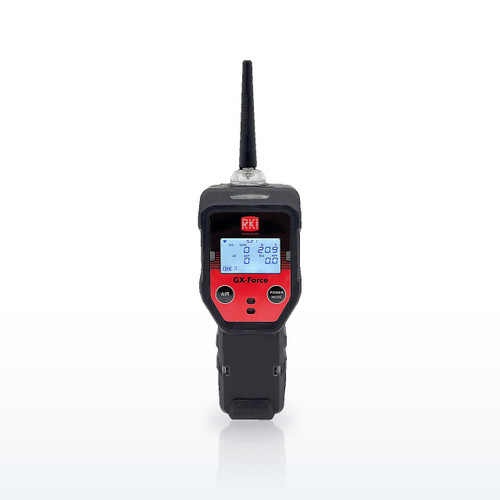
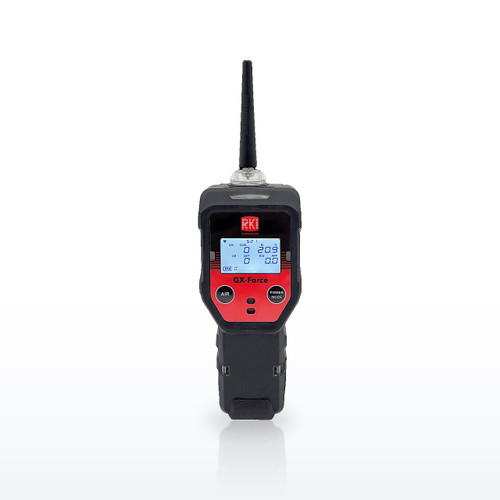
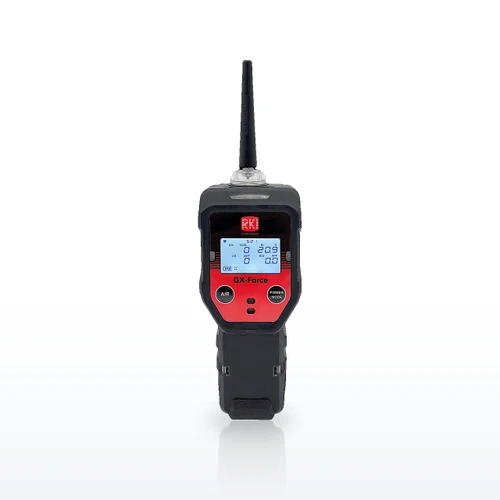
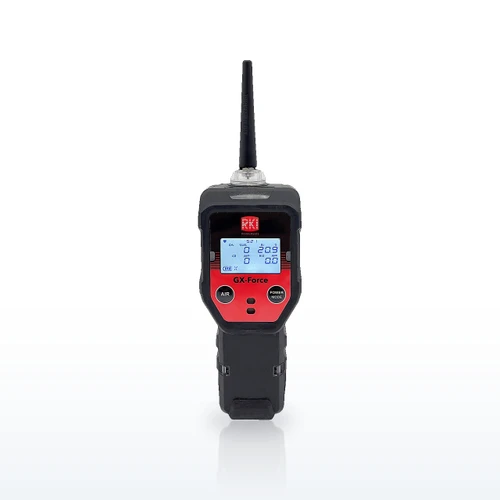
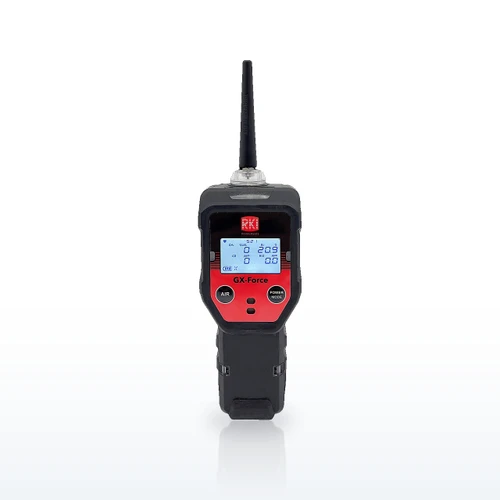
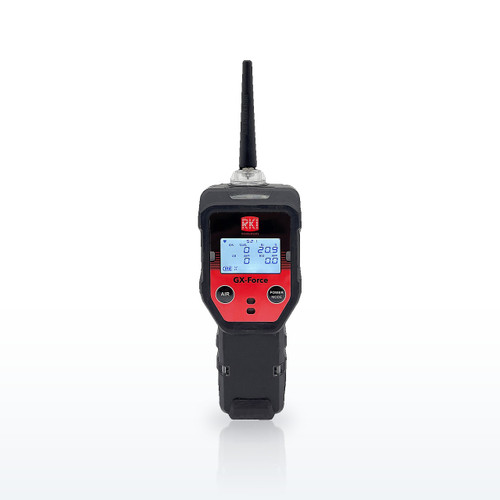
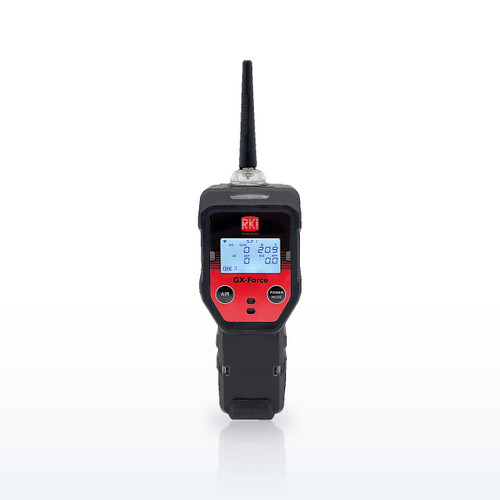
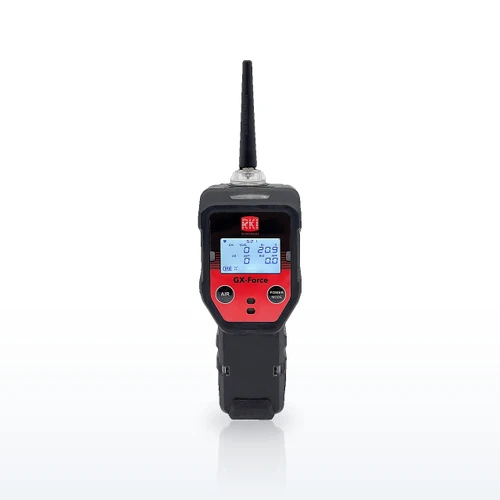
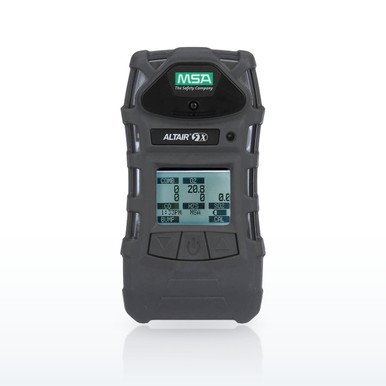
Sample-draw monitors for testing before entry (pump and hose)
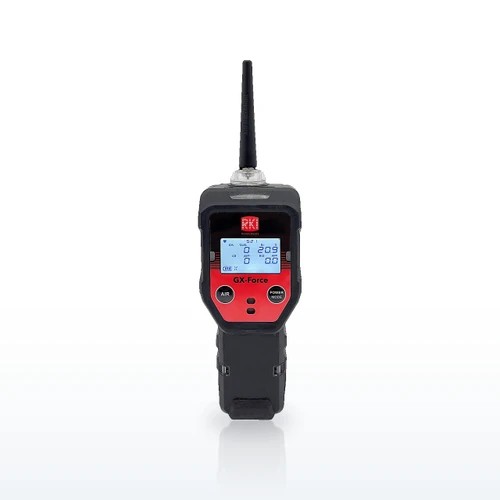

More: every pumped monitor for remote sampling.
Source: the manufacturers' product pages, specification sheets and catalogs as reproduced on each product page; the ratings and standards shown are the manufacturers' own statements, and the products listed are those whose published data names the rating or the standard, not a selection by Bayshore Safety.
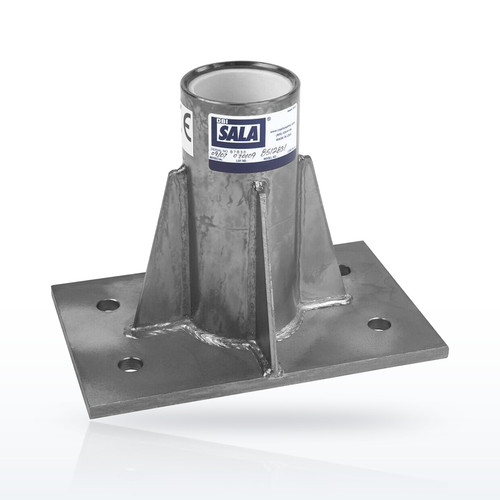
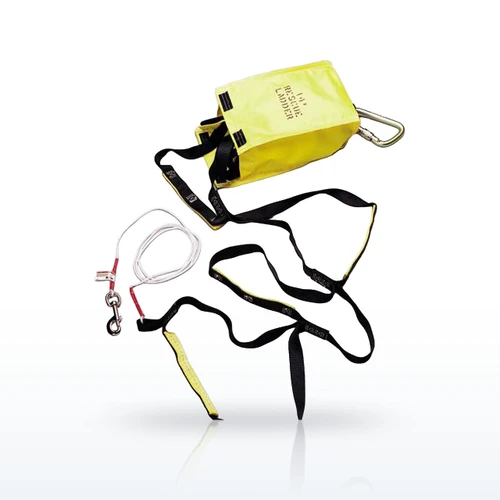
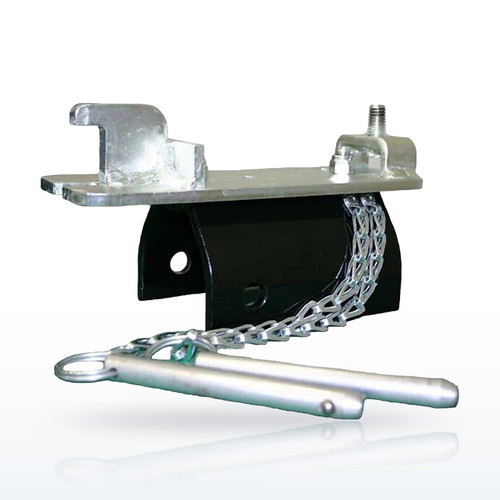
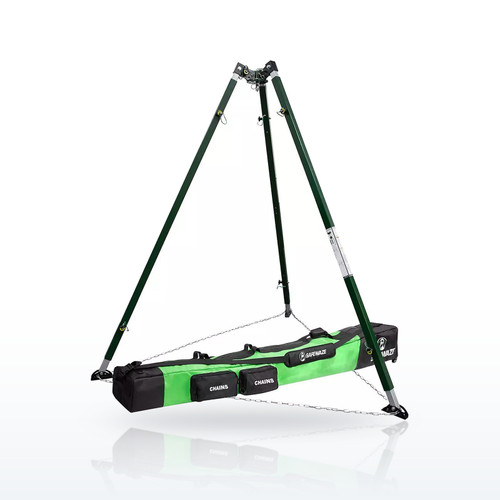
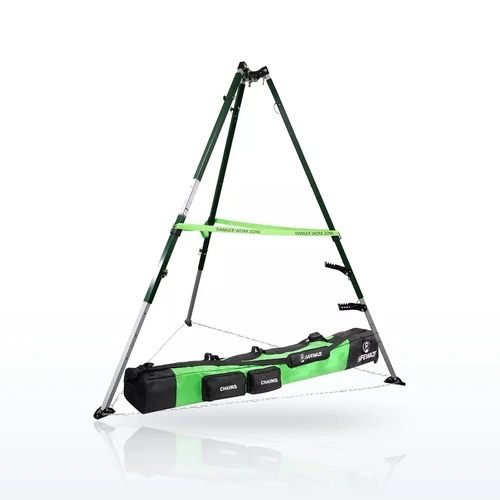
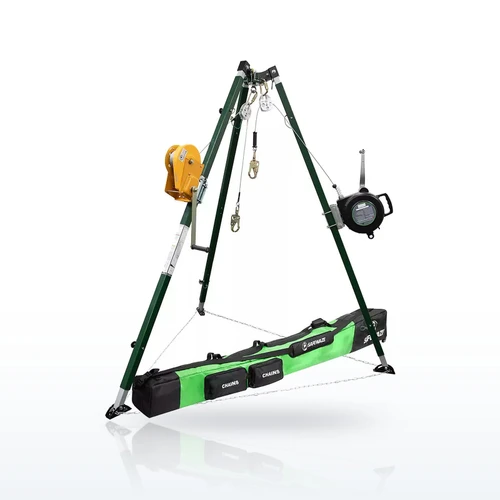
Tripods, winches and retrieval systems (1910.146(k)(3))
More: every tripod, davit, winch and retrieval SRL.
Source: the manufacturers' product pages, specification sheets and catalogs as reproduced on each product page; the ratings and standards shown are the manufacturers' own statements, and the products listed are those whose published data names the rating or the standard, not a selection by Bayshore Safety.
Full body harnesses for retrieval (dorsal or shoulder attachment)
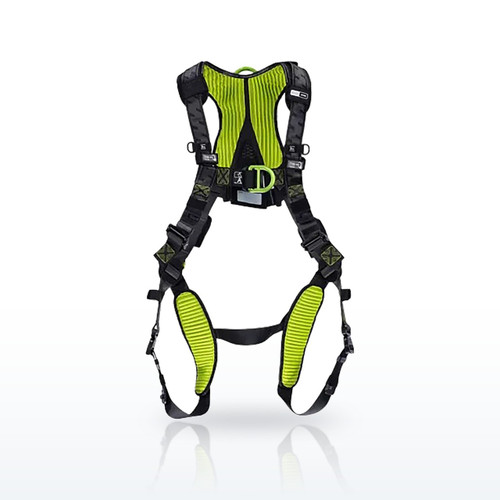
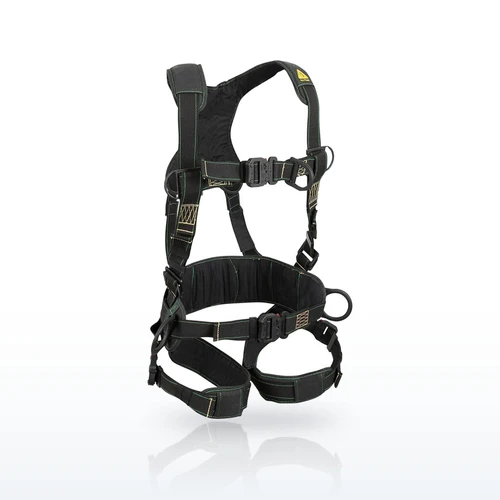
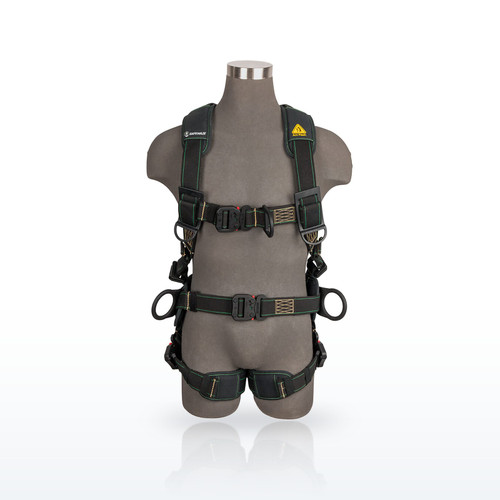
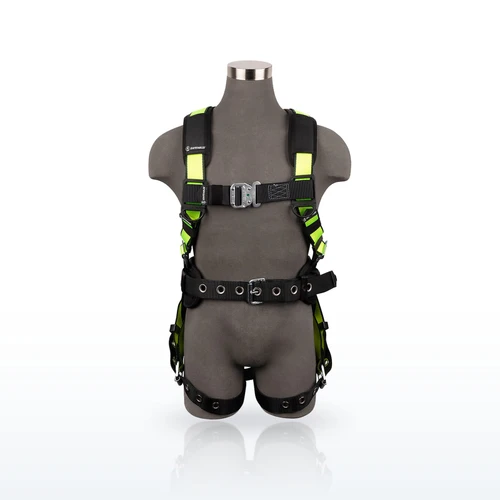
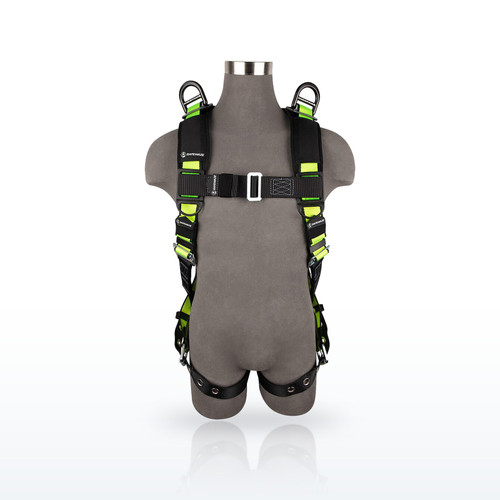
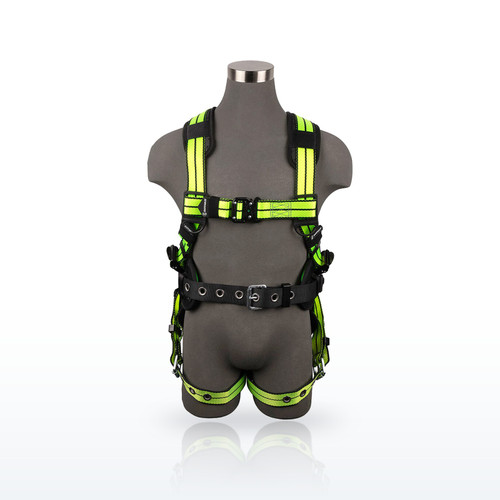
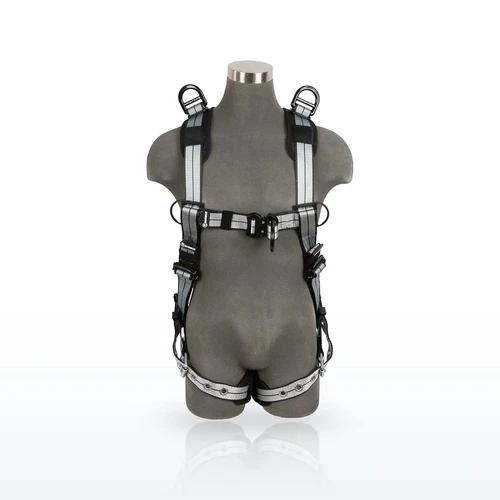
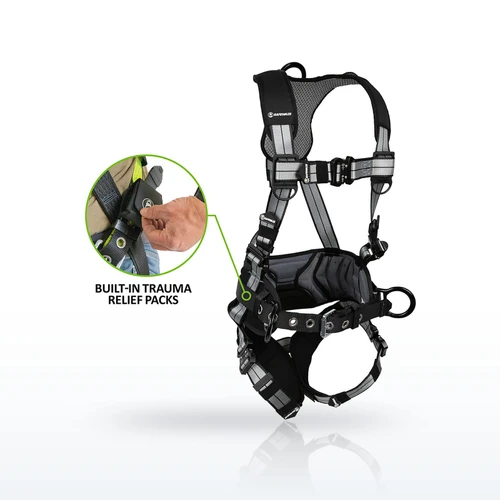
More: every harness by D-ring configuration.
Source: the manufacturers' product pages, specification sheets and catalogs as reproduced on each product page; the ratings and standards shown are the manufacturers' own statements, and the products listed are those whose published data names the rating or the standard, not a selection by Bayshore Safety.
Calibration gas for the testing instruments
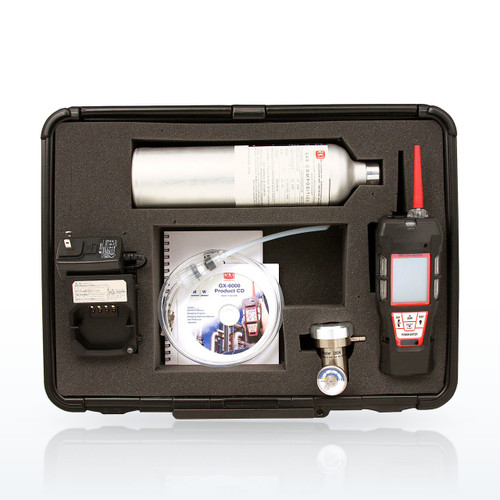


More: every calibration gas and regulator.
Source: the manufacturers' product pages, specification sheets and catalogs as reproduced on each product page; the ratings and standards shown are the manufacturers' own statements, and the products listed are those whose published data names the rating or the standard, not a selection by Bayshore Safety.
Escape respirators for entrants and attendants
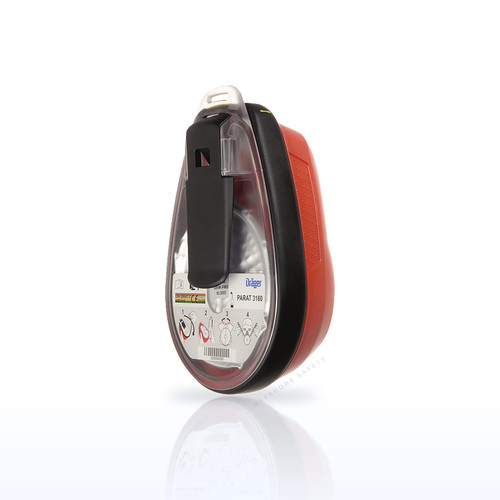

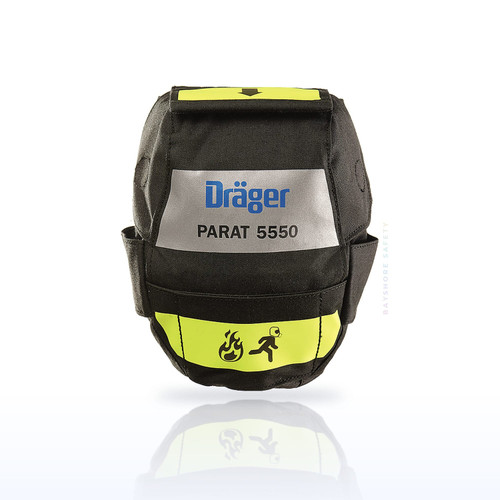
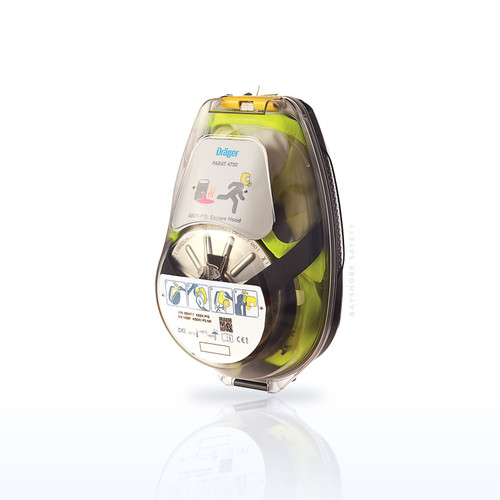
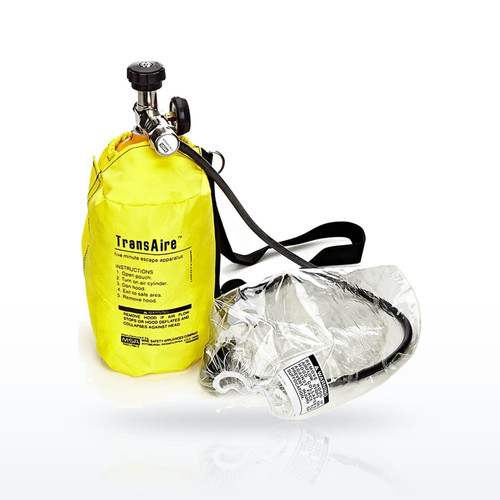

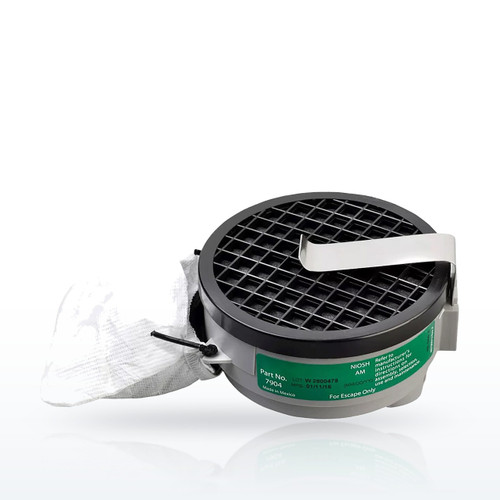

More: every escape respirator.
Source: the manufacturers' product pages, specification sheets and catalogs as reproduced on each product page; the ratings and standards shown are the manufacturers' own statements, and the products listed are those whose published data names the rating or the standard, not a selection by Bayshore Safety.
Guides that go further
What is a confined space · What equipment does 1910.146 require for confined space entry · Confined space rescue · Confined space entry procedure step by step · Gas detection for confined space entry · Permit-required confined space entry · Respiratory protection in confined spaces · What is a non-permit confined space · Respirators for confined spaces and IDLH atmospheres.
OSHA 1910.146 Permit-Required Confined Spaces questions
What are the OSHA requirements for confined spaces? In general industry, 29 CFR 1910.146: identify permit spaces and post danger signs, write a permit program, test the atmosphere with a calibrated direct-reading instrument (oxygen first, then flammables, then toxics), ventilate, isolate, post an attendant, issue and cancel a permit for each entry, train entrants, attendants and supervisors, provide retrieval systems for non-entry rescue and arrange a rescue service that can respond in time.
What are the three main atmospheric hazards associated with confined spaces? The three the rule has you test for, in order: oxygen deficiency or enrichment (below 19.5 or above 23.5 percent), flammable gases or vapors (above 10 percent of the LEL), and toxic air contaminants above their permissible exposure limits, from the definition of hazardous atmosphere in 1910.146(b) and the testing order in (c)(5)(ii)(C) and (d)(5)(iii).
What are the steps involved in the entry procedure for a confined space? As 1910.146 lays them out: identify the space and its hazards, decide whether entry is permitted, isolate the space (lockout, blanking), ventilate, test the atmosphere in order, fill in and sign the permit with the acceptable entry conditions and test results, post the attendant, set up the retrieval system and confirm rescue is available, enter and monitor, and cancel the permit when the work is done or conditions change.
What are the requirements for a confined space retrieval system? 1910.146(k)(3): a chest or full body harness on each entrant with the retrieval line attached at the center of the back near shoulder level, above the head, or at another point the employer shows gives a small enough profile for removal; the other end attached to a mechanical device or fixed point outside the space so rescue can begin at once; and a mechanical device, such as a tripod winch, available for vertical spaces more than 5 feet deep. Wristlets are allowed only where a harness is infeasible or a greater hazard.
What are the two types of confined spaces? Confined spaces that are permit-required and those that are not. Every confined space meets the three-part definition in 1910.146(b) (large enough to enter, limited entry or exit, not designed for continuous occupancy); it is permit-required when it also has or could have a hazardous atmosphere, engulfment material, an inwardly converging or trapping configuration, or another recognized serious hazard. Paragraph (c)(7) lets a permit space be reclassified when all hazards are eliminated.
What is the maximum depth a confined space can be? The rule sets no maximum depth; it sets a depth that triggers equipment. 1910.146(k)(3)(ii) requires a mechanical retrieval device for vertical permit spaces more than 5 feet deep, and 1926.651(g) requires atmospheric testing before entering excavations deeper than 4 feet where a hazardous atmosphere could exist.
The ratings, test results and standards shown here are the manufacturers' published values, reproduced as published. Nothing on this page is a recommendation by Bayshore Safety that any product is suitable for a particular task, hazard or workplace. Selecting safety products and protective equipment is the responsibility of the end user and the employer, based on their own hazard assessment and the regulations that apply to their work. Confirm every value on the manufacturer's own documentation before use.