
OSHA 1910.151 Medical Services and First Aid: what it requires and the equipment it names
29 CFR 1910.151 is three sentences and an appendix: medical personnel available for advice, trained first aiders and adequate first aid supplies where no infirmary, clinic or hospital is in near proximity, and suitable facilities for quick drenching or flushing of the eyes and body where corrosive materials are used. Appendix A names ANSI Z308.1 as the example of a minimal kit. We sell nationwide; ships in 1–2 business days; most orders arrive in 3–7 business days.
The plain answer
29 CFR 1910.151 requires every general industry employer to ensure the ready availability of medical personnel for advice and consultation, to have a person or persons adequately trained to render first aid where there is no infirmary, clinic or hospital in near proximity used for treating injured employees, to keep adequate first aid supplies readily available, and to provide suitable facilities for quick drenching or flushing of the eyes and body within the work area wherever eyes or body may be exposed to injurious corrosive materials.
OSHA's letters of interpretation read "near proximity" as about 3 to 4 minutes for workplaces with life-threatening hazards and up to 15 minutes elsewhere. Construction has the matching rule at 1926.50, which also requires the first aid kit to be in a weatherproof container with individually sealed packages checked weekly.
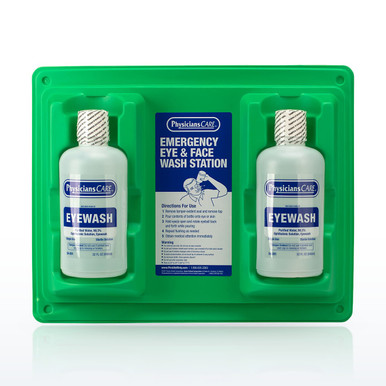
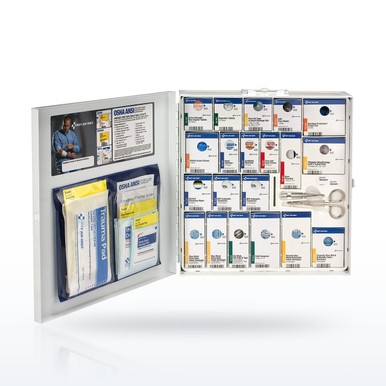
The equipment it names is first aid supplies, for which Appendix A points to the contents of ANSI Z308.1 as adequate for small worksites, and quick drenching or flushing facilities, which OSHA's interpretations tie to ANSI/ISEA Z358.1 for flow, duration, water temperature and location. Both standards are manufacturer-labeled on the kits and eyewash stations we carry.
What the rule says
Each entry is condensed from the paragraph cited; the paragraph itself is the rule and the link opens it.
29 CFR 1910.151(a): The employer must ensure the ready availability of medical personnel for advice and consultation on matters of plant health.
29 CFR 1910.151(b): In the absence of an infirmary, clinic or hospital in near proximity to the workplace used for treating all injured employees, a person or persons must be adequately trained to render first aid, and adequate first aid supplies must be readily available.
29 CFR 1910.151(c): Where the eyes or body of any person may be exposed to injurious corrosive materials, suitable facilities for quick drenching or flushing of the eyes and body must be provided within the work area for immediate emergency use.
29 CFR 1910.151 Appendix A: Non-mandatory: an example of the minimal contents of a generic first aid kit is described in ANSI Z308.1, "Minimum Requirements for Workplace First-aid Kits"; the kit is adequate for small worksites; larger or multiple operations may need additional kits, equipment and quantities; employers with unique or changing needs may need to enhance their kits using the OSHA 300 and 301 logs and advice from the local fire and rescue department or emergency room; where bloodborne pathogen exposure is possible, PPE under 1910.1030 is provided.
29 CFR 1926.50(d): Construction: first aid supplies are easily accessible, in a weatherproof container with individually sealed packages for each type of item, checked by the employer before being sent out on each job and at least weekly, with expended items replaced.
Source: 29 CFR, Occupational Safety and Health Standards, as published by OSHA (ecfr.gov), read Nov 9 2026.
California (Cal/OSHA)
Each entry is condensed from the paragraph cited; the paragraph itself is the rule and the link opens it.
Title 8 §3400(b)-(c): Where no infirmary, clinic or hospital is in near proximity, trained first aiders equal to Red Cross or MSHA training; adequate first aid materials approved by the consulting physician, readily available on every job, kept sanitary and usable, inspected frequently and replenished.
Title 8 §3400(d): Where eyes or body may be exposed to injurious corrosive materials, suitable facilities for quick drenching or flushing within the work area for immediate emergency use.
Title 8 §5162: Emergency eyewash and shower equipment: plumbed or self-contained units meeting ANSI Z358.1 where eyes may contact a corrosive, severely irritating or toxic-by-absorption substance; personal eyewash bottles and drench hoses may support but not replace them; reachable within 10 seconds; tepid water at the ANSI flow rates; activated weekly (plumbed) and inspected per the manufacturer.
Source: California Code of Regulations, Title 8, as published by Cal/OSHA (dir.ca.gov), read Nov 9 2026.
Equipment the rule names
| Equipment or condition | What the rule requires | Paragraph |
|---|---|---|
| First aid supplies | Readily available; Appendix A points to ANSI Z308.1 kit contents as the minimum example | 29 CFR 1910.151(b), Appendix A |
| Trained first aider | Where no clinic or hospital is in near proximity | 29 CFR 1910.151(b) |
| Quick drenching or flushing facilities | Within the work area, for immediate use, wherever eyes or body may be exposed to injurious corrosive materials | 29 CFR 1910.151(c) |
| Bloodborne pathogen PPE | Gloves, gowns, face shields, masks and eye protection where exposure to blood is reasonably anticipated | 29 CFR 1910.151 Appendix A; 1910.1030(d)(3) |
| Construction kit container | Weatherproof, individually sealed packages, checked weekly | 29 CFR 1926.50(d) |
Source: 29 CFR, Occupational Safety and Health Standards, as published by OSHA (ecfr.gov), read Nov 9 2026.
What we carry for it
Each table lists products whose manufacturer data states the rating or the standard the rule names, every brand we carry that does, with the current price. Sizes and versions are chosen on the product page. The selector linked under each table holds every item of that type.
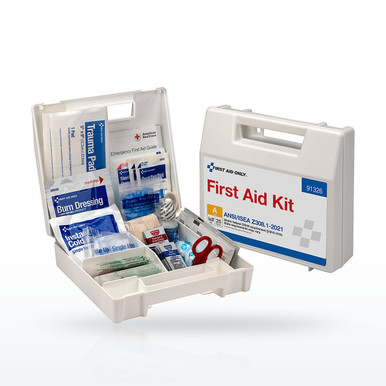
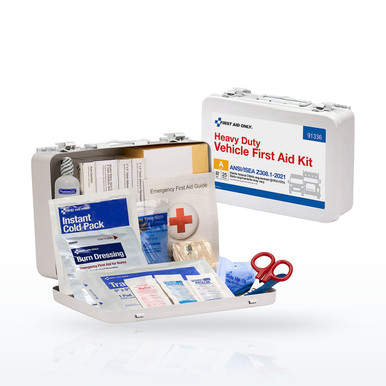
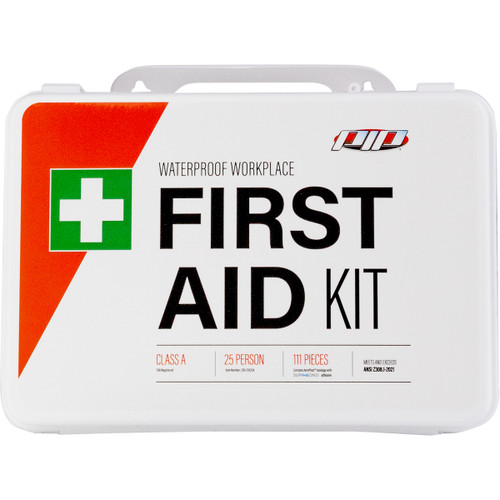
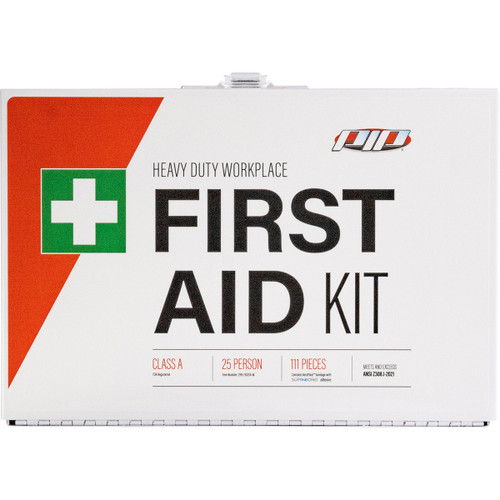
First aid kits whose manufacturers state ANSI/ISEA Z308.1 Class A
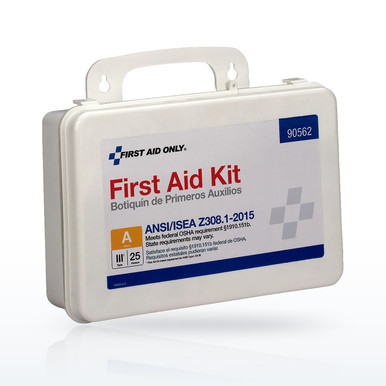
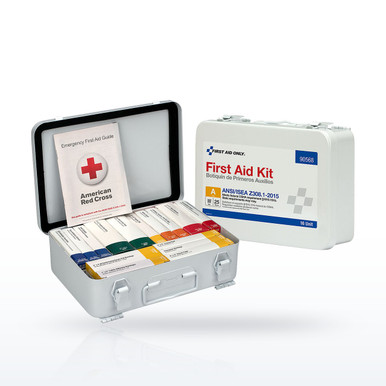
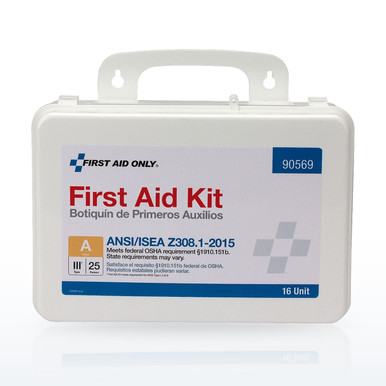
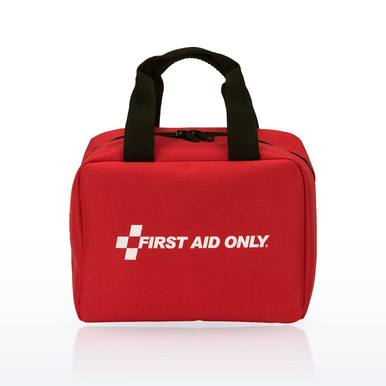
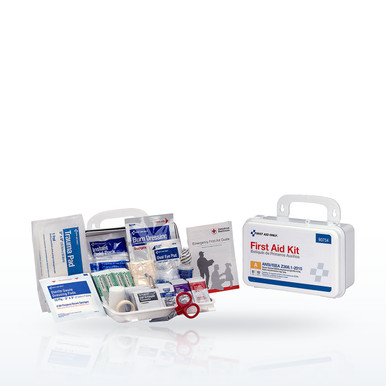
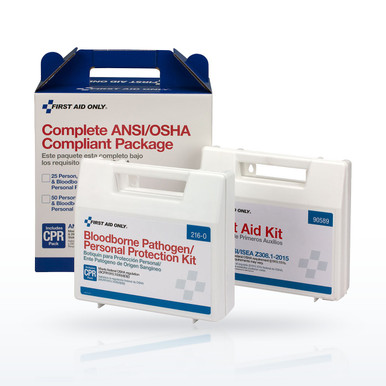
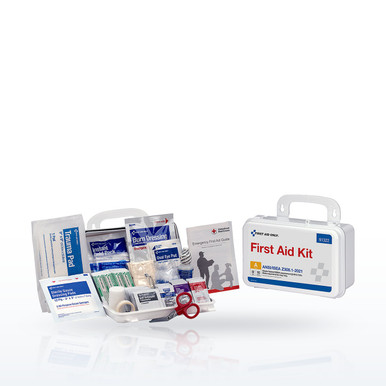
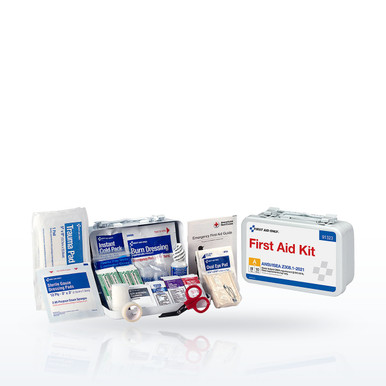
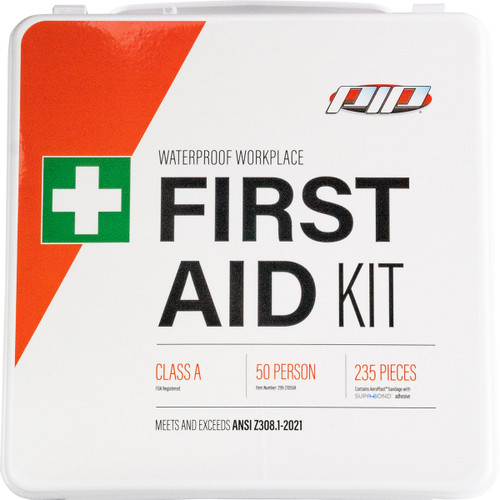
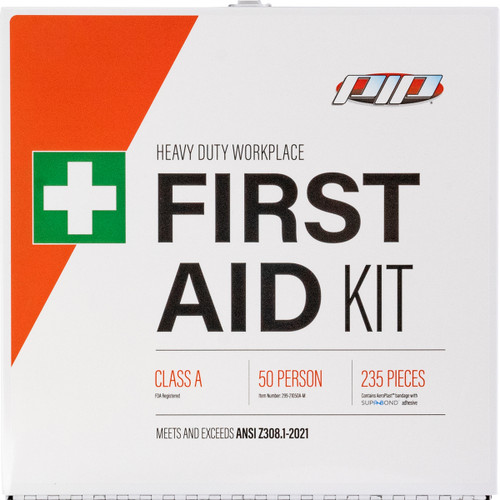
More: every first aid kit by class, type and crew size.
Source: the manufacturers' product pages, specification sheets and catalogs as reproduced on each product page; the ratings and standards shown are the manufacturers' own statements, and the products listed are those whose published data names the rating or the standard, not a selection by Bayshore Safety.
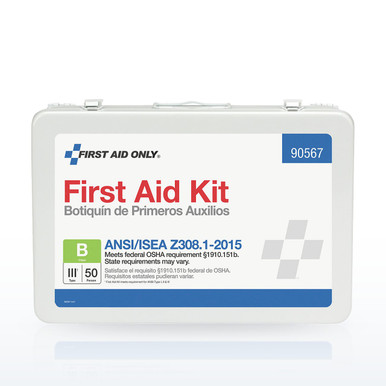
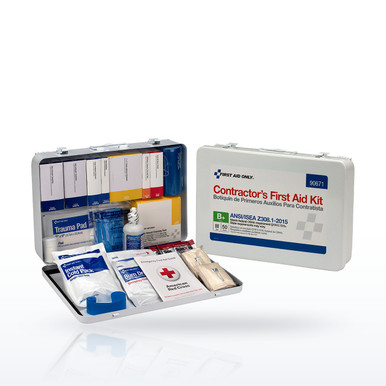
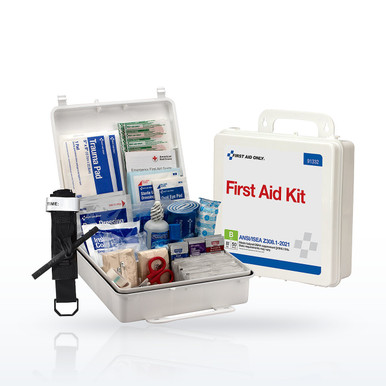
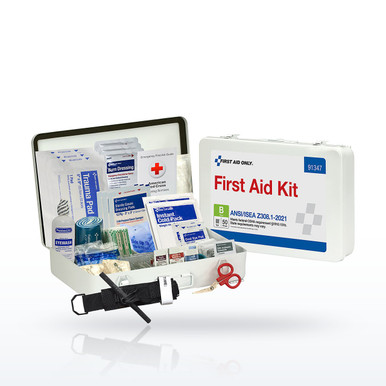
First aid kits stated as ANSI/ISEA Z308.1 Class B
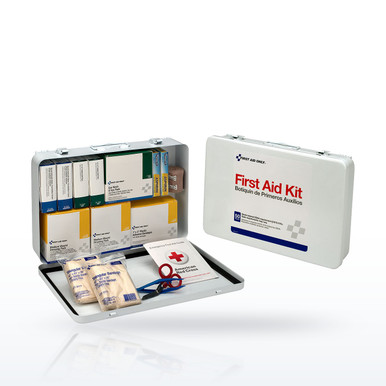
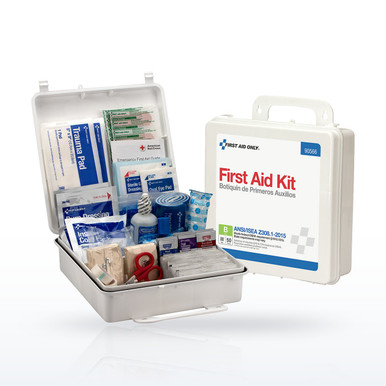
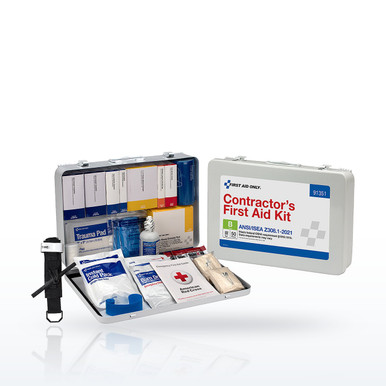
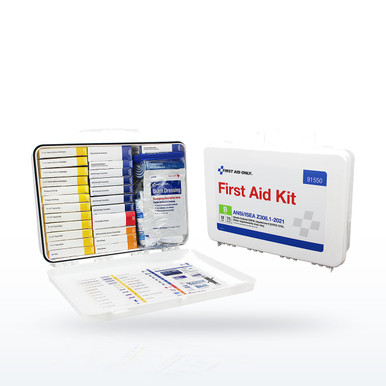
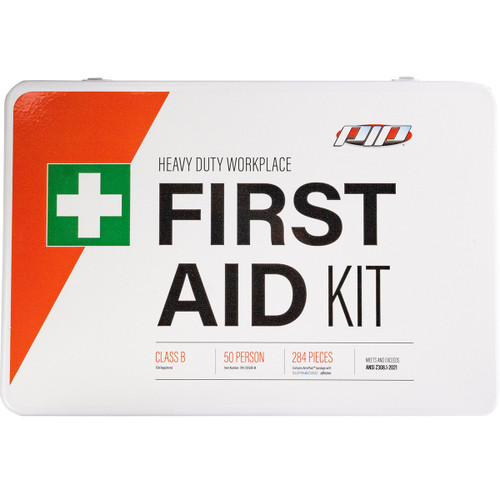
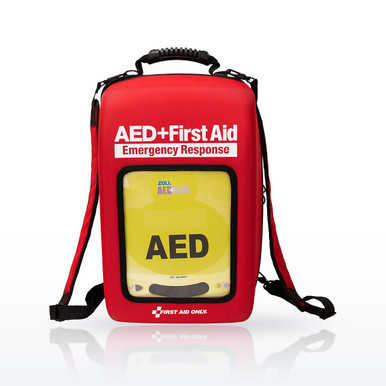
More: every Class B kit.
Source: the manufacturers' product pages, specification sheets and catalogs as reproduced on each product page; the ratings and standards shown are the manufacturers' own statements, and the products listed are those whose published data names the rating or the standard, not a selection by Bayshore Safety.
Eyewash stations whose manufacturers cite ANSI/ISEA Z358.1
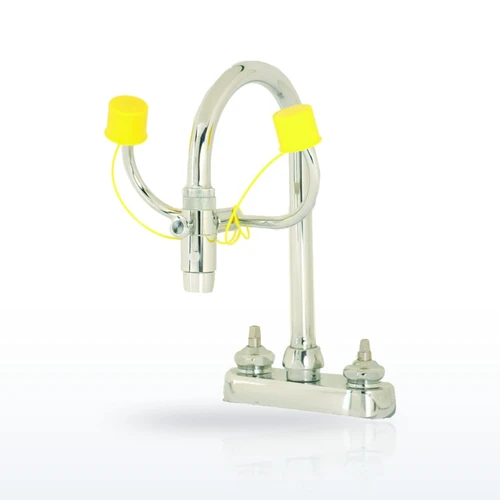
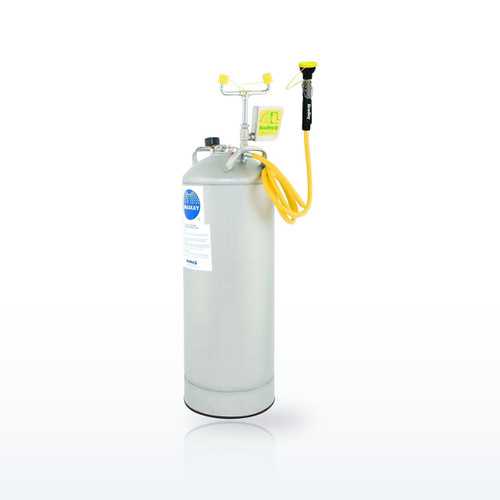
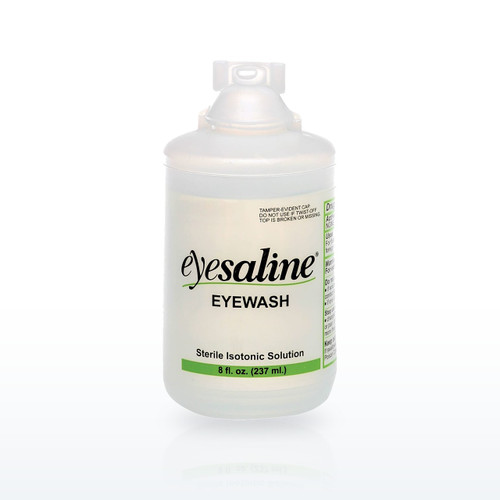
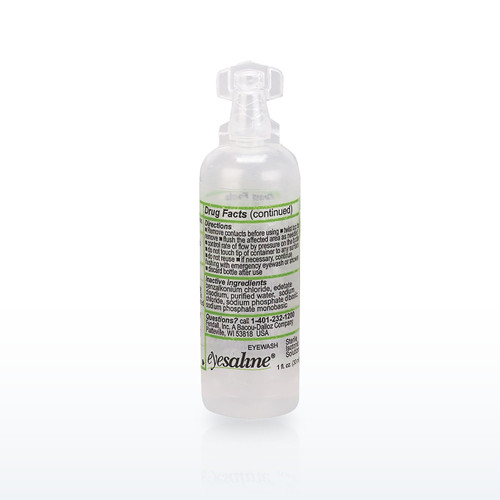
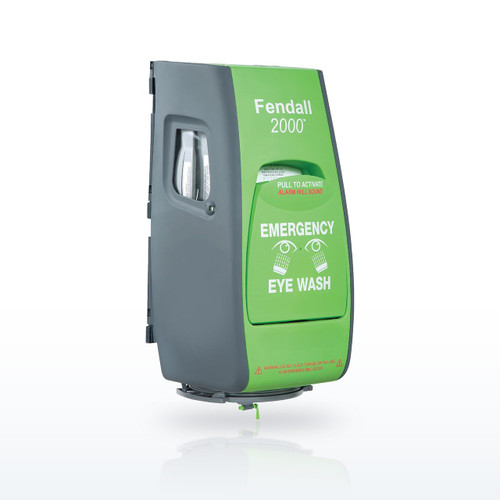
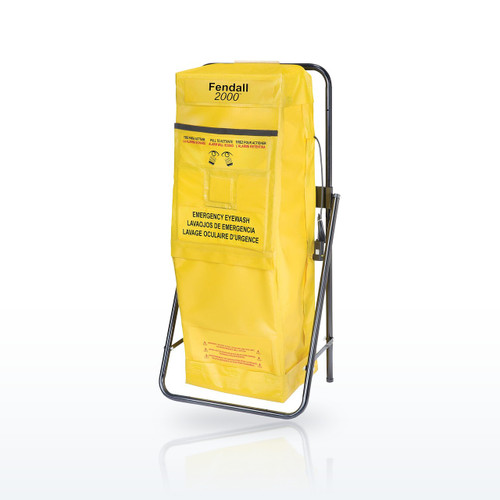
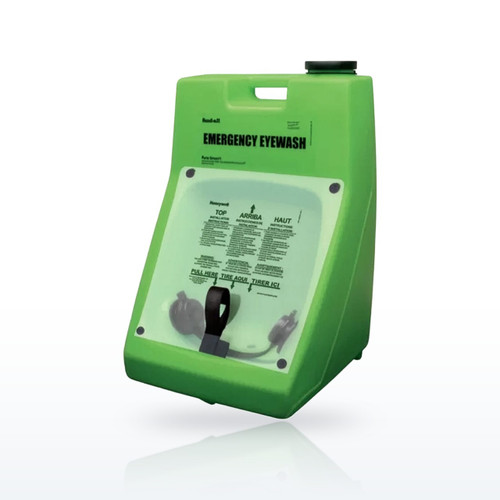
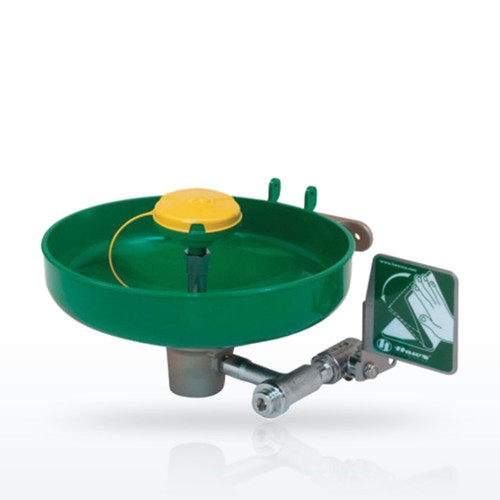
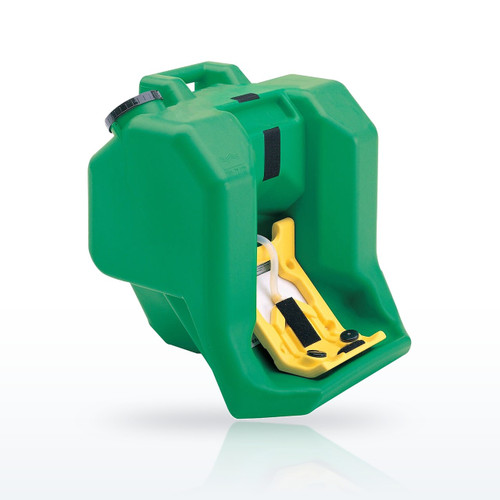
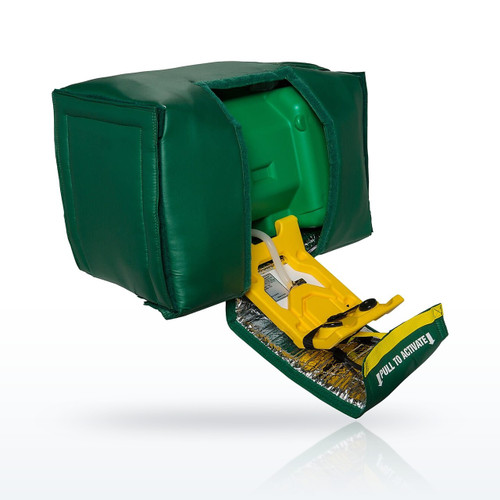
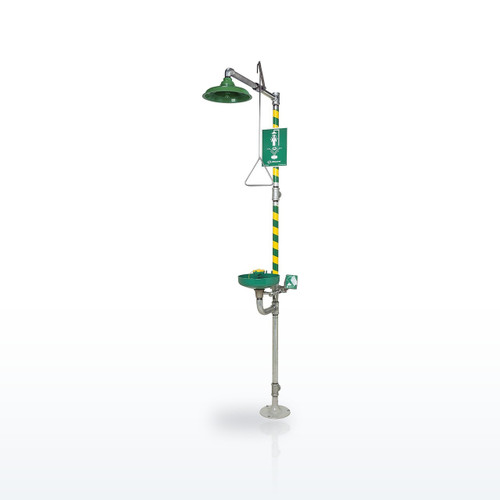
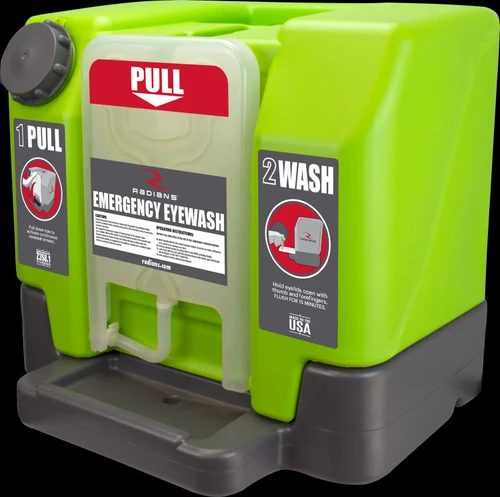
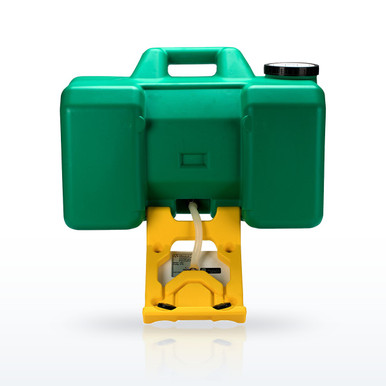
More: every eyewash station, refill and bottle.
Source: the manufacturers' product pages, specification sheets and catalogs as reproduced on each product page; the ratings and standards shown are the manufacturers' own statements, and the products listed are those whose published data names the rating or the standard, not a selection by Bayshore Safety.
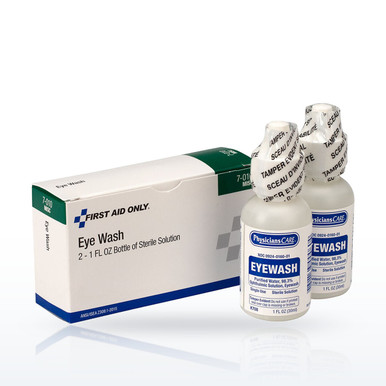
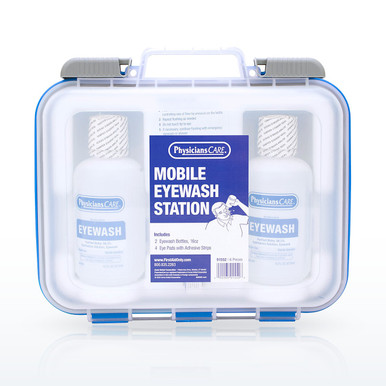
Personal eyewash bottles (supplementary under Z358.1)

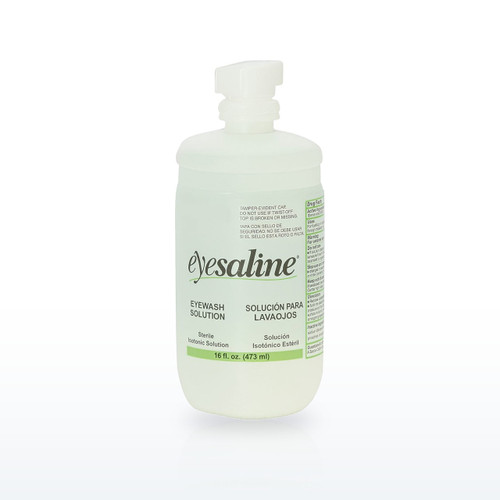
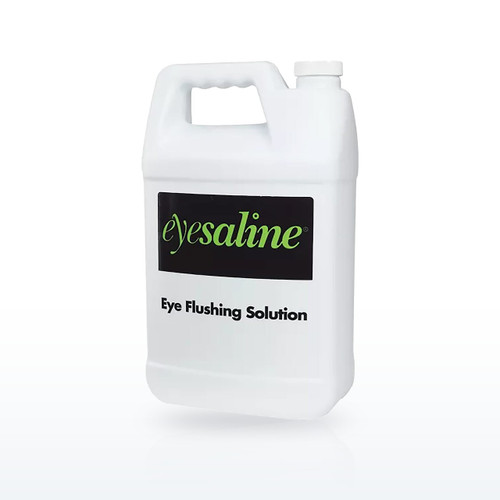

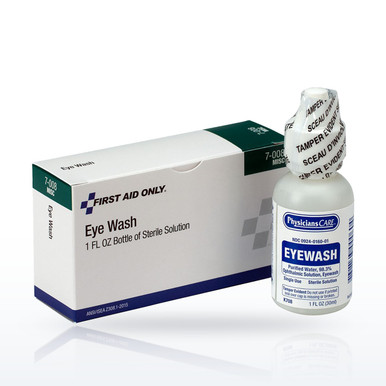
More: every eyewash station and refill.
Source: the manufacturers' product pages, specification sheets and catalogs as reproduced on each product page; the ratings and standards shown are the manufacturers' own statements, and the products listed are those whose published data names the rating or the standard, not a selection by Bayshore Safety.
First aid cabinets and refills
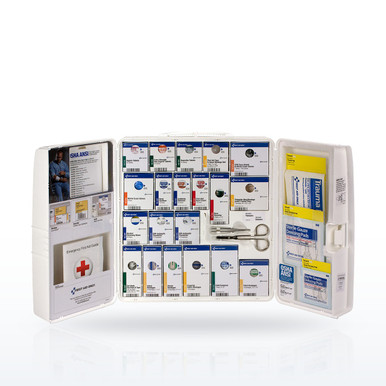
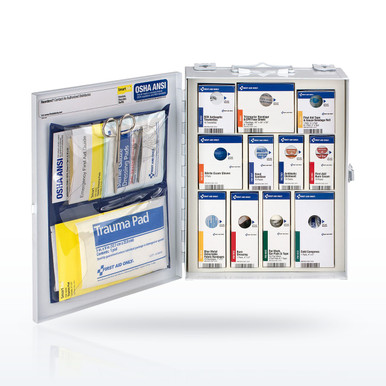
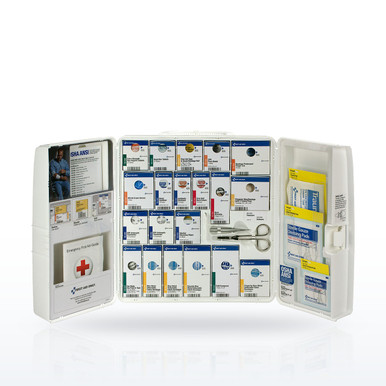
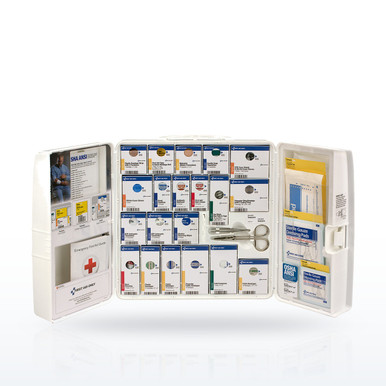
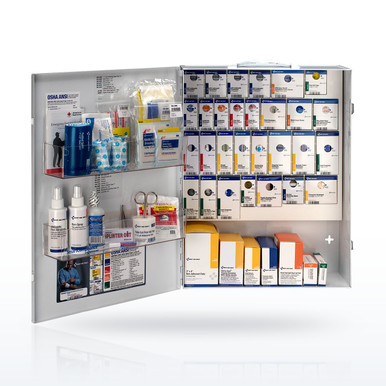

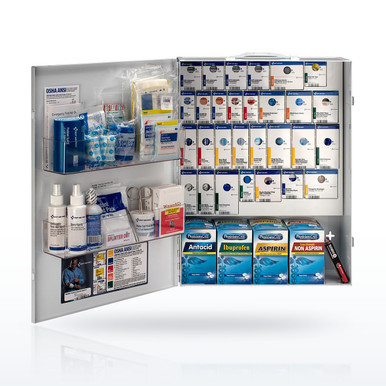
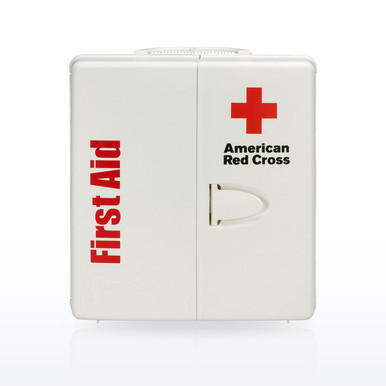
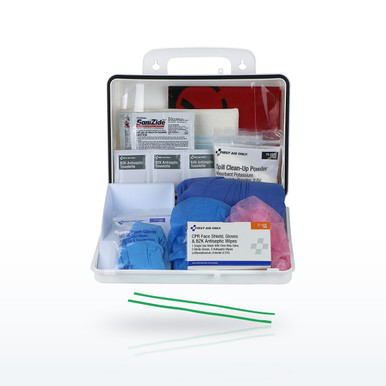
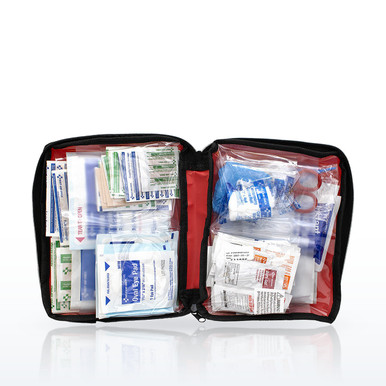
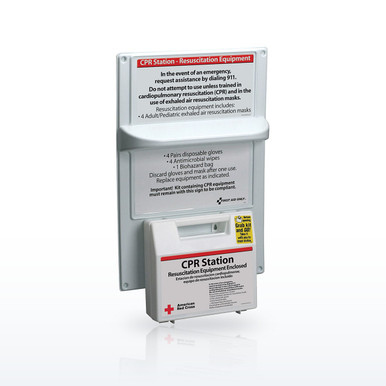
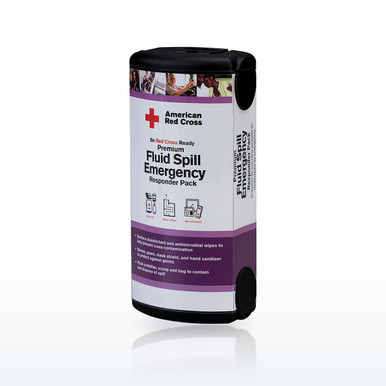

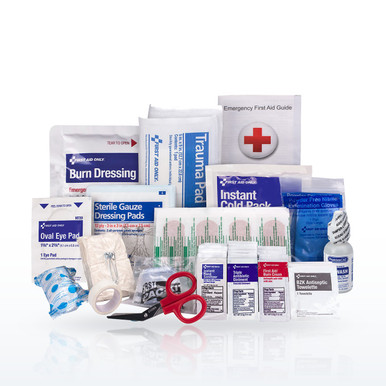
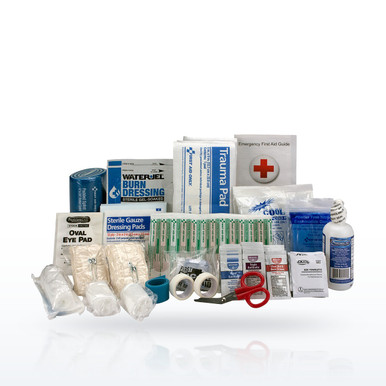
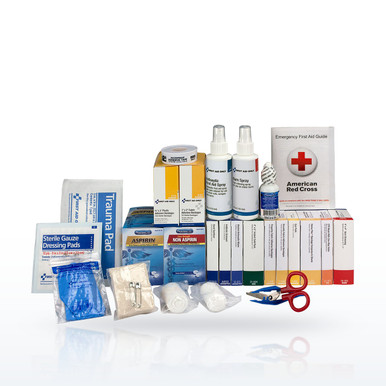
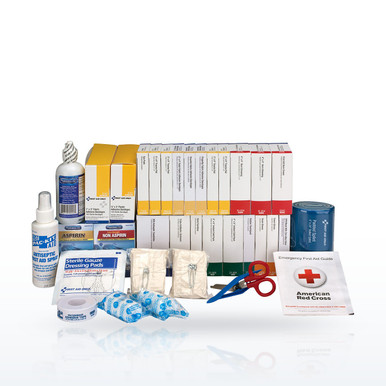
More: every cabinet, refill and bleeding-control kit.
Source: the manufacturers' product pages, specification sheets and catalogs as reproduced on each product page; the ratings and standards shown are the manufacturers' own statements, and the products listed are those whose published data names the rating or the standard, not a selection by Bayshore Safety.
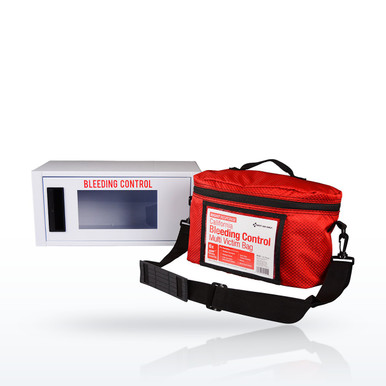
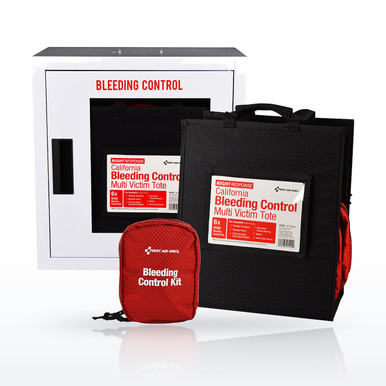
Bleeding control kits
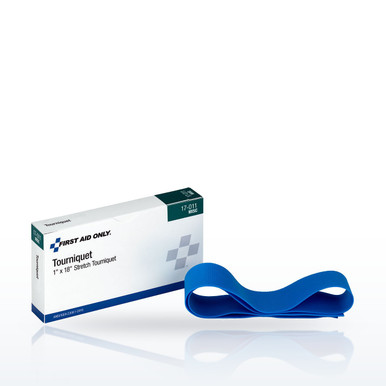
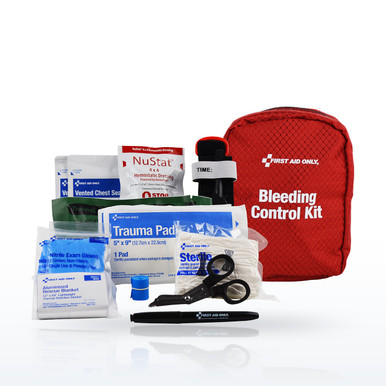
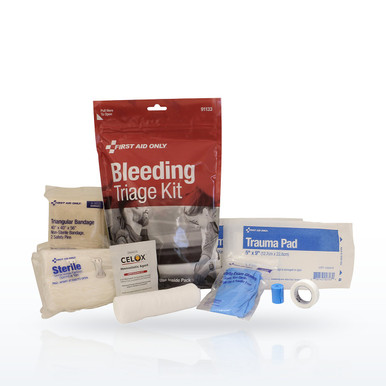
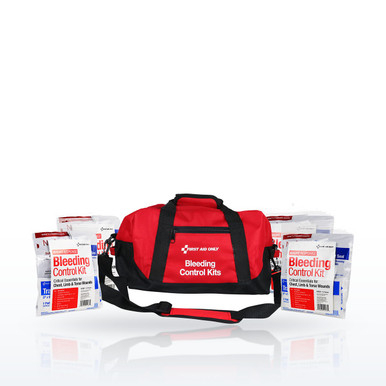
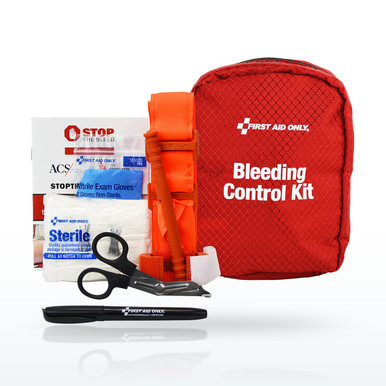
More: every tourniquet and bleeding control kit.
Source: the manufacturers' product pages, specification sheets and catalogs as reproduced on each product page; the ratings and standards shown are the manufacturers' own statements, and the products listed are those whose published data names the rating or the standard, not a selection by Bayshore Safety.
Guides that go further
OSHA first aid kit requirements · What should be in a workplace first aid kit · ANSI Z308.1 Class A vs Class B first aid kits · Type I, II, III and IV first aid kits · OSHA eyewash station requirements · Are eyewash bottles · What is first aid under OSHA, and when is a trained first aid provider required · First aid kits for vehicles and crews · ANSI/ISEA Z308.1 and Z358.1 explained.
OSHA 1910.151 Medical Services and First Aid questions
Does OSHA require first aid kits in the workplace? Yes, where 1910.151(b) applies: when no infirmary, clinic or hospital is in near proximity, adequate first aid supplies must be readily available and someone must be trained to render first aid. Appendix A gives ANSI Z308.1 as the example of a minimal kit; construction's 1926.50(d) adds the weatherproof container and weekly check.
What does OSHA say about first aid kits? The rule says "adequate first aid supplies shall be readily available" (1910.151(b)) and leaves the contents to the employer; Appendix A says the ANSI Z308.1 contents are adequate for small worksites, that larger or multiple operations may need more kits and more supplies, and that the OSHA 300 and 301 logs show what injuries the kit should cover.
What is the difference between OSHA first aid and medical treatment? That distinction comes from the recordkeeping rule, 29 CFR 1904.7(b)(5), not 1910.151: first aid is the list of treatments in (b)(5)(ii), such as cleaning a wound, non-prescription medication at non-prescription strength, bandages, hot or cold therapy, eye irrigation and tetanus shots; anything beyond that list is medical treatment and makes the case recordable.
Is there an OSHA requirement for an eyewash station? 1910.151(c): suitable facilities for quick drenching or flushing of the eyes and body, within the work area for immediate emergency use, wherever the eyes or body may be exposed to injurious corrosive materials. OSHA's letters of interpretation refer to ANSI/ISEA Z358.1 for what "suitable" means; Cal/OSHA §5162 incorporates Z358.1 directly.
Are eyewash bottles accepted by OSHA? Personal eyewash bottles supplement a plumbed or self-contained station; under Z358.1 and Cal/OSHA §5162 they may support but not replace one, because a corrosive exposure needs 15 minutes of flushing at 0.4 gallons per minute and a bottle holds a few seconds to a minute of that. Where only a nuisance irritant is present, a bottle is what the hazard assessment often assigns.
Do eyewash stations require hot water? The OSHA paragraph says nothing about temperature; ANSI/ISEA Z358.1, which OSHA's interpretations and Cal/OSHA §5162 rely on, requires tepid flushing fluid, defined as 60 to 100 °F (16 to 38 °C), so an outdoor or unheated plumbed station needs a mixing valve or a heated self-contained unit.
The ratings, test results and standards shown here are the manufacturers' published values, reproduced as published. Nothing on this page is a recommendation by Bayshore Safety that any product is suitable for a particular task, hazard or workplace. Selecting safety products and protective equipment is the responsibility of the end user and the employer, based on their own hazard assessment and the regulations that apply to their work. Confirm every value on the manufacturer's own documentation before use.