
OSHA 1910.134 Respiratory Protection: what it requires and the equipment it names
29 CFR 1910.134 is the respiratory protection standard for general industry, construction and shipyards. It requires a written program, NIOSH-certified respirators selected by assigned protection factor against the exposure, medical evaluation, fit testing, and specific equipment for IDLH atmospheres. We sell nationwide; ships in 1–2 business days; most orders arrive in 3–7 business days.
The plain answer
29 CFR 1910.134 requires an employer to provide respirators where they are necessary to protect health or where the employer requires them, under a written program run by a program administrator, with respirators certified by NIOSH, selected from the assigned protection factors in Table 1 against the exposure, medical evaluation before fit testing, and annual fit testing for tight-fitting facepieces.
It applies to every general industry employer and, through 1926.103 and 1915.154, to construction and shipyards as well. Voluntary use of filtering facepieces still requires Appendix D to be given to the wearer.
The equipment it names is any NIOSH-certified respirator: filtering facepieces (N95, R95, P100 and the other 42 CFR 84 classes), elastomeric half and full facepieces with cartridges and filters, powered air-purifying respirators, supplied-air respirators and SCBA. For IDLH atmospheres it names a full-facepiece pressure-demand SCBA or a combination supplied-air respirator with auxiliary SCBA.
What the rule says
Each entry is condensed from the paragraph cited; the paragraph itself is the rule and the link opens it.
29 CFR 1910.134(a)(2): A respirator must be provided to each employee when necessary to protect health; the employer must provide respirators that are applicable and suitable for the purpose intended, and establish and maintain a respiratory protection program.
29 CFR 1910.134(c)(1): Where respirators are required, a written program with worksite-specific procedures must cover respirator selection, medical evaluation, fit testing, use, maintenance and storage, breathing air quality for supplied-air respirators, training, and program evaluation, run by a suitably trained program administrator.
29 CFR 1910.134(c)(2): Where respirator use is not required (voluntary use), the employer must provide the information in Appendix D to each wearer and, for respirators other than filtering facepieces, run the medical evaluation, cleaning and storage parts of a program.
29 CFR 1910.134(d)(1): The employer must select a NIOSH-certified respirator used in compliance with its certification, based on the respiratory hazards and workplace factors, with a sufficient number of sizes and models for the user.
29 CFR 1910.134(d)(2): For IDLH atmospheres: a full facepiece pressure-demand SCBA certified for a minimum service life of 30 minutes, or a combination full facepiece pressure-demand supplied-air respirator with auxiliary self-contained air supply; respirators provided only for escape must be NIOSH-certified for escape from that atmosphere. Oxygen-deficient atmospheres are IDLH except as the paragraph allows.
29 CFR 1910.134(d)(3): For atmospheres that are not IDLH, the respirator is selected to be adequate for the exposure using the assigned protection factors in Table 1 (half mask APF 10, full facepiece 50, PAPR with loose-fitting facepiece 25 and with tight-fitting full facepiece 1,000, supplied-air pressure-demand full facepiece 1,000, SCBA 10,000) and the maximum use concentration; for gases and vapors an end-of-service-life indicator or a change schedule is required, and for particulates a NIOSH-certified filter or HEPA filter.
29 CFR 1910.134(e): A medical evaluation using the Appendix C questionnaire or an exam before the employee is fit tested or required to use a respirator.
29 CFR 1910.134(f): Fit testing of each tight-fitting facepiece before first use, whenever a different facepiece is used, and at least annually, by a qualitative or quantitative protocol in Appendix A.
29 CFR 1910.134(g): Tight-fitting facepieces may not be worn with facial hair that comes between the sealing surface and the face; employees must leave the area to wash or change cartridges; IDLH entries require a standby person, communication and retrieval equipment, and interior structural firefighting follows two-in two-out.
29 CFR 1910.134(i): Compressed breathing air must meet at least Grade D (ANSI/CGA G-7.1-1989): oxygen 19.5 to 23.5 percent, hydrocarbon condensed 5 mg/m³ or less, carbon monoxide 10 ppm or less, carbon dioxide 1,000 ppm or less, no noticeable odor.
29 CFR 1910.134(k): Training before use and annually on why the respirator is necessary, its limitations, how to inspect, don, doff and check the seal, maintenance, and recognizing medical signs that limit its use.
Source: 29 CFR, Occupational Safety and Health Standards, as published by OSHA (ecfr.gov), read Nov 9 2026.
California (Cal/OSHA)
Each entry is condensed from the paragraph cited; the paragraph itself is the rule and the link opens it.
Title 8 §5144: Cal/OSHA's respiratory protection standard mirrors 1910.134 paragraph by paragraph: written program, NIOSH-certified respirators selected by the same assigned protection factors, medical evaluation, fit testing, IDLH equipment and Grade D breathing air.
Source: California Code of Regulations, Title 8, as published by Cal/OSHA (dir.ca.gov), read Nov 9 2026.
Equipment the rule names
| Equipment or condition | What the rule requires | Paragraph |
|---|---|---|
| Any required respirator | NIOSH-certified and used within its certification | 29 CFR 1910.134(d)(1) |
| IDLH atmosphere | Full facepiece pressure-demand SCBA (30-minute minimum), or combination pressure-demand supplied-air respirator with auxiliary SCBA | 29 CFR 1910.134(d)(2) |
| Escape only | NIOSH-certified escape respirator for the atmosphere | 29 CFR 1910.134(d)(2)(ii) |
| Half mask (elastomeric or filtering facepiece) | APF 10 | 29 CFR 1910.134(d)(3) |
| Full facepiece air-purifying | APF 50 | 29 CFR 1910.134(d)(3) |
| PAPR, loose-fitting facepiece or hood | APF 25 (hood or helmet 25, or 1,000 where the manufacturer shows the test data) | 29 CFR 1910.134(d)(3) |
| PAPR, tight-fitting full facepiece | APF 1,000 | 29 CFR 1910.134(d)(3) |
| Gas and vapor cartridges | End-of-service-life indicator, or a change schedule in the program | 29 CFR 1910.134(d)(3)(iii) |
| Particulate filters | NIOSH-certified filter under 42 CFR 84 (N, R or P series, 95, 99 or 100) | 29 CFR 1910.134(d)(3)(iv) |
| Fit test kit | Qualitative (saccharin, Bitrex, isoamyl acetate, irritant smoke) or quantitative, Appendix A | 29 CFR 1910.134(f) |
| Supplied-air compressor or cylinders | Grade D breathing air | 29 CFR 1910.134(i) |
Source: 29 CFR, Occupational Safety and Health Standards, as published by OSHA (ecfr.gov), read Nov 9 2026.
What we carry for it
Each table lists products whose manufacturer data states the rating or the standard the rule names, every brand we carry that does, with the current price. Sizes and versions are chosen on the product page. The selector linked under each table holds every item of that type.
Disposable respirators with a NIOSH filter class
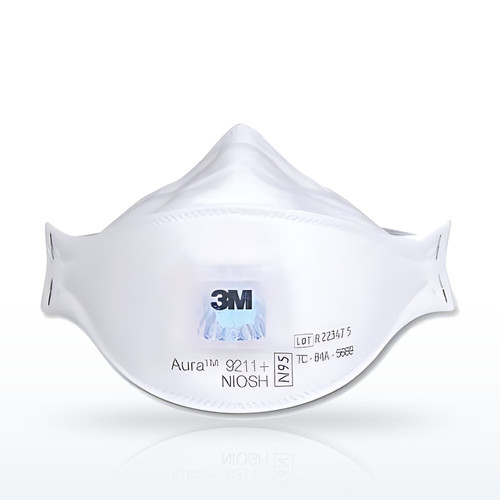
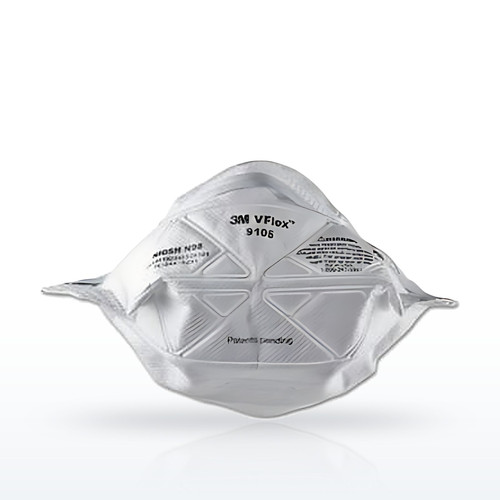
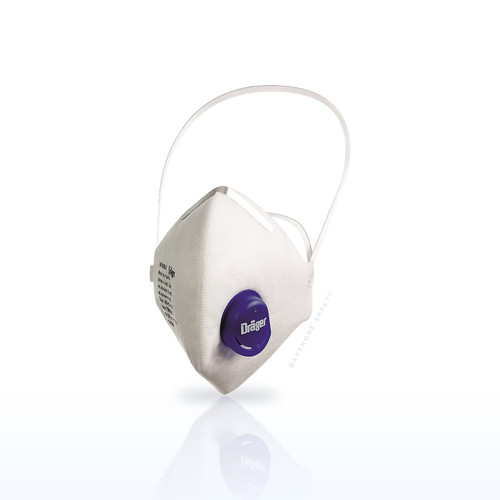
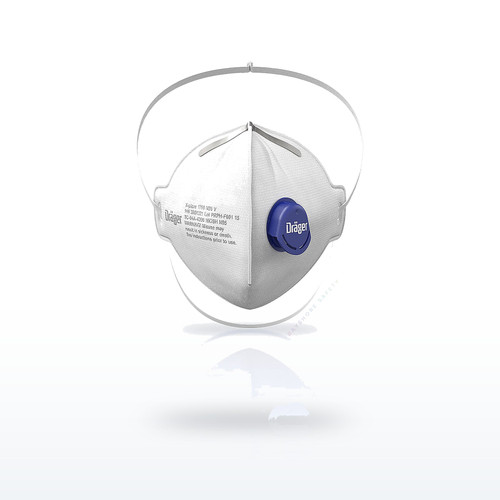
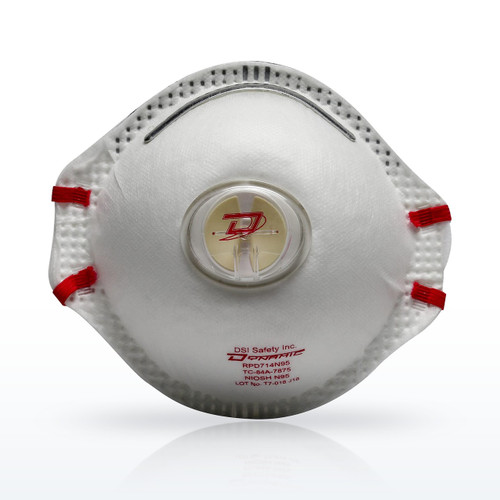
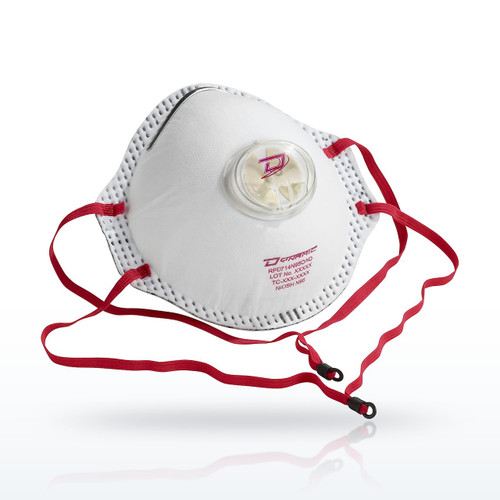


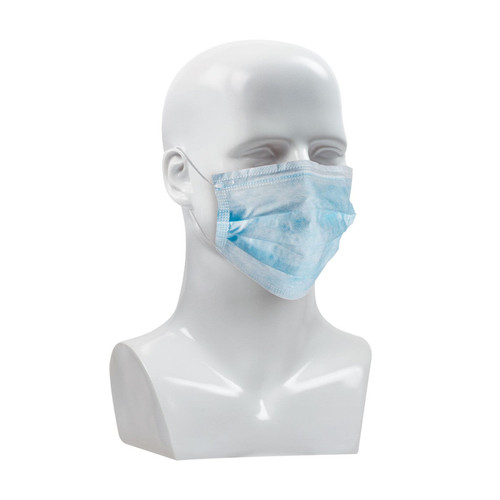
More: every disposable respirator by class and brand.
Source: the manufacturers' product pages, specification sheets and catalogs as reproduced on each product page; the ratings and standards shown are the manufacturers' own statements, and the products listed are those whose published data names the rating or the standard, not a selection by Bayshore Safety.
Reusable half and full facepieces (APF 10 and 50)

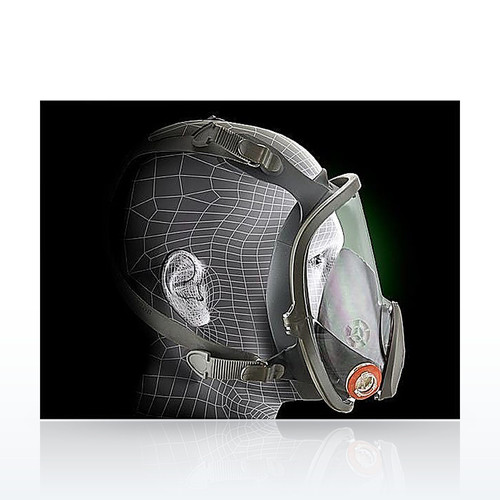
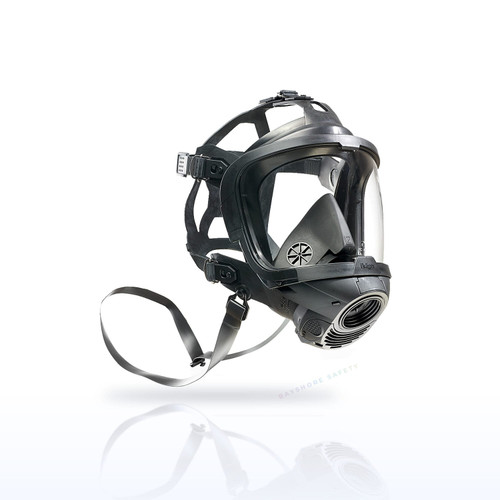
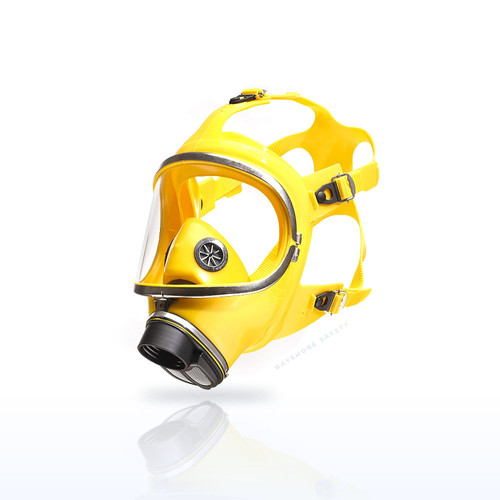
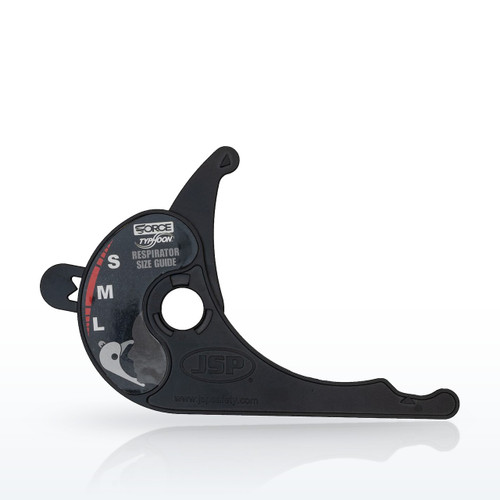

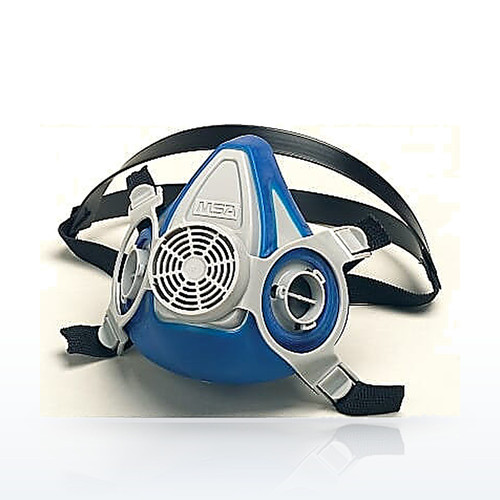
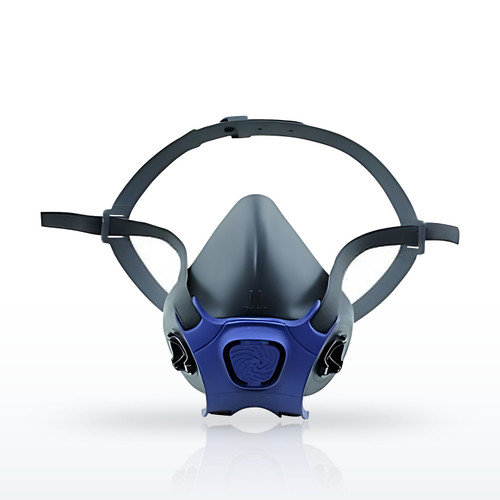

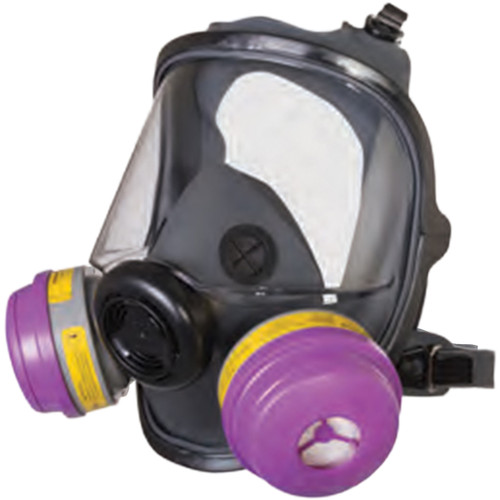
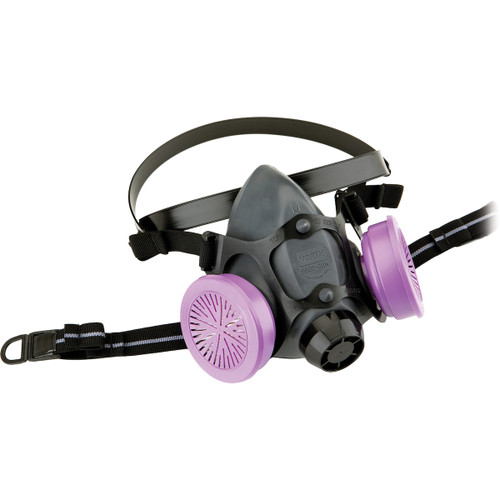
More: every elastomeric facepiece.
Source: the manufacturers' product pages, specification sheets and catalogs as reproduced on each product page; the ratings and standards shown are the manufacturers' own statements, and the products listed are those whose published data names the rating or the standard, not a selection by Bayshore Safety.
Cartridges and filters
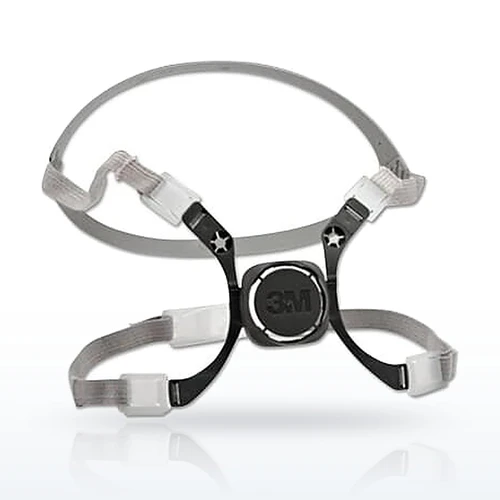
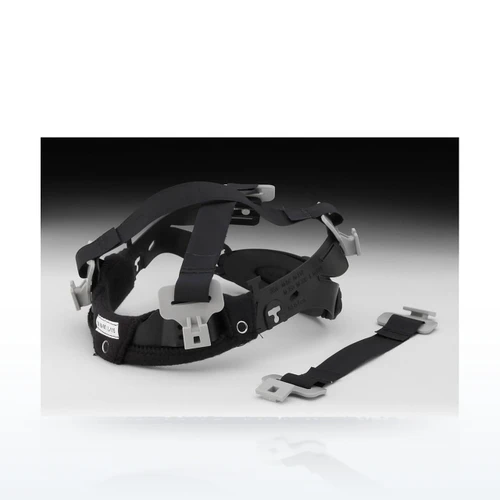


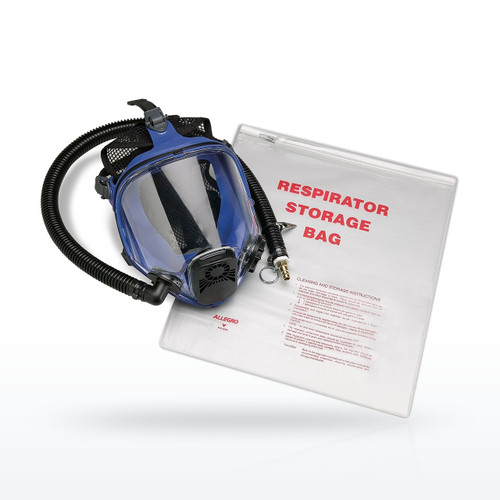
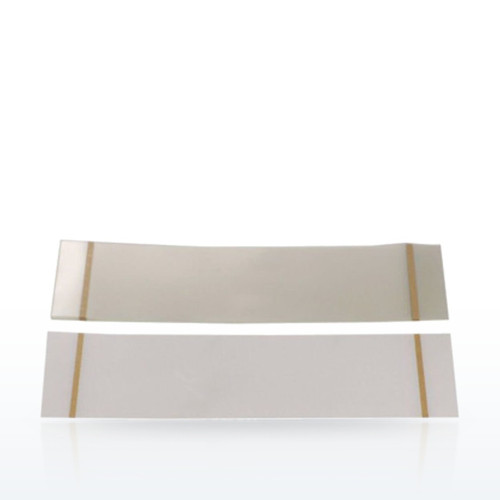
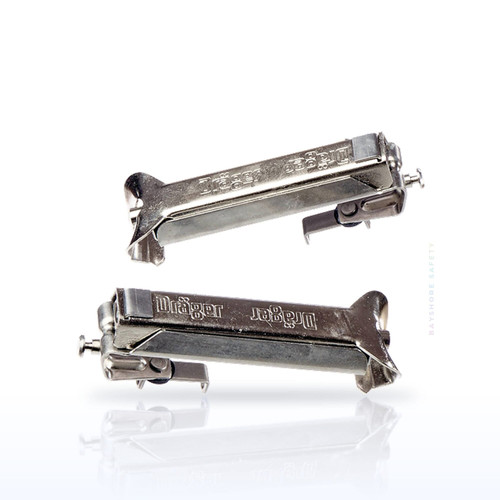
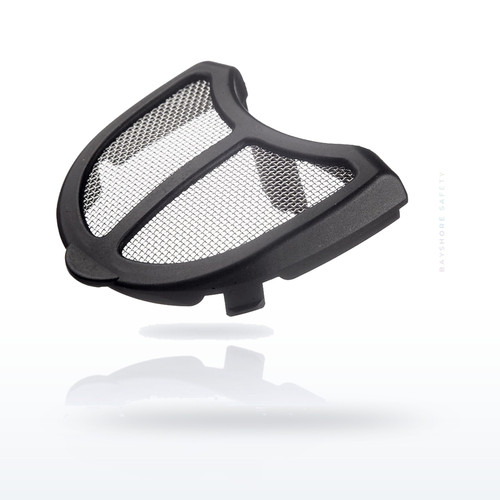
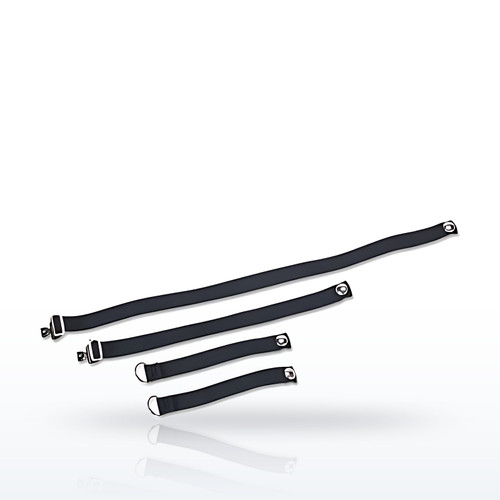
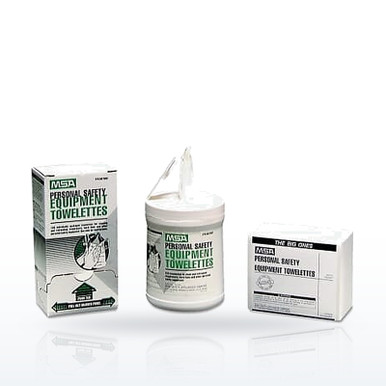
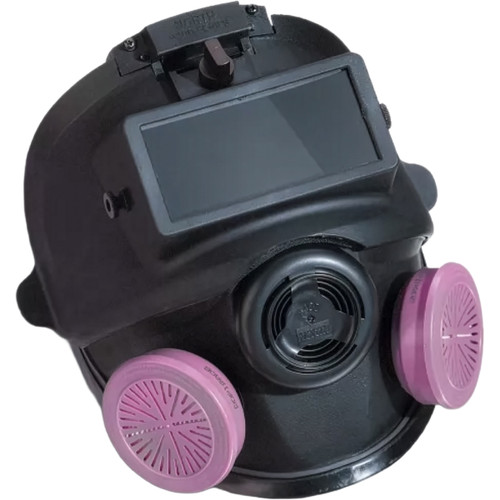
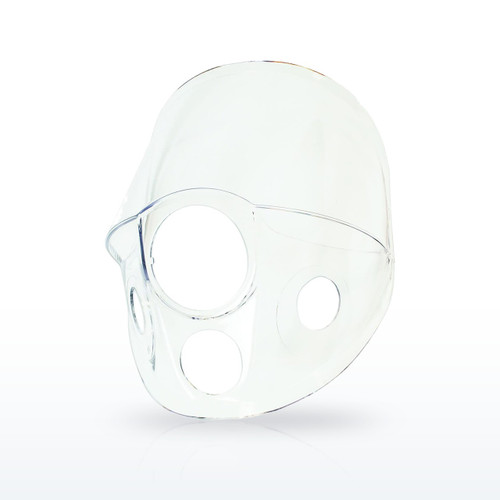
More: every cartridge and filter by NIOSH approval.
Source: the manufacturers' product pages, specification sheets and catalogs as reproduced on each product page; the ratings and standards shown are the manufacturers' own statements, and the products listed are those whose published data names the rating or the standard, not a selection by Bayshore Safety.
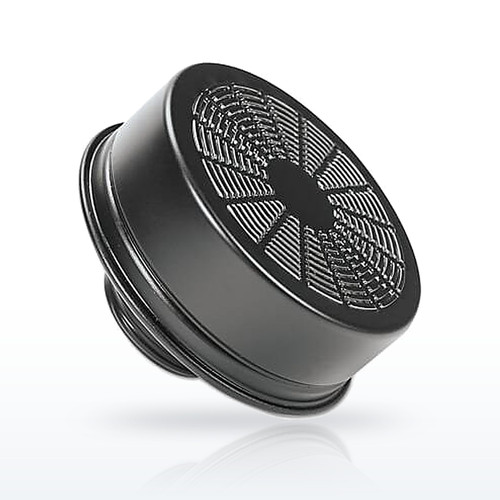
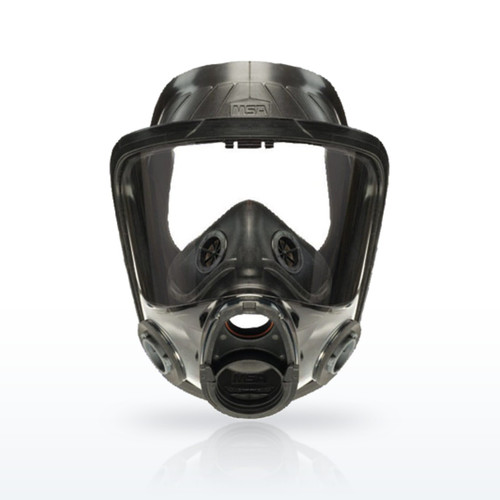
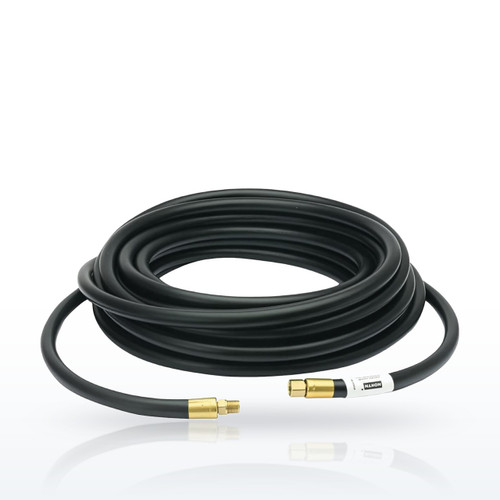
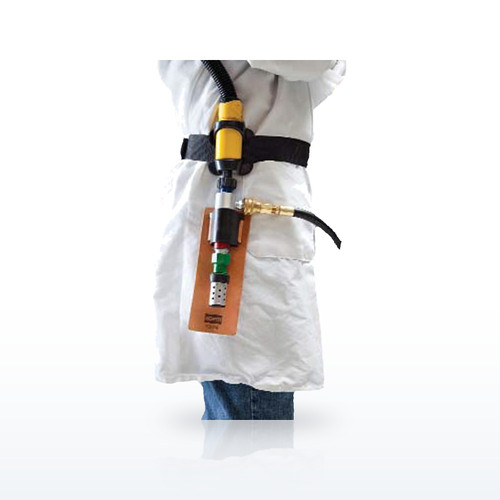
PAPR and supplied-air respirators
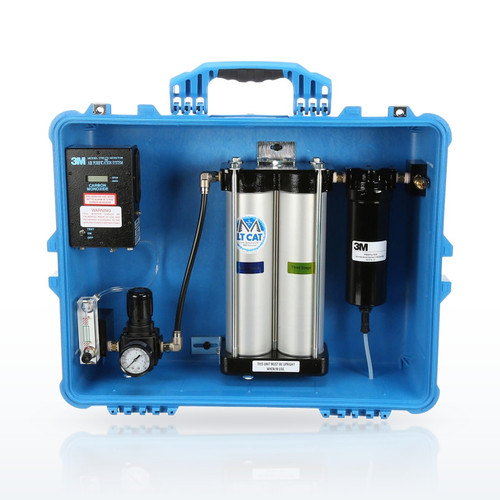
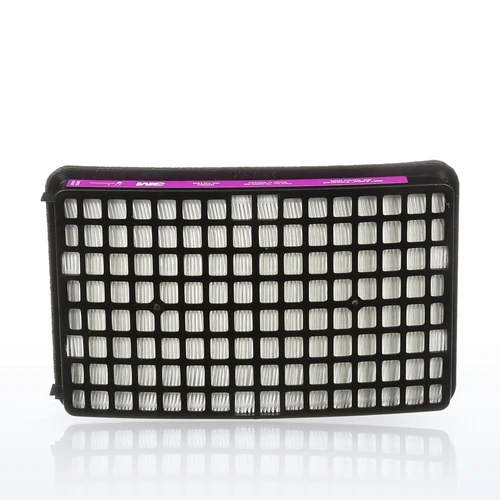
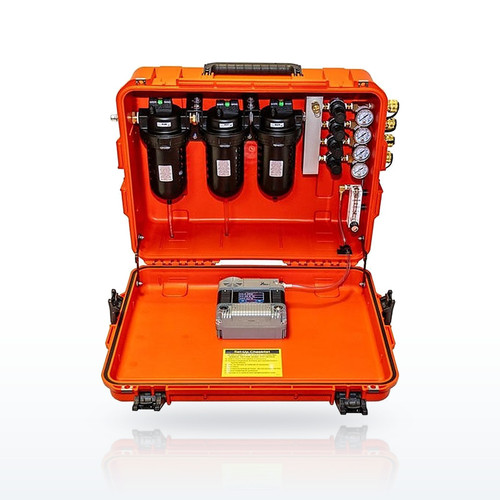


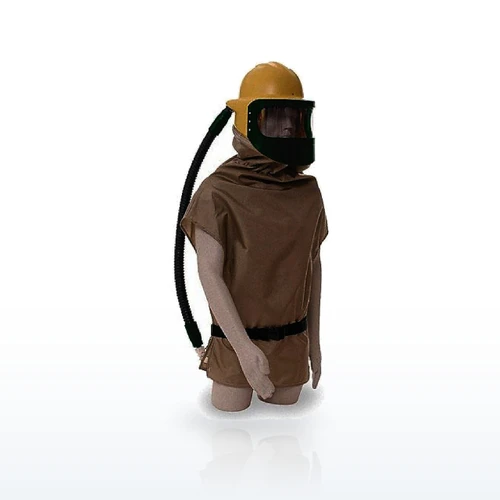
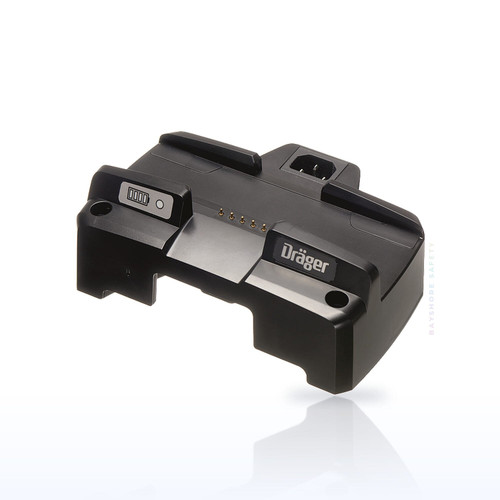
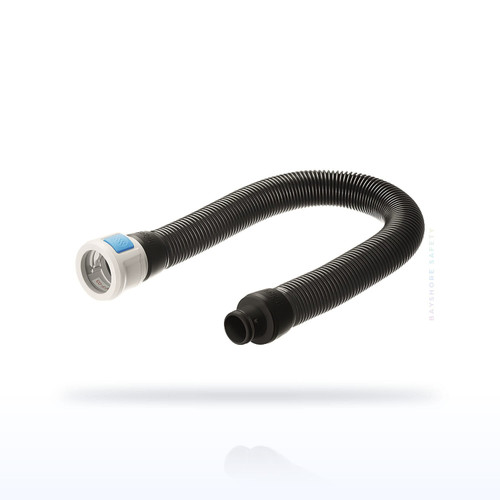
More: every PAPR and supplied-air system.
Source: the manufacturers' product pages, specification sheets and catalogs as reproduced on each product page; the ratings and standards shown are the manufacturers' own statements, and the products listed are those whose published data names the rating or the standard, not a selection by Bayshore Safety.
Escape respirators
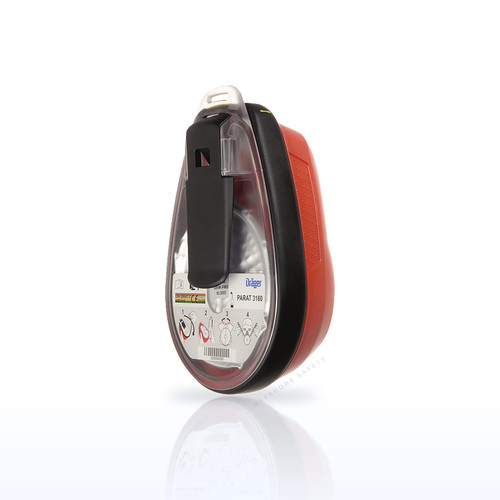
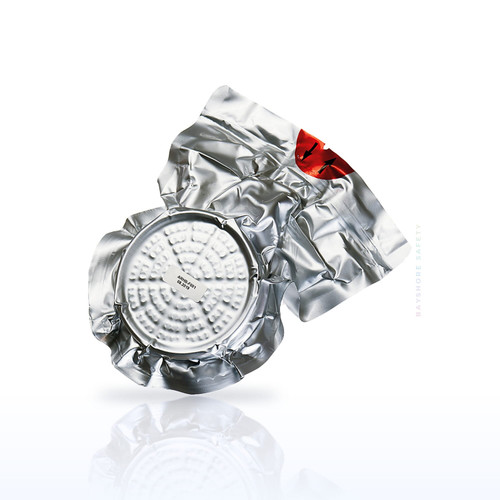
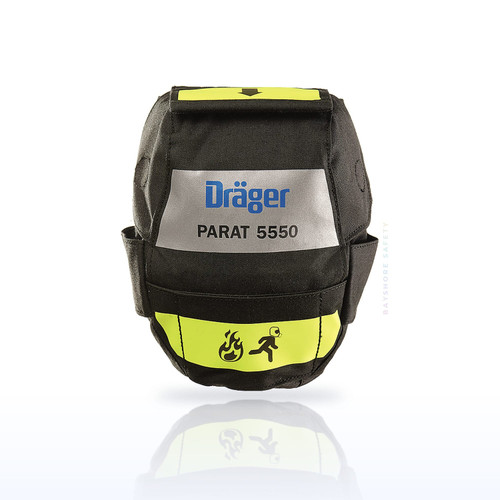
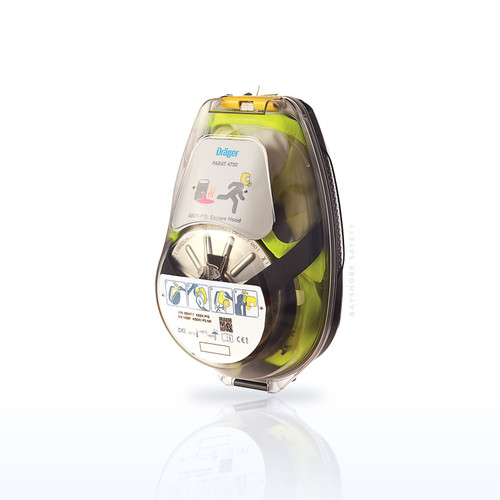
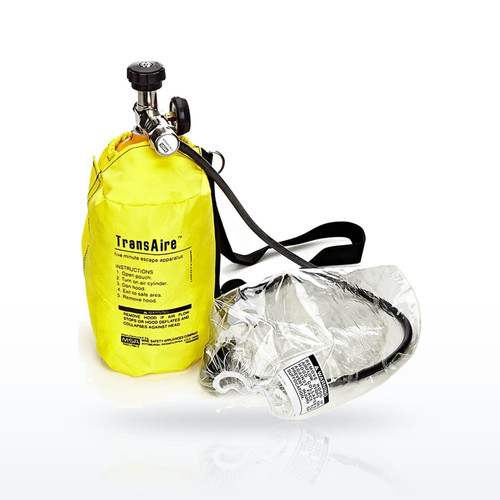

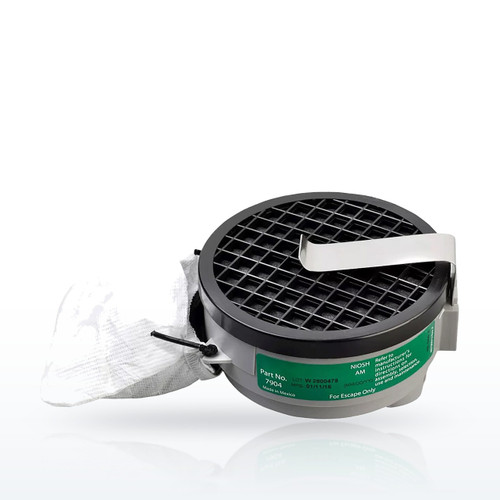
More: every escape respirator.
Source: the manufacturers' product pages, specification sheets and catalogs as reproduced on each product page; the ratings and standards shown are the manufacturers' own statements, and the products listed are those whose published data names the rating or the standard, not a selection by Bayshore Safety.
Fit testing kits
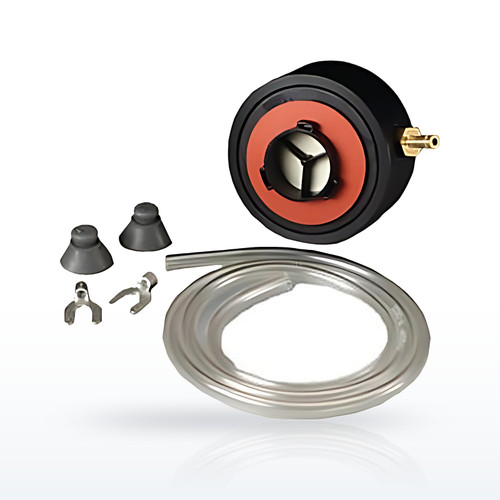
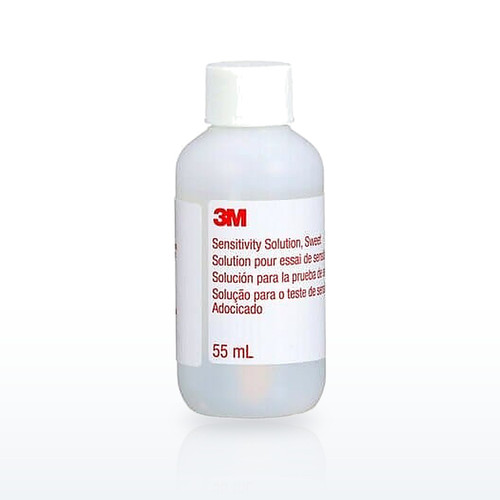
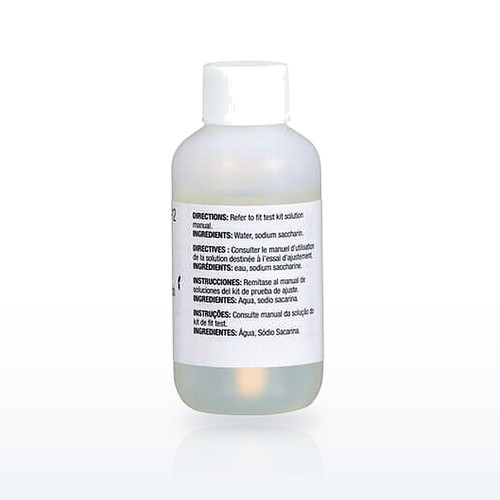
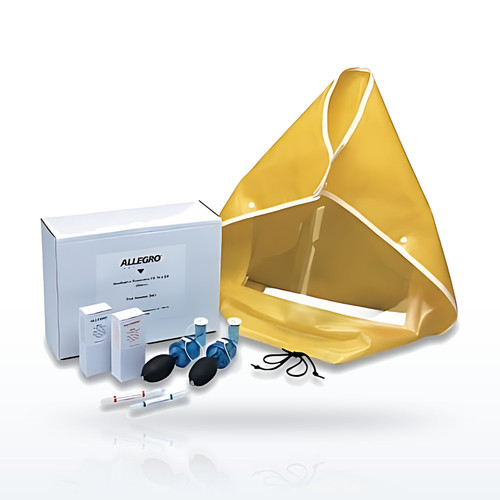
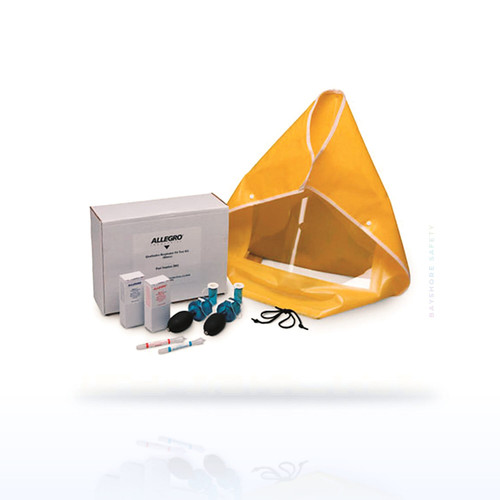
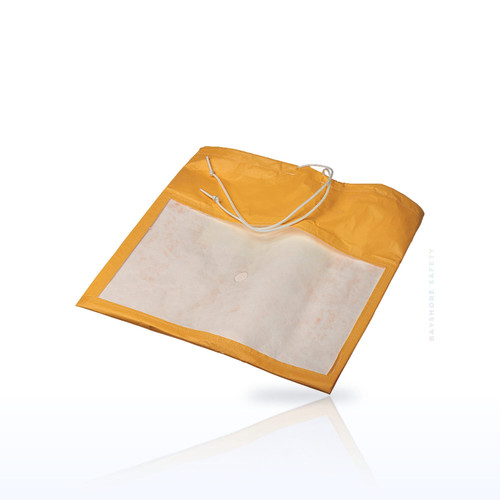
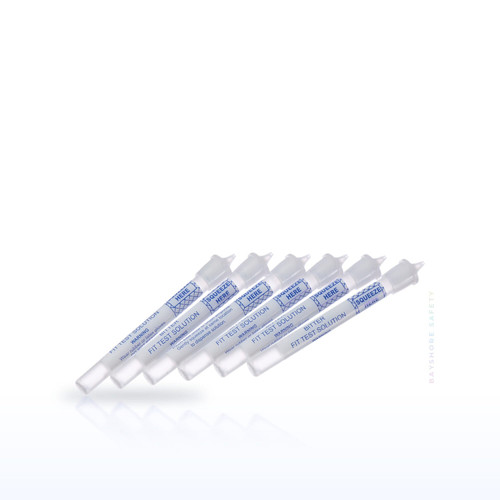
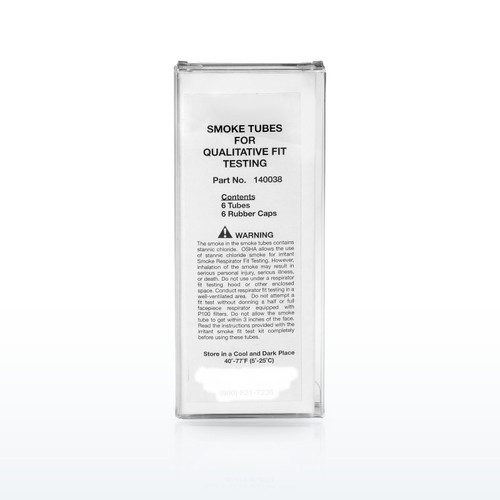
More: every fit test kit and solution.
Source: the manufacturers' product pages, specification sheets and catalogs as reproduced on each product page; the ratings and standards shown are the manufacturers' own statements, and the products listed are those whose published data names the rating or the standard, not a selection by Bayshore Safety.
Breathing air testing for Grade D
| Part number | Item | Rating stated | Price | ||
|---|---|---|---|---|---|
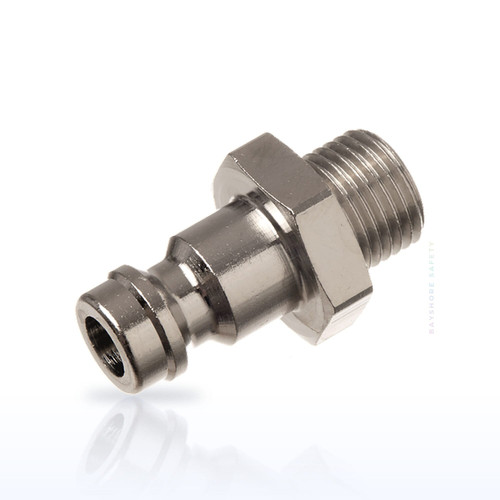 | 6525587 | Draeger 6525587 Aerotest Plug-In Nipple, G 1/8 Male | $15.04 | ||
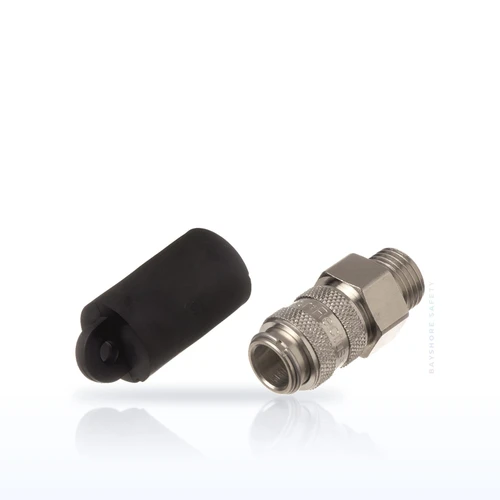 | 6525588 | Draeger 6525588 Aerotest Closing Coupling, G 1/4 Male | $57.66 | ||
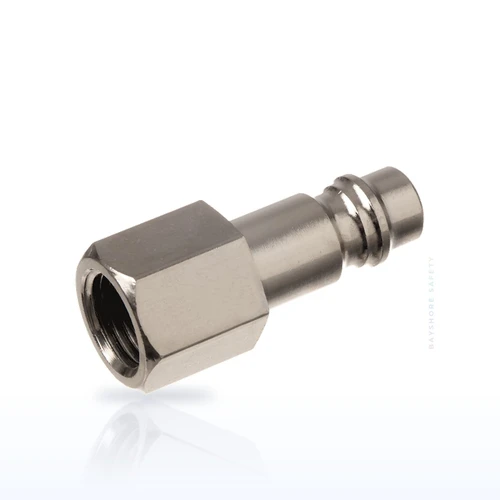 | 6525913 | Draeger 6525913 Aerotest Barbed Nipple Connection | $58.90 | ||
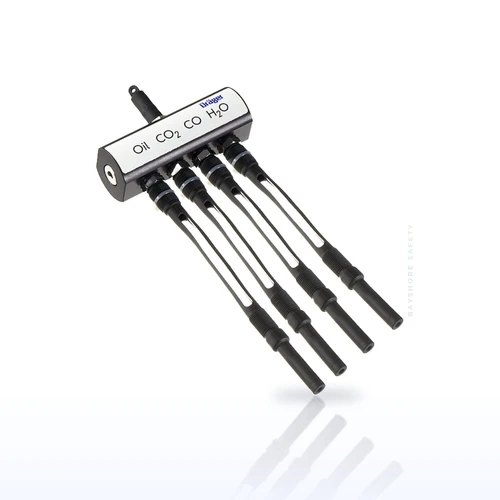 | 6527325 | Draeger 6527325 Aerotest Measuring Unit, PN 3 bar | H2S; CO; CO2; Oil | $565.29 | |
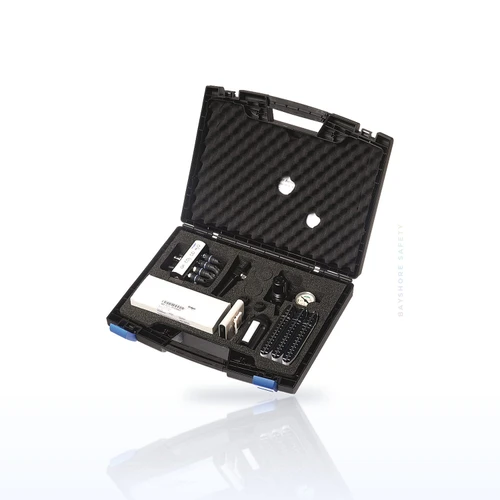 | 6527150 | Draeger Aerotest Alpha Low-Pressure Breathing Air Test Kit | $2,135.42 | Choose on the page | |
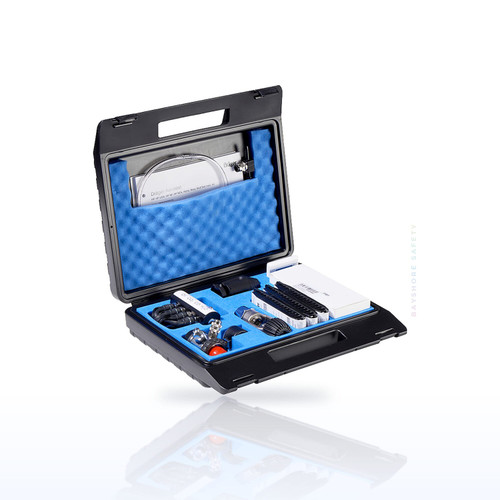 | 6525937 | Draeger Aerotest Simultan HP Breathing Air Test Kit | CO; CO2; Oil; Water vapor | $2,990.79 | Choose on the page |
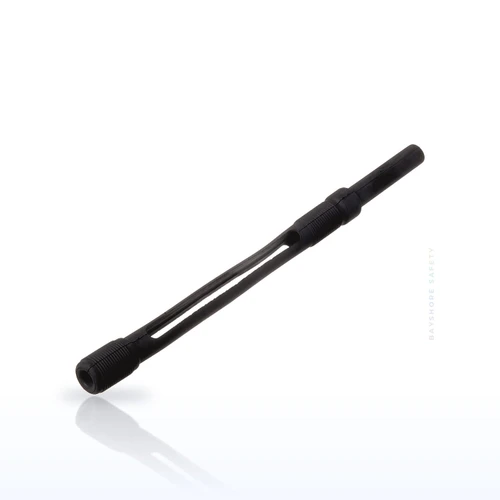 | CH07000 | Draeger CH07000 Aerotest Spare Tube Holder | $56.67 | ||
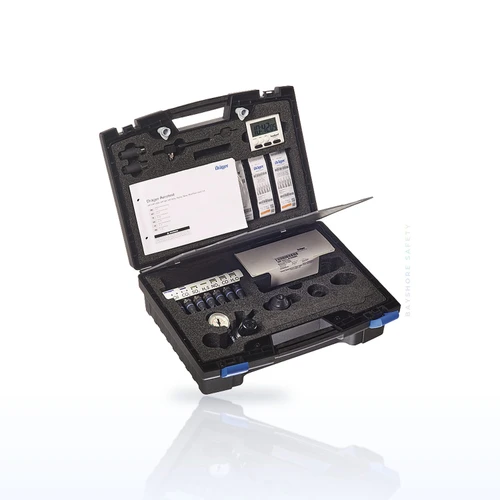 | 6520260 | Draeger MultiTest med. Int. Medical Gas Test Kit | H2S; CO; CO2; SO2; Nitrous fumes; Oil; Water vapor | $3,070.98 | Choose on the page |
More: every breathing-air test kit.
Source: the manufacturers' product pages, specification sheets and catalogs as reproduced on each product page; the ratings and standards shown are the manufacturers' own statements, and the products listed are those whose published data names the rating or the standard, not a selection by Bayshore Safety.
Guides that go further
Respirator medical evaluation · Respirator training · Grade D breathing air · How to clean and store a reusable respirator (OSHA Appendix B-2) · Respiratory protection in confined spaces · Respirators for welding fumes · Respirators by hazard, with the rule for each.
OSHA 1910.134 Respiratory Protection questions
Does OSHA require all respirators to be NIOSH approved? Where a respirator is required, yes: 29 CFR 1910.134(d)(1)(ii) requires a NIOSH-certified respirator used in compliance with the conditions of its certification. The TC approval number on the respirator or its cartridge is that certification.
When is respirator fit testing required? Under 1910.134(f), before an employee first uses a tight-fitting facepiece, whenever a different facepiece size, style, model or make is used, and at least annually, with a qualitative or quantitative protocol from Appendix A. Loose-fitting PAPR hoods and helmets are not fit tested.
Does OSHA allow facial hair with respirators? 1910.134(g)(1)(i) prohibits a tight-fitting facepiece on an employee with facial hair that comes between the sealing surface and the face or interferes with valve function. A loose-fitting PAPR hood is the type manufacturers list for bearded wearers.
What is the OSHA APF for respirators? The assigned protection factors in 1910.134(d)(3)(i) Table 1: half mask 10, full facepiece 50, PAPR with half mask 50 and with full facepiece 1,000, loose-fitting PAPR 25, supplied-air pressure-demand full facepiece 1,000, pressure-demand SCBA 10,000. The maximum use concentration is the APF times the exposure limit.
What respirator does not require a fit test? Loose-fitting PAPR and supplied-air hoods and helmets, because they have no face seal, and filtering facepieces worn voluntarily where no respirator is required (1910.134(c)(2), with Appendix D given to the wearer). Every tight-fitting facepiece that is required, including an N95, is fit tested under (f).
How should respirators be stored under OSHA? 1910.134(h)(2): protected from damage, contamination, dust, sunlight, extreme temperatures, excessive moisture and damaging chemicals, packed so the facepiece and exhalation valve are not deformed; emergency respirators are kept accessible, in compartments marked as containing emergency respirators, and stored per the manufacturer's instructions.
The ratings, test results and standards shown here are the manufacturers' published values, reproduced as published. Nothing on this page is a recommendation by Bayshore Safety that any product is suitable for a particular task, hazard or workplace. Selecting safety products and protective equipment is the responsibility of the end user and the employer, based on their own hazard assessment and the regulations that apply to their work. Confirm every value on the manufacturer's own documentation before use.