
OSHA 1926.1423 Fall Protection on Cranes and Derricks: what it requires and the equipment it names
29 CFR 1926.1423 is the fall protection section of Subpart CC, cranes and derricks in construction: boom walkways, steps and handholds, personal fall arrest and restraint systems on the equipment, the 6 foot and 15 foot triggers, where to anchor on a crane, when the hook may be an anchor, and training. We sell nationwide; ships in 1–2 business days; most orders arrive in 3–7 business days.
The plain answer
29 CFR 1926.1423 requires fall protection for employees on crane and derrick equipment: for non-assembly work, on any walking or working surface with an unprotected side or edge more than 6 feet above a lower level, when moving point to point on non-lattice booms, on lattice booms that are not horizontal, on horizontal lattice booms where the fall is 15 feet or more, and while at a work station anywhere on the equipment except the cab, deck or draw-works; for assembly and disassembly, above 15 feet.
Personal fall arrest and restraint systems use components that meet 1926.502(d) except the 5,000 pound anchorage paragraph; either a body belt or a body harness may be used; systems may be anchored to any apparently substantial part of the equipment unless a competent person judges by visual inspection that it would not meet 1926.502(d)(15), and attachable anchor devices must meet it; restraint anchorages hold twice the maximum load. The hook or load line may be an anchor only when a qualified person confirms the set-up meets 1926.502(d)(15), the operator is at the site and informed, and no load is suspended.
The equipment it names is boom walkways at least 12 inches wide on lattice booms with a vertical profile of 6 feet or more, steps, handholds, ladders, grab rails and guardrails for access, personal fall arrest and fall restraint systems (body belts or harnesses, lanyards, SRLs, connectors), attachable anchor devices, and positioning device systems.
What the rule says
Each entry is condensed from the paragraph cited; the paragraph itself is the rule and the link opens it.
29 CFR 1926.1423(b): Lattice boom equipment manufactured after November 8, 2011 with a boom profile of 6 feet or more has boom walkways at least 12 inches wide; permanent guardrails along walkways are not required, are prohibited where pendant ropes or bars could snag them or if removable, and where allowed may be up to 45 inches high.
29 CFR 1926.1423(c): Originally equipped steps, handholds, ladders and guardrails are maintained in good condition; equipment manufactured after November 8, 2011 provides safe access between the ground and operator stations with steps, handholds, ladders and grab rails meeting SAE J185 or ISO 11660-2, with slip-resistant walking surfaces.
29 CFR 1926.1423(d): Personal fall arrest system components are used in personal fall arrest and fall restraint systems and conform to 1926.502(d) except that 1926.502(d)(15) (the 5,000 pound anchorage) does not apply to components; either body belts or body harnesses may be used.
29 CFR 1926.1423(e): Non-assembly work: fall protection for employees on a walking or working surface with an unprotected side or edge more than 6 feet above a lower level when moving point to point on non-lattice booms, on non-horizontal lattice booms, on horizontal lattice booms where the fall is 15 feet or more, and while at a work station on any part of the equipment including the boom, except at or near draw-works with the equipment running, in the cab, or on the deck.
29 CFR 1926.1423(f): Assembly and disassembly: fall protection for employees on a walking or working surface with an unprotected side or edge more than 15 feet above a lower level, except at the draw-works, in the cab or on the deck.
29 CFR 1926.1423(g): Anchorage criteria: personal fall arrest systems are anchored to any apparently substantial part of the equipment unless a competent person, from a visual inspection without engineering analysis, would conclude it would not meet 1926.502(d)(15); positioning systems the same against 1926.502(e)(2); attachable anchor devices meet 1926.502(d)(15) and (e)(2); fall restraint anchorages withstand twice the maximum load an employee may impose.
29 CFR 1926.1423(h): Tower cranes: fall protection above 6 feet for work other than erecting, climbing and dismantling, and above 15 feet for those activities.
29 CFR 1926.1423(j): A personal fall arrest system may be anchored to the hook or load line only when a qualified person has determined the set-up and rated capacity meet 1926.502(d)(15), the operator is at the site and informed, and no load is suspended from the load line.
29 CFR 1926.1423(k): Training for each employee exposed to fall hazards on or hoisted by the equipment, on this section and the applicable requirements of 1926.500 and 1926.502.
Source: 29 CFR, Occupational Safety and Health Standards, as published by OSHA (ecfr.gov), read Nov 9 2026.
California (Cal/OSHA)
Each entry is condensed from the paragraph cited; the paragraph itself is the rule and the link opens it.
Title 8 §1670(a): Personal fall arrest, restraint or positioning systems at a fall exposure of more than 7 1/2 feet; California crane work follows the Construction Safety Orders Article 15 with §1670 for the personal systems.
Source: California Code of Regulations, Title 8, as published by Cal/OSHA (dir.ca.gov), read Nov 9 2026.
Equipment the rule names
| Equipment or condition | What the rule requires | Paragraph |
|---|---|---|
| Personal fall arrest or restraint system | Components meet 1926.502(d) (except the anchorage paragraph); body belt or harness | 29 CFR 1926.1423(d) |
| Trigger, non-assembly work | 6 ft, with 15 ft on horizontal lattice booms | 29 CFR 1926.1423(e) |
| Trigger, assembly and disassembly | 15 ft | 29 CFR 1926.1423(f) |
| Anchorage on the equipment | Any apparently substantial part, judged by a competent person; attachable anchor devices meet 1926.502(d)(15) | 29 CFR 1926.1423(g) |
| Restraint anchorage | Twice the maximum load the employee may impose | 29 CFR 1926.1423(g)(3) |
| Hook or load line as anchor | Qualified person confirms capacity; operator informed; no load suspended | 29 CFR 1926.1423(j) |
| Boom walkway | 12 in wide on lattice booms 6 ft or more in profile (built after Nov 8, 2011) | 29 CFR 1926.1423(b) |
Source: 29 CFR, Occupational Safety and Health Standards, as published by OSHA (ecfr.gov), read Nov 9 2026.
What we carry for it
Each table lists products whose manufacturer data states the rating or the standard the rule names, every brand we carry that does, with the current price. Sizes and versions are chosen on the product page. The selector linked under each table holds every item of that type.
Harnesses for crane and rigging work
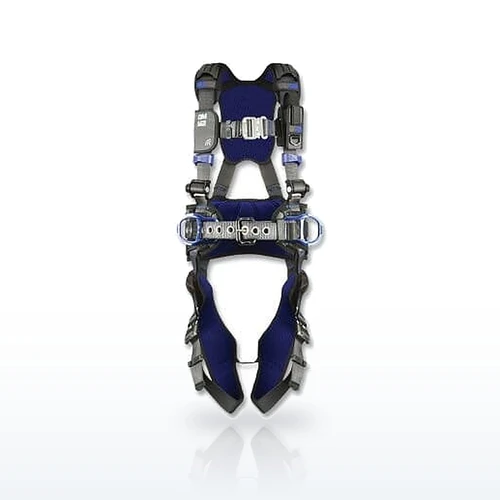
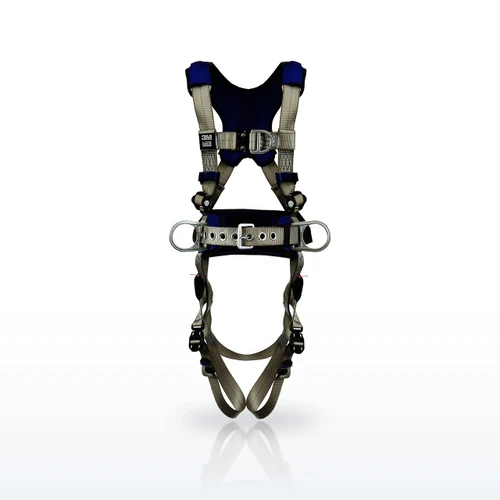
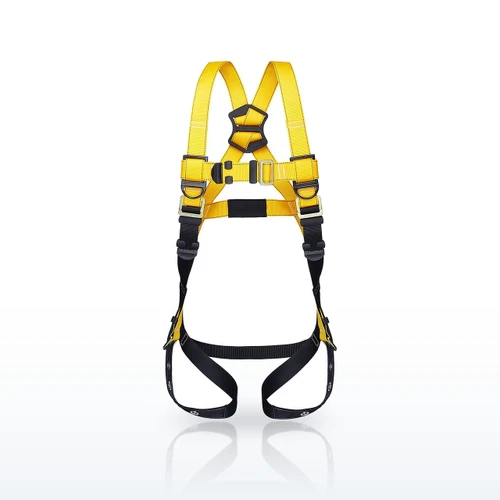
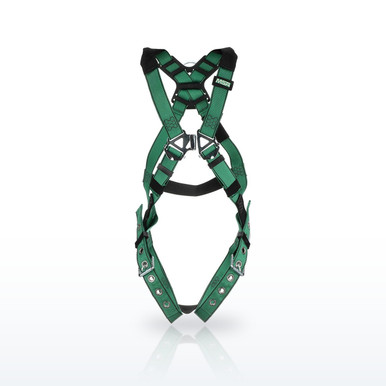
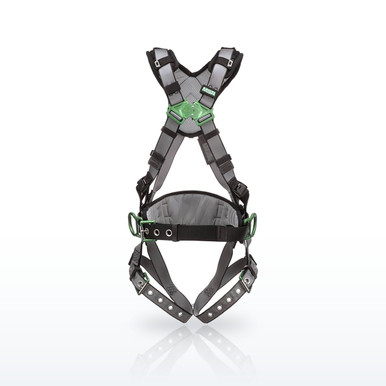
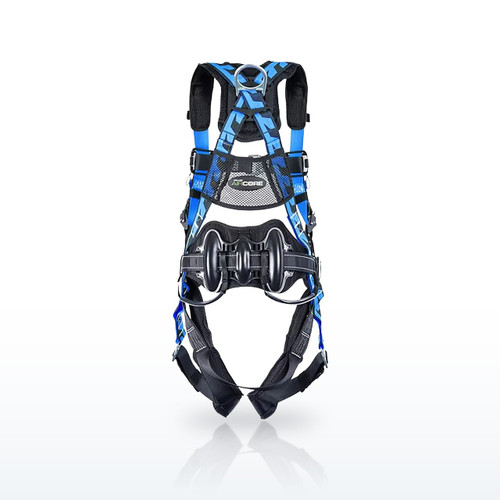
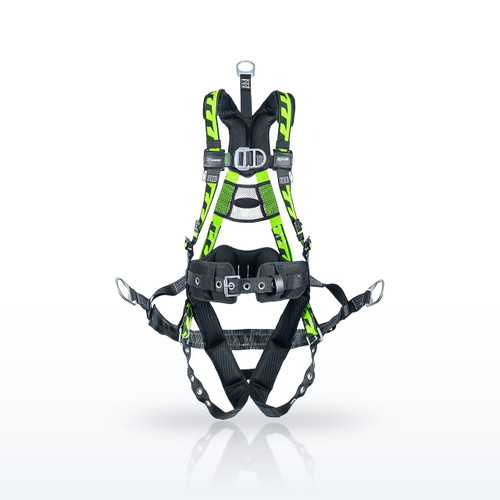
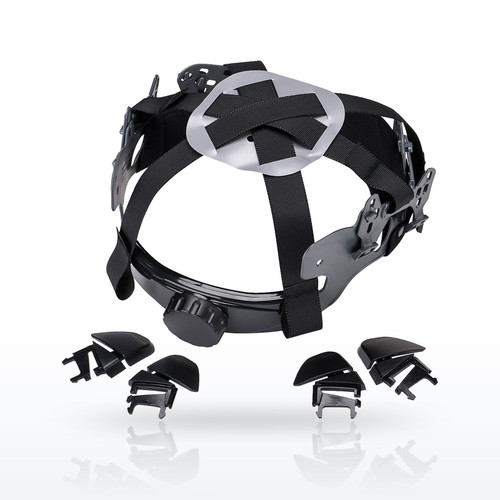
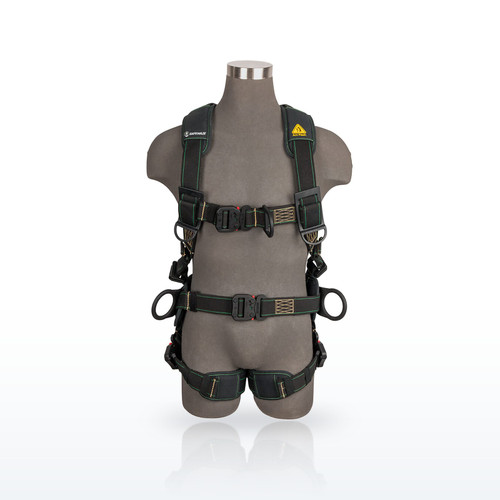
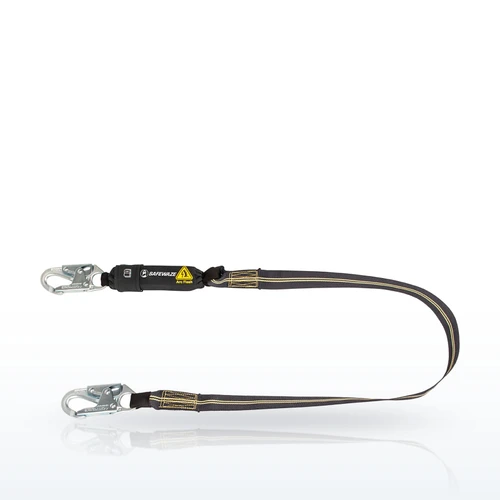
More: every harness by standard.
Source: the manufacturers' product pages and technical data sheets (Safewaze, FallTech, Miller, DBI-SALA) as reproduced on each product page; the standards shown are the manufacturers' own statements.
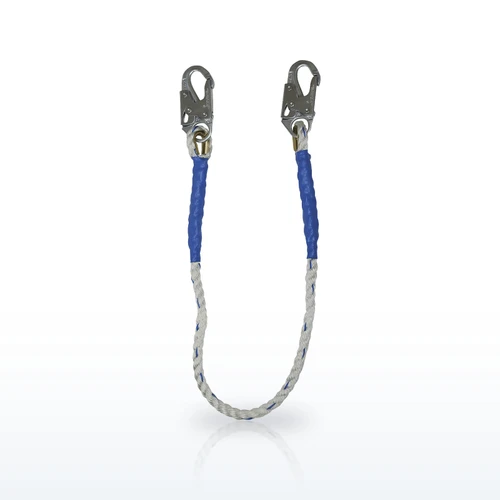
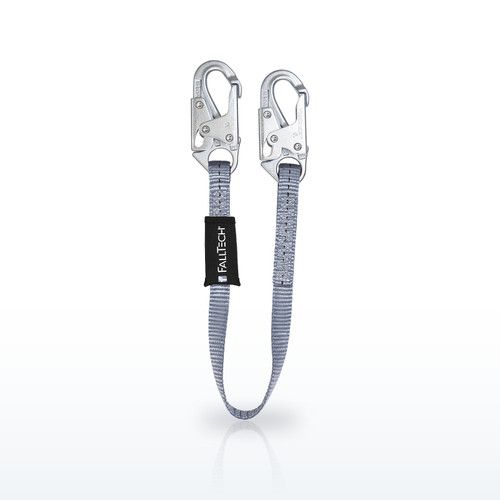
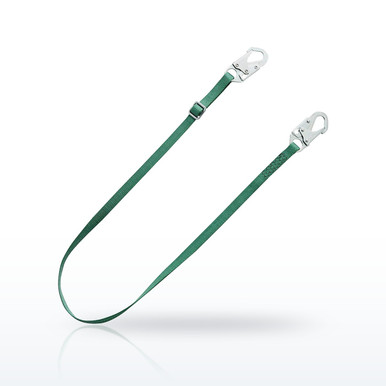
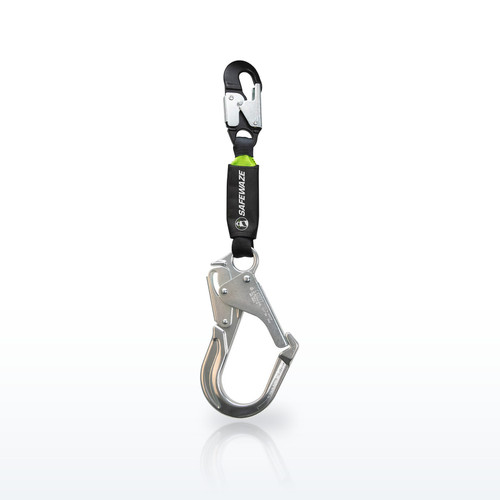
Restraint and positioning lanyards (fall restraint on the equipment)
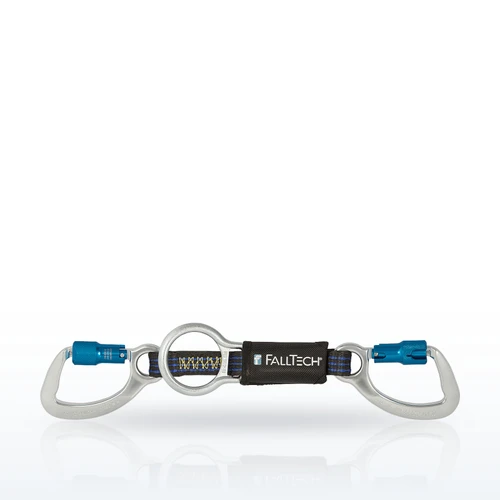
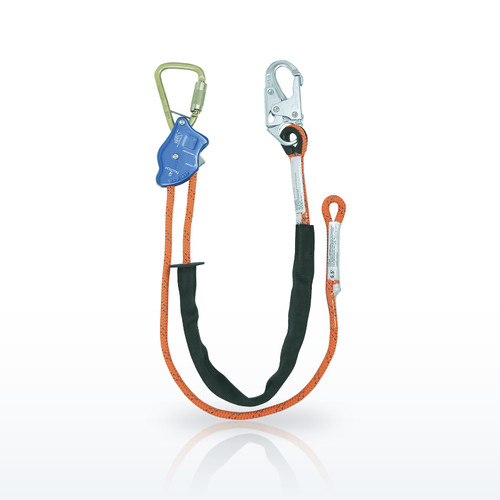
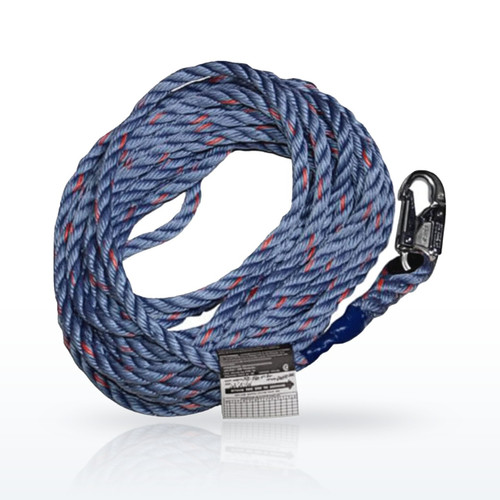
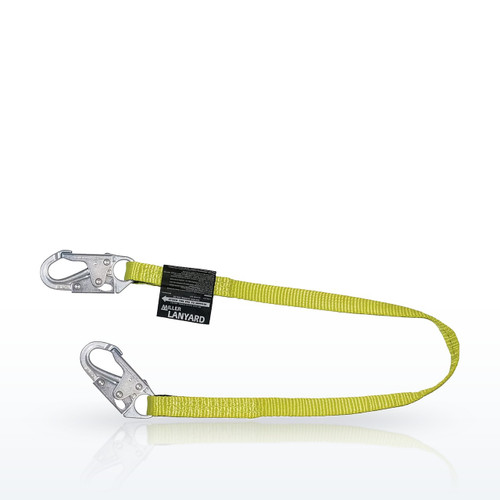
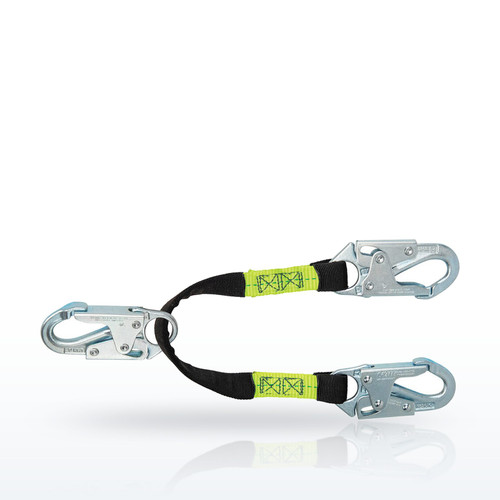
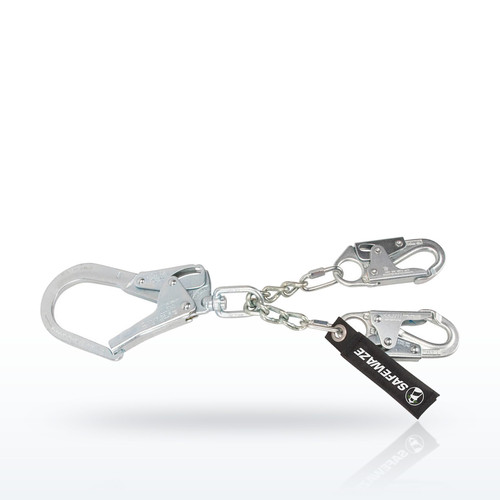
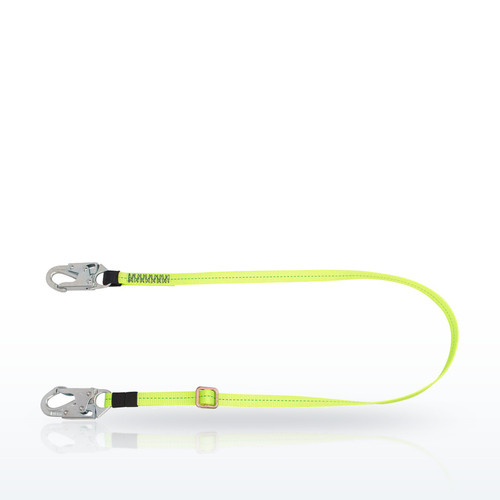
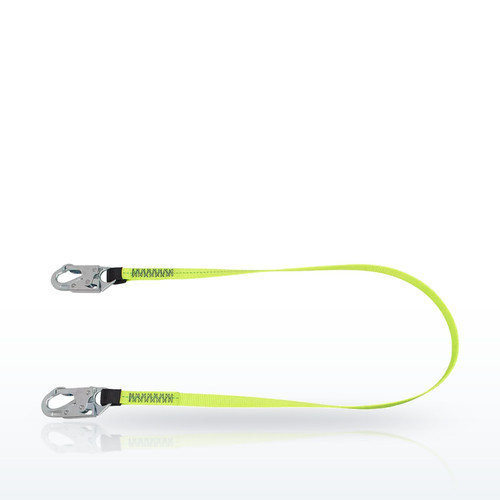
More: every restraint and positioning lanyard.
Source: the manufacturers' product pages and technical data sheets (Safewaze, FallTech, Miller, DBI-SALA) as reproduced on each product page; the standards shown are the manufacturers' own statements.
Attachable anchor devices: beam clamps, cross arm straps, D-ring plates
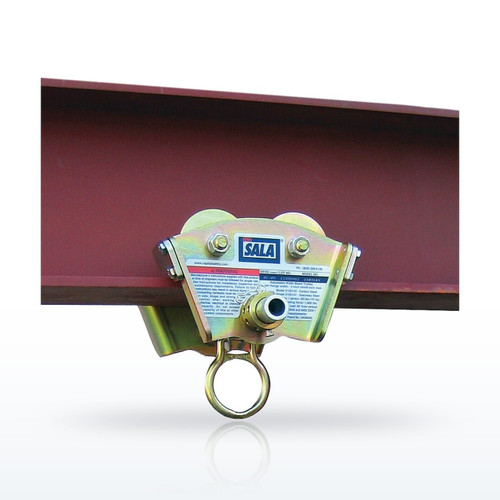
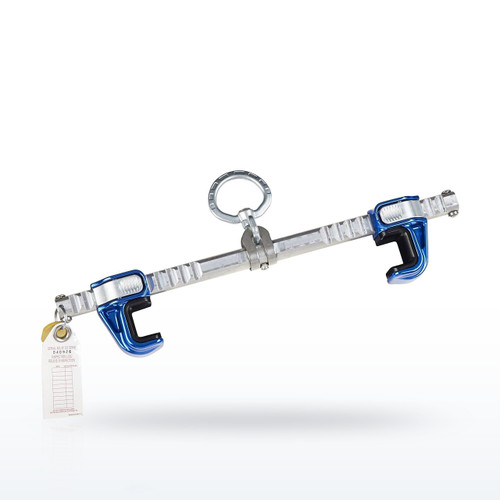
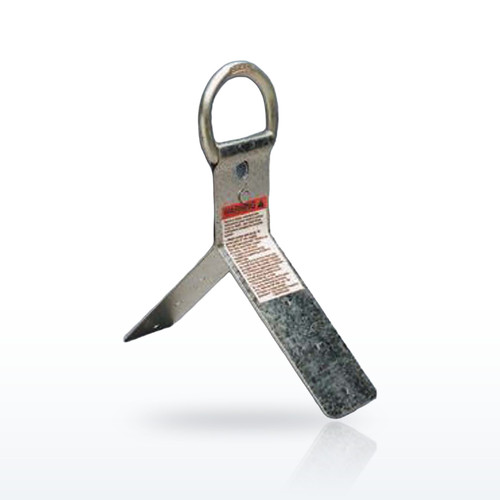
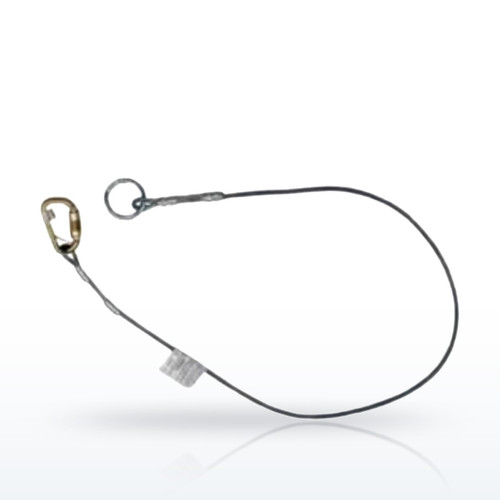
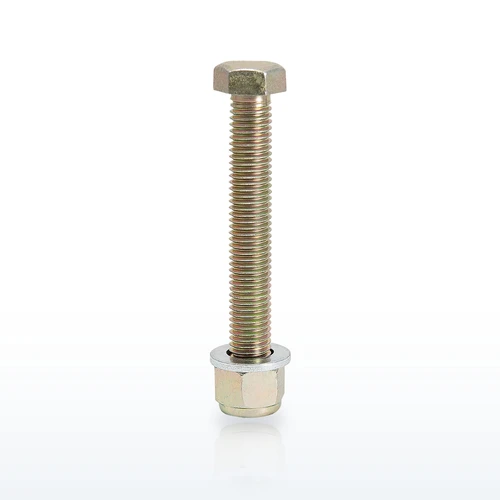
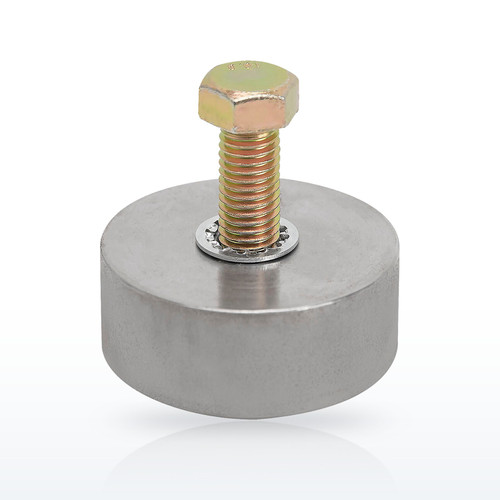
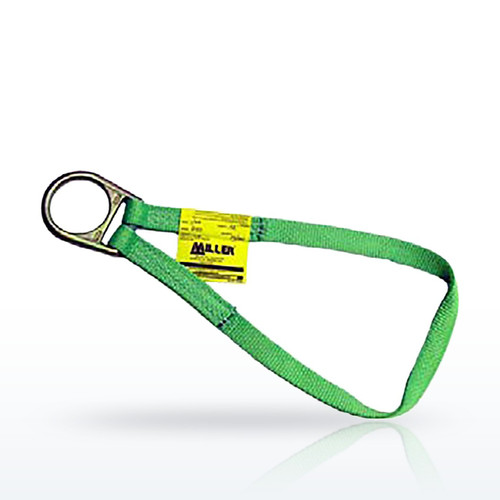
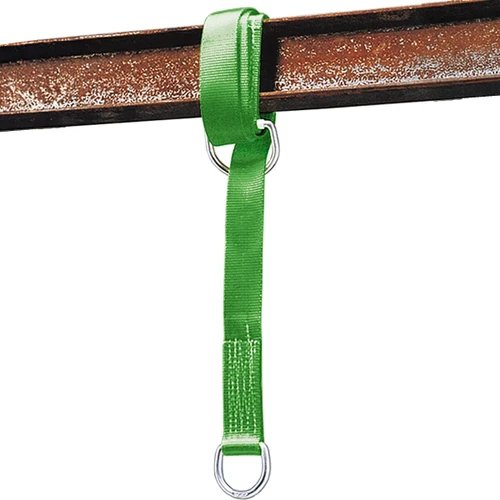
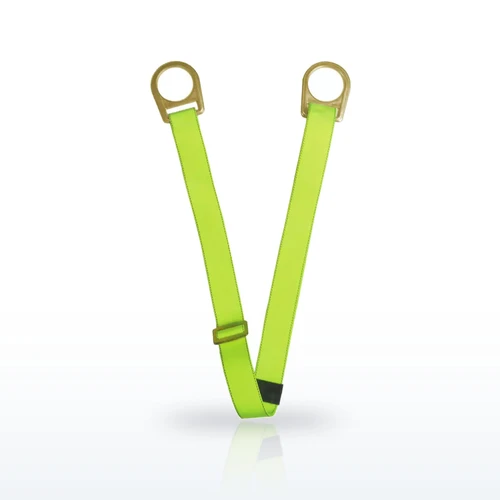
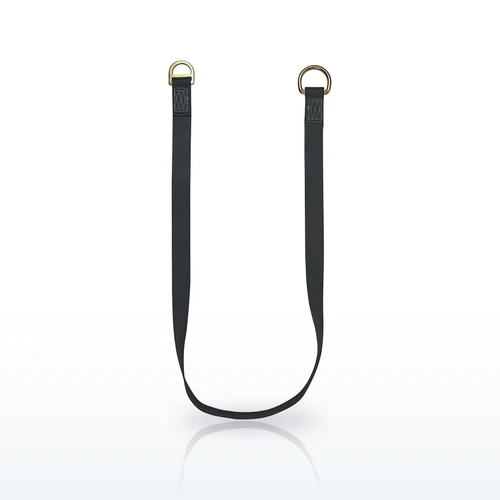
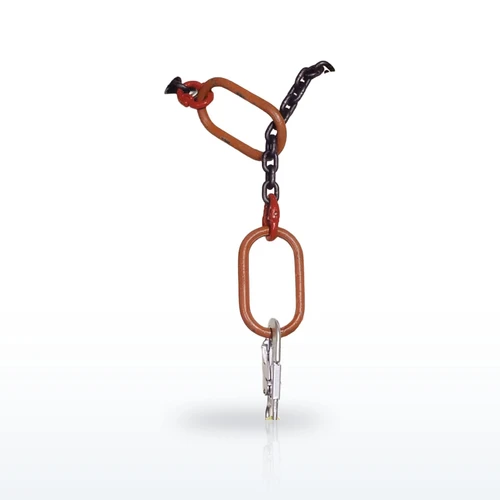
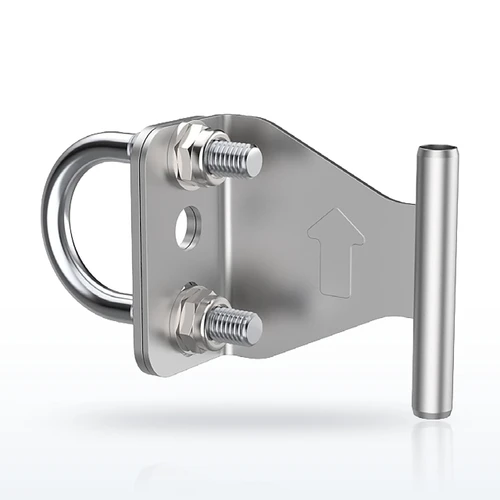
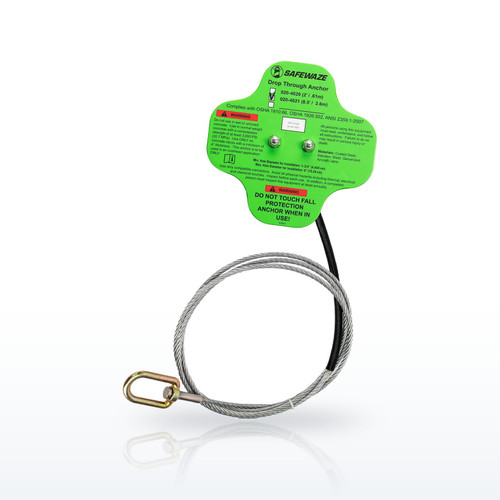
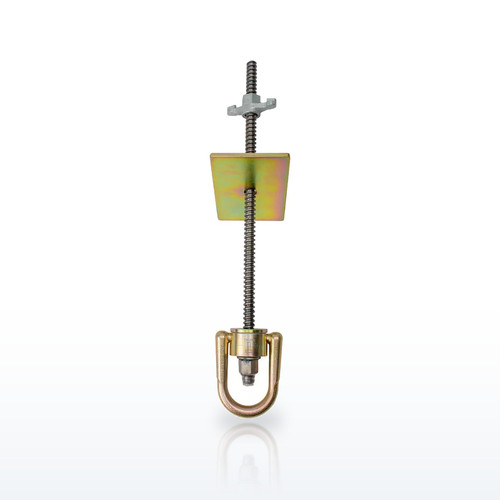
More: every anchor by structure.
Source: the manufacturers' product pages and technical data sheets (Safewaze, FallTech, Miller, DBI-SALA) as reproduced on each product page; the standards shown are the manufacturers' own statements.
Self-retracting lifelines for point-to-point movement
| Part number | Item | Rating stated | Price | ||
|---|---|---|---|---|---|
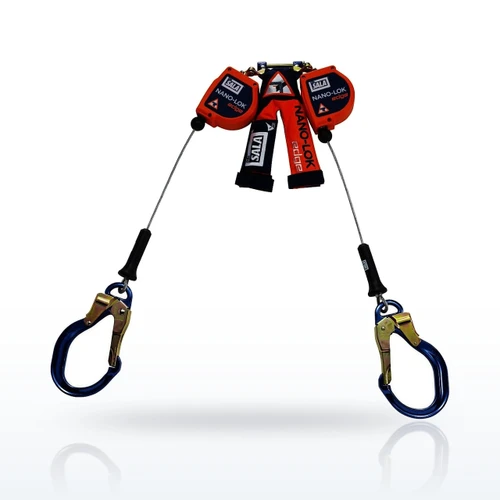 | 7012819223 | 3M Self-Retracting Lifelines, DBI-SALA Nano-Lok Edge Twin-Leg Cable SRL, 8 ft | $976.77 | ||
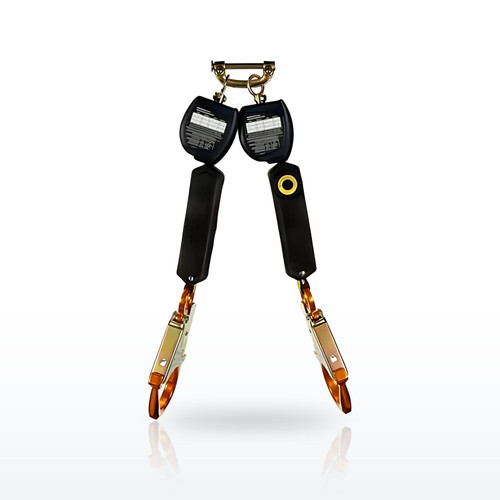 | 3101277 | DBI-SALA 3101277 Self-Retracting Lifelines, 3M DBI-SALA Nano-Lok Twin-Leg Quick | ANSI Z359.14; OSHA 1926.502 | $549.79 | |
 | 3500276 | DBI-SALA 3500276 Self-Retracting Lifelines, 3M DBI-SALA Nano-Lok edge Twin-Leg | ANSI Z359.14 Class 2; OSHA | $970.87 | |
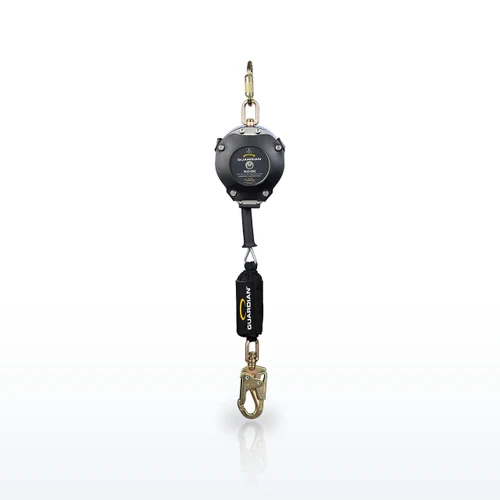 | 10925 | Guardian Fall Protection 10925 Self-Retracting Lifelines, Guardian Halo-Edge | ANSI Z359.14-2021 Class 2; OSHA 1910.140; OSHA 1926.502 | $823.48 | |
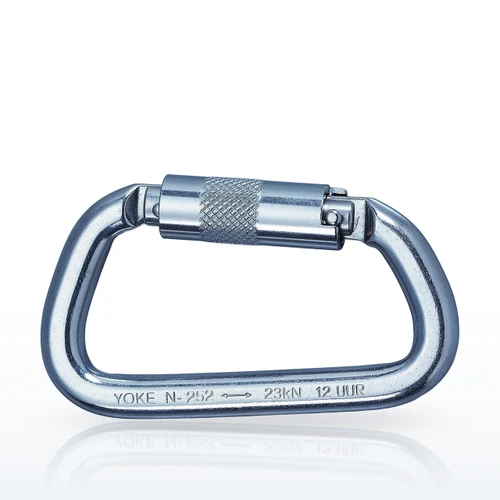 | SSRLC | Miller Duraseal SSRLC Carabiners | $156.00 | ||
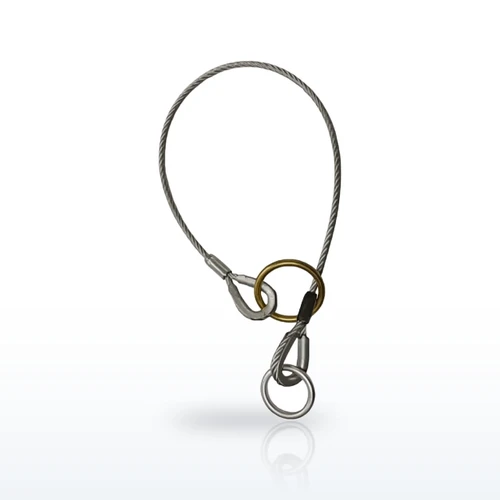 | SSRLTRK | Miller Duraseal SSRLTRK Cable Slings, Stainless Steel | $509.00 | ||
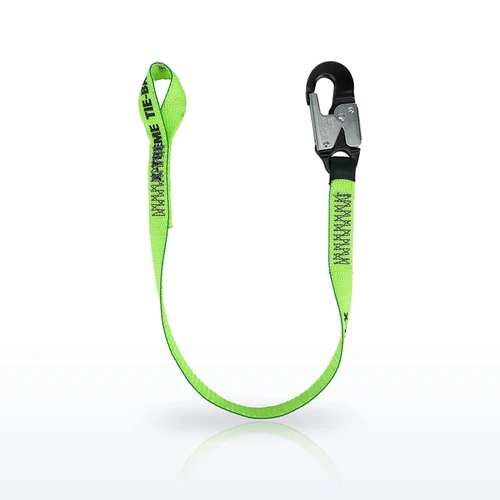 | 021-5279 | Safewaze 021-5279 Self-Retracting Lifeline Accessories, 37 in Tie-Back Leg | $55.49 | ||
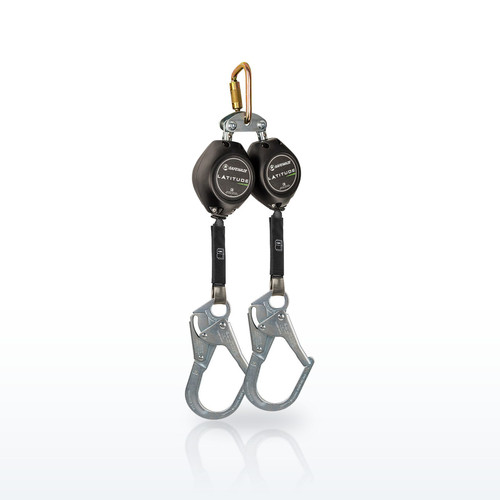 | FS-FSP14095-W | Safewaze Latitude HD FS-FSP14095-W Self-Retracting Lifelines, 11 ft Dual Web | Class 1; ANSI Z359.12; ANSI Z359.14-2021; OSHA 1910.140; OSHA 1910.66 | $445.00 |
More: every SRL by class and length.
Source: the manufacturers' product pages and technical data sheets (Safewaze, FallTech, Miller, DBI-SALA) as reproduced on each product page; the standards shown are the manufacturers' own statements.
Guides that go further
Fall arrest vs fall restraint vs positioning · What is an anchor point, and what must it hold · What is a personal fall arrest system, and what are its parts · OSHA fall protection requirements explained · Fall protection for ironworkers and steel erection.
OSHA 1926.1423 Fall Protection on Cranes and Derricks questions
Can you use a crane hook as an anchor point for fall protection? Only under 1926.1423(j): a qualified person has determined the set-up and rated capacity of the crane, hook, load line and rigging meet the 5,000 pound anchorage criterion of 1926.502(d)(15), the operator is at the site and told the equipment is being used that way, and no load is suspended from the load line while the system is attached.
At what height is fall protection required on a crane? More than 6 feet above a lower level for non-assembly work and tower crane operation (1926.1423(e) and (h)(1)), except 15 feet on horizontal lattice booms, and more than 15 feet during assembly, disassembly, erecting, climbing and dismantling (1926.1423(f) and (h)(2)); the cab, deck and draw-works area are excluded.
Where can you tie off on a crane? To any apparently substantial part of the equipment, under 1926.1423(g)(2), unless a competent person looking at it would conclude it could not meet 1926.502(d)(15); attachable anchor devices such as beam clamps and straps must meet 1926.502(d)(15) for fall arrest and (e)(2) for positioning, and a restraint anchorage must hold twice the load the worker could put on it.
Can a body belt be used on a crane? Yes, in a personal fall arrest or fall restraint system on crane and derrick equipment: 1926.1423(d) says either body belts or body harnesses must be used, which is an exception to 1926.502(d)(17); the other 1926.502(d) component criteria still apply.
What boom lift attachments can I use to prevent falling when leaving the basket? That is an aerial lift question under 1926.453(b)(2)(v), which requires a body belt or harness with a lanyard attached to the boom or basket; 1926.1423 covers cranes and derricks, where the lanyard or SRL attaches to the anchor points the manufacturer provides or to any substantial part of the equipment a competent person accepts.
Does 1926.1423 require a boom walkway? On lattice boom equipment manufactured after November 8, 2011 whose boom profile (cord centerline to cord centerline) is 6 feet or more, yes: walkways at least 12 inches wide under 1926.1423(b); guardrails along them are not required and are prohibited where pendant ropes could snag them.
The ratings, test results and standards shown here are the manufacturers' published values, reproduced as published. Nothing on this page is a recommendation by Bayshore Safety that any product is suitable for a particular task, hazard or workplace. Selecting safety products and protective equipment is the responsibility of the end user and the employer, based on their own hazard assessment and the regulations that apply to their work. Confirm every value on the manufacturer's own documentation before use.