

Respiratory Protection
Half and full facepiece respirators, cartridges and filters, N95 and P100 disposables, PAPR and supplied-air systems, escape respirators and fit testing supplies from 3M, Draeger, North, MSA, Bullard and RPB. Cartridge part numbers are in the listing names for quick reorders.
In this category
691 products from Draeger, 3M, North, MSA, Moldex and 16 more brands. Respirator Type: Cartridge (67), Filter (48), Accessory (21), Full facepiece (14), Half facepiece (11), PAPR (6) and 2 more. Standards: NIOSH (140), NIOSH 42 CFR 84 (17), EN (13), NIOSH P100 (8), NIOSH N95 (6), ANSI Z87.1 (4) and 22 more. Size: M/L (19), Medium (14), S (13), One size (10), M (10), Small (8) and 20 more. Sold by the pack (138), by the box (63), by the case (53).
Brands in this category: Draeger (209) · 3M (165) · North (128) · MSA (88) · Moldex (22) · JSP (14) · Bullard (11) · RPB Safety (9) · Dynamic (6) · Sundstrom (6) · Miller Electric (5) · Air Systems International (4) · Allegro (4) · Liberty Safety (4) · Radians (4) · Ergodyne (3) · Portwest (3) · Gerson (2) · PIP (2) · Lincoln Electric (1) · MCR Safety (1)
Browse by type
Powered Air & Supplied Air Systems (222) · Cartridge Respirators (206) · Cartridge Respirator Parts & Accessories (159) · Disposable Respirators (58) · Escape Respirators (44) · Respirator Fit Testing (15) · Disposable Respirator Parts & Accessories (1)
How to read a filter class
NIOSH approves filters under 42 CFR 84. The letter is oil resistance: N is not resistant to oil, R is resistant, P is oil-proof. The number is the filtration efficiency in the NIOSH test: 95 removes at least 95% of test particles, 99 at least 99%, 100 at least 99.97%. A respirator's approval number (TC-84A-xxxx for air-purifying) is printed on the packaging. Gas and vapor cartridges are colour-coded by what they are approved for; the cartridge label lists the gases.
What the rules say about respiratory protection
OSHA 1910.134 Respiratory Protection: what it requires and the equipment it names: 29 CFR 1910.134 requires an employer to provide respirators where they are necessary to protect health or where the employer requires them, under a written program run by a program administrator, with respirators certified by NIOSH, selected from the assigned protection factors in Table 1 against the exposure, medical evaluation before fit testing, and annual fit testing for tight-fitting facepieces. OSHA 1910.120 Appendix B, Levels of Protection A, B, C and D: what it requires and the equipment it names: Appendix B to 29 CFR 1910.120 describes the four levels of protection employers use to meet the PPE requirements of the HAZWOPER standard: Level A, the highest skin, respiratory and eye protection (a totally encapsulating chemical-protective suit with a positive-pressure SCBA or supplied-air respirator with escape SCBA); Level B, the highest respiratory protection with less skin protection (hooded chemical-resistant clothing with SCBA or supplied air); Level C, air-purifying respirators where the contaminant and concentration are known and meet the criteria for their use, with hooded chemical-resistant clothing; and Level D, a work uniform for nuisance contamination only. OSHA 1926.651 Specific Excavation Requirements: what it requires and the equipment it names: 29 CFR 1926.651 requires, among its surface, utility, access, water and stability provisions, that where an oxygen deficiency (below 19.5 percent) or a hazardous atmosphere exists or could reasonably be expected (landfills, areas near stored hazardous substances), the atmosphere in an excavation deeper than 4 feet is tested before employees enter; that precautions such as respiratory protection or ventilation prevent exposure to less than 19.5 percent oxygen or other hazardous atmospheres; that ventilation keeps flammable gas below 20 percent of the lower flammable limit; and that testing continues as often as necessary when controls are used. Every rule page lists the equipment the rule names with the products we carry for it; the safety rules index has them all.
Guides for respiratory protection
3M cartridge and filter codes: 6001 to 60929, the 2000 Series and 7093 filters, and the Secure Click D-Series · Respirators for spray painting and isocyanates · Respirators for asbestos: what 1926.1101 requires · Which respirator for mold remediation? What NIOSH and OSHA recommend · 3M bayonet vs Secure Click: which facepieces, which cartridges, and what the 3M documents say changes · What is a PAPR, and when is one used instead of a tight-fitting mask?
Respiratory Protection questions
How to detect H2S gas? With an electrochemical hydrogen sulfide sensor in a single-gas or four-gas monitor, reading in ppm and alarming at set points; a space is tested from outside first with a pumped monitor whose hose reaches the bottom, because H2S is heavier than air. Smell is not detection: it fails near 100 ppm. More in the guide: How to detect H2S gas: single-gas and 4-gas monitors, sewer gas, what an H2S detector reads, and how to calibrate an H2S meter
Is H2S heavier or lighter than air? Heavier. The NIOSH Pocket Guide gives hydrogen sulfide a relative gas density of 1.19, about one fifth heavier than air, so it sinks, travels along the ground and collects in manholes, sewers, pits, sumps, trenches and tank bottoms. More in the guide: Is H2S heavier than air, and where does it collect?
What's the difference between N95 and P100? P100 stops at least 99.97 percent of test particles and is oil-proof; N95 stops at least 95 percent and is not for oily air. On the same facepiece the assigned protection factor is the same; the P100 is the more capable filter. More in the guide: What do N95, N99, N100, R95, P95 and P100 mean? The NIOSH filter classes explained
Is hydrogen sulfide harmful to breathe? Yes. The NIOSH Pocket Guide lists irritation of the eyes and respiratory system, apnea, coma and convulsions among its effects; the ppm list on this page runs from headache at 20 ppm to collapse within minutes at 500 to 700 ppm and breathing stopping within one or two breaths at 700 to 1,000 ppm. More in the guide: What is H2S (hydrogen sulfide), and why does it kill?
What PPE should be used when welding? A helmet with a filter of the shade the OSHA table gives, Z87 safety glasses under it, leather or flame-resistant clothing with no cuffs or open pockets, leather gloves matched to the process (MCR Safety pairs split cow and pig leather with stick, grain goat with MIG and TIG, deer with TIG), protective footwear and leggings or spats where slag falls, and a respirator where ventilation cannot keep fume within limits. More in the guide: Is welding dangerous? The hazards OSHA names, and the PPE that addresses each one
What is the IDLH for hydrogen sulfide? 100 ppm, by NIOSH. Above it only a pressure-demand SCBA or a supplied-air respirator with an escape cylinder may be worn, and no one enters a confined space at that reading. More in the guide: Is H2S heavier than air, and where does it collect?
Ratings and specifications on this page are shown as published by the manufacturer or the named standard and describe performance in that standard's test. They are not a recommendation for any task. The employer's hazard assessment decides what protective equipment a job needs. Verify details against the manufacturer's current documentation before you buy.
MSA series
MSA ALTAIR Accessories and Replacement Parts, MSA Gas Detection Parts for Sirius, FiveStar and Other Instruments.
Liberty Safety series
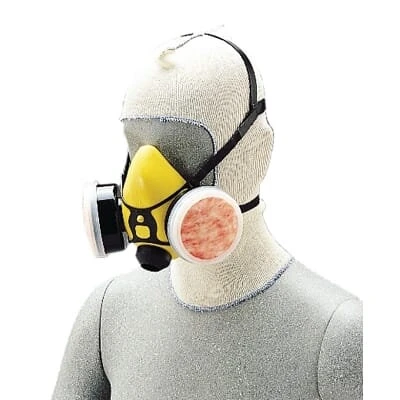 Disposable Respirator Parts & Accessories
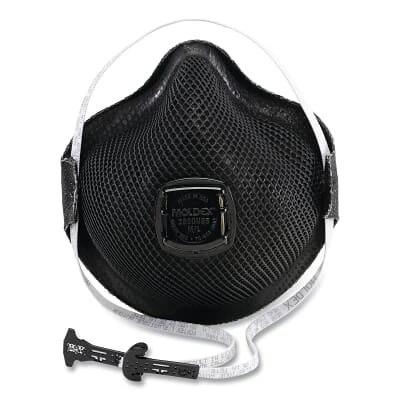 Disposable Respirators
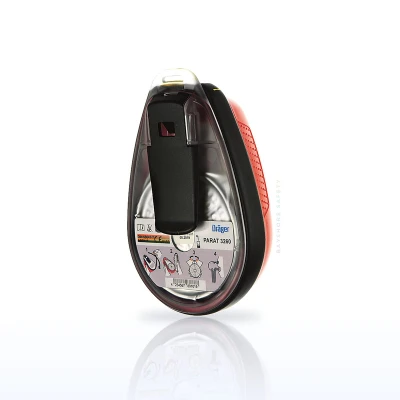 Escape Respirators
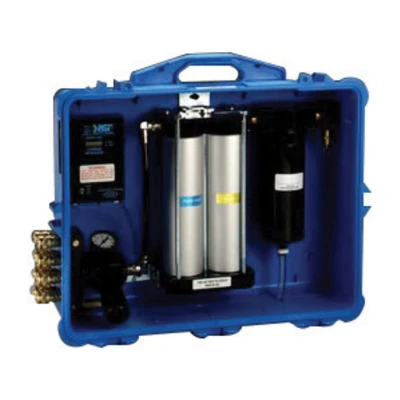 PAPR & Supplied Air Respirators
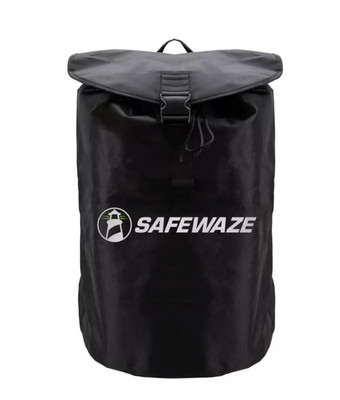 Respirator Bags
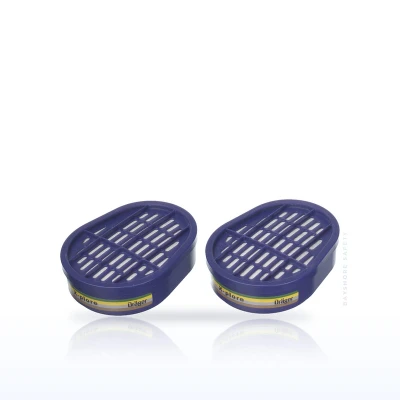 Respirator Cartridges & Filters
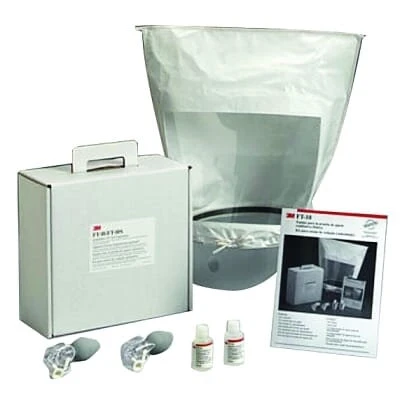 Respirator Fit Testing
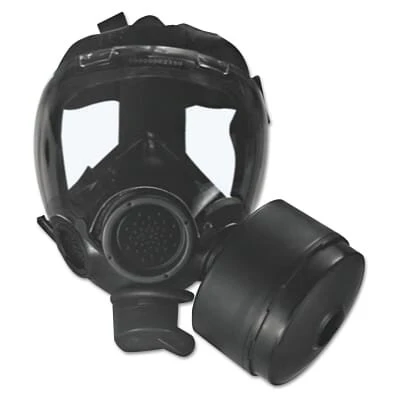 Reusable Respirators & Cartridges
-
-
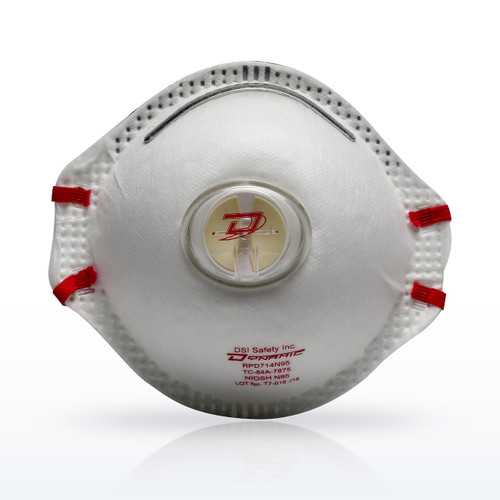 Dynamic™
Dynamic 270-RPD714N95 Deluxe N95 Disposable Respirator, Valve, 10 Pack
Item # 270-RPD714N95$19.08 -
 Dynamic™
Dynamic 270-RPD713N95 Deluxe N95 Disposable Respirator, 20 Pack
Item # 270-RPD713N95$22.05 -

-

-
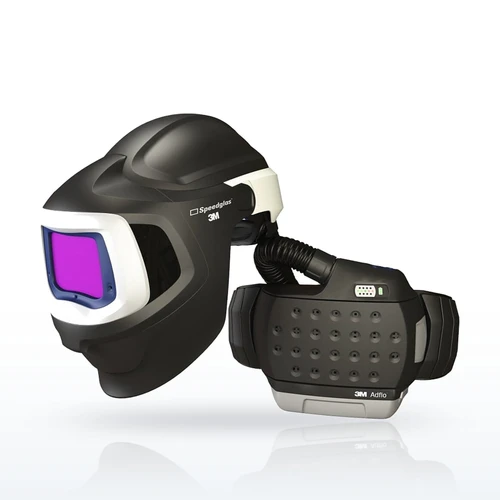 3M™
3M 37-1101-30iSW Speedglas 9100 MP Welding Helmet with 9100XXi ADF and Adflo PAPR
Item # 7100260623$3,135.08 -
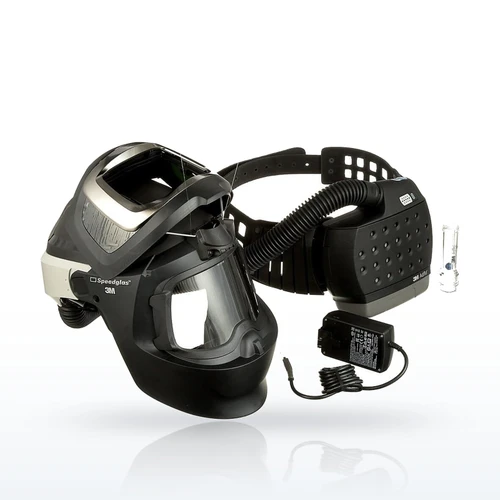 3M™
3M 37-1101-00SW Speedglas 9100 MP Welding Helmet with Adflo PAPR, No ADF
Item # 7100262933$2,776.58 -
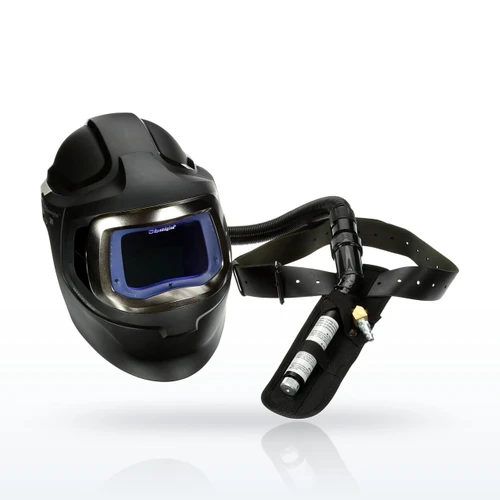 3M™
3M 27-5702-30iSW Speedglas 9100 MP Supplied Air Welding Helmet with V-100 Valve
Item # 7100194535$2,594.48 -
 North®
North 75SCP100L Defender Multi-Contaminant Cartridge with P100 Filter
Item # 75SCP100L$27.00 -

-
-

-

-

-
 Gerson®
Gerson 1740 Disposable Respirators, N95 Particulate Respirator, Nose and Mouth
Item # 1740$181.47 -
 Moldex
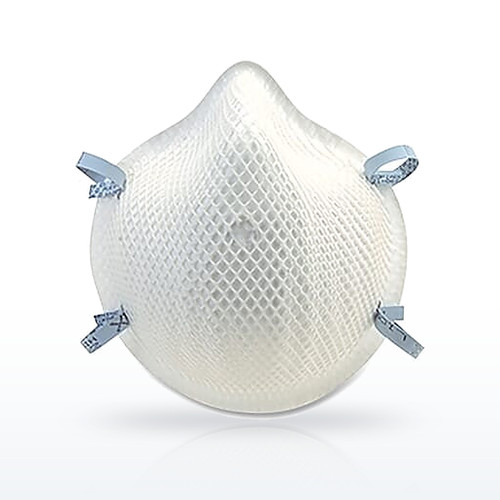
 2310 Disposable Respirators, N99 Premium Particulate Respirator, Medium
Item # 2310$64.49 -
 Moldex
 2400N95 Disposable Respirators, N95 Particulate Respirator, Medium
Item # 2400N95$64.76 -
 Moldex
 2600N95 Disposable Respirators, HandyStrap N95 Particulate Respirator
Item # 2600N95$38.52 -
 Moldex
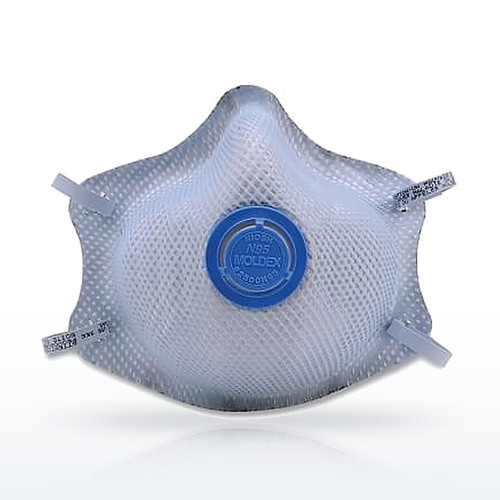
 2500N95 Disposable Respirators, N95 Particulate Respirator, Two-Strap
Item # 2500N95$86.72 -
 Moldex
 2700N95 Disposable Respirators, HandyStrap N95 Particulate Respirator
Item # 2700N95$46.99 -
 Moldex
 2740R95 Disposable Respirators, HandyStrap R95 Particulate Respirator
Item # 2740R95$70.38 -
 Moldex
 2800N95 Disposable Respirators, HandyStrap N95 Particulate Respirator
Item # 2800N95$90.04 -
 Moldex
 2840R95 Disposable Respirators, R95 Particulate Respirator, Medium
Item # 2840R95$102.07 -
