Safety Glasses
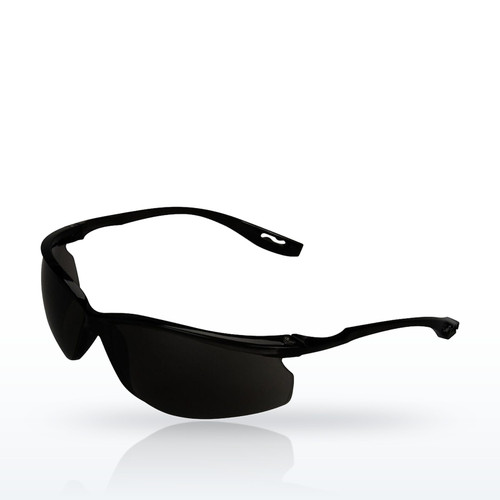
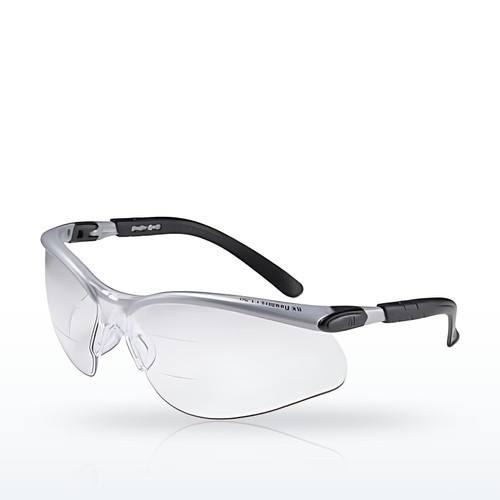
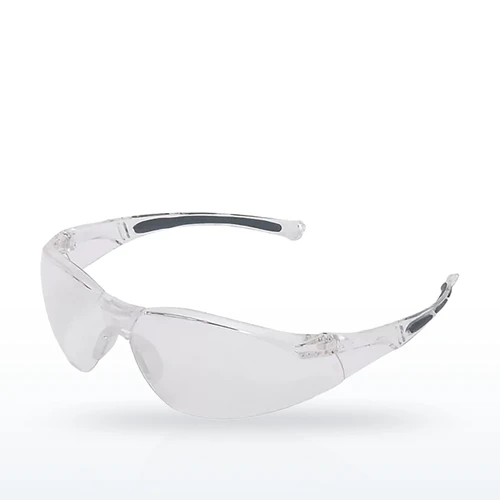
ANSI Z87.1 safety glasses from MCR Safety, Radians, Crossfire, PIP, DEWALT and Portwest in clear, gray, amber, indoor/outdoor and polarized lenses, with anti-fog and bifocal options. Sold by the pair or by the dozen as packed; logo imprinting is available on PIP and Radians styles.
In this category
422 products from MCR Safety, Radians, UVEX, Bouton Optical, Crossfire and 18 more brands. Lens Tint: Clear (31), Clear, Smoke (20), Gray (16), Clear, Indoor/Outdoor, Smoke (16), Blue Mirror (3), Clear, Silver Mirror, Smoke (2) and 20 more. Lens Coating: Anti-Fog (64), Duramass Hard Coat (24), Mirror (22), Anti-Fog, Mirror (17), Anti-Scratch (14), Uncoated (8) and 15 more. Frame Color: Black (55), Clear, Indoor/Outdoor, Smoke (6), Clear (5), Clear, Smoke (5), Blue (4), Green (3) and 30 more. Standards: ANSI Z87.1+ (Impact) (54), CSA Z94 (34), ANSI Z87+ (16), ANSI Z87.1 (6), ANSI/ISEA Z87.1 (6), EN 166 (5) and 2 more. Sold by the dozen (88), by the pack (48), by the case (19).
Brands in this category: MCR Safety (96) · Radians (54) · UVEX (51) · Bouton Optical (49) · Crossfire (37) · 3M (21) · DEWALT (21) · Portwest (21) · Liberty Safety (20) · KleenGuard (19) · Smith & Wesson (6) · Bolle Safety (5) · MSA (4) · Howard Leight (3) · Studson (3) · North (2) · Jackson Safety (2) · Zenon Z14SN (2) · Wilco (2) · Anchor Brand (1) · Bomber Eyewear (1) · Cordova Safety (1) · Pyramex (1)
How to read an eyewear rating
ANSI/ISEA Z87.1 marks protective eyewear on the lens and frame. Z87 is the basic impact rating; Z87+ means the lens and frame passed the high-impact (high-velocity and high-mass) tests. Other marks: D3 splash and droplet, D4 dust, D5 fine dust, W plus a number for a welding shade, U plus a number for UV filtering, and the manufacturer's mark.
What the rules say about safety glasses
ANSI/ISEA Z87.1 Occupational Eye and Face Protection: what it requires and the equipment it names: ANSI/ISEA Z87.1 is the American National Standard for occupational and educational personal eye and face protection devices. OSHA requires protectors built to it: 29 CFR 1910.133(b) and 1926.102(b) name the 2010, 2003 and 1989 editions, and the current edition (manufacturers now mark to Z87.1-2020 and the 2025 revision) is accepted under OSHA's equivalence clause because each revision tests at least as hard. OSHA 1926.102 Eye and Face Protection (Construction): what it requires and the equipment it names: 29 CFR 1926.102 requires each affected construction employee to use appropriate eye or face protection when exposed to flying particles, molten metal, liquid chemicals, acids or caustic liquids, chemical gases or vapors, or potentially injurious light radiation; side protection against flying objects; eye protection that incorporates or fits over prescription lenses; and protectors marked with the manufacturer that are protective, reasonably comfortable, snug, durable, disinfectable and cleanable. OSHA 1910.133 Eye and Face Protection: what it requires and the equipment it names: 29 CFR 1910.133 requires each affected employee to use appropriate eye or face protection when exposed to flying particles, molten metal, liquid chemicals, acids or caustic liquids, chemical gases or vapors, or potentially injurious light radiation. Every rule page lists the equipment the rule names with the products we carry for it; the safety rules index has them all.
Guides for safety glasses
OSHA safety glasses requirements: what 1910.133 says, whether regular glasses count, and when side shields are required · Are Oakley and other brand sunglasses Z87 rated? How to tell, and what counts on the job · Safety glasses lens tints explained: clear, gray, amber, indoor/outdoor, mirror and shade, and the Z87.1 marks that go with them · Anti-fog safety glasses: what the anti-fog marking means (it is X, not N) · Prescription safety glasses: what Z87.1 requires and how to order them · What does ANSI Z87.1 mean on safety glasses? Z87 vs Z87+, and how to read the markings
Safety Glasses questions
Do safety glasses really work? To the mark on them: a Z87+ lens and frame stopped a quarter-inch steel ball at 150 feet per second and a 500 gram pointed weight dropped from 50 inches without the lens leaving the frame or touching the eye, in the ANSI/ISEA Z87.1 tests. A photochromic lens carries the same impact mark beside its V mark; what no safety glass does is seal out splash or dust, which is the goggle’s job. More in the guide: Photochromic safety glasses: how transition lenses work, what the Z87.1 V mark means, and where they fit
What is OSHA's 3 most cited violation? Fall Protection, general requirements, 29 CFR 1926.501, first on OSHA’s most-frequently-cited list for the preliminary fiscal year 2026 (October 1, 2025 to August 31, 2026), as it has been every year since 2011; its FY2025 count was reported at 5,914 citations. Scaffolding (1926.451), ladders (1926.1053) and fall protection training (1926.503) are also in the top ten. More in the guide: What are an employer’s fall protection responsibilities? The duties in 1926.501, 1926.502 and 1926.503, and the standard OSHA cites most
What do we use safety goggles for? For the hazards that get around a lens: liquid chemicals, acids and caustics, chemical gases or vapors, dust and fine dust, and impact from above. The marks say what each goggle passed: Z87+ (high impact), D3 (splash), D4 (dust), D5 (fine dust). MCR Safety states the vent type and the D marks on each goggle page. More in the guide: Safety glasses vs safety goggles: when each one is required
Is it a law to wear safety glasses at work? Where an eye hazard exists, yes: OSHA 1910.133 and 1926.102 require the employer to make sure exposed employees wear eye and face protection that complies with ANSI/ISEA Z87.1, which OSHA incorporated by reference. That incorporation is what turns the voluntary ANSI standard into the measure of the legal duty. More in the guide: What is ANSI, and is an ANSI standard the law?
What are the 10 most common OSHA violations? For fiscal year 2026 (preliminary, dated October 5, 2026): fall protection (1926.501), hazard communication (1910.1200), lockout/tagout (1910.147), scaffolding (1926.451), ladders (1926.1053), respiratory protection (1910.134), powered industrial trucks (1910.178), fall protection training (1926.503), eye and face protection in construction (1926.102) and machine guarding (1910.212). More in the guide: What are the most common OSHA violations? The 10 most frequently cited standards, and the PPE behind four of them
What is the difference between ANSI Z87-1 and ANSI Z87+? Z87.1 is the standard; Z87 and Z87+ are the marks it puts on a protector. Plain Z87 means basic impact (a 1-inch steel ball dropped from 50 inches); Z87+ means the protector passed the high-velocity test (a quarter-inch ball at 150 feet per second), the high-mass test (a 500-gram pointed weight from 50 inches) and the penetration test with the lens staying in the frame. More in the guide: What does ANSI Z87.1 mean on safety glasses? Z87 vs Z87+, and how to read the markings
Ratings and specifications on this page are shown as published by the manufacturer or the named standard and describe performance in that standard's test. They are not a recommendation for any task. The employer's hazard assessment decides what protective equipment a job needs. Verify details against the manufacturer's current documentation before you buy.
Radians, Crossfire and DEWALT series
Radians Mirage Safety Glasses, Radians Rad-Sequel Safety Glasses, Radians Rad-Atac Safety Glasses, Radians Rad-Apocalypse Safety Glasses, Radians Revelation Safety Glasses, Radians Thraxus Safety Glasses, Radians Cuatro Safety Glasses, Radians G4 Safety Glasses, Radians Optima Safety Glasses, Radians Obliterator Safety Glasses, Crossfire 710 Safety Glasses, Crossfire ES4 Safety Glasses, Crossfire ES5 Safety Glasses, Crossfire 24Seven Safety Glasses, Crossfire BOLO Safety Glasses, Crossfire Concept Safety Glasses, Crossfire MP7 Safety Glasses, Crossfire Shield Safety Glasses, Crossfire Talon Safety Glasses, Crossfire Sniper Safety Glasses, DEWALT DPG Safety Eyewear.
Studson series
MSA series
MSA V-Gard H1 Safety Helmets, MSA Safety Glasses and Cap-Mounted Earmuffs.
Liberty Safety series
Liberty Safety iNOX, BrandX and MACK Safety Glasses, Liberty Safety Safety Goggles and Face Shields.
Jackson Safety series
Jackson Safety SG safety glasses.
KleenGuard series
KleenGuard V30 Nemesis safety glasses, KleenGuard Visio safety glasses, KleenGuard V60 Rx readers safety glasses.
3M series
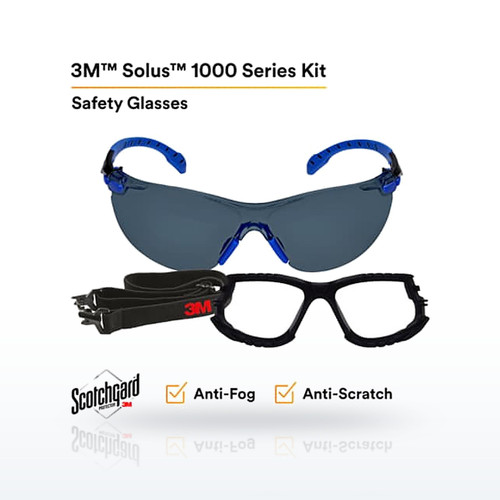
3M Maxim Elite 1000 Series, 3M SecureFit 100 Series, 3M SecureFit 3700 Series, 3M SecureFit 400 Series, 3M SecureFit 400X Series, 3M SecureFit 500 Series, 3M SecureFit 600 Series, 3M Solus 1000 Series, 3M Solus 2000 Series.