
OSHA 1910.140 Personal Fall Protection Systems: what it requires and the equipment it names
29 CFR 1910.140 sets the criteria for personal fall protection systems in general industry: the strength of connectors, lanyards, lifelines and anchorages, the arresting force and free fall limits for fall arrest, the rules for positioning and travel restraint, and inspection before each use. Every figure is condensed and linked below, with the harnesses, lanyards, SRLs and anchors we carry whose manufacturers name the rule. We sell nationwide; ships in 1–2 business days; most orders arrive in 3–7 business days.
The plain answer
29 CFR 1910.140 is the equipment rule behind 1910.28: when 1910.28 requires a personal fall arrest, travel restraint or positioning system, 1910.140 says what the system must be. Connectors must be forged or formed steel with a 5,000 pound tensile capacity and a 3,600 pound proof test, snaphooks and carabiners must lock automatically, lanyards and vertical lifelines must break at 5,000 pounds or more, and anchorages must hold 5,000 pounds per attached employee or be engineered to a safety factor of two.
For fall arrest, the system must limit arresting force to 1,800 pounds, stop the employee within 3.5 feet of deceleration, be rigged so free fall does not exceed 6 feet and the employee cannot contact a lower level, and use a full body harness (body belts have been prohibited for fall arrest since 1998). It applies to all general industry employers; construction uses 1926.502.
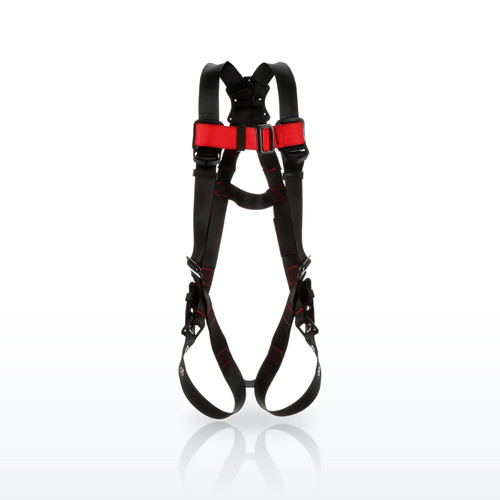
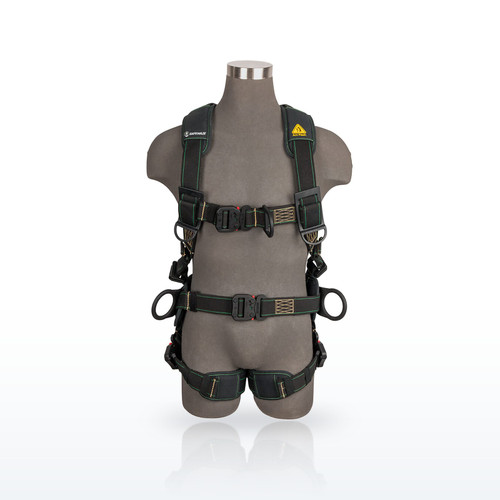
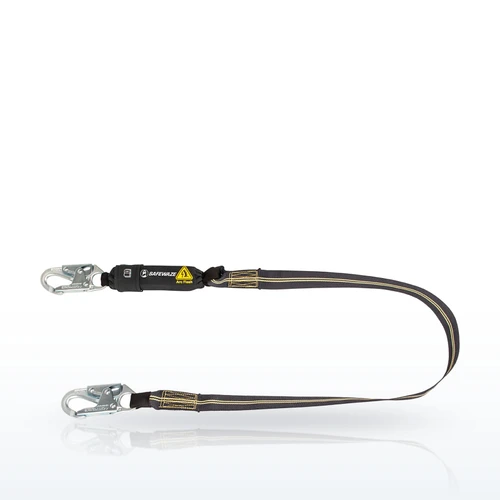
The rule names full body harnesses, body belts (positioning and restraint only), lanyards, self-retracting lifelines and lanyards, vertical and horizontal lifelines, rope grabs, D-rings, snaphooks, carabiners and anchorages, and requires each to be inspected before initial use during each shift.
What the rule says
Each entry is condensed from the paragraph cited; the paragraph itself is the rule and the link opens it.
29 CFR 1910.140(c)(1)-(2): Connectors must be drop forged, pressed or formed steel or equivalent, with a corrosion-resistant finish and smooth surfaces and edges.
29 CFR 1910.140(c)(3)-(4): When vertical lifelines are used, each employee is attached to a separate lifeline; lanyards and vertical lifelines must have a minimum breaking strength of 5,000 pounds.
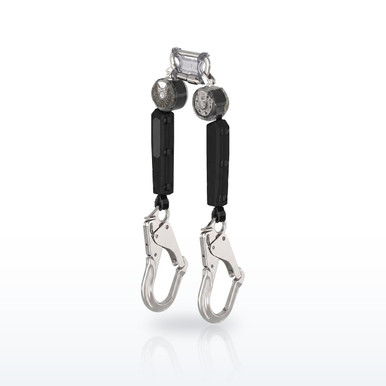
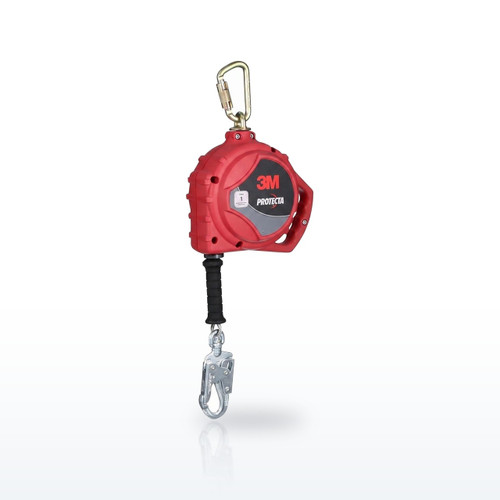
29 CFR 1910.140(c)(5): Self-retracting lifelines and lanyards that automatically limit free fall to 2 feet or less must have components that sustain a minimum tensile load of 3,000 pounds with the line fully extended.
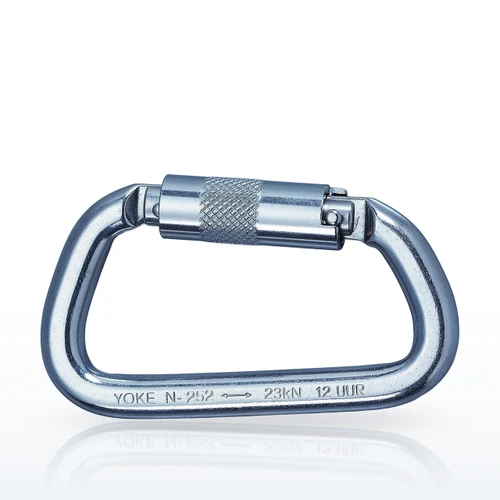
29 CFR 1910.140(c)(7)-(9): D-rings, snaphooks and carabiners must sustain 5,000 pounds, be proof tested to 3,600 pounds without cracking, breaking or permanent deformation, have a gate that withstands 3,600 pounds without separating more than 0.125 inch, and be the automatic locking type requiring two separate consecutive movements to open.
29 CFR 1910.140(c)(10): Snaphooks and carabiners must not be connected directly to webbing, rope or wire rope, to each other, to a D-ring already holding another connector, to a horizontal lifeline, or to any incompatibly shaped object, unless designed for that connection.
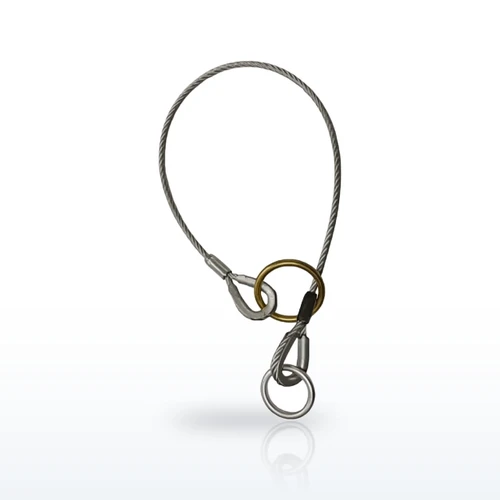
29 CFR 1910.140(c)(11): Horizontal lifelines must be designed, installed and used under the supervision of a qualified person as part of a complete system with a safety factor of at least two.
29 CFR 1910.140(c)(12)-(13): Anchorages must be independent of any anchorage used to suspend employees or platforms, and must be capable of supporting at least 5,000 pounds per employee attached or be designed, installed and used under a qualified person as part of a complete system with a safety factor of at least two; on mobile work platforms on powered industrial trucks the anchorage is an overhead member above and near the center of the platform.
29 CFR 1910.140(c)(14)-(17): Travel restraint lines must sustain 5,000 pounds; ropes and straps are synthetic fiber; ropes, belts, harnesses, lanyards and lifelines are protected from cuts, abrasion, burns and deterioration; and a body belt or harness is used only in one system at a time.
29 CFR 1910.140(c)(18)-(21): Each personal fall protection system is inspected before initial use during each shift for mishandling, damage or deterioration and defective components removed from service; a system subjected to impact loading is removed until a competent person determines it is undamaged; the employer provides for prompt rescue; body belts are not used in a fall arrest system.
29 CFR 1910.140(d)(1): A personal fall arrest system must limit the maximum arresting force on the employee to 1,800 pounds, bring the employee to a complete stop with a maximum deceleration distance of 3.5 feet, have sufficient strength to withstand twice the potential impact energy of a 6 foot free fall, and hold the employee without contact with the neck and chin; a system meeting Appendix D for a combined body and tool weight under 310 pounds is deemed to meet those criteria.
29 CFR 1910.140(d)(2): The system is rigged so the employee cannot free fall more than 6 feet or contact a lower level (a longer free fall is permitted only where the employer demonstrates the 1,800 pound force limit is still met); on a horizontal lifeline that may become vertical, the connecting device must lock in both directions; the attachment point of the body harness is in the center of the back near shoulder level or above the head.
29 CFR 1910.140(e): Positioning systems are rigged so the employee cannot free fall more than 2 feet, with anchorages capable of supporting twice the potential impact load or 3,000 pounds, whichever is greater; window cleaners' belt anchors follow the separate criteria in the paragraph.
Source: 29 CFR, Occupational Safety and Health Standards, as published by OSHA (ecfr.gov), read Nov 9 2026.
California (Cal/OSHA)
Each entry is condensed from the paragraph cited; the paragraph itself is the rule and the link opens it.
Title 8 §1670(a)-(b): Approved personal fall arrest, restraint or positioning systems are worn where work exposes employees to a fall of more than 7 1/2 feet from a perimeter, an unprotected side or edge, a leading edge, through an opening, or on a roof steeper than 7:12; body belts have not been permitted in a fall arrest system since January 1, 1998; horizontal lifelines are designed and used under a qualified person with a safety factor of two.
Title 8 §1670(b)(3)-(10): Lanyards and vertical lifelines 5,000 pounds minimum breaking strength, self-retracting devices that limit free fall to 2 feet rated 3,000 pounds, D-rings and snaphooks 5,000 pounds and proof tested to 3,600 pounds, locking snaphooks, and anchorages of 5,000 pounds per attached employee or engineered to a safety factor of two: the same figures as the federal rule.
Source: California Code of Regulations, Title 8, as published by Cal/OSHA (dir.ca.gov), read Nov 9 2026.
Equipment the rule names
| Equipment or condition | What the rule requires | Paragraph |
|---|---|---|
| Anchorage | 5,000 lb per employee attached, or engineered under a qualified person to a safety factor of two; independent of platform suspension anchorages | 29 CFR 1910.140(c)(13) |
| D-rings, snaphooks, carabiners | 5,000 lb tensile; proof tested to 3,600 lb; gate holds 3,600 lb; automatic locking, two movements to open | 29 CFR 1910.140(c)(7)-(9) |
| Lanyards and vertical lifelines | 5,000 lb minimum breaking strength; one employee per vertical lifeline | 29 CFR 1910.140(c)(3)-(4) |
| Self-retracting lifelines limiting free fall to 2 ft | 3,000 lb minimum tensile load, fully extended | 29 CFR 1910.140(c)(5) |
| Horizontal lifeline | Designed, installed and used under a qualified person; safety factor of two | 29 CFR 1910.140(c)(11) |
| Fall arrest system performance | Arresting force 1,800 lb maximum; deceleration distance 3.5 ft; strength for twice the energy of a 6 ft free fall | 29 CFR 1910.140(d)(1) |
| Free fall and rigging | No more than 6 ft of free fall and no contact with a lower level; dorsal attachment | 29 CFR 1910.140(d)(2) |
| Body belt | Positioning and travel restraint only; never fall arrest | 29 CFR 1910.140(c)(21) |
| Positioning system | Free fall 2 ft maximum; anchorage twice the impact load or 3,000 lb | 29 CFR 1910.140(e) |
| Inspection | Before initial use during each shift; remove after impact loading until a competent person clears it | 29 CFR 1910.140(c)(18)-(19) |
Source: 29 CFR, Occupational Safety and Health Standards, as published by OSHA (ecfr.gov), read Nov 9 2026.
What we carry for it
Each table lists products whose manufacturer data states the rating or the standard the rule names, every brand we carry that does, with the current price. Sizes and versions are chosen on the product page. The selector linked under each table holds every item of that type.
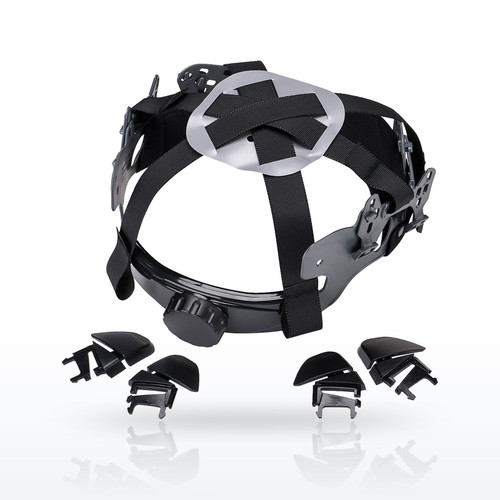
Full body harnesses whose manufacturers cite OSHA 1910.140
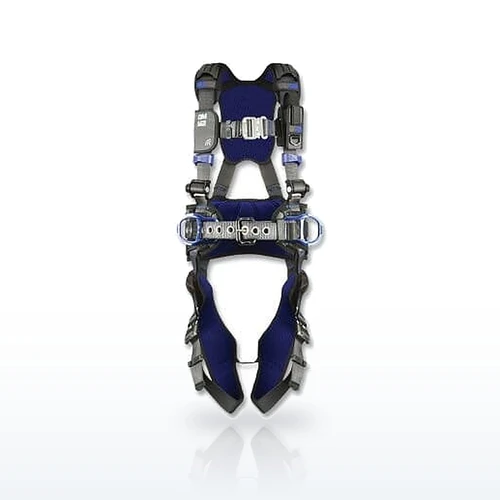
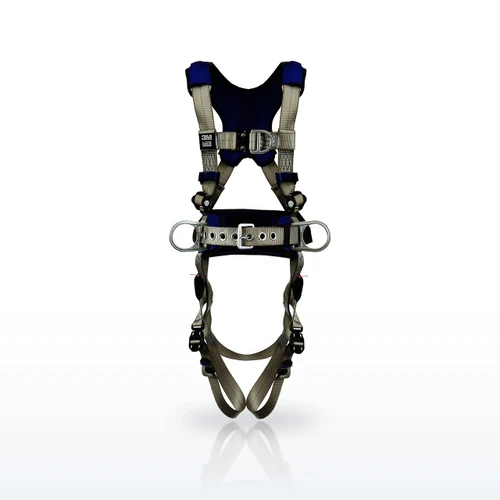
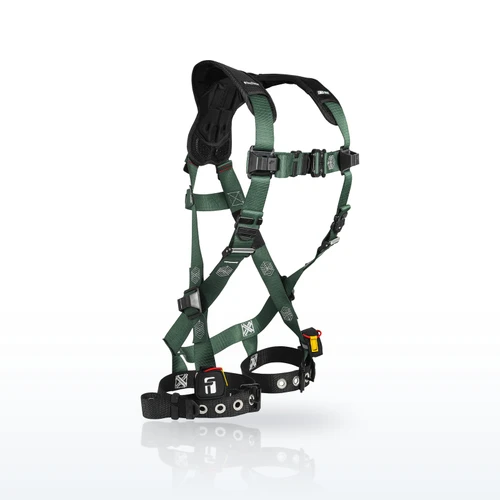
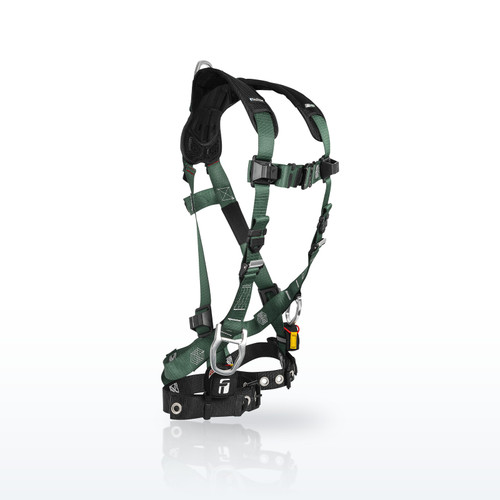
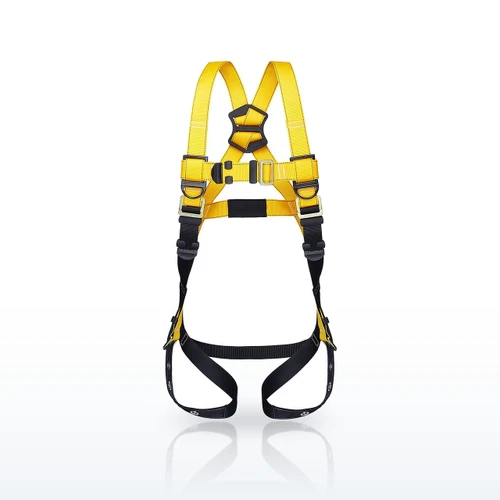
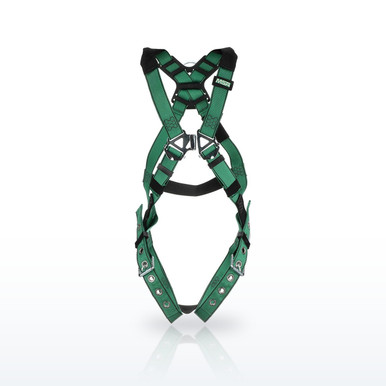
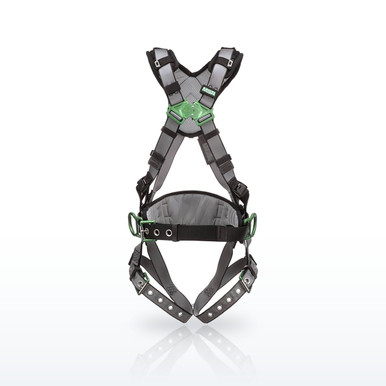
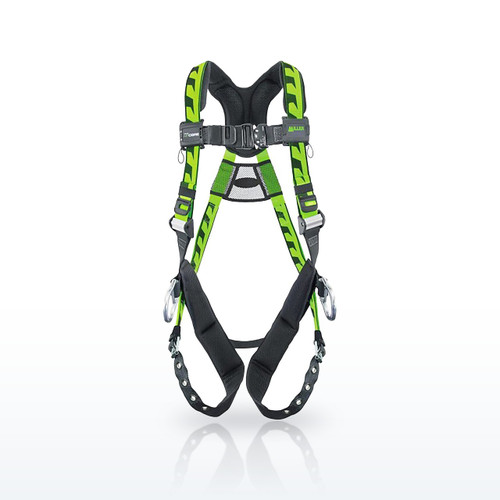
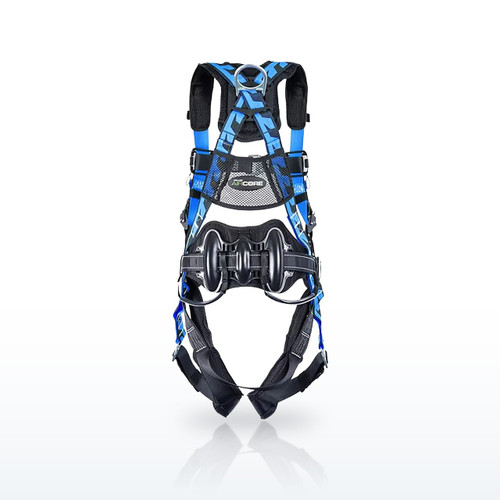
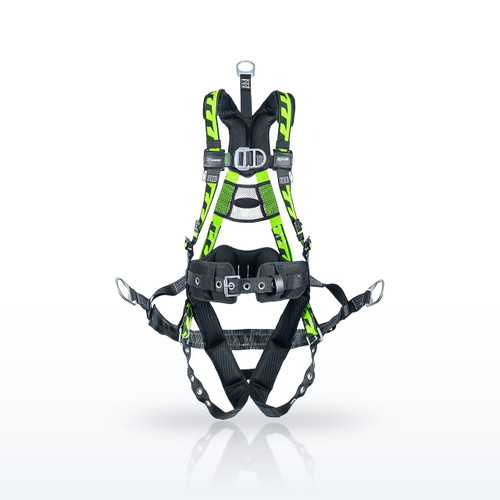
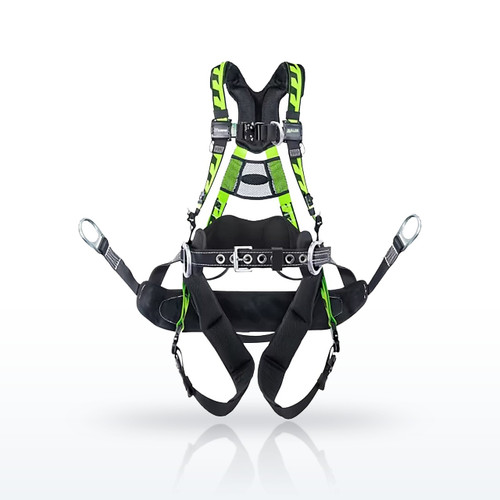
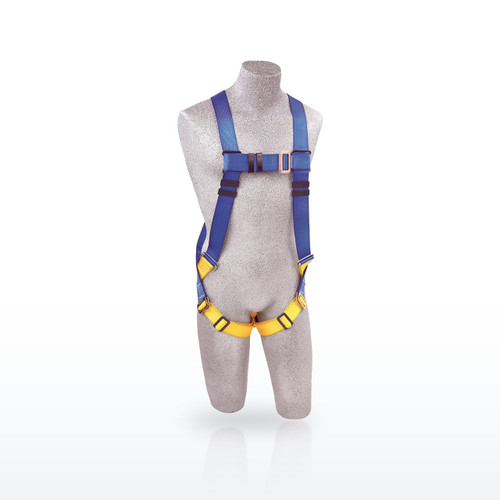
More: every harness by standard, D-rings and brand.
Source: the manufacturers' product pages and technical data sheets (Safewaze, FallTech, Miller, DBI-SALA) as reproduced on each product page; the standards shown are the manufacturers' own statements.
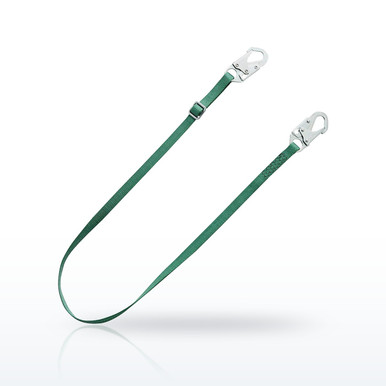
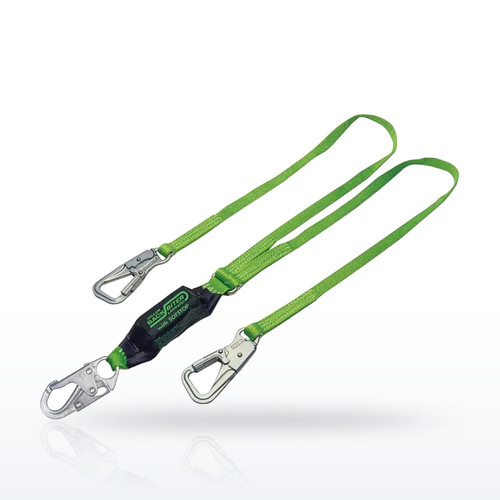
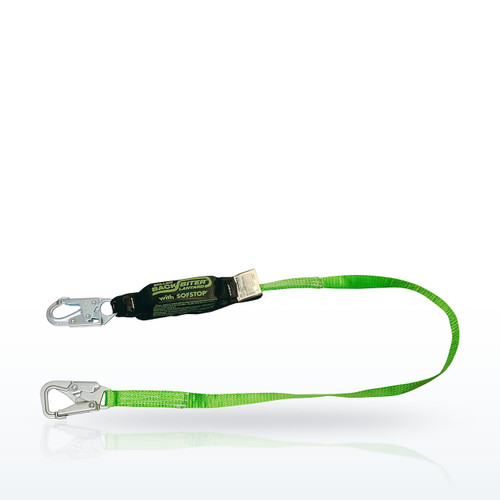
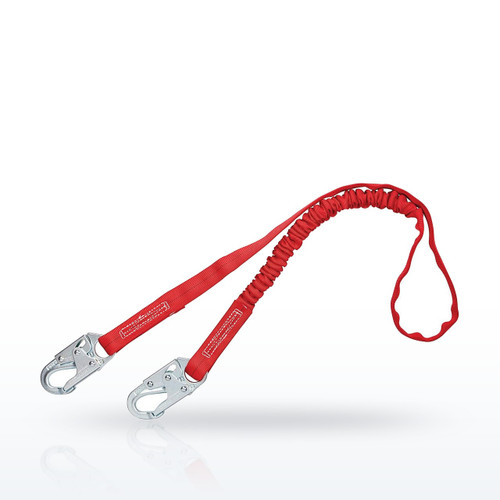
Shock-absorbing lanyards (1,800 lb arresting force limit)
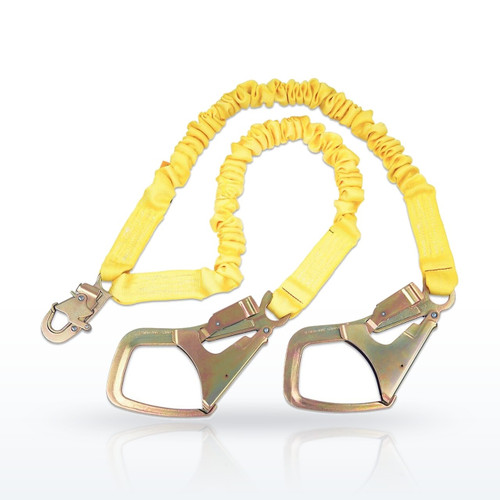
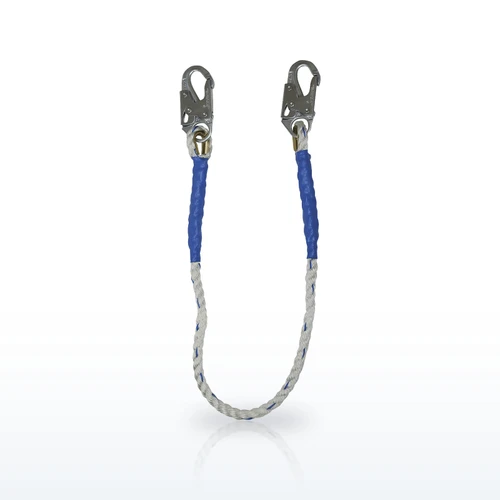
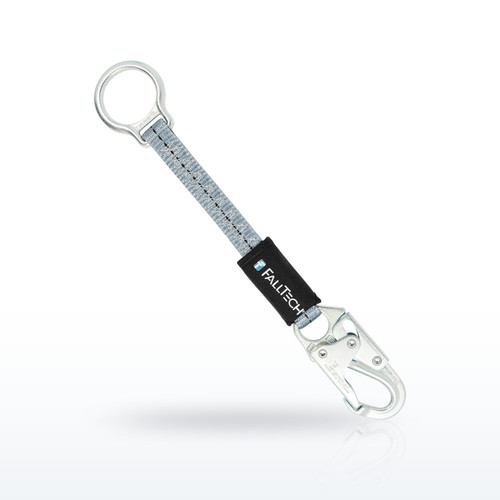
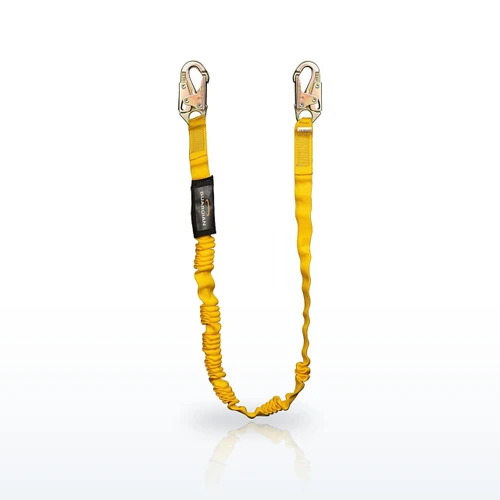
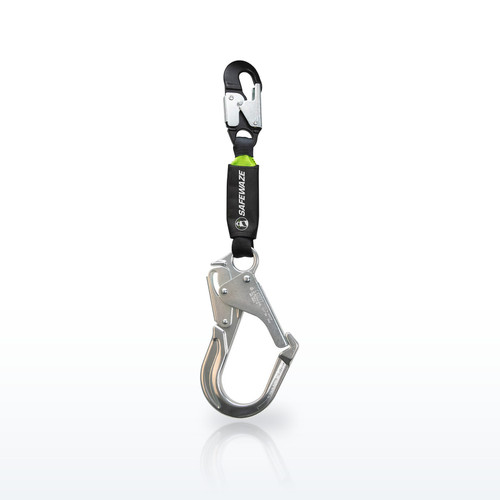
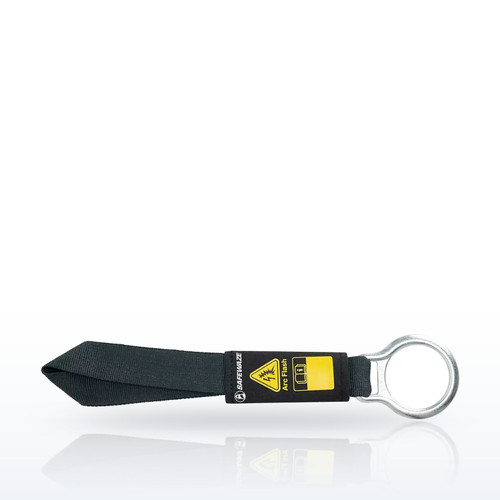
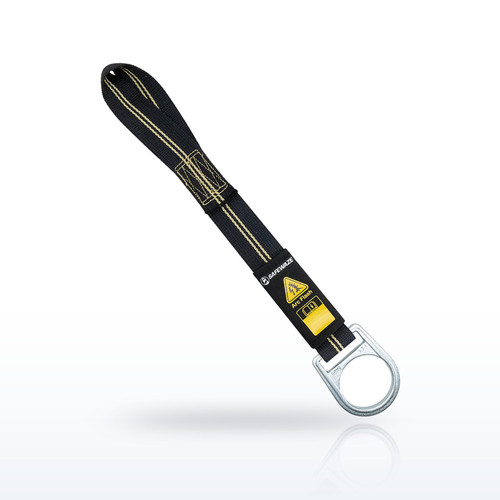
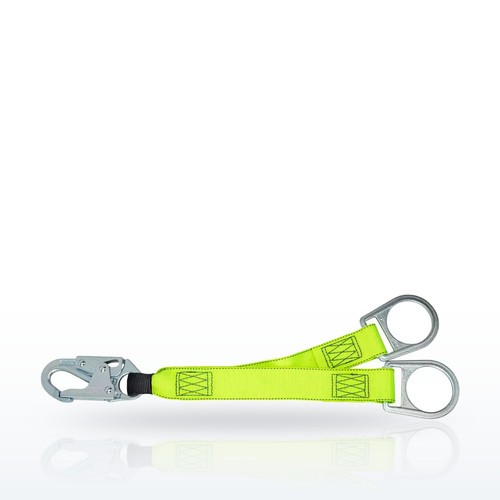
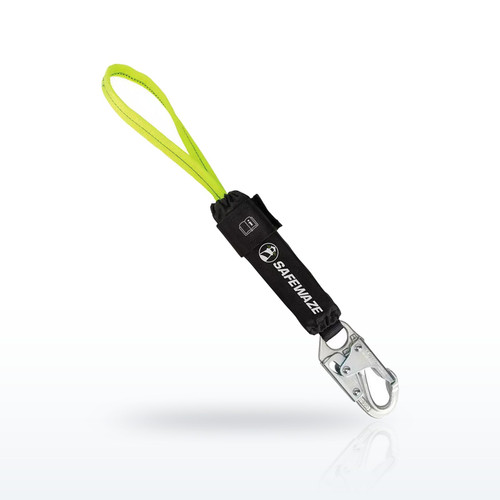
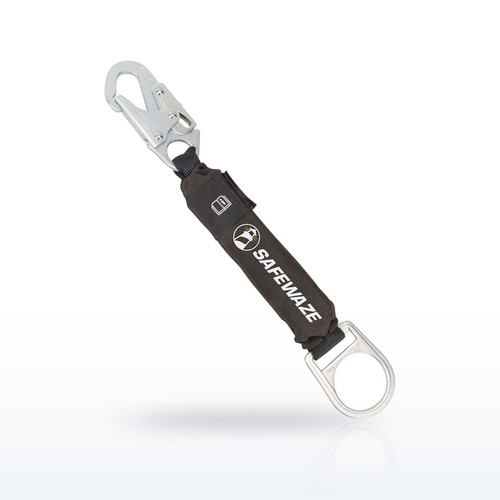
More: every lanyard by length, legs and standard.
Source: the manufacturers' product pages and technical data sheets (Safewaze, FallTech, Miller, DBI-SALA) as reproduced on each product page; the standards shown are the manufacturers' own statements.
Self-retracting lifelines
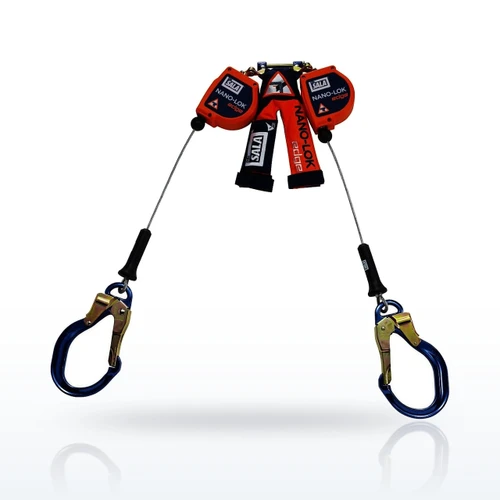
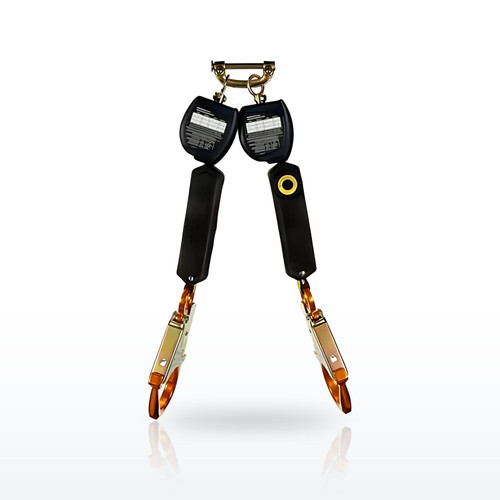

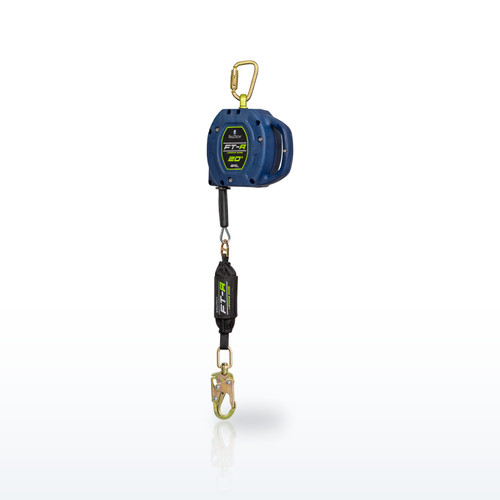
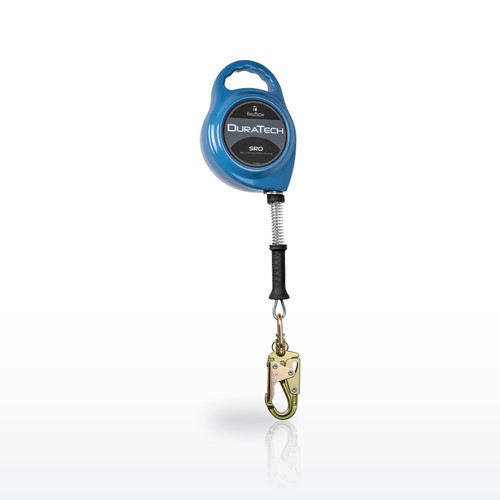
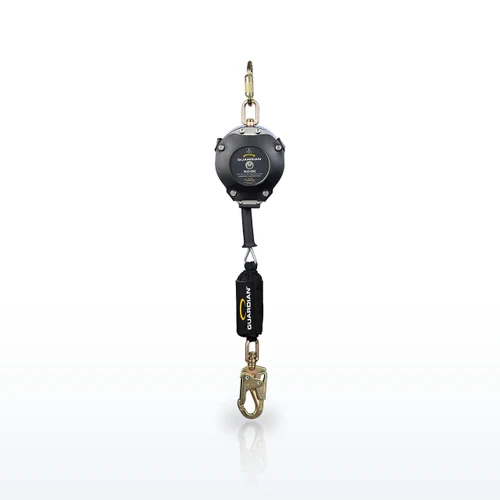
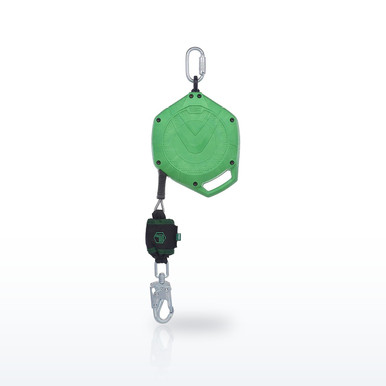
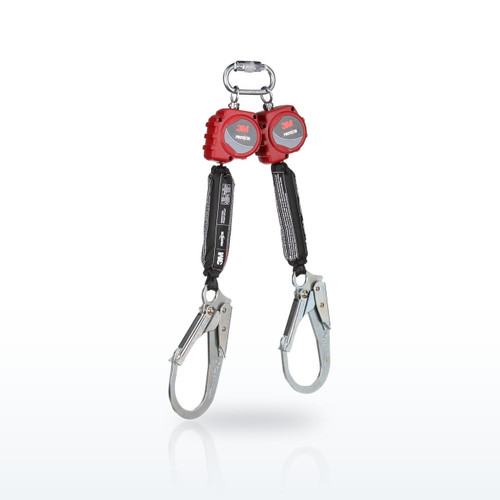
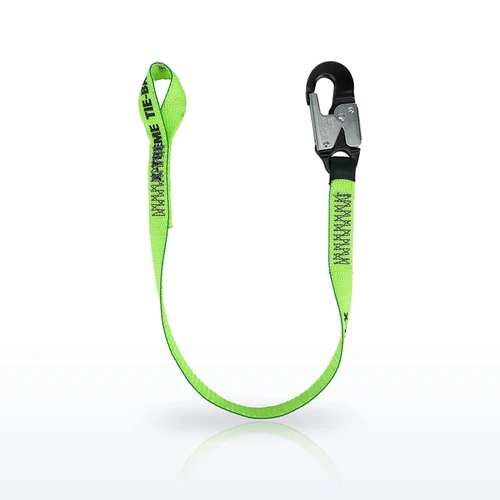
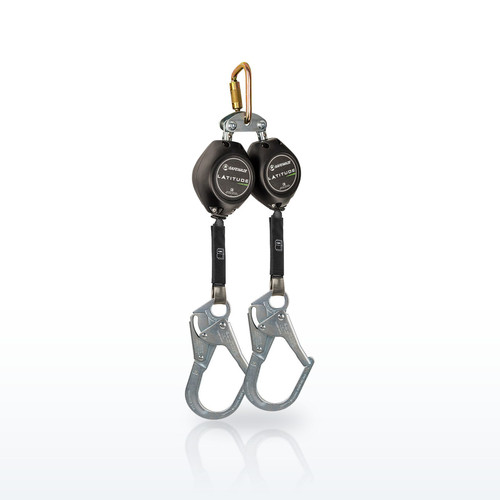
More: every SRL by class, length and brand.
Source: the manufacturers' product pages and technical data sheets (Safewaze, FallTech, Miller, DBI-SALA) as reproduced on each product page; the standards shown are the manufacturers' own statements.
Anchorage connectors rated 5,000 lb by their manufacturers
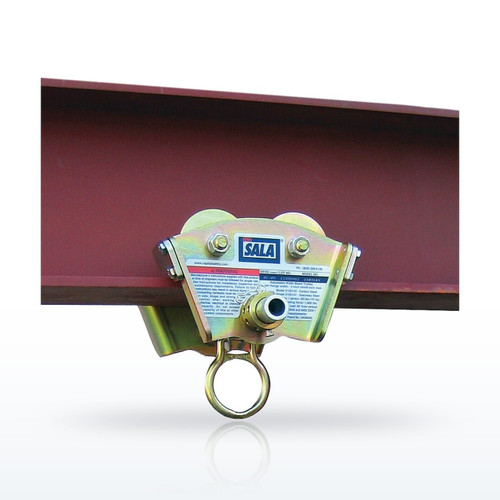
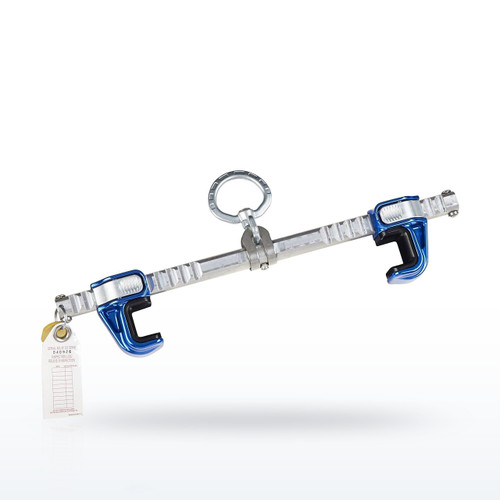
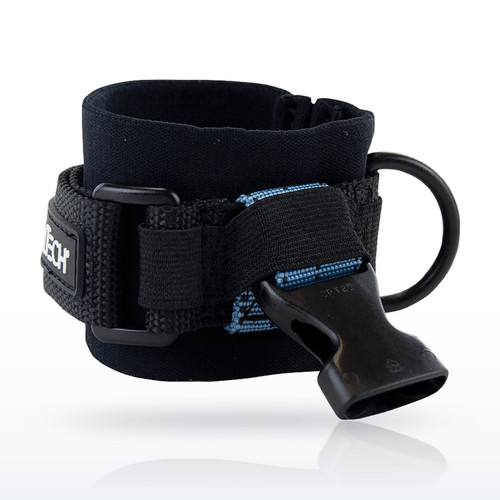
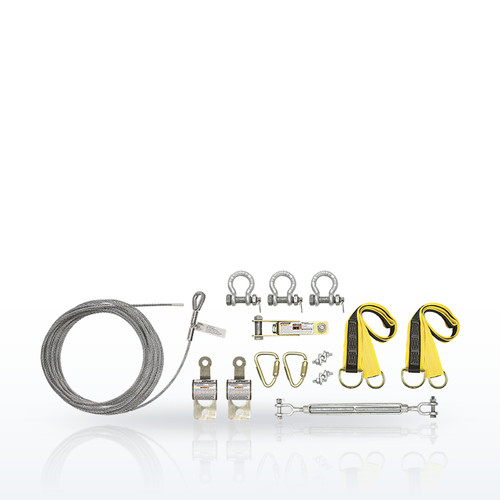
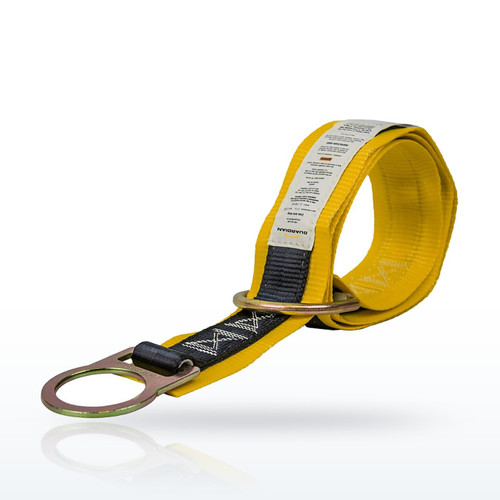
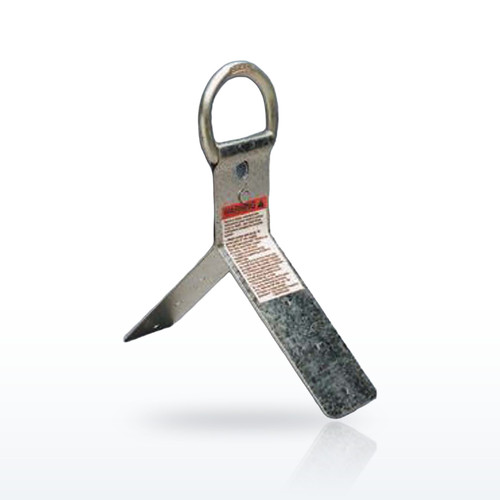
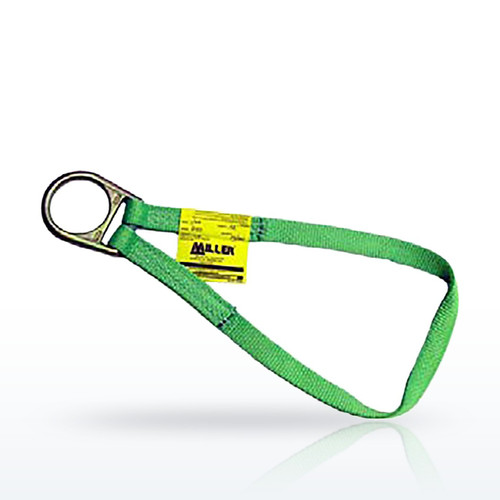
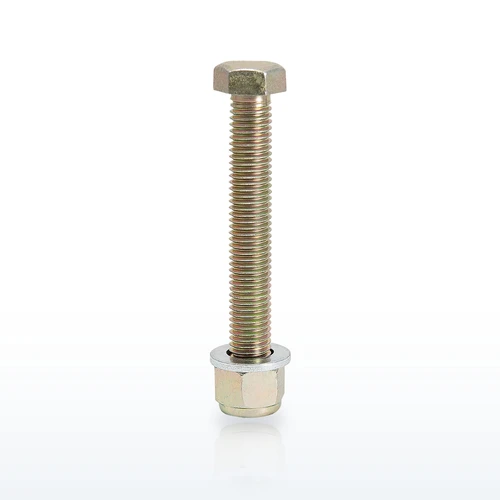
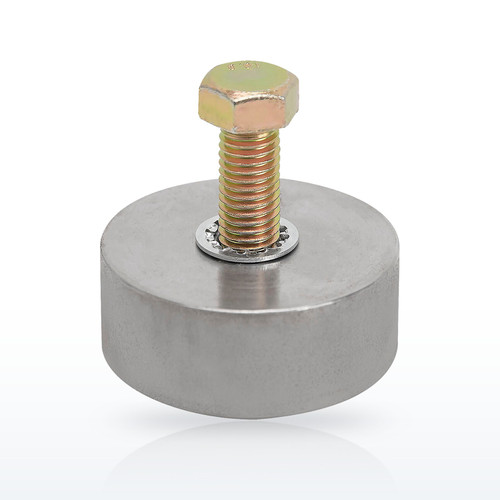
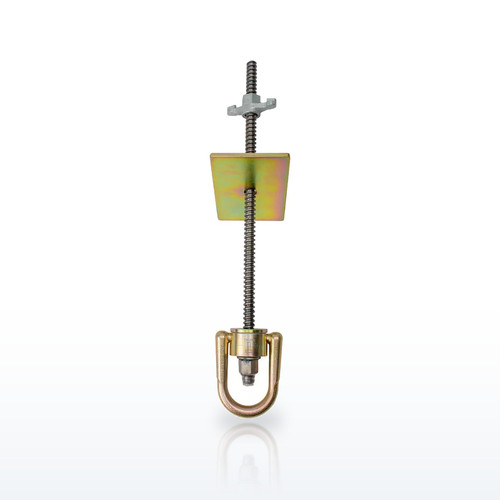


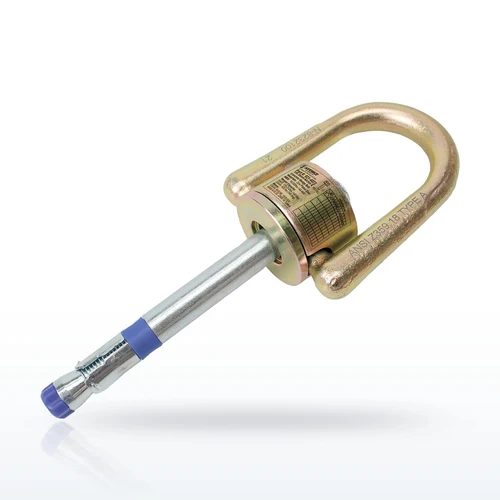
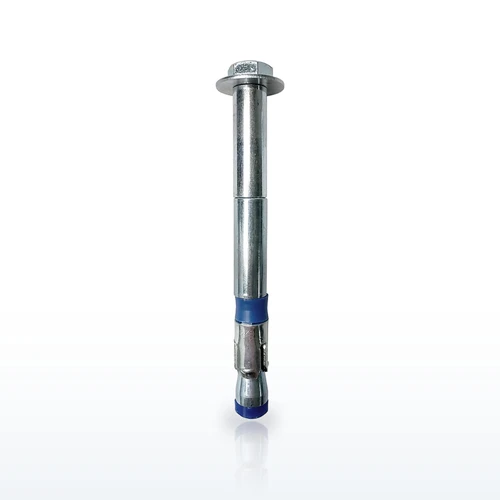
More: every anchor by structure: steel, concrete, roofing, strap.
Source: the manufacturers' product pages and technical data sheets (Safewaze, FallTech, Miller, DBI-SALA) as reproduced on each product page; the standards shown are the manufacturers' own statements.
Horizontal lifeline systems (qualified-person systems)
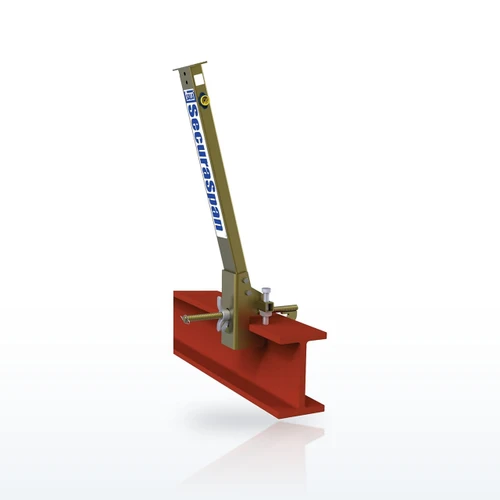
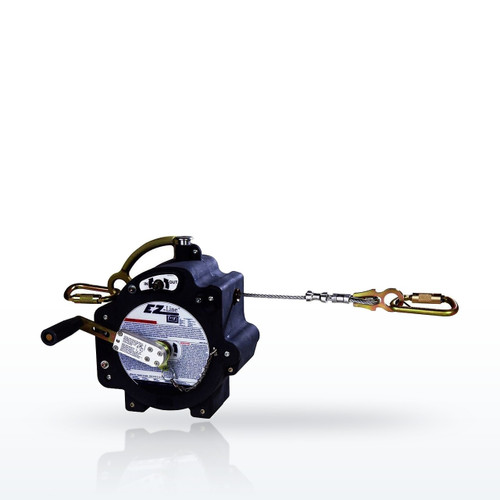
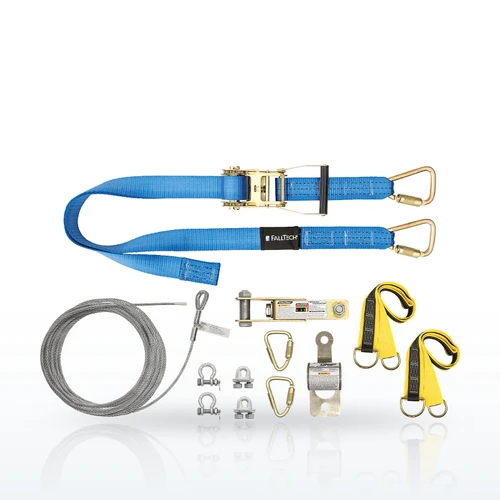
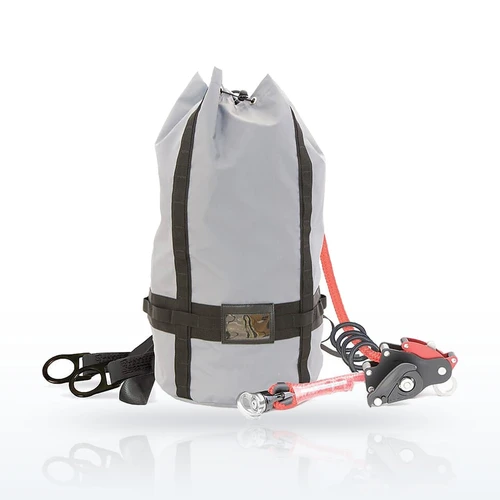

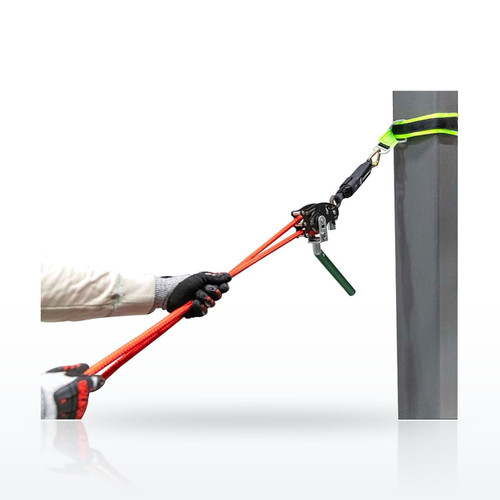
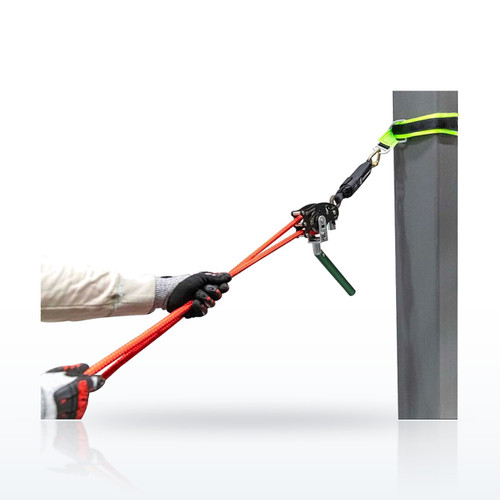
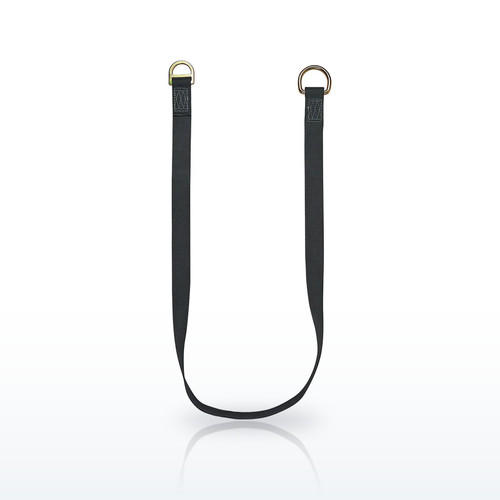
More: every horizontal lifeline kit and component.
Source: the manufacturers' product pages and technical data sheets (Safewaze, FallTech, Miller, DBI-SALA) as reproduced on each product page; the standards shown are the manufacturers' own statements.
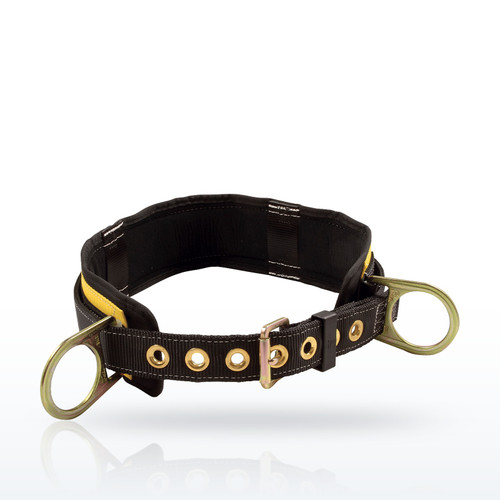
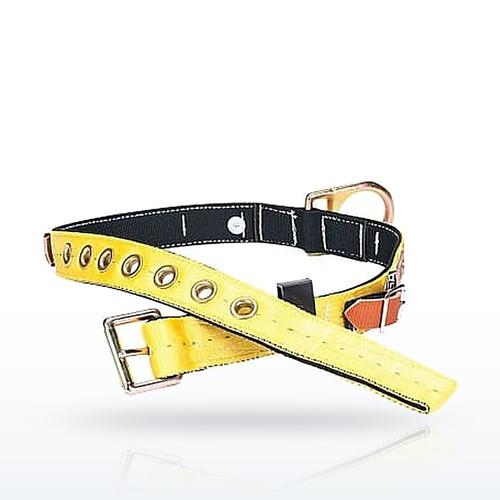
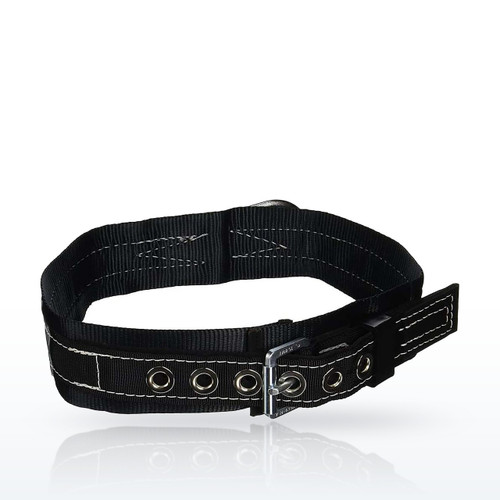
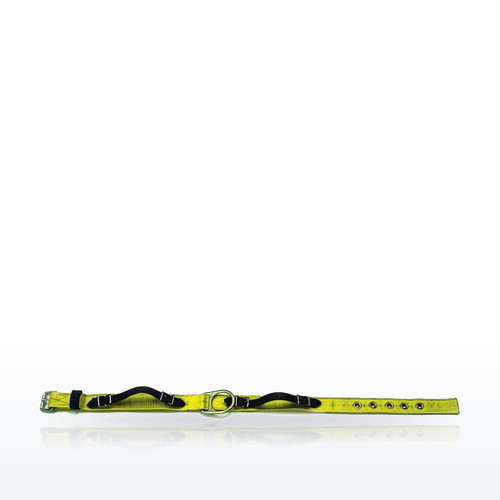
Positioning lanyards and body belts (positioning and restraint only)
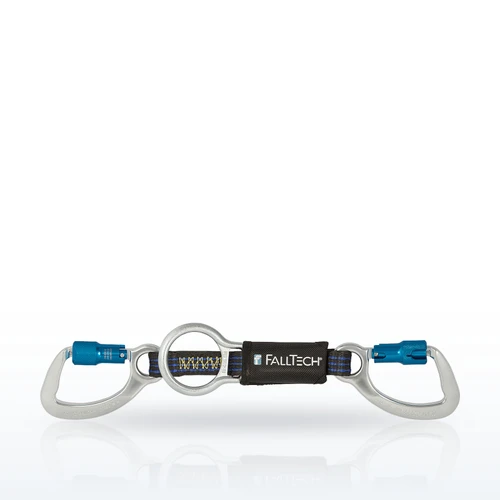
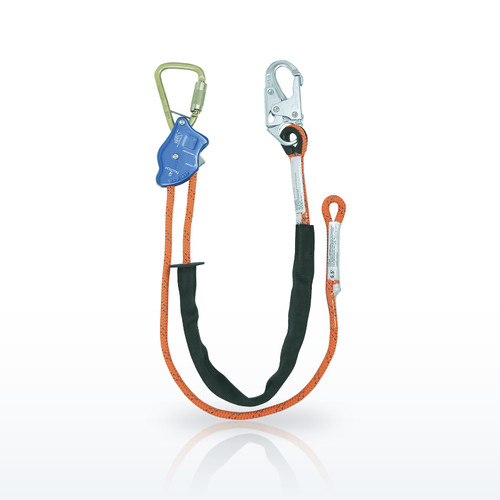
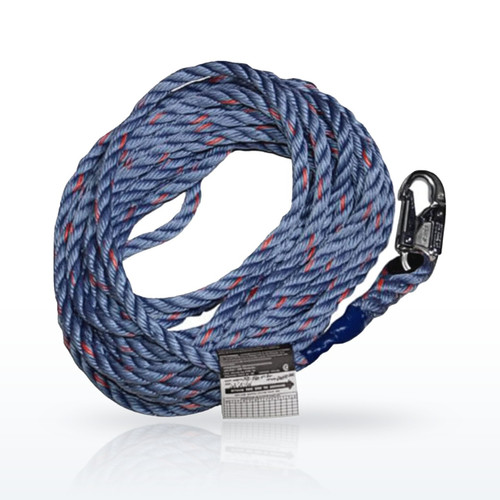
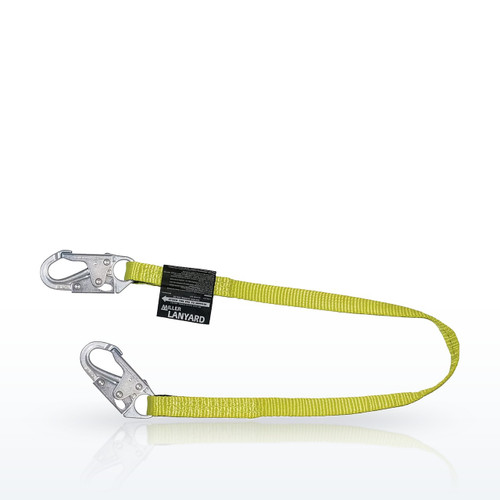
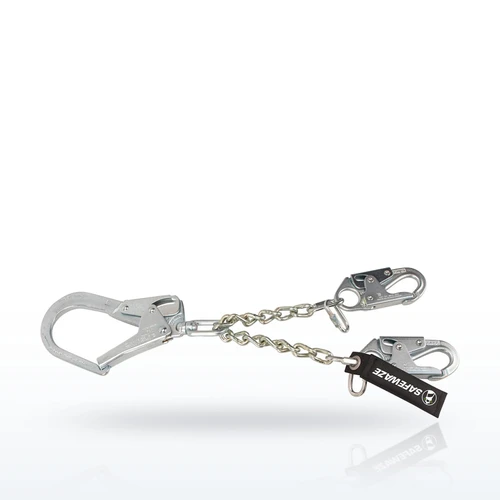
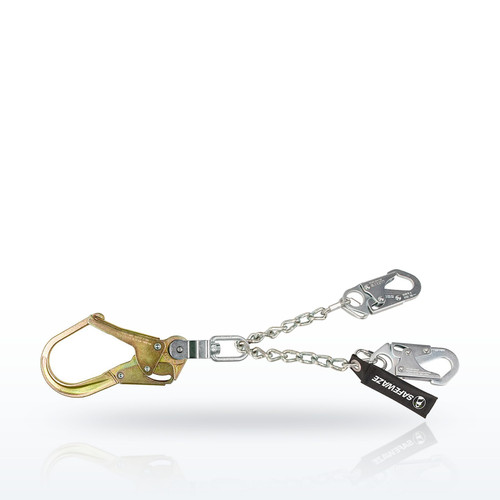
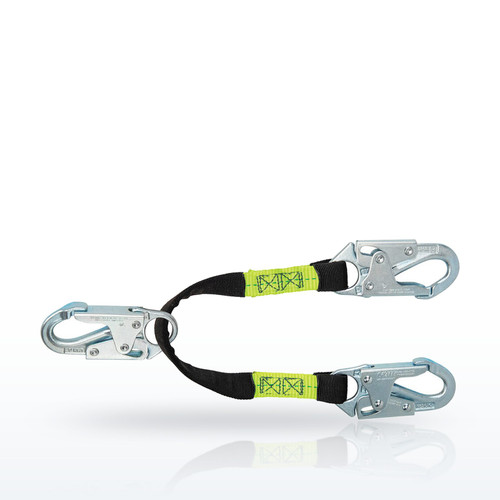
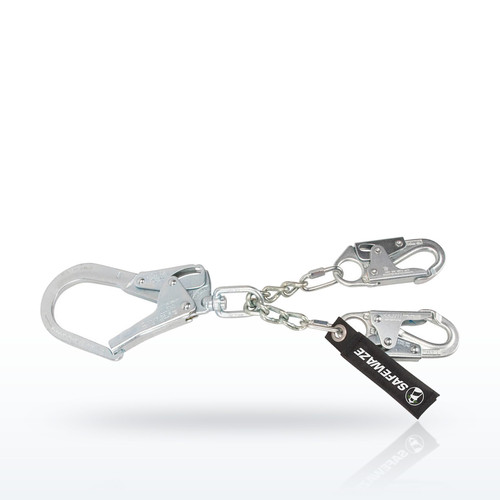

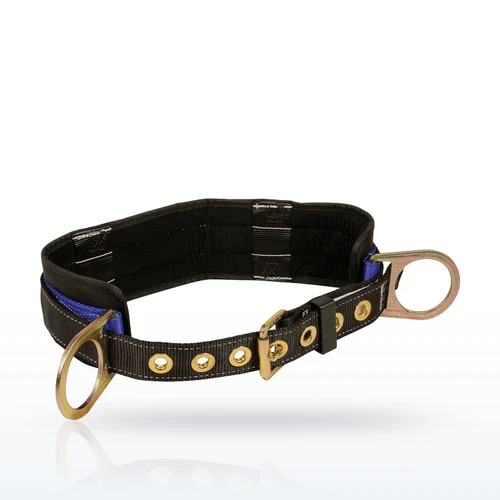
More: every positioning lanyard and body belt.
Source: the manufacturers' product pages and technical data sheets (Safewaze, FallTech, Miller, DBI-SALA) as reproduced on each product page; the standards shown are the manufacturers' own statements.
Guides that go further
OSHA safety harness requirements · What is a personal fall arrest system, and what are its parts · What is an anchor point, and what must it hold · How to calculate fall clearance · What is a carabiner and a snap hook, and what does the 3,600-pound gate rating mean · How often must a harness be inspected, and what to look for · Fall arrest vs fall restraint vs positioning · Is a safety harness PPE.
OSHA 1910.140 Personal Fall Protection Systems questions
What are the OSHA requirements for personal fall arrest systems? In general industry, 29 CFR 1910.140(c) and (d): 5,000 pound connectors, lanyards, lifelines and anchorages (or an engineered anchorage with a safety factor of two), 3,600 pound proof-tested locking snaphooks and carabiners, a full body harness attached at the back, arresting force limited to 1,800 pounds, deceleration distance 3.5 feet, free fall limited to 6 feet with no contact with a lower level, and inspection before each use. Construction has the same figures in 1926.502(d).
What is the longest free fall distance allowed? 6 feet under 1910.140(d)(2)(ii), and the employee may not contact a lower level. A longer free fall is permitted only where the employer can demonstrate the system still limits arresting force to 1,800 pounds, which is what Class 2 leading-edge SRLs and 12 foot free fall lanyards are tested for by their manufacturers.
What is the maximum permitted arresting force for a personal fall arrest system? 1,800 pounds (8 kN) when used with a body harness, under 1910.140(d)(1)(i) and 1926.502(d)(16)(ii). Shock-absorbing lanyards and SRLs are the components manufacturers rate to keep the force under that figure; the average arrest force on each product page is the manufacturer's test value.
How often does OSHA require harness inspection? Before initial use during each shift, under 1910.140(c)(18), with defective components removed from service, and any system that has arrested a fall removed until a competent person determines it is undamaged (c)(19). The annual competent-person inspection most manufacturers require comes from ANSI/ASSP Z359 and the manufacturer's instructions, not the OSHA paragraph.
Can a body belt be used for fall protection? Not for fall arrest: 1910.140(c)(21) prohibits body belts in a personal fall arrest system, as 1926.502(d)(17) has since January 1, 1998. A body belt may be used in a positioning system under (e) or a travel restraint system, where the employee cannot free fall more than 2 feet or reach the edge.
Is a harness required when operating a scissor lift? A scissor lift is treated as a scaffold with guardrails, so the guardrail system is the fall protection and 1910.140 does not require a harness on it; a boom-type aerial lift is different, since 1910.67(c)(2)(v) and 1926.453(b)(2)(v) require a body belt or harness attached to the boom or basket. Where a harness is used on a lift, 1910.140 governs the system.
The ratings, test results and standards shown here are the manufacturers' published values, reproduced as published. Nothing on this page is a recommendation by Bayshore Safety that any product is suitable for a particular task, hazard or workplace. Selecting safety products and protective equipment is the responsibility of the end user and the employer, based on their own hazard assessment and the regulations that apply to their work. Confirm every value on the manufacturer's own documentation before use.