
Fall Protection for Roofers
Fall Protection for Roofers: the OSHA and Cal/OSHA rule paragraphs condensed and linked, and the Safewaze and FallTech products whose own data names roofing work. We sell nationwide; ships in 1–2 business days; most orders arrive in 3–7 business days.
What the federal rule says
Each entry is condensed from the paragraph cited; the paragraph itself is the rule and the link opens it.
29 CFR 1926.501(b)(10): Low-slope roofs (slope 4 in 12 or less): each employee engaged in roofing activities with unprotected sides and edges 6 feet or more above lower levels must be protected by guardrail systems, safety net systems, personal fall arrest systems, or a combination of a warning line system and guardrail system, warning line system and safety net system, warning line system and personal fall arrest system, or warning line system and safety monitoring system; on roofs 50 feet or less in width, a safety monitoring system alone is permitted.
29 CFR 1926.501(b)(11): Steep roofs (slope greater than 4 in 12): each employee on a steep roof with unprotected sides and edges 6 feet or more above lower levels must be protected by guardrail systems with toeboards, safety net systems, or personal fall arrest systems.
29 CFR 1926.501(b)(13): Residential construction: each employee engaged in residential construction activities 6 feet or more above lower levels must be protected by guardrail systems, safety net systems or personal fall arrest systems unless the employer can demonstrate that those systems are infeasible or create a greater hazard, in which case a fall protection plan under 1926.502(k) is required.
29 CFR 1926.501(b)(4): Holes: each employee on walking/working surfaces must be protected from falling through holes, including skylights, more than 6 feet above lower levels by personal fall arrest systems, covers or guardrail systems erected around the holes.
29 CFR 1926.502(d)(15): Anchorages used for attachment of personal fall arrest equipment must be independent of any anchorage used to support or suspend platforms and capable of supporting at least 5,000 pounds per employee attached, or be designed, installed and used under the supervision of a qualified person as part of a complete system that maintains a safety factor of at least two.
29 CFR 1926.502(d)(16): A personal fall arrest system must limit the maximum arresting force on an employee to 1,800 pounds when used with a body harness, be rigged so the employee can neither free fall more than 6 feet nor contact any lower level, bring the employee to a complete stop and limit the deceleration distance to 3.5 feet, and have sufficient strength to withstand twice the potential impact energy of a 6-foot free fall.
Source: 29 CFR, Occupational Safety and Health Standards, as published by OSHA (ecfr.gov), read Nov 6 2026.
California (Cal/OSHA)
Each entry is condensed from the paragraph cited; the paragraph itself is the rule and the link opens it.
Title 8 §1730(b): Roofing operations, single-unit (monolithic) roof coverings with slopes 0:12 to 4:12: employees shall be protected from falls from roofs more than 20 feet high by one or a combination of the methods in the section, including warning lines installed 34 to 45 inches above the roof surface with a minimum tensile strength of 500 pounds; when felt-laying machines or other equipment pulled by an operator walking backwards are used, the provision applies regardless of height.
Title 8 §1731(c): Residential-type roofing activities: on roof slopes 0:12 up to and including 7:12, employees shall be protected from falling where the fall distance is 6 feet or more by personal fall protection systems, scaffolding, safety nets, guardrails, or a fall protection plan with safety monitors and controlled access zones where the employer demonstrates conventional methods are infeasible; on slopes steeper than 7:12 the protection applies regardless of height.
Title 8 §1670(a): Approved personal fall arrest, personal fall restraint or positioning systems shall be worn by employees whose work exposes them to falling in excess of 7 1/2 feet from the perimeter of a structure, unprotected sides and edges, leading edges, through shaftways and openings, sloped roof surfaces steeper than 7:12, or other sloped surfaces steeper than 40 degrees not otherwise adequately protected. Body belts shall not be used as part of a personal fall arrest system (effective January 1, 1998).
Source: California Code of Regulations, Title 8, as published by Cal/OSHA (dir.ca.gov), read Nov 6 2026.
Safewaze and FallTech products whose own description names roofing work
Each section lists the styles whose manufacturer title, page, category or document names the structure or the use; the ratings are the manufacturer's. Sizes and lengths are chosen on the style page. The series pages carry every part number, the standards written out and the documents. Safewaze first, then FallTech; the line above each FallTech table says which FallTech page or document put it here.
Safewaze roof anchors
Safewaze names the roof type in each anchor's title: wood (reusable, knock-down, peak, ridge, truss, permanent and FrogLink anchors), standing seam metal (FS-EX311 and the FS874 SRL standing seam anchor), tile (TileLink), membrane (022-4090), and post and plate anchors for decks. The concrete anchors are on their own series page.
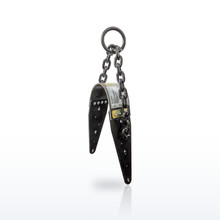

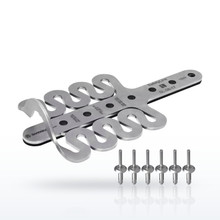


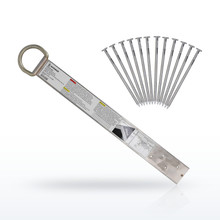


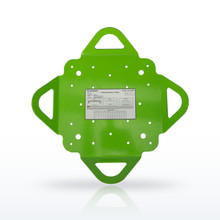

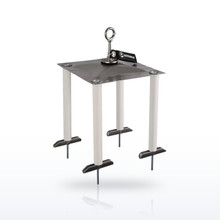
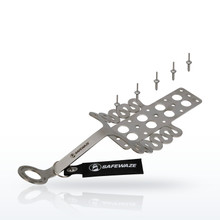
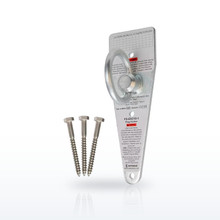

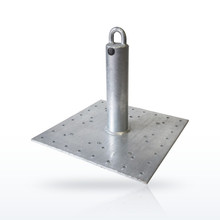
Every part number in the series, with sizes and lengths: Safewaze Roofing Anchors · Safewaze Concrete Anchors.
Source: Safewaze product pages and technical data sheets (safewaze.com, fetched Nov 6 2026); the 2025 Safewaze file; the products listed are the Safewaze styles whose own description names the use or the structure, not a selection by Bayshore Safety.
Safewaze roofer kits
Kits Safewaze titles as roof kits: a harness, a vertical lifeline with rope grab, a reusable roof anchor and a bag or bucket, as the kit page lists.


Every part number in the series, with sizes and lengths: Safewaze PRO Kits · Safewaze V-Line Kits.
Source: Safewaze product pages and technical data sheets (safewaze.com, fetched Nov 6 2026); the 2025 Safewaze file; the products listed are the Safewaze styles whose own description names the use or the structure, not a selection by Bayshore Safety.
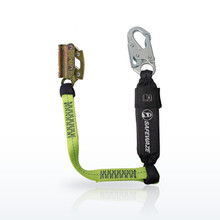
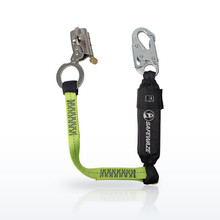
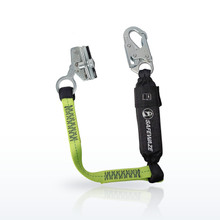
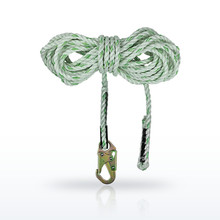
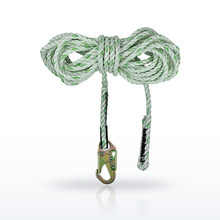
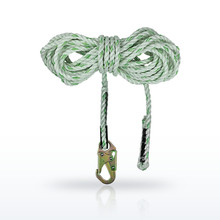
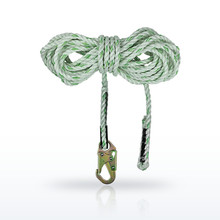
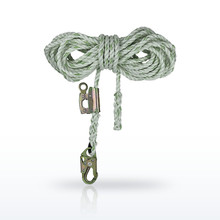
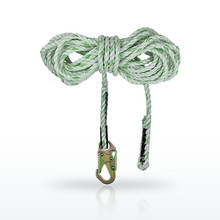
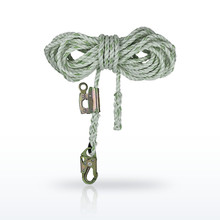
Safewaze vertical lifelines and rope grabs
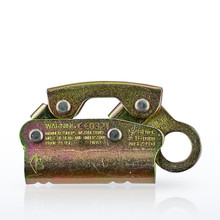

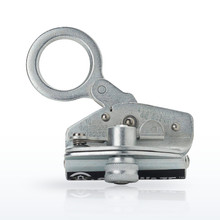
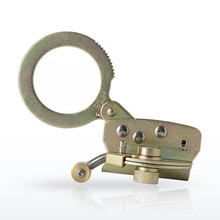
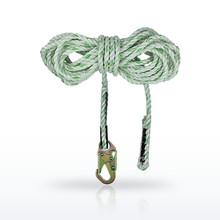

Source: Safewaze product pages and technical data sheets (safewaze.com, fetched Nov 6 2026); the 2025 Safewaze file; the products listed are the Safewaze styles whose own description names the use or the structure, not a selection by Bayshore Safety.
Safewaze construction harnesses
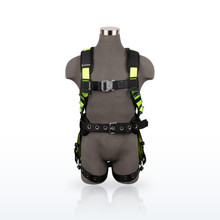
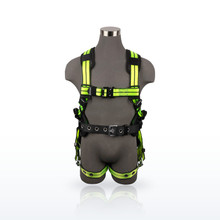
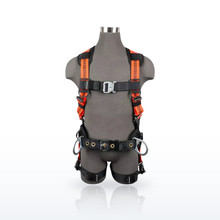
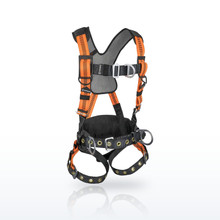


Every part number in the series, with sizes and lengths: Safewaze PRO Harnesses · Safewaze V-Line Harnesses · Safewaze PRO+ Harnesses · Safewaze PRO+ Slate Harnesses.
Source: Safewaze product pages and technical data sheets (safewaze.com, fetched Nov 6 2026); the 2025 Safewaze file; the products listed are the Safewaze styles whose own description names the use or the structure, not a selection by Bayshore Safety.
Safewaze self-retracting lifelines rated for a leading edge
Class 2 devices under ANSI/ASSP Z359.14-2021, rated by Safewaze for anchorage at foot level and over an edge; the series page carries the clearance table.


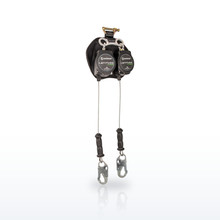
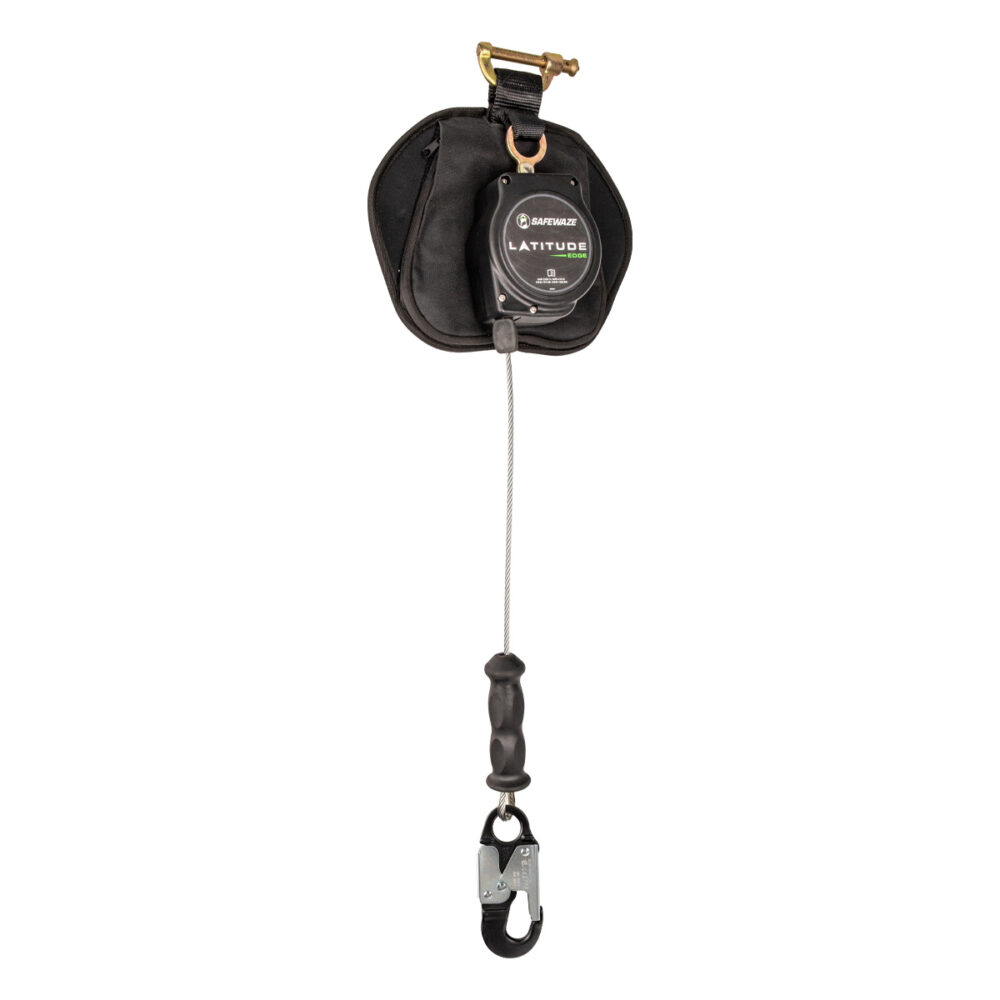
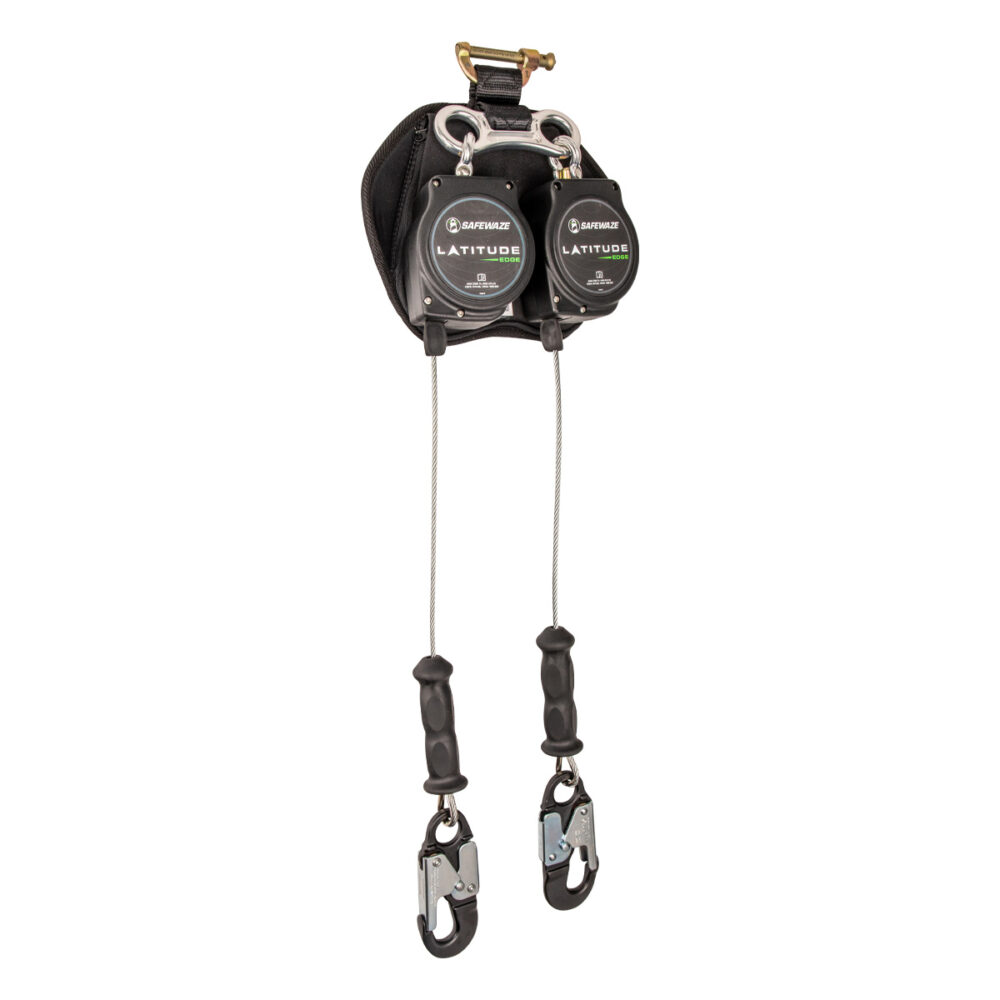

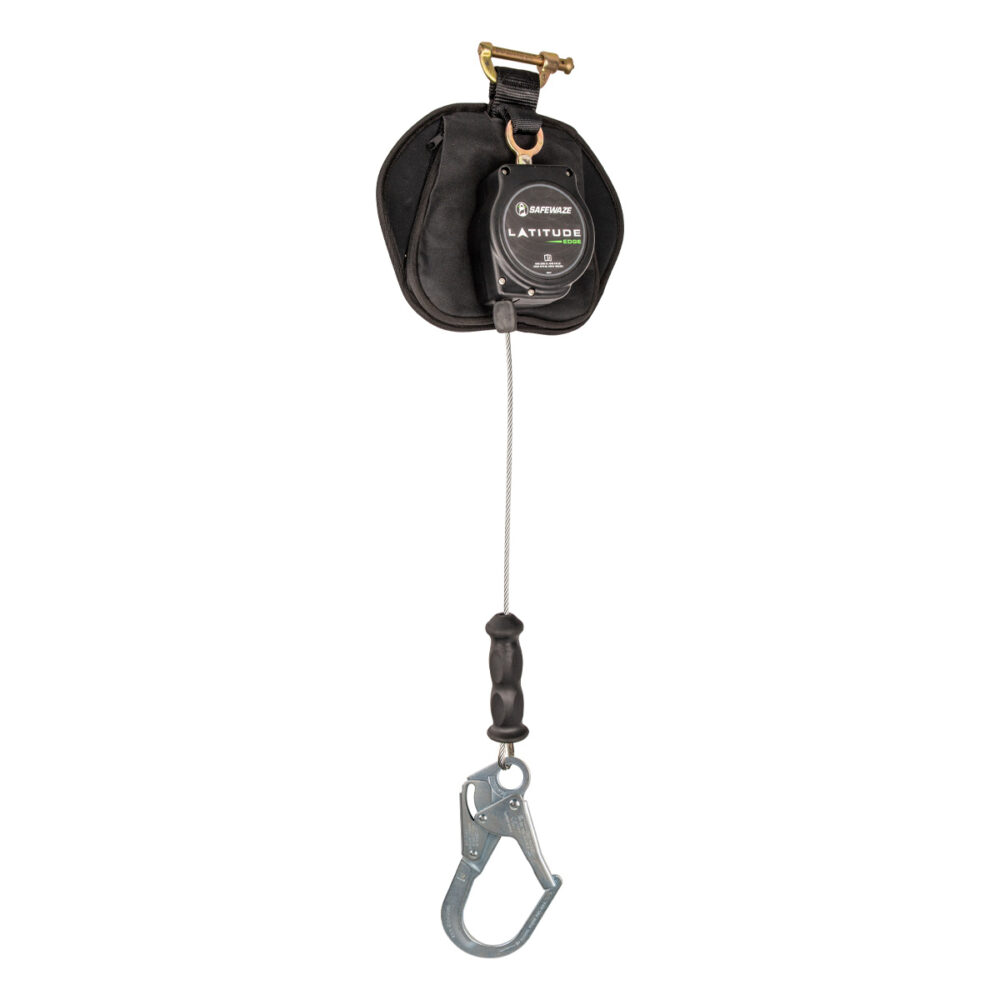
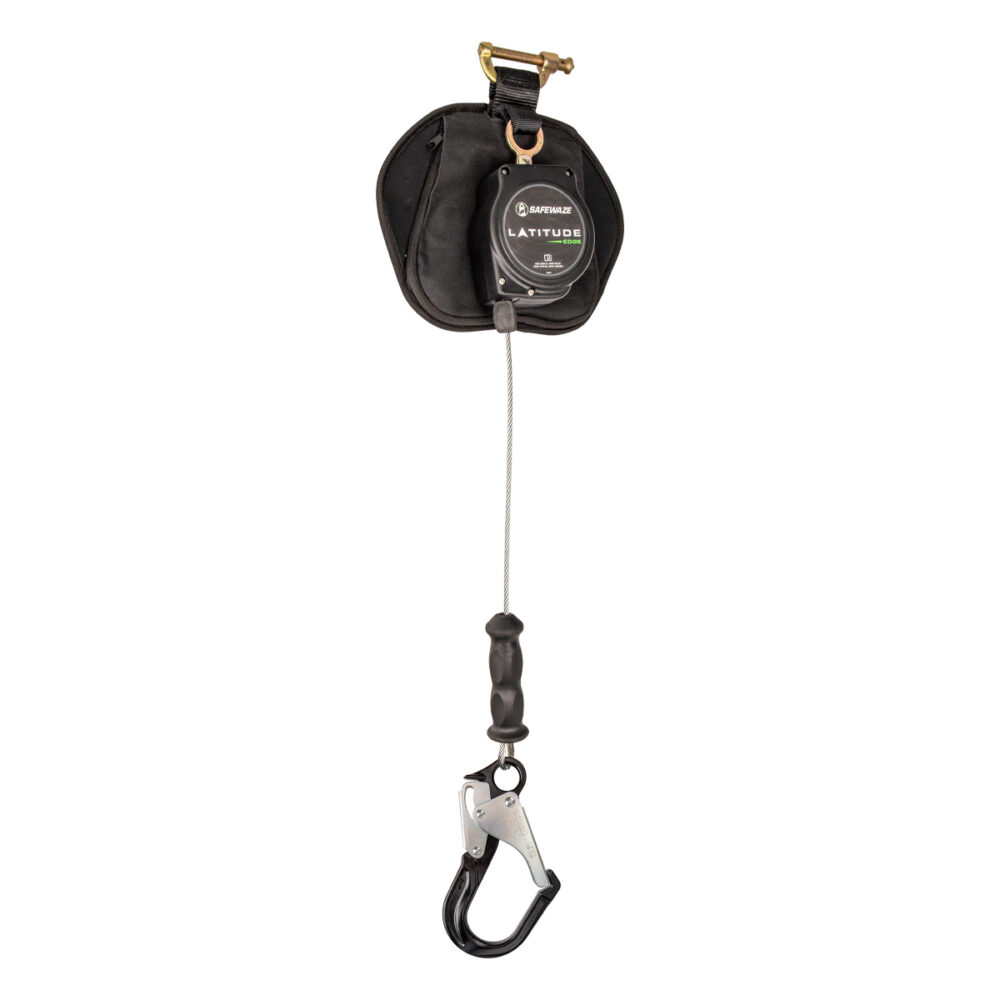

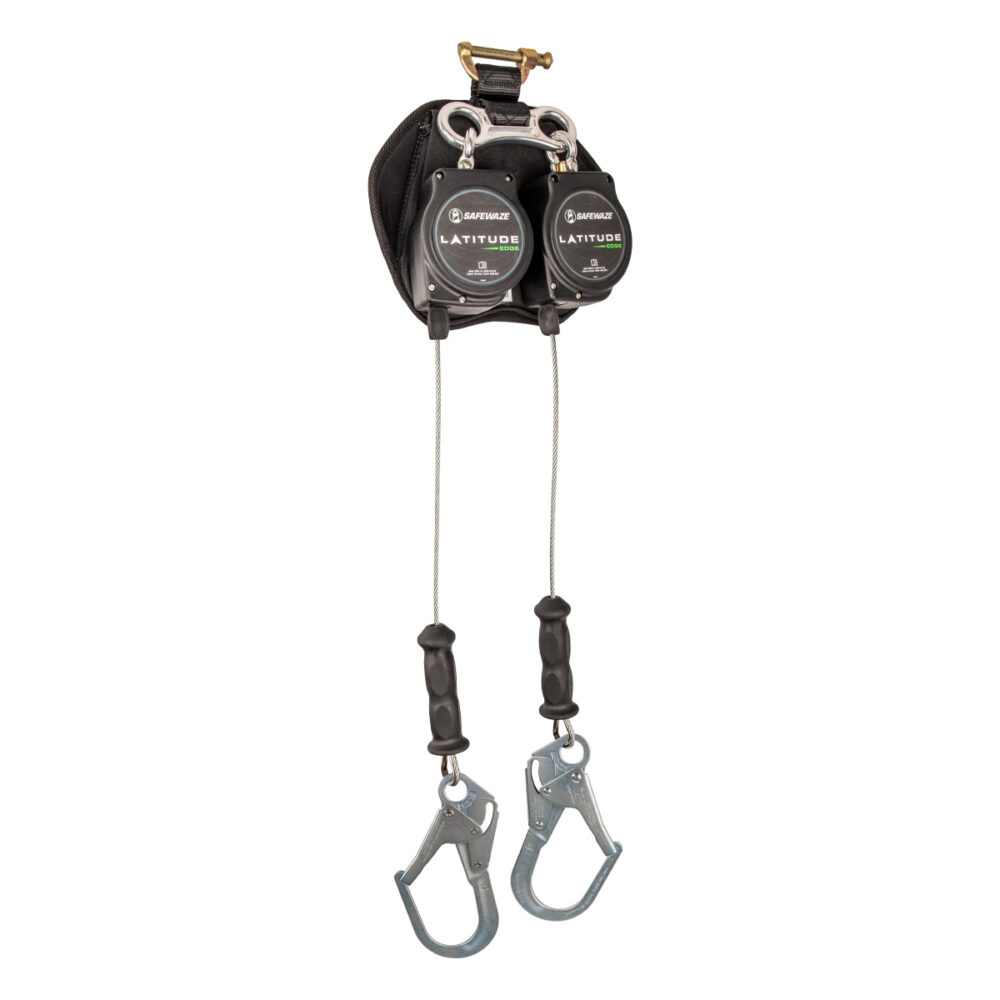
Every part number in the series, with sizes and lengths: Safewaze Latitude Edge SRLs · Safewaze Latitude SRLs.
Source: Safewaze product pages and technical data sheets (safewaze.com, fetched Nov 6 2026); the 2025 Safewaze file; the products listed are the Safewaze styles whose own description names the use or the structure, not a selection by Bayshore Safety.
FallTech roof anchors
Why these are here: FallTech Roofing anchorages category (falltech.com/fall-protection-products/anchorages/roofing/), each anchor's own description naming the roof or deck structure.
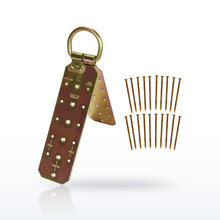
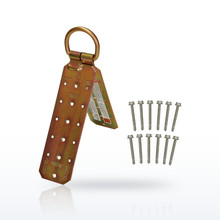
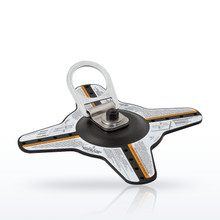
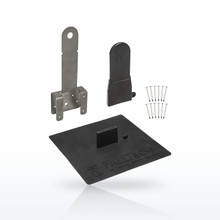
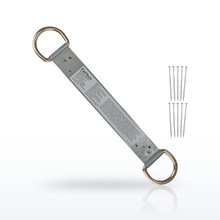
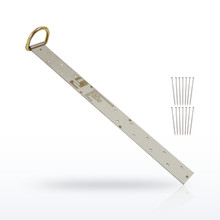
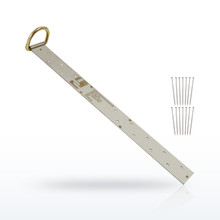
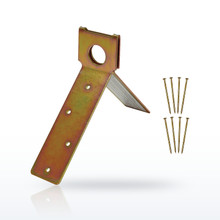
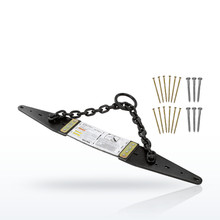
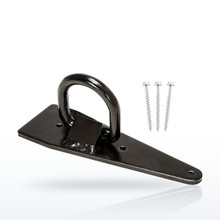
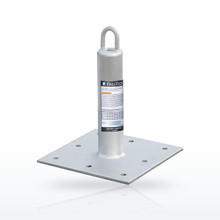
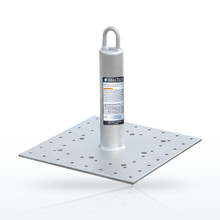
Every part number in the series: FallTech Roofing Anchorage.
Source: FallTech product pages (falltech.com, fetched Nov 8 2026), FallTech category and industry pages, instruction manuals and brochures as cited above each table; the products listed are the FallTech styles that FallTech's own pages or documents place in this work, not a selection by Bayshore Safety.
FallTech roofer's kits
Why these are here: FallTech Roofer's Kits and Mini Kits category (falltech.com/fall-protection-products/kits/roofers-kits-and-mini-kits/).
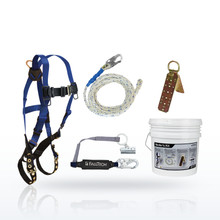
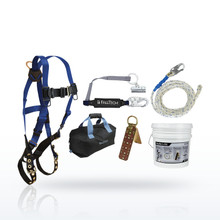
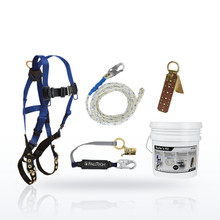
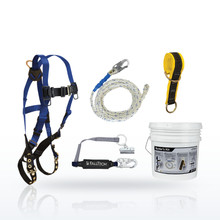
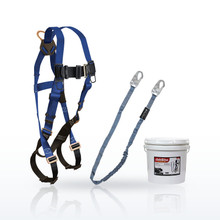
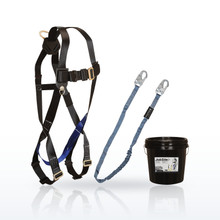
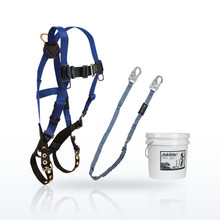
Every part number in the series: FallTech Roofer's Kits.
Source: FallTech product pages (falltech.com, fetched Nov 8 2026), FallTech category and industry pages, instruction manuals and brochures as cited above each table; the products listed are the FallTech styles that FallTech's own pages or documents place in this work, not a selection by Bayshore Safety.
FallTech products filed under its Roofing industry
Why these are here: products FallTech files under its Roofing industry (falltech.com/industries/roofing/).
| Part number | Item | Version | Price | ||
|---|---|---|---|---|---|
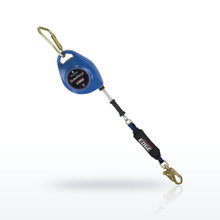 | 7227CLE | FallTech 7227CLE SRLs, 20-60 ft DuraTech Leading Edge Class 2 | 4 versions: 20 ft, 30 ft, 50 ft, 60 ft | $747.20 | Choose on the page |
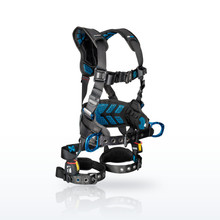 | 8127B | FallTech 8127B Harnesses, FT-One 3D Construction Belted, Tongue Buckle Legs | 7 versions: XS, S, M, L, XL, 2XL, 3XL | $550.35 | Choose on the page |
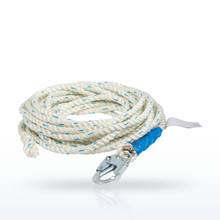 | 8150 | FallTech 8150 Vertical Lifelines, 25-300 ft Premium Polyester Blend | 8 versions: 25 ft, 50 ft, 75 ft, 100 ft, 150 ft, 200 ft, 250 ft, 300 ft | $68.40 | Choose on the page |
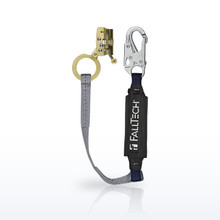 | 8388 | FallTech 8388 Rope Grabs, Hinged Trailing Fall Arrester | $154.00 |
Every part number in the series: FallTech DuraTech · FallTech FT-One · FallTech Vertical Lifelines.
Source: FallTech product pages (falltech.com, fetched Nov 8 2026), FallTech category and industry pages, instruction manuals and brochures as cited above each table; the products listed are the FallTech styles that FallTech's own pages or documents place in this work, not a selection by Bayshore Safety.
FallTech FT-One harnesses
Why these are here: FT-One harnesses, featured on the FallTech Roofing industry page (falltech.com/industries/roofing).
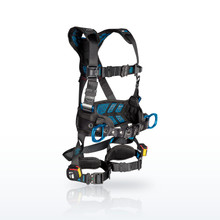
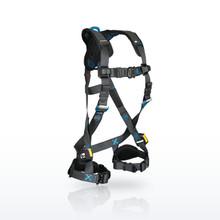
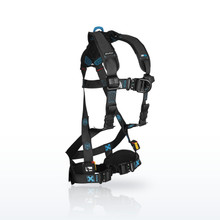
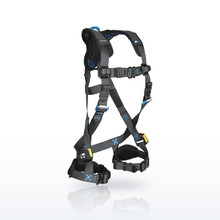
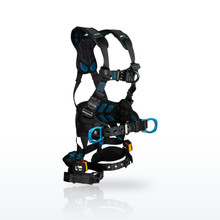
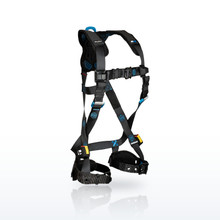
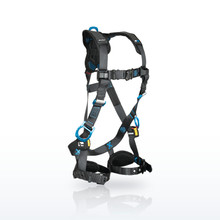
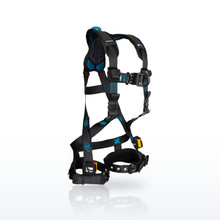
Every part number in the series: FallTech FT-One.
Source: FallTech product pages (falltech.com, fetched Nov 8 2026), FallTech category and industry pages, instruction manuals and brochures as cited above each table; the products listed are the FallTech styles that FallTech's own pages or documents place in this work, not a selection by Bayshore Safety.
FallTech FT-R leading edge SRLs
Why these are here: FT-R Class 2 leading edge SRLs, featured on the FallTech industry page cited.
| Part number | Item | Version | Price | ||
|---|---|---|---|---|---|
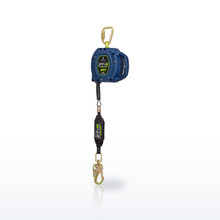 | 721520LEC | FallTech 721520LEC Self-Retracting Lifelines, 20-60 ft FT-R Class 2 Leading Edge | 6 versions: 20', 20' w/ 8447 Lrg Carabiner, 30', 30' w/ 8447 Lrg Carabiner, 60', 60' w/ 8447 | $621.00 | Choose on the page |
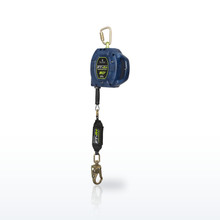 | 721730LER | FallTech 721730LER Self-Retracting Lifelines, 30 ft FT-R+ Class 2 Leading Edge | $805.05 |
Every part number in the series: FallTech FT-R.
Source: FallTech product pages (falltech.com, fetched Nov 8 2026), FallTech category and industry pages, instruction manuals and brochures as cited above each table; the products listed are the FallTech styles that FallTech's own pages or documents place in this work, not a selection by Bayshore Safety.
FallTech tool tethers
Why these are here: tool tethers (dropped object prevention), featured on the FallTech industry page cited.
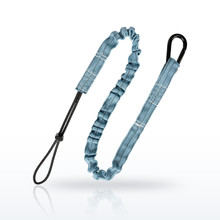
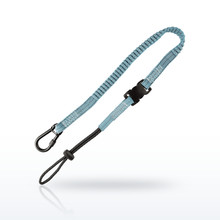
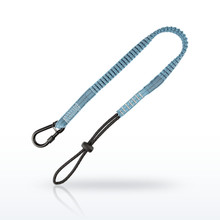
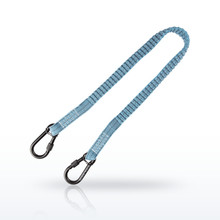
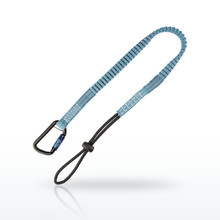
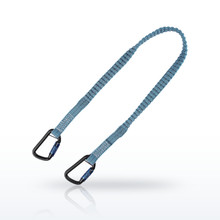
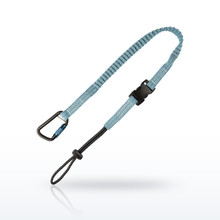
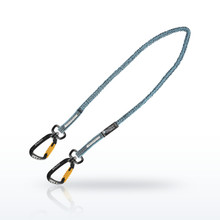
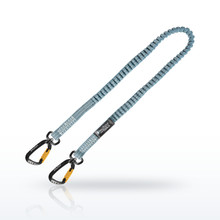
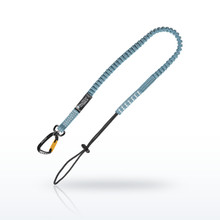
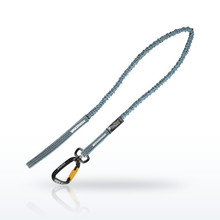
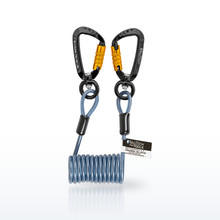
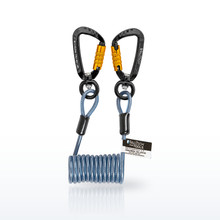
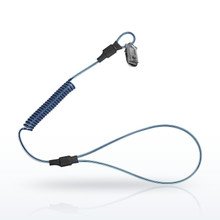
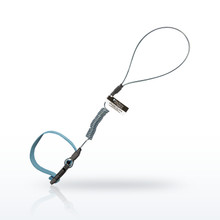
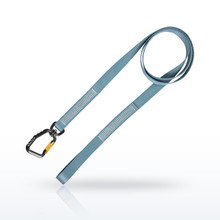
18 FallTech styles qualify; the first 16 are listed and every part number is on the series pages: FallTech Tool Tethers.
Source: FallTech product pages (falltech.com, fetched Nov 8 2026), FallTech category and industry pages, instruction manuals and brochures as cited above each table; the products listed are the FallTech styles that FallTech's own pages or documents place in this work, not a selection by Bayshore Safety.
Manufacturer sizing and fall clearance documents
Safewaze: Harness Fitting and Sizing (PDF) · Fall Clearance Chart (PDF). FallTech: Harness Sizing Chart, men 2026 (PDF) · Harness Sizing Chart, women 2026 (PDF) · Calculating Fall Clearance poster (PDF) · SRL quick guide (PDF). Each manufacturer's document applies to its own products; the figures on a style page come from that style's data sheet.
Guides: OSHA roof rules · residential construction · anchor points and the 5,000 lb rule · how to calculate fall clearance · leading-edge SRLs · every fall protection item by type and standard.
Fall Protection for Roofers questions
What is the 25% rule for roofing? It is not a fall protection rule. The "25 percent rule" people search for is a building-code and insurance re-roofing threshold (whether a roof repaired beyond a share of its area must be brought up to current code). OSHA's roofing fall protection triggers are the 6-foot rules in 29 CFR 1926.501(b)(10), (b)(11) and (b)(13); Cal/OSHA's are 20 feet for single-unit roof coverings on low-slope commercial roofs under Title 8 §1730(b) and 6 feet for residential-type roofing under §1731(c).
Can you work on a roof without a harness? The paragraphs name systems, not a harness: at 6 feet or more, 1926.501(b)(10) accepts guardrails, safety nets, a personal fall arrest system, or on a low-slope roof a warning line combined with one of those or with a safety monitoring system (a monitor alone on roofs 50 feet or less wide); 1926.501(b)(11) on steep roofs accepts guardrails with toeboards, nets or a personal fall arrest system. A harness is required when the personal fall arrest system is the method used, and under 1926.502(d)(17) it must be a full body harness, not a body belt.
Are roof anchors required by code? No OSHA paragraph requires an anchor as such; what 1926.502(d)(15) requires, when a personal fall arrest system is the method chosen, is an anchorage capable of supporting 5,000 pounds per employee attached, or one designed, installed and used under a qualified person as part of a complete system with a safety factor of at least two. Whether a building keeps permanent anchors for later roof work is a design decision for the building; Safewaze and FallTech each title some anchors permanent and others temporary, reusable or single-use.
What are the OSHA requirements for roof tie-offs? 29 CFR 1926.502(d): the anchorage supports 5,000 pounds per employee or is engineered with a safety factor of two ((d)(15)); the system limits the arresting force to 1,800 pounds with a full body harness, limits free fall to 6 feet, keeps the worker from contacting a lower level and limits the deceleration distance to 3.5 feet ((d)(16)); body belts are not part of a fall arrest system ((d)(17)); and the system is inspected before each use ((d)(21)). The anchor goes into the structure its manufacturer's instruction names, which both Safewaze and FallTech print on each anchor page.
At what height do you need a harness on a roof? Under 29 CFR 1926.501(b)(10) and (b)(11), at 6 feet or more above a lower level, with a personal fall arrest system as one of the permitted methods; in California, §1731(c) sets 6 feet for residential-type roofing on slopes up to 7:12 and §1730(b) sets 20 feet for single-unit roof coverings on commercial low-slope roofs, with steeper slopes protected regardless of height.
Can you leave a roof anchor on the roof? Both manufacturers sell both kinds and say which is which in the title. Safewaze: 020-4026 Permanent Roof Anchor and 019-4006 FrogLink Permanent against 019-4005 FrogLink Temporary, FS870 Reusable and FS871 Knock-Down. FallTech: 7431 Twin-D Permanent and 7434 Single-D Permanent anchors for wood against 7410 Hinged Reusable, 7493A Reusable Chain and 7444 Single-use Ridge anchors. Which one stays is the manufacturer's instruction for that anchor and the roofing system's; the strength rule is 1926.502(d)(15).
The ratings, test results and standards shown here are the manufacturers' published values, reproduced as published. Nothing on this page is a recommendation by Bayshore Safety that any product is suitable for a particular task, hazard or workplace. Selecting safety products and protective equipment is the responsibility of the end user and the employer, based on their own hazard assessment and the regulations that apply to their work. Confirm every value on the manufacturer's own documentation before use.