
Fall Protection for Solar Installers
Fall Protection for Solar Installers: the OSHA and Cal/OSHA rule paragraphs condensed and linked, and the Safewaze and FallTech products whose own data names solar panel installation on roofs. We sell nationwide; ships in 1–2 business days; most orders arrive in 3–7 business days.
What the federal rule says
Each entry is condensed from the paragraph cited; the paragraph itself is the rule and the link opens it.
29 CFR 1926.501(b)(1): Unprotected sides and edges: each employee on a walking/working surface with an unprotected side or edge 6 feet or more above a lower level shall be protected by guardrail systems, safety net systems or personal fall arrest systems; this is the paragraph that applies to trades on a roof that are not roofing work.
29 CFR 1926.501(b)(10): Low-slope roofs: at 6 feet or more above lower levels, guardrails, safety nets, personal fall arrest systems, or a warning line combined with one of those or with a safety monitoring system; on roofs 50 feet or less in width, a safety monitoring system alone is permitted for roofing work.
29 CFR 1926.501(b)(11): Steep roofs (slope greater than 4 in 12): guardrail systems with toeboards, safety net systems or personal fall arrest systems at 6 feet or more.
29 CFR 1926.501(b)(13): Residential construction: 6 feet or more, with guardrails, safety nets or personal fall arrest systems unless the employer demonstrates infeasibility or a greater hazard and uses a fall protection plan under 1926.502(k); OSHA Directive STD 03-11-002 (2010) withdrew the earlier interim residential guidelines and applies the paragraph as written.
29 CFR 1926.501(b)(4): Holes and skylights: covers, guardrails or personal fall arrest systems at 6 feet or more.
29 CFR 1926.502(d)(15): Anchorages used for attachment of personal fall arrest equipment must be independent of any anchorage used to support or suspend platforms and capable of supporting at least 5,000 pounds per employee attached, or be designed, installed and used under the supervision of a qualified person as part of a complete system that maintains a safety factor of at least two.
29 CFR 1926.502(d)(16): A personal fall arrest system must limit the maximum arresting force on an employee to 1,800 pounds when used with a body harness, be rigged so the employee can neither free fall more than 6 feet nor contact any lower level, bring the employee to a complete stop and limit the deceleration distance to 3.5 feet, and have sufficient strength to withstand twice the potential impact energy of a 6-foot free fall.
Source: 29 CFR, Occupational Safety and Health Standards, as published by OSHA (ecfr.gov), read Nov 6 2026.
California (Cal/OSHA)
Each entry is condensed from the paragraph cited; the paragraph itself is the rule and the link opens it.
Title 8 §1670(a): Approved personal fall arrest, personal fall restraint or positioning systems shall be worn by employees whose work exposes them to falling in excess of 7 1/2 feet from the perimeter of a structure, unprotected sides and edges, leading edges, through shaftways and openings, sloped roof surfaces steeper than 7:12, or other sloped surfaces steeper than 40 degrees not otherwise adequately protected. Body belts shall not be used as part of a personal fall arrest system (effective January 1, 1998).
Title 8 §1730(b): Roofing operations on single-unit roof coverings with slopes 0:12 to 4:12: fall protection required at more than 20 feet, with warning lines as the section describes; §1731 defines residential-type roofing activities as roofing and re-roofing work, so trades installing on an existing roof that are not roofing work fall under §1670(a) and its 7 1/2 foot and steeper-than-7:12 rules.
Title 8 §1731(c): Residential-type roofing activities on slopes up to 7:12: protection where the fall distance is 6 feet or more; steeper than 7:12 regardless of height.
Source: California Code of Regulations, Title 8, as published by Cal/OSHA (dir.ca.gov), read Nov 6 2026.
Safewaze and FallTech products whose own description names solar panel installation on roofs
Each section lists the styles whose manufacturer title, page, category or document names the structure or the use; the ratings are the manufacturer's. Sizes and lengths are chosen on the style page. The series pages carry every part number, the standards written out and the documents. Safewaze first, then FallTech; the line above each FallTech table says which FallTech page or document put it here.
Safewaze roof anchors by roof type
Safewaze names the roof type in each title: standing seam metal (FS-EX311, FS874), tile (TileLink), membrane (022-4090), wood (reusable, knock-down, permanent, ridge, peak, truss, FrogLink) and the swivel and plate anchors; the concrete anchors are on their own page. The manufacturer's instruction sheet for each anchor names the fastener and the structure.

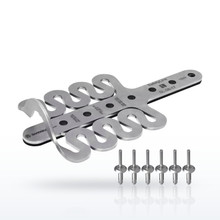


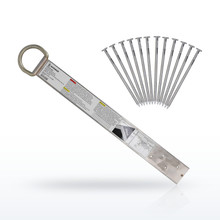


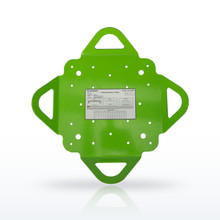

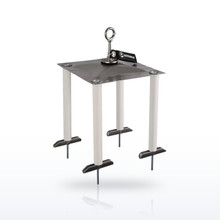
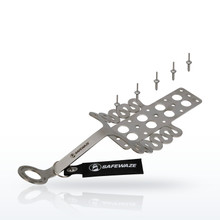
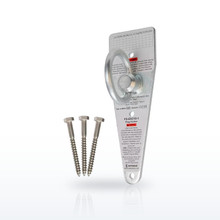


Every part number in the series, with sizes and lengths: Safewaze Roofing Anchors · Safewaze Concrete Anchors.
Source: Safewaze product pages and technical data sheets (safewaze.com, fetched Nov 6 2026); the 2025 Safewaze file; the products listed are the Safewaze styles whose own description names the use or the structure, not a selection by Bayshore Safety.
Safewaze horizontal lifeline kits
Temporary rope and cable horizontal lifelines for two users; the span and anchorage are on each kit page.
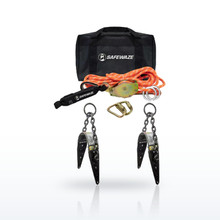
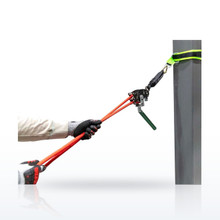
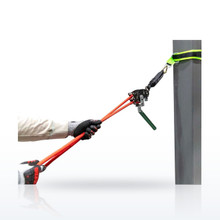
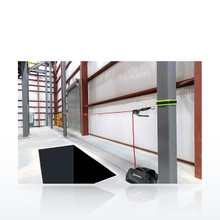
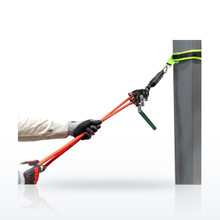
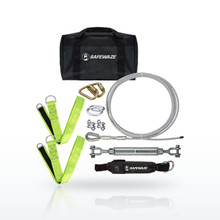


Every part number in the series, with sizes and lengths: Safewaze Kernmantle Rope Horizontal Lifeline Systems · Safewaze Double Braid Rope Horizontal Lifeline Systems.
Source: Safewaze product pages and technical data sheets (safewaze.com, fetched Nov 6 2026); the 2025 Safewaze file; the products listed are the Safewaze styles whose own description names the use or the structure, not a selection by Bayshore Safety.
Safewaze roofer kits


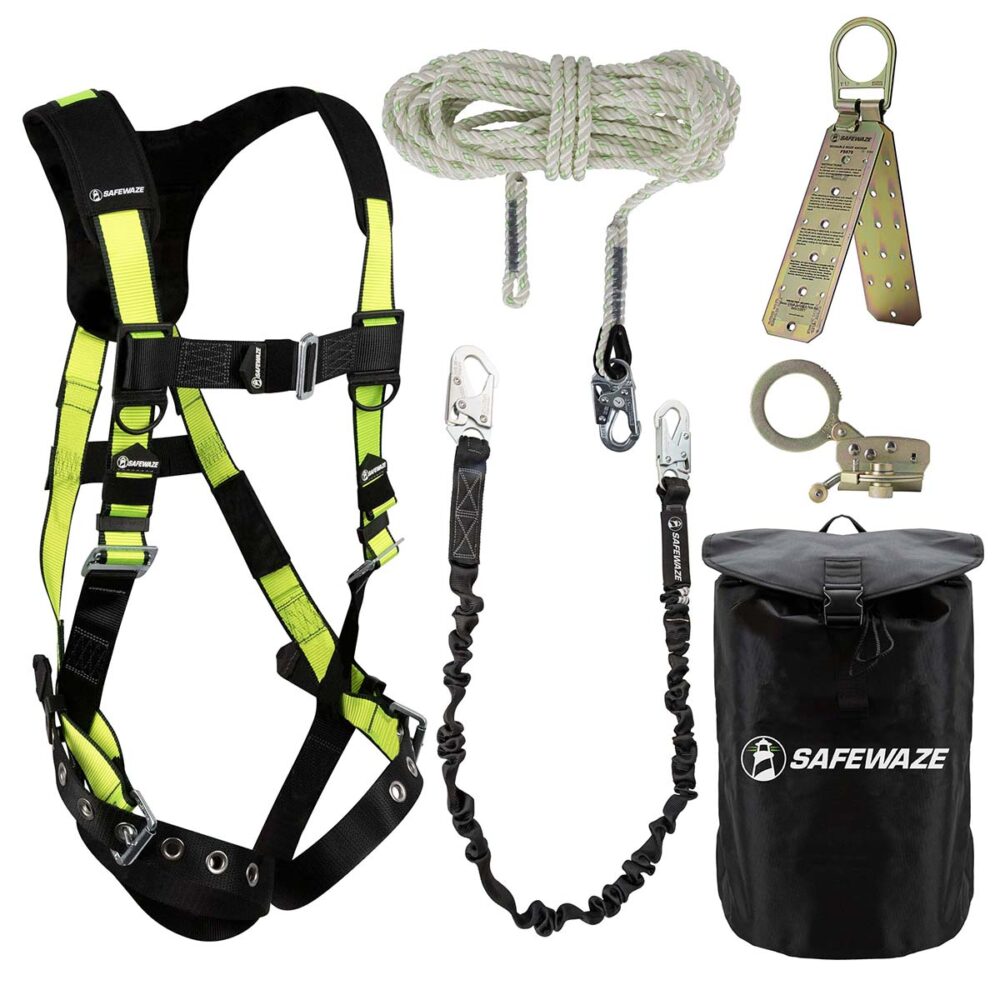
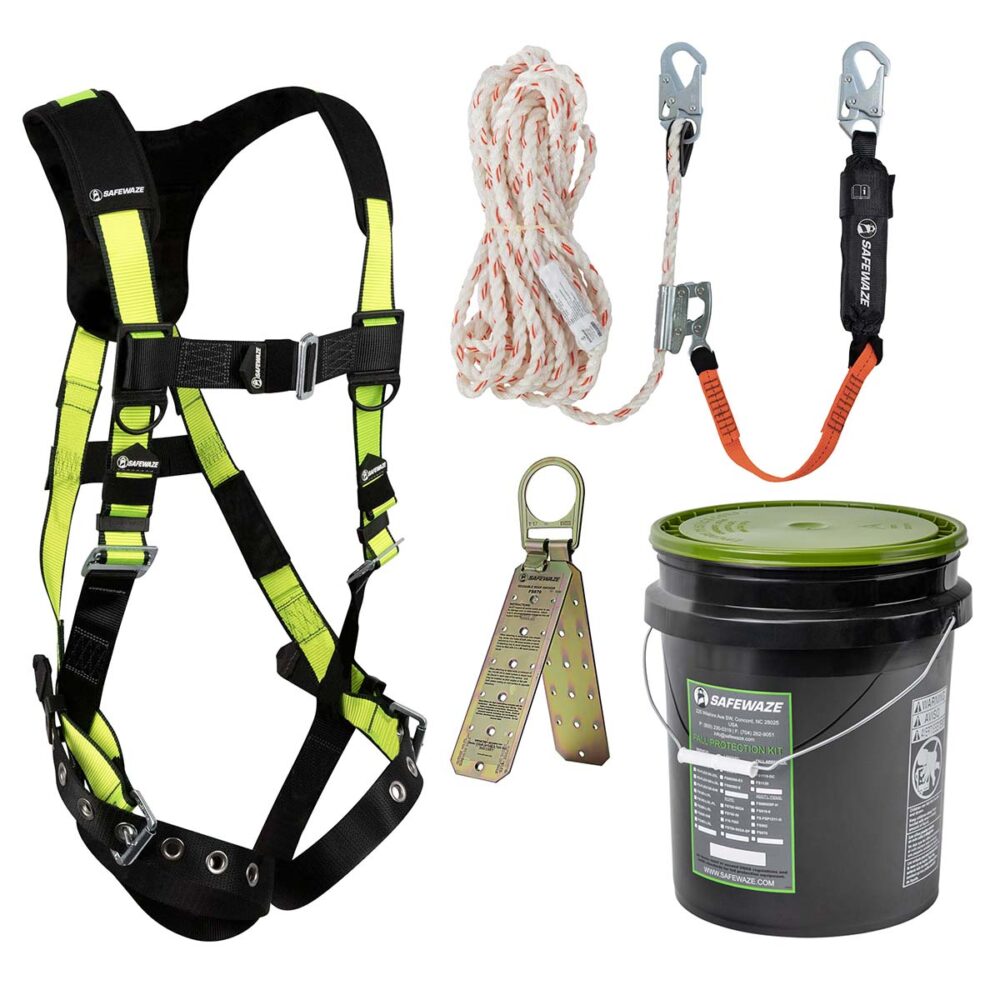
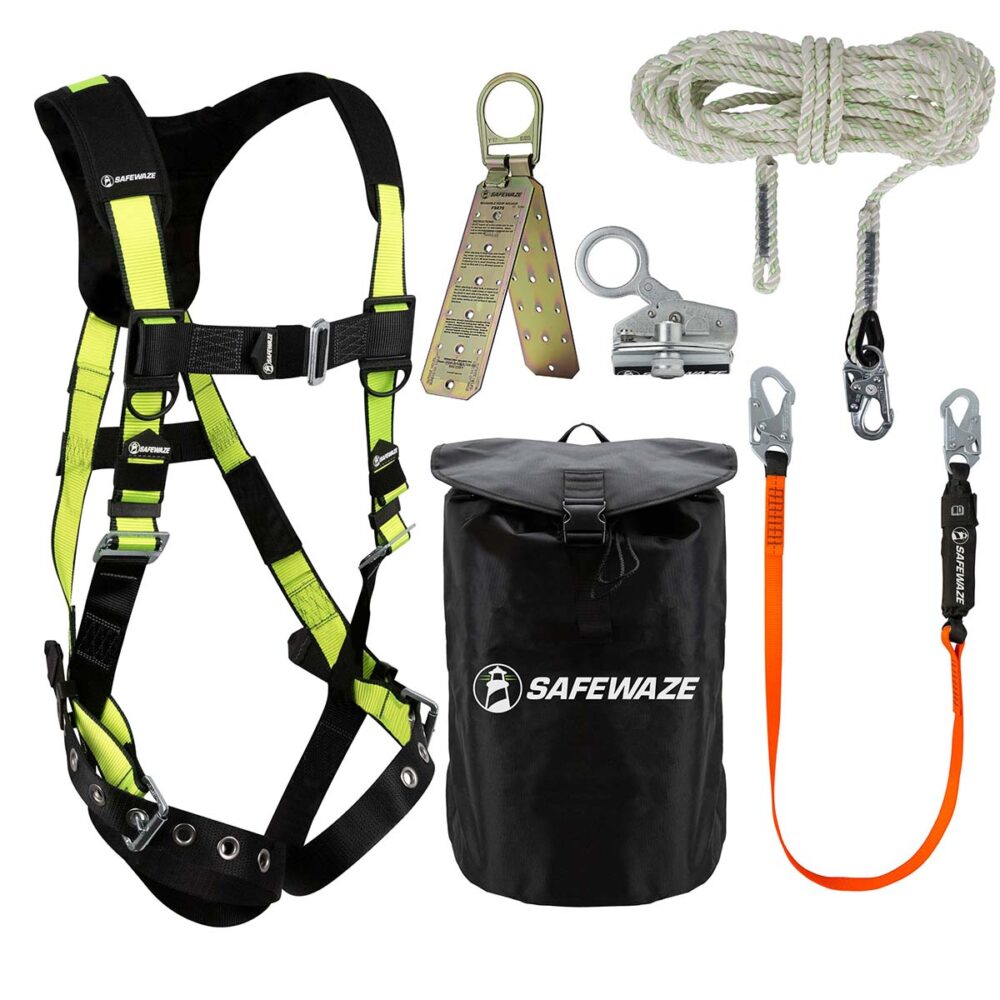
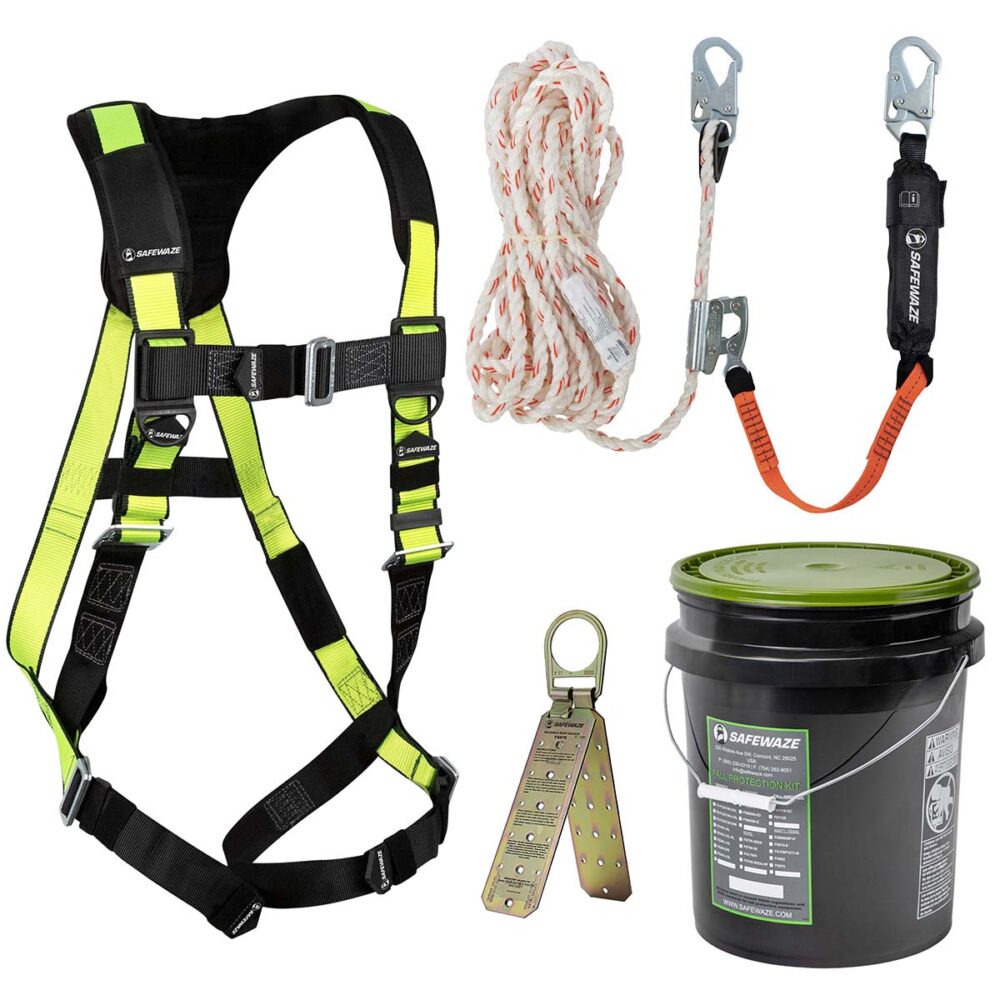
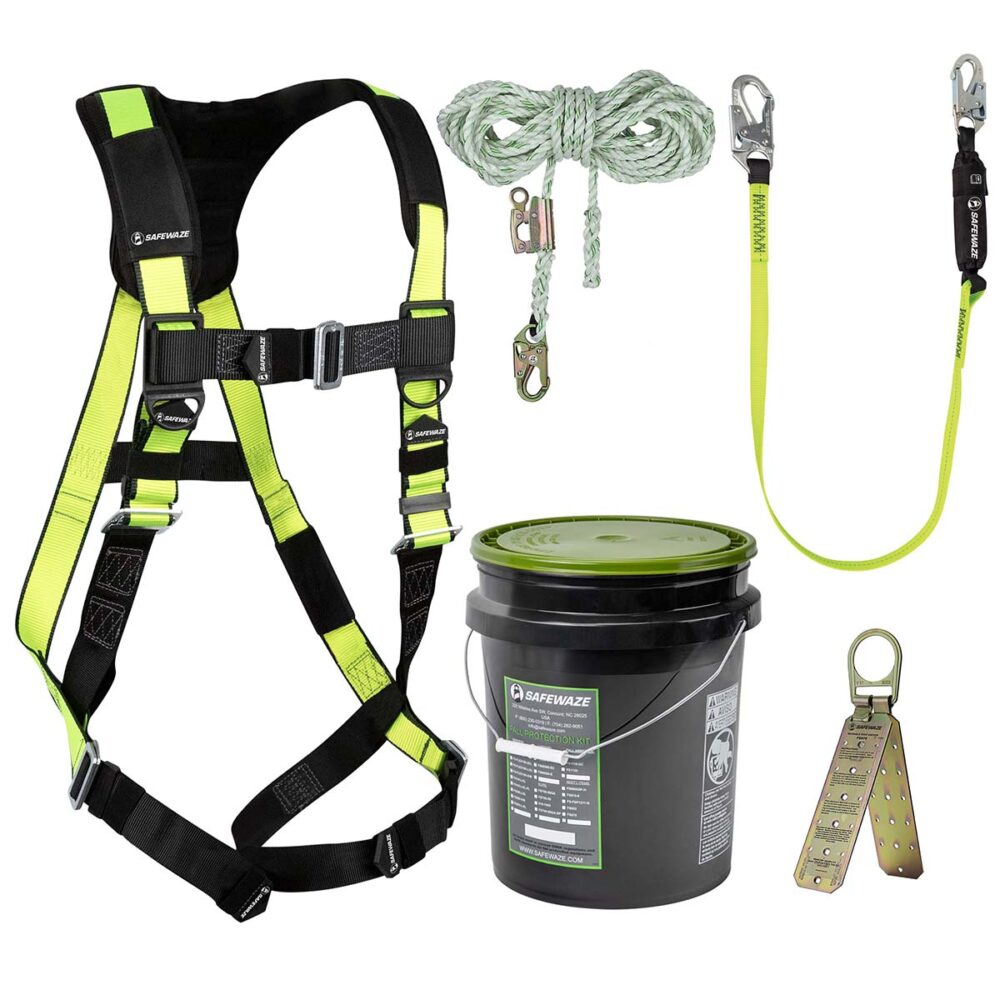
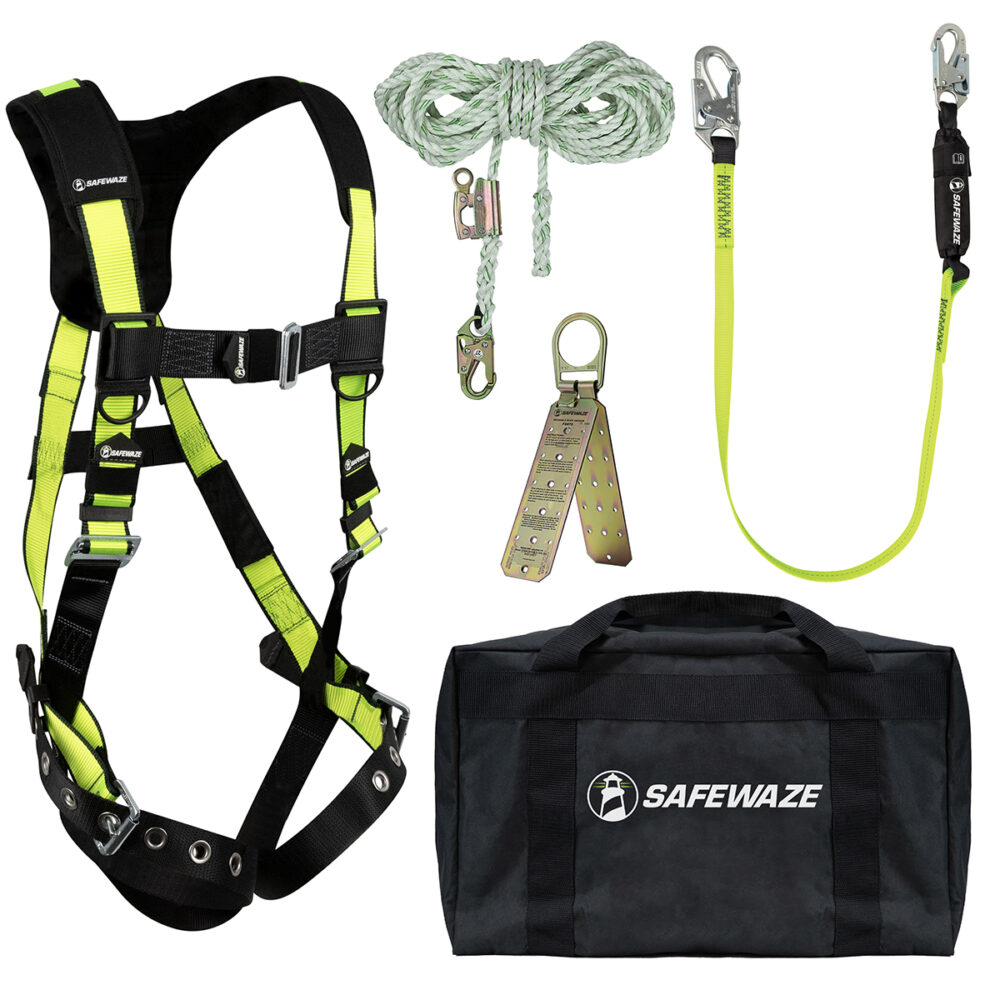
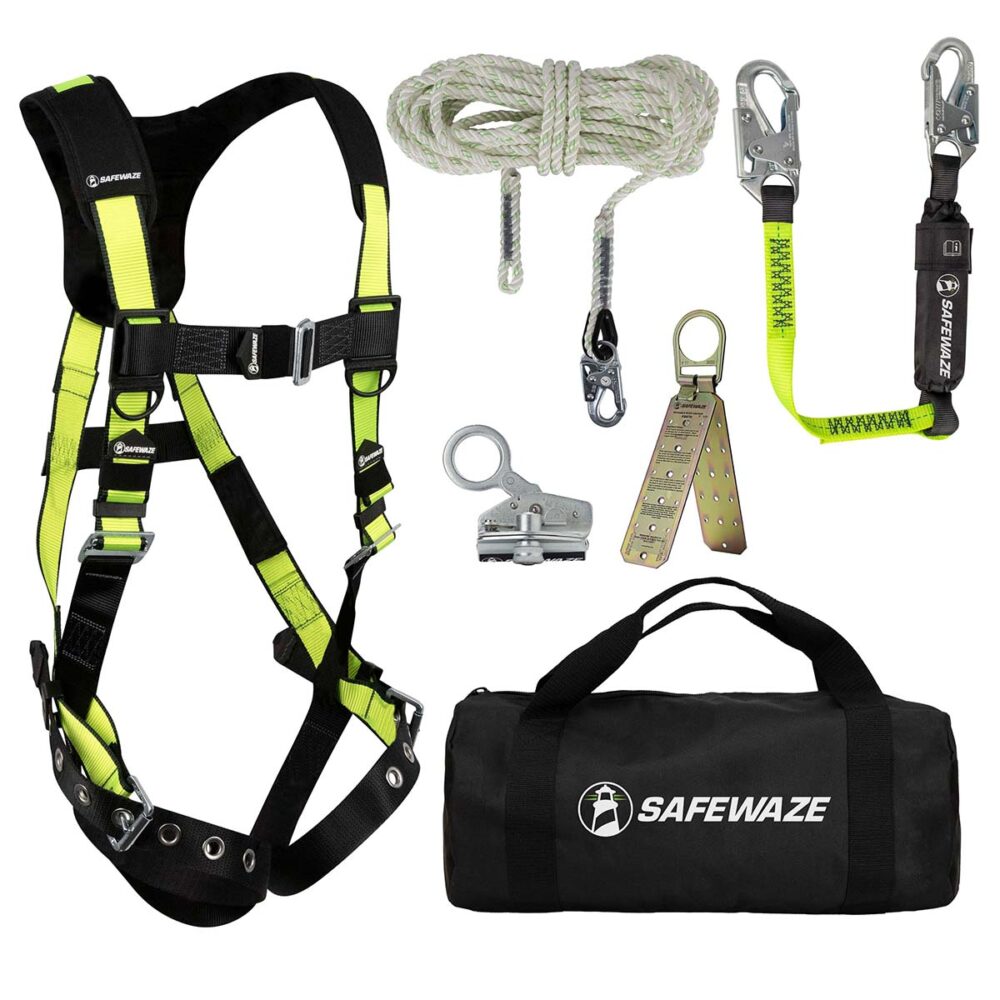
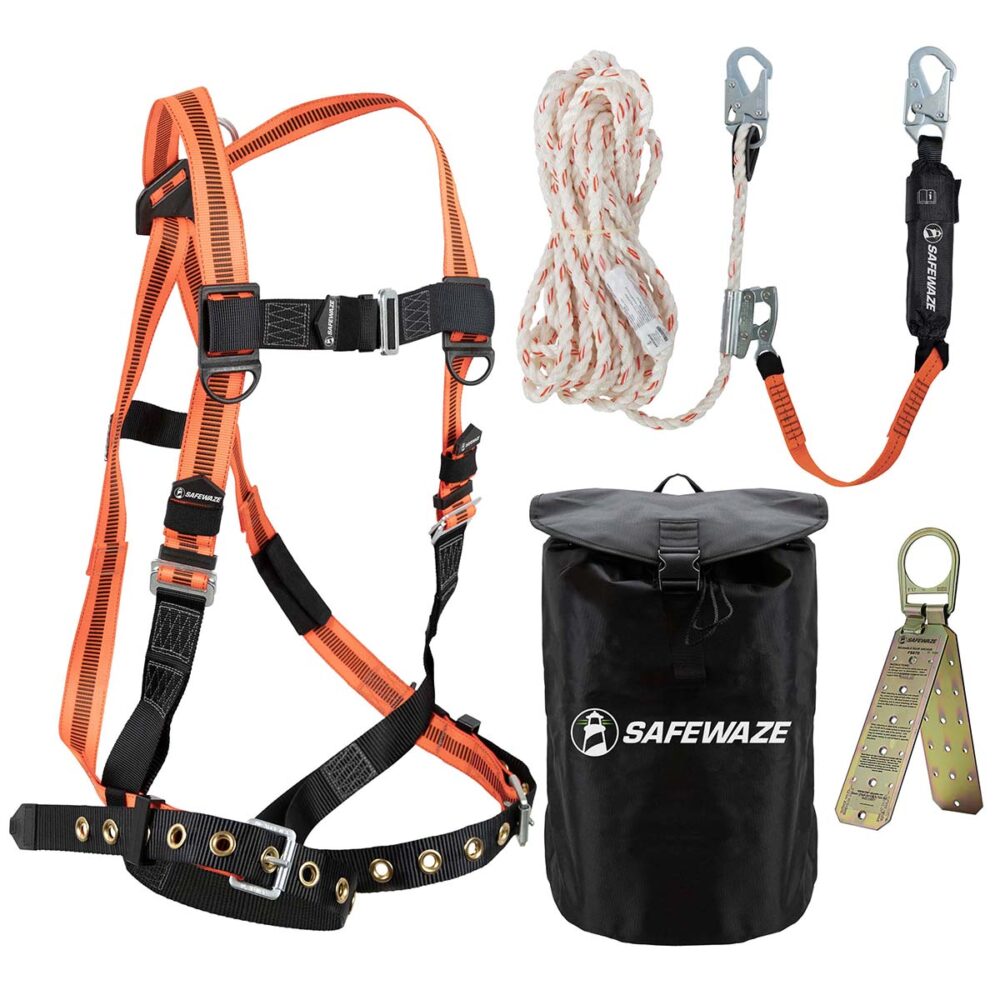
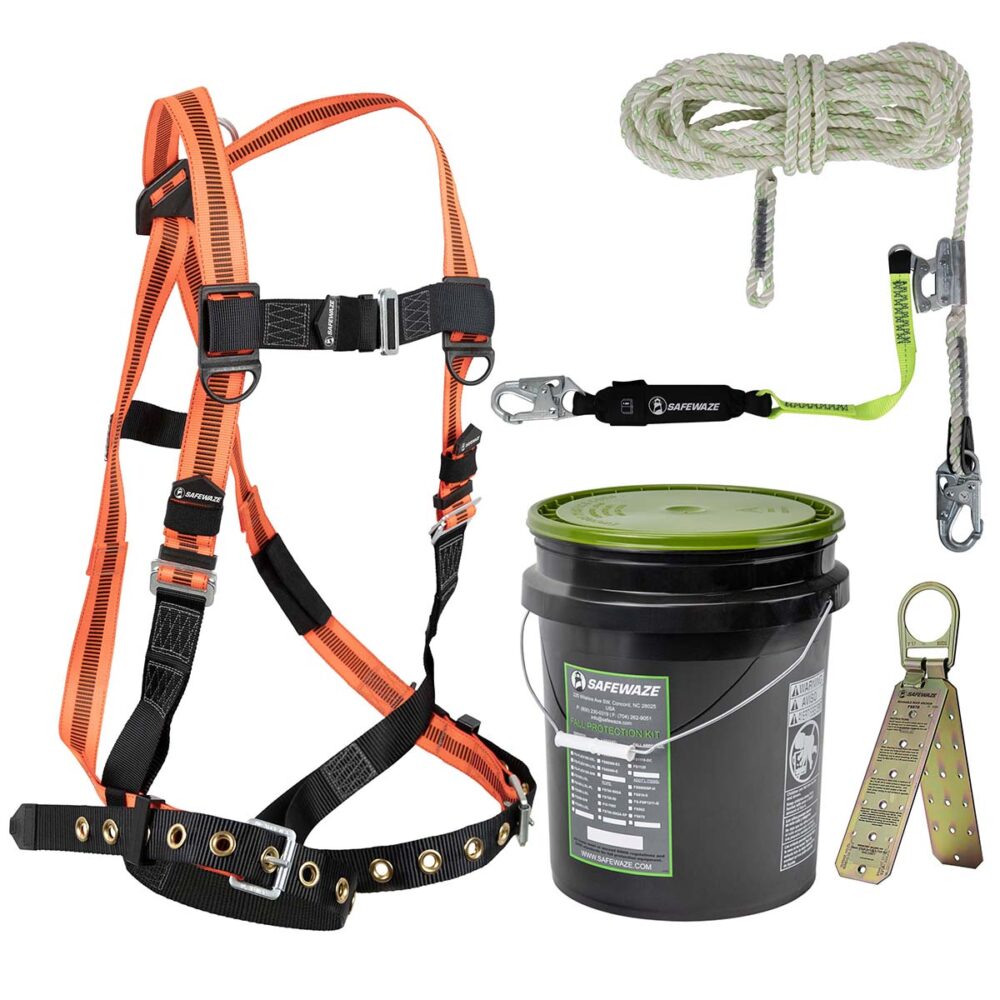
Every part number in the series, with sizes and lengths: Safewaze PRO Kits · Safewaze V-Line Kits.
Source: Safewaze product pages and technical data sheets (safewaze.com, fetched Nov 6 2026); the 2025 Safewaze file; the products listed are the Safewaze styles whose own description names the use or the structure, not a selection by Bayshore Safety.
Safewaze vertical lifelines and rope grabs
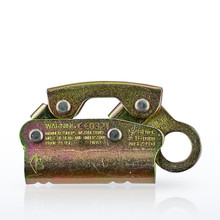

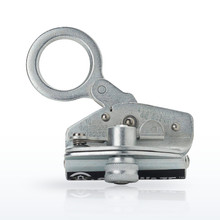
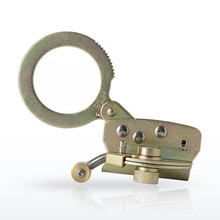
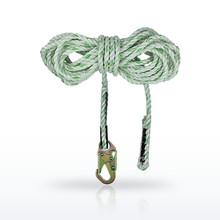
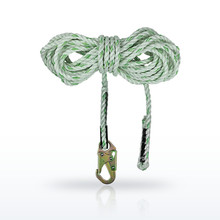
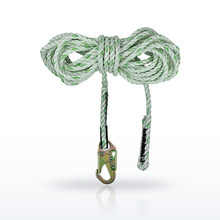
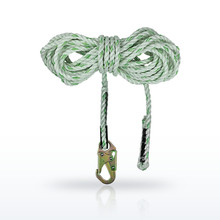
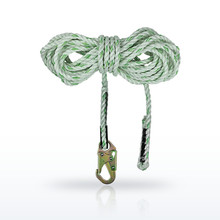
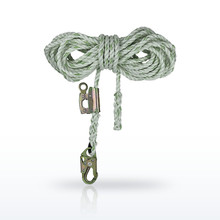
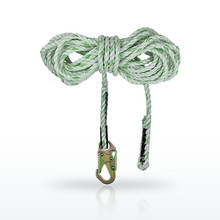

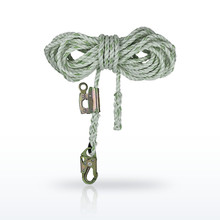
Source: Safewaze product pages and technical data sheets (safewaze.com, fetched Nov 6 2026); the 2025 Safewaze file; the products listed are the Safewaze styles whose own description names the use or the structure, not a selection by Bayshore Safety.
Safewaze SRLs
Class 1 SRL-Ps and the Class 2 Latitude Edge devices Safewaze rates for a leading edge.
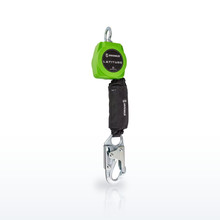
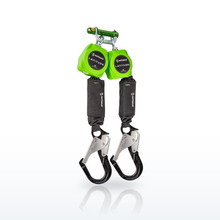

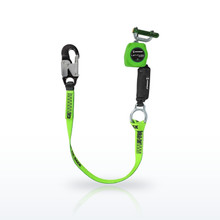


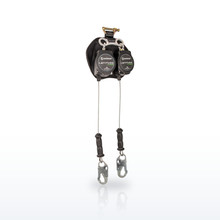
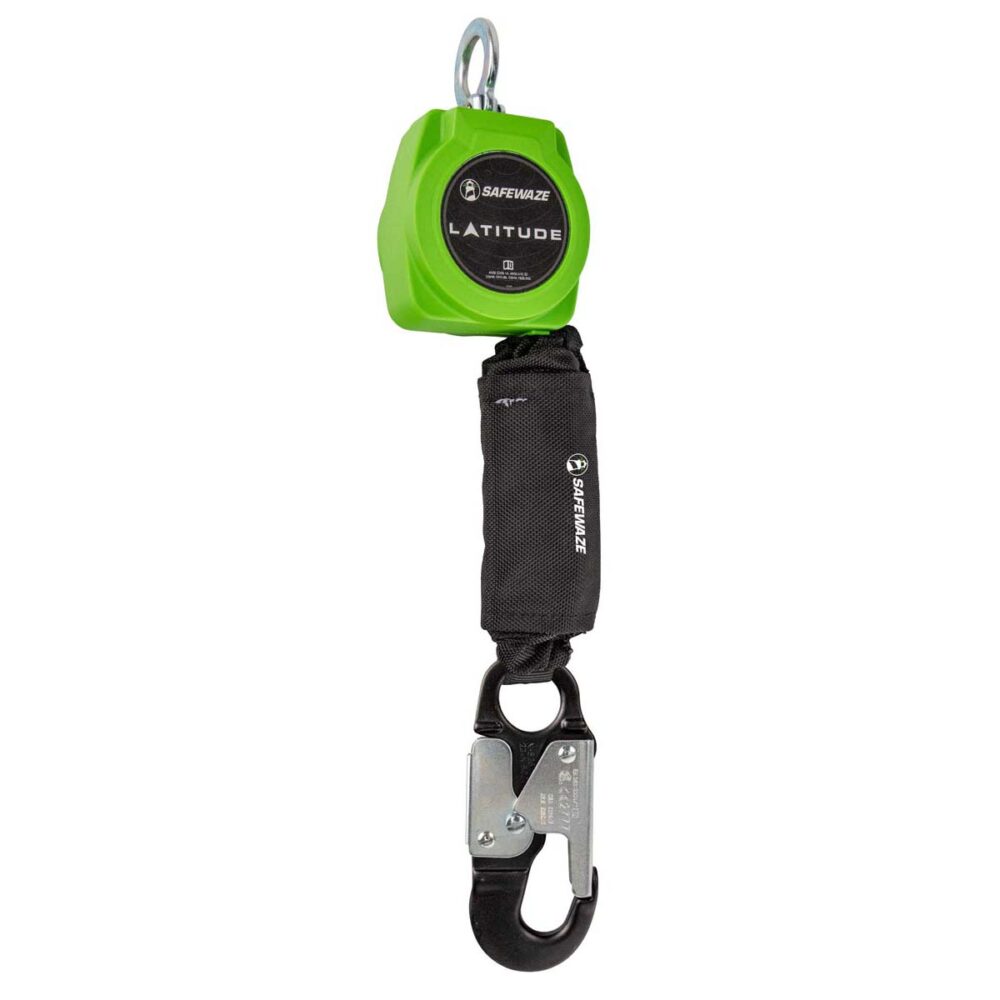
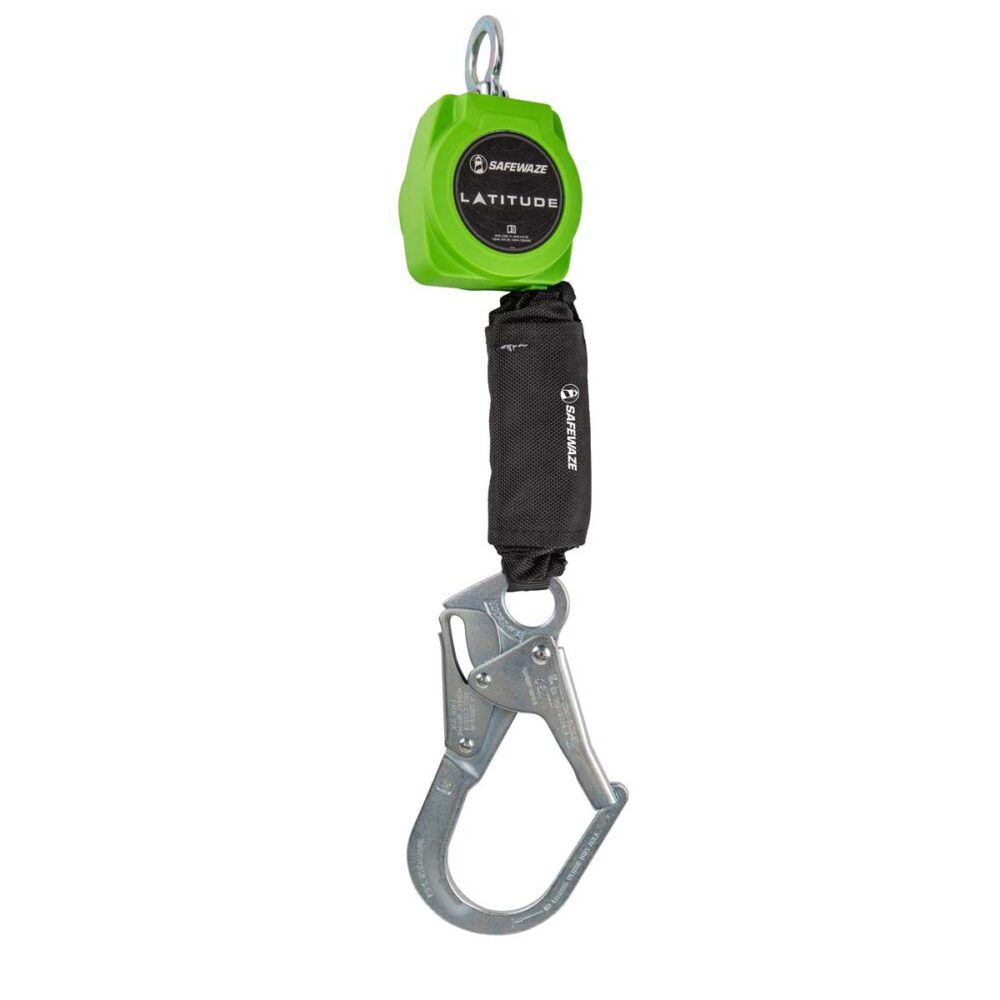
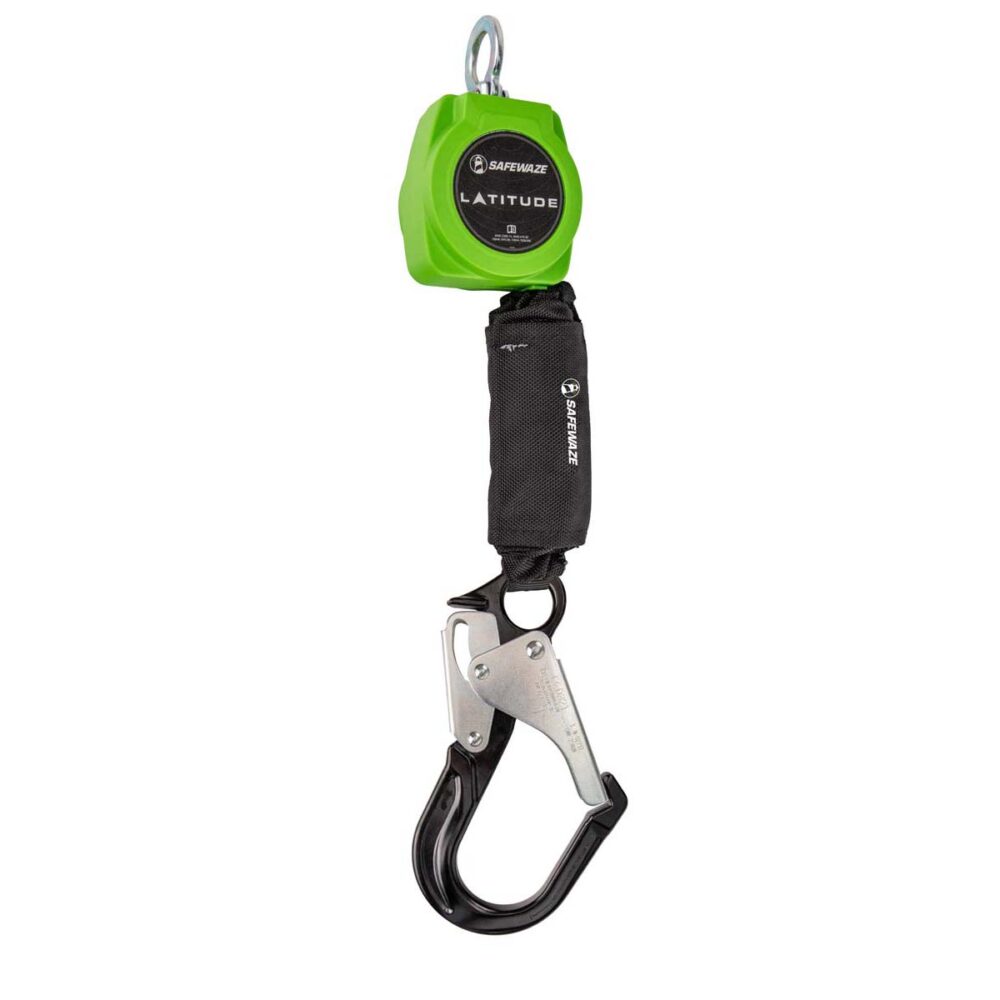
Every part number in the series, with sizes and lengths: Safewaze Latitude SRLs · Safewaze Latitude Edge SRLs.
Source: Safewaze product pages and technical data sheets (safewaze.com, fetched Nov 6 2026); the 2025 Safewaze file; the products listed are the Safewaze styles whose own description names the use or the structure, not a selection by Bayshore Safety.
Safewaze harnesses

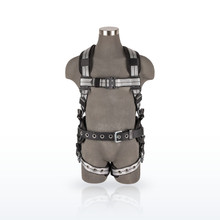

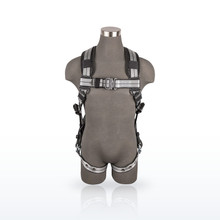
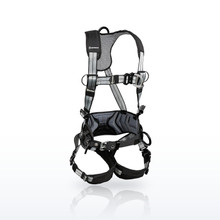


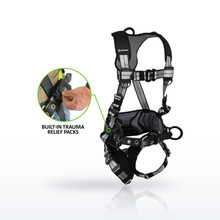
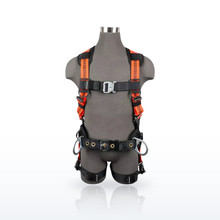
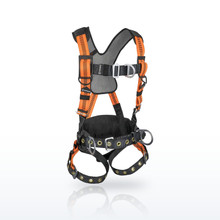
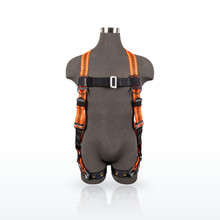


Every part number in the series, with sizes and lengths: Safewaze PRO Harnesses · Safewaze V-Line Harnesses · Safewaze PRO+ Slate Harnesses.
Source: Safewaze product pages and technical data sheets (safewaze.com, fetched Nov 6 2026); the 2025 Safewaze file; the products listed are the Safewaze styles whose own description names the use or the structure, not a selection by Bayshore Safety.
FallTech roof anchors by roof structure
Why these are here: FallTech Roofing anchorages category: each anchor names the roof structure it fastens to (wood, steel deck and metal roofing, concrete, post anchors); FallTech has no document naming solar installation.
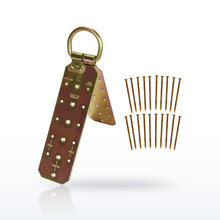
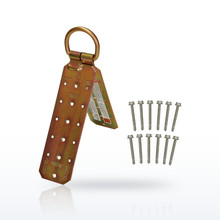
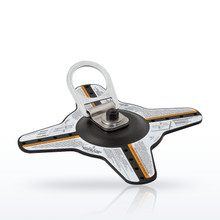
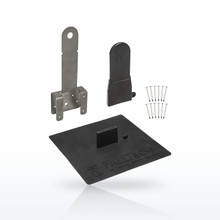
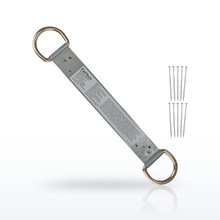
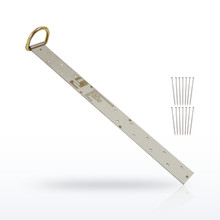
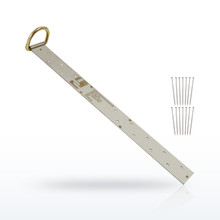
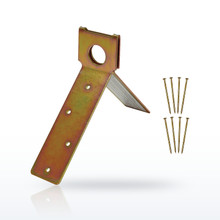
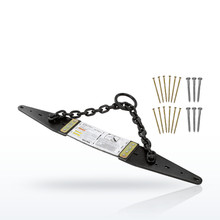
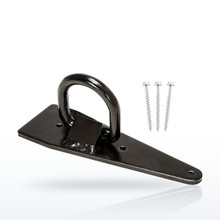
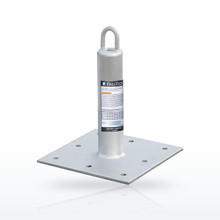
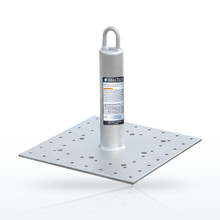
Every part number in the series: FallTech Roofing Anchorage.
Source: FallTech product pages (falltech.com, fetched Nov 8 2026), FallTech category and industry pages, instruction manuals and brochures as cited above each table; the products listed are the FallTech styles that FallTech's own pages or documents place in this work, not a selection by Bayshore Safety.
Manufacturer sizing and fall clearance documents
Safewaze: Harness Fitting and Sizing (PDF) · Fall Clearance Chart (PDF). FallTech: Harness Sizing Chart, men 2026 (PDF) · Harness Sizing Chart, women 2026 (PDF) · Calculating Fall Clearance poster (PDF) · SRL quick guide (PDF). Each manufacturer's document applies to its own products; the figures on a style page come from that style's data sheet.
Guides: OSHA roof rules · residential construction · anchor points and the 5,000 lb rule · how to calculate fall clearance · when fall protection is required · every fall protection item by type and standard.
Fall Protection for Solar Installers questions
Does OSHA require a harness on a roof for solar installation? OSHA requires fall protection at 6 feet on the roof under 1926.501(b)(1), (b)(10), (b)(11) or (b)(13) depending on the roof and the project; a personal fall arrest system (harness, lanyard or lifeline, anchor) is one of the permitted methods, guardrails and nets are the others. Cal/OSHA §1670(a) applies at 7 1/2 feet and on sloped roofs steeper than 7:12.
What are the OSHA requirements for fall protection on a flat roof? 29 CFR 1926.501(b)(10), for roofing work on low-slope roofs (4 in 12 or less) at 6 feet or more: guardrails, safety nets, a personal fall arrest system, or a warning line system combined with one of those or with a safety monitoring system; on roofs 50 feet or less in width a safety monitoring system alone is permitted. Trades on the roof that are not roofing work fall under 1926.501(b)(1) at 6 feet. California: §1730(b) at 20 feet for single-unit roof coverings, §1670(a) at 7 1/2 feet for other work.
Where to install roof anchors? Where the anchor's manufacturer instructions say, into the structure they name: rafters or trusses for the wood anchors, the seam clamp range for standing seam anchors, the deck or metal roofing for FallTech's 7410M hinged anchor, the tile and membrane fixings for those. The strength rule is 1926.502(d)(15), 5,000 pounds per employee attached or a qualified-person design with a safety factor of two. Both manufacturers' pages carry each anchor's rated strength and fastener list.
What is a structural roof anchor? An anchorage connector fastened to the roof structure (rafter, truss, deck, concrete or steel) rather than to the roof covering, so the load of 1926.502(d)(15) goes into the building. Safewaze and FallTech each name the structure in the anchor title (wood, truss, steel deck and metal roofing, concrete, post anchors) and print the fasteners and the rated strength on the page; permanent anchors left for later maintenance are a design question for the building.
What is a temporary anchor? An anchorage connector installed for the job and removed after it. Safewaze titles some roof anchors temporary or reusable (FS870, FS871, 019-4005 FrogLink Temporary) and others permanent (020-4026, 019-4006); FallTech titles 7410 hinged reusable, 7493A and 7493B1 reusable and 7444 single-use against its 7431 and 7434 permanent anchors.
Can a horizontal lifeline be used on a roof? 1926.502(d)(8) requires horizontal lifelines to be designed, installed and used under the supervision of a qualified person as part of a complete personal fall arrest system with a safety factor of at least two; Safewaze's rope and cable kits and FallTech's SteelGrip cable systems state the number of users, the span and the anchorage strength on each kit page from the data sheet.
The ratings, test results and standards shown here are the manufacturers' published values, reproduced as published. Nothing on this page is a recommendation by Bayshore Safety that any product is suitable for a particular task, hazard or workplace. Selecting safety products and protective equipment is the responsibility of the end user and the employer, based on their own hazard assessment and the regulations that apply to their work. Confirm every value on the manufacturer's own documentation before use.